
How to Prep a House for Painting Step-By-Step
You’ll get a lasting, professional paint job if you prep thoroughly: clean and degrease surfaces, sand glossy areas, patch holes and cracks, re-secure loose trim, caulk gaps, prime repaired spots, and protect floors, furniture, and fixtures with drop cloths and tape. Inspect for moisture, mold, or lead and budget for repairs and supplies. Work room‑by‑room, let primers dry, and test samples in different light — keep going to pick up detailed timelines, tools, and tips.
Why Prepping Matters Before You Paint
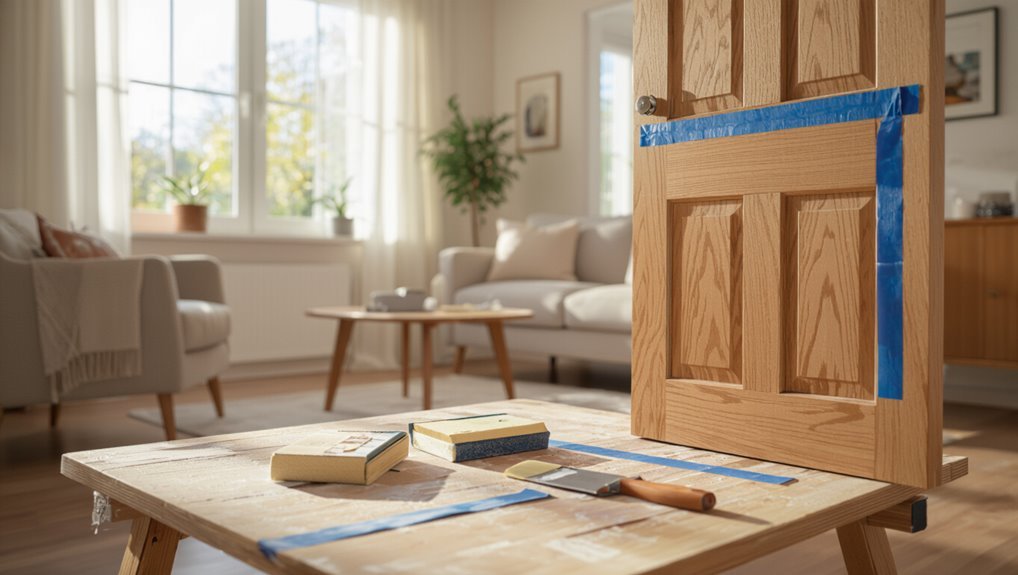
Because a little prep makes the paint job last and look professional, you’ll save time and money by doing it right.
You’ll understand the importance of preparation: fixing surfaces, cleaning grime, and repairing damage prevents peeling and uneven coverage.
You’ll also get the benefits of priming—better adhesion, uniform color, and fewer coats—so your final finish holds up and looks consistent.
Quick Step‑By‑Step Paint Prep Checklist
Start by cleaning surfaces thoroughly so paint will stick and imperfections are visible.
Next, patch holes and sand smooth for a professional finish.
Finally, tape edges and protect floors and furniture before you open a can.
Surface Cleaning
Before you touch a brush, clear dirt, grease, and mildew from every surface so paint adheres and lasts; you’ll work faster and get a smoother finish if the walls and trim are clean.
Use surface disinfecting techniques where needed, rinse thoroughly, and dry.
Choose effective cleaning agents—mild detergent, TSP alternative, or vinegar solution—test a small area, and remove loose debris before painting.
Patch And Sand
Scan the walls and trim for holes, dents, and peeling paint, then tackle each blemish methodically: scrape loose paint, push filler into gaps, let it dry, and sand smooth to a feathered edge so new paint lays flat and hides repairs.
Use appropriate patch materials and basic repair tools, apply consistent sanding techniques to remove surface imperfections, and clean dust before priming.
Tape And Protect
Once your walls are patched and sanded, protect floors, fixtures, and trim with drop cloths and painter’s tape so paint stays where you want it; press tape down firmly along edges and replace any loose fasteners or outlet covers as you go.
Use clean tape techniques, overlap cloths where needed, and secure plastic sheeting.
Prioritize protective strategies for vents, hardware, and windows to avoid touch-ups.
Decide: DIY or Hire Painters?
Wondering whether you should tackle the painting yourself or hire pros? Weigh DIY Considerations against Cost Comparisons, Time Investment, and Skill Assessment.
Match Project Scope to your abilities, consider Long term Implications for maintenance, and set realistic Quality Expectations.
Factor Aesthetic Preferences—do you need specialized finishes? If unsure, get quotes from painters to compare outcomes and costs before deciding.
Create a Realistic Prep and Paint Timeline
Before you pick up a brush or sign a contract, map out a realistic timeline that separates prep from painting and accounts for drying times, weather, and any repairs; this keeps the job on track and helps you schedule helpers, deliveries, or room closures without surprises. Break tasks into realistic timelines with clear project milestones.
| Task | Duration | Milestone |
|---|---|---|
| Prep | 2–4 days | Surfaces ready |
| Paint | 3–5 days | Coats applied |
| Dry/Cure | 1–3 days | Safe re-entry |
Set a Clear Budget for Prep Supplies and Repairs
Start by listing the supplies you’ll need and estimating their costs so you know what to buy.
Factor in likely repairs—patching, sanding, primer—and budget for labor or replacement parts if needed.
Add a 10–20% contingency fund to cover surprises without derailing the project.
Estimate Material Costs
Estimate the materials you’ll need and set a firm budget before you buy anything—you’ll save time and avoid surprise costs.
You’ll factor paint finish and color selection choices into cost estimation, list surface preparation supplies, compare material sourcing and supply options, and schedule purchases.
Use budget planning and project management to track expenses, prioritize essentials, and avoid impulse buys while staying on schedule.
Account For Repairs
Account for repairs by creating a dedicated prep-budget line so you won’t get blindsided by patching, priming, or replacement costs.
After a damage assessment, list needed repair materials—patch compound, sandpaper, primer, fasteners, replacement trim—and estimate quantities and prices.
Prioritize structural and moisture issues, assign costs per room, and track receipts so you can adjust the budget as actual repairs proceed.
Include Contingency Fund
A contingency fund gives you breathing room when unforeseen repairs or extra supplies pop up during prep, so set aside a clear percentage of your total prep budget—typically 10–20%—and treat it as non-negotiable.
Keep the contingency fund separate, track actual spending, and prioritize repairs.
If unexpected expenses are lower than forecast, roll surplus into quality tools or future maintenance to avoid surprises.
Inspect Surfaces to Map Prep Needs
Before you start scraping or sanding, walk each room and exterior wall to identify every surface issue—peeling paint, cracks, stains, mildew, loose trim, and nail pops—and note their location and severity so you can prioritize repairs and estimate materials and time accurately.
Do a thorough surface assessment for damage identification, paint compatibility, and environmental concerns. Check visually and document:
- Peeling, blistering, stains
- Cracks, gaps, nail pops
- Mildew, moisture sources
Identify Different Wall and Trim Materials
Now that you’ve mapped surface issues, identify what materials make up your walls and trim so you can pick the right prep and paint.
Check wall types and trim materials—drywall, plaster, wood, MDF, or metal—to determine paint compatibility and adhesion factors.
Note surface textures, finish options, and color schemes.
Plan surface preparation and repair techniques, and consider moisture levels before proceeding.
Check for Moisture, Mold, and Water Damage
1. Check for visible stains, soft spots, and musty smells before painting.
Use moisture detection techniques to find damp areas and address water sources first. For mold, follow proper mold remediation methods or hire pros.
Consider:
- Inspect ceilings, behind appliances, and basements
- Use a moisture meter and infrared scan
- Repair leaks, dry fully, then prime and paint
Test for Lead Paint and Asbestos Hazards
Because older homes often contain lead paint and asbestos, you should test for these hazards before you start scraping or sanding, since disturbing them can release dangerous dust.
Hire certified professionals for lead paint testing and an asbestos inspection; they’ll sample, analyze, and advise containment or abatement.
Follow their recommendations, use proper PPE, and pause work until clearance guarantees the site is safe to resume painting.
Choose the Right Primer for Your Surface
Before you paint, pick a primer that matches both the surface material and the finish you want so your paint will adhere, cover, and last.
Choose a primer that fits the surface and desired finish so paint will properly adhere, cover, and last.
Choose primer types by checking surface compatibility, bonding properties, drying times, and environmental factors.
Consider color matching and finish selection. Use proper application techniques for best results.
- Porous masonry
- Glossy trim
- Water-damaged drywall
Pick Paint Types and Finishes for Each Room
Start by matching paint types and sheens to each room’s function and traffic: use durable, washable paints with satin or semi-gloss finishes in kitchens and bathrooms where moisture and scrubbing are common.
For living areas and bedrooms, pick matte or eggshell for warmth and subtle texture.
Consider color psychology for mood and prioritize finish durability in high-traffic zones to simplify cleaning and touch-ups.
Gather Tools & PPE for Paint Prep
Once you’ve chosen your paints, assemble the right tools and PPE so prep goes smoothly and safely: sturdy drop cloths, painter’s tape, putty knives, sandpaper, a sanding block, caulk and a caulking gun, spackling compound, scrapers, a good-steel wire brush for flaky surfaces, and a selection of brushes and rollers; also include gloves, eye protection, a respirator or dust mask, and a ladder or step stool sized for the room.
- Brushes, rollers, trays
- Sanding and scraping kit
- PPE and caulking tools
Match supplies to paint types and surface textures so repairs and cleaning are efficient and safe.
Protect Floors With Drop Cloths and Adhesives
Pick drop cloths that suit your floor—canvas for hardwood, plastic for tile or carpet.
Lay them flat and overlap edges, then secure seams and perimeter with painter’s tape or a low-tack adhesive to prevent slips.
Check tape adhesion as you go so nothing shifts while you paint.
Choose The Right Drop Cloths
1 simple rule will save you hours of cleanup: protect every floor surface and trim with the right drop cloths and adhesives.
Choose drop cloth materials and drop cloth sizes to match tasks — heavier for high-traffic, lightweight for trim. Pick coverings that lie flat and resist paint bleed.
Examples:
- canvas for durability
- plastic for spills
- rosin paper for smooth floors
Secure With Tape Or Adhesive
Anyone working on a paint job should secure drop cloth edges with the right tape or adhesive so they stay flat and keep paint off floors and trim. Use proper tape application techniques and choose adhesive types suited to surface. Apply smooth, tensioned edges; press firmly.
| Surface | Recommended |
|---|---|
| Hardwood | Low-tack paper tape |
| Tile | Rubber-based adhesive |
Remove or Mask Furniture Efficiently
Before you start taping, clear the room or mask what’s staying so you can work quickly and avoid accidental drips.
Use furniture removal tips and masking techniques to protect pieces and speed setup. Move small items first, then larger ones. Cover immovable furniture tightly. Keep a clear path for carrying.
- Lift with knees
- Use plastic sheeting
- Tape edges securely
Remove Switch Plates, Outlets, and Fixtures
Start by turning off the power to the room at the breaker and confirming the circuit is dead with a tester.
Remove switch plates and outlets, labeling screws and noting switch plate types so reinstallation’s easy.
Unscrew light fixtures, support heavy pieces, and disconnect wiring only if comfortable.
Follow outlet safety: keep wires capped, tuck them back into boxes, and cover openings with tape or blank plates until painting.
Clean Walls to Remove Dirt, Grease, and Grime
Start by wiping walls with a dry microfiber cloth or duster to remove surface dust.
For grease and stubborn stains, use a degreasing cleaner or a mix of warm water and mild detergent, scrubbing gently with a sponge.
Rinse and let the walls dry completely before priming or painting.
Remove Surface Dust
Wipe down the walls to remove dust, dirt, grease, and grime so paint will adhere evenly and look its best.
Use gentle dust removal techniques and surface preparation tips: wipe with a microfiber cloth, vacuum crevices, and sweep baseboards.
Work top to bottom, overlapping strokes. Rinse cloths often and let surfaces fully dry before painting to guarantee a smooth, lasting finish.
Degrease Stubborn Stains
Scrub away grease and stubborn grime with a targeted cleaner so paint will stick and look even.
Use degreasing cleaning solutions or a trisodium phosphate alternative, rinse thoroughly, and dry.
Test stain removal techniques on a hidden spot first.
For heavy stains, repeat treatment or sand lightly, then prime stained areas before painting to guarantee uniform adhesion and color.
Degloss Glossy Surfaces for Better Adhesion
Sanding glossy surfaces dulls the shine and gives primer and paint something to grip, so you’ll get a smoother, longer-lasting finish.
Use deglossing techniques for adhesive improvement before priming. Clean first, then:
- Lightly sand with fine-grit paper
- Wipe dust with a tack cloth
- Apply a deglosser or bonding primer as needed
This boosts adhesion and reduces peeling.
Sand Walls and Trim for a Smooth Surface
Start by checking walls and trim for dents, bumps, peeling paint, or rough spots so you know what needs attention.
Pick the right abrasive—coarse for heavy flaws, medium for general smoothing, and fine for feathering edges.
Finish with a light sanding using fine grit to create an even, paint-ready surface.
Assess Surface Imperfections
Before you paint, inspect every wall and trim piece for dings, bumps, and old paint buildup so you can sand them smooth and guarantee a professional-looking finish.
You’ll use surface evaluation and inspection techniques to prioritize repairs, mark problem areas, and plan work. Check visually and by touch, then:
- Scuff rough spots
- Highlight dents to fill
- Note flaky paint for removal
Choose Appropriate Abrasives
Choose abrasives based on the surface and the job: coarse grits (60–80) for stripping old paint or leveling deep gouges, medium grits (100–150) for smoothing patched areas, and fine grits (180–220) for final passes on walls and trim.
Use sanding blocks or a palm sander on trim to keep edges crisp and a pole or orbital sander on large wall areas to save time.
Use proper abrasive types, grit selection and sanding techniques for surface preparation, paint adhesion, and material compatibility.
Finish With Fine Sanding
Finish the job by doing fine sanding to create a smooth, paint-ready surface on both walls and trim.
You’ll use gentle sanding techniques to remove imperfections, then wipe dust and inspect edges. Focus on consistent pressure and grain direction for clean results.
These finishing touches make paint adhere and look professional.
- sand corners and trim gently
- smooth walls with light passes
- clean dust thoroughly
Choose Sanding Tools and Grit for Each Task
One clear rule guides your sanding choices: match the tool and grit to the job—coarse grit for removing old finishes or leveling, medium for smoothing imperfections, and fine for final feathering before priming.
You’ll pick sanding equipment by finish types and surface preparation needs, follow sanding techniques and sanding safety, prioritize grit selection, and perform routine tool maintenance to guarantee effective sanding for adhesion.
Repair Nail Holes, Dents, and Small Cracks
Start by walking the walls and marking every nail hole, dent, and small crack so you won’t miss anything when you start patching.
Pick the right patch material — spackle for tiny nail holes, lightweight filler for shallow dents, and caulk or joint compound for small cracks.
Work with tools and products suited to each fix so repairs feather smoothly into the surrounding surface.
Locate And Mark Imperfections
Before you apply primer or paint, inspect every wall and trim for nail holes, dents, and small cracks and mark them so you won’t miss any during repairs.
Use imperfection identification and surface assessment as you work, marking spots with pencil or painter’s tape. Check lighting and distance.
- Tiny nail holes
- Hairline cracks
- Shallow dents
Choose Appropriate Patch Materials
Pick the right patching material for each flaw so your repairs blend smoothly and hold up under primer and paint. You’ll match material types to surface compatibility, use proper patching tools, and apply repair methods that address common issues. Follow prep strategies, drying times, and patch aesthetics. See quick reference below for patching techniques, product recommendations, and notes.
| Flaw | Material | Tool |
|---|---|---|
| Nail holes | Spackling | Putty knife |
| Dents | Lightweight filler | Sanding block |
| Hairline cracks | Caulk | Caulking gun |
| Larger gaps | Joint compound | Trowel |
Patch Larger Holes and Damaged Drywall
Repairing larger holes and damaged drywall keeps your freshly painted walls looking smooth and professional. You’ll want to address any spots bigger than a nail hole before priming.
Repair larger holes and damaged drywall before priming to keep walls smooth and paint-ready.
Use appropriate drywall compound and repair tools, follow patching techniques for different hole sizes, allow proper drying times, then apply finishing touches and texture matching to guarantee paint compatibility.
- small to medium patches
- mesh or backing for large holes
- feathered sanding and skim coats
Re‑Secure Loose Trim and Baseboards
Start by checking each piece of trim and baseboard to see where it’s loose or separating from the wall.
Pull any old nails or damaged fasteners and clear out the gaps so the trim sits flush.
Reattach using the right length nails or screws and, where needed, use construction adhesive or finish nails driven into studs for a secure hold.
Inspect Trim Attachment
Before you paint, walk the room’s perimeter and check every piece of trim and baseboard for gaps, loose nails, or movement when you press on it.
You’ll assess trim stability and note existing attachment methods. Tighten or add fasteners as needed, caulk gaps, and shim where trim wobbles.
- gaps at corners
- nail pops or movement
- uneven wall-to-trim contact
Remove Old Fasteners
Pull out any loose or rusted nails and remove old screws so you can properly re-secure trim and baseboards.
Use the right tools for various fastener types—nail puller, screwdrivers, or an oscillating tool—and employ gentle removal techniques to avoid splitting trim.
Keep removed fasteners organized, note damaged areas, and clear debris so the surfaces are ready for secure reattachment.
Reattach With Proper Hardware
- Reattach loose trim and baseboards using proper hardware so pieces sit flush. You’ll secure finishes quickly and prevent gaps before painting.
- Use finish nails or trim screws for strong trim attachment.
- Countersink and fill holes with wood filler, then sand smooth.
- Check corners and gaps, apply adhesive where needed, clamp until set.
Caulk Gaps Between Trim, Windows, and Doors
Seal gaps between trim, windows, and doors to keep paint lines crisp and prevent moisture or drafts from sneaking in.
You’ll clean joints, choose paintable caulk, and apply steady beads using proper caulk techniques.
Smooth seams with a wet finger or tool for neat trim sealing.
Let cure fully before painting to guarantee durable, invisible joints and a professional finish.
Prime Patched and Repaired Areas Correctly
After filling cracks and sanding your patches smooth, prime those repaired spots before you paint so the finish looks uniform and the paint adheres properly.
Use proper primer application and match patch techniques to surface type.
Apply primer correctly and choose patch methods suited to the surface for a seamless, long‑lasting finish
Quick checklist:
- Feather edges for seamless blending
- Use stain‑blocking primer on knots or repairs
- Let primer dry fully before topcoat
You’ll get consistent coverage and adhesion.
Exterior Paint Prep: Power‑Washing Basics
Before you start painting, you’ll want to power‑wash the exterior with the right pressure for the surface to remove dirt and loose paint without causing damage.
Wear proper eye and skin protection and keep bystanders clear while you work.
Use a low to medium pressure setting and a fan nozzle to protect wood, trim, and delicate areas.
Choosing The Right Pressure
Getting the pressure right matters more than you might think—too low won’t remove dirt and mildew, too high can gouge wood, strip paint, or force water behind siding.
You’ll match pressure settings and pressure types to surface and paint condition. Choose gentler fan tips for delicate wood, higher psi for concrete, and moderate for vinyl.
- Wood: low psi, wide tip
- Concrete: high psi, narrow tip
- Vinyl: medium psi, fan tip
Safety And Surface Care
Start by evaluating hazards and fragile surfaces so you can protect yourself and your home while power‑washing: wear safety gear, perform surface inspection, note paint hazards and ventilation needs, and limit chemical exposure with protective measures. Organize workspace, practice proper lifting, and keep clear escape routes.
| Task | Risk | Mitigation |
|---|---|---|
| Wash | Paint hazards | Ventilation needs |
| Chemicals | Chemical exposure | Protective measures |
Remove Loose Exterior Paint and Rust
Scrape away any flaking paint and wire-brush rusted areas so the new coating will adhere properly and last.
Use proper paint removal techniques and rust treatment methods to prep surfaces. Be thorough, tidy, and safe.
- Remove loose chips with a stiff scraper
- Brush rust to bright metal, then apply rust converter
- Vacuum debris, then wipe with a tack cloth
Scrape and Sand Exterior Wood and Metal
Before you start sanding, inspect wood for rot and metal for corrosion so you know what needs repair or replacement.
Remove any remaining loose paint and flaky rust with a scraper or wire brush.
Finish by smoothing edges and surfaces with appropriate-grit sandpaper to guarantee good adhesion.
Inspect For Rot
When you’re getting ready to paint, inspect all exterior wood and metal for rot, rust, loose paint, and soft spots so you can address problems before they spread.
You should use rot detection tools, consider wood replacement where needed, apply fungal treatment on affected areas, and verify structural integrity.
Check visually and probe with a screwdriver.
- soft, spongy siding
- rusty flashing
- compromised trim
Remove Loose Paint
After you’ve fixed rot and rust, tackle all loose paint so new coatings will stick. Use proper paint removal techniques: scrape flaky areas, chip away blisters, and use wire brushes on metal. Wear goggles, a dust mask, and gloves—safety precautions are essential. Clean debris and prime exposed wood or metal immediately to prevent re-corrosion or weather damage.
| Tool | Surface | Tip |
|---|---|---|
| Scraper | Wood | Angle for leverage |
| Wire brush | Metal | Remove corrosion |
| Heat gun | Thick layers | Use cautiously |
| Disposal | Debris | Bag and label waste |
Smooth With Sandpaper
Smooth rough edges and feather remaining paint with medium-grit sandpaper, working along the grain on wood and across rust spots on metal so new paint bonds evenly.
You’ll use proper sanding techniques to create consistent surface finishes before priming. Wear a mask, firm pressure, and even strokes.
- Sand edges flush
- Remove rust and loose flakes
- Wipe dust thoroughly
Prep Siding, Stucco, and Masonry (How They Differ)
Because exterior materials absorb and shed paint differently, you’ll need distinct prep steps for siding, stucco, and masonry to get a durable, even finish. You’ll clean, address surface texture, fix moisture issues, and apply proper primers. Use repair techniques suited to siding materials, stucco differences, and masonry prep for ideal paint adhesion and chosen finish types.
| Material | Key Fix | Primer |
|---|---|---|
| Siding | Caulk/clean | Acrylic |
| Stucco | Patch/texturize | Masonry |
| Masonry | Repoint/seal | Lime-based |
Protect Landscaping and Exterior Fixtures
Once the walls are prepped, turn your attention outward so paint prep doesn’t create damage or extra cleanup.
You’ll set landscape barriers and use tarp, plywood, or fabric to shield plants. Provide fixture protection for lights, mailboxes, and hose faucets.
Cover ground, fasten edges, and secure barriers to prevent wind.
- tarps for soil
- plywood near shrubs
- zip-tied covers for fixtures
Mask Windows, Doors, and Decorative Trim
Start by taping and covering glass to keep paint off windows and doors. Use low-tack painter’s tape and plastic or paper to protect panes without damaging frames.
For decorative trim, mask tight corners and intricate profiles so you can paint confidently without overlap.
Protecting Glass Surfaces
Masking your windows, doors, and decorative glass keeps paint where it belongs and saves you hours of cleanup.
Use glass cleaning techniques before taping, and follow window masking tips to protect panes and seals.
Prepare tools, then:
- Apply painter’s tape to edges, press firmly.
- Cover panes with paper or plastic, secure at corners.
- Remove tape while paint is tacky to avoid residue.
Covering Trim Details
When you’re protecting trim around windows, doors, and decorative moldings, work with tools that let you cut tight lines and press edges flat so paint can’t seep underneath.
Mask carefully around decorative molding and varying trim styles, consider material options and finish choices, use proper caulking techniques, follow installation tips to prevent gaps, plan color contrast, and schedule trim maintenance after paint cures.
Use Painter’s Tape Like a Pro
1 simple trick will make your paint lines crisp: apply painter’s tape with care and intention.
You’ll use proper tape application techniques, press edges firmly, and seal gaps with a putty knife. Remove tape at a 45° angle while paint’s tacky for best tape removal tips.
- run tape smoothly along edges
- overlap short sections
- pull slowly and evenly
Plan Color Changes and Transition Areas
Plan your color changes before you load a brush so shifts look intentional and clean. You’ll pick hues that suit rooms and use color psychology to set mood and flow.
Map out where trims, ceilings, and walls meet, marking clear lines. Choose changeover techniques—like border strips or contrasting trim—to define edges and keep overlaps tidy while prepping surfaces for paint.
Feather Edges When Covering Bold Colors
When you’re covering a bold color, feathering the paint edges helps you avoid harsh lines and visible shifts.
Use a dry brush or light rolling to blend new paint into the old, working outward from the edge. That careful blending makes color changes look seamless and reduces the need for extra coats.
Feathering Paint Edges
Start by softening the change between the old bold color and your new paint so the coat lays down smoothly and hides any harsh lines.
Use feathering techniques and gentle edge blending as you roll and tip. Work outward from the line, keeping paint thin.
Visualize overlap:
- Light, sweeping strokes
- Thin, overlapping layers
- Smooth shifts before full coats
Blending Bold Tones
Need help getting a bold wall to cooperate with a new, softer shade?
You’ll feather edges by brushing outward from the bold paint, blending with light, overlapping strokes. Work quickly while paint’s wet, use a damp brush to soften lines, and test bold color combinations on a scrap.
Consider color psychology to decide contrast level and mood before committing.
Prepare Cabinets and Built‑Ins for Repainting
Clear off surfaces, remove hardware, and label every door and drawer so you can reassemble cabinets and built‑ins quickly and accurately.
You’ll focus on cabinet surfaces and built in finishes: clean, sand, and degrease for paint adhesion.
Prioritize hardware removal, surface preparation, color selection, cabinet organization, and built in protection.
Prioritize removing hardware, prepping surfaces, choosing color, organizing cabinets, and protecting built‑ins for a smooth refinish.
Visualize tasks:
- Clean and sand
- Mask and protect
- Tag and store hardware
Strip or Prep Trim for Repainting or Staining
Once your cabinets and built‑ins are cleaned and labeled, shift focus to the trim—baseboards, window casings, and door frames will set the look for the whole room. You’ll assess trim material types, apply trim repair techniques, choose paint removal methods, sanding techniques, staining options, finish types, adhesive choices, caulking tips, weather considerations, and follow trim installation advice.
| Task | Tool | Tip |
|---|---|---|
| Remove paint | Heat gun | Work small areas |
| Sand | 120–220 grit | Even strokes |
| Repair | Wood filler | Clamp if needed |
| Stain | Brush/cloth | Test first |
| Finish | Poly/varnish | Dry per temp |
Prepare Ceilings and Overhead Surfaces Safely
Before you start, secure the area and gather the right gear so you can work overhead safely: lay drop cloths, move or cover furniture, set up a stable ladder or scaffold, wear eye and respiratory protection, and have a helper nearby for handing tools and steadying your platform.
Follow ceiling safety and overhead precautions:
- Inspect for loose texture, stains, and cracks.
- Use extension poles and stable footing.
- Protect lighting and vents before sanding or priming.
Control Ventilation and Humidity During Prep
Before you start painting, control airflow so dust and fumes move away from your work area and out of the house.
Set up fans and open windows to create clear ventilation paths, and seal off other rooms to prevent cross-contamination.
Also monitor and adjust indoor humidity—too high and paint won’t dry properly, too low and some finishes may crack.
Manage Airflow Paths
Start by mapping how air moves through the rooms you’ll be painting so you can control ventilation and humidity during prep.
Use airflow management and targeted ventilation techniques: position fans, open windows, and block drafts to direct flow. Balance fresh air with dust control.
Consider:
- Fan placement to draw air out
- Door and window sequencing
- Temporary barriers to channel airflow
Control Indoor Humidity
While you’re managing airflow, keep a close eye on indoor humidity because moisture levels directly affect paint adhesion and drying time; aim for 40–50% relative humidity during prep and painting.
Use dehumidifiers, exhaust fans, and HVAC settings as humidity control methods. Monitor with a hygrometer, ventilate when needed, and protect furnishings.
Good indoor air quality speeds drying and prevents mildew that can ruin finishes.
Organize a Staging Area for Tools and Paint
Although it’s tempting to grab supplies and go, set up a dedicated staging area where you can organize tools, paints, and drop cloths for easy access and clean work flow.
You’ll focus on tool organization and paint selection, keep surfaces protected, and maintain order so work moves smoothly.
- Portable cart with frequently used tools
- Rack for cans and rollers
- Drop cloth station and trash bin
Label Paint Cans and Mix Tint Batches Consistently
With your staging area set, make labeling paint cans and mixing tint batches a routine so you can find the right shade and reproduce it later.
Write date, room, surface, and mixing ratios on each lid for clear paint can labeling.
Keep a notebook or digital log of tint batch consistency, batch numbers, and supplier codes.
Store mixed batches sealed and shake before reuse.
Test Paint Samples and View Them in Different Light
Before you commit to a full can, test paint samples on multiple walls and view them at different times of day—natural and artificial light can change a color dramatically.
Place samples near windows and in hallways, note how light reflection shifts hues, and compare color combinations.
Try:
- Morning sunlight on a sample
- Warm evening bulbs
- Overhead LED in a hallway
Final Dusting and Tack‑Cloth Before Priming
Brush away loose grit and then wipe every surface with a tack cloth so the primer bonds evenly and you don’t trap dust under paint.
For final cleaning, use a soft-bristle brush, vacuum crevices, then tack-cloth again. Focus on edges, trim, and molding so your surface preparation is complete.
Don’t rush—dust will ruin smooth primer adhesion and finish.
Final Prep Checklist
1 essential step remains: run through a quick, room-by-room checklist to verify everything’s ready for primer.
You’ll make final touches now so primer and paint drying go smoothly.
- Remove remaining dust, tape edges, cover floors
- Check repairs, caulk, sand glossy spots
- Confirm ventilation, lights off, doors propped
Now you’re set to prime.
Common Prep Mistakes and How to Avoid Them
Mistakes happen, but most paint-day problems come from skipped prep steps you can still fix—missed sanding, poor masking, or rushing repairs will show through primer and ruin a smooth finish.
Spot common prep mistakes early: clean surfaces, sand glossy areas, and tape edges correctly.
Patch and sand imperfections, replace failing caulk, and follow drying times to avoidable pitfalls that compromise coverage and durability.
When to Call a Pro (Structural or Safety Red Flags)
If you spot bowed walls, large cracks, water stains that keep spreading, or any signs of rot or mold, don’t try to paper over them—call a pro.
See bowed walls, spreading water stains, or rot and mold? Don’t cover them—call a professional right away.
You’ll need a professional assessment for structural issues and safety concerns.
Don’t paint over paint hazards.
Consider calling for:
- Visible foundation movement
- Extensive mold or rot
- Exposed wiring or unstable railings
Eco‑Friendly Prep Options and Low‑VOC Choices
After you’ve addressed any structural or safety issues, consider greener prep and paint choices to protect your home and indoor air.
Use eco friendly materials, low VOC paints, and natural finishes.
Adopt sustainable practices: green cleaning with biodegradable options, non toxic solvents for surface prep, and ethical sourcing for supplies.
These steps reduce fumes, waste, and health risks while keeping your project effective and responsible.
Post‑Paint Care to Extend Paint Life
Maintain your paint’s look and durability by treating it thoughtfully from day one; simple routines like gentle cleaning, prompt touch‑ups, and controlling humidity will keep finishes intact and prevent premature wear.
You’ll follow paint maintenance tips and add protective coatings where needed.
Simple practices:
- Clean gently with mild soap and water.
- Touch up chips promptly.
- Use dehumidifiers or vents to control moisture.
Printable Tools and Supplies Checklist Before You Start
Grab a printed checklist before you start to make sure you don’t overlook essential tools and supplies; having one at hand keeps you organized, saves trips to the store, and speeds up the job.
Use a printable checklist to tick off items: drop cloths, tape, sandpaper, primer, paint, brushes, rollers, trays, ladder, putty, caulk, rags, gloves, and cleaner.
Frequently Asked Questions
Can I Paint Over Wallpaper Without Removing It First?
You can, but you’ll often regret it: wallpaper removal improves paint adhesion, so if the paper’s loose, patterned, or vinyl, remove it first; if it’s firmly stuck and sealed, prime well before painting for better results.
How Long Should Newly Installed Drywall Cure Before Painting?
You should wait about 48–72 hours for drywall moisture to stabilize; the curing process may take up to 7 days for joint compound to fully dry. Check with a moisture meter before priming and painting.
Can I Paint During Winter With a Space Heater Running?
Yes — you can paint during winter with a space heater running, but you’ll need to control temperature, ventilation, and humidity so paint cures properly; follow manufacturer’s temp range, keep heater steady, and avoid direct heat on wet paint.
Are There Special Prep Steps for Painted Brick Interior Walls?
Yes — you’ll need special prep: perform thorough brick cleaning to remove dirt and efflorescence, repair mortar, then use appropriate surface priming for porous brick before painting so the finish adheres and looks uniform.
How Do I Dispose of Large Amounts of Old Paint and Solvents?
You’ll locate local hazardous waste facilities or paint recycling programs, then drop off leftover paint, thinned paint, and solvents. Don’t pour them down drains; seal containers, follow facility rules, and get receipts for proper disposal.
Conclusion
You’ve done the groundwork: chosen paint, cleared the room, fixed the flaking spots, and set a timeline. Now pause—look closely at that one last corner, that tiny crack you almost missed. That’s the place where trouble whispers if you skip it. Seal it, sand it, take the extra ten minutes. Do that, and your fresh finish will last. Ignore it, and you’ll wish you hadn’t—soon enough.
