
How Long Does Chalk Paint Take to Dry: Complete Drying Guide
You’ll find chalk paint is touch-dry in about 20–30 minutes and usually ready for a recoat after an hour, with light handling okay in 2–3 hours; full curing takes 14–30 days depending on coat thickness, temperature, humidity, airflow, and surface prep. Thin coats, warm dry air, and good ventilation speed things up, while heavy coats, high humidity, and cold slow them. Keep going and you’ll learn tips for tests, fixes, and final finishes.
How Long Does Chalk Paint Take to Dry? Quick Timeline
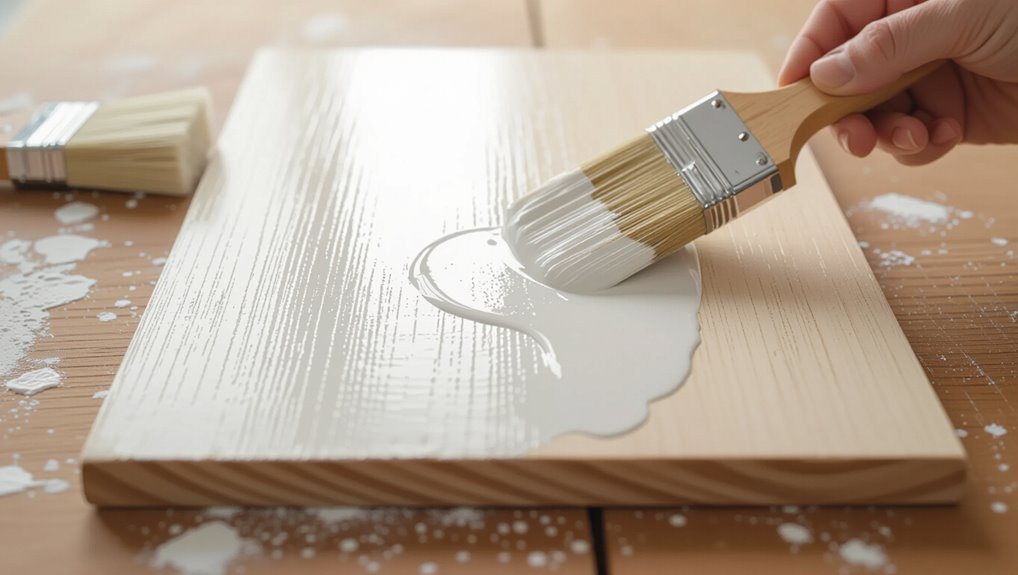
Wondering how long chalk paint takes to dry? You’ll see touch-dryness in 20–30 minutes, recoat-ready in one hour, and light handling after 2–3 hours depending on humidity and temperature.
Your color selection can affect appearance but not major drying stages. With thin paint layering you speed drying; heavy coats take longer.
Plan multiple light layers for consistent results.
What “Dry” Means: Touch-Dry, Handle, and Fully Cured
You’ve seen the quick timeline for chalk paint drying, but “dry” can mean different things depending on what you plan to do next.
You’ll learn drying definitions: touch-dry (no wet feel), handle (safe to move lightly), and fully cured (maximum hardness).
Using clear paint terminology helps you decide when to sand, recoat, or use the piece so you don’t ruin your finish.
Typical Chalk Paint Drying Times by Brand and Formula
While drying times vary, most chalk paints follow a similar pattern: they’re touch-dry within 20–60 minutes, safe to handle in 1–2 hours, and fully cured in 14–30 days depending on brand and formula.
When you choose paints, check brand comparison reviews and labels for formula differences—water-based blends dry faster, heavy-bodied or mineral-rich formulas take longer.
Plan coats accordingly.
How Temperature Affects Chalk Paint Drying
Because temperature governs evaporation and chemical reactions, it directly controls how fast your chalk paint dries.
You’ll notice temperature effects immediately: warmer temps speed cure, colder ones slow it.
Adjust drying conditions by choosing when and where you paint to match the recommended temperature range.
- Aim for consistent warmth.
- Avoid extreme cold.
- Monitor surface temperature.
How Humidity and Airflow Change Drying Time
High humidity slows chalk paint drying because moisture in the air keeps the paint from releasing water.
You can speed drying with good airflow and ventilation—open windows or use fans to move damp air away.
Keep seasonal weather in mind, since muggy summers and wet seasons will lengthen drying times compared with dry, breezy conditions.
Humidity Levels Effect
If you’re painting on a muggy day, expect chalk paint to take noticeably longer to dry because moisture in the air slows evaporation. Conversely, dry, well-ventilated conditions speed drying by pulling solvents away from the finish.
You’ll notice humidity impacts overall drying conditions, so adjust timing and sealer choices accordingly.
- High humidity: prolonged tackiness
- Moderate: normal cure
- Low: faster set
Airflow And Ventilation
Good ventilation can cut chalk paint drying time considerably by moving moisture away from the surface and speeding solvent evaporation; open windows, fans, or a dehumidifier will help you get a faster, more even set even on moderately humid days.
You should position fans for steady air circulation, avoid directing strong blasts that cause dust, and combine proper drying techniques to reduce tackiness and cure times.
Seasonal Weather Impact
Because humidity and airflow shift with the seasons, your chalk paint will dry at very different rates depending on when you paint, and you’ll want to plan accordingly.
Seasonal humidity and weather effects change surface and cure time, so adjust schedules and ventilation.
Consider:
- Paint less on humid, still days.
- Use dehumidifiers or fans in summer.
- Schedule projects on cool, breezy days.
Chalk Paint Drying on Different Surfaces: Wood, Metal, Plastic
How long chalk paint dries depends on the surface—wood soaks it in faster, metal can sit longer, and plastic often needs extra time and adhesion help.
You’ll want to prep each surface differently (sanding or deglossing wood, scuffing metal and plastic, and cleaning thoroughly) to speed drying and improve adhesion.
Finally, choose the right seal—wax, poly, or clear coat—because finish type affects final cure time and durability.
Drying Times By Surface
When you paint with chalk paint, drying speed depends a lot on the surface—wood soaks it in and can dry faster, metal stays slick so paint rests on top and takes longer, and plastic often needs extra prep and longer cure times.
Use appropriate drying techniques for each of these surface materials to get reliable results.
- Wood: 30–60 minutes to touch
- Metal: 1–2 hours to touch
- Plastic: 2–24 hours to touch
Surface Preparation Tips
Now that you know typical touch-dry times for wood, metal, and plastic, prepping each surface correctly will help the paint dry evenly and adhere better.
For wood, sand smooth with fine grit to remove varnish and dust.
For metal, remove rust and scuff with abrasive pads.
For plastic, clean, scuff lightly, and use adhesion primer.
Proper sanding techniques boost paint adhesion.
Sealing And Finish Options
Because chalk paint is porous and matte, you’ll want to seal it to protect the finish and control sheen—your choice of wax, lacquer, or water-based polyurethane will affect durability and appearance differently on wood, metal, and plastic.
Pick sealing options based on use: finish types vary in toughness and sheen. Consider:
- Wax for soft, vintage looks on wood
- Polyurethane for high-traffic metal
- Lacquer for smooth, hard plastic
Drying Chalk Paint Outdoors: Weather and Sunlight Tips
If you’re drying chalk paint outdoors, check the forecast and pick a day with mild temperatures, low humidity, and steady light—conditions that help paint cure evenly and reduce tackiness.
Position pieces to balance sun exposure and shade so paint won’t overheat or blister.
Avoid windy, dusty moments; use a breathable cover if pollen or debris threaten.
Monitor periodically until fully dry.
How Paint Thickness and Coats Change Drying Time
How thick you apply each coat has a big effect on drying time—thicker layers take much longer to cure.
You’ll also speed up finishing by using multiple thin coats instead of one heavy one.
Make sure each layer feels dry to the touch before adding the next to avoid tackiness and uneven drying.
Coat Thickness Effects
Thicker coats and more layers slow drying: each additional pass adds wet film that traps solvents and raises drying time, while thin, even coats let solvents evaporate faster and cure more uniformly.
You should use careful coat application and proven drying techniques to speed cure and avoid tackiness.
- Apply thin, even passes
- Wipe excess buildup promptly
- Improve airflow and temperature
Number Of Coats
One to three coats are typical for chalk paint, and each additional layer adds wet film that prolongs drying and increases the chance of tackiness.
You’ll notice heavier application and darker color selection often need more coats to block previous tones, so plan drying time.
Combine thin, even coats with additional techniques like light sanding or glazing to optimize coverage and reduce extended tackiness.
Drying Between Layers
Because each coat adds wet film, drying time increases with paint thickness and the number of layers you apply.
You should space coats, use proper drying techniques, and monitor tackiness before recoat. Thinner layers dry faster; multiple light layer application beats one thick coat.
Adjust ventilation and temperature to speed curing without rushing.
- Space coats evenly
- Use thin layer application
- Improve ventilation for drying techniques
Does Primer Change Chalk Paint Drying and Adhesion?
Although chalk paint often adheres well to many surfaces on its own, using a primer can change both how quickly it dries and how firmly it bonds to the substrate.
You’ll notice primer influence in faster tack-free times on porous surfaces and in more uniform curing.
Apply primer for adhesion improvement on slick or stained pieces; it reduces peeling and helps topcoats set evenly.
When to Sand Chalk Paint: Simple Tests to Check Readiness
Before you sand, check that the chalk paint is ready with two quick tests.
First, do a touch-dry test by gently pressing a fingertip—no tackiness means surface cure.
Second, try a resin pull test (lightly press and lift a piece of tape or plastic) to confirm the paint won’t lift when sanded.
Touch Dry Test
How can you tell if chalk paint’s ready for sanding? Use simple touch dry tips and watch drying indicators: lightly press a hidden edge; it should feel firm, not tacky. Wait longer if it leaves residue.
- Press gently with fingertip
- Check for tackiness or residue
- Test in a concealed spot
If it’s firm and clean, you can sand carefully.
Resin Pull Test
Try a small resin pull to confirm the paint’s ready for sanding: press a piece of low-tack painter’s tape onto a hidden painted area, rub it firmly, then pull it off quickly—if paint comes away or the tape feels gummy, it needs more time.
This simple check reveals resin properties and paint adhesion; if adhesion’s solid and no gummy residue appears, you can sand safely.
When to Recoat or Add a Topcoat (Wax, Varnish, Lacquer)
Wondering when you can recoat or add a topcoat to chalk paint?
You’ll follow recoat timing based on touch-dry versus cure—usually 1–2 hours between coats, longer for humidity.
Choose topcoat options for protection and sheen:
Choose a topcoat for protection and desired sheen—soft wax for matte, polyurethane for durability, lacquer for high gloss.
- Soft wax for matte, gentle protection
- Polyurethane/varnish for durability
- Lacquer for fast-build, high sheen
Quick Tests to Confirm Chalk Paint Is Ready for the Next Step
Before you move on, do a quick touch-dry check by gently pressing a fingertip to see if the paint feels dry and doesn’t leave a mark.
Then try a light adhesion test—press a piece of low-tack tape onto a hidden spot and peel to verify the paint won’t lift.
These simple checks help you know whether it’s safe to recoat or add wax/varnish.
Touch Dry Check
To check if chalk paint is touch dry, gently tap the painted surface with your fingertip—if it feels dry, not tacky, and your finger doesn’t leave a mark, it’s ready for the next step; if it pulls or feels gummy, wait and test again in 10–15 minutes.
Use these quick checks to assess paint texture and readiness:
- Light fingertip tap for tackiness
- Visual look for even texture
- Edge swipe to detect stickiness
Light Adhesion Test
When the paint feels touch dry, you can perform a light adhesion test to confirm it’s ready for the next step: gently press a finger or low-tack tape to check lift. Use simple test materials and minimal force; you want no paint transfer. Visualize results with this quick table:
| Action | Result |
|---|---|
| Finger press | No transfer |
| Tape pull | No lift |
| Light scrape | Paint resists |
| Inspect | Smooth finish |
Common Mistakes That Slow Chalk Paint Drying (And Fixes)
If your chalk paint is taking forever to dry, chances are a few common mistakes are to blame—things like applying paint too thickly, skipping proper surface prep, or painting in high humidity.
You can fix issues by adjusting drying techniques and mindful paint layering.
Check for:
- Thick coats or drips
- Dusty, oily, or unprimed surfaces
- Poor ventilation or excessive humidity
How to Speed Chalk Paint Drying Safely
Because you want results faster without ruining the finish, speed up chalk paint drying by controlling coat thickness, airflow, and temperature while avoiding shortcuts that cause tackiness.
Use thin, even coats and wait between layers.
Apply approved drying products like fast-dry mediums sparingly, follow manufacturer directions, and use safe drying techniques—patience, proper ventilation, and clean surfaces—to guarantee a durable, smooth finish.
Tools That Help: Fans, Dehumidifiers, and Heaters for Chalk Paint
Although you can’t rush chemical curing, you can speed evaporation and reduce tack by using the right tools: fans to boost airflow, dehumidifiers to pull moisture from the air, and heaters to raise ambient temperature within safe limits.
Position fans for proper airflow direction, use dehumidifier settings suited to surface materials, choose heater types safely, and follow ventilation tips and seasonal adjustments.
- Fan placement
- Dehumidifier settings
- Heater types
Best Seasons and Room Conditions for Faster Drying
When you paint in warm, low-humidity months and work in a well-ventilated room, chalk paint will dry noticeably faster; aim for temperatures between 65–75°F (18–24°C) and relative humidity under 50% to speed evaporation and reduce tack. Use ideal temperatures, ideal humidity, proper ventilation, seasonal tips, and good room lighting to accelerate drying.
| Season | Tip |
|---|---|
| Spring | Ventilate |
| Summer | Dehumidify |
| Fall | Moderate heat |
| Winter | Use heaters |
Planning a Project Timeline Around Chalk Paint Drying Stages
If you want your project to stay on schedule, map your timeline to the paint’s drying stages—tack-free, recoat-ready, and fully cured—so you know when to sand, add finishes, or move pieces without causing damage.
Use project scheduling that accounts for temperature, humidity, and coat thickness as key drying considerations.
Schedule work around temperature, humidity, and coat thickness to match paint drying times and avoid delays
- Check tack-free times
- Plan recoat windows
- Reserve curing buffer days
Fixing Tacky or Soft Chalk Paint: Troubleshooting Steps
You planned your timeline around tack-free, recoat, and curing times, but sometimes paint still feels tacky or soft afterward — here’s how to fix it.
Check humidity and temp, increase ventilation, and wait longer. Lightly warm with a hairdryer, test a small area, and apply a thin coat of sealer when fully touch-dry.
Use tacky paint remedies and soft paint solutions like diluted sealers or additional curing time.
How Long Before Regular Use of Chalk-Painted Furniture
A good rule of thumb is to wait at least 24–48 hours before light use, but leave heavily used pieces like tabletops or dressers alone for 7–30 days so the paint fully hardens and the sealer cures.
Wait 24–48 hours for light use; keep high-traffic furniture untouched 7–30 days until paint and sealer fully cure.
You’ll reduce damage by following furniture usage guidance and simple maintenance tips.
- Use coasters and pads
- Avoid heavy loading quickly
- Clean gently after full cure
How Full Curing Improves Durability, Adhesion, and Finish
Fully cured chalk paint locks in strength and adhesion, so your piece resists dings, chipping, and peeling far better than freshly painted furniture.
You’ll notice durability benefits as layers set and bind; proper adhesion techniques during prep speed this.
Curing refines finish quality, reducing tackiness and improving sheen uniformity.
Allow full cure for long term performance and fewer repairs or recoats later.
Quick Finishing Checklist Once Chalk Paint Is Fully Dry
Once the paint feels dry to the touch and shows no tackiness, go through a quick finishing checklist to lock in the look and protect your piece.
You’ll apply finishing touches that complement proper drying techniques and final curing.
- Lightly sand and remove dust with a tack cloth.
- Apply chosen wax or topcoat in thin, even layers.
- Inspect edges and touch up any thin spots.
Frequently Asked Questions
Can Chalk Paint Be Used on Outdoor Cushions or Fabric?
Yes — you can use chalk paint on outdoor cushions and fabric, but you’ll need to prep and seal to boost fabric adhesion and outdoor durability; otherwise the finish can crack, fade, or wash off in wet, sunny conditions.
Are Chalk-Painted Toys Safe for Children to Handle?
Yes — you can, but check labels: for toy safety you’ll want non-toxic, AP-certified chalk paint and a durable, sealed finish; otherwise small children shouldn’t chew painted toys. Supervise and cure fully before handing over.
Will Chalk Paint Resist Heat Near a Stove or Fireplace?
No, chalk paint isn’t highly heat resistant; you shouldn’t rely on it for stove safety. It tolerates mild warmth but can discolor or soften near high heat. Use heat-rated finishes or protective barriers for reliable protection.
Can I Mix Chalk Paint Colors for Custom Shades?
Yes — you can mix chalk paint to create custom shades. Use color blending techniques, test small batches, and record custom color formulas so you’ll reproduce results reliably; adjust with tints or tones until you like the match.
How Long Before I Can Apply Vinyl Decals to Chalk Paint?
Wait 24–48 hours before decal application so vinyl adhesion’s ideal; if you sealed the chalk paint, you can apply decals after 24 hours. Test a small area first, and avoid extreme humidity during decal application.
Conclusion
You’ve got a timeline now, so don’t rush the process — let the paint “take a short nap” before you handle it. Touch-dry happens fast, but wait for the paint to feel confident under your hand and for that final, settled hush before you put things back. Give temperature, humidity, and airflow a little respect, and your finish will reward you with strength, smoothness, and a look that feels intentionally aged, not hurried.
