
Will Paint Thinner Remove Stain From Wood? What Works Best
You can use paint thinner to lift surface finishes and greasy spots, but it won’t reliably remove deep oil, dye, or tannin stains and can harm delicate finishes if you’re not careful. Start with the gentlest solvent (mineral spirits), test an inconspicuous spot, and move up only if the stain persists. Use gloves, ventilation, and spare rags; sand or use chemical strippers for stubborn or widespread stains. Keep going to learn best-matching methods.
Quick Answer: When to Use Paint Thinner (Or Not)
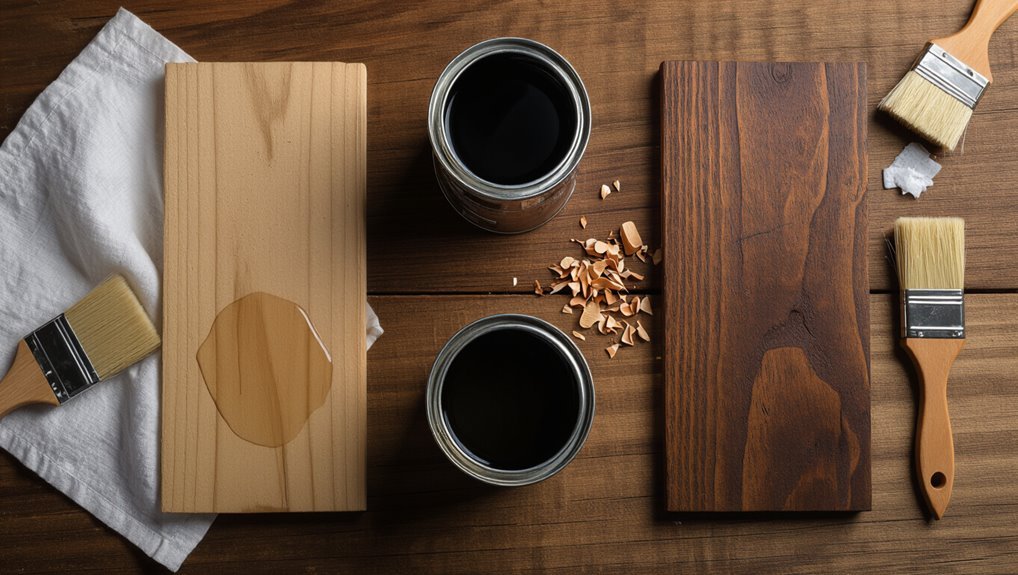
When should you reach for paint thinner? You should use paint thinner sparingly: it’s effective for removing oil-based finishes and stubborn surface spots, but it can damage delicate woods and strip stains.
For safe stain removal, test a hidden area first, work in ventilation, and stop if wood lightens or fibers swell. Choose gentler solvents or sanding when unsure.
Who This Guide Helps: Homeowners, Pros, and DIYers
Whether you’re rejuvenating a coffee table, restoring antique trim, or handling a contractor-level refinishing job, this guide fits your needs.
You’ll get practical home improvement advice, DIY techniques, and wood care pointers for restoration projects.
Learn about stain types, surface finishes, finish compatibility, repair methods, cleanup tips, and maintenance strategies so you can decide when to act, what to try, and how to succeed.
How Oil, Water, Dye, and Tannin Stains Behave and Respond
Because different stains soak into and react with wood in distinct ways, you’ll need different removal tactics for oil, water, dye, and tannin marks.
You’ll see varied stain behavior: oil soaks deep, water raises grain and leaves rings, dyes penetrate fiber, tannins bleed from sapwood.
Choose methods based on solvent interaction and liftability; test small areas to confirm what actually removes each stain.
Why Your Existing Finish Changes How You Treat Stains
If your finish is old, thick, or gelled, it can block cleaners and abrasives from reaching the stain, so you’ll need a different approach than you would on bare wood or a thin varnish. You’ll assess finish types, predict stain behaviors, and choose mechanical or chemical removal accordingly.
| Finish | Porosity | Approach |
|---|---|---|
| Shellac | Low | Solvent |
| Polyurethane | Very low | Stripping |
Which Solvent Should You Try First? (Decision Framework)
Which solvent should you try first depends on the finish, the stain, and how much risk you’re willing to take—so start with the gentlest option that’s likely to work.
Assess stain characteristics (age, depth, oil vs water) and the existing finish. Your solvent selection should progress from mild to stronger, testing in an inconspicuous spot and stopping when the stain lifts or the finish shows damage.
Mineral Spirits vs Paint Thinner: Which to Try First?
Now that you’ve settled on starting with the gentlest effective solvent, decide between mineral spirits and paint thinner next. You’ll usually try mineral spirits first for mild stains; use paint thinner for tougher residue. Test a hidden spot, work gently, and ventilate. Compare effects, odor, and drying time before advancing.
| Solvent | Strength | Typical Use |
|---|---|---|
| Mineral spirits | Mild | Surface stains |
| Paint thinner | Moderate | Heavy residue |
| Safety | Ventilate | Gloves |
Use Denatured Alcohol for Shellac and Dye Stains
If you’re dealing with shellac or dye stains, denatured alcohol is often the go-to solvent for softening and lifting the finish without heavy solvents.
You’ll want to apply it sparingly and blot or lift the dye rather than rub, testing a hidden spot first to gauge how the wood reacts.
Work in a well-ventilated area, wear gloves, and keep sparks or flames away because denatured alcohol is highly flammable.
Shellac Removal Basics
When you’re dealing with shellac or dye stains on wood, denatured alcohol is usually the best first choice because it dissolves shellac effectively without swelling the wood like some solvents can. You’ll test small areas, choose appropriate shellac types, and follow safe removal techniques to avoid damage.
| Step | Tool | Tip |
|---|---|---|
| Test | Cloth | Start small |
| Apply | Alcohol | Work grain |
| Remove | Scraper | Gentle strokes |
| Finish | Sand | Light pass |
Dye Lifting Technique
Although a careful approach matters, you can lift dye and shellac stains from wood effectively by using denatured alcohol to dissolve the finish without swelling the fibers.
You’ll test dye properties on scrap, apply alcohol with a soft cloth, blot—don’t rub—and watch color transfer.
Alternate lifting methods include poultices or graduated solvent strengths until the dye releases, then neutralize and refinish.
Safety And Ventilation
Before you start using denatured alcohol to lift shellac or dye stains, make certain you’ve got proper ventilation and protective gear—denatured alcohol evaporates fast, gives off strong fumes, and can irritate your eyes, nose, and lungs.
Wear personal protective equipment (gloves, goggles, respirator) and work near open windows or a fan to guarantee good air circulation.
Dispose rags safely.
Oxalic Acid for Tannin and Rust Stains
If you’ve got tannin or rust stains on wood, oxalic acid is one of the most reliable cleaners you can use: it breaks down iron compounds and lifts dark tannin discoloration without sanding away the surface.
You dilute oxalic acid per instructions, apply, wait, then rinse thoroughly. It’s effective on tannin stains and rust but you should neutralize and protect the wood afterward.
When to Consider Acetone or Lacquer Thinner
If you’re dealing with stubborn surface finishes or old varnish that paint thinner won’t touch, acetone or lacquer thinner can be more effective but you should avoid them on delicate or water-sensitive woods.
Compare solvent strength carefully—acetone evaporates fast and cuts many finishes quickly, while lacquer thinner is stronger and can damage softer woods or strip dyes.
Use both only with good ventilation, gloves, and a respirator, since their fumes and flammability require stricter safety precautions.
When To Avoid Use
When you’re dealing with delicate finishes, avoid paint thinner and reach for acetone or lacquer thinner instead; these solvents evaporate faster and cut through certain varnishes, shellacs, and cured lacquers that regular paint thinner won’t dissolve.
Still, don’t use them on porous or soft woods, sensitive wood stain types, or near finishes labeled “no solvent.”
Consider paint thinner alternatives for gentler jobs and small touchups.
Comparing Solvent Strength
Think of solvent strength as a spectrum: paint thinner (mineral spirits) sits toward the mild end, while acetone and lacquer thinner occupy the heavy-duty side. You’ll pick the stronger solvent only when the finish or stain resists gentler products.
- Use paint thinner first to test solvent effectiveness on finish.
- Try acetone for stubborn stain removal on solid wood.
- Reserve lacquer thinner for very resistant coatings or finishes.
Safety And Ventilation Requirements
Because stronger solvents like acetone and lacquer thinner release more fumes and evaporate faster, you’ll need better ventilation and stricter safety measures before you reach for them. You should limit exposure, use protective gear, and monitor fume hazards. Consider outdoors or forced-air systems and have fire controls ready.
| Action | Reason | Tip |
|---|---|---|
| Ventilate | Reduce fumes | Open windows |
| Mask | Block vapors | Use respirator |
| Gloves | Skin protection | Nitrile recommended |
| Fire plan | Flammable risk | Remove ignition |
| Monitor | Safety check | CO/vent alarms |
Sanding vs Chemicals: Pros and Cons
Although both sanding and chemical strippers can remove stains from wood, they work very differently and suit different situations. You’ll choose based on finish, time, and safety.
Consider pros and cons:
- Sanding techniques: fast, precise, risks gouging and dust; use PPE.
- Chemical alternatives: effective on intricate areas, slower, needs ventilation.
- Waste and cleanup: disposal differs; pick what you can manage.
Test Paint Thinner and Other Solvents on Hidden Areas
Want to avoid ruining a visible surface? Always perform hidden tests: try paint thinner and any other solvent on an inconspicuous area or scrap.
Observe color shift, grain raise, finish compatibility, and drying time. Note solvent effectiveness and record results so you choose the weakest effective option.
Repeat if needed until you’re confident the solvent won’t damage the visible wood.
Tools and PPE You Need Before Starting
Before you start, gather the right tools and PPE so you can work safely and efficiently: chemical-resistant gloves, eye protection, a respirator rated for organic vapors, and long sleeves to protect skin; then add lint-free rags, soft brushes, a plastic scraper, fine sandpaper, and a container for used solvent.
Use safety gear and essential tools to protect yourself and control cleanup.
- Gloves and respirator
- Brushes and scrapers
- Rags and sandpaper
Step-by-Step: Lift Surface Finish With Paint Thinner
Now that you’re protected and have your tools ready, set up a well-ventilated workspace and test the thinner on an inconspicuous area to confirm it won’t harm the wood.
Apply paint thinner sparingly with a cloth, work along the grain, and let it soften the finish.
Wipe away dissolved finish, repeat as needed, and evaluate paint thinner effectiveness while observing wood finish compatibility throughout the process.
Step-by-Step: Remove Oil-Based Stain Spots With Mineral Spirits
Start by putting on gloves and ensuring good ventilation, then test mineral spirits on a hidden spot to confirm it won’t damage the wood.
Put on gloves, ventilate the area, and spot-test mineral spirits on an inconspicuous area first.
Follow these steps to remove oil stains safely:
- Dab mineral spirits on a cloth, gently rub the oil stains in the wood’s grain.
- Wipe residue with a clean cloth.
- Let dry, then sand lightly if needed.
Step-by-Step: Treat Dye or Shellac Stains With Alcohol
1. You’ll prep by testing alcohol properties on a hidden area. Dampen a cloth with denatured alcohol or isopropyl, blot dye or shellac stains gently, and watch stain interaction—colors should lift.
Work small, rinse with clean cloth, repeat until gone. Let wood dry fully, sand lightly if needed, then refinish.
Don’t oversaturate or use on shellac-sealed pieces.
Step-by-Step: Apply Oxalic Acid for Tannin Bleed
Mix a fresh batch of oxalic acid solution and apply it to the tannin-stained wood with a brush or sponge, working only in a well-ventilated area and wearing gloves and eye protection.
Let it sit, rinse thoroughly, repeat if needed.
Oxalic acid benefits include brightening and targeted tannin stain removal.
- Apply
- Wait and rinse
- Repeat if necessary
How to Refinish After Stain Removal Without Blotching
Once you’ve removed the stains, prep the wood carefully so your new finish goes on evenly and doesn’t blotch: sand progressively to smooth fibers, clean dust, and condition porous areas with a pre-stain wood conditioner.
Test your refinishing techniques on scrap. Apply thin, even coats, wipe excess, and let proper dry times prevent lap marks. Monitor absorption to guarantee avoiding blotching.
Spot Repair vs Full Strip: Choose by Stain Depth and Finish
When deciding whether to spot-repair or strip the whole piece, consider how deep the stain and how uniform the finish are.
You’ll choose spot repair techniques for shallow, localized discoloration and full strip methods for pervasive or deep stains.
Assess absorption, test a small area, then proceed confidently.
Assess absorption, try a discreet test spot, then move forward with confidence.
- Localize issue
- Test finish
- Select method
Common Mistakes That Damage Wood or Finish
Don’t grab the strongest solvent you can find without checking compatibility, because harsh chemicals can strip wood fibers and ruin finishes.
Watch your sanding—it’s easy to sand through the finish or gouge the wood if you rush.
And don’t overapply stain remover, since repeated treatments can blotch the wood and weaken the surface.
Using Harsh Solvents
If you reach for strong solvents like paint thinner, lacquer thinner, or straight acetone to lift a stain, you risk stripping the finish or etching the wood itself.
You should understand harsh solvent effects and try gentler alternative cleaning methods first.
- Test a mild solvent in an unseen spot.
- Use mineral spirits sparingly.
- Try dish soap and water or a specialty cleaner.
Sanding Through Finish
Sand carefully: sanding too aggressively or using the wrong grit can quickly cut through the finish and leave bare wood or noticeable low spots.
You should test sanding techniques on a hidden area, progress grits gradually, and keep pressure even.
Check finish compatibility before starting—some finishes dull rather than sand smoothly.
Stop when you reach a uniform surface to avoid irreversible damage.
Overapplying Stain Remover
One common mistake is applying too much stain remover at once, which can oversaturate the wood, lift more finish than planned, and leave blotchy or weakened fibers.
- You should test stain removal techniques on scrap to avoid overapplication effects.
- You must wipe and neutralize promptly to limit penetration.
- You’ll work in small sections, repeating cautiously rather than dousing the surface.
Does Your Wood Species Make Stain Removal Harder?
Because different woods absorb and react to solvents in their own ways, the species you’re working with can make stain removal noticeably easier or harder.
Softwoods like pine soak deeper, so you’ll need stronger solvents and longer dwell time.
Softwoods such as pine absorb stains deeply, requiring stronger solvents and longer dwell time for effective removal.
Dense hardwoods often resist penetration, so mechanical sanding or specialized removers work better.
Identify the wood species before choosing a method to improve results.
When to Call a Pro: Signs You’ve Reached the Limit
If repeated attempts—chemical strippers, sanding, or household solvents—haven’t lifted the stain or you’re seeing damage like raised grain, deep discoloration, soft spots, or chemical reactions in the finish, it’s time to call a pro; they’ll assess whether the wood can be safely restored, needs regrading or replacement, or requires specialized techniques you shouldn’t attempt yourself.
- Get a professional assessment for hidden issues.
- Request a thorough damage evaluation and repair plan.
- Hire pros for structural rot, stubborn stains, or safety concerns.
Quick Checklist to Pick the Best Method for Your Stain
When choosing a cleanup method, start by identifying the stain type and how deeply it’s penetrated the wood.
Next, assess finish type, surface area, and smell or chemical hazards.
Also evaluate the finish, size of the area, and any strong odors or chemical risks before starting cleanup.
Match stain removal technique—paint thinner, mineral spirits, oxalic acid, or sanding—to finish and damage level.
Test in an inconspicuous spot, wear PPE, and plan proper wood treatment and sealing after cleaning.
Frequently Asked Questions
Can Paint Thinner Remove Ink or Marker Stains From Wood?
Sometimes — paint thinner can lift ink or marker, but it can damage finish or wood. You should try gentler ink removal techniques first, like rubbing alcohol or magic erasers, then test marker stain solutions cautiously.
Will Paint Thinner Affect Painted Surfaces Underneath a Finish?
Yes — paint thinner can harm underlying paint; you’ll test paint thinner compatibility first. You’ll see painted surface effects like softening, lifting, or discoloration, so you’ll spot-test and use milder solvents or sanding when needed.
How Long Should I Wait to Recoat After Using Solvent Treatments?
Like a clock resetting, you should wait 24–72 hours before recoating after solvent treatments; solvent drying time varies with temperature and ventilation, so confirm wood finish compatibility and that the surface’s tack-free and fully cured.
Can Pet Urine Stains Be Treated With Paint Thinner?
No — you shouldn’t use paint thinner on pet urine stains. You’ll damage wood and lock odor; instead use enzymatic cleaners formulated for pet urine stain removal, then neutralize and dry thoroughly before refinishing.
Is Paint Thinner Safe for Antique or Veneered Furniture?
No, you shouldn’t use paint thinner on antique or veneered furniture; it can strip finishes and damage glue. You’ll protect antique preservation and veneered care by using gentle cleaners, conservation-grade products, or consulting a conservator.
Conclusion
Quick conclusion: Paint thinner can lift some surface oil-based stains, but it won’t fix deep dye, tannin, or water damage—and using the wrong solvent can ruin your finish. Try mild solvents first, test in an inconspicuous spot, and move to stronger methods only if needed. For example, a DIYer removed a fresh oil-based spill with mineral spirits and gentle sanding, avoiding a full refinish; deeper tannin marks, though, needed bleach and pro help.
