
Does Displate Work on Textured Walls? Here’s the Honest Answer
Yes — you can hang a Displate on textured walls, but success hinges on your texture type, surface firmness, and mounting choice. Smooth or lightly textured surfaces (like orange peel or painted brick) usually hold adhesive plates or magnets well, while heavy textures (popcorn, loose knockdown) often need backers, anchors, or mounting boards. Test adhesion, prep the surface, and add a safety margin for weight. Keep going to learn specific fixes and mounting options.
Quick Answer: Does Displate Work on Textured Walls?
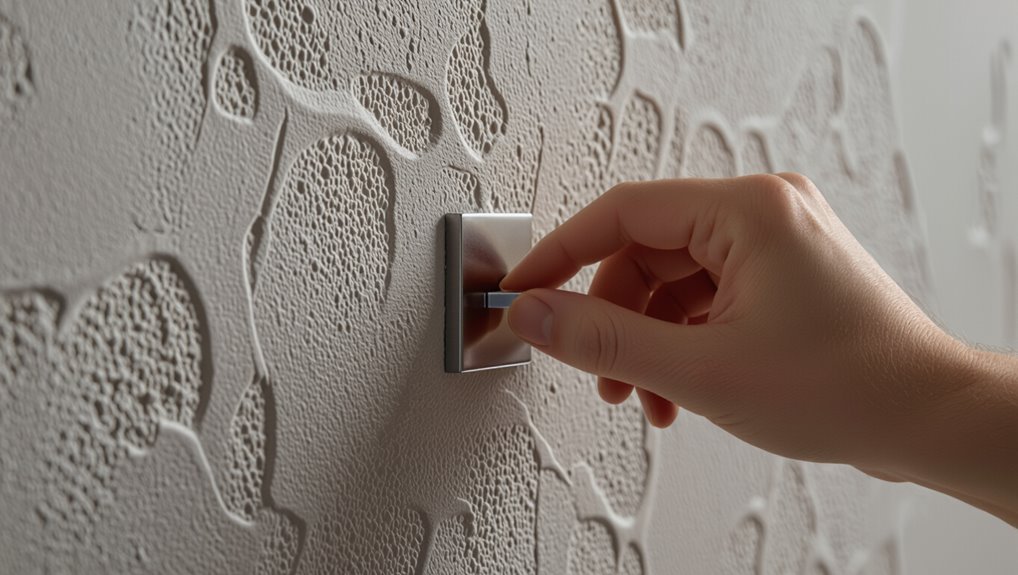
Wondering if Displate will stick to your textured wall? You can, but textured wall considerations matter: rough or crumbly finishes can reduce adhesion.
You’ll perform a mounting surface evaluation before deciding—check firmness, flatness, and paint type. If the surface’s texture is stable and solid, Displate can work reliably; if not, consider alternative mounting locations or surface preparation.
How Displate Mounting Works
Because Displate uses a magnetic mounting system, you just attach a small metal plate to the wall (or use the provided adhesive hook) and the magnetized frame snaps on securely.
This lets you hang and reposition the metal poster without drilling multiple holes. You’ll appreciate displate durability and simple wall preparation—wipe, level, and affix—so your artwork stays straight and can be moved or swapped with minimal effort.
Types of Displate Mounts: Adhesive Plate vs. Wall Magnet
You’ll want to weigh adhesive plate performance against wall magnet compatibility when mounting on textured walls.
Adhesive plates can struggle to stick to rough or uneven surfaces, while wall magnets rely on a flat metal plate and a stable wall anchor.
We’ll compare how each option holds up and which situations call for one over the other.
Adhesive Plate Performance
When choosing between Displate’s adhesive plate and the wall magnet, consider how each mount handles textured surfaces and how permanent you want the installation to be.
You’ll rely on adhesive strength more with the plate, so surface preparation matters: clean, smooth areas bond best. Expect stronger hold on lightly textured walls but test a small spot and follow manufacturer cure times for reliable results.
Wall Magnet Compatibility
Magnets give you a nonpermanent alternative to adhesive plates, and they tend to handle textured surfaces more forgivingly since they don’t rely on direct bonding to the wall.
You’ll assess magnet strength against plate wall adhesion: strong magnets can bridge shallow texture gaps, reducing pull-away risk, but very rough surfaces still need careful placement.
Test before committing to heavy Displates.
Which Mount to Choose for Your Texture
Start by evaluating your wall’s texture to see if it’s smooth enough for adhesives or if roughness will reduce bond strength.
If the surface looks uneven or flaky, opt for a screw mount for reliable support, while adhesive plates work well on painted drywall or lightly textured plaster.
Consider the weight of your Displate and how permanent you want the installation to be when choosing between adhesive and screws.
Adhesive Plate Compatibility
Choosing the right adhesive plate matters because your wall’s texture directly affects how well it’ll stick. You’ll assess adhesive strength against bumps and grooves, matching plates rated for rough surfaces.
Proper surface preparation—cleaning, degreasing, and filling large voids—boosts hold. If texture is extreme, pick larger adhesive plates and press firmly, allowing full cure time before hanging your Displate.
Screw Mount Advantages
Consider screw mounts when your wall texture prevents adhesives from seating securely — they give you a mechanical anchor that isn’t affected by bumps, pores, or uneven paint.
You’ll get clear screw benefits: stronger hold, predictable load capacity, and reusability.
Follow simple installation tips: locate studs or use anchors, pre-drill, level the mount, and tighten without overdriving to protect both wall and Displate.
Wall Texture Assessment
Now that you know when screws make sense, assess your wall’s texture to pick the best mount.
Look at textured wall types—light orange peel, heavy knockdown, popcorn—and test adhesion. For subtle textures, adhesive mounts work; for deep patterns, screws or anchors win.
Try small patch tests to confirm wall adhesion techniques before committing, ensuring secure, damage-minimized placement.
What People Mean by “Textured Walls
| Texture | Grip | Fixability |
|---|---|---|
| Orange peel | Moderate | Adhesive OK |
| Knockdown | Low | Anchor preferred |
| Popcorn | Poor | Avoid adhesive |
| Skim coat | Variable | Test first |
| Painted brick | High | Mechanical best |
Smooth Drywall and Light Orange Peel
On smooth drywall you’ll find Displate’s magnets stick very well, so you can expect reliable adhesion.
With light orange peel the surface has a bit more texture but it’s usually still compatible with the mounting system.
Check for loose paint or heavy texture, since those are the real issues for a secure hold.
Smooth Drywall Adhesion
If your walls are smooth drywall or have only a light orange-peel texture, Displate magnets will usually stick well because the surface provides enough continuous contact for the adhesive mounting plate and magnet to grip securely. You’ll find smooth wall adhesion techniques simple: clean, press, and wait. Follow weight limits and test placement.
| Step | Action |
|---|---|
| 1 | Clean |
| 2 | Align |
| 3 | Press |
| 4 | Cure |
| 5 | Hang |
Light Orange Peel Compatibility
For walls with a light orange-peel finish, Displate magnets still work well because the texture is minimal enough for the adhesive plate to make reliable contact.
You’ll find installation straightforward: clean the area, press firmly, and let the adhesive set. The light orange surface’s peel texture rarely prevents full adhesion, though avoid overly dusty or freshly painted sections to guarantee a secure mount.
Medium Knockdown and Slipper Textures
Although Medium Knockdown and Slipper textures add visual depth, they can make mounting Displates trickier than on smooth walls. The semi-rough surface sometimes prevents full contact with the magnet plate. You’ll face slipper texture challenges and must account for medium knockdown textures when planning.
Medium knockdown and slipper textures look great but can prevent full magnet contact—plan for stronger anchors or adhesives.
- Clean surface
- Use stronger anchors or adhesive pads
- Test one Displate first
Heavy Knockdown and Coarse Textures
When you’re dealing with heavy knockdown or coarse textures, expect even less magnet-to-wall contact than with medium textures, so plan accordingly.
You’ll notice heavy texture aesthetics can hide flaws but reduce adhesion. Use mounting techniques that bypass surface irregularities: anchor into studs, use adhesive-backed plates rated for rough surfaces, or employ longer screws and spacers to secure Displates reliably.
Popcorn Ceilings and Acoustic Textures
Popcorn ceilings and acoustic textures can make Displate magnets struggle to stick, so you’ll notice poor adhesion on bumpy surfaces.
You’ll also risk tearing or pulling the texture off when you remove strong magnets or strips.
Consider alternatives like ceiling hooks, lightweight frames, or adhesive patches designed for textured ceilings to avoid damage.
Adhesion Challenges On Popcorn
If your ceiling has a bumpy acoustic or “popcorn” finish, getting a Displate to stick can be tricky because the uneven surface reduces the adhesive’s contact area and holding power.
You’ll face adhesion issues unless you do proper surface preparation. Consider these steps:
- Clean gently.
- Test a small adhesive patch.
- Use a larger mounting plate for better contact and stability.
Damage Risks During Removal
Because acoustic textures are fragile, removing a Displate or its adhesive can easily pull off bits of the finish and leave gouges or uneven patches that are hard to repair. You’ll risk losing adhesive longevity and damaging texture if you use aggressive removal techniques. Visualize damage:
| Patch loss | Gouge depth |
|---|---|
| Flaking | Shallow |
| Tears | Deep |
Best Mounting Alternatives
Given the removal risks you just read about, you’ll want mounting options that secure your Displate without pulling at fragile textures.
Consider these alternatives for popcorn ceilings and acoustic textures, balancing best wall types and adhesive compatibility:
- Command hooks rated for textured surfaces.
- Low-tack mounting strips with tested adhesive compatibility.
- Screw-in drywall anchors in unaffected studs for permanent displays.
Plaster, Limewash, and Rough Finishes
Plaster, limewash, and other rough finishes pose unique challenges for Displate magnets because their uneven surfaces reduce contact and grip. You’ll need to assess texture and adhesion before mounting.
You should evaluate plaster durability and how a limewash finish ages; a rough surface and texture impact both magnet hold and wall integrity.
Consider testing small areas and choosing stronger anchors if needed.
Measure Texture Depth to Predict Hold
To predict how well a Displate will hold, you should measure the texture depth of your wall.
Use simple tools like a ruler with a feeler gauge or a depth micrometer for more accuracy.
Compare your readings to the mounting recommendations to interpret whether adhesive pads or anchors are needed.
Measure Texture Depth
Before you mount anything, measure the texture depth so you can predict how well a Displate magnet will hold.
Use simple texture measurement techniques when evaluating wall compatibility:
- Press a straight edge and measure gap at peak.
- Compare gap against magnet thickness and adhesion spec.
- Note irregularities and record average depth to decide if magnetic mounting is viable.
Tools For Accuracy
1 simple set of tools will give you the accuracy you need: a straightedge, a feeler gauge or ruler, a small level, and a flashlight to spot irregularities.
Use these measuring tools to record peak-to-valley depth across several spots, note high points with the level, and photograph variations. Those precise data inform your installation techniques and help you choose anchors suited to the texture.
Interpreting Results
Once you’ve gathered peak-to-valley measurements and noted high points, compare those numbers to the clearance and grip specs of your chosen Displate mounting hardware so you can predict how well it will hold.
You’ll assess wall adhesion and decide mounting techniques based on fit.
- Match depth to clearance
- Verify grip range
- Choose technique for max contact
How Surface Porosity Affects Magnet Contact
If your wall’s surface is porous, the tiny pits and pores can prevent the magnet from making full contact with the mounting plate, reducing hold strength.
You’ll notice that uneven surface texture creates tiny gaps, lowering effective magnet strength and increasing wobble risk.
You can test contact by feeling for gaps and using a small straight edge to gauge how many contact points the magnet actually touches.
Adhesive Plate: Which Surfaces It Bonds To
You’ll find the adhesive plate sticks best to smooth painted drywall where it can make full contact.
It can struggle on textured or rough surfaces because gaps reduce adhesive effectiveness.
Before mounting, check the texture and consider a smoothing patch or alternate hanging method if contact looks uneven.
Smooth Painted Drywall
When your wall is smooth-painted drywall, the adhesive plate will bond strongly to the flat, non-porous surface, giving you reliable hold for a Displate without needing extra anchors.
You should do basic wall preparation and guarantee a smooth surface.
Follow these steps:
- Clean with isopropyl alcohol.
- Dry thoroughly.
- Press plate firmly for 30 seconds.
Textured Or Rough Surfaces
Many textured or rough walls give the Displate adhesive plate trouble because the glue needs a flat, non-porous surface to make full contact; small peaks and valleys break the seal and reduce holding strength.
You’ll need textured wall techniques and surface preparation tips: sand high points, clean dust, consider a smooth mounting board, and test adhesion before hanging heavy pieces to guarantee reliable bond and safety.
Why Magnets Sometimes Fail on Textured Walls
Because textured surfaces create uneven contact, magnets on Displates can lose holding strength or sit crooked, especially if air gaps form between the magnet and the plate or wall.
Textured walls cause uneven contact, letting Displate magnets lose grip or sit crooked when air gaps form.
You should focus on magnet strength and wall preparation to improve attachment:
- Clean and level the contact area.
- Use stronger or multiple magnets.
- Fill deep texture or choose a flat mounting spot.
Displate Weight Limits and Safety Margins
Start by checking the rated weight of your specific Displate model and then add a safety margin—typically 20–30%—to account for uneven surfaces, mounting hardware, and any vibrations.
Doing so helps you avoid overloading magnets or anchors and keeps the plate securely attached. You should also distribute heavier displate weight across multiple anchors, follow manufacturer limits, and recheck mounts periodically for safety margins.
Prep: Cleaning and Degreasing Textured Walls
Before you mount a Displate, clean the textured wall thoroughly to remove dust and loose particles.
Use a mild degreasing solution on areas with oils or fingerprints, then rinse with clean water.
Let the surface dry completely so adhesives can bond properly.
Clean Surface Thoroughly
A clean, grease-free surface is essential for any mounting system to bond properly, and textured walls are no exception.
For surface preparation, use focused cleaning techniques so adhesives stick. You should:
- Vacuum or brush to remove dust.
- Wipe with a damp cloth to lift debris.
- Allow full drying before mounting to guarantee strong adhesion and lasting results.
Use Degreasing Solutions
Since textured surfaces trap oils and residues that weaken adhesives, you’ll want to use a degreasing solution to remove them thoroughly. Use simple degreasing techniques for proper wall preparation, targeting fingerprints, cooking grease, and silicone residues. Choose a mild cleaner, test a small area, and repeat if needed.
| Cleaner | Strength | Use |
|---|---|---|
| Isopropyl alcohol | Medium | Spot clean |
| Dish soap mix | Low | Gentle degrease |
| Commercial degreaser | High | Stubborn grime |
Rinse And Dry Well
Wipe the wall with clean water to remove any cleaner residue, then blot dry so moisture doesn’t interfere with adhesive.
You’ll use proper rinse techniques and focused drying methods to guarantee adhesion. Follow these steps:
- Rinse with a damp microfiber to lift cleaner.
- Blot with lint-free towel to remove surface moisture.
- Air-dry briefly, then touch-test before mounting the Displate.
Prep: Sanding, Skim Coat, and Filling Texture
Start by evaluating the texture and deciding how smooth you want the wall to be—lightly sand spatter or popcorn to knock down high points, skim-coat low spots, and fill deeper crevices so Displate mounts sit flush and hang straight. Use proper sanding techniques and skim coating for a stable surface.
| Step | Tool | Result |
|---|---|---|
| Sand | Sandpaper | Knock down high spots |
| Skim | Joint compound | Smooth low areas |
| Fill | Putty | Fill deep crevices |
| Clean | Vacuum | Ready for mount |
Use Small Flat Backer Boards to Bridge Texture
After smoothing and filling the worst of the texture, you can bridge remaining bumps by attaching small flat backer boards behind each Displate mount.
These thin, rigid pieces give the magnet a level surface to grab onto so your poster hangs straight.
Use a small backer for texture bridging and:
- Cut to fit
- Secure flush
- Check magnet alignment
Step-by-Step: Mounting a Displate on Textured Walls
1 clear, steady set of hands will make mounting a Displate on textured walls much easier.
Start with wall preparation: clean the area and mark your layout.
Use mounting techniques that bridge texture—align the magnet plate, level carefully, and press firmly.
Check hang stability, adjust as needed, and avoid overtightening.
Finish by stepping back to confirm placement and secure fit.
Tools and Supplies for Textured-Wall Installs
You’ll need a short list of reliable tools and a handful of supplies to get a Displate mounted securely on textured walls: a spirit level, a tape measure, a pencil for marking, strong adhesive magnetic plate kit (or anchors/screws if you prefer), a caulk gun or adhesive applicator, rubbing alcohol and a clean cloth, and a helper if the panel is large.
- Clean and prep surface.
- Measure and mark precisely.
- Apply adhesive per installation techniques and wall preparation guidance.
Temporary Options for Renters
If you’re renting or don’t want to alter textured walls permanently, there are several temporary mounting options that hold Displates securely without damaging the surface.
You can use heavy-duty removable adhesive strips, damage-free hanging hooks, and removable picture rails as temporary solutions.
These renter friendly options let you rearrange art, support weight safely within limits, and remove mounts cleanly when you move.
Permanent Options and When to Use Them
When you want a long-term, secure display on textured walls, permanent mounting methods give the strongest hold and cleanest look—so choose them when you’re staying put, hanging heavy Displates, or aiming for a flush finish.
For a lasting, secure display on textured walls, choose permanent mounts for strength, flush finish, and peace of mind
You’ll opt for permanent solutions when long term viability matters. Consider these choices:
- Anchors and screws
- French cleat
- Stud-mounted bracket
Will Displate Adhesives or Magnets Damage Texture?
Wondering whether Displate’s adhesives or magnets will harm your textured walls? You’ll weigh adhesive risks against magnet effectiveness.
Strong adhesives can pull paint or texture if bonded to loose surfaces, so they’re risky on fragile finishes.
Magnets avoid direct adhesive contact, but require flat metal plates and may not sit flush on deep textures.
Choose based on surface stability and plate contact.
How to Remove Displate Adhesive Safely
Start by loosening the bond gently so you don’t damage paint or texture—heat the adhesive with a hair dryer on low to medium for 20–30 seconds, then peel the Displate strip back slowly at a low angle rather than yanking it off.
- Use isopropyl alcohol for adhesive removal.
- Wipe residue with a soft cloth.
- Rinse and dry to guarantee surface protection.
Alternatives When Texture Is Too Extreme
If your wall texture prevents a secure Displate bond, consider alternative mounting methods like picture rails, Command hooks rated for textured surfaces, or a slim shelf to hold the magnet plate.
You can also switch to lightweight art options—canvas prints, framed posters, or thin metal prints that use smaller fasteners.
These approaches let you display pieces without relying on adhesive strength.
Use Alternative Mounting Methods
When your wall texture is too rough for Displate’s adhesive to hold reliably, consider alternative mounting methods that don’t rely on stickiness.
Evaluate texture, do wall preparation, and balance weight distribution. Choose renter friendly options or permanent fixes as needed.
- Use alternative adhesives cautiously.
- Explore mounting solutions like rails or French cleats.
- DIY installations with design considerations minimize damage.
Choose Lightweight Art Options
If your wall texture rules out adhesives and heavy hardware, pick lighter art that won’t demand special mounts or risk falling. You can choose lightweight frames and prints on foam core, canvas or thin acrylic, even pieces made from eco friendly materials. They’re safer, easier to hang with picture wire or small hooks, and keep your space stylish without structural stress.
| Calm | Safe | Lovely |
|---|---|---|
| Light | Simple | Green |
| Easy | Secure | Warm |
Using Picture Hooks, Anchors, and Screws
Start by evaluating the texture and weight of your Displate so you choose the right hooks, anchors, and screws for a secure hold.
You’ll plan picture hook installation and review wall anchor options based on drywall, plaster, or masonry.
Consider:
- Weight-rated picture hooks.
- Plastic or toggle anchors for hollow walls.
- Masonry screws or anchors for solid surfaces.
DIY Brackets and French Cleat Options
Since textured walls can complicate hanging, you’ll often get the strongest, neatest result by using DIY brackets or a French cleat system tailored to the texture and Displate weight. You’ll try DIY Bracket Ideas for small plates and French Cleat Solutions for heavier pieces. Choose screws into studs, shim uneven textures, and level carefully.
| Type | Best for | Notes |
|---|---|---|
| DIY Bracket | Light Displates | Simple, low-profile |
| French Cleat | Heavy pieces | Distributes weight |
| Shim + Screw | Uneven texture | Improves contact |
Cost vs Effort: Repair, Prep, or Alternatives
While repairing or prepping textured walls can add time and cost, you’ll often save effort long-term by choosing the right approach for your Displate—repairing damaged texture and priming surfaces gives the neatest, most secure result, but can be overkill for small, lightweight plates where simple anchors or alternative hanging methods work fine.
- Weigh repair costs vs prep time.
- Use anchors to avoid wall damage.
- Try alternative methods for temporary displays.
Real-World Tests: Successes and Failures
You’ll read about mounting on heavy texture and whether the magnet or adhesive strips actually hold over time.
I’ll cover cases where adhesive strips failed after a few weeks and where they kept plates secure despite rough surfaces.
We’ll also compare results on patched-and-painted spots versus untouched textured walls.
Mounting On Heavy Texture
When you try mounting Displates on heavy-texture walls, expect mixed results: you’ll face heavy texture challenges and need a clear texture impact analysis. You should test before committing.
- Small Displates may stick if the texture is consistent.
- Large pieces risk uneven contact and sagging.
- Surface peaks can prevent full magnet adhesion, causing failure over time.
Adhesive Strip Durability
Texture can make or break how adhesive strips hold up, so after checking fit and contact you should test strip performance under real conditions.
You’ll notice adhesive longevity varies: smooth paint outperforms heavy texture. In tests, some strips held for months on low-profile stipple, while others failed within days on coarse plaster.
Always evaluate strip placement, weight, and wall surface before committing.
Patch And Paint Effects
Although patching and repainting can make walls look uniform, they don’t always restore the adhesion Displate needs, so test small areas before hanging your magnet.
You’ll evaluate patch techniques and paint options by noting texture changes, drying time, and finish.
Try a controlled approach:
- Smooth patch; matte paint
- Light skim; eggshell
- Full skim; satin
Choose the Right Displate Size for Textured Walls
Picking the right Displate size for textured walls matters more than you might think, because heavier or larger panels put extra strain on magnetic mounts and can accentuate uneven surfaces.
You should match Displate size to wall compatibility, choosing smaller or medium panels for pronounced textures.
Measure surface irregularity, prefer lighter metal posters, and test one placement before committing to multiple pieces.
Safety Checklist Before Hanging a Metal Poster
Before you drill or stick anything to the wall, run through a quick safety checklist so you don’t damage the surface or create a falling hazard—verify wall type, locate studs or suitable anchors, confirm the Displate’s weight, and gather appropriate tools and hardware.
Before you drill or stick anything, run a quick safety checklist: wall type, anchors, weight, tools.
Follow these safety measures and wall preparation steps:
- Confirm mounting method matches wall.
- Use rated anchors for weight.
- Test placement level and clearance.
Quick Fixes: Wobble, Drop, or Partial Contact
Spot and fix wobble or partial contact quickly so your Displate looks secure and sits flush. You can tighten magnets, add thin shims, or reposition mounts to resolve wobble solutions and prevent drop issues. If edges lift, press and re-seat, checking magnet alignment for partial contact.
| Problem | Quick Fix | Result |
|---|---|---|
| Wobble | Tighten magnet | Stable |
| Drop issues | Add shim | Secure |
| Partial contact | Re-seat | Flush |
When to Call a Pro for Plaster or Leveling
If you’ve tried tightening magnets, adding shims, and reseating your Displate but the wall still won’t hold the mount flush, it’s time to call a pro for plaster repair or leveling.
If tightening magnets, shims, and reseating haven’t fixed it, call a pro for plaster repair or leveling.
You should hire help when:
- Cracked or crumbling plaster threatens mount stability.
- Surface is severely out of plumb despite shimming.
- You need advanced leveling techniques or structural assessment.
Final Decision Guide: Which Textured Walls Work Best
One clear rule will help you choose: smoother, firmer textures work best for Displate mounts, while loose, thick, or flaky finishes usually won’t hold reliably.
You should perform Texture Assessment and Adhesive Testing, consider Texture Types and Wall Compatibility, follow Surface Preparation and Installation Tips, use proper Adhesion Techniques and Mounting Strategies, prioritize Wall Safety, and plan Art Display accordingly.
Frequently Asked Questions
Can Displate Magnets Interfere With Wi‑Fi or Electronics Nearby?
No, they typically won’t; Displate magnet strength is low, so you won’t see noticeable electronics interference. You should avoid placing magnets directly on sensitive sensors or tightly packed circuitry just to be safe.
Can Year‑Round Humidity Affect Adhesive Strength?
Yes — year‑round humidity can weaken adhesives. You’ll notice humidity effects like softening or loss of tack that reduce adhesive longevity, so you’ll want to control moisture, use humidity‑rated adhesives, or reattach periodically.
Are There Warranty Implications if I Modify the Mount?
Yes — if you modify the mount you’ll likely void the warranty. You should use approved mounting options, follow recommended wall preparation, and contact support before altering anything to avoid losing coverage or causing damage.
Can I Hang Multiple Displates Close Together on Textured Walls?
Yes — you can hang multiple Displates close together on textured walls if you use proper hanging techniques and surface preparation; clean and level each spot, use stronger anchors or adhesive pads, and stagger placements for consistent alignment.
Do Pet Activity or Vibrations Increase Risk of Falls?
Yes — pet activity and vibrations can increase fall risk: if pets scratch, jump, or nudge, they destabilize mounts; if pets pace, paw, or play, they create movement. Monitor pet behavior and check wall stability regularly.
