
Can You Paint Water Based Over Oil Based Primer – Compatibility Rules Explained
Yes — you can usually apply water‑based paint over oil‑based primer if you prep and confirm compatibility first. Scuff glossy primer, clean off grease and dust, and make sure the primer feels hard and passes a solvent test. Use a bonding or waterborne‑over‑alkyd product when unsure, and apply thin coats under stable temperature and humidity. If the primer fails adhesion or cure tests, sand or strip and reprime; keep going for steps on how to proceed.
Can You Use Water-Based Paint Over Oil-Based Primer? Quick Answer
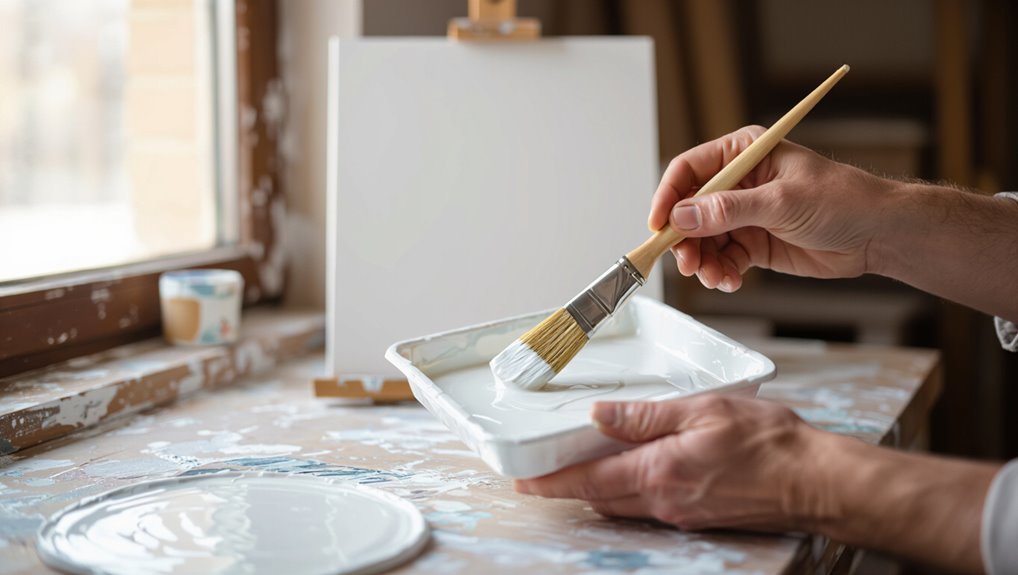
Can you put water-based paint over an oil-based primer? Yes — but you’ll need to guarantee water based compatibility and good primer adhesion first.
Sand glossy oil primers, clean the surface, and use a bonding primer or a manufacturer-approved waterborne-over-oil product.
Test a small patch to confirm adhesion and finish. Proceed only when the primer’s label permits topcoating with waterborne paint.
Why Use an Oil‑Based Primer Before Repainting
If you’ve confirmed a waterborne topcoat will stick to your oil primer, you’ll still want to contemplate why many pros reach for oil‑based primers before repainting.
You’ll choose oil primer benefits like superior stain blocking, sealing tannins and knots, and smoothing uneven surfaces.
That foundation boosts paint adhesion and durability, reduces sanding needs, and helps new topcoats cover reliably, especially on challenging substrates.
How to Tell If an Oil Primer Is Fully Cured (Simple Tests)
Before you paint over an oil primer, you’ll want to confirm it’s fully cured so the topcoat bonds properly.
Check surface dryness by lightly touching several spots — it should feel hard, not tacky — and perform a solvent resistance test by rubbing a cloth with mineral spirits; if the finish softens or lifts, it needs more time.
If both tests pass, you can proceed with confidence.
Surface Dryness Check
Once the primer feels dry to the touch, you’ll still want to confirm it’s fully cured before applying water-based paint; a few quick, simple tests will tell you.
Check surface texture and moisture retention to avoid adhesion issues.
- Lightly press for tackiness.
- Rub with a clean finger.
- Hold a fingertip for warmth transfer.
- Use a paper towel to detect oiliness.
Solvent Resistance Test
When you need to know whether an oil-based primer has fully cured, a simple solvent resistance test will give a clear answer:
Dampen a cloth with appropriate solvent types (mineral spirits, denatured alcohol) and rub an inconspicuous spot. No tack or finish lift means cure; smearing or softening means wait.
Follow up with light adhesion tests (tape or cross-hatch) before applying water-based paint.
Failed Cure Test? What to Do Next
If your cure test fails, don’t panic—step back and methodically diagnose the cause so you can choose the right corrective action.
You’ll want to focus on failed adhesion causes and use practical troubleshooting techniques to isolate moisture, contamination, incompatibility, or improper cure time.
Follow these steps:
- Clean and re-test
- Check humidity and temperature
- Remove and sand contaminated areas
- Consult product tech data
When Water‑Based Paint Will (and Won’t) Stick to Oil Primer
After you’ve ruled out moisture, contamination, and cure-time issues, you’ll want to know whether water‑based paint will adhere to an existing oil‑based primer. You’ll get decent water adhesion when primer compatibility is good, surface is intact, and sheen is dull. It won’t stick if primer is glossy, poorly cured, or contaminated.
| Condition | Likely Result |
|---|---|
| Dull, cured | Good |
| Glossy/contaminated | Poor |
Prep Steps to Make Oil Primer Accept Water Paint
Before you start painting, prepare the oil‑primed surface so water‑based paint can bond: clean off grease and dust, scuff glossy areas with fine sandpaper to dull the sheen, and wipe away sanding residue with a tack cloth or mineral‑spirit damp rag.
Prepare oil‑primed surfaces: degrease, scuff glossy areas, and wipe away sanding residue before water‑based paint.
Follow these prep steps to retain oil primer benefits and guarantee water paint compatibility:
- Degrease with trisodium phosphate.
- Rinse and dry fully.
- Spot‑prime bare areas.
- Use a compatible bond primer.
How to Sand Oil Primer for Reliable Adhesion
Start sanding the oil primer gently but confidently to create the tooth water‑based paint needs to grip.
Use fine 220–320 grit, sanding with the grain and light pressure. Focus on even dulling rather than removal.
Wipe dust and inspect for glossy spots. These sanding techniques reduce slickness and promote mechanical bonding; follow adhesion tips like avoiding over-sanding and ensuring a uniform, slightly roughened surface.
Best Cleaners and Deglossers Before Painting
Anyone tackling a repaint should clean and degloss the surface so the new water‑based coat bonds reliably; use a cleaner that removes grease, wax, and sanding dust, then follow with a deglosser to eliminate remaining sheen.
Clean and degloss surfaces before repainting so your new water‑based finish bonds—remove grease, wax, and dust first.
You’ll use proper cleaning methods and deglossing techniques to prep surfaces quickly.
- TSP substitute wipe
- Mild solvent rag
- Abrasive liquid deglosser
- Fine scuff pad rinse
When to Use a Bonding or Conversion Primer
After you’ve cleaned and knocked down the gloss, decide whether a bonding or conversion primer is needed based on the existing finish and the topcoat you’ll apply.
Use bonding agents when adhesion is doubtful—like glossy enamel or slick surfaces.
Opt for conversion techniques if you need chemical adhesion to tie water-based topcoats to oil-based substrates.
Match primer choice to surface and topcoat chemistry.
Best Water‑Based Topcoats to Use Over Oil Primer
When choosing a water‑based topcoat over an oil primer, you’ll want to focus on high‑quality acrylics or polyurethane acrylics for best durability and color retention.
Consider adhesion‑promoting primers or a light scuff and degloss to help the topcoat bond.
Apply according to manufacturer’s instructions, watch flash times and temperature, and allow full cure before heavy use.
Best Water‑Based Finishes
While oil‑based primers create a durable base, choosing the right water‑based topcoat is essential to get adhesion, color accuracy, and long‑term performance.
So pick a finish designed for compatibility with alkyd primers. You’ll prefer durable water based finishes and refine results with proper application techniques.
- Acrylic latex — easy cleanup, flexible
- Hybrid waterborne alkyd — tougher finish
- Satin — hides imperfections
- Semi‑gloss — washable, durable
Adhesion Promoting Options
Because oil primers can resist some water‑based coatings, you’ll want topcoats that promote adhesion and bridge the chemistry gap; choose water‑based formulas specifically labeled for use over alkyd or oil primers, or pick hybrid/adhesion‑promoting products like waterborne alkyds, acrylics with adhesion enhancers, or polyurethane‑modified latexes to guarantee a durable bond.
You’ll also use adhesion techniques and verify primer compatibility before finishing.
Application And Drying
For best results over an oil primer, pick water‑based topcoats that’re formulated to bond to alkyds and follow a careful application and drying routine.
You’ll use proper application techniques and control drying conditions to avoid blistering or poor adhesion.
- Thin coats, brush or low‑pressure spray
- Light sanding between coats
- Maintain 50–70°F and low humidity
- Allow full cure before heavy use
How to Stripe, Cut‑In, and Roll Over Primed Surfaces
Once the primer’s cured, you’ll want to stripe and cut‑in before rolling to guarantee crisp edges and even coverage; use precise cut in techniques with a quality angled brush to define corners and trim.
Feather edges, maintain a wet edge, then apply appropriate rolling methods—short nap for smooth, longer for texture—overlapping passes for uniform finish and avoiding rework.
Drying Time and Temperature: What Affects Adhesion
After you’ve striped, cut in, and rolled primed surfaces, give the primer proper time and the right conditions to set so your topcoat will stick and look right.
You’ll monitor temperature effects and drying conditions to guarantee adhesion; too cold or humid slows cure, too hot can skin.
Follow these steps:
- Check manufacturer cure time.
- Keep 50–75°F and moderate humidity.
- Allow full dry before sanding.
- Ventilate to aid consistent drying.
Troubleshooting Peeling, Crawling, or Blotchy Finish
If your finish is peeling, crawling, or looks blotchy, first check for surface contamination like oil, wax, or silicone that can prevent adhesion.
You’ll want to clean the area thoroughly and then use corrective sanding—start with a medium grit to remove failed primer and smooth edges, then feather with a fine grit for a uniform profile.
After sanding and cleaning, reapply primer following proper drying times to guarantee a stable bond.
Identify Surface Contamination
When paint peels, crawls, or goes blotchy, contamination on the surface is often the culprit.
Start by inspecting for dust, grease, wax, silicone, or old failed coatings that can prevent proper adhesion. You’ll want to identify surface contaminants and contamination sources quickly to decide cleaning methods.
- Fingerprints/grease
- Silicone or wax residues
- Airborne dust/soot
- Residual old coatings
Corrective Sanding Techniques
Now that you’ve identified contaminants that undermine adhesion, address the damaged finish with corrective sanding to create a clean, keyed surface for primer and topcoat. Use progressive sanding techniques, feather edges, and remove all dust before priming. Match grit to surface finishes: coarser for peeling, finer for blotchy spots.
| Tool | Grit |
|---|---|
| Sandpaper | 80–120 |
| Block | 150–220 |
| Sponge | 320–400 |
| Vacuum | Final clean |
When to Remove Old Oil Primer Entirely (and Why)
Because oil-based primers can hide damage and create adhesion problems, you’ll need to remove them completely in certain situations rather than just scuffing and painting over them.
You should consider full primer removal when evaluating oil compatibility, surface preparation needs, or if contamination, flaking, or solvent softening exist.
Prioritize proper painting techniques after removal.
- Contamination
- Flaking
- Incompatible substrate
- Solvent damage
Tools and Materials Checklist for the Job
Before you start, gather the right safety gear, primer and paint tools, and surface-prep supplies so the job goes smoothly.
You’ll want gloves, goggles, respirator, high-quality water-based primer, brushes or rollers suited to the finish, and sandpaper or cleaners for prepping the old oil-based surface.
Having everything ready will save time and help you avoid mistakes when switching primer types.
Essential Safety Gear
You’ll need a concise set of safety gear to protect yourself while applying a water-based over oil-based primer.
Wear safety goggles and a fitted respiratory mask, plus gloves and coveralls to avoid skin contact and fumes.
Keep a first-aid kit and spill absorbent nearby.
- Safety goggles
- Respiratory mask
- Chemical-resistant gloves
- Disposable coveralls
Primer And Paint Tools
When prepping to apply a water-based primer over an oil-based primer, gather a tight set of tools and materials so you can work efficiently and avoid redoing steps later; essential items include quality brushes and rollers, a solvent for cleanup, tack cloths, sanding supplies, mixing sticks, and appropriate drop cloths.
Choose brush types for trim, rollers for flats, and rehearse sprayer techniques; have gloves and clean containers.
Surface Prep Supplies
If you want a reliable bond between a water‑based topcoat and an existing oil‑based primer, gather the right surface‑prep supplies so each step goes cleanly and efficiently.
You’ll need tools for surface cleaning, light abrasion, and testing compatibility across primer types.
Essentials:
- Degreaser and tack cloth
- 220–320 grit sandpaper
- Adhesion tester or primer compatibility kit
- Protective gloves and respirator
Prep vs. Primer Removal: Cost & Time Comparison
Although prepping seems cheaper up front, you’ll often save time and money by avoiding full primer removal; proper surface prep—cleaning, sanding, and feathering edges—takes less labor and materials than stripping every coat down to bare substrate.
Do a quick cost analysis: you’ll spend less on tools and disposal. Time efficiency improves because targeted prep gets you repaint-ready faster with comparable durability.
Safety, Ventilation, and Disposal Tips
You’ll still need to handle safety, ventilation, and disposal carefully even after choosing targeted prep over full primer removal, because solvents, dust, and contaminated waste pose health and environmental risks.
Follow concise safety precautions and ventilation requirements, and learn proper disposal methods to protect others and yourself.
Consider health considerations like respiratory protection.
- Wear PPE
- Confirm airflow
- Contain waste
- Use approved disposal
Frequently Asked Questions
Will Oil Primer Yellow Over Time Under Water‑Based Paint?
Yes — oil primer longevity can be limited; you’ll see yellowing over time. Yellowing factors include nicotine, UV exposure, and oil breakdown beneath water‑based paint, so expect gradual discoloration despite topcoat protection.
Can Water‑Based Paint Hide Oil Primer Tannin Bleed?
You can’t reliably hide tannin bleed with water‑based paint alone; it’ll often stain through. You should block tannins with a suitable oil‑based or shellac primer first so paint adhesion stays strong and stain‑free.
Are There Eco‑Friendly Oil Primers Compatible With Water Paint?
Yes — you can use eco‑friendly oil primers compatible with water paint; they offer sustainability benefits like lower VOCs and durability. Consider product recommendations such as Zinsser® BIN Low VOC or ECOS® bonding primers for reliable performance.
How Long Should You Wait Between Applying Two Different Primer Types?
Primers pace prudently: you’ll usually wait 24–48 hours for primer drying before applying a second type. Follow application techniques, check tackiness and manufacturer specs, and sand lightly if surface feels uneven or glossy.
Can You Use Water‑Based Paint Over Oil Primer on Floors?
Yes, you can use water‑based paint over oil primer on floors if you properly scuff, clean, and verify full cure; you’ll gain water based durability while preserving oil based adhesion, but test first for long‑term wear.
Conclusion
You can usually paint water-based over oil-based primer if the primer’s fully cured or it’s been properly scuffed—think of the primer as a stubborn wall that needs coaxing, not demolition. Test cure, sand to dull shine, or wipe with solvent; skip water paint only when adhesion fails repeatedly—then remove primer. Prep beats panic: ventilate, use PPE, and dispose responsibly. With a little patience and the right steps, your new finish will sail smooth and true.
