
How Long Does It Take for Spray Paint to Dry: Full Drying Time Explained
You’ll usually get a tack-free surface within minutes to an hour, and safe handling in about 1–24 hours depending on type: lacquers and acrylics dry fastest, enamels and oil-based sprays take longer. Full cure—maximum hardness and chemical resistance—can take 7–14 days (sometimes up to 30 days for heavy coats or oil formulas). Temperature, humidity, coat thickness, and surface all change times, so follow label instructions and keep conditions ideal to speed proper curing if you want more details.
Quick Answer: Spray Paint Dry and Cure Times
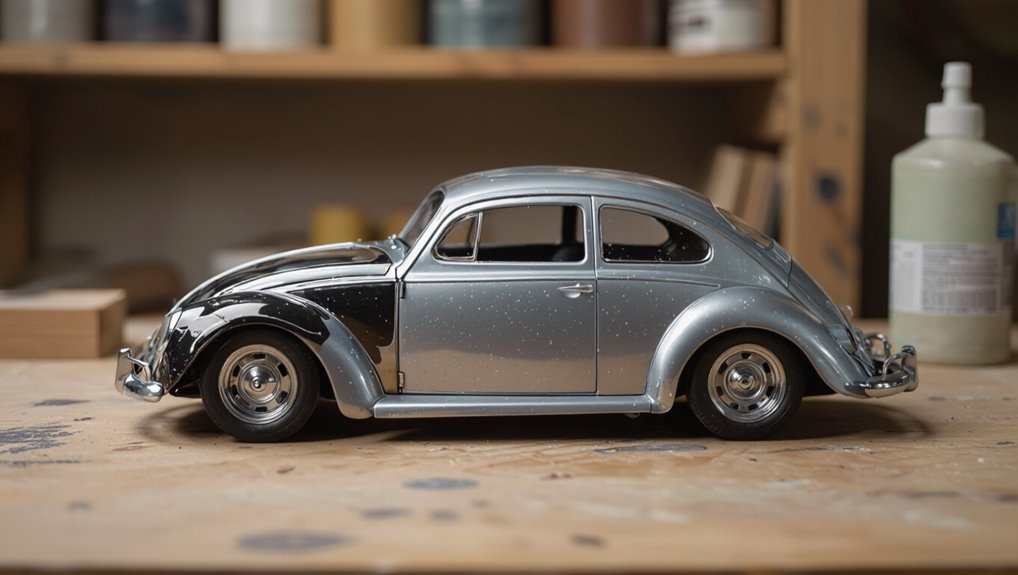
Most spray paints feel dry to the touch within 10–30 minutes, but they can take 24 hours to be safe for light handling and up to 7–30 days to fully cure depending on the formula and conditions.
You’ll plan projects around these windows, choose spray paint techniques to speed curing, and manage drying challenges like humidity, temperature, and coat thickness so finishes stay smooth and durable.
What “Tack-Free,” “Dry-to-Handle,” and “Fully Cured” Mean
When you read spray-paint labels you’ll see terms like “tack-free,” “dry-to-handle,” and “fully cured,” and each tells you a different stage of drying.
Tack-free means the surface no longer feels sticky.
Dry-to-handle is when you can touch or recoat without damage.
Fully cured means the paint has reached its maximum hardness and chemical resistance.
Knowing these distinctions helps you decide how long to wait before handling, recoating, or putting the piece into service.
Tack-Free Definition
Although spray paint can feel dry to the touch within minutes, there are three distinct stages you should know: tack-free (no sticky residue), dry-to-handle (safe to touch or move without damaging the finish), and fully cured (reached maximum hardness and durability).
Tack-free means the surface won’t stick; you’ll appreciate tack-free benefits and understand tack-free importance for avoiding fingerprints and dust adherence during early drying.
Dry-To-Handle Timing
2 to 24 hours after spraying, paint usually reaches the dry-to-handle stage, meaning you can gently touch or move the piece without leaving fingerprints or denting the finish.
Use proper drying techniques and follow handling tips to avoid smudges.
- Test an inconspicuous spot.
- Lift, don’t drag.
- Avoid heavy pressure.
- Keep dust-free while cooling.
Fully Cured Meaning
Before you call a project finished, understand the difference between tack-free, dry-to-handle, and fully cured so you know what each stage lets you do and how long you should wait; tack-free means the surface no longer feels sticky, dry-to-handle lets you touch or move the piece gently without marking it, and fully cured is the point at which the paint reaches its maximum hardness, chemical resistance, and dimensional stability.
| Stage | Meaning |
|---|---|
| Tack-free | Surface not sticky |
| Dry-to-handle | Safe to touch gently |
| Fully cured | Final hardness from curing process |
| Note | Depends on paint chemistry and conditions |
Which Drying Stage Matters for Your Project
Which drying stage matters most for your project depends on what you plan to do next: handle the piece, apply another coat, or expose it to weather.
Consider drying techniques, environmental factors, coat thickness, and drying aids for project readiness.
- Surface preparation affects adhesion and finish quality.
- Application methods influence waiting times.
- Paint compatibility guides recoating.
- Monitor humidity and temperature.
Spray Paint Types: Acrylic, Enamel, Lacquer Overview
When you pick a spray paint, know that acrylics dry relatively quickly, are water-based, and clean up easily.
Enamels give you tougher, more durable finishes for high-wear items but usually take longer to fully cure.
Lacquers dry the fastest and build smooth, hard coats, though they often need good ventilation and careful layering.
Acrylic Paint Characteristics
Acrylic spray paints dry through a fast evaporation process and then cure into a flexible, water-resistant film.
So you’ll notice tack-free times measured in minutes and full hardness in hours to days depending on thickness and conditions.
You should use proper surface preparation and drying techniques to get a consistent paint finish; acrylic paint tolerates recoats quickly.
- Thin coats
- Warm, dry air
- Light sanding
- Proper ventilation
Enamel Paint Durability
Enamel spray paints deliver a hard, glossy finish that stands up well to abrasion, chemicals, and weathering, so you can expect longer-lasting protection than with most acrylics.
You’ll find enamel paint resists chipping and fading, making it ideal for outdoor or high‑use items.
Proper surface prep and curing time maximize paint longevity, so follow manufacturer instructions for best results.
Lacquer Fast Drying
Although it dries far faster than enamel or many acrylics, lacquer spray paint gives you a smooth, hard finish that’s ideal when you need quick recoats and minimal sanding.
You’ll appreciate lacquer properties and use focused drying techniques to avoid tackiness.
- Thin coats
- Warm, ventilated area
- Short flash time
- Light sanding between coats
Solvent-Based Paints: What Happens As They Dry
When you apply a solvent-based spray paint, the liquid carrier (solvent) starts evaporating immediately, leaving behind resins and pigments that harden into a durable film.
As the solvent dissipates, the binder molecules coalesce, flow out, and chemically set, determining drying time, gloss, and toughness.
You monitor solvent evaporation and chemical reactions, guarantee good surface adhesion, and control environmental factors like temperature and airflow to speed cure.
Water-Based Sprays: How They Set and Cure
Solvent-based sprays rely on evaporating carriers and chemical setting; water-based sprays, by contrast, use water as the primary carrier and set mainly through evaporation and polymer film formation.
You’ll notice water based benefits like eco friendly options and safer fumes, but you must manage drying environments and adhesion factors for finish quality.
- application techniques
- curing processes
- surface compatibility
- color selection
Typical Tack-Free Times by Paint Type
When you’re choosing between oil-based and water-based spray paints, tack-free times can be quite different.
Oil-based sprays usually take longer to stop feeling sticky — often several hours to a day — while water-based formulas often become tack-free within 15–60 minutes.
Knowing these typical ranges helps you plan handling, recoating, and drying conditions.
Oil-Based Spray Paint
Although oil-based spray paints take longer to set than water-based formulas, you’ll usually see a tack-free surface within 1 to 6 hours depending on the resin and solvent blend.
You should weigh oil based advantages against oil based disadvantages, choose oil based applications wisely, and expect durable oil based finishes.
- Longer cure
- Better adhesion
- Strong sheen
- Solvent sensitivity
Water-Based Spray Paint
Water-based spray paints dry noticeably faster than oil-based options, and you’ll usually see a tack-free surface within 10 minutes to 1 hour depending on the formulation and environmental conditions. You’ll appreciate water based advantages, lower environmental impact, varied color options and finish types. Focus on surface preparation, application techniques, paint layering, adhesion factors and drying speed for smart project planning.
| Type | Tack-free | Notes |
|---|---|---|
| Acrylic | 10–30 min | Fast |
| Latex | 20–60 min | Flexible |
| Hybrid | 15–45 min | Durable |
Typical Dry-to-Handle Times by Paint Type
Because different formulations dry at different rates, you’ll want to know the typical “dry-to-handle” times for each paint type before you plan the next step.
- Acrylic (water-based): 15–30 minutes — influenced by spray paint types and drying factors.
- Enamel: 1–2 hours.
- Lacquer: 10–20 minutes.
- Oil-based: 6–8 hours.
Typical Full-Cure Times by Paint Type
Now let’s look at how long different spray paints take to reach full cure so you can plan final handling or assembly.
Latex-based sprays usually fully cure in a few days to two weeks, depending on humidity and layer thickness.
Oil-based and acrylic/urethane sprays often take longer—oil-based can need up to 7–30 days, while acrylic/urethane formulas may cure in several days to a week for light use and longer for full hardness.
Latex-Based Spray Paint
When you’re working with latex-based spray paint, expect surface dryness in minutes but full cure can take much longer depending on the formulation—flat, satin, semi-gloss, or high-gloss each reach their full hardness at different rates.
You’ll notice latex paint characteristics like flexibility and water resistance during latex spray application; plan cure time before handling.
- Flat: 7–14 days
- Satin: 5–10 days
- Semi-gloss: 3–7 days
- High-gloss: 2–5 days
Oil-Based Spray Paint
If you’re using oil-based spray paint, expect longer full-cure times than with latex because oil formulas dry by oxidation and solvent evaporation rather than water release.
Typical full hardness can take anywhere from several days to a few weeks depending on the finish and lacquer or alkyd blend.
You’ll appreciate oil based benefits like adhesion, sheen, and rich colors, but note oil based drawbacks, cleanup needs, compatibility limits, and specific oil based applications.
Acrylic/Urethane Spray Paint
Acrylic/urethane spray paints cure faster than many oil-based formulas, and you can expect them to reach usable hardness within 24–72 hours, with full cure typically occurring in 7–14 days depending on thickness, temperature, and humidity.
You’ll enjoy acrylic advantages like quick tack-free time and urethane benefits such as durable finish.
- Thin coats cure quicker
- Heat speeds cure
- Humidity slows cure
- Sand between coats for best bond
How Surface (Metal, Wood, Plastic) Affects Drying
Because different materials absorb, retain, and conduct moisture and solvents differently, the surface you’re spraying has a big impact on how quickly paint dries and cures.
Consider surface material influence: metal sheds solvent faster, wood soaks and prolongs drying, plastic can repel solvents.
Use drying time comparison to adjust application techniques.
Texture effects, paint adhesion factors, environmental considerations and finish quality impacts guide your choices.
Why Primer Choice Changes Drying and Adhesion
When you pick the right primer, it controls how spray paint wets, bonds, and dries on your surface—so your topcoat’s drying time and adhesion depend more on primer chemistry and surface prep than on the paint alone.
- Primer selection: match surface compatibility and product formulations.
- Application techniques alter adhesion factors and drying implications.
- Environmental influences (temp, humidity) change paint technology performance.
- Proper prep and choice reduce failures and improve cure consistency.
How Coat Thickness and Multiple Layers Change Dry Time
If you lay on thicker coats or stack multiple layers too quickly, the paint’s surface may feel dry while deeper layers are still solvent-wet, so overall drying and curing take much longer and raise the risk of runs, tackiness, and poor adhesion. You should apply thin, even coats, wait manufacturer-recommended flash times, and test tack before recoating to manage coat thickness and multiple layers.
| Coat Thickness | Wait Time | Result |
|---|---|---|
| Thin | 10–30 min | Fast dry |
| Medium | 30–60 min | Normal cure |
| Thick | 1–24 hr | Slow cure |
| Multiple layers | Varies | Risk of tackiness |
Temperature Effects on Spray Paint Drying
Temperature strongly controls how fast spray paint dries and cures: higher temps speed solvent evaporation and chemical crosslinking, while cooler temps slow both processes and can leave paint tacky or prone to runs.
You must manage temperature impact and surface temperature to improve drying efficiency and avoid curing challenges. Consider environmental conditions and surface preparation.
- Monitor temperature variations
- Balance airflow importance
- Note humidity effects
- Plan seasonal considerations
Humidity: How It Slows or Speeds Drying
You already adjust for temperature, but humidity also changes how spray paint dries: moisture in the air slows solvent evaporation and can keep the surface tacky longer, while very dry air speeds evaporation but raises the risk of blistering or poor flow.
You should monitor moisture levels and humidity effects to manage drying rates; consider humidity control as part of painting conditions, weather influence, and drying challenges.
Why Airflow and Ventilation Matter
Because solvents need moving air to carry them away, airflow and ventilation directly control how quickly spray paint dries and how smoothly it cures.
You should manage airflow impact and recognize ventilation importance to avoid runs, uneven film, or prolonged tackiness.
- Position fans for crossflow
- Use exhaust to remove fumes
- Avoid stagnant corners
- Balance speed and turbulence
Surface Temperature vs Air Temperature: Why It Matters
When you spray paint, remember the surface itself usually heats up faster than the surrounding air, which speeds solvent evaporation at the contact point.
That means even if the room feels cool, a warm surface can dry the paint quicker, while a cold surface can slow curing and cause problems like bubbling or poor adhesion.
Watch the temperature differential between surface and air, because big gaps will change drying time and final finish.
Surface Heats Faster
Although the air might feel cool, the surface you’re painting can heat up much faster and change how the paint dries. That surface temperature affects drying speed through heat absorption and alters paint consistency based on surface material and environmental factors.
- Metal heats fast, speeding solvent evaporation.
- Dark plastics absorb more heat.
- Porous wood traps moisture, slowing cure.
- Gloss vs matte changes film formation.
Air Temperature Effects
If you’re painting in cool air but on a sun-warmed surface, don’t assume drying will match the ambient temperature — surface and air temps affect different stages of spray-paint drying. You’ll notice temperature fluctuations change evaporation and curing; surface warmth speeds solvent loss while cool air slows full cure, so drying speed varies.
| Surface | Air | Effect |
|---|---|---|
| Warm | Cool | Fast evaporation |
| Cool | Warm | Slow surface cure |
Temperature Differential Impact
Because surface and air temperatures act on different parts of the drying process, you’ll see very different results when they don’t match.
You’ll need to monitor temperature effects and humidity levels because drying conditions change paint interactions across surface materials.
Consider airflow importance and ideal temperatures to offset seasonal impacts.
- Surface cold vs warm
- Air stagnation risks
- Material heat capacity
- Adjust for seasons
Best Spray-Painting Conditions for Proper Curing
When you paint, choosing the right temperature, humidity, and airflow makes the difference between a smooth, durable finish and a sticky, uneven mess; aim for 50–85°F (10–29°C), relative humidity under 50%, and steady ventilation so solvents evaporate evenly and coatings cure properly.
For best temperature and ideal humidity, focus on surface preparation, ventilation strategies, practical drying techniques, application tips, weather considerations, and other environmental factors.
Spraying Technique to Avoid Drying Problems (Distance, Passes)
You’ve set up the right environment, now focus on how you hold the can or gun: spray distance and the number of passes directly control drying behavior and finish quality.
Use correct application technique: keep consistent spray angle, adjust nozzle adjustment, and aim for even coats to manage paint thickness and honor surface preparation.
- Maintain proper spraying distance
- Use proper passes
- Control paint thickness
- Check spray angle
Proper Wait Times Between Coats for Durability
If you let each coat dry just enough to set, you’ll build a tougher finish—give thin coats their recommended flash time before adding the next to avoid trapping solvents or creating sagging.
You should follow application techniques and wait times on the can, adjust for temperature and humidity, and work in ideal conditions.
Proper timing between coats guarantees adhesion, prevents runs, and increases durability.
When and How Long to Wait Before Sanding Between Coats
After each coat sets up, you’ll want to know when it’s safe to sand without gouging the film or trapping solvents underneath.
After each coat sets up, wait until tack is gone before sanding to avoid gouges or trapped solvents.
Wait until tack is gone—usually 30–60 minutes for light sanding, 24 hours for aggressive work.
Use gentle sanding techniques and respect coat timing to avoid problems.
- Test a hidden spot.
- Use 320–400 grit.
- Clean dust.
- Proceed slowly.
How to Safely Speed Up Drying (Heat Lamps, Fans, Dehumidifiers)
You can speed drying safely by combining controlled heat and good airflow.
Use heat lamps sparingly and keep them at a safe distance to avoid blistering or fire hazards.
Add fans to improve ventilation and speed solvent evaporation without overheating the paint.
Use Heat Lamps Carefully
While heat lamps can shave hours off spray paint drying times, you’ll need to use them cautiously to avoid softening the paint, causing runs, or creating fire hazards.
Follow heat lamp safety and proven drying techniques:
- Keep lamp at a safe distance (avoid direct high heat).
- Monitor temperature frequently.
- Use heat in short intervals.
- Never leave lamps unattended.
Improve Airflow With Fans
If you want paint to dry faster without adding heat, boost air movement around the piece—fans speed solvent evaporation and cut drying time when used correctly.
Position fans for even fan placement, point them so airflow direction moves across and away from the wet surface, and avoid direct blasts that cause dust.
Combine with ventilation strategies for safer, improved drying efficiency and faster, cleaner results.
What to Avoid When Accelerating Curing (Open Flames, Torches)
Because open flames and torches create intense, uneven heat, you shouldn’t use them to speed up spray-paint curing. They ignite flammable materials, create unpredictable heat sources, and introduce drying hazards.
Instead, follow safety measures and gentler methods.
- Don’t use torches near solvents
- Avoid naked flames in the workspace
- Keep combustibles distant
- Use controlled ventilation and fans
How to Test If Spray Paint Is Fully Cured
When you’re unsure whether spray paint is fully cured, do a few simple checks—visual inspection, a gentle touch test, and a solvent resistance trial—to confirm readiness without risking damage.
Consider paint adhesion and finish types: test a hidden edge. Factor environmental factors, drying conditions, paint thickness, paint layering, and the curing process.
Surface preparation and application techniques influence results, so respect patience importance.
Troubleshooting Sticky or Tacky Finishes and Fixes
Though spray paint usually dries to the touch within hours, you may still run into sticky or tacky finishes that refuse to harden properly; knowing the common causes and quick fixes will help you salvage the job without stripping everything back.
- Check humidity effects and ventilate to resolve drying issues.
- Assess paint layering—thin coats dry better than heavy ones.
- Address adhesion problems by lightly sanding and re-cleaning.
- Use troubleshooting techniques like heat lamps or compatible thinners as quick fixes.
Removing Runs, Drips, and Orange Peel After Drying Issues
If you still see runs, drips, or an orange peel texture after addressing tackiness, you can repair the surface without stripping the whole job. Use sanding techniques, run removal and drip correction steps, then surface smoothing and finish restoration before reapplication. Follow gentle repair methods and reapplication tips to match sheen.
| Step | Action |
|---|---|
| 1 | Sand |
| 2 | Clean |
| 3 | Spot prime |
| 4 | Recoat |
Recoating Old Spray Paint: Wait Times and Prep Steps
Before recoating old spray paint, check the surface for flaking, adhesion problems, or discoloration so you know if repair or full stripping is needed.
Clean grime and scuff the surface lightly to promote mechanical adhesion.
Wait until the existing paint is fully cured, then use thin, even passes and proper overlap when applying the new coat.
Assess Existing Paint Condition
When you’re planning to recoat an old spray-painted surface, start by closely inspecting the existing finish for adhesion, gloss, and contamination so you know what prep it needs and how long you should wait between coats.
Use a paint condition assessment and select surface preparation techniques based on findings.
- Check adhesion (thumb test)
- Note gloss level
- Identify contamination
- Spot rust or flaking
Clean And Scuff Surface
Having assessed the old finish, move on to cleaning and scuffing to confirm new paint adheres and cures evenly.
You’ll remove dirt, grease, and loose flakes with a degreaser and microfiber, then scuff glossy areas with fine sandpaper.
Prioritize surface preparation and basic adhesion techniques: wipe residue away, inspect for imperfections, and verify a clean, slightly abraded profile before you recoat.
Recoat Timing And Technique
If the old spray paint is sound and you’ve cleaned and scuffed the surface, time your recoats to the paint type and conditions: typically wait 10–30 minutes between tack coats for fast-drying enamel or lacquer, 1–2 hours for standard acrylics, and up to 24 hours for oil-based or heavy-bodied primers.
Follow recoat timing and application technique:
- Test adhesion with a fingernail.
- Sand lightly between coats.
- Use thin, even passes.
- Maintain recommended temperature and humidity.
Storing Freshly Painted Items While They Cure
One simple rule will save you time and headaches: give freshly spray-painted items a clean, stable space to cure away from dust, direct sunlight, and temperature swings. You’ll control curing conditions and environmental factors with proper storage solutions. Protect items from contact and debris; use risers, breathable covers, and stable shelving for item protection.
| Tip | Purpose |
|---|---|
| Risers | Airflow |
| Covers | Dust barrier |
| Shelving | Stability |
| Spacing | Avoid contact |
Outdoor vs Indoor Drying: Weather Risks and Protections
Because weather and airflow directly affect how spray paint cures, choose your drying location with care.
You’ll weigh outdoor conditions against indoor factors, balancing humidity, temperature, ventilation, and paint protection.
Consider these practical steps:
- Check weather considerations before painting.
- Use covered, ventilated outdoor spots.
- Dry indoors with airflow and low humidity.
- Protect fresh coats from dust and rain.
When to Use Primers vs Bonding Agents for Plastics/Metal
After you’ve chosen the right spot and protected fresh coats from dust and rain, decide whether a conventional primer or a bonding agent will give you the best adhesion on plastics and metal.
You’ll weigh primer benefits for paint types against bonding agents’ specialty grip.
Focus on surface preparation, material compatibility and application techniques to guarantee adhesion improvement and project longevity without overcoating unnecessarily.
When to Add Clear Coats and How They Change Cure Times
If you want a harder, glossier finish and better UV and chemical resistance, add a clear coat once the color layer has flashed and feels tack-free to the touch but before it’s fully cured; doing so promotes proper bonding and prevents lifting or wrinkling.
You’ll manage clear coat timing, cure time impacts, drying process and adhesion methods by controlling application techniques, surface preparation, environmental factors, paint compatibility and layering strategies to improve finish quality.
- Flash/tack check
- Thin, even passes
- Temp/humidity control
- Compatibility test
How Paint Brands and Additives Affect Drying and Cure
Once you’ve timed clear coats correctly, the brand and any additives you use will directly change how fast paint dries and how fully it cures.
Check brand comparisons and paint formulations to match your application methods and drying techniques.
Consider additive effects and environmental factors; they alter surface interactions and finish results.
Rely on user experiences and product recommendations to choose combos that meet project demands.
Color Choices: How Pigment Affects Perceived Drying
You’ll notice dark hues often look dry faster on the surface while lighter colors can show tackiness or uneven coverage longer.
That’s because dense pigments in deep colors absorb and mask moisture differently than the thinner pigments in pale shades.
Keep pigment density in mind when judging touch-dry times and planning re-coats.
Dark Versus Light Hues
Although darker pigments can absorb more heat and sometimes feel dry to the touch faster, they don’t actually cure any quicker than lighter hues; drying time is governed mainly by the solvent and binder in the paint, while pigment affects appearance and surface temperature.
- Inspect surface temperature changes.
- Expect similar cure times.
- Use consistent application for fair comparison.
- Adjust drying conditions, not color.
Pigment Density Effects
Because denser pigments pack more solids into the film, they can make a spray-painted surface look and feel dry sooner even though the solvents are still evaporating underneath.
You’ll notice higher pigment concentration and greater color intensity compress drying variations: richer colors form skins faster, masking wetness.
That texture impact alters tack and sheen, so you should allow extra cure time despite perceived dryness.
Project Timelines: Chairs, Metal Fixtures, Plastic Toys
When planning projects like chairs, metal fixtures, or plastic toys, factor in surface type, paint formulation, and environmental conditions since they determine dry time and curing stages.
You’ll estimate touch, handle, and full cure differently for chair restoration, metal refinishing, and toy enhancement.
Follow this checklist:
- Prep and primer
- Thin coats
- Dry times between coats
- Final cure and safe use timelines
Seasonal Adjustments: Winter vs Summer Painting Tips
If you’re painting in winter, expect slower drying and plan longer wait times between coats; in summer, heat and low humidity speed drying but can cause runs or tacky finishes if you rush.
You’ll use winter preparations like warmer shelters and adjusted drying techniques, address summer challenges with misted coats, account for temperature fluctuations and humidity effects, choose materials wisely, apply ventilation strategies, and adapt project scheduling.
Safety and Ventilation During Drying and Curing
When spray painting, you’ll want to set up cross-ventilation or use a fan with an exhaust to keep fumes moving away from your workspace.
Wear a proper respirator, gloves, and eye protection until the paint has fully cured.
Dispose of rags, empty cans, and contaminated materials according to local hazardous-waste guidelines to avoid fires and pollution.
Proper Ventilation Setup
Good ventilation keeps fumes from building up and speeds both drying and curing, so you should plan airflow before you start spraying.
Use ventilation techniques and direct air circulation to move fumes away from you and the work. Consider:
- Open windows and doors for cross-ventilation.
- Use a box or inline fan to exhaust air.
- Position intake away from spray.
- Avoid dead-air corners.
Personal Protective Equipment
Because spray paint fumes can linger long after the can is empty, you should wear proper personal protective equipment during drying and curing to protect your lungs, eyes, and skin.
Use safety gear: respiratory masks rated for paint fumes, eye protection, and protective gloves for skin protection.
That minimizes chemical exposure and boosts workspace safety while you monitor curing and handle painted items.
Safe Disposal Practices
Dispose leftover spray paint and contaminated materials responsibly to prevent fire, environmental harm, and hazardous fume buildup during drying and curing.
- Seal cans, label, and store upright away from heat.
- Use local recycling spray paint programs or hazardous waste collection.
- Don’t pour solvents or paint down drains; they’re hazardous waste.
- Dispose rags in metal containers with lid; check municipal rules before final disposal.
Reading Manufacturer Drying and Cure Labels Correctly
Labels are your map to a successful paint job, so read them closely before you start; they tell you when the coating is dry to the touch, when you can handle the piece, and when it’s fully cured.
Check manufacturer labels for specific temps, humidity, and recoat windows.
Don’t assume touch-dry equals cured; avoid drying misconceptions and follow cure times for safe handling and use.
Quick-Reference Drying Chart by Paint Type and Condition
A simple chart can save you time and mistakes by showing typical touch-dry, handle, and full-cure windows for common spray paints across temperature and humidity ranges.
Use a quick reference chart to pick timing based on drying conditions so you plan recoats and handling safely.
- Acrylic — fast
- Enamel — moderate
- Lacquer — very fast
- Epoxy — slow
Trade-Offs: Fast-Drying Sprays vs Long-Term Durability
When you choose a fast-drying spray, you get quicker recoats and less downtime, but you may trade off long-term hardness, flexibility, and chemical resistance that slower-curing formulas often provide.
You’ll weigh fast drying advantages against long term trade offs and durability concerns, adjusting application techniques for environmental factors, paint compatibility, user preferences, and project considerations to balance speed with lasting performance.
Common Myths About Spray Paint Drying, Debunked
Although quick-dry claims can sound appealing, you shouldn’t assume the spray is fully cured just because it feels dry to the touch; surface dryness, tack-free time, and full cure are different stages that affect handling, recoating, and durability.
- Myth: touch-dry equals cured — drying misconceptions.
- Myth: warm faster = better cure — drying expectations.
- Myth: one coat suffices — paint drying common beliefs.
- Myth: all brands behave same — curing myths, drying facts.
Final Checklist: Ensure Your Spray Paint Dries and Cures Right
Because proper curing affects durability, handling, and finish, you should run through a short checklist before declaring a job done: confirm recommended cure time, check humidity/temperature, verify even coverage with approved paint drying techniques, remove dust and debris, test a discreet scratch, and note any common spray issues like runs or orange peel.
Allow full cure before heavy use.
Frequently Asked Questions
Can Cured Spray Paint Be Safely Used for Food-Contact Surfaces?
No — you shouldn’t use cured spray paint for food-contact surfaces unless the product’s label specifically certifies food safety. Choose FDA-approved coatings or food-safe paint types, and follow curing and application instructions to avoid contamination.
How Does Spray Paint Aging Affect Future Repainting and Adhesion?
You’ll face monstrous adhesion issues as paint ages: weathering, chalking, and embrittlement make repainting harder. You’ll need thorough prep—sanding, cleaning, priming—to overcome aging effects and restore proper adhesion for a lasting finish.
Can Spray Paint Release Harmful Off-Gassing After Full Cure?
Yes — even after full cure you can experience spray paint toxicity; trace off gassing duration varies by product, temperature, and ventilation, so you should ventilate, use low-toxicity paints, and avoid prolonged indoor exposure.
Do Spray-Painted Outdoor Items Need Recoat Schedules for UV Protection?
Yes — you should plan recoats: regular recoat frequency boosts UV protection, weather resistance, and outdoor durability. You’ll inspect finish yearly, recoat every 1–3 years depending on exposure, and touch up damage promptly.
How Does Spray Painting Affect Electrical Conductivity or Grounding?
Like a thin blanket, spray paint can insulate metal and reduce spray paint conductivity, so you’ll face grounding issues; you’ll need to strip or add conductive coatings or grounding straps to restore electrical continuity and safe grounding.
Conclusion
Think of spray paint like a road trip: tack-free is the morning stretch, dry-to-handle is the lunch stop where you can hop out and stretch your legs, and fully cured is the destination you only reach after miles of slow, steady driving. You’ll choose your pace — fast-drying for urgency, slow-cure for endurance — but stick to the map: prep well, follow conditions, and give time for the journey so your finish arrives safe and strong.
