
How Many Coats Exterior Paint Do You Need? Expert Guide
You’ll usually need two exterior coats—primer (if required) plus a topcoat—to guarantee durability and color uniformity, though one high-quality, high-hiding paint can work on a well-prepped surface. Rough, porous, or stained substrates and big color changes often demand a third coat or more. Prep, primer choice, and paint quality cut down coats and future maintenance. Check product specs and warranties for required coats, and keep going to learn specific tips for different materials and problems.
How Many Coats Of Exterior Paint Do You Really Need?
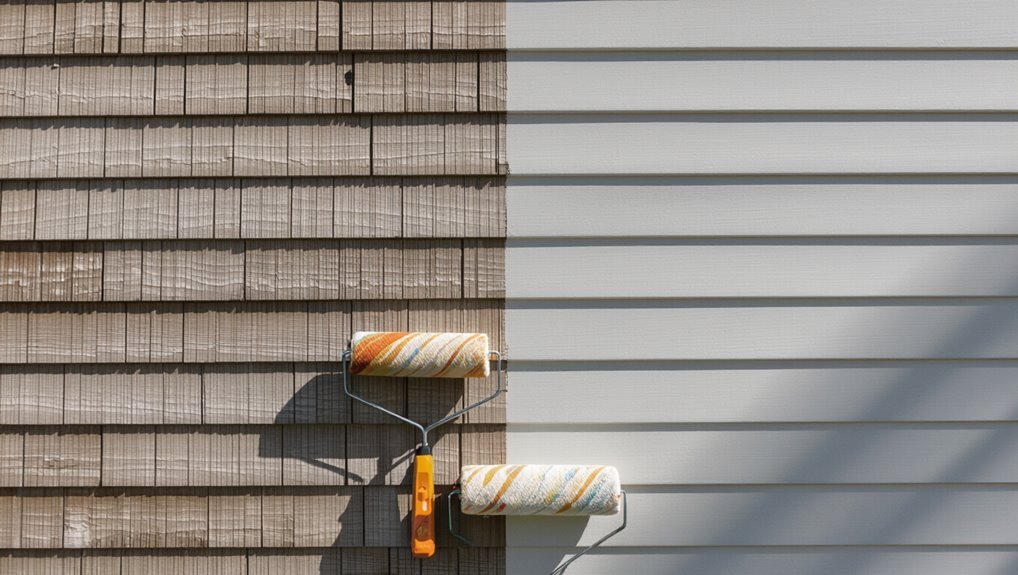
Curious how many coats of exterior paint you really need? You’ll usually apply two: a primer (if needed) and a topcoat, but factors like substrate, paint finish, and environmental factors can change that.
You’ll choose more coats for rough surfaces or dramatic color shifts, and fewer if high-quality paint and ideal conditions let one coat cover uniformly and protect effectively.
When Is One Coat Of Exterior Paint Acceptable?
If you prep the surface thoroughly—clean, sand, and prime where needed—you can often get away with one coat.
Using a high-quality, high-hiding exterior paint boosts coverage and reduces the need for multiple layers.
Still, you’ll want to inspect for stains or color changes that might require an extra coat.
Good Surface Preparation
When your siding or trim is clean, sound, and properly primed, one coat of quality exterior paint can be enough to provide good coverage and protection.
You should focus on surface cleaning, material choice, primer application and repair techniques.
Check surface texture, paint compatibility and environmental factors, use proper application tools, account for weather considerations, and follow simple maintenance routines to keep finish durable.
High-Quality, High-Hiding Paint
Paint quality matters — a high-hiding, premium exterior paint can often cover old color and imperfections so well that one coat is enough, provided your surfaces are clean and primed.
You’ll save time and still get superior paint durability thanks to high hiding technology. Choose wisely and inspect coverage.
- Relief at instant transformation
- Confidence in lasting finish
- Pride in smart saving
- Joy in simplicity
Why Most Jobs Require Two Coats For Durability
You’ll usually need two coats to build enough film thickness for even coverage and true color.
The second coat also improves adhesion and seals any spots the first coat missed. Together they give the long-term protection against weather and wear that a single coat often can’t deliver.
Coverage And Film Thickness
One coat may hide color, but it rarely builds the durable film your exterior needs; coverage is about more than just hiding the old finish.
You need coverage consistency and proper application techniques to achieve uniform film thickness. Two coats reduce thin spots, resist weathering, and prolong life.
Consider:
- Frustration when thin spots show
- Pride in a uniform finish
- Confidence in durability
- Relief from frequent touch-ups
Adhesion And Surface Sealing
Because exterior surfaces vary in porosity and exposure, a single coat often can’t fully seal and bond to every nook and cranny.
So you should plan on at least two coats to lock in adhesion and protect the substrate.
Use adhesion techniques like proper cleaning and primer, focus on surface sealing, account for weather considerations and material compatibility, and perform a coat evaluation before finishing.
Long-Term Protection Benefits
When you want paint to actually protect a house for years, two coats are usually the minimum: the first soaks in, seals and evens out the surface, and the second builds film thickness for durability, UV resistance, and abrasion protection.
You get a long lasting finish, moisture barrier, color retention and surface integrity that cut maintenance, boost aesthetic appeal, and support environmental protection and cost efficiency.
- Pride
- Relief
- Confidence
- Security
When You Might Need Three Or More Coats
If your siding has heavy stains, deep color changes, or multiple previous layers of paint, you’ll often need three or more coats to get full coverage and a uniform finish.
You’ll consider three coat scenarios when changing from dark to light colors, covering water or smoke damage, or addressing excessive wear.
Plan for primer, tinted midcoat, and a finish coat for best results.
How Surface Material Affects Coat Count
Different materials accept paint in different ways, so you’ll adjust the number of coats based on what you’re covering.
You’ll consider surface texture and material compatibility to guarantee paint adhesion and finish durability.
Account for moisture resistance, insulation properties, aesthetic appeal, maintenance needs, environmental impact, and cost analysis when deciding coats.
- Frustration with poor adhesion
- Relief from durable finish
- Pride in low maintenance
- Worry over cost
Why Priming Changes The Number Of Coats
Knowing your surface helps decide paint coats, but priming often changes that math considerably.
You’ll get priming benefits like sealed pores and improved surface compatibility, so paint absorption drops and coverage improves. That means fewer finish coats and better color matching, especially over repairs or drastic color shifts.
Priming also promotes adhesion, reduces blistering, and speeds up consistent topcoat results.
How Paint Quality Alters Coverage Needs
You’ll notice high-quality paints lay down a thicker, more uniform film that can cut the number of coats you need.
Their higher pigment concentration and opacity mean better coverage per pass, while superior binders improve adhesion and durability so you won’t have to repaint as soon.
Compare specs like volume solids and hiding power when you’re choosing paint.
Paint Film Thickness
How thick should your paint film be to get the coverage you want? You’ll balance film thickness against paint longevity and coating benefits: thicker films can hide imperfections and last longer, but may sag or crack if overapplied.
Aim for recommended mils per coat and dry times. Consider:
- Confidence in durability
- Pride in finish
- Relief from maintenance
- Satisfaction with protection
Pigment And Opacity
Film thickness matters, but pigment and opacity play an equally big role in how many coats you’ll need.
You’ll notice pigment types and opacity levels determine color intensity and coverage variation; high-opacity formulations hide substrate faster.
Choose a paint formulation optimized for light reflection and strong pigments so you need fewer coats.
Match pigment strength to the color and surface for efficient, consistent coverage.
Binder Quality Effects
Because the binder is the glue that holds pigment and solids together, its quality directly changes how many coats you’ll need: stronger, more elastic binders spread pigments evenly, adhere better to substrates, and form a uniform film that hides the surface faster, while weak or brittle binders let paint flake, absorb into porous substrates, or require heavier application to mask imperfections.
- You’ll fear cheap binder types.
- You’ll crave better binder performance.
- You’ll value binder adhesion, flexibility, durability.
- You’ll check binder compatibility, formulation, functions, applications, interactions.
Does Paint Sheen Affect How Many Coats You Need?
Yes — paint sheen can change how many coats you’ll need. You’ll notice sheen impact on coverage: flatter sheens hide imperfections and often need fewer coats, while glossier sheens increase coat visibility and may require extra layers for uniformity.
Consider surface texture and desired durability; gloss cleans better but shows flaws, so plan coats accordingly to balance look and protection.
How Color Change Impacts Coat Requirements
When you switch to a much lighter or darker color, you’ll usually need extra coats to get full, even coverage because paint pigments and underlying tones can show through the new color.
Switching to a much lighter or darker shade often requires extra coats for even, full coverage.
You’ll face color shade impact and color consistency challenges; consider finish type consideration and paint absorption differences.
Emotions:
- Frustration with uneven hue adjustment necessity
- Relief from correct color layering techniques
- Pride in aesthetic variations
- Worry over light reflection effects and environmental factors
Why Dark-To-Light Color Switches Usually Need Extra Coats
If you’re moving from a dark shade to a much lighter one, expect to apply extra coats because the deep pigments and residual tones in the old paint will show through and mute the new color.
During this color change you’ll face application challenges: the dark color’s surface contrast alters color perception, requiring extra coats to restore desired visual impact and even coverage for a true light color finish.
How Weather And Climate Affect Drying And Coverage
Beyond color changes, weather and climate play a big role in how paint dries and how many coats you’ll need.
You’ll notice weather impacts and climate effects causing drying time and coverage variation. Consider seasonal considerations, humidity levels, temperature influence, rain effects, sunlight exposure, and wind conditions.
Expect shifting drying times and coverage—season, humidity, temperature, rain, sun, and wind all change the outcome.
- You’ll feel urgency.
- You’ll fear delays.
- You’ll crave predictability.
- You’ll want control.
When Humidity Forces Additional Coats Or Touch-Ups
When humidity spikes, you’ll notice extended drying times that can force you to wait longer between coats or risk trapping moisture under the paint.
High moisture also raises the chance of mildew and blistering, which may require spot treatments or extra coats to restore a smooth finish.
Finally, the manufacturer’s recoat window can change in damp conditions, so you’ll need to adjust your schedule and inspect surfaces before applying more paint.
Extended Drying Times
Although warm days can speed drying, high humidity slows it dramatically and often means you’ll need extra coats or touch-ups.
You’ll face extended drying times because environmental factors trap moisture, so plan longer intervals between coats and watch tackiness before recoating.
- Frustration when delays pile up
- Anxiety over ruined work
- Relief when weather clears
- Satisfaction with patient results
Mildew And Blistering
If humidity stays high, mildew can take hold on damp surfaces and paint can blister as trapped moisture expands, so you’ll often need extra coats or spot touch-ups to restore a smooth, protective finish. Focus on mildew prevention and understanding blistering causes: clean, dry, prime, then repaint.
| Scene | Action |
|---|---|
| Damp siding | Scrub mold |
| Blisters | Remove, dry |
Recoat Window Changes
High humidity that leads to mildew and blistering also shortens the recoat window you can safely work in, so you’ll often need extra coats or spot touch-ups timed around drying and moisture readings.
You should monitor recoat timing and test surfaces; environmental factors force faster interventions. Keep calm and act quickly:
- Frustration at delays
- Pride in saving a job
- Anxiety over failures
- Relief after fixes
How Substrate Condition Increases Coat Count
The condition of the substrate directly affects how many coats you’ll need because damaged, porous, or previously coated surfaces absorb and show paint differently than smooth, intact ones.
Do a substrate analysis to assess substrate type, surface texture and paint absorption.
Consider weather impact and other environmental factors since they shorten coating lifespan and raise maintenance frequency, so you’ll plan extra coats accordingly.
Why Bare Wood Usually Needs More Layers
If you’re painting bare wood, expect to use more coats because porous grain soaks up primers and paint unevenly.
You’ll also need to guard against tannin and resin bleeding, which can stain topcoats unless you seal them first.
Proper surface prep—cleaning, sanding, and priming—cuts down on extra layers and guarantees a durable finish.
Porosity Affects Absorption
Because bare wood soaks up paint like a sponge, you’ll usually need extra coats to get even coverage and lasting protection.
Porosity types and absorption rates vary with surface texture, material density and moisture levels, changing paint interaction and coating performance.
Consider environmental factors.
- Frustration at blotchy finish
- Relief with consistent coats
- Pride in durable results
- Worry about wasted paint
Tannin And Resin Bleeding
While you might seal and prime, tannins and resins can still leach through paint on bare wood.
So you’ll often need extra coats to block stains and guarantee a uniform finish.
You should choose products with tannin resistance and focus on resin sealing to prevent bleed-through.
Expect to apply additional topcoats, inspect after drying, and spot-seal any stubborn stains before finishing.
Surface Preparation Importance
When you skip thorough surface prep on bare wood, paint soaks unevenly, raising grain and hiding adhesion problems that force you to add extra coats.
You need surface cleaning, substrate assessment, and paint compatibility checks; consider environmental factors and weather impact for drying conditions and finish consistency.
Choose proper application techniques and equipment selection for different surface types.
- Frustration at wasted coats
- Anxiety over peeling
- Pride in solid prep
- Relief with lasting finish
How Previously Painted Glossy Surfaces Change The Plan
If your siding or trim already has a glossy finish, expect to adjust your prep and coating plan: glossy surfaces repel new paint and hide adhesion problems, so you’ll need to sand, degloss, or prime more thoroughly before applying topcoats.
You’ll face glossy surface impact and adhesion challenges—so scuff, clean, use a bonding primer, and test adhesion before committing to standard two-coat plans.
When Metal, Stucco, And Brick Require Special Coat Strategies
Because metal, stucco, and brick each absorb and bond with coatings differently, you’ll need tailored prep and coat strategies for reliable coverage and longevity.
You should choose primers and application methods that respect metal surfaces, stucco techniques, and brick strategies to maximize paint adhesion and durability.
- Frustration avoided
- Confidence restored
- Pride in results
- Peace of mind
Test Adhesion: Tape And Cross-Cut Checks Before Painting
Before you start painting, inspect the surface for flaking, chalking, or contamination that could stop new coats from sticking.
Do a tape adhesion test by pressing strong painter’s tape to the area and pulling it off to see if paint or primer detaches.
For a more precise check, make a small cross-cut in old paint and use tape to test whether the underlying layers will hold.
Surface Condition Inspection
When you’re prepping a surface, test adhesion with simple tape and cross-cut checks so you know whether paint will stick or peel; these quick tests reveal loose coatings, chalking, or glossy areas that need attention.
You’ll perform surface type evaluation and damage assessment, then decide prep: scrape, sand, clean, or prime.
- Frustration relieved
- Confidence regained
- Pride restored
- Project secured
Tape Adhesion Test
You’ve inspected the surface and decided what repairs and prep it needs; now confirm whether the existing coating will hold by performing a tape adhesion and cross-cut check.
Use the tape method for adhesion testing: press quality tape over a small area, pull sharply, and watch for flakes.
If paint peels, strip and re-prime before applying new coats.
Cross-Cut Adhesion Check
Although the tape test gives a quick read on adhesion, the cross-cut check lets you see how firmly the paint bonds across the whole coating: score a grid through the paint to the substrate, press quality tape over it, and pull sharply to reveal any delamination between layers or at the substrate.
You’ll perform adhesion testing, tape method comparison, paint compatibility checks, surface evaluation, and coating analysis.
- Frustration when layers fail
- Relief after solid pull
- Caution for poor compatibility
- Confidence from quality assurance
Surface Prep Steps That Reduce The Number Of Coats
Because paint only hides what’s already there, prepping the surface properly is the fastest way to cut down on how many coats you’ll need.
Proper surface prep is the quickest way to reduce coats—paint covers, prep prevents problems.
You’ll do surface cleaning, use targeted sanding techniques, and choose primer selection based on surface compatibility.
Control moisture, perform adhesion testing, and follow paint application best practices.
Do coat evaluation and quality assessment, then finish smoothing for ideal coverage.
How Sanding And Deglossing Improve Coverage
Before you start painting, sanding and deglossing the surface helps your paint stick better, so coats don’t peel or flake later.
You’ll also create a smoother surface that lets each coat spread evenly and cover more efficiently.
Those simple prep steps can cut down on how many coats you actually need.
Better Paint Adhesion
When you sand or degloss the surface, paint sticks better and you’ll need fewer coats to get full coverage.
You’ll choose adhesion techniques and surface treatments that suit substrate types and weather conditions, consider environmental factors and paint compatibility, and pick primer selection, application methods, and coating systems to optimize paint layering.
- Relief
- Confidence
- Pride
- Calm
Smoother Finish Surface
Sanding and deglossing smooth out tiny bumps, old finishes, and glossy surfaces so new paint lays down evenly and covers in fewer coats.
You’ll use smoothing techniques like fine-grit sanding and chemical deglossers with proper application tools to refine surface texture.
That prep lets paint additives and primers bond better, reducing blotchiness and the number of finish coats you’ll need for durable, uniform coverage.
Why Cleaning And Mildew Removal Save Extra Coats
If you skip a thorough cleaning and mildew removal, those problems will keep paint from adhering properly and force you to apply extra coats.
So take the time to wash, treat, and rinse surfaces first. Use effective cleaning techniques and mildew prevention strategies to save time and money.
- Frustration avoided
- Confidence in finish
- Pride in curb appeal
- Long-term savings
How To Choose The Right Primer To Cut Coats
Start by prepping the surface thoroughly—fix damage, remove loose paint, and clean away mildew—because a well-prepped substrate helps primer stick and reduces extra coats.
Pick a primer that matches the surface and topcoat type (wood, masonry, or glossy metal), since the right chemistry prevents adhesion problems.
Also look for high-coverage or tinted primers to block stains and boost hide so you can often cut a topcoat.
Surface Prep Importance
Proper surface prep is the step that lets you cut coats without sacrificing durability—choose a primer suited to your substrate, binders, and existing finish so the topcoat bonds well and needs fewer layers.
You’ll use surface preparation techniques that reduce failures and improve coverage; the impact on durability is immediate. Feel confident, avoid rework, and save time:
- Relief at a job done right
- Pride in lasting finish
- Comfort from fewer coats
- Joy of saved time
Primer Type Match
Once you’ve prepped the surface to bond and breathe, choosing the right primer lets you cut coats without risking adhesion or coverage problems.
You’ll match primer types to substrate conditions and paint formulations, prioritize bonding agents and adhesion properties, and check surface compatibility and stain resistance.
Consider environmental factors and appropriate application techniques to gain primer benefits that let you use fewer topcoats effectively.
Coverage And Tinting
Think about primer coverage and tinting as the shortcut that actually saves you coats: a high-hide primer with good opacity and a subtle tint toward your final color can block the old surface and reduce the number of finish coats needed for full, even coverage.
You’ll assess coverage factors and apply tinting techniques to minimize coats and stress.
- Relief
- Confidence
- Efficiency
- Pride
Which Primers Bond Best To Problem Surfaces
If you’re tackling chalky, glossy, or stained surfaces, picking the right primer makes all the difference—some are formulated to grab slick enamel, others to seal tannin-rich wood or block heavy stains.
You’ll assess problematic surfaces, choose primer types with strong primer adhesion and bonding agents, consider surface compatibility and stain resistance, note special conditions, and follow precise application techniques after a careful surface evaluation.
When Stain-Blocking Primer Is A Must
When stains, tannins, or heavy discoloration threaten to bleed through your finish, you’ll need a stain-blocking primer to stop them at the source. These specialty primers seal contaminated surfaces—like water-damaged drywall, knotty wood, or smoke-stained siding—and prevent ugly shadowing and adhesion problems that regular primers can’t handle.
Consider:
- Frustration if stain types persist
- Relief from proper primer application
- Worry about moisture levels, surface condition
- Confidence in bleed prevention, paint compatibility, color matching, addressing previous coatings and environmental factors
How To Estimate Paint Quantity By Coat Count
Start by measuring your exterior surfaces to get an accurate total square footage.
Divide that area by the paint’s advertised coverage per gallon, then multiply by the number of coats you plan to apply.
Finally, increase your total for rough or porous surfaces since they’ll absorb more paint.
Surface Area Calculation
Calculating the surface area is the first practical step in estimating how much paint you need for each coat, and it tells you whether a single can will do or if you’ll need multiples.
Use measurement tools and calculation methods to convert area dimensions into square footage for accurate estimates, considering surface types, paint types, application techniques and expected paint coverage.
- Frustration about wasted cans
- Relief from precise planning
- Confidence in totals
- Pride in neat work
Coverage Per Gallon
Now that you’ve converted your surfaces into square footage, estimate how much paint each coat will need by checking the paint’s coverage per gallon—usually printed on the can as square feet per gallon.
Divide total square feet by the stated gallon coverage to get gallons per coat.
Factor in planned application techniques—brush, roller, or sprayer—then round up to allow for touch-ups and overlap.
Adjust For Surface Type
Because different materials absorb and hold paint differently, you’ll need to adjust your per-coat estimates by surface type: consider surface texture, paint absorption, material differences and paint compatibility alongside weather conditions and environmental factors.
Use proper prep techniques and coating technologies for best finish quality. Choose application methods to control coverage.
- Rough wood: higher absorption, emotional care
- Smooth metal: crisp pride
- Stucco: forgiving warmth
- Vinyl: cautious patience
How To Read Paint Coverage Numbers Correctly
Wondering how that “400 sq ft per gallon” figure actually applies to your siding?
You should treat it as a baseline: manufacturer estimates assume smooth, primed surfaces.
Treat manufacturer coverage as a baseline—their 400 sq ft/gallon assumes smooth, primed surfaces; adjust for texture.
Rough or porous siding reduces paint coverage, so expect more gallons.
Use a paint coverage number and a paint calculator to adjust for surface texture, number of coats, and waste.
Always round up slightly to avoid shortages.
Practical Tips To Get True One-Coat Coverage
If you want true one-coat coverage, start by choosing a high-quality, high-hide paint and matching it with the right primer or tinted base so the first pass hides the old color and stains.
You’ll beat common one coat myths by setting realistic coverage expectations and preparing surfaces.
Use:
- Clean, smooth substrate
- Tint primer to color
- Proper drying time
- Test a small area
Tools And Application Methods That Reduce Coats
Using the right tools and methods can cut the number of coats you need and save time.
You’ll get more even coverage with a high-quality sprayer, proper surface prep, and the correct primer or bonding agent.
Focus on those three elements and you’ll often achieve true one-coat results.
High-Quality Sprayer Use
A high-quality paint sprayer can cut the number of coats you need by delivering a thinner, more even film than brushes or rollers.
So you’ll get full coverage faster with fewer touch-ups. You’ll love the speed and finish when you follow sprayer maintenance tips and use ideal spray settings.
- Excitement at instant coverage
- Pride in a showroom finish
- Relief from fewer coats
- Confidence in consistent results
Surface Preparation Techniques
Sprayers give you a smooth base, but the real savings in coats comes from proper surface prep—cleaning, sanding, and priming so paint bonds and covers evenly.
You should perform a thorough surface analysis to spot mildew, chalking, or loose flakes. Match methods and cleaners to material compatibility, use appropriate grit, remove contaminants, and guarantee a uniform, receptive substrate so each coat performs and you need fewer layers.
Primer And Bonding Agents
One well-chosen primer can cut the number of finish coats you need by improving adhesion, sealing porous surfaces, and blocking stains.
You’ll pick primer types based on substrate and weather; bonding techniques like bonding primers and additives boost hold. Use correct tools and apply thin, even coats.
- Relief when stains vanish
- Confidence in durable adhesion
- Pride in smooth finish
- Satisfaction with fewer coats
When Spraying Gives Better First-Coat Coverage
Many homeowners find that spraying delivers better first-coat coverage because the atomized paint levels out and reaches crevices brushes and rollers miss, so you’ll often need fewer touch-ups and less overall paint to get an even base. You’ll notice Spray technique advantages and improved First coat efficiency when spraying on textured siding, trim, and tight joints.
| Surface | Benefit | Tip |
|---|---|---|
| Siding | Uniform | Thin passes |
| Trim | Fast | Mask edges |
| Crevices | Covers | Overlap slightly |
How Roller Nap And Brush Choice Affect Coats
Your choice of roller nap and brush bristles directly affects how much paint you need to apply.
Short naps work best on smooth surfaces and give thinner, more even coats, while thicker naps hold more paint for rough or textured siding.
Natural or synthetic bristles perform differently with oil- and water-based paints, so pick tools that match your paint to improve coverage and potentially cut down on extra coats.
Roller Nap Thickness
Pick the right roller nap and you’ll cover more evenly with fewer coats; choose the wrong one and you’ll trap paint in texture or skim over grooves, forcing extra layers.
You should match roller nap to surface: consider paint absorption, texture effects, coverage efficiency, paint application, material compatibility, finish quality, and roller selection.
- Relief: restores confidence
- Frustration: avoided
- Pride: achievable results
- Relief: fewer coats needed
Brush Bristle Type
Choose the right brush bristles and you’ll control how paint lays down, how much is absorbed, and whether you’ll need extra coats. You’ll pick brush types by bristle stiffness: synthetic brushes suit water-based paints; natural bristles work for oil. Consider brush durability, cleaning techniques, and application methods to protect finish quality and minimize extra coats.
| Emotion | Choice |
|---|---|
| Confidence | Synthetic |
| Pride | Natural |
| Relief | Durable |
| Calm | Clean |
Tool Impact On Coverage
One good roller nap and the right brush will cut how many coats you need by improving coverage and reducing streaks.
You’ll see how tool selection, roller choice, brush quality, and sprayer efficiency change application technique and surface compatibility.
Do coverage evaluation after tool maintenance and equipment calibration. Compare methods for best results.
- Pride in a smooth finish
- Relief at fewer coats
- Confidence in choices
- Joy in saving time
How Application Technique Prevents Streaks And Thin Spots
Start by loading your brush or roller evenly and working in consistent, overlapping strokes so you don’t leave streaks or thin spots.
Use proper application methods, master brush techniques, and choose correct roller selection.
Monitor paint consistency, drying times, and environmental factors.
Do a quick surface inspection, consider primer application, and perform coat evaluation to guarantee uniform finish quality and avoid thin areas.
How To Spot Thin Coverage After Each Coat
How can you tell if a coat’s too thin? Use thin coverage indicators and effective inspection techniques as you inspect each section.
Watch for color inconsistency, visible substrate, brush marks, and uneven sheen.
- Heart-sinking streaks
- Uneasy patchiness
- Frustrating translucence
- Annoying texture differences
Trust your eyes, touch lightly once dry, and mark spots needing attention.
When To Add A Touch-Up Coat Versus A Full Coat
If you spot a few minor surface imperfections—like small drips or thin spots—you’ll usually get away with a targeted touch-up coat to blend them in.
But when large areas still show the old color or texture after drying, you’ll need a full coat for consistent coverage and durability.
Consider the extent of the flaws and how the wall looks from normal viewing distance to decide which approach saves time without sacrificing finish.
Minor Surface Imperfections
When you spot small blemishes—like tiny chips, scuffs, or thin spots—you can usually fix them with a targeted touch-up coat rather than repainting the whole wall; assess by cleaning the area, feeling for texture differences, and viewing from several feet away to guarantee the repair will blend.
Use Surface repair, Texture assessment, Paint compatibility, Finish evaluation to guide Imperfection treatment.
- Surface smoothing restores calm.
- Repair techniques ease worry.
- Flaw inspection brings confidence.
- Damage mitigation preserves pride.
Full Coverage Needs
Small touch-ups can fix minor chips and scuffs, but you’ll want to decide whether those repairs are enough or if a full coat is needed to restore uniform coverage and durability.
Inspect for color fade, peeling, or inconsistent sheen. Use full coverage techniques when damage is widespread.
Choose ideal paint selection for adhesion and weather resistance. If more than small areas fail, apply a full coat.
Recoat Timing: How Long To Wait Between Coats?
Wondering how long you should wait between coats? Your recoat timing depends on drying conditions, paint type, and surface feel.
Don’t rush—touch should be dry, not tacky.
Don’t rush—wait until the surface feels dry to the touch, not tacky, before recoating.
- Relief when it dries
- Frustration if it’s tacky
- Confidence with proper wait
- Pride in a smooth finish
Check label times and test before recoating.
How Temperature Affects Curing And Recoating Times
If temperatures dip or spike beyond the range listed on the paint can, curing slows or speeds dramatically, so you should factor local weather into your recoating schedule. Temperature effects alter curing times and drying processes; cold weather prolongs, hot weather shortens. Adjust recoating intervals with humidity impact and season adjustments to reach ideal conditions. Weather considerations guide safe application.
| Fear | Relief |
|---|---|
| Delay | Finish |
| Risk | Reward |
How Paint Age And UV Fading Determine When To Repaint
Temperature and moisture affect how paint cures, but time and sunlight dictate how long that finish will keep protecting your siding and trim.
You watch paint longevity decline as UV protection weakens, causing color retention loss and surface deterioration.
Note fading indicators and repainting signs; adjust your maintenance schedule and seasonal timing to preserve weather resistance, visual appeal, and minimize environmental impact and cost implications.
Watch for fading and repaint when signs appear; adjust timing to protect finish, look, and budget.
- Frustration
- Urgency
- Relief
- Pride
When Repainting Rather Than Recoating Is The Right Call
When the surface shows deep peeling, multiple previous layers, or widespread mildew that won’t sand or bleach away, you’re better off repainting than just recoating—repainting lets you strip, repair, and re-prime so the new finish adheres and lasts. You’ll weigh repainting benefits, recoating considerations, paint longevity, surface integrity, aesthetic appeal, cost analysis, preparation techniques, environmental factors.
| Issue | Action | Outcome |
|---|---|---|
| Peeling | Strip | Durable finish |
| Mildew | Clean/Repair | Healthier surface |
| Multiple coats | Remove | Better adhesion |
| Fading | Repaint | Renewed color |
| Damage | Patch | Extended longevity |
How To Prioritize High-Wear Areas For Extra Coats
Which spots get the toughest wear on your exterior—doorways, trim, eaves, or siding near walkways?
You’ll assess high traffic zones and increased weather exposure, then add coats where impact and moisture hit first.
Prioritize surfaces that see touch, splash, sun, or scraping.
- Friction points that wear quickly
- Areas hit by rain or sun
- Paths and entries people use
- Splash and splashback zones
How Trim, Doors, And Shutters Differ From Siding Needs
After you’ve mapped high-wear zones, shift focus to trim, doors, and shutters—they face different stresses than broad siding and usually need different paint choices and coat counts.
You’ll choose trim paint, door paint, and shutter paint with finish differences for durability and color considerations.
Check material compatibility, anticipate weather effects, plan maintenance needs, and use precise application techniques rather than siding paint methods.
How To Plan Coats For Multi-Material Exteriors
Because different materials absorb and flex differently, you’ll need a tailored plan that assigns coat counts and products to each surface type rather than using one rule for the whole house.
Address multi material challenges with substrate considerations, coat compatibility, application techniques, finish uniformity, weather effects, color matching, and maintenance strategies.
- Feel confident
- Avoid surprises
- Preserve beauty
- Reduce worry
How To Balance Cost Versus Longevity When Choosing Coats
When you’re weighing how many coats to apply, think of each additional layer as an investment: more upfront cost often means longer intervals between repainting, but diminishing returns kick in after a certain point depending on surface and paint quality.
Do a cost analysis and longevity assessment, weigh budget considerations against paint lifespan, and treat material investment as a value comparison to decide ideal coats.
When Paying For Premium Paint Saves You Coats Later
Investing in a premium exterior paint can cut the number of coats you need by improving coverage, adhesion, and durability right out of the can.
You’ll spend more upfront but enjoy premium paint benefits and noticeable long term savings in time and maintenance. You’ll also feel confident about finish quality.
- Pride in appearance
- Relief from frequent touch-ups
- Comfort in durability
- Satisfaction with value
Estimate Labor For One, Two, Or Three Coats
Start by calculating hours per coat for your project: multiply the surface area by your crew’s realistic painting rate (square feet per hour), then add time for prep, masking, and cleanup.
For labor estimation, scale that number for one, two, or three coats, factoring drying waits and coat efficiency differences.
Sum totals and budget hours, materials, and contingencies accordingly.
Common Mistakes That Force You To Apply Extra Coats
If you skip proper surface prep, rush through thin coats, or use the wrong primer or paint, you’ll often have to apply extra coats to get even coverage and durability.
You’ll feel frustrated when paint application errors and inadequate drying force rework.
Common culprits:
- Skipping primer
- Painting in high humidity
- Using cheap paint
- Ignoring surface contamination
How To Fix Lap Marks, Sags, And Runs Without New Coats
When you catch lap marks, sags, or runs before the paint fully cures, you can often correct them without stripping and re-coating the whole surface; carefully light sanding, feathering the edges, and blending with a thin touch-up layer will make the blemishes disappear while keeping the surrounding finish intact. Use targeted lap mark remedies, sag correction, run fixes, surface touch ups, paint consistency, drying adjustments, brush techniques, roller methods, finish smoothing.
| Step | Tool | Tip |
|---|---|---|
| Sand | Fine grit | Feather edges |
| Blend | Brush/roller | Thin coats |
| Dry | Fan | Adjust time |
| Inspect | Light | Repeat if needed |
How To Test A Small Area To Decide Final Coat Count
Before committing to the whole job, test a discreet patch about a square foot to see how many coats your exterior paint really needs.
Use precise area selection and sample sections to assess paint absorption, drying times, and coverage testing.
Evaluate color matching, texture evaluation, application techniques, paint layering, and test methods.
You’ll trust results and avoid surprises.
- Nervous anticipation
- Satisfied confidence
- Practical relief
- Proud ownership
How To Document Coat Count And Products For Future Maintenance
Because you’ll want reliable reference down the road, record the exact number of coats you applied, the brand and color codes, the sheen, the batch or lot numbers, and the date alongside notes on substrate condition and weather during application. Use coat documentation, maintenance logs, product tracking, coat history, surface notes, paint records, maintenance reminders for future planning.
| Date | Coats | Notes |
|---|---|---|
| 06/01 | 2 | Dry, wood |
| 06/02 | 3 | Humid, stucco |
| 06/03 | 2 | Primer used |
| 06/04 | 1 | Touch-up only |
How Warranties And Paint Specs Influence Required Coats
If you’re counting on a manufacturer’s warranty or following technical specs, pay close attention to their recommended coat counts and application instructions, since failing to meet them can void coverage or reduce durability.
You’ll want to follow paint specifications for adhesion and finish; warranty impact is real.
Consider emotions tied to results:
Expect relief when you follow specs, frustration if shortcuts void coverage, pride in a job that lasts, regret otherwise
- Relief when rules are followed
- Frustration if coverage’s voided
- Pride in a durable finish
- Regret from shortcuts
When To Call A Pro For Complex Exterior Coating Jobs
When a job involves extensive repairs, unusual substrates, or tricky access, call a pro—you’ll save time and avoid costly mistakes.
You should seek professional advice for complex projects requiring specialized techniques to meet strict job specifications.
Pros handle exterior challenges, safety concerns, and equipment needs, and they’ll clarify project timelines, budget considerations, and client expectations so the work’s quality and warranty aren’t compromised.
Quick Checklist To Decide How Many Exterior Coats You Need
Calling a pro makes sense for complex jobs, but for most DIY exterior painting you can quickly determine the right number of coats yourself.
Assess surface, primer need, and weather. Consider coat types and application techniques.
Then follow this checklist to feel confident:
- Inspect substrate for damage — don’t ignore it
- Decide primer vs. paint-only
- Choose brush/roller/sprayer smartly
- Test one coat, evaluate coverage
Frequently Asked Questions
Can Exterior Paint Coats Affect Insulation or Energy Efficiency?
Yes — thicker or reflective exterior paint can slightly improve energy efficiency. You’ll choose color selection and guarantee surface preparation to maximize benefits, but paint’s insulation effect is modest compared with proper insulation and sealing measures.
Will Additional Coats Impact Warranty Validity or Claims?
Yes — you should check warranty terms, because applying extra coats can void coverage if they alter specified systems; however, properly approved additional coats can enhance paint longevity while keeping claims valid if you follow manufacturer instructions.
How Do Coatings Interact With Exterior Lighting and Glare?
Light becomes your mirror, revealing and hiding. You’ll see color perception shift with brightness and angle, while surface texture scatters or concentrates glare—so choose finishes that control reflections to preserve true tones and reduce hotspots.
Can Additives (Extenders/Fasteners) Change Needed Coat Count?
Yes — additives can change needed coat count: different additive types alter flow, leveling, and drying, so you’ll adjust coats based on effects and surface. Match additives with proper application techniques to avoid thinning coverage and guarantee uniform build.
Are Eco-Friendly/Low-Voc Paints Requiring More Coats?
Usually you won’t need more coats with eco-friendly paints; you’ll get eco friendly benefits and comparable coverage, though low VOC durability can vary, so you’ll sometimes apply an extra coat for color depth or longevity.
Conclusion
You’ll usually need two coats for reliable coverage, one coat for quick touch-ups, and three or more for major color changes or worn surfaces. Match paint type to material, follow manufacturer specs, and document products and coats for future upkeep. Get a pro for tricky substrates, severe damage, or warranty-sensitive jobs. Make a plan, prep properly, apply consistently, and maintain regularly — do it right now, do it with care, and do it to last.
