
How to Fix Orange Peel in Paint for a Flawless Surface
Orange peel happens when paint dries unevenly, and you can often fix it yourself by first identifying the paint type, then choosing wet‑sanding or a recoat. For mild texture, wet‑sand with 1000–2000 grit while keeping the surface flooded, then polish with compound and a foam pad to restore gloss. For heavier defects, scuff and recoat within the tack window or consider a full respray. Follow proper prep, grit progression, and safety, and more detailed steps will guide you further.
What Causes Orange Peel and How to Spot It
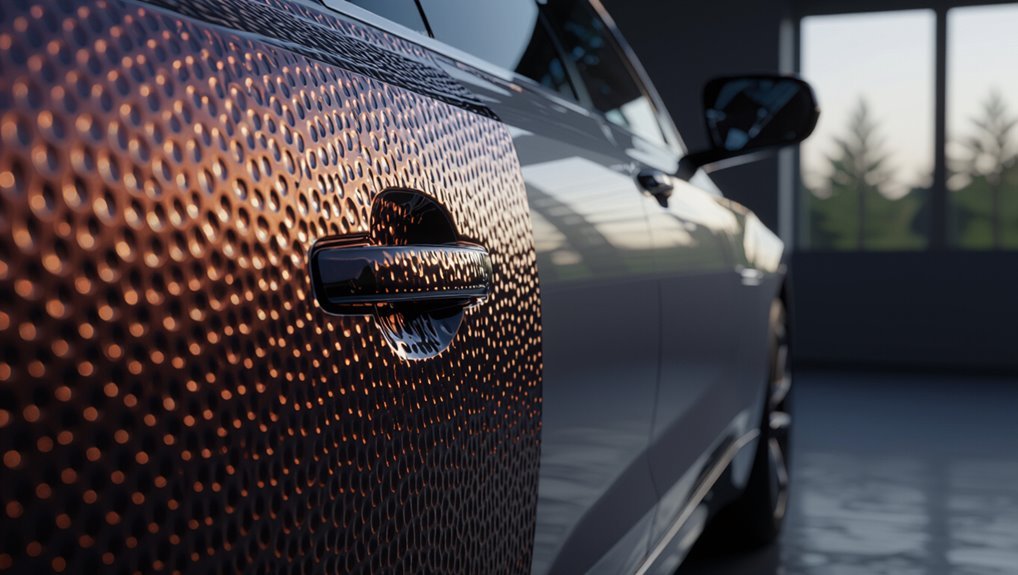
When paint dries with a bumpy, dimpled texture instead of a smooth finish, that’s orange peel—usually caused by improper spray settings, wrong paint viscosity, or poor surface prep.
You’ll spot it by inspecting under raking light, feeling for texture, and checking coverage.
Faulty paint application or inadequate surface preparation often produces orange peel; identify uneven spray patterns, runs, or missed sanding before correcting.
Quick Fix Summary: When Wet‑Sanding Will Help
If the orange peel is mild and the paint is fully cured, you’ll usually wet‑sand to level the texture before polishing.
Use fine wet sandpaper (1000–2000 grit), keep the surface flooded with water, and sand gently with light, even strokes until the surface feels smooth.
Stop frequently to wipe and check your progress so you don’t sand through the clear coat.
When To Wet‑Sand
Because orange peel mainly affects the surface texture rather than the paint’s adhesion or color, you’ll want to wet‑sand when the finish is fully cured but still thin enough to level without cutting through the base coats.
You’ll choose wet sanding benefits when blemishes are isolated, the environment offers ideal conditions (clean, dust‑free, moderate humidity), and you can follow careful, controlled sanding to avoid clearcoat damage.
Wet‑Sanding Technique
Now that you know the right moment to wet‑sand, here’s how to do it safely and efficiently.
Hold a flexible block, use 1500–2000 grit, keep the surface lubricated, and sand with light, even strokes following the panel’s curvature.
Rinse frequently, check progress, and finish with finer grit.
These wet sanding tips and sanding techniques prevent scratches and restore smoothness without removing too much paint.
Identify Latex, Enamel, or Automotive Clearcoat
Before you start sanding and respraying, you’ll want to confirm whether you’re dealing with latex, enamel, or an automotive clearcoat, because each one requires a different approach; you can usually tell by touch, smell, and finish—latex feels slightly rubbery and has a duller sheen, enamel is harder and glossier with a sharper solvent odor, and automotive clearcoat is very smooth, hard, and often layered over base color.
| Type | Touch | Smell |
|---|---|---|
| Latex (latex vs. enamel) | Slightly rubbery | Mild |
| Enamel | Hard, glossy | Strong solvent |
| Automotive finishes | Smooth, layered | Chemical/paint |
When to Repair vs. Repaint the Whole Panel
Check the damage to see if the orange peel is isolated or spreads across the panel.
If the paint is old or sun‑baked, you might be better off repainting than patching.
Balance the time and parts cost of repairs against the price and finish benefit of a full respray.
Assess Damage Extent
Assessment starts with a clear look at the panel: small, isolated orange peel can usually be spot-sanded and blended, while widespread texture or multiple affected panels means a full respray is the safer choice.
Use damage assessment and surface evaluation to decide.
Steps to follow:
- Inspect lighting and contours.
- Measure affected area.
- Choose repair vs. respray.
Evaluate Paint Age
Once you’ve decided whether spot repairs will blend or a respray is safer, look at the paint’s age to guide the final call.
If the finish is near the end of its paint lifespan or shows UV fading and brittleness, a full panel repaint guarantees uniform adhesion and color.
Also check paint compatibility between old and new coats to avoid adhesion failures or sheen mismatch.
Consider Cost Tradeoffs
When deciding whether to spot-repair orange peel or repaint the whole panel, weigh material and labor costs against the likelihood of a perfect match—spot repairs save money up front but can end up costing more if sanding, feathering, and multiple blend coats still leave visible seams that force a full respray.
- Estimate total cost comparison.
- Factor time and skill needed.
- Use budget considerations to choose.
Tools and Supplies for Wet Sanding and Buffing
You’ll need a compact kit of reliable tools and a few consumables to wet sand and buff orange peel effectively.
Gather a sanding block, sanding disc assortment, water container, buffing pad, polishing compound, and microfiber cloths.
Gather a sanding block, assorted wet-sanding discs, water, a buffing pad, polishing compound, and microfiber cloths.
Wear safety goggles and gloves.
Keep paint thinner for cleanup and adhesive residue.
Choose quality pads and cloths to prevent swirl marks and contamination for a smooth, glossy finish.
Sandpaper Grit Progression for Orange Peel
After you’ve assembled your wet-sanding and buffing kit, pick the right grit sequence to remove orange peel without sanding through the clear coat.
Choose sandpaper types suited for wet use and focus on grit selection that refines without cutting.
Follow a simple progression:
- 1000–1200
- 1500–2000
- 2500–3000
Move gradually and check frequently.
Wet‑Sand to Remove Orange Peel (Step‑by‑Step)
Before you start wet-sanding, make sure the paint has fully cured so you don’t sand through the finish.
Pick a grit progression that moves from coarser to finer to level the orange peel without creating new scratches.
Finish by polishing to restore gloss and blend the repaired area with the surrounding paint.
Assess Paint Cure Time
Knowing when the paint’s cured enough to wet-sand is essential to avoid gouging or reactivating the finish, so check cure time against the product’s specs and environmental conditions before you touch the surface.
Follow these quick checks:
- Feel: light tack means more cure time.
- Spot test: small area to confirm paint consistency.
- Temperature/humidity: slower cure needs patience.
Choose Grit Progression
1. You’ll pick a grit progression to remove orange peel efficiently. Begin with 1000–1200 grit to level high spots, then move to 1500, 2000, and finish with 2500–3000 for smooth shifts.
Your grit selection must match paint hardness. Use controlled sanding techniques, light pressure, and even passes.
Keep the surface wet and rinse often to prevent clogging.
Finish With Polishing
Start wet‑sanding carefully to blend out the orange peel and restore a smooth surface: work through your chosen grit progression (starting around 1500 if you’ve already leveled high spots) with light, even pressure, keeping the panel well‑lubricated and rinsing the pad frequently to avoid clogging.
- Remove scratches progressively.
- Check surface preparation.
- Apply polishing techniques and finish with a fine polish, wipe, and inspect.
Feather Edges Without Visible Transitions
When you feather edges, you’re blending the freshly sprayed area into the surrounding paint so the change is seamless and invisible; this takes controlled overlap, consistent spray distance, and quick, even passes so the paint builds uniformly without ridges or hard lines.
Use feathering techniques and blending methods that soften edges—lighten pressure at the ends, shorten strokes, keep wet edges, and inspect under good light to avoid visible shifts.
Polishing and Compounding to Restore Gloss
Begin polishing with a clear goal: to remove micro-texture left by sanding or spray orange peel and rebuild a uniform, high-gloss surface.
Use proper polishing techniques and compounding methods, and follow this sequence:
Use proper polishing and compounding methods—follow the sequence for consistent, high-gloss results: cut, refine, finish.
- Cut with a medium-cut compound and foam pad.
- Refine with fine polish and soft pad.
- Finish with a glaze or ultrafine polish for deep gloss.
When and How to Recoat for a Seamless Finish
Often you’ll need one clean recoat to blend edges and correct remaining orange peel, and timing is critical for a seamless finish.
You should wait the paint’s recommended tack window—too soon causes lifting, too late hinders adhesion.
Lightly scuff, clean, then spray thin, overlapping passes for seamless blending.
Allow full cure before polishing; inspect under good light to confirm uniform texture.
Top Mistakes That Ruin Repairs: And How to Avoid Them
If you rush steps, skip prep, or use the wrong tools, a repair that looked promising can quickly come apart. You’ll avoid repair pitfalls by addressing these common oversights:
- Skipping proper sanding and cleaning.
- Using mismatched paint or applicators.
- Neglecting adequate drying or cure times.
Follow steps deliberately, check tools, and confirm surface readiness before recoating to prevent failures.
Troubleshooting Stubborn Orange Peel and Next Steps
When a repair still shows orange peel after you’ve checked prep, materials, and cure times, systematically isolate the cause before reworking the surface:
inspect surface tension and cleanliness, confirm spray gun settings and nozzle condition, verify reducer and paint compatibility with ambient temperature, and check for improper flash times between coats.
Use targeted troubleshooting techniques, document adjustments, and address stubborn defects with measured sanding, recoat, or professional help.
Frequently Asked Questions
Can Orange Peel Be Prevented During Spray Painting Setup?
Yes — you can prevent orange peel by refining spray technique and doing thorough equipment calibration; you’ll adjust distance, pressure, nozzle size, and overlap, use proper viscosity, and test sprays so your finish lays down smoothly and uniformly.
Is Orange Peel Harmful to Painted Furniture or Only Cosmetic?
Like a wrinkle in silk, orange peel’s mostly cosmetic—you’ll notice paint texture and surface finish differences, but it rarely harms structural integrity; you can sand, buff, or repaint if you want a smooth, flawless look.
How Long Should Paint Cure Before Attempting Wet Sanding?
Typically you’ll wait full cure time: 24–48 hours for latex, 48–72 hours for oil or alkyd, and up to a week for some primers or specialty paint types before wet sanding to avoid clogging, tearing, or finish damage.
Can Orange Peel Return After a Successful Repair?
Yes — it can. If underlying paint texture issues or surface imperfections aren’t fully corrected or if environmental conditions recur, orange peel may return, so you should guarantee proper sanding, priming, and controlled application to prevent relapse.
Are There Eco‑Friendly Products for Sanding and Compounding?
Yes — you can use eco friendly sanding pads, recycled abrasives, and water‑based, natural compounds. You’ll find biodegradable polishes, plant‑derived cleaners, and low‑VOC compounds that work well while reducing environmental impact and exposure.
Conclusion
You’ve got the know‑how to tackle orange peel and bring surfaces back to mirror‑smooth — but don’t bite off more than you can chew. Start small: identify the finish, pick the right grit, and wet‑sand before you buff. If issues persist, step back and consider recoating or professional help. With patience and the right tools, you’ll avoid common pitfalls and finish like a pro, turning a rough patch into a flawless surface.
