
Is a Painted Wall a Non Porous Surface? Explained
A painted wall isn’t automatically non‑porous — its surface depends on paint type, finish, substrate and prep. Glossy, oil‑based or well‑sealed acrylic films resist absorption and shed water, while matte, limewash or untreated drywall stays more absorbent. Texture, primer, number of coats and sealers all change how impermeable a wall is, and moisture problems often trace back to poor prep or the wrong coating. Keep going and you’ll learn how to test, fix and choose the right finish.
Is a Painted Wall Non-Porous or Porous?
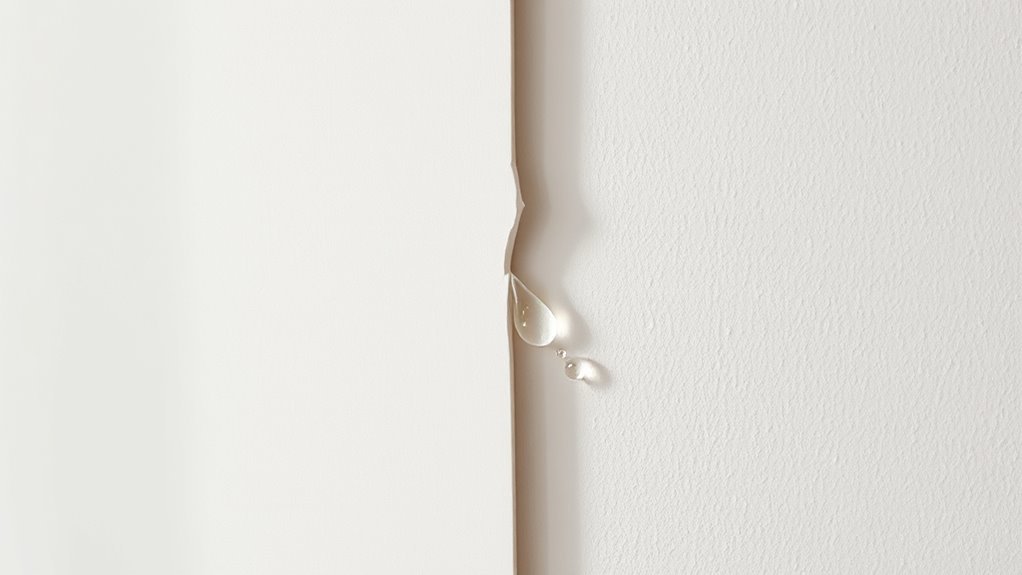
Gloss and semi-gloss create smoother, more non-porous finishes; matte and limewash remain more absorbent. You’ll also consider substrate: drywall, plaster, or brick changes interaction.
Color psychology may influence your choice—bold, glossy colors feel modern and sealed, while muted, matte tones read softer and more breathable.
Historical paint styles like lime and distemper were porous; modern acrylics tend toward non-porous behavior.
Quick Answer: What This Article Covers
You’ll learn how paint’s porosity affects moisture and staining.
You’ll see how the underlying surface material changes the wall’s behavior.
You’ll also get practical notes on how sealants and finishes alter permeability.
Porosity Of Paint
Because paint formulas and finishes vary, porosity can differ a lot from one painted wall to another. You’ll find that paint durability affects how resistant the film is to moisture and staining; tougher coatings often feel less porous.
Surface texture matters too: smooth, high-gloss finishes shed water and contaminants better than matte or rough textures, which trap particles.
Primer, film thickness, and application method also change porosity, so two walls with the same color can behave differently.
You should assess porosity by touch and simple tests rather than assuming all painted walls are non-porous.
Surface Material Effects
How do different wall materials change how paint performs? You’ll notice that drywall, plaster, concrete, and wood absorb and hold paint differently, affecting durability, sheen, and cleaning.
Porous substrates can dull pigments and alter color psychology by making hues look softer or muted, while smoother, less absorbent surfaces preserve vibrancy and contrast. This is important when planning wall art or accent walls.
You’ll choose primers and paint types based on the material to control adhesion and appearance. Knowing substrate traits helps you predict longevity and visual impact without yet discussing sealant and finish details.
Sealant And Finish
When you pick a sealant and finish, you lock in both protection and the look of your painted wall, so choose with the surface, room use, and desired sheen in mind. You’ll decide between matte, eggshell, satin, semi-gloss, and gloss—each alters perceived wall texture and cleans differently.
A tougher sealant makes the surface more non-porous, resisting stains and moisture in kitchens or bathrooms. Consider color psychology: high gloss can intensify hues and energy, while matte softens and calms.
Match finish to function: durable, washable finishes for high traffic; low-sheen for cozy, low-maintenance spaces.
Simple Water-Drop Test You Can Try Now
If you’re unsure whether your painted wall is truly non-porous, try a quick water-drop test: place a small droplet of water on the surface and watch how it behaves for 30–60 seconds. You’ll see three outcomes: bead, spread slowly, or absorb.
Beading usually means a sealed, non-porous finish; slight spreading suggests semi-porous texture; quick absorption indicates porous paint or substrate. Use this simple check when planning updates that involve color psychology or interior design, so you know whether coatings or treatments will adhere.
Dry the test spot afterward and repeat elsewhere to confirm consistency.
How Paint Type Changes Surface Porosity
You’ll notice that paint sheen affects how much water beads or soaks in—glossier finishes usually make the surface less porous.
The type of coating, like latex, oil, or specialty sealers, also changes porosity and durability.
Consider both sheen and coating when judging whether a painted wall will act non-porous.
Paint Sheen And Porosity
Although paint type might seem like a minor choice, sheen dramatically affects how porous a wall feels and performs, because glossier finishes lay down smoother, more continuous films that resist moisture and staining.
Flatter paints leave tiny peaks and valleys that absorb liquids and dirt. You’ll notice semi-gloss or satin makes cleaning easier and limits mold growth on high‑traffic walls, while matte surfaces hide imperfections and support depth in color psychology choices but absorb more grime.
Consider wall texture too: rough surfaces reduce sheen benefits, so pick sheen that matches texture and cleaning needs for best performance.
Coating Type Effects
Sheen influences porosity, but the paint’s formulation and binder chemistry play an equal or greater role in how a finished surface absorbs moisture and contaminants. You’ll notice acrylics form tighter films than alkyds, reducing absorption; textured patterns and thicker coatings can trap dirt despite binder strength. Your color choices don’t change binder performance, but darker pigments may show staining more. Choose low-VOC, high-solids formulas for durability and easier cleaning. Refer to the quick comparison below to weigh options.
| Paint Type | Porosity | Best Use |
|---|---|---|
| Acrylic | Low | Interior walls |
| Alkyd | Medium | Trim, cabinets |
| Latex | Low | Most rooms |
What “Non-Porous” Actually Means for Surfaces
When we call a painted wall “non-porous,” we mean its surface doesn’t allow liquids, particles, or microbes to sink into it, so spills sit on top and can be wiped away rather than being absorbed.
You should understand non-porous as a physical trait: low or no interconnected voids, tight film formation, and resistance to staining and microbial harboring.
That affects cleaning routines, maintenance frequency, and suitability for high-touch spaces.
This influences how often you clean, how you maintain finishes, and whether walls suit high-touch areas.
Consider how color psychology influences perceived cleanliness and how different wall textures interact with surface smoothness—smooth finishes feel cleaner and wipe easier, while textured ones may trap dirt despite being painted.
How Porosity Affects Paint Performance
Because porosity determines how a substrate accepts and holds paint, it directly shapes coverage, adhesion, drying time, and long-term durability. You’ll notice porous walls soak primer and need more coats, while non-porous ones can cause poor adhesion and peeling if not prepped.
Porosity influences surface aesthetics and which paint branding claims hold up in real conditions. You should test absorbency, choose compatible primers, and follow manufacturer prep guidance to match product performance.
- More porous = higher paint consumption
- Uneven porosity = blotchy finish
- Incorrect primer = adhesion failure
- Fast drying on non-porous = surfacing defects
Which Wall Materials Are Naturally Porous
You’ll notice that some common wall materials soak up moisture and paint because they’re naturally porous. Unsealed brick and masonry have open pores that pull in water and primer.
While plaster and gypsum board absorb moisture more uniformly and can weaken if left untreated. Knowing which surfaces are porous helps you decide when to seal before painting.
Unsealed Brick And Masonry
Although sturdy and attractive, unsealed brick and masonry absorb moisture and contaminants far more readily than painted or sealed surfaces. So you’ll notice discoloration, efflorescence, and faster wear if they’re left untreated.
You should treat these surfaces because their porosity traps dirt and spawns mold. Sealing preserves decorative finishes and protects texture patterns.
Regular inspection helps you catch mortar deterioration and salt stains early.
Consider breathable sealers that repel water but allow vapor escape.
Maintenance prevents deeper damage and costly repairs.
- Check for efflorescence regularly
- Clean with gentle methods
- Repoint damaged mortar
- Apply appropriate breathable sealer
Plaster And Gypsum Board
How do plaster and gypsum board respond to moisture and wear? You’ll find both absorbent: plaster soaks and crumbles if wet, gypsum board swells and weakens.
When you paint them, surface seal helps but won’t fully stop moisture moving through joints or seams. Wall texture affects how paint bonds and hides damage, while color contrast can reveal stains, efflorescence, or patching more readily.
You should prime with a moisture-resistant sealer, tape and finish seams correctly, and choose paints rated for damp areas.
For high-humidity spaces, consider cement board or specialized backer panels to avoid long-term deterioration.
How Substrate (Drywall, Plaster, Concrete) Affects Final Porosity
Because the base material soaks up or blocks coatings differently, the same paint or sealer can yield very different porosity on drywall, plaster, and concrete. You’ll notice color blending shifts and texture patterns influence how much sealer penetrates each substrate. Choose prep and product to match the base.
- Drywall paper and joint compound absorb quickly, raising porosity unless primed.
- Plaster’s dense areas resist absorption while hairline voids increase local porosity.
- Concrete’s capillary network soaks deep, needing penetrating sealers for low porosity.
- Surface contamination and curing alter absorption; test before finishing.
Latex Paint: Is It Non-Porous?
You’ll find that latex paint can form a fairly smooth, low-porosity film, but it’s not completely impervious. Its durability and moisture resistance depend on the formula, number of coats, and how well it’s applied.
Consider these factors when deciding if a painted wall will behave like a non-porous surface.
Latex Paint Surface Porosity
While latex paint often looks smooth, it isn’t always truly non-porous—its porosity depends on formulation, number of coats, and surface texture. You should check porosity because it influences cleaning, stain absorption, and how color psychology reads in a room. Rough wall texture raises apparent porosity.
Consider these factors when evaluating a painted surface:
- Paint formulation: higher-quality latex with binders reduces tiny pores.
- Coats applied: multiple thin coats fill micro-voids better than one thick coat.
- Primer use: proper primer seals substrate and lowers porosity.
- Finish level: gloss finishes tend to be less porous than matt finishes.
Durability And Moisture Resistance
Porosity affects more than appearance and cleaning—it also changes how a painted wall handles wear and moisture. You’ll notice latex’s flexibility and semi-nonporous film resists light abrasion and slows water absorption, but unsealed or low-quality coats let moisture through. Choose primers and finishes to boost durability; artistic techniques like layering and glazing also improve barrier performance while affecting color psychology. Maintain ventilation and repair chips promptly to prevent peeling or mold.
| Treatment | Effect |
|---|---|
| Primer + topcoat | Strong moisture barrier |
| Layering techniques | Enhanced durability and hue |
| Ventilation | Reduces mold risk |
Oil-Based Paint: Porosity and Sealing Power
Because oil-based paints cure to form a dense, continuous film, they’re much less porous than many waterborne finishes and do a better job sealing surfaces against moisture and stains. You’ll notice fewer stains penetrating, and the sealed surface can change how color psychology reads in a room—glossy sealing can intensify hues and minimize visible wall texture.
Oil-based paints form a dense, less porous film, sealing against moisture and stains while intensifying color and sheen.
You should prep properly: clean, sand, and prime porous substrates first.
Benefits include durability and easier cleaning, but expect longer curing and stronger odors.
- Superior stain resistance
- Enhanced washability
- Increased sheen impact on mood
- Requires thorough surface prep
Acrylic Paint and Synthetic Finishes Explained
You’ll see that acrylics and synthetic finishes use polymer binders and pigments, which makes up their basic composition.
Consider how sealers and topcoats affect porosity and whether the surface sheds or absorbs moisture.
That composition plus sealing determines the coating’s durability and resistance to abrasion, chemicals, and fading.
Paint Composition Basics
When you look closely at painted walls, you’ll find two main components govern how the surface behaves: the pigment and the binder — with acrylics using a water-based polymer binder and synthetic finishes relying on engineered resins like alkyds or polyurethanes.
You’ll notice pigments deliver color and opacity while binders control adhesion, flexibility, and breathability.
Color psychology guides pigment choice; historical wall finishes show how binders evolved. Consider how composition affects durability and moisture movement without diving into sealers.
- Pigment: provides hue and hiding power
- Binder: forms the film
- Additives: modify flow and drying
- Resin type: dictates resilience
Surface Sealers Impact
If you want painted walls to resist stains, moisture, and wear, the sealer you choose changes how acrylic and synthetic finishes perform. You’ll pick a clear acrylic sealer for flexibility and breathability, preserving paint tones that tie into color psychology, or a synthetic varnish for a harder feel that can deepen sheen.
Sealers alter how light hits wall textures, highlighting or minimizing imperfections. You should test small areas to see finish and tactile changes before committing. Also consider recoat intervals and compatibility with existing paint; the right sealer complements aesthetics and maintenance without masking desired texture effects.
Durability And Resistance
Choosing the right sealer affects more than appearance; it changes how long painted walls withstand daily wear and what’s required to keep them looking good. You’ll find acrylic paint and synthetic finishes offer different durability and resistance: acrylics resist cracking and moisture, synthetics add hard-wearing surfaces.
Consider color psychology when selecting finishes—glossy sheens can make colors pop but show scuffs; matte hides flaws but may stain. Also look for eco friendly paints to reduce VOCs without sacrificing performance.
Maintain sealed surfaces with gentle cleaning and touch-ups to extend life.
- Scratch and impact resistance
- Moisture and mildew defense
- Cleanability and stain resistance
- UV and color retention
Matte vs. Satin vs. Gloss: Finish and Porosity
Although finish often looks like just aesthetic choice, it also changes how porous a painted wall behaves.
Matte hides surface texture and traps more light, satin reflects more and sheds dirt better, and gloss creates a hard, less porous surface that resists moisture and stains.
You’ll pick matte if you want subtlety and textured depth, mindful that color psychology and interior lighting can make tones read darker and absorb stains more.
Choose satin for balanced durability and easier cleaning in living spaces.
Use gloss where moisture or frequent cleaning demands a tougher, low-porosity surface, like trim or bathrooms.
How Primers Change Surface Porosity
Beyond finish and sheen, the primer you apply has a big say in how porous the final wall will behave. You choose primers to seal, fill, or adhere, and each affects wall texture and how paint soaks in. Primer type interacts with substrate porosity and influences color psychology by altering depth and saturation.
- Use high-build primers to smooth textured surfaces and reduce absorption.
- Choose stain-blocking primers for tannin-rich substrates.
- Shellac or oil primers seal better on problematic walls.
- Latex primers work for general drywall and moderate porosity.
Pick primer intentionally to control absorption, coverage, and final look.
Sealants and Topcoats That Create Non-Porous Surfaces
When you want a truly non-porous finish, sealants and topcoats form the barrier that stops moisture and stains from reaching the substrate. You choose products designed to fill micro-voids and bond to paint, reducing absorbency and making cleaning easier.
Consider how sheen interacts with color psychology: higher gloss often feels brighter and cleaner, while matte can read softer even when sealed.
Match sealant type to wall textures—smooth surfaces accept films more uniformly than heavily textured ones.
Apply per manufacturer directions: thin, even coats build protection without hiding detail.
Proper curing guarantees the surface performs as non-porous over time.
Clear Coatings: Polyurethane, Varnish, Epoxy
Curious which clear coating will give your painted wall true non-porous protection? You’ll pick based on durability, sheen, and how the finish affects color psychology and wall texture perception. Polyurethane is tough and clear, varnish offers warmth, and epoxy gives an impermeable layer but can amplify color depth. Match coating to use and look.
- Polyurethane: scratch-resistant, minimal yellowing
- Varnish: traditional, adds slight amber warmth
- Epoxy: highly impermeable, glossy depth
- Application tip: test a small area to see how sheen shifts color psychology and highlights texture
When to Choose Breathable vs. Non-Breathable Finishes (Bathrooms, Basements)
If your bathroom or basement traps moisture, pick a finish that lets the wall breathe so you avoid trapped damp and mold. Choose breathable mineral or lime-based paints in high-humidity spots; they wick moisture and reduce peeling.
Use non-breathable epoxy or oil finishes on trim or cabinetry where waterproofing matters, not on entire walls.
Reserve non-breathable epoxy or oil finishes for trim and cabinets—avoid sealing entire walls.
Consider color psychology when selecting hues—lighter, cooler tones can make damp spaces feel fresher.
Prioritize eco friendly paints with low-VOC breathable formulations to balance health and performance.
Test small areas and monitor for condensation before committing to a full-room application.
Does Textured Paint Make Walls More Porous?
If you use textured paint, you’ll increase the wall’s surface area, which can trap more moisture and dust in the nooks.
That doesn’t automatically make the wall more porous, though—what matters is the paint formulation: breathable (water-vapor permeable) vs. non-breathable finishes.
Texture Increases Surface Area
When you add texture to a painted wall, you’re increasing its total surface area, which gives more tiny nooks and peaks where dirt, moisture, or coatings can collect. You’ll notice that textured finishes can trap particles more easily and require different cleaning.
Decorative murals and artistic techniques may emphasize texture for visual impact, but they also magnify those retention points. Consider these practical effects:
- Increased dust and grime adherence in crevices
- Greater challenge removing stains or mold from peaks
- More surface for primers or sealers to penetrate
- Visual depth that hides imperfections but complicates maintenance
Paint Type Affects Porosity
Texture clearly changes how a wall holds dirt and moisture, but the paint formula itself largely determines porosity. You’ll find that textured paints can trap particles in crevices, yet a high-quality acrylic or enamel reduces absorption compared with flat, porous primers.
When choosing finishes, remember Color Psychology influences perceived depth and hides imperfections, but it doesn’t change molecular porosity. If you want less uptake, pick coatings labeled low-VOC, polymer-rich, or washable.
For decorative goals, combine Artistic Techniques—layering glazes or sealants—with durable topcoats to get texture without increased porosity. Test small areas before committing.
Moisture Absorption Risks for Porous Painted Walls
Because painted walls can still have microscopic pores and hairline cracks, moisture can seep in and cause damage even when a surface looks sealed. You’ll notice peeling, bubbling, or mold where humidity penetrates through compromised surface texture, which also harms the wall’s aesthetic appeal. Addressing moisture prevents structural decay and health risks.
Even sealed paint can hide pores and hairline cracks where moisture causes peeling, bubbling, or mold—address it promptly.
- Inspect baseboards and corners regularly for soft spots.
- Use breathable primers to manage trapped moisture.
- Improve ventilation to reduce condensation buildup.
- Apply targeted repairs to chips and microcracks promptly.
You’ll protect paint longevity by combining maintenance, ventilation, and timely patching.
Stain Resistance: How Porosity Matters
You’ll notice stain resistance starts with the paint type you pick—satin and semi-gloss repel stains better than flat finishes.
Adding a clear sealant or choosing a tougher finish further limits porosity and makes stains easier to wipe away.
Consider both paint formulation and topcoat when you want a wall that stays clean.
Paint Type Matters
How does paint type affect stain resistance? You’ll notice that some paints repel spills while others soak them up; porosity and formulation drive that difference. Your choice also influences color psychology—glossy finishes reflect light differently than matte ones, affecting perceived cleanliness.
If you want lower absorption, pick paints engineered for stain resistance. Consider eco-friendly paints too, since they can offer good performance without harsh VOCs.
- Latex vs oil: latex dries less porous, cleans easier.
- Matte: hides flaws but can absorb stains.
- Satin/gloss: repels moisture and wiping.
- Specialty stain-blocking paints enhance durability.
Sealant And Finish
When you seal a painted surface, you’re sealing its porosity and directly improving stain resistance: finishes and sealants form a protective layer that blocks liquids and oils from penetrating the paint film. You’ll notice easier cleaning, less discoloration, and preserved color psychology cues that support meant moods. Choose satin or semi-gloss for kitchens and bathrooms; matte hides flaws but absorbs stains more. Sealants also affect wall aesthetics and longevity—clear topcoats keep hues true.
| Finish Type | Benefit |
|---|---|
| Matte | Softer look |
| Semi-gloss | Easier clean |
Select based on use and desired look.
Cleaning Painted Walls by Porosity (Stain Removal Tips)
Because painted surfaces vary in porosity, you’ll need to match your stain-removal method to the paint finish and how absorbent the wall is. Consider surface texture and risk of color fading before you scrub; test a small hidden spot with water first.
For low-porosity glossy paints, wipe gently with a damp microfiber; for eggshell or satin, use mild soap and blot; for matte or unsealed drywall, avoid soaking — dab and air-dry.
- Use gentle circular motions for stubborn marks.
- Rinse residue quickly to prevent halos.
- Blot grease with baking soda paste.
- For crayon, try a magic eraser lightly.
Solvent and Tape Tests for Finish Integrity
Before you apply cleaners or adhesives broadly, test a small, inconspicuous area with both a solvent and a tape pull to confirm the finish won’t soften, lift, or lose color.
You’ll dab a mild solvent on a hidden spot, wait, and blot to see if pigment migrates or the sheen dulls; that reveals susceptibility tied to color psychology choices and pigment concentration.
For tape, press then pull a low-tack tape to check adhesion failure or flaking, noting how wall texture affects tape contact.
Record results and proceed only if the finish resists softening, color change, and mechanical lift.
When to Call a Pro for Porosity Testing
If your solvent and tape checks raised doubts—softening, pigment pickup, or flaky edges—you should call a professional for porosity testing. You’ll want expert assessment when paint failure affects color psychology choices, tricky wall textures, or when damage isn’t obvious.
A pro uses instruments, moisture meters, and standardized porosity tests to guide repair or repaint decisions.
- Visible irregular absorption across surfaces
- Uncertain substrate after renovations or stains
- Preparing specialty finishes where hue and finish matter
- Large areas showing inconsistent adhesion or tack
Getting a pro prevents wasted materials and guarantees the finish behaves as you aimed
Common Problems From Porous Painted Walls (Mold, Efflorescence)
If your painted wall is porous, you’ll often see mold in streaks or clustered patches where moisture collects.
You might also notice white, powdery efflorescence caused by salt-laden water moving through the masonry and evaporating.
Controlling moisture—fixing leaks, improving ventilation, and using proper sealers—prevents both problems.
Mold Growth Patterns
When painted walls stay porous, mold will find tiny pockets of moisture and nutrients and start to spread along seams, behind trim, and under flaking paint. You’ll notice patterns following damp spots, HVAC shadows, and colder areas where wall insulation is compromised.
Color theory won’t stop growth, though darker paints can hide colonies; lighter finishes reveal staining sooner. Act quickly to remove sources of moisture and improve airflow.
Common signs you’ll see include:
- Dark fuzzy rings near baseboards and window sills
- Staining along drywall joints and behind trim
- Spotty colonies under peeling paint
- Musty odors in affected rooms
Efflorescence Causes
Mold signals trapped moisture, but another common sign of water moving through porous painted walls is efflorescence — the powdery white salt deposits you’ll spot on masonry or plaster surfaces. You’ll notice salts where water evaporates, often influenced by wall texture and paint color which can hide or highlight deposits. Efflorescence means salts migrate from within the substrate, not from surface paint failure. You can brush deposits away, but recurring blooms show ongoing moisture paths. Inspect adjacent materials and finishes to locate entry points and understand why salts appear where they do.
| Source | Visible Clue | Likely Cause |
|---|---|---|
| Masonry | White powder | Rising damp |
| Plaster | Patchy streaks | Penetrating water |
| Paint | Discoloration | Salt crystallization |
Preventive Moisture Control
How can you keep moisture from starting the cycle that leads to mold and efflorescence on porous painted walls? You’ll control humidity, seal sources, and choose finishes that resist water while keeping interior design and color psychology in mind so rooms feel healthy and pleasant. Act quickly on leaks, dry surfaces, and improve ventilation to stop salts and spores from cycling.
- Use dehumidifiers in damp rooms
- Seal cracks and repoint masonry
- Opt for breathable, mildew-resistant paints
- Maintain consistent heating and airflow
These steps protect finishes and preserve the look and mood your color choices create.
How Porosity Affects Paint Adhesion and Peeling
Ever wondered why paint sometimes flakes off soon after you finish a project? Porosity controls how well paint bonds: highly porous surfaces soak up binder and solvents, weakening the film and causing peeling.
While low-porosity surfaces let paint form a continuous skin that adheres better. You should test and prime porous walls to stabilize absorption; that improves durability and keeps decorative techniques crisp.
Texture and porosity also affect perceived color and Color psychology—duller finishes on rough, porous walls mute hues, while smooth, sealed surfaces make colors pop.
Proper surface prep prevents adhesion failure and preserves your desired look.
Best Paints for High-Moisture Rooms
Looking for paint that stands up to steam and splashes? You’ll want mildew-resistant, washable finishes that suit both function and style. Consider semi-gloss or satin for durability, acrylic latex for moisture resistance, and epoxy for extreme damp areas.
Pay attention to wall textures—smoother surfaces clean easier, textured finishes hide wear. Also think about color psychology: cool blues and greens calm humid bathrooms, while warm tones brighten dim laundry rooms.
Choose paints with mold inhibitors and cleanable sheens to protect surfaces. Test small areas to confirm adhesion and appearance before committing to a full room.
- Semi-gloss acrylic latex
- Satin washable enamel
- Moisture-resistant primer
- Epoxy or marine-grade paint
How to Test If Your Painted Wall Is Non-Porous
You can check porosity with two simple tests: the water drop test and a tape adhesion check.
Put a few drops of water on the painted surface—if it beads, the paint is non-porous; if it soaks in, it’s porous.
Then press a piece of tape down and pull it off to see if paint lifts, which confirms surface adhesion and porosity.
Water Drop Test
Want to know if your painted wall is truly non-porous? You can use a simple water drop test to check absorption, keeping color psychology and wall texture in mind since glossy finishes often resist water.
Place a few drops, wait 30–60 seconds, then observe.
- Use a syringe or dropper for controlled drops.
- Test multiple spots: flat, textured, and near trim.
- If water beads, surface is likely non-porous; if it darkens, it’s absorbing.
- Note color shifts: darker patches may alter perceived hue and affect color psychology.
Dry with a cloth and repeat if results seem inconsistent.
Tape Adhesion Check
If your water-drop test left any doubt, try a tape adhesion check to see whether paint forms a non-porous, well-bonded surface. Press a strip of clear packing tape firmly onto a small, inconspicuous area, burnish it, then pull it back quickly at a low angle.
If paint lifts, the finish is loosely bound or porous; if it stays, the film is cohesive and likely non-porous. Repeat across varied wall texture and finishes—flat, eggshell, satin—to sample performance.
Note how color psychology influences choice of finish: high-gloss holds better, affecting how hues read under light and in room design.
Repairing Porous Painted Walls: Patching and Re-Sealing
When patching porous painted walls, start by clearing loose paint and dust so patches bond properly. You’ll use filler, sand, sealant, and finish coats tailored to wall texture and desired look.
Address small holes and crumbling areas, then reseal to reduce absorption. Consider color psychology when choosing topcoats to keep repaired spots inconspicuous.
Patch small holes, reseal to curb absorption, and pick topcoat colors that keep repairs visually discreet
- Apply patching compound into voids, smooth flush with surface
- Sand lightly to match surrounding wall texture before sealing
- Use a penetrating sealer on porous repairs for durability
- Feather paint edges and blend color to minimize visible gradations
Surface Prep Steps to Reduce Porosity Before Painting
Although porous walls absorb paint unevenly, you can considerably reduce porosity by thoroughly cleaning, repairing, and sealing the surface before you paint.
Start by washing with a mild detergent to remove dust, grease, and salts that soak paint. Scrape flaking areas, sand rough spots, and fill cracks with appropriate filler; let cures fully.
Apply a penetrating primer or sealer to stabilize substrates and block absorption.
Test a small area under your interior lighting to judge sheen and coverage.
Consider color psychology when choosing primer tint or finish to guarantee even tones and the mood you want.
Long-Term Maintenance to Keep a Painted Wall Non-Porous
After you’ve prepped and sealed the wall, regular upkeep will keep that non‑porous finish performing well over the years. You’ll monitor wall textures for wear, clean gently to avoid abrading the sealer, and address stains promptly so contaminants don’t penetrate.
After sealing, inspect textures regularly, clean gently to protect the sealer, and treat stains promptly to prevent penetration.
Air out rooms to prevent lingering paint odors after touch-ups, and use mild cleaners that preserve the finish. Schedule simple inspections and spot repairs seasonally to catch cracks or peeling early.
- Dust and vacuum textured areas weekly
- Wipe spills immediately with a soft cloth
- Recoat high-traffic zones every few years
- Use low‑odor touch-up paint
How to Choose a Primer and Sealer for Less Porosity
Why pick the right primer and sealer? You want less porosity so stains, moisture, and dirt can’t soak in. Choose a quality primer that bonds to your substrate and levels wall textures. High-hide, shellac, or oil-based primers work for problem surfaces, while acrylic primers suit smooth drywall.
Match sealer type to primer—water-based sealer over water-based primer, solvent sealer over solvent primer—to guarantee proper adhesion. Consider color matching when switching dramatic hues to avoid bleed-through and reduce coats.
Test a small area, check drying times, and follow manufacturer instructions so your finish becomes more durable and less porous.
Cost Comparison: Sealing a Wall vs. Standard Paint Job
When you’re comparing costs, sealing a wall usually raises the upfront price but can cut long-term maintenance expenses. You weigh immediate painting costs against savings from fewer touch-ups, better stain resistance, and preserved interior decor value.
Consider how wall art adhesion and protection affect lifetime cost.
- Sealer adds material and labor, increasing initial spend.
- Standard paint is cheaper now but may need frequent refreshes.
- Sealed surfaces resist stains, lowering cleaning and repair bills.
- Protected walls keep wall art and finishes looking newer, preserving room appeal.
Decide based on budget, expected wear, and how long you’ll keep the space.
DIY vs. Pro Installation of Non-Porous Coatings
If you’re weighing DIY vs. pro installation for a non-porous coating, think about your skill level, time, and the surface demands.
You can save money by doing prep and rolling a clear sealer on smooth surfaces. However, complex wall texture or large areas often need professional tools and expertise to guarantee uniform coverage.
Pros manage ventilation, curing times, and substrate issues you might miss. Also consider color psychology—changing finish sheen can alter perceived hue and mood, so get samples or advice.
Pros handle ventilation, curing, and substrate pitfalls you might overlook—remember sheen changes can shift color and mood.
Choose DIY for small, simple jobs; hire pros for durability, warranties, and flawless results.
Mistakes That Increase Wall Porosity and How to Avoid Them
Because small shortcuts during prep or the wrong products can undermine your efforts, know that certain common mistakes actually increase a wall’s porosity and shorten the life of any non-porous coating. You’ll avoid issues by addressing substrate problems, picking compatible finishes, and respecting old treatments.
Don’t assume every eco-friendly paint option seals like a synthetic primer, and be cautious with historical wall treatments that demand specific approaches.
Common pitfalls include:
- Skipping primer on patched or porous areas
- Applying incompatible paint over lime or salt-affected substrates
- Using low-quality or overly-diluted paints
- Ignoring moisture sources behind the surface
Checklist: Make a Painted Wall Non-Porous
You’ve seen how small mistakes can leave a painted wall vulnerable; now use a clear checklist to make the surface reliably non-porous.
Inspect for loose paint, stains, or residue—address wallpaper removal fully before treating the substrate.
Clean with mild detergent, rinse, and let dry.
Sand glossy spots and fill cracks, then sand again for uniform texture.
Apply a high-quality primer formulated for sealing, followed by two coats of non-porous paint.
Consider surface polishing for glossy finishes that shed moisture.
Finish by checking adhesion and repairing any missed flaws.
Maintain with periodic cleaning to preserve non-porosity.
When to Accept Porosity : and When to Fix It
Knowing when to accept porosity and when to fix it comes down to function and risk. You’ll weigh aesthetics, durability, and maintenance: some porous painted walls are fine; others invite stains, mold, or poor hygiene.
Consider color psychology and interior lighting—darker hues and soft light hide minor porosity; bright light reveals flaws. Fix porosity when moisture, frequent cleaning, or resale value matter.
Accept it when the wall’s low-traffic, decorative, or temporary.
- High-traffic areas needing sanitation
- Accent walls where color psychology masks texture
- Rooms with harsh interior lighting exposing defects
- Low-use spaces where cost outweighs benefit
Further Resources and Products to Explore
Looking for reliable guidance and products to handle painted wall porosity? Start with manufacturer datasheets for primers and sealers, and read independent reviews on abrasion resistance and VOCs.
You’ll want mildew-resistant options for humid rooms and low-VOC seals for living spaces where color psychology and interior lighting matter.
Consider test kits for porosity and moisture meters to confirm need.
For tool choice, pick quality rollers and brushes recommended by pros.
Trusted brands, local paint stores, and home-improvement forums offer product comparisons.
Keep receipts and warranty info, and consult a pro if tests show persistent absorption or structural issues.
Frequently Asked Questions
Can Painted Exterior Walls Resist Water Penetration Over Decades?
Yes — with proper coating and maintenance, you can expect painted exterior walls to resist water penetration for decades; surface durability and environmental resistance depend on paint quality, substrate preparation, sealing, and periodic inspections to prevent failures.
Can Non-Porous Paint Affect Indoor Air Quality?
Yes — you can notice indoor air changes when non-porous paint traps solvents and reduces paint absorption; you’ll breathe higher VOCs initially, so ventilate, choose low-VOC paints, and allow thorough curing to minimize impacts.
Do Non-Porous Coatings Impact Paint Color or Sheen Longevity?
Yes — non-porous coatings can prolong sheen and color, yet poorly executed surface preparation undermines results; you’ll need meticulous surface preparation to guarantee paint adhesion, otherwise longevity and appearance will degrade sooner than expected.
Will Pets or Children Damage Non-Porous Painted Surfaces More Easily?
Yes — you’ll still see damage: non-porous paint boosts pet stain resistance and is easier to wipe, but kids and pets can scuff finishes; choose high scratch durability coatings and touch-up regularly to keep walls looking good.
Can Non-Porous Finishes Be Applied Over Existing Lead Paint?
You can sometimes apply non-porous finishes over existing lead paint, but you’ll need proper surface preparation and follow lead paint removal regulations; encapsulation must be done correctly to prevent hazards and meet local safety requirements.
Conclusion
Whether a painted wall is non‑porous depends on paint type and prep, but you can often make it effectively non‑porous. Fun fact: studies show high‑quality glossy paints reduce moisture absorption by up to 90% versus unpainted drywall. If you want a non‑porous finish, choose enamel or epoxy, sand and prime properly, and seal joints. Minor porosity’s fine for most rooms, but fix it in kitchens, bathrooms, or anywhere cleanliness matters.
