
What Type of Paint for Walls? Complete Beginner Guide
You’ll usually want water-based (latex) paint for walls—it’s easy to clean up, dries fast, resists yellowing, and flexes with temperature changes. Pick eggshell or satin for most rooms since they’re durable and washable; use semi-gloss for trim, kitchens, and bathrooms where moisture and scrubbing are factors. Reserve matte or flat for ceilings and low-traffic areas to hide imperfections. Follow prep and primer steps for best results, and keep reading to learn specific tips for each room.
How to Choose the Right Paint
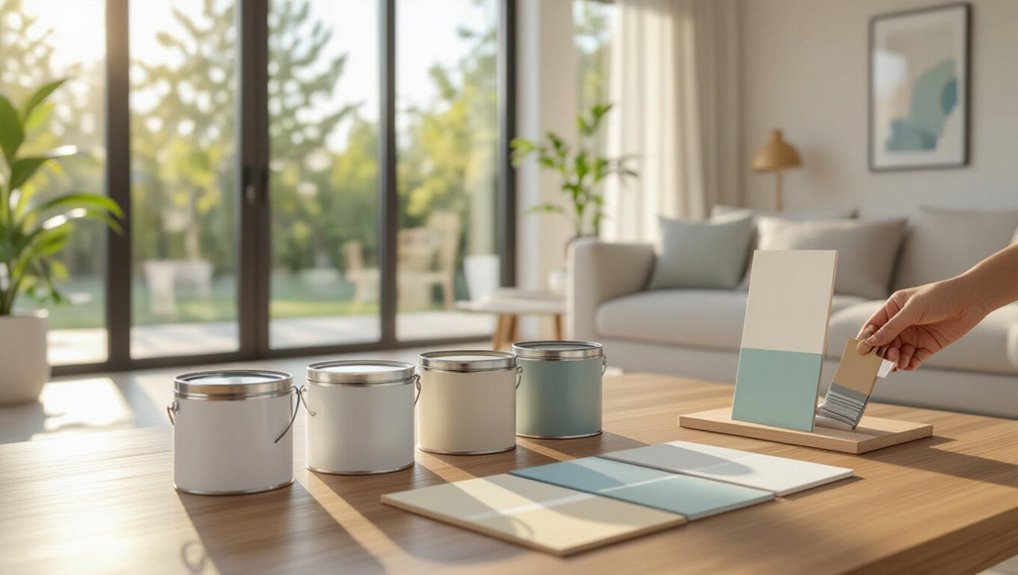
When choosing paint, start by matching finish and formulation to the room’s use—pick durable, washable eggshell or satin for high-traffic areas and flat or matte for ceilings and low-traffic walls.
You’ll consider room function, lighting effects, color psychology and paint trends, compare paint brands, plan surface preparation, choose texture options, learn painting techniques, follow paint application steps, and note maintenance tips.
Which Paint Types Work Best for Walls
You’ve already matched finish and formulation to room use; now focus on the main paint types for walls—latex (water-based), oil-based, and specialty paints—so you can pick the right balance of durability, ease of use, and finish.
Consider latex for easy cleanup and rapid drying, oil for toughness in high-wear spots, and specialty options for textured effects, eco friendly options, and varied paint textures to suit style.
Latex vs Oil-Based Paint for Walls: Quick Decision
Pick latex for most rooms and oil-based only for specific needs: latex dries fast, cleans with soap and water, resists yellowing, and flexes with temperature changes, while oil gives a harder, smoother finish that withstands heavy scrubbing and fills minor imperfections but takes longer to dry and needs solvents for cleanup.
| Feel | Choice | Care |
|---|---|---|
| Calm | latex advantages | paint maintenance |
| Bold | oil based disadvantages | drying conditions |
Consider application techniques, color matching, surface preparation, finish selection.
Water-Based (Latex) Paint: Pros & Cons
When you pick water-based (latex) paint, you’ll notice it stands up well to everyday wear and touch-ups.
It dries fast, so you can finish rooms quicker and recoat without long waits.
Because it’s low in volatile organic compounds, it’s a safer, more eco-friendly choice for homes.
Durability And Wear
Because latex paints form a flexible film as they dry, they resist cracking and peeling better than many oil-based options. This means your walls can handle everyday bumps, expansion, and minor settling without showing defects.
You’ll see good wear resistance in durability testing, giving reliable surface protection. That lowers maintenance frequency; you’ll clean or touch up less often, keeping rooms looking fresh.
Drying Time Benefits
Although latex paints dry faster than most oil-based formulas, they still give you enough open time to work and blend without visible seams.
You’ll appreciate quicker recoats and less downtime. Use proper drying techniques—control air flow and paint temperature—to speed curing or extend open time when needed.
That balance helps you finish rooms faster while maintaining smooth, seamless results.
Environmental And Safety
If you’re weighing environmental and safety concerns, water-based (latex) paints generally offer clear advantages: they emit far fewer volatile organic compounds (VOCs) than traditional oil-based formulas, reducing indoor air pollution and health risks during application and curing.
You’ll find many eco friendly options meeting modern safety standards, easy cleanup with soap and water, lower odor, and quicker reoccupation—though durability can vary by formulation.
Oil-Based Paint for Interiors: When to Pick It
When you’re weighing paint options for interior rooms, oil-based formulas still earn a place for high-traffic or high-moisture areas because they adhere well, resist stains, and provide a hard, durable finish that water-based paints can’t always match.
You should weigh oil based advantages: specific interior applications, drying considerations, surface compatibility, odor concerns, limited color options, higher maintenance needs, and choice of finish types.
Acrylic vs Vinyl Latex: Key Differences
Because both acrylic and vinyl latex are labeled “latex,” it’s easy to assume they’re the same, but they use different binders that change performance:
you’ll choose acrylic for durability, color retention, and water resistance — acrylic benefits matter on trim and high-traffic walls.
Vinyl latex applications suit budget projects and ceilings where flexibility and lower cost outweigh longevity, but expect more yellowing and less adhesion over time.
Alkyd Paints: Why Pros Still Use Them
Switching from water-based options, you’ll notice pros still reach for alkyd paints on jobs that demand toughness and a glasslike finish. You’ll appreciate alkyd advantages: superior leveling, abrasion resistance, and smooth gloss. Your choice echoes professional preferences for trim, cabinets, and high-traffic surfaces.
| Finish | Use |
|---|---|
| High gloss | Trim |
| Satin | Cabinets |
| Semi-gloss | Doors |
| Durable | High-traffic |
Natural Paints (Clay, Lime, Milk): Benefits & Limits
Curious how paint can be both eco-friendly and beautiful? You’ll find natural paint benefits in eco friendly options and sustainable materials that boost indoor air quality with natural pigments.
Understand clay paint limitations like lower finish durability and specific application techniques.
Note lime paint advantages—breathability and mold resistance—and milk paint drawbacks such as limited adhesion and sealing needs.
Choose based on use and maintenance.
Paint Composition: Pigments, Binders and Why They Matter
When you pick paint, you’re really choosing a blend of pigments and binders that determines color, coverage, durability and how the finish behaves over time.
You’ll learn pigment types and binder functions: pigments give color saturation, binders affect paint longevity, finish characteristics and drying processes.
Consider environmental impact, safety standards, application techniques and maintenance needs to match performance with your project.
Paint Finishes Explained: Flat to Gloss
Paint finish affects both look and performance, so you’ll want to match sheen to the room’s function and surface condition.
You’ll compare flat, eggshell, satin, semi-gloss and gloss in paint finish comparisons: flat hides imperfections, eggshell and satin balance durability and subtle sheen, while semi-gloss and gloss boost washability.
Consider gloss level effects on light reflection and touch-up visibility for each surface.
Best Finish for Living Rooms and Bedrooms
Because these rooms balance comfort and occasional cleaning, you’ll usually want a low- to medium-sheen finish that hides flaws without sacrificing durability.
Choose eggshell or satin for easy wiping and subtle light reflection that supports living room aesthetics and enhances bedroom ambiance.
These finishes resist scuffs better than flat paints but stay soft visually, so your spaces look polished without feeling clinical.
Best Finish for Hallways and High-Traffic Areas
For hallways and other high-traffic spots, you’ll want a durable finish that stands up to scuffs and frequent cleaning.
Choose easy-to-clean options like satin or semi-gloss so marks wipe away without damaging the paint.
Also consider how color choice affects wear and maintenance—darker or warmer tones can hide smudges better than very light hues.
Durable Paint Finishes
Durability matters most in hallways and other high-traffic areas, so choose a finish that stands up to scuffs, cleaning, and repeated contact.
You’ll pick durable paint by weighing finish types, gloss levels, and paint textures for wear resistance.
Focus on surface preparation to maximize paint longevity, and follow simple maintenance tips to extend life without sacrificing appearance.
Easy-To-Clean Options
When you’re choosing paint for hallways and other high-traffic spaces, pick a finish that wipes clean easily and resists marks so your walls stay fresh with minimal effort.
You’ll want washable finishes with stain resistance, easy maintenance, and a long lasting sheen. Consider surface preparation, paint application, texture considerations, family friendly options, cleaning products, and color matching.
- Use semi-gloss.
- Use scrubbable eggshell.
- Use durable satin.
Color Choice Effects
Color choices affect how often you’ll need to touch up and clean high-traffic hallways, so pick hues that hide scuffs and low-key stains.
You’ll use color psychology for mood enhancement, balance space perception and light reflection, and express personal style while respecting color trends and cultural influences.
Choose tones with positive emotional impact that stay practical, durable, and easy to maintain.
Moisture-Resistant Paints for Bathrooms & Kitchens
Because bathrooms and kitchens face constant steam, splashes, and humidity, you should choose paints specifically formulated to resist moisture and mildew.
Balance color selection with finish durability and follow surface preparation steps. Consider moisture barriers and improve bathroom ventilation to aid mold prevention against kitchen humidity.
During paint application, use mildew-resistant formulas.
- Satin or semi-gloss for easy cleaning
- Proper priming and sealing
- Ventilation and routine inspections
Trim, Doors & Cabinets: Finishes That Hold Up
Just as moisture-resistant paints protect wet areas, the finishes you pick for trim, doors, and cabinets need to stand up to frequent touching, cleaning, and wear. Choose durable paint sheen for trim materials and cabinet styles; match color coordination and hardware choices to door designs. Follow maintenance tips to extend finish durability.
| Surface | Recommended | Notes |
|---|---|---|
| Trim | Semi-gloss | Easy clean |
| Doors | Satin | Subtle sheen |
| Cabinets | Gloss | Tough finish |
Sheen and Hiding Power: Hiding Flaws Explained
Think about how sheen changes a room’s look—flat hides bumps, satin and semi-gloss show more light and texture.
You’ll pick a higher sheen for trim and areas that need cleaning, but know it can highlight flaws on imperfect walls.
Balance appearance and hiding power to get the finish you want.
Sheen Levels Explained
When you pick a paint sheen, you’re deciding how much light the surface will reflect and how well the paint will hide imperfections. Higher sheens bounce more light and reveal flaws, while flatter finishes mask them better.
You’ll weigh sheen impact and use sheen comparisons to match room use and cleaning needs.
- Matte: low reflectivity, forgiving.
- Satin: balanced, washable.
- Semi-gloss: durable, shows texture.
Hiding Imperfections
Although sheen influences how much light highlights bumps and brush marks, hiding imperfections also depends on a paint’s hiding power—its pigment load and opacity—so you’ll want to choose a finish that balances reflectivity with coverage.
You’ll assess surfaces, prioritize wall preparation, and pick higher-opacity paints for problem areas.
Use texture techniques sparingly to disguise flaws, and spot-prime stains before finishing.
Durability Tests: Scrub Resistance and Wear Ratings
Durability matters because you’ll want paint that stands up to cleaning and everyday wear. Scrub resistance tests measure how well a finish tolerates repeated washing, while wear ratings gauge its long-term resilience to scuffs and abrasion.
Durability counts — look for high scrub resistance and wear ratings to keep walls looking fresh in busy spaces.
- Check scrub resistance scores to choose washable options.
- Compare wear ratings for high-traffic rooms.
- Prefer higher grades for hallways, kitchens, and kids’ spaces.
Cleanability: What Each Paint Type Tolerates
Scrub resistance and wear ratings tell you how a paint stands up to action, but cleanability explains what kind of mess each paint type will actually tolerate and how you should care for it. You’ll assess paint durability and use gentle cleaning techniques for eggshell, firmer scrubs for satin, and heavy-duty cleaners for semi-gloss.
| Paint Type | Cleaning Tips |
|---|---|
| Eggshell | Light dusting |
| Satin | Mild soap |
| Semi-gloss | Stronger cleaners |
Odor & VOCs: Choosing Low-Odor Paints
Want to avoid headaches and lingering smells? Choose low odor options to protect indoor air quality and reduce health impacts.
Consider VOC regulations, eco friendly choices, and paint brands when comparing.
- Check product comparisons for performance and odor.
- Balance consumer preferences: price, finish, and safety.
- Ventilate during application and drying to minimize exposure.
Reading Paint Labels and Technical Data Sheets
Now you’ll learn to read paint labels and technical data sheets so you can pick the right product for your space.
You’ll decode common label symbols, check VOC levels against your indoor-air goals, and interpret technical data like coverage, drying time, and recommended substrates.
Knowing what those details mean will help you avoid surprises and get the finish you want.
Decoding Label Symbols
When you’re comparing cans or PDFs, the little symbols and abbreviations tell you more than the marketing copy and color swatches; they’re the quickest way to confirm suitability, safety, and performance.
Learn label meanings and symbol significance to decode colors, understanding finishes, interpreting codes, label details, paint ratings, and quality indicators.
- Gloss/matte icons
- Coverage and spread
- Dry time and cure
Understanding VOC Levels
Because VOCs affect indoor air quality and regulatory compliance, you should read labels and technical data sheets carefully to understand a paint’s emissions.
Check product labeling for VOC regulations, measured levels, and odor control claims.
Note health impacts from paint fumes and indoor air exposure.
Choose low VOCs or safe alternatives to address environmental concerns and prioritize paint safety when planning ventilation and usage.
Interpreting Technical Data
Although technical data sheets can look dense, you’ll get the essentials quickly if you know what to scan for and why it matters.
You’ll learn paint terminology and find key technical specifications to compare performance, coverage, and drying time.
Read labels for VOCs, sheen, and surface prep.
- Coverage and spread rate
- Dry time and recoat window
- Safety and VOC limits
Coverage & Hiding: Estimating Paint Needs
Estimating how much paint you’ll need comes down to coverage (how many square feet a can covers) and hiding (how well the color and finish block the underlying surface); check the manufacturer’s stated coverage per gallon, measure your wall area, and add extra for texture, trim, waste, and future touch-ups.
Use paint calculators for fast coverage estimates, factor primer needs, test a sample coat, and round up cans.
Cost vs Quality: Where to Splurge
You don’t need top-tier paint everywhere, but there are spots where quality really matters—trim, high-traffic walls, and ceilings that need fewer touch-ups.
Save on less-visible areas or rooms that get minimal use by choosing mid-grade options.
Balancing where you splurge and where you save will cut costs without compromising long-term results.
When To Splurge
When deciding where to spend more on paint, focus on areas that affect longevity, appearance, and ease of maintenance; splurging on premium paint for high-traffic rooms, trim, and moisture-prone spaces usually pays off.
- Choose premium brands with solid paint warranties for kitchens and bathrooms.
- Invest in durable trim and doors to resist scuffs.
- Prioritize exterior and moisture-prone walls to reduce repainting.
Where To Save
1 smart place to save is on low-traffic rooms and ceilings: you can pick a mid-range interior paint that still offers good coverage and finish without paying for premium durability you won’t need.
Spend more where wear matters, like kitchens and hallways, but choose budget friendly options for guest rooms.
Invest in essential tools—quality rollers and brushes—to make even cheaper paint look professional.
Drying and Recoat Times: Plan Your Schedule
Because paint needs time to set and cure, planning your schedule around drying and recoat times prevents smudges, uneven finish, and wasted effort.
Plan your work around drying and recoat times to avoid smudges, uneven finish, and wasted effort.
You’ll use proper drying techniques, account for humidity effects and weather considerations, and follow scheduling tips for paint layering and finish timing after thorough surface preparation to keep your project timeline on track.
- Estimate recoat windows.
- Adjust for humidity.
- Wait full cure.
Color Retention: Fading and Longevity Factors
If you want paint to keep its original look for years, choose high-quality pigments and finishes and protect surfaces from sunlight and moisture.
You should pick UV-resistant formulas, lighter tones for sunny rooms, and durable finishes in high-traffic areas.
Monitor humidity and clean gently to prevent breakdown.
Understanding fading factors helps you maximize color longevity so walls stay vibrant longer.
Stain-Blocking Solutions and Primer Choices
When stains, tannins, or odor risks threaten your finish, choosing the right stain-blocking primer prevents bleed-through and guarantees even topcoat coverage.
When stains, tannins, or odors threaten your finish, the right stain‑blocking primer stops bleed‑through and ensures even coverage.
You’ll select stain blocking primers based on surface, stain severity, and solvent tolerance, then follow proper primer application for adhesion and sealing.
- Oil-based for heavy tannins
- Shellac for smoke/odor
- Latex for general sealing
When to Prime and Which Primer to Use
Although you can sometimes skip primer on clean, well-sealed walls, you should prime whenever the surface is porous, stained, patched, or changing from a dark to a light color.
You’ll choose primer types by substrate and stain: water-based for drywall, oil or shellac for severe stains.
Know priming benefits, focus on surface preparation, and follow proper application techniques—roller for flats, brush for edges—for even adhesion.
Preparing Walls: Cleaning, Patching, Sanding
Before you apply primer or paint, clean, patch, and sand the walls so the finish will stick and look smooth.
Do a wall inspection and follow a pre paint checklist to guide wall surface preparation. Use proper cleaning techniques, proven patching methods, and practical sanding tips to guarantee adhesion and an even surface.
- Remove dust and grease.
- Fill holes, sand smooth.
- Wipe and prime.
Solving Mold, Mildew and Damp Walls Before Painting
If mold, mildew, or dampness are lurking on your walls, tackle them before you prime or paint so your finish won’t fail and your indoor air stays healthy.
Inspect, dry, and fix leaks for damp wall solutions. Use appropriate mildew treatment (bleach or commercial cleaner), scrub, rinse, and let fully dry.
Apply mold prevention primer as part of surface preparation before painting.
Tips for Painting Over Dark or Bold Colors
When you’re covering dark or bold walls, start by using a quality primer to guarantee proper coverage.
Choose a tintable primer if you’re moving to a lighter shade so one coat gives better hide.
Finish with multiple thin coats of your topcoat rather than one heavy layer for a smooth, even result.
Prime For Coverage
1 smart coat of primer can save you time and frustration when covering dark or bold colors.
You’ll improve paint application and hide previous hues faster by choosing the right primer types.
Follow these concise tips to prep and apply efficiently:
- Clean and sand for adhesion.
- Use high-hide primer for contrast.
- Apply even coats, let dry fully before topcoat.
Use Tintable Primer
After you’ve cleaned, sanded, and applied a high-hide coat, consider a tintable primer to speed coverage over dark or bold colors.
You’ll get tintable primer benefits like improved hide and faster topcoat coverage. Choose a tint close to your final shade, roll evenly, and feather edges—these application techniques reduce stain bleed and cut required repainting while keeping finish uniform and efficient.
Multiple Thin Coats
Apply multiple thin coats instead of one heavy layer to avoid drips, lap marks, and slow drying when covering dark or bold colors.
You’ll control coat thickness and improve finish quality by letting each dry fully before the next. Use careful paint application and simple layering techniques to build opacity without texture problems.
- Prep surfaces
- Light, even strokes
- Inspect between coats
New Drywall vs Plaster: Different Prep Steps
When you’re prepping new drywall versus plaster, the steps and priorities change: drywall needs taped seams, skim coats, and sanding to create a smooth, uniform surface, while plaster often requires cleaning, repairing hairline cracks, and sometimes a light sanding or bonding primer to guarantee paint adhesion.
Focus drywall preparation on patching methods, sanding techniques, and moisture barriers; plaster preparation emphasizes texture differences, surface priming, and painting sequence.
Essential Tools: Brushes, Rollers and Sprayers
You’ll want three core tools for most wall jobs: quality brushes for trim and touch-ups, rollers for broad, even coverage, and a sprayer when speed or texture demands it.
Be deliberate with tool selection, learn usage techniques, and follow tool maintenance.
- Brush types: pick appropriate filaments and shapes.
- Roller options: match nap to surface.
- Sprayer benefits: fast, even coats.
Choosing Roller Naps and Brush Types
Although choosing the right roller nap and brush might seem minor, they determine how your paint goes on and how the finished wall looks.
You’ll pick roller nap types by surface texture—short for smooth, medium for light orange peel, long for rough.
Match brush materials to paint: synthetic for latex, natural for oil. Proper choices give even coverage and fewer brush marks.
Step-by-Step: Painting a Standard Room
Now you’ll prep the room by moving furniture, taping trim, and protecting floors so paint goes on cleanly.
Then you’ll use the right application techniques—cutting in with a brush, rolling in consistent strokes, and blending wet edges—for an even finish.
Finally, you’ll handle cleanup and touch-ups promptly to remove drips, replace hardware, and perfect any missed spots.
Prep The Room
Start by clearing the room of furniture and fixtures so you can move freely and work efficiently; if items are too big to remove, group them in the center and cover them with drop cloths.
Inspect walls, tape trim, and protect floors. Consider room layout and furniture arrangement to plan access.
- Clean walls
- Tape edges
- Lay drop cloths
Paint Application Techniques
With the room prepped and surfaces masked, you can begin applying paint in a methodical order to get smooth, even coverage.
Use brush techniques for corners and edge finishing, then roller methods for walls.
Consider spray applications for large areas, plus stippling effects or texture effects for interest.
Practice layering colors and blending techniques, follow masking strategies, and keep paint removal tools handy for mistakes.
Cleanup And Touch-Ups
Cleanup and touch-ups tie up the job and make your room look finished, so don’t rush them.
You’ll clean brushes, remove tape, and inspect walls for runs or missed spots. Use precise touch up techniques and note maintenance schedules for future care.
- Wipe and store tools properly.
- Feather and blend small repairs.
- Record paint codes and timing.
Common Painting Mistakes Beginners Make
Because painting seems simple, you might skip prep and rush into rolling, but that’s where most beginners go wrong.
You’ll make common errors like preparation mistakes, poor color choices, technique blunders, equipment issues, safety oversights, budget miscalculations, and wrong finish selection.
Plan prep, test colors, use proper tools, follow techniques, account costs, and prioritize safety to avoid costly redo and frustration.
Touch-Up and Maintenance Tips
Wondering how to keep your freshly painted walls looking new? You’ll use basic touch up techniques and follow simple maintenance schedules to prevent wear.
Keep a small kit and inspect monthly.
- Clean spots gently with mild detergent.
- Store leftover paint in labeled containers.
- Repaint scuffs promptly, feathering edges for seamless blends.
Eco-Friendly Paints and Certifications to Trust
When you’re choosing paint, prioritize low-VOC and zero-VOC options so indoor air stays healthier for you and your family; look for third-party certifications like GreenGuard, EcoLogo, and Green Seal to verify claims.
You’ll also check eco labels significance and ask about sustainable sourcing. Certifications confirm reduced toxins and responsible materials, helping you pick safer, more honest products without guessing.
How to Test Paint Color in Your Room
Start by bringing home paint swatches so you can compare colors against your trim and furniture.
Observe them at different times of day and under artificial light to see how the hue shifts.
Then paint large sample patches on the wall to judge the color at scale before committing.
Test With Paint Swatches
Before you commit, try paint swatches on the walls so you see how each color reads in your room’s actual light and next to your furniture.
Use paint swatch techniques to compare tones and note color perception factors. Apply samples, live with them briefly, then decide.
- Tape multiple swatches
- View from different angles
- Photograph for reference
Observe Under Different Lighting
Because light changes everything, check your paint samples at multiple times of day and under different fixtures so you see how the color truly behaves in your room.
You’ll notice lighting effects changing color perception and revealing texture variations on walls.
Compare paint samples near windows, lamps, and in shadowed corners for accurate color matching.
Note ambient influence from floors, furniture, and neighboring rooms.
Try Large Sample Patches
Want to know how a color really looks on your walls? Apply large color swatches in multiple spots and live with them for a few days.
For practical testing, follow these steps:
- Paint 2–3 sizable patches on different walls.
- Observe at morning, noon, and evening light.
- Check near furniture and trim for true contrast and harmony.
How Lighting Changes Paint Color and Sheen
When you pick a paint color, lighting will change how it looks and how much sheen you notice, so test samples in the room before committing.
You’ll see lighting impact on color perception and sheen variation: natural light shifts color intensity and reveals surface texture, while artificial light and bulb temperature alter room ambiance.
Use daylight simulation to compare finishes before finishing choices.
Matching Paint to Furniture and Flooring
When you pick wall paint, start by checking undertones in your furniture and flooring so colors sit together rather than clash.
Decide whether you want a warm or cool scheme and make choices that balance those temperatures across the room.
Then choose between contrast for drama or coordination for a calmer, cohesive look.
Consider Undertone Harmony
Although paint color can transform a room on its own, you’ll achieve the most cohesive look by matching undertones to your furniture and flooring.
Cool-toned grays pair best with blue or green undertones in fabrics and rugs, while warm beiges and tans complement golden woods and leather.
Use color theory and tonal balance to guide choices.
- Sample beside fabrics.
- Check wood undertones.
- Assess rug hues.
Balance Warm And Cool
Because your furniture and floors set the room’s temperature, pick a paint that leans warm if you have honeyed woods and leather, or cool if your pieces sit in gray, blue, or chrome palettes.
Test paint samples near key items to confirm color temperature reads correctly. Aim for visual harmony by matching undertones and adjusting saturation so your walls support, not fight, existing finishes.
Contrast Versus Coordination
Contrast gives your room drama; coordination keeps it calm, and you’ll pick one based on the mood you want and the scale of your furniture and flooring.
Use color psychology and design principles to guide accent walls, apply the color wheel for contrast, and aim for visual harmony to control room atmosphere and space perception for mood enhancement.
- Contrast: bold focal points
- Coordination: unified palette
- Hybrid: balanced accents
Renters: Temporary-Friendly Paint Options
If you’re renting, you don’t have to stick with plain white walls—there are paint options that let you personalize the space without risking your deposit.
Consider peel-and-stick wallpaper, removable paint films, or chalkboard and magnetic removable panels as temporary wall solutions.
Look for low-VOC, water-based removable paints and renter friendly alternatives that peel cleanly and won’t damage surfaces when removed.
Best Paint Choices for Families With Kids & Pets
Renters can use removable solutions to keep walls safe and stylish, but families with kids and pets need paint that stands up to daily wear and tear.
Choose durable, washable finishes and non-toxic formulas. Consider:
- High-sheen acrylic for easy cleaning — great kid friendly options.
- Scrubbable eggshell for living areas.
- Certified pet safe paints for claws and accidents.
Allergy-Safe and Low-Chemical Paint Options
When you or family members have sensitivities, choosing low-VOC, zero-VOC, and naturally derived paints can cut indoor irritants dramatically.
These formulations limit off-gassing while still offering good coverage and durability for everyday use.
You’ll want eco friendly options labeled non toxic alternatives, check certifications, test small areas, and ventilate during application.
Choose washable finishes and prioritize reputable brands for peace of mind.
Estimating Paint for Ceilings, Doors and Trim
When you estimate paint, remember ceilings usually need flat, high-coverage formulas and you’ll often get fewer square feet per gallon than walls.
Measure ceiling area and check the coverage rate on the can to know how many gallons to buy.
For doors and trim, count linear feet and pieces—those narrow surfaces use less volume but need more precision and sometimes a separate finish.
Ceiling Paint Coverage
Estimating how much paint you’ll need for ceilings, doors, and trim is straightforward if you measure carefully and account for surface type and coat count.
Choose ceiling paint with consistent coverage consistency, consider sheen options and texture effects, and assess primer necessity and paint quality.
Mind color matching, lighting considerations, application techniques, and safety precautions.
- Measure area precisely
- Plan coats
- Factor waste
Trim And Door Quantities
After calculating ceiling coverage and coats, shift focus to doors and trim, which often require different paint types and tighter estimates.
Measure trim measurements and door areas, note trim styles and trim colors, and record door materials and door finishes.
Factor in door hardware removal for clean edges, plan trim installation sequencing, and consider future door maintenance to calculate primer and topcoat quantities accurately.
Budgeting: Materials, Tools and Labor Costs
Anyone can save money on a paint job by planning costs for materials, tools, and labor up front.
You’ll compare budget friendly options, get accurate labor estimates, and prioritize essentials to avoid surprises.
Consider these steps:
- Calculate paint quantity and primer.
- List required tools vs. rentals.
- Get quotes for hourly or project labor and set a contingency.
Save Money Without Losing Finish Quality
If you choose mid-range paints and focus your spending where it matters — high-traffic walls, trim, and ceilings — you can cut costs without sacrificing a smooth, durable finish.
Compare brands for coverage and durability, using quality comparisons to spot value.
Use budget friendly options for less-seen rooms, prep thoroughly, apply proper coats, and buy sample sizes to test color and performance before committing.
When to Hire a Pro vs DIY
You can handle simple rooms yourself—small spaces with minimal trim, standard ceilings, and straightforward prep are great DIY projects.
Hire a pro if you’re tackling high ceilings, complex trim, extensive repairs, or want a flawless, time-saving finish.
We’ll compare specific scenarios and costs so you can decide which option fits your budget and skill level.
When To Hire
While tackling a fresh coat of paint can feel empowering, there are clear moments when hiring a pro makes more sense: You should weigh paint project timing and hiring criteria—complex timelines, large surfaces, or tricky finishes require expertise.
Consider these situations:
- Structural prep, high ceilings, or scaffolding needs.
- Tight deadlines and coordinated schedules.
- Specialty finishes or color-matching for seamless results.
DIY For Simple Rooms
Small rooms with straight walls and few obstacles are ideal DIY projects, so you can tackle them on weekends with basic tools and minimal fuss.
You’ll control color psychology and room ambiance directly, testing swatches before committing.
Factor budget considerations: DIY saves labor but needs proper paint tools and time.
Hire a pro for complex prep, high ceilings, or imperfect surfaces you can’t fix yourself.
Hiring Painters: Questions to Ask and Checks to Make
When hiring painters, ask focused questions and verify credentials so you’ll avoid surprises and get the finish you want.
You’ll confirm painter credentials, review samples, and discuss interior color psychology to match mood and light.
Ask about timeline, surface prep, and warranty. Verify insurance and references.
- Ask about prep and timeline
- Confirm insurance and references
- Review samples and warranty
Storing and Disposing of Leftover Paint Safely
Keep leftover paint sealed, labeled, and stored off the floor in a cool, dry place away from direct sunlight and heat sources so it stays usable and won’t pose a hazard.
Check lids and practice paint container safety to prevent spills and fumes.
For eco friendly disposal, dry small amounts and recycle cans if allowed, or take larger quantities to hazardous-waste collection.
Troubleshooting: Peeling, Blistering and Adhesion
If paint is peeling, blistering, or failing to stick, you’ll want to identify the root cause quickly so you can fix it before more damage occurs.
Check wall surface materials, humidity effects and temperature influence. Consider surface preparation tips and paint storage issues.
Diagnose peeling paint causes, blistering paint solutions and adhesion problems fixes; avoid paint application mistakes and account for environmental factors.
- Clean and sand
- Prime appropriately
- Control moisture and temp
When to Repaint and How to Upgrade Later
After you’ve fixed peeling, blistering, and adhesion issues, you’ll want to know the right time to repaint and how to plan upgrades that last.
Check wear, staining, and fading yearly; typical repainting frequency is 3–7 years for high-traffic rooms, longer elsewhere.
Consider upgrade options: higher-quality acrylics, washable finishes, or mildew-resistant paints.
Think upgrades: premium acrylics, durable washable finishes, or mildew-resistant paints for longer-lasting, cleaner walls.
Plan budgeting, prep, and professional help for lasting results.
Quick Checklist to Choose the Right Paint for Any Room
Start with a simple checklist you can use for every room: note the room’s function (high-traffic, moisture-prone, or decorative), the desired durability (scrubbable vs. low-traffic), the preferred sheen, and any special needs like mildew resistance or low VOCs.
Use paint samples, consider paint color and room lighting, plan wall preparation and tool maintenance, choose texture finishes and finish selection, follow paint trends, and secure paint storage.
- Match color psychology to purpose.
- Test samples under real lighting.
- Prep walls, clean tools, store leftovers properly.
Frequently Asked Questions
Can Paint Improve Room Acoustics or Reduce Echo?
Paint alone won’t greatly reduce echo; you’ll need acoustic panels and other soundproof materials to absorb and block reverberation. You can use specialized acoustic paint coatings marginally, but combine them with panels for noticeable improvement.
Are Textured Paints Better for Hiding Wall Imperfections?
Yes — textured finishes often hide minor dents, cracks, and unevenness better than flat paint; you’ll camouflage imperfections while adding wall aesthetics, though deep flaws still need patching for a durable, professional-looking result.
Will Paint Affect Indoor Humidity or Moisture Levels?
Paint won’t considerably change indoor humidity, but you’ll notice differences: you’ll get better humidity control and moisture resistance using moisture-resistant or mold-inhibiting paints, which slow surface moisture and help protect walls without altering air moisture levels.
Do Paint Warranties Cover Color Fading Over Time?
Generally, no — you’ll find most warranties cover defects, not color longevity; read warranty terms carefully, since some brands offer limited fade protection under specific conditions and timeframes, but full color guarantees’re rare.
Can Painted Walls Off-Gas Harmful Chemicals Long-Term?
Yes — painted walls can off-gas harmful chemicals long-term, especially if paint toxicity is high; volatile organic compounds may persist, so you should choose low-VOC or zero-VOC paints, ventilate well, and allow prolonged airing.
Conclusion
Think of picking paint like choosing a coffee: the right brew wakes the room. Remember my neighbor who grabbed high-gloss for a bedroom, then lived with fed-back echoes—she switched to matte and everything softened. Most rooms do best with water-based (easy cleanup, low VOCs); use oil for trim or high-traffic areas. Store leftovers sealed; recycle responsibly. When finish peels or dulls, repaint—small updates refresh your whole space.
