
What Type of Wall Paint Is Washable Enough for High-Traffic Rooms?
You’ll want a high-quality satin or semi-gloss latex paint (ideally acrylic‑modified, low‑VOC) because it resists stains, stands up to repeated scrubbing, and dries quickly for busy rooms. Satin balances scrubbability with a softer look; semi‑gloss or high‑gloss gives maximum cleanability but highlights flaws. Use proper primers, two coats, and test a small area for stain resistance. Keep going to see practical selection, prep, and maintenance tips to get lasting results.
Who This Guide Helps and What You’ll Learn
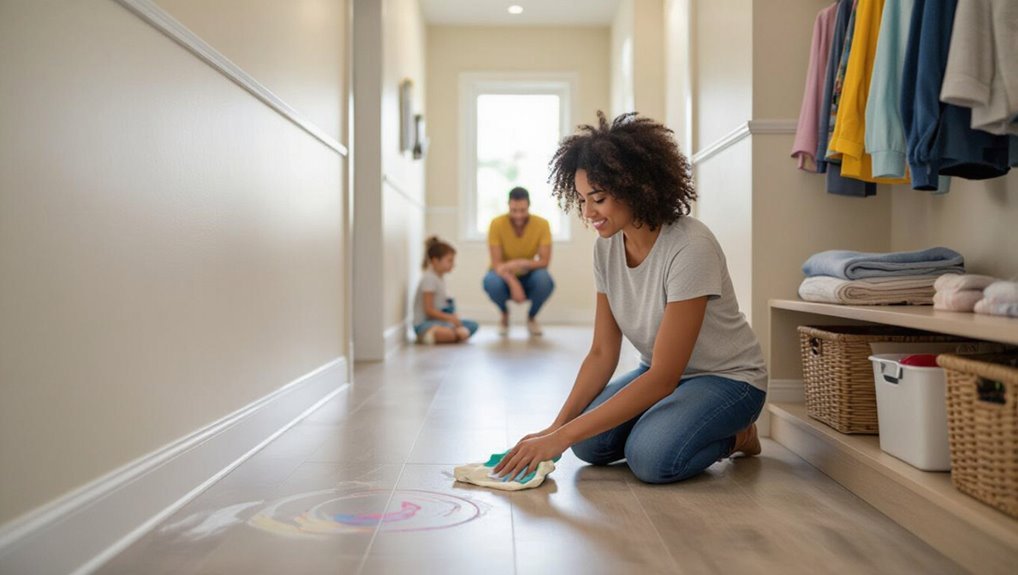
Who struggles to keep walls looking fresh in busy areas? You do if kids, pets, or constant guests wear surfaces down.
This guide helps homeowners and renters facing scuffs in high traffic areas. You’ll learn practical selection criteria, maintenance tips, and how to balance stain resistance with paint longevity so you pick durable, easy-to-clean finishes that fit your routine and budget.
Quick Answer: Most Washable Paint Types
Want a quick comparison?
You’ll find eggshell gives a soft, forgiving look with decent washability. Satin offers better scrub resistance for busy spots, and high-gloss is the most durable and easiest to clean but highlights surface flaws.
Pick finish based on how often you’ll need to scrub and how much sheen you’ll tolerate.
Eggshell Vs. Satin
When you’re choosing between eggshell and satin for a high-traffic room, focus on durability and cleanability: satin has a slightly higher sheen and typically wipes cleaner than eggshell, but eggshell hides imperfections better and gives a softer look. You’ll weigh eggshell characteristics versus satin advantages for washability, touch-ups, and aesthetic fit.
| Finish | Cleanability | Appearance |
|---|---|---|
| Eggshell | Moderate | Soft |
| Satin | Higher | Smooth |
| Best use | Low-medium traffic | High-traffic areas |
High-Gloss Durability
If you need the easiest-to-clean option for a busy hallway or kid’s playroom, high-gloss paints offer the top durability and washability of common finishes.
You’ll get smooth, scrubbable surfaces that resist stains and scuffs. Choose high gloss finishes where durability matters, follow gentle cleaning recommendations—mild detergent, soft sponge, avoid abrasive pads—and touch up chips promptly to keep walls looking new.
How to Pick Washable Paint: A Decision Checklist
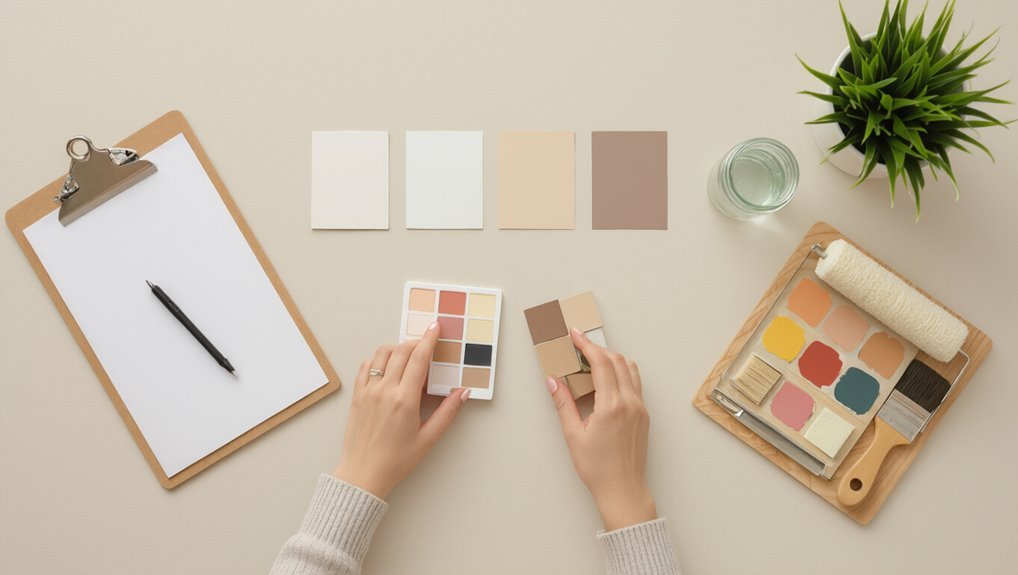
How do you choose washable paint that stands up to daily wear without overpaying?
Consider finish (satin, semi-gloss), scrub rating, and VOC levels. Test adhesion on surface textures you have, and use sample patches.
Factor color psychology for mood and maintenance—lighter tones show marks differently.
Compare warranties, price per square foot, and manufacturer’s cleaning guidelines before committing.
Why Washability Matters in Busy Rooms
When you choose washable paint, you’re picking a finish that stands up to repeated scrubbing without losing color or sheen.
That durability matters in hallways, kitchens, and kids’ rooms where scuffs and marks are constant.
It also means better stain resistance and long-term protection so you won’t need to repaint as often.
Durability Against Scrubbing
Because kids, pets, and daily life all bring scuffs and spills, you need paint that stands up to vigorous scrubbing without fading or peeling. You’ll use proper scrubbing techniques and light cleaners so the finish lasts, preserving wall protection. Choose high-quality washable enamel or satin for abrasion resistance; test a small area first.
| Finish | Durability |
|---|---|
| Satin | High |
| Enamel | Very High |
Stain Resistance and Protection
If you want walls that stay clean in busy rooms, pick a washable paint that resists stains so spills and fingerprints wipe away without leaving a ghosted mark.
You’ll use stain prevention strategies like prompt spot cleaning and barrier finishes. Choose high-quality semi-gloss or scrubbable eggshell, and follow simple maintenance tips—gentle cleaners, soft cloths, routine inspections—to keep surfaces looking fresh.
Key Standards: Scrub Rating and ASTM Tests

Two industry-standard tests—scrub rating and ASTM protocols—tell you how well a washable wall paint will hold up to cleaning.
You’ll use scrub resistance scores to compare coatings and rely on ASTM methods (like D2486) for repeatable results.
Look for higher scrub counts and explicit washability standards on technical sheets so you can pick durable paints suited to heavy-use rooms.
Reading Manufacturer Washability Tests and VOC Labels
When you’re choosing washable paint, look closely at the manufacturer’s washability tests to see how many scrub cycles the finish can handle and under what conditions the test was run.
Compare those results to industry benchmarks so you know if the paint will hold up in a high-traffic room.
Also check VOC labels for emissions information—lower VOCs mean better indoor air quality, but confirm the exact ppm or g/L values rather than relying on marketing terms.
Understanding Washability Tests
Because washability claims can vary a lot between brands, you’ll want to know how to read manufacturers’ tests and VOC labels so you can compare paints accurately. Focus on washability criteria and testing methods: look for scrub cycles, stain resistance, and abrasion ratings. Compare independent lab results when possible.
| Test | Meaning |
|---|---|
| Scrub cycles | Durability |
| Stain rating | Cleanability |
| Abrasion | Surface wear |
| Gloss | Soil visibility |
Interpreting VOC Labels
How can you tell whether a paint’s VOC label and washability claims mean what they say? You should check certification logos, VOC interpretation tables, and test methods cited by the manufacturer.
Compare ASTM or ISO washability standards, note scrub cycle counts, and confirm wet-cleaning compatibility.
Paint labeling must state VOC grams per liter and certified test references so you can trust performance in high-traffic rooms.
How Paint Finish Affects Scrubbability and Durability
Although finishes might seem like a small detail, they determine how well paint stands up to scrubbing, stains, and daily wear.
You’ll notice finish choice affects scrubbability, sheen resilience, and how dirt hides. Consider paint texture and application techniques to minimize surface porosity and improve cleanability.
Choose finishes formulated for durability, and follow recommended drying times for maximum abrasion resistance and longer-lasting walls.
Gloss vs Semi-Gloss vs Satin: Best Washable Finishes
Pick the right sheen and you’ll get the cleanability you need without sacrificing style: gloss, semi-gloss, and satin each balance scrubbability, light reflection, and imperfection hiding differently.
In a paint finish comparison, choose gloss for maximum washability and sheen effects, semi-gloss for trim and wet areas, and satin for living spaces where moderate scrubbability and softer reflection matter.
When Flat and Matte Finishes Can Still Work
While higher sheens offer easier scrubbing, flat and matte finishes still have a place where looks and practicality align.
You’ll choose them for low-impact areas, ceilings, or accent walls where flat finish advantages—reduced glare and smoother appearance—matter more than heavy-duty cleaning.
Think matte finish applications in adult bedrooms, dining rooms, or hallways with minimal scuffs; they hide imperfections and keep a refined, subdued look.
How Sheen Affects Touch-Up Visibility
Higher-sheen paints tend to hide scuffs better because their light-reflecting surface masks imperfections.
However, that same reflectivity can make touch-ups stand out if the sheen doesn’t match.
You’ll want to evaluate factors like surface prep, paint age, and application method to improve blendability when you retouch a spot.
Choosing a finish with forgiving sheen and keeping some original paint for spot fixes will make future touch-ups less noticeable.
Sheen And Scuff Hiding
Because sheen changes how light reflects off a surface, it also changes how obvious touch-ups and scuffs will look. You’ll notice repairs more on glossier finishes.
You should weigh sheen impact against scuff resistance: higher sheens clean better but highlight imperfections, while flatter sheens hide marks but may stain.
Choose a mid-sheen in active areas for balanced hide-and-clean performance.
Touch-Up Blendability Factors
When you touch up painted walls, sheen plays a big role in whether the repair will disappear or stand out.
You’ll choose touch up techniques based on finish; flatter sheens hide edges, glossier ones reflect light and reveal mismatches.
Match sheen, prepare surface, feather edges, and use small blended strokes for blending colors.
- Match sheen
- Prep surface
- Feather edges
- Small strokes
Why Latex (Water-Based) Paints Are Usually Best
Although oil-based finishes still have their place, latex (water-based) paints usually give you the best balance of durability, ease of cleaning, and low odor for high-traffic rooms.
You’ll appreciate latex advantages like faster drying, flexible film that resists cracking, and simple soap-and-water cleanup.
These traits boost paint longevity and reduce maintenance, letting you keep walls looking fresh with minimal effort over time.
When to Choose Oil-Based Paint for Heavy-Duty Cleaning
If you need a finish that stands up to aggressive scrubbing, oil-based paints can be the better choice for specific surfaces and situations.
You’ll pick them when durability outweighs odor and drying time.
Consider oil based advantages for maintenance in these heavy duty applications:
- Trim and doors prone to scuffs
- Metal surfaces needing corrosion-resistant coats
- High-traffic wainscoting
- Areas cleaned with solvents
Acrylic vs Vinyl: How Formulation Affects Performance
When you compare acrylic and vinyl paints, you’ll notice acrylic resins give tougher, longer-lasting surfaces that stand up to scrubbing.
Vinyl binders are more flexible and can flex with walls, which helps prevent cracking in high-traffic areas.
You’ll also want to weigh cleaning and stain resistance—acrylics usually resist stains and repeated washing better than vinyls.
Acrylic Resin Durability
Acrylic resins give washable wall paints their strength and flexibility, and understanding how they differ from vinyl binders helps you choose the right formulation for high-traffic rooms.
You’ll notice acrylic benefits in longevity and stain resistance because resin properties promote film toughness and adhesion.
Consider key performance traits:
- Abrasion resistance
- Washability
- UV stability
- Adhesion to substrates
Vinyl Binder Flexibility
Because vinyl binders typically create softer, more flexible paint films than acrylic-based binders, you’ll notice different performance trade-offs in high-traffic rooms: vinyl lends greater impact resistance and substrate movement tolerance but can be less hard-wearing and more prone to surface marking under repeated scrubbing.
You’ll weigh vinyl advantages against durability; check binder properties on labels and choose blends for balanced resilience and flexibility.
Cleaning And Stain Resistance
Vinyl’s flexibility affects more than impact resistance; it also changes how paints respond to cleaning and stains.
You’ll notice acrylic holds up to repeated stain removal better, while vinyl can soften with harsh cleaning techniques. Choose finish and formulation to match use.
- Test small area first
- Use mild detergent
- Avoid abrasive scrubbers
- Blot, don’t rub
Which Specialty Washable Paints Boost Stain Resistance
When you need walls that shrug off scuffs, spills, and stubborn stains, specialty washable paints—like high-performance acrylics, epoxy-modified formulations, and stain-blocking primers—give you the durability and cleanability regular interior paints can’t match. You’ll choose specialty formulations and paint additives that increase film strength and repellency, letting you wipe marks without damage.
| Type | Benefit | Typical Use |
|---|---|---|
| Acrylic | Flexible, washable | Living rooms |
| Epoxy-modified | Chemical resistant | Kitchens |
| Primer | Blocks stains | Trim and repairs |
Mildew-Resistant Washable Paints for Bathrooms and Basements
Specialty washable paints that resist scuffs and stains also need mold-fighting muscle in damp rooms, so pick formulations labeled mildew- or mold-resistant for bathrooms and basements.
You’ll get better mildew prevention and easier bathroom maintenance when you choose paints with antimicrobial additives.
Consider these priorities:
- Moisture tolerance
- Scrubability
- Low-VOC formula
- Manufacturer mildew warranty
When to Use a Washable Primer Too
If your walls have stains, strong odors, or a high-traffic finish that’s already worn, you’ll want a washable primer before the topcoat to lock in troublemakers and improve adhesion.
You’ll appreciate washable primer benefits when sealing marks, boosting durability, and ensuring even coverage.
Follow simple application techniques: clean, sand, spot-prime, and apply evenly with a roller or brush for consistent results.
Choosing a Primer for High-Traffic Walls
Before you pick a primer for high-traffic walls, make sure the surface is clean, dry, and repaired so the primer can bond properly.
Compare primer types—stain-blocking, high-build, and bonding primers—based on the substrate and whether you need mildew resistance or extra adhesion.
Choose the one that matches your wall condition and the washable topcoat you plan to use.
Surface Preparation Essentials
Choosing the right primer sets the foundation for washable paint in high-traffic rooms, so pick one that blocks stains, seals porous surfaces, and promotes adhesion to prevent peeling and ghosting.
You’ll prep surfaces, address surface imperfections, and use proper cleaning techniques before priming. Follow these steps:
- Clean thoroughly
- Repair dents/cracks
- Sand and dust
- Mask and protect adjacent areas
Primer Types Compared
When you’re picking a primer for high-traffic walls, focus on stain-blocking, adhesion, and durability so the paint holds up to frequent cleaning and bumps.
Choose oil-based for stain-blocking, shellac for severe stains, and acrylic for general adhesion and flexibility.
Consider primer benefits like moisture resistance and faster primer application—use recommended drying times and thin, even coats to maximize longevity and washability.
Top Washable Paint Brands to Consider
If you want durable, easy-to-clean walls that still look great, start by comparing reliable washable paint brands that suit your room’s needs and budget.
Consider coverage, finish, stain resistance and eco friendly options if sensitivity matters.
Match brand specs to your DIY techniques and maintenance routine.
- Brand A: superb stain resistance
- Brand B: low VOC, green certified
- Brand C: high-scrub rating
- Brand D: fast-drying, resilient
Budget-Friendly Washable Paints That Perform
You don’t have to spend a lot to get paint that stands up to daily wear—look for durable budget options that advertise scuff resistance and long-lasting pigments.
For a balance of hide and cleanability, consider scrubbable eggshell finishes that mask imperfections yet wipe down easily.
If you want maximum durability on trim or accent walls, low-cost high-gloss formulas can handle frequent scrubbing without breaking the bank.
Durable Budget Options
Although budget paints cut costs, they can still deliver the durability and washability you need for high-traffic rooms; pick formulations labeled “scrubbable” or “washable,” check their scrub resistance ratings (ASTM D4828), and favor higher-quality acrylic latex blends over cheap vinyl-based options.
You’ll find affordable alternatives that boost paint longevity without breaking the bank. Consider:
- Mid-range acrylic latex
- Stain-blocking formulas
- Low-VOC scrubbable
- Manufacturer-backed warranties
Scrubbable Eggshell Finishes
When you want a balance of low sheen and real cleanability, scrubbable eggshell finishes deliver—offering a soft, subtle glow that still stands up to regular wiping and spot cleaning.
You’ll enjoy scrubbable benefits like stain resistance and fewer touch-ups.
For best results, follow maintenance tips: use mild detergent, soft cloths, test a hidden spot, and avoid abrasive scrubbing to preserve finish and color.
Low-Cost High-Gloss
If you’re outfitting a busy space on a tight budget, low-cost high-gloss paints can give you durable, easy-to-clean walls without breaking the bank.
You’ll get affordably priced, high-performance choices that highlight gloss benefits while resisting scuffs.
Consider these affordable options:
- Budget acrylic high-gloss
- Economy enamel
- DIY-ready trim gloss
- Waterborne latex gloss
Premium Washable Paints: When Extra Cost Helps
Because you’re dealing with the busiest rooms in your home, paying more for premium washable paint can be worth it: you’ll get premium features like advanced stain resistance, tougher binders, and smoother finish that stand up to scrubbing.
You’ll clean marks easier, need fewer touch-ups, and realize long term value as wear accumulates, saving time and replacement cost over cheaper options.
Color Choice and Perceived Dirt: Practical Tips
You’ll find that lighter shades tend to hide dust and light scuffs better than very dark colors.
Choosing a subtle patterned or textured finish can mask fingerprints and tougher marks between cleanings.
Pairing a light tone with a washable, patterned finish gives you the best practical defense in high-traffic rooms.
Lighter Shades Hide Dust
When you pick a lighter paint shade for high-traffic rooms, it’ll make dust and faint scuffs less obvious than darker colors, so surfaces look cleaner between cleanings.
You’ll benefit from reduced dust visibility and easier maintenance while keeping a bright, airy feel.
- Choose mid-tone neutrals
- Test samples in natural light
- Avoid ultra-gloss for touch areas
- Match trim to minimize contrast
Patterned Finishes Mask Marks
Lighter shades help hide dust, but patterned finishes take concealment further by breaking up marks and scuffs so they don’t read as single, obvious blemishes. You can choose pattern types and texture options to disguise fingerprints and kid stains while keeping cleaning easy.
| Pattern | Texture | Use |
|---|---|---|
| Stripes | Smooth | Hallways |
| Mottled | Eggshell | Living rooms |
| Stipple | Matte | Playrooms |
Use Mid-Tones to Hide Fingerprints and Scuffs
Because mid-tones sit between light and dark, they mask fingerprints and scuffs better than extreme shades do, so you’ll spend less time touching up high-traffic walls.
You’ll enjoy mid-tone advantages: balanced contrast, forgiving wear, and easy matching. Use scuff camouflage strategically and choose finishes that clean well.
- Choose mid-tone neutrals
- Test in daylight
- Match trim subtly
- Keep a touch-up can
Eggshell vs Satin: What Works in Hallways and Kitchens
When choosing between eggshell and satin for hallways and kitchens, you’ll want to weigh durability and scrubability so the finish stands up to frequent cleaning.
Consider how sheen affects light reflection—satin bounces more light and can make tight spaces feel brighter, while eggshell masks glare.
Also think about hiding imperfections: eggshell is better at concealing surface flaws, while satin can highlight bumps and brush marks.
Durability And Scrubability
Traffic and daily messes test paint choices more than looks do, so you’ll want a finish that stands up to scuffs and scrubbing.
You’ll look at durability testing and scrub resistance ratings: satin often wins for kitchens; eggshell hides flaws better in hallways.
Consider:
- Scrub resistance score
- Stain removal ease
- Surface durability
- Maintenance frequency
Sheen And Light Reflection
Beyond how well paint stands up to scrubbing, sheen and light reflection shape how a space actually looks and feels—especially in narrow hallways or busy kitchens where light and surface finish interact.
You’ll choose between sheen types like eggshell and satin: eggshell hides minor unevenness, satin boosts durability and brighter light reflection.
Pick satin for moisture-prone areas, eggshell for calmer, softer glow.
Hiding Imperfections
If you want walls to look smooth in narrow hallways or busy kitchens, choose the right sheen: eggshell softens and disguises small flaws, while satin highlights them with a crisper, more reflective finish.
- Use eggshell for imperfection camouflage.
- Use satin where durable, washable surfaces matter.
- Apply subtle texture techniques to blend repairs.
- Test finishes under typical lighting before committing.
Best Washable Paints for Children’s Rooms
When you’re choosing washable paint for a child’s room, pick formulas that balance durability, low VOCs, and easy-clean finishes so you won’t worry about marker, food, or crayon stains.
You should favor scrubbable eggshell or satin finishes that resist scuffs, support children’s creativity, and tolerate frequent cleaning.
Choose playful colors, non-toxic labels, and durable brands for long-lasting, safe walls.
Paint Choices for Pet-Friendly Homes
If you have pets, choose paints with durable, scrubbable finishes that stand up to claws and frequent cleaning.
Pick stain-resistant formulas to hide accidents and make touch-ups easier.
Look for low-odor, pet-safe options so your home stays comfortable while the paint cures.
Durable Scrubbable Finishes
Because pets bring constant wear and unexpected messes, choosing a durable, scrubbable finish is one of the smartest moves you can make for high-traffic rooms.
You’ll want paints that balance resilience and cleanability without harsh fumes. Consider these practical scrubbable options and durable finishes:
- Satin for easy wiping
- Semi-gloss for high durability
- Acrylic latex blends
- Washable enamel alternatives
Stain-Resistant Formulas
Since pets can track mud, shed fur, and leave occasional stains, choosing stain-resistant paint makes daily life easier and keeps walls looking fresh longer.
You’ll want formulas with durable binders and smooth finishes that aid stain prevention. Choose washable sheens and follow simple cleaning techniques—blot spills promptly, use mild detergent, and test a hidden spot—to maintain color and resist permanent marks.
Low-Odor Pet-Safe Paints
Comfort matters for both you and your pets, so pick low-odor, pet-safe paints that minimize fumes during and after application.
You’ll want eco-friendly options and non-toxic formulations to reduce irritation and keep rooms usable sooner.
Consider these features when choosing paint:
- Low-VOC or zero-VOC labels
- Certified non-toxic formulations
- Quick-dry, low-odor resins
- Durable, washable finish
Washable Paint for Stairways and Entryways
When people track dirt, scuff shoes, and bump furniture through stairways and entryways, you want a paint that stands up to constant wear and wipes clean without ghosting. Washable paints with durable finishes and stain-resistant formulations are ideal for these high-traffic passage zones.
Choose semi-gloss or satin for stairway aesthetics and entryway functionality. Pick washable waterborne enamel, and test cleaners on a patch.
Durable Paint Strategies for Rentals and Apartments
Stairways and entryways show how daily traffic and scuffs test a finish, and rentals face those pressures multiplied across tenants and turnover.
Stairways and entryways reveal how daily traffic and scuffs challenge finishes, with rentals amplifying wear across tenants and turnover
You’ll choose durable, scrubbable paints that respect rental restrictions and preserve apartment aesthetics. Consider these tactics:
- Use high-quality washable eggshell or satin.
- Prime for adhesion.
- Opt for neutral, landlord-friendly colors.
- Patchable, stain-resistant formulas for easy turnover.
Painting Trim and Baseboards for Easy Cleaning
Focus on trim and baseboards as hardworking surfaces that take most of the bumps, scuffs, and cleaning in high-traffic rooms.
Choose durable trim materials like hardwood or PVC and semi-gloss or satin enamel for easy wipe-downs.
Use gentle cleaning techniques — damp microfiber, mild detergent, spot-treat scuffs with magic erasers — and touch up paint promptly to keep edges looking fresh.
Proper Surface Prep to Maximize Washability
Before you paint, clean and de-grease the walls so dirt and oils won’t interfere with adhesion.
Patch holes, sand rough spots, and prime repaired areas to create a uniform surface.
Proper prep lets washable paint perform better and makes future cleaning much easier.
Clean And De-grease
When you’re aiming for washability, start by thoroughly cleaning and degreasing the walls so the paint can bond and perform as planned.
Use appropriate cleaning techniques for your surface materials to remove oils, dirt, and residue.
Follow this simple prep checklist:
- Dust with microfiber.
- Degrease with TSP alternative.
- Rinse and dry fully.
- Inspect for remaining contaminants.
Repair And Prime Surfaces
Prep damaged areas so your washable paint can perform—patch cracks, sand rough spots, and replace peeling or compromised drywall before priming.
You’ll remove surface imperfections, feather joints, and smooth uneven wall texture to guarantee adhesion and uniform sheen.
Apply a quality stain-blocking primer to sealed patches and porous areas.
Once dry, lightly sand and wipe clean before painting for durable, easy-to-clean results.
Fixing Stains and Marks Before You Paint
You’ll need to remove or treat stains and marks so your washable paint adheres evenly and the finish looks uniform; grease, smoke, crayon, and water stains can bleed through if left untreated.
Use targeted stain removal techniques during pre paint cleaning, then seal stubborn spots with a stain-blocking primer.
Follow steps:
- Clean with mild detergent.
- Use specialty cleaners.
- Sand glossy spots.
- Prime stained areas.
How Many Coats for a Washable Finish
Most rooms need two coats of washable paint to get an even, durable finish, though surface color, porosity, and the paint’s hide can change that.
You should assess surface porosity and previous tinting; porous or dark surfaces often need a primer plus two topcoats.
Use proper coating techniques—thin, even layers and adequate drying time—so the finish cleans well and resists scuffs in high-traffic areas.
Recommended Tools and Rollers for Durable Coverage
Having the right tools makes those two coats perform better and last longer, so gather quality rollers, brushes, and accessories before you start.
Having the right tools helps two coats go on smoothly and last longer—gather quality rollers, brushes, and accessories.
You’ll want recommended tools that support even paint application and durability. Choose rollers and brushes designed for the finish and surface.
- Microfiber roller (3/8″–1/2″)
- High-quality angled sash brush
- Mini roller for trims
- Extension pole
Application Techniques to Avoid Brush Marks and Streaks
When you roll and cut in consistently—keeping a wet edge and using the same pressure—you’ll avoid obvious brush marks and streaks that stand out after the paint dries. Use proper brush techniques, light strokes, and blend overlaps. Roll in a “W” pattern, maintain even nap loading, and work quickly for streak prevention.
| Tool | Motion | Tip |
|---|---|---|
| Brush | Light strokes | Blend edges |
| Roller | W pattern | Even load |
| Pad | Cross-roll | Smooth finish |
How Long to Wait Before Cleaning Freshly Painted Walls
If you’ve just painted a high-traffic room, wait at least 24–48 hours before gently cleaning the walls to guarantee the paint cures enough to resist scuffs and smudges.
After that, follow careful cleaning techniques and wall maintenance timing to avoid damage. Consider these steps:
- Test a small area first.
- Start with light dusting.
- Allow full cure for glossy finishes.
- Schedule routine inspections.
Safe Cleaning Methods That Won’t Harm the Finish
Although you’ll want to tackle stains quickly, choose gentle methods that protect the finish—start with a soft cloth or microfiber duster and mild detergent solutions rather than abrasive sponges or harsh chemicals.
You should blot or lightly wipe, rinse with clean water, and dry. For safe cleaning and finish maintenance, test a hidden spot first, work top-to-bottom, and avoid scrubbing aggressively.
Cleaning Products to Avoid on Washable Paint
Because some cleaners contain harsh chemicals or abrasives, you should steer clear of bleach, ammonia, and heavy-duty degreasers on washable paint—they can strip pigments and dull the finish.
Use milder cleaning techniques and check paint compatibility before use.
- Oven cleaners
- Scouring powders
- Paint strippers
- Undiluted solvents
Spot Repair Tactics for Scuffs Without Repainting
Anyone can tackle scuffs quickly without repainting by using targeted fixes like gentle erasers, touch-up markers, or a damp microfiber with mild soap to lift surface marks.
For spot cleaning, test a hidden area, work outward, and use light pressure.
Keep touch-up paint or markers matched and store supplies for regular wall maintenance so small marks never become big jobs.
When to Repaint vs Deep Clean
When you can’t remove stains, dents, or widespread discoloration with a deep clean, it’s time to contemplate repainting. Deep cleaning will save time and money for surface grime and isolated marks, but repainting restores uniform color, hides wear, and protects high-traffic walls long-term.
Use deep cleaning techniques first, then consider repainting frequency based on damage severity.
- Clean
- Assess
- Repair
- Repaint
How to Test a Paint’s Washability at Home
Before you decide to repaint, it’s smart to confirm how well a given paint will stand up to regular cleaning—especially in high-traffic rooms.
To do washability testing, mark a small area, apply common stains, let them dry, then gently scrub with a damp cloth and mild detergent.
Compare results across paint brands to pick the most durable finish for your space.
Common Trade-Offs: Sheen, Touch-Ups, and VOCs
While choosing a washable wall paint, you’ll weigh sheen, touch-up ease, and VOC levels because each affects durability, appearance, and indoor air quality in different ways.
You’ll consider sheen trade offs and learn touch up techniques to match finish and minimize visible repairs.
- Higher sheen = easier cleaning
- Matte hides flaws better
- Touch up techniques matter
- VOCs affect comfort
Low-VOC Washable Paints: What to Expect
Curious how low-VOC washable paints perform compared with standard formulas? You’ll find durable scrubbability with reduced odors and low emission benefits that improve indoor air quality during and after application.
Expect slightly longer curing times and careful surface prep for best results. Choose eco friendly options certified by reputable labels, test a small area first, and use gentle cleaners to preserve finish.
Cost-Benefit: Maintenance Savings From Washable Paint
If you’re weighing low-VOC washable paints against standard formulas, consider how their scrubbability and longer lifespan affect your bottom line: washable finishes cut the need for frequent repainting and spot repairs, so you’ll spend less on paint, labor, and downtime over the years.
- Track maintenance frequency for accurate
- Include materials and labor in
- Factor lifespan extension savings via
- Run simple cost analysis to decide
Quick Checklist to Pick Paint for Any Room
When choosing paint for any room, focus on four essentials: durability (scrubbability and finish), health and safety (VOC levels and allergen concerns), appearance (sheen and true color under your lighting), and practicality (coverage, drying time, and cost).
Use color psychology to match mood, weigh texture options for hides and cleanability, pick finishes suited to traffic, and verify low-VOC formulas for safer cleaning.
Next Steps: Ordering Samples and Making the Final Choice
Before you commit, order small samples of your top three colors and test them on the wall in different areas and light at different times of day.
You’ll check durability, sheen, and cleaning ease before sample ordering is done and make your final selection confidently.
Follow this quick checklist:
- Evaluate color in morning light
- Check in afternoon/evening
- Scrub a small test spot
- Compare sheens
Frequently Asked Questions
Can Washable Paint Withstand Repeated Steam Cleaning or Power Washing Indoors?
Yes — you can, but you’ll need high-quality, durable finishes: choose paints rated for steam cleaning durability and avoid excessive pressure when indoor power washing, since even tough washable paints can delaminate if overexposed or improperly prepped.
Will Washable Paint Discolor Under UV Exposure in Sunny Rooms?
Yes — washable paint can discolor over time if it lacks UV resistance; you’ll see color fading in sunny rooms unless you choose paints labeled UV-resistant or fade-resistant, and you’ll still want periodic touch-ups to maintain appearance.
How Do Washable Paints Perform on Textured or Popcorn Walls?
Like a raincoat for rough bark, washable paints cling to textured or popcorn walls but vary by formulation; you’ll want texture compatibility checked and follow gentle maintenance tips—soft brush, mild detergent, spot test—to avoid abrasion or buildup.
Can Washable Paint Be Applied Over Wallpaper or Vinyl Wall Coverings?
Yes — you can paint over wallpaper or vinyl coverings, but you’ll need proper application techniques and to take into account wallpaper types: smooth, intact paper can be primed and painted, while loose, textured, or vinyl-coated surfaces require removal or sealing first.
Do Washable Paints Affect Indoor Air Quality Long-Term After Curing?
Yes — once cured, washable paints typically stop off-gassing considerably; you’ll breathe easier as if a storm passed. You’ll see minimal indoor air quality long term effects, especially with low-VOC or zero-VOC formulas.
