
Which Benjamin Moore Exterior Paint Is Best
You should pick Benjamin Moore Aura Exterior for most jobs — it’s got top color retention, UV and mildew resistance, excellent hide, and flexible acrylic durability that handles sun, moisture, and temperature swings. For budget or large projects, Regal Select or Ultra Spec work well; choose Aura Masonry or Arborcoat for brick or heavy‑sun wood. Prep and the right primer matter as much as the topcoat, and if you keep going you’ll find climate and surface tips next.
Best Benjamin Moore Exterior Paints: Quick Guide
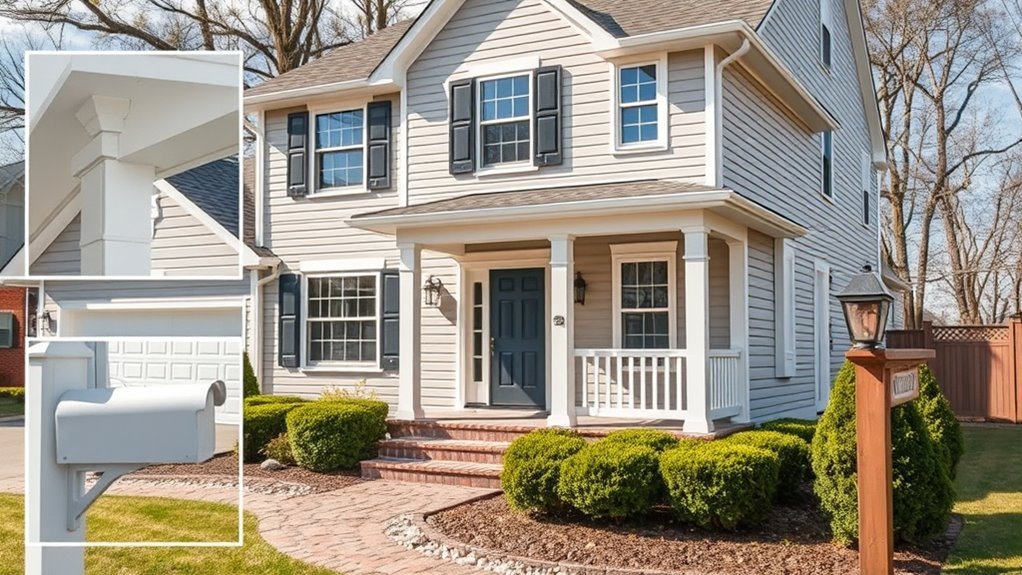
When you need durable, weather-resistant color that holds up season after season, Benjamin Moore makes several standout exterior paints worth considering. You’ll likely pick Aura Exterior for rich, long-lasting color that resists fading on siding and trim.
For older homes, Regal Select Exterior offers excellent adhesion and easy touch-ups. If mildew and humidity are concerns, consider Ultra Spec Exterior for its resilience.
Use these finishes to refresh outdoor furniture accents or unify a property’s palette with thoughtful landscape design. Test samples in different light, then commit to the product that matches your maintenance needs and color goals.
How to Choose Exterior Paint for Your Climate
You’ll want to pick a Benjamin Moore formula suited to your climate zone, since extreme heat, cold, or UV exposure affects durability and colorfastness.
Also prioritize moisture- and mildew-resistant finishes for humid or rainy areas to keep siding and trim looking good longer.
Match the product’s weather ratings to your local conditions for best results.
Climate Zone Selection
Because paint performs differently in heat, cold, humidity, and sun, pick a formula engineered for your climate rather than guessing based on color or brand alone. You’ll select high‑UV, flexible coatings for hot, sunny zones and tougher, cold‑crack resistant formulas for freezes.
In humid or coastal areas choose products rated for salt and moisture exposure (but not the mildew discussion here). Consider substrate prep: if previous layers need paint removal, plan responsibly to avoid contaminating soil during garden maintenance.
Match Benjamin Moore’s regional recommendations to your zone, and prioritize adhesion, flexibility, and UV stability for long service life.
Moisture And Mildew Resistance
After matching paint performance to temperature and UV exposure, turn attention to moisture and mildew resistance—especially if you live in humid, coastal, or shaded areas where dampness persists. You’ll prioritize paints with built-in moisture barriers and fungicidal additives to stop water intrusion and surface growth.
Choose Benjamin Moore formulas labeled for high-humidity climates and exterior mildew prevention; they resist staining and peel.
Prep matters: clean, dry surfaces and use a compatible primer that boosts adhesion and blocks moisture. Regular inspection and prompt touch-ups keep coatings effective.
That proactive approach protects siding, trim, and paint investment against decay and unsightly mildew.
Best Benjamin Moore Paints for Hot, Sunny Climates
Wondering which Benjamin Moore exterior paints hold up best in hot, sun-drenched climates? You’ll want durable, UV-resistant finishes that reflect heat and resist fading while supporting nearby plant health and minimizing off-gassing that can affect landscaping and pest control efforts.
Choose light, reflective colors and premium lines formulated for sun exposure.
- Aura Exterior for long-lasting color and excellent UV resistance
- Regal Select Exterior for smooth application and fade resistance
- Ultra Spec Exterior for budget-conscious durability in heat
- Arborcoat for wood surfaces exposed to intense sun
These options help preserve appearance and nearby vegetation in sunny regions.
Best Benjamin Moore Paints for Cold Freeze–Thaw Climates
When you’re tackling cold, freeze–thaw climates, you’ll want high-performance exterior coatings that stay flexible and resist cracking.
Look for Benjamin Moore finishes specifically formulated for freeze–thaw resistance to prevent flaking and water intrusion.
Don’t skip primer and proper surface prep, because adhesion and durability start with a clean, well-primed substrate.
High-Performance Exterior Coatings
Because freeze–thaw cycles put extreme stress on exterior coatings, you’ll want paints that resist cracking, adhesion loss, and moisture intrusion while staying flexible through temperature swings. Choose Benjamin Moore lines with proven durability, eco friendly formulations, and polymers designed for low-temperature elasticity.
You’ll focus on surface prep, primer selection, and application techniques to maximize lifespan. Select colors and sheens that minimize thermal stress and inspect coatings yearly for pinholes or blisters. Maintain gutters and flashings to prevent water exposure.
- Use high-build primers for compromised substrates
- Favor acrylic-latex hybrid topcoats
- Apply per temperature-rated guidelines
- Repair hairline cracks promptly
Freeze–Thaw Resistant Finishes
If your home faces repeated freeze–thaw cycles, pick Benjamin Moore finishes formulated for flexibility, adhesion, and moisture resistance to prevent cracking and peeling. You’ll want elastomeric and advanced acrylic formulas that stretch with temperature swings, resist water intrusion, and maintain film integrity.
Focus on products rated for severe climates, since paint durability depends on weathering resistance, UV stability, and strong substrate bond. Apply coatings at recommended temperatures and choose topcoats designed to handle thermal movement.
With the right Benjamin Moore finish, you’ll minimize maintenance, reduce flaking, and protect siding, trim, and masonry through many winter cycles.
Primer And Surface Prep
Why start with primer and surface prep before applying Benjamin Moore topcoats? You’ll protect substrates from moisture intrusion, improve adhesion, and ensure color mixing stays true under harsh freeze–thaw cycles.
Prep removes loose material, seals porous surfaces, and creates a uniform base so topcoats perform longer. Use quality Benjamin Moore primers formulated for exterior freeze–thaw exposure and store leftover product properly—follow paint storage guidelines to preserve performance.
- Clean and dry surfaces; remove efflorescence and mildew.
- Patch cracks and use flexible fillers for movement.
- Sand glossy areas for mechanical bond.
- Apply primer at recommended temperature ranges.
Best Benjamin Moore Paints for Humid and Coastal Areas
When you’re painting in humid or coastal areas, pick Benjamin Moore formulas that resist moisture, salt, and mildew without sacrificing finish or durability. You’ll want Aura Exterior for superior adhesion and moisture resistance, backed by mildew inhibitors and long-term color retention.
Regal Select offers great flexibility and touch-up ease for salt-spray exposure.
Consider Natura for eco-friendly formulations if low-VOC matters, though check durability needs.
Use Color psychology to choose hues that hide salt stains and reflect heat—lighter, warmer tones reduce fading and maintenance.
Always clean surfaces thoroughly and follow manufacturer recommendations for best longevity in marine environments.
Why Substrate Matters for Exterior Paint
How will your paint perform on wood, fiber cement, stucco, or metal? You need to match product choice to substrate because surface compatibility and substrate preparation determine adhesion, durability, and finish. Pick primers and Benjamin Moore formulas suited to the material and climate.
Test small areas, especially where previous coatings, contaminants, or moisture exist. Proper substrate preparation prevents peeling, blistering, and uneven sheen.
- Inspect and clean: remove dirt, mildew, loose paint
- Repair cracks and fill gaps for uniform adhesion
- Prime appropriate substrates with recommended primers
- Confirm paint’s surface compatibility before full application
Wood Siding: Best Benjamin Moore Options
After you’ve prepped and primed for the specific substrate, wood siding deserves paint choices that protect against moisture, UV, and dimensional movement. You’ll want Benjamin Moore Aura Exterior for rich color retention and breathable film that handles expansion and contraction.
For older or patched boards, Regal Select offers easy touch-ups and mildew resistance. Consider a dedicated wood treatment or oil-based primer under challenging spots to lock tannins and improve stain compatibility.
Use topcoats with flexible binders and follow proper drying times. Apply two coats, watch flash rust on nails, and maintain caulking and trim to extend the finish’s life.
Vinyl & Fiber Cement: Recommended Benjamin Moore Products
Which Benjamin Moore products work best on vinyl and fiber cement depends on surface condition and your goals. You’ll choose a flexible, acrylic-based exterior like Aura or Regal Select for durability and color retention; these handle expansion and resist peeling.
Consider primer for bare or patched fiber cement.
Think about color psychology when picking hues—lighter tones reduce heat absorption on vinyl.
If you care about environmental impact, look for lines with eco friendly ingredients and low-VOC formulas.
Pick finish based on exposure and maintenance.
- Use Aura Exterior for rich, lasting color
- Prime repaired fiber cement first
- Choose satin or low-luster finishes
- Prefer low-VOC, eco-friendly options
Brick, Stucco, and Masonry: Benjamin Moore Picks
Because brick, stucco, and masonry demand breathable, durable coatings, you’ll want Benjamin Moore products formulated for mineral surfaces that resist moisture while allowing vapor to escape. You’ll choose breathable elastomeric or masonry primers and paints that tolerate thermal movement, prevent efflorescence, and offer long-term color retention. Look for Historical shades and Eco friendly formulations in the Aura Grand Entrance and Aura Exterior Masonry lines. Apply with proper substrate prep and flexible detailing at joints to avoid cracking.
| Product Line | Best Use |
|---|---|
| Aura Masonry | Breathable, durable finish |
| Regal Select Elastomeric | Crack-bridging protection |
| Natura (eco) | Eco friendly formulations |
Exterior Trim and Doors: Top Benjamin Moore Coatings
When you’re choosing exterior trim finishes, pick Benjamin Moore options that stand up to weather and resist cracking for years.
For doors, go with their smooth, high-build coatings that give a flawless look and handle frequent use.
I’ll outline the top products and best application tips next.
Durable Trim Finishes
Curious how to keep exterior trim and doors looking sharp year after year? You’ll want durable trim finishes that resist weather and maintain crisp lines. Benjamin Moore offers coatings with excellent adhesion, color blending for cohesive curb appeal, and Texture options if you need subtle grip or hide imperfections. Apply proper primer, use high-quality brushes, and follow manufacturer dry times for best results.
- Choose alkyd or advanced acrylics for longevity
- Match sheen to door hardware and siding
- Prep surfaces: clean, sand, prime
- Recoat timeline: inspect annually, touch up as needed
These steps keep trim resilient and attractive.
Smooth Door Coatings
You’ve covered durable trim finishes; now focus on smooth door coatings that give entryways a refined, long-lasting look. You’ll choose Benjamin Moore products that resist scuffs, highlight door hardware, and offer a flawless paint sheen. Pick an alkyd or high-quality acrylic for adhesion and easy cleaning. Apply thin, even coats, sanding lightly between layers for silky results. Seal edges to prevent moisture. Maintain with gentle cleaners to keep that showroom gloss.
| Emotion | Detail |
|---|---|
| Pride | A perfect finish greets guests |
| Confidence | Hardware gleams against smooth paint |
| Calm | Durable sheen simplifies upkeep |
Benjamin Moore Acrylic Finishes: Pros and Cons
Although acrylic finishes look similar at first glance, they’ll perform differently depending on your home’s climate and siding, so it’s worth weighing the pros and cons. You’ll find acrylics balance durability and flexibility, resist cracking, and suit many surfaces, but UV exposure and moisture can affect longevity.
Acrylic finishes offer durable, flexible protection for many surfaces, but climate and moisture exposure affect their longevity.
They’re easy to maintain, aiding paint cleaning without harsh scrubbing, and they complement interior decor shifts near entryways.
- Durable, resists cracking and peeling
- Breathable, good for wood and stucco
- Easier maintenance; mild soap cleans most stains
- UV and extreme moisture can shorten lifespan
Consider climate and substrate before choosing.
What Makes Benjamin Moore Aura Exterior Special
You’ll notice Aura Exterior stands out for exceptional color retention that keeps hues vibrant year after year. It also gives advanced stain resistance, so dirt and spills wipe away without leaving marks.
Plus, its durable weather protection shields surfaces from sun, rain, and temperature swings.
Exceptional Color Retention
How does Benjamin Moore Aura Exterior keep colors looking fresh year after year? You get engineered resins and pigments that fight color fading and deliver consistent tint strength. Its formula includes UV protection that shields surfaces from sun damage, so hues stay true longer. You’ll notice less chalking and fewer touch-ups, saving time and money.
- High-performance pigments for lasting vibrancy
- Proprietary resin network resisting washout
- Reflective additives reducing heat-related fading
- Durable film formation that resists environmental stress
Choose Aura Exterior when you want reliable, long-term color retention without constant maintenance.
Advanced Stain Resistance
When you want exterior paint that stands up to everyday messes, Aura Exterior delivers advanced stain resistance that keeps surfaces cleaner and maintenance minimal. You’ll appreciate how its low-porosity finish repels dirt, bird droppings, and oil-based stains so they wipe away rather than soak in.
Because Benjamin Moore pairs advanced stain resistance with breathable film technology, you can clean without damaging the substrate. You’ll also like that Aura’s eco-friendly formulations reduce VOCs and environmental impact while preserving performance.
Durable Weather Protection
Because severe weather can wear down ordinary exterior paints, Aura Exterior is formulated to provide long-lasting defense against rain, sun, wind, and freeze–thaw cycles. You’ll notice how its advanced polymer system boosts paint adhesion to siding and trim, resisting peeling and blistering.
The tint-stable pigments and UV protection maintain color vibrancy, so you won’t repaint as often. Its breathable finish sheds water while allowing trapped moisture to escape, reducing mildew risk. You get durable coverage that handles temperature swings without cracking.
- Exceptional paint adhesion for varied substrates
- Built-in UV protection to slow fading
- Water-shedding, breathable finish
- Resists cracking during freeze–thaw cycles
Why Benjamin Moore Regal Select Is a Top Choice
Though you might shop around for exterior paints, Regal Select stands out for its balance of durability, coverage, and ease of application. You’ll get long-lasting resistance to peeling and fading, so painted siding and trim stay crisp against garden landscaping and beneath exterior lighting.
You’ll appreciate smooth rollout, good hide, and fewer coats, saving time and labor. Mildew-resistant formulations and flexible binders handle temperature swings and moisture you face seasonally.
Touch-ups blend well, so maintenance is straightforward. Overall, Regal Select gives you pro-level results without specialized tools, making it a smart, user-friendly choice for most home exteriors.
Ultra Spec and Contractor Lines: When to Use Them
If Regal Select covers most homeowner needs, you’ll want to think about Benjamin Moore’s Ultra Spec and contractor-grade lines for larger or more demanding projects.
You’ll choose Ultra Spec when durability, coverage, and cost-efficiency matter for multi-unit buildings, rental turnovers, or institutional jobs.
Contractor lines focus on faster application, higher hide, and compatibility with sprayers.
- Faster dry time for quicker turnover
- Enhanced hide on varied substrates
- Formulations suited to sprayers and rollers
- Cost-effective for large square footage
Use these lines when scale, speed, and robustness outweigh premium features for aesthetic-focused residential work.
Low‑VOC and Eco‑Friendly Benjamin Moore Options
When you want cleaner indoor air and reduced environmental impact without sacrificing durability, Benjamin Moore offers several low‑VOC and eco‑friendly exterior options that deliver on both performance and sustainability.
You’ll find formulas like Natura and Aura Exterior designed for VOC reduction while resisting mildew, fading, and weathering. These Eco friendly options let you paint with fewer odors and faster reoccupation times, and they meet stringent emissions standards without compromising coverage or color retention.
Choose low‑VOC primers and topcoats to complete the system, follow proper surface prep, and you’ll get durable, environmentally mindful results that still perform under real exterior conditions.
Self‑Priming vs. Separate Primer: Benjamin Moore Advice
Deciding whether to rely on a self‑priming Benjamin Moore exterior paint or apply a separate primer starts with the surface condition and previous coating.
If the substrate is clean, uniform, and you’re using a high‑hide, self‑priming formula, you can usually skip a separate primer.
If you’re covering bare wood, drastic color changes, stains, or chalky surfaces, use a dedicated primer first.
We’ll cover specific product recommendations and when each approach saves time or prevents problems.
When To Self‑Prime
Wondering whether you can skip a separate primer? You can self-prime when surfaces are clean, sound, and previously painted with similar sheen—Benjamin Moore’s self-priming formulas offer time savings and fewer coats.
Consider self-prime benefits like adhesion and stain-blocking built into one product, but remember primer removal isn’t needed if the old coating is stable. Choose self-priming for maintenance or mild weathering; avoid it if you’re covering raw wood, heavy stains, or chalky surfaces.
- Use self-prime on intact siding and trim
- Avoid when switching from oil to latex
- Prep by cleaning and sanding
- Test adhesion before full job
When To Use Primer
If your surface is sound and similar to the existing finish, you can often use Benjamin Moore’s self-priming paints to save time. However, you should pick a separate primer whenever you’re changing substrates, covering heavy stains, or need extra adhesion or a blocker.
You’ll choose a separate primer if you’re dealing with bare wood, new masonry, or glossy surfaces where adhesion is a risk. Use primers formulated to block tannin bleed or severe staining to prevent color fading.
Also prime areas showing surface peeling, chalking, or inconsistent porosity so the topcoat bonds evenly and lasts longer.
How Sheen Affects Durability and Appearance
Although sheen might seem like a small choice, it has a big impact on both how long your paint lasts and how your home looks over time. You’ll notice sheen effects in durability and cleaning—higher gloss levels resist dirt and moisture better, while lower sheens hide imperfections.
Sheen may seem minor, but it shapes durability, cleanability, and how your walls reveal imperfections.
Choose satin or semi-gloss for trim and high-traffic areas; use flat or low-luster on broad walls where you want subtler texture.
- Semi-gloss: tough, easy to clean
- Satin: balance of sheen effects and subtlety
- Low-luster: hides surface flaws
- Flat: matte appearance, less scrubbable
Color Retention and Fade Resistance by Line
When you pick a Benjamin Moore exterior line, its pigment load and UV-stable chemistry determine how well the color holds up over years in sun, rain, and seasonal extremes.
You’ll find premium lines like Aura and Regal Resist use higher pigment concentration and advanced UV protection to limit color fade, keeping hues truer longer.
More economical formulas still offer decent fade resistance but may need repainting sooner in intense sunlight.
Match the line to exposure: full-sun facades benefit most from top-tier UV protection, while shaded areas can accept mid-range options.
Proper prep and priming also extend color longevity.
Mildew and Stain Resistance: Which Benjamin Moore Formulas Perform
You’ll want to know which Benjamin Moore formulas give you exceptional mildew defense for damp climates. Look for lines that also offer superior stain blocking to keep surfaces looking clean longer.
I’ll compare the top performers so you can pick the right product for your exterior needs.
Exceptional Mildew Defense
Because mildew can quickly mar a fresh exterior, choosing a Benjamin Moore formula that actively resists mold and stains matters—especially in humid climates where spores thrive. You want paint designed for mildew prevention and compatible with surface treatments that seal pores and discourage growth.
Pick a high-quality acrylic or elastomeric finish with antimicrobial additives, and prep surfaces properly.
- Look for exterior paints labeled mildew-resistant and formulated for humid regions.
- Use primer-surface treatments to block moisture and improve adhesion.
- Clean and repair siding before painting to remove existing spores.
- Reapply maintenance coats per manufacturer recommendations to sustain protection.
Superior Stain Blocking
Curious which Benjamin Moore formulas really block stains and resist mildew on exteriors? You’ll find Regal Select and Aura Exterior lead with superior stain control, sealing tannins, rust, and smoke so stains don’t reemerge.
These coatings combine advanced resins and fungicides to create a durable moisture barrier that limits mold growth and substrate bleeding. Use Fresh Start primer on problem areas to lock in tough discoloration before topcoating.
For siding, trim, or decks, pick a system rated for exterior conditions and follow surface prep guidance. That approach gives you long-lasting appearance and fewer maintenance headaches.
Coverage, Hide, and How Many Coats to Expect
When you’re planning a paint job, knowing a Benjamin Moore product’s coverage and hide helps you estimate how much paint you’ll need and how many coats to plan for. You’ll find premium acrylics offer strong hide and broader coverage; flat or low-sheen formulas may need extra coats.
Consider surface porosity, previous colors, and color customization when calculating quantities. Skilled painter techniques—spraying, rolling, or back-rolling—can improve hide and reduce coats.
- Test a small area to confirm hide
- Prime when switching from dark to light
- Expect 1–2 coats for similar tones
- Allow drying time between coats
Cost Comparison: Budget to Premium Benjamin Moore Options
If you’re comparing Benjamin Moore’s lineup by price, you’ll see clear trade-offs between entry-level economy options, mid-range workhorses, and premium coatings.
You’ll weigh upfront cost against longevity, coverage, and maintenance frequency.
In a straightforward cost analysis, budget options like their economy exterior paints lower initial spend but may need more coats and earlier repainting.
Mid-range formulas offer better hide and durability for most homes, often balancing price and performance.
Premium products cost more but reduce long-term labor and materials through superior adhesion and weather resistance.
Choose based on how long you want to delay the next repaint.
Hiring a Pro vs. DIY With Benjamin Moore Products
You’ll weigh cost and time tradeoffs when choosing between hiring a pro or doing your Benjamin Moore exterior paint yourself.
A pro can save you hours and may offer warranty-backed quality.
While DIY can cut labor costs if you have the skills and time.
Consider whether the savings justify the risk to finish quality and any impact on product warranties.
Cost And Time Tradeoffs
Although hiring a pro can save you time and guarantee a polished finish, tackling an exterior project yourself with Benjamin Moore products often cuts labor costs dramatically—so the choice comes down to how much your time, skill level, and risk tolerance are worth compared to the upfront expense of contractors.
Do a quick cost analysis: factor paint, tools, and possible rework. Use strict time management to set realistic phases and avoid dragging the job into bad weather.
If you’re handy, DIY can halve total spend; if not, pro speed may justify higher fees for predictable scheduling and cleanup.
- Estimate material vs. labor costs
- Plan realistic timelines and milestones
- Account for opportunity cost of your time
- Include contingency for fixes and weather
Quality And Warranty Considerations
When you hire a pro, you’re buying consistent application, expert surface prep, and often a transferable warranty that protects against premature failure.
While DIY with Benjamin Moore gives you top-quality coatings, it shifts responsibility for prep, application, and warranty claims onto you. You’ll want to weigh risks: pros reduce mistakes from poor application techniques, improper surface cleaning, or wrong primer choice.
If you go DIY, follow Benjamin Moore’s instructions closely, document purchases, and accept that warranty claims may be harder without professional records.
Also consider long-term issues like color fading—pros can minimize it through correct products and technique, but you control maintenance.
Surface Prep Checklist Before Painting Exterior
Before you open a can, walk every exterior surface and make a clear list of repairs and cleaning tasks so paint will adhere properly and last longer. Inspect siding, trim, and wood for rot, loose caulk, mildew, or peeling. Clean dirt and chalking, sand rough spots, and remove flaking layers.
Consider eco friendly options for cleanup and disposal, and match Historical color schemes if restoring period architecture. Protect landscaping and hardware, and confirm weather windows.
- Scrape and sand peeling paint
- Repair rot, replace damaged boards
- Power-wash and treat mildew
- Caulk gaps and mask fixtures
Primers and Specialty Undercoats to Pair With Benjamin Moore
Since a proper primer bonds paint to the surface and hides stains, you’ll want to choose one that matches both your substrate and the Benjamin Moore topcoat you plan to use. Pick oil-based or bonding primers for slick surfaces and acrylic primers for siding and trim.
Use stain-blocking primers where tannins or rust exist. For metal, apply a corrosion-inhibiting undercoat.
Look for Eco friendly formulations if low VOCs matter to you; they adhere well and reduce odors.
Specialty undercoats with UV blockers help prevent color fading, extending finish life.
Always follow manufacturer cure times before topcoating.
Tools: Brushes, Rollers, and Sprayers That Work Best
You’ll want the right brushes, roller naps, and sprayer to get Benjamin Moore’s exterior finish to perform and last. Use high-quality synthetic or blended brushes for latex.
Choose roller naps based on surface texture, and consider airless sprayers or HVLP models for large or detailed jobs.
I’ll recommend specific brands and sizes so you can match tools to your project.
Best Brush Types
When tackling exterior projects, choosing the right brush makes a big difference in finish and efficiency, so pick bristles, shapes, and sizes that match your paint and surface.
You’ll favor synthetic filament brushes for Benjamin Moore latex; they resist water, keep edges sharp, and speed work.
For oil-based primers or specialty coatings, natural bristles lay a smoother film.
Match angled sash brushes for trim and flat or wide brushes for clapboard.
Clean promptly to aid brush maintenance and avoid stiffening as paint drying begins.
- Synthetic filaments for latex
- Natural bristles for oils
- Angled sash for trim
- Wide flats for siding
Roller Nap Choices
Although nap choice often seems minor, it’s one of the biggest factors in how evenly your Benjamin Moore exterior finish goes on and how well it hides surface texture.
You’ll pick a short 1/4″–3/8″ roller nap for smooth siding and trim to minimize stipple.
For rough or masonry surfaces, choose 3/4″–1″ nap to reach crevices and reduce back-rolling.
Synthetic blends hold Benjamin Moore acrylics well and resist shedding.
Load the roller evenly, work in overlapping W patterns, and maintain a wet edge to prevent lap marks.
Match roller nap to substrate for consistent paint texture.
Sprayer Models Recommended
Because a proper sprayer can cut your exterior painting time and deliver a factory-smooth finish, pick models that match the job size and Benjamin Moore acrylics you’re using. You’ll want a handheld HVLP for trim, a mid-range airless for siding, and a contractor-grade unit for full-house jobs.
Check sprayer calibration before each session to confirm consistent atomization, and keep paint storage tight to prevent skinning or contamination. Maintain hoses, filters, and tip sizes for the finish you expect.
- Handheld HVLP: fine control for doors and shutters
- Mid-range airless: best for lap siding
- Contractor airless: big jobs fast
- Accessory kit: filters, tips, spare seals
Drying Times, Recoat Windows, and Curing Expectations
If you follow the label instructions and paint under recommended conditions, Benjamin Moore’s exterior finishes will typically dry to the touch within 30 minutes to 2 hours and can be recoated in 2 to 4 hours for many products.
However, full curing takes longer and depends on temperature, humidity, and film thickness. You should plan recoats and avoid heavy traffic until coatings harden.
Monitor local weather patterns since sunlight, wind, and moisture speed or slow cure and affect paint longevity. Cooler, humid nights extend tackiness.
Allow additional drying time for thick coats, trim, and shaded areas to ensure proper adhesion and durability.
Touch‑Up and Long‑Term Maintenance Strategies
After the paint has fully cured, plan a simple touch‑up and maintenance routine to keep your exterior looking its best and extend its service life. You’ll want to learn practical touch up techniques: clean the area, feather edges, use matching batch paint, and seal small repairs.
For long term planning, schedule annual inspections, note sun‑facing wear, and store leftover paint properly. Protect trim, clear gutters, and address moisture sources promptly. Small, timely repairs prevent larger jobs.
- Keep labeled touch‑up pots from each project
- Photograph trouble spots yearly
- Use mild detergent for cleaning
- Recaulk seams as needed
Expected Lifespan: How Long Benjamin Moore Exterior Paint Lasts
When you choose Benjamin Moore exterior paint, expect most premium acrylic and alkyd formulations to last roughly 8–15 years under typical conditions. Your actual lifespan depends on climate, surface prep, Color palettes exposure, and application techniques. Inspect annually, address wear, and plan recoats before failure. Higher-traffic facades and harsh UV shorten life; shaded, protected areas last longer. Select finishes and primers suited to substrate and follow label directions for best durability.
| Factor | Typical Effect |
|---|---|
| Climate | Major impact |
| Prep | Extends life |
| Finish | Varies by sheen |
| Application | Consistency matters |
| Color | Heat/UV influence |
Common Exterior Painting Mistakes to Avoid
Because proper prep and technique make the difference between a long-lasting finish and premature failure, you’ll want to steer clear of common exterior painting mistakes like poor surface preparation, using the wrong primer or paint for the substrate, applying in unsuitable weather, and skimping on coats or tools.
You should follow sound paint application techniques, select paints aligned with exterior color trends, and inspect surfaces thoroughly. Avoid rushing; poor timing and inadequate tools ruin results.
Consider these quick checks before you start:
- Clean and repair surfaces; remove loose paint.
- Match primer and paint to substrate.
- Paint in recommended temperature and humidity.
- Use proper brushes, rollers, and enough coats.
Matching Old Benjamin Moore Colors and Preventing Shift
When you’re matching old Benjamin Moore colors, start by getting a fresh chip or using a spectrophotometer to capture the exact hue.
Test small patches in different light to catch any undertones that might shift once applied.
To prevent color shift, use compatible primers, avoid mixing batches, and allow samples to cure before committing.
Color Matching Tips
If you’re trying to match an older Benjamin Moore shade, start by identifying the paint’s base and finish—these affect pigment load and light reflection more than the color name does. You’ll compare chips under natural light, photograph samples, and note any weathering.
Consider color psychology and historical palettes to keep period-appropriate choices. Use small test panels before committing.
- Scan a clean, edge-exposed sample for lab matching.
- Compare samples midday outdoors, not under shop lights.
- Request a wet-match swatch from the store.
- Keep records: formula, batch, and original finish for future touch-ups.
Preventing Color Shift
How do you stop a perfectly matched Benjamin Moore shade from drifting over time? Begin by confirming pigment stability: choose formulas known for UV resistance and fade inhibitors to minimize color fading. Test a small, exposed panel and photograph it under consistent light to compare over months.
Prime and prep surfaces thoroughly—adhesion failures can alter appearance. Match sheens when touching up; gloss differences look like color shifts. Store leftover paint sealed and labeled with batch number for future mixes.
For large or historic jobs, get a small professional repaint sample yearly to catch subtle drift before it becomes obvious.
Warranty, Technical Data, and What to Check Before Buying
Because your paint choice is a long-term investment, you’ll want to review Benjamin Moore’s warranty and technical specifications before buying to make certain the product matches your project needs. Check paint durability ratings and specific warranty coverage terms—what’s covered, duration, and required prep or application methods.
Because paint is a long-term investment, review Benjamin Moore’s warranty and specs to ensure product and project compatibility.
Look for VOC levels, recommended substrates, finish options, and recoat times to make certain of compatibility with your exterior conditions.
- Confirm warranty exclusions and claim process
- Verify adhesion and mildew resistance data
- Compare sheen and coverage per coat
- Note temperature and humidity application limits
These steps help you avoid surprises.
Where to Buy Benjamin Moore and Sample Options
Want to try before you commit? You can buy Benjamin Moore at authorized dealers, independent paint stores, and some larger home centers; check the store locator on Benjamin Moore’s site for nearby retailers.
Pick up small sample pots or peel-and-stick swatches to test hues on your siding and trim. Test patches let you assess color psychology at different times—morning, midday, and evening—since exterior lighting changes perception.
Order online for convenience, but verify return policies for unopened cans. If you’re unsure, ask store pros for tinted samples and application tips to guarantee accurate results before buying.
Homeowner Reviews: Real‑World Experiences With Top Lines
When you read homeowner reviews of Benjamin Moore’s top exterior lines—Aura, Regal Select, and the Eco Spec range—you’ll notice consistent praise for coverage, color depth, and long-term durability. Though experiences vary by climate and prep work, these are common themes.
You’ll hear that Aura hides imperfections, Regal Select offers reliable value, and Eco Spec appeals where low-VOC matters. Reviews often tie results to proper priming and site conditions.
- Coastal users praise salt-spray resistance after careful prep.
- Cold-climate owners note color retention with thicker coats.
- Many report strong landscape integration for curb appeal.
- Historical restoration projects commend accurate color matching.
Quick Decision Flowchart: Pick the Right Benjamin Moore Paint
You’ve seen how reviews link performance to climate, prep, and project type, so use a quick decision flowchart to match your site and goals to the right Benjamin Moore exterior line. Start by noting exposure (sun, moisture), substrate (wood, stucco), and desired finish. Consider Color psychology for curb appeal and choose Eco friendly options if sustainability matters. Follow the table to narrow choices quickly.
| Condition | Recommended Line |
|---|---|
| High sun/heat | Aura Exterior |
| Moisture/prone | Regal Select |
| Green preference | Natura or Eco Spec |
Frequently Asked Questions
Can Benjamin Moore Exterior Paints Be Applied Over Lead‑Based Paint Safely?
Yes — you can apply Benjamin Moore exterior paints over lead‑based paint, but you’ll follow lead safe practices: contain dust, use HEPA vacuums, or opt for professional paint removal techniques to minimize exposure before repainting.
Are There Benjamin Moore Colors That Resist Attracting Insects?
Yes — you might be surprised: Benjamin Moore doesn’t market true insect resistant coatings, though some pest repellent colors (paler, matte finishes) tend to attract fewer bugs, so you’ll choose color and finish strategically.
Do Benjamin Moore Exterior Paints Affect Home Insurance Premiums?
No, Benjamin Moore exterior paints rarely change your home insurance premiums; insurers focus on structural risks. However, paint durability and color selection can influence maintenance frequency and curb appeal, which might indirectly affect future insurance considerations.
Can I Ship Benjamin Moore Paint Internationally and Maintain Color Accuracy?
Yes — about 75% of shipped paint samples match within acceptable variance; you’ll need professional color matching, Climate‑controlled international shipping, proper packing, and compliance with hazardous materials rules to maintain color accuracy and avoid delays.
Are There Benjamin Moore Exterior Options Specifically Certified for Historic Preservation?
Yes — you’ll find Benjamin Moore exterior options tied to historic color palettes and bearing preservation certification for restoration projects; check their Historic Colors and certified product lines so you’re compliant with preservation guidelines and standards.
Conclusion
You want a paint that endures your weather, and by chance the right Benjamin Moore line matches your needs: Aura resists sun and mildew, Regal Armor handles freeze–thaw, and Ben covers budget builds. You’ll feel relief when a sample you try on a corner proves the brochure true. Trust the tech specs, warranties, and local pro advice, and you’ll end up with a finish that looks exactly like you hoped—by fortunate design, not luck.
