
How to Remove Paint Stain From Wood Without Damage
You can remove paint stains from wood without damage by first identifying the paint and finish, then testing a tiny area. Start with soap and water or a citrus solvent for latex, use mineral spirits for oil, and try a heat gun or gentle chemical stripper only if needed. Scrape with plastic tools, use fine steel wool with oil, and work slowly to preserve patina and grain. Keep PPE on — keep going and you’ll find step-by-step techniques next.
Who Are You: DIYer, Pro, or Collector?
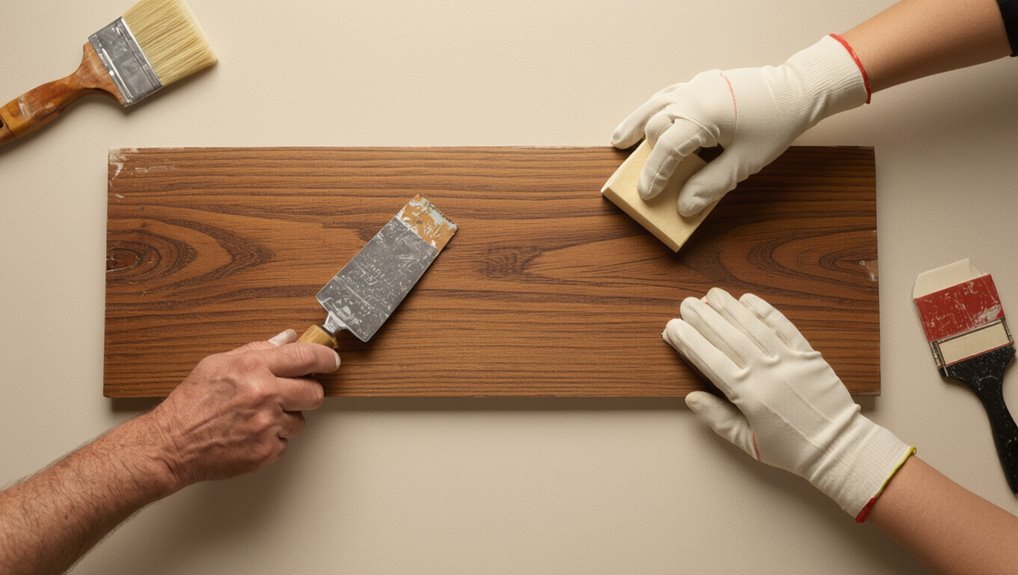
Are you tackling this because you need a quick fix, you work with finishes every day, or you’re protecting a treasured antique?
Identify your role: you’ll choose different DIY Techniques if you’re casual, follow Professional Tips when you’re hired, and consult Collector Insights for valuables.
Each path faces specific Restoration Challenges, so tailor methods, tools, and caution to match skill level and object value.
Quick Answer: Safest Way to Remove Paint From Wood
First identify the paint type—latex, oil, or enamel—so you can choose an appropriate remover.
Then test a small, inconspicuous area to make sure the wood and finish won’t be damaged.
If the test goes well, start with the gentlest remover or method and only step up strength if needed.
Assess Paint Type
Before you pick a removal method, identify the paint type on your wood—latex, oil-based, shellac, or lacquer—because each needs a different approach to avoid damage.
You’ll observe paint characteristics and choose safe removal techniques. Trust your senses and notes.
- Fear: oil stains feel stubborn.
- Hope: latex often softens.
- Relief: shellac lifts cleanly with alcohol.
Test A Small Area
When you’re ready to remove paint, always test a small, inconspicuous spot first so you can confirm the cleaner or method won’t damage the wood’s finish or stain color.
Work on a tight test area with the least visible grain, apply your chosen product briefly, then wipe and inspect.
Repeat if needed, documenting results for damage prevention before treating larger sections.
Use Gentle Removers
Since harsh chemicals can strip finishes or darken wood, start with the gentlest removers—mild soap and water, a citrus-based solvent, or a commercially labeled wood-safe paint remover—and apply them sparingly so you can see how the wood reacts.
Use gentle techniques, test first, and favor safer solvent options.
- Breathe relief
- Feel confident
- Smile at restored grain
How to Assess the Paint: Latex, Oil, or Fresh Spill
Curious which type of paint you’re dealing with? Inspect the stain: latex is rubbery and peels when dry, oil feels slick and amber when old, and a fresh spill looks wet or tacky.
Test a hidden edge with water and mineral spirits for spill response clues. Note paint characteristics clearly so you choose the right removal method without harming the wood.
How to Check the Wood Finish Before You Start
Want to avoid ruining a finish while removing paint? Check wood finish types first: polyurethane, shellac, lacquer, or oil.
Test a hidden spot with solvent appropriate to the finish for finish compatibility. If it dulls or softens, stop and choose gentler methods.
- Inspect grain and sheen.
- Test small area.
- Note reaction before proceeding.
When to Call a Professional Restorer
If the paint covers intricate carving, valuable antiques, or a finish that reacts badly to solvents, call a professional restorer—you’re protecting the piece’s value and avoiding costly mistakes.
You should also seek expert assessment when damage is extensive, stains penetrate deeply, or DIY attempts risk stripping original finish.
A restorer uses specialized restoration techniques and tools you likely shouldn’t attempt alone.
Safety First: PPE and Ventilation Essentials
Safety comes first—so suit up before you touch any paint or solvent.
You’ll need protective gear and clear ventilation techniques to stay safe. Prioritize mask, gloves, and airflow; don’t improvise.
- N95 respirator — protects lungs, reduces panic.
- Chemical-resistant gloves — protect skin, give confidence.
- Fans/open windows — force fumes out, calm your nerves.
Essential Tools and Products for Paint Removal on Wood
Gather the right tools before you start: a selection of scrapers, heat and chemical options, abrasives, and finishing supplies will make paint removal on wood faster and safer. You’ll need brushes, drop cloths, and gloves. Compare paint stripper options and consider natural alternatives for delicate finishes. Choose sandpaper grits, scrapers, a heat gun, and tack cloths.
| Tool | Purpose |
|---|---|
| Scrapers | Remove loose paint |
| Heat gun | Soften layers |
| Sandpaper | Smooth surface |
| Strippers | Dissolve coatings |
Test-Spot Procedure to Avoid Surface Damage
Before you commit to a full strip, always perform a small test spot in an inconspicuous area so you can see how the wood and finish react to your chosen method.
Treat that test area as your safety check for damage prevention.
Treat that test spot as your safeguard—confirming the finish and wood tolerate your method before proceeding.
Then follow these steps to stay confident and careful:
- Clean gently.
- Apply remover briefly.
- Inspect and wait.
Remove Wet Paint From Bare Wood Fast
If the paint is still wet, act fast: blot excess with a clean, lint-free cloth or paper towel—don’t rub, which pushes color into the grain—and immediately dilute remaining residue with a damp cloth and mild dish soap to lift it before it soaks in. Work gently on bare wood, rinsing and drying.
| Tool | Action |
|---|---|
| Cloth | Blot |
| Soap | Dilute |
| Water | Rinse |
Remove Latex Paint From Sealed Wood Without Stripping the Finish
First, you’ll assess the type of latex paint and the existing finish to pick the safest removal method.
Then try gentle solvents like warm soapy water, rubbing alcohol, or a commercial latex remover on an inconspicuous spot to loosen the paint without stripping the finish.
Finally, clean the area thoroughly and apply a protective coat or polish to restore and seal the wood.
Assess Paint And Finish
Start by identifying the type of finish and how firmly the latex paint is bonded to it; you’ll choose very different removal methods for a factory-sealed varnish than for a soft wax or oil finish.
Check paint characteristics and finish compatibility, then assess risk.
Decide what to preserve.
- Frustration
- Relief
- Confidence
Use Gentle Solvents
When latex paint sits on a sealed wood surface, you can usually lift it without stripping the finish by using mild, targeted solvents and a gentle touch; choose products designed to loosen paint but leave varnish or polyurethane intact.
Test gentle solvents in an inconspicuous spot.
Use appropriate solvent types like rubbing alcohol, citrus-based removers, or commercial latex removers, applying sparingly with a soft cloth and light pressure.
Clean And Protect
Before you finish, remove any loosened paint and then nourish the wood to restore its sheen and protect the finish from future damage.
You’ll want swift, gentle care for wood preservation and paint protection.
- Wipe with a damp microfiber cloth to lift residue.
- Apply a non-abrasive cleaner, then dry.
- Rub in a thin coat of furniture oil or wax to seal and revive.
Remove Oil-Based Paint From Hardwood Gently
If you spot oil-based paint on your hardwood, act carefully to protect the finish and the wood beneath.
Begin by softening dried paint with gentle heat or mineral spirits applied sparingly, testing a hidden spot first.
Use eco-friendly options like citrus-based removers and DIY techniques such as scraping with a plastic putty knife and wiping with a microfiber cloth to avoid abrasion.
Removing Paint From Varnished or Stained Furniture Without Losing Patina
Although the goal is to remove paint, you’ll want to protect the varnish and preserve the furniture’s patina by working slowly and testing methods on an inconspicuous area first.
Remove paint gently—protect varnish and patina by working slowly and testing methods in an inconspicuous spot first.
You’ll appreciate gentle techniques for patina preservation and furniture care:
- Soft solvent dab, blot, repeat.
- Plastic scraper at low angle.
- Fine steel wool with oil.
Work patiently to avoid stripping finish.
Remove Paint From Trim and Moulding Without Repainting
Tackle paint on trim and moulding with methods that remove the unwanted finish while keeping the original surface intact — you’ll avoid a full repaint by choosing the right tools and techniques for the material and profile.
Use gentle paint removal techniques like soft scrapers, cotton swabs with solvent, and fine abrasive pads.
Follow trim preservation tips: test small areas, work along profiles, and clean residue carefully.
Use Heat to Soften Paint on Wood Safely
Once you’ve softened and lifted loose paint from trim with scrapers and solvents, heat offers a fast way to loosen stubborn layers without sanding away detail.
After lifting loose paint with scrapers and solvents, use controlled heat—6–8 inches away—to loosen stubborn layers without sanding.
You’ll use controlled heat application for paint softening, hold a heat gun 6–8 inches away, and peel gently with a putty knife.
Follow safety: wear gloves, ventilate, and avoid scorching the wood.
- Relief
- Confidence
- Satisfaction
How to Use Chemical Strippers on Wood Safely
When you use chemical strippers, pick a product formulated for your wood type and the paint you’re removing so you get effective results without damage.
Prep the work area and the wood by ventilating, protecting surrounding surfaces, and testing a small spot.
After stripping, neutralize the surface as directed and sand or refinish to restore the wood.
Choose The Right Stripper
Choosing the right chemical stripper matters because different products suit different finishes, wood types, and safety limits—so you’ll want a stripper that removes the paint effectively while minimizing damage to the wood and risk to yourself.
Consider paint stripper types and eco-friendly options. Choose based on finish, drying time, and toxicity:
- Fast-acting
- Low-toxicity
- Gentle on grain
Prepare Wood And Area
1. You’ll begin wood preparation by cleaning dust and wax, testing stripper on a hidden spot, and sanding rough edges lightly.
Ventilate and seal the workspace; lay drop cloths and tape to guarantee area protection.
Wear gloves, goggles, and a respirator, and keep a fire extinguisher nearby.
Follow label instructions and work in manageable sections for safe, controlled stripping.
Neutralize And Refinish
Neutralize the stripper promptly and thoroughly to prevent residue from interfering with stain or finish adhesion: follow the product’s neutralizing instructions—usually a water rinse, solvent wipe, or a specifically recommended neutralizer—working in small sections and scrubbing with a nonabrasive pad until the surface feels clean and free of tackiness.
- Feel relief: neutralizing agents calm the wood.
- Feel confident: test refinishing techniques.
- Feel pride: apply finish carefully and let cure.
Solvents Explained: Rubbing Alcohol, Mineral Spirits, Acetone
When paint gets on wood, solvents like rubbing alcohol, mineral spirits, and acetone let you dissolve different types of paint without sanding away the finish.
You’ll use solvent comparisons to choose: rubbing alcohol for fresh water‑based drips, mineral spirits for oil‑based spots that’re gentler on finishes, and acetone for stubborn enamel and lacquer.
Follow safety, test first, and use effective applications for controlled removal.
Sanding and Abrasives: What Grit and How to Sand
You’ll want to pick the right grit—start coarser to remove paint, then move to finer papers to blend and smooth.
Sand with the grain using even pressure and overlapping strokes to avoid gouges or swirl marks.
Finish by vacuuming or brushing away dust and wiping with a tack cloth before refinishing.
Choosing The Right Grit
Before you pick up a sanding block, understand that grit choice determines how quickly paint comes off and how smooth the wood ends up; coarser grits (40–80) strip paint fast but leave deep scratches.
Medium grits (100–150) remove remaining finish while blending edges, and fine grits (180–220+) prepare the surface for stain or sealer without damaging the grain.
You’ll use grit selection with sanding techniques.
- Relief: start bold
- Care: refine gently
- Pride: finish ready
Proper Sanding Technique
Having picked the right grit, it’s time to sand with purpose: work along the grain, apply even pressure, and keep your strokes consistent to remove paint without gouging the wood.
Start coarse, then progress finer to smooth shifts. Use light passes for edges and contours.
These sanding techniques guarantee proper surface preparation, prevent scratches, and reveal remaining spots so you can target stubborn paint without overworking the wood.
Finishing And Cleaning
Finish by thoroughly cleaning and refining the surface: start with a medium grit to blend any remaining paint edges. Move to finer grits to smooth the wood, and always sand with the grain to avoid scratches.
Use finishing techniques and cleaning tips to restore beauty and protect wood.
- Relief: feel progress
- Pride: see grain revealed
- Calm: surface ready for finish
Using Power Tools (Oscillating Tool, Rotary) Without Gouging Wood
When you need to remove paint from wood quickly, power tools like an oscillating multi-tool or a rotary tool can be a big time-saver—but you’ve got to use them carefully to avoid gouging the surface.
Use proper power tool techniques: choose the right blade or bit, keep blades flat, work with grain, use low speed, apply light pressure, and follow oscillating tool tips to maintain control and prevent damage.
Removing Paint From Carved, Inlaid, or Delicate Wood Details
Because carved, inlaid, and other delicate wood details can easily be damaged by aggressive scraping or harsh chemicals, you’ll need a gentler, more controlled approach that prioritizes preserving the profile and finish beneath the paint.
Treat carved and inlaid wood gently—avoid harsh scrapers or chemicals to preserve profiles and underlying finishes.
Use targeted preservation techniques:
- Soft-bristled brushes and cotton swabs for carved details.
- Low-strength solvent on inlaid designs.
- Micro-tools on delicate surfaces.
Remove Paint From Unfinished Lumber Without Changing Color
Shifting from delicate trim to raw lumber, you’ll need methods that strip paint without altering the wood’s natural tone. Use gentle chemical strippers, plastic scrapers, and soft bristle brushes to protect grain, focusing on stain prevention and wood preservation.
| Tool | Purpose |
|---|---|
| Citrus remover | Soft stripping |
| Plastic scraper | Lift paint |
| Brush | Clean grain |
| Cotton cloth | Wipe residue |
| Sand lightly | Blend edges |
Remove Paint Drips From Hardwood Floors Without Harming the Finish
A few careful steps will remove paint drips from hardwood floors without harming the finish: soften the spots with a gentle solvent or warm water, lift softened paint with a plastic scraper or fingernail, and wipe residues with a soft cloth, testing each method in an inconspicuous area first.
Use these paint removal techniques and floor protection methods to stay calm:
- Slow
- Patient
- Precise
Fixing Bleed-Through, Tannin Stains, and Adhesion Issues
When paint sinks into the grain or old tannins seep back through, you’ll need targeted steps to stop discoloration and get new coatings to bond properly; start by cleaning, sanding lightly, then apply a tannin treatment or shellac sealer to block stains.
For adhesion repair, degrease, scuff-sand, and use a high-quality primer before repainting so coatings stick and won’t bleed back.
Refinish and Touch-Up Steps After Paint Removal
Once you’ve stopped stains and guaranteed good adhesion, it’s time to refinish and touch up the wood surface so it looks seamless and lasts.
With stains arrested and adhesion secure, refinish and touch up the wood to restore a seamless, lasting finish.
Use careful refinishing techniques and gentle touch up methods to match grain and sheen.
Follow these steps to restore beauty and confidence:
- Sand lightly for smoothness.
- Stain or spot-color to match.
- Seal with compatible clearcoat.
Products to Avoid That Permanently Damage Wood
Because some cleaners and solvents strip finishes or etch wood fibers, you should steer clear of harsh products like undiluted bleach, acetone, and ammonia-based degreasers that can cause irreversible damage.
Avoid toxic chemicals and commercial strippers labeled for heavy industrial use, and don’t use harsh abrasives that grind fibers and create permanent stains.
Test mild, wood-safe alternatives first and follow manufacturer guidance.
Time-Saving Methods for Large Surfaces
When you’re tackling large wood surfaces, pick methods that save time without ruining the wood.
You can use chemical strippers for fast coverage, employ power washing to speed removal on exterior boards, or rent heat guns for controlled lifting of paint.
We’ll cover safety tips and best practices for each so you can choose the right approach.
Use Chemical Strippers
Tackle large painted wood surfaces quickly by using a chemical stripper designed for wood; these products dissolve multiple paint layers at once, saving you hours of scraping.
You’ll choose among stripper types, follow chemical safety, and work efficiently.
- Relief — see paint lift instantly.
- Control — target problem areas.
- Respect — protect wood grain and yourself.
Employ Power Washing
If chemical strippers aren’t practical for expansive decks or siding, power washing speeds the job by blasting away loose paint and grime across large areas. You’ll use proper power washing techniques, adjust pressure, and keep consistent motion while prioritizing surface protection to avoid gouging wood. Check this quick guide:
| Tip | Action |
|---|---|
| Pressure | Start low |
| Nozzle | Wide fan |
| Distance | 12–18 in |
| Overlap | 50% |
| Drying | Air flow |
Rent Heat Guns
Rent a commercial-grade heat gun to speed paint removal on large wood surfaces—these units soften multiple layers quickly so you can scrape them off with less effort.
You’ll want to learn heat gun techniques and compare rental options to pick a well-maintained model.
Stay safe with gloves and a respirator.
- Relief
- Confidence
- Satisfaction
Exterior Wood: Weather-Safe Paint-Removal Approaches
Work outdoors on a calm, dry day to minimize moisture-related problems and choose methods that protect both the wood and the surrounding environment.
For exterior techniques, pick gentle strippers or pressure washing at low PSI, testing paint compatibility first.
Shield plants, collect runoff, and wear PPE.
Sand only when dry and avoid chemical use before rain.
Inspect for lead paint and follow disposal rules.
Cost and Time Estimates for Common Removal Methods
When planning paint removal, estimate both money and time so you won’t get surprised mid-project:
You’ll want a clear cost comparison and time analysis to choose between DIY scraping, chemical strippers, or hiring pros.
Consider these emotional triggers:
- DIY: cheaper, slower, frustrating.
- Strippers: moderate cost, messy, relieving.
- Pros: costly, fast, reassuring.
Common Mistakes and a Step-by-Step Checklist to Finish Safely
Before you finish, know the common removal mistakes—like over-sanding, using the wrong solvent, or skipping test spots—so you don’t damage the wood.
Put on the right safety gear: gloves, eye protection, a respirator if needed, and guarantee good ventilation.
Finally, follow a short inspection checklist to confirm all paint is removed, surfaces are smooth, and the area is cleaned before sealing or refinishing.
Common Removal Mistakes
Though it’s tempting to rush, skipping steps or using the wrong products often makes paint removal harder and can damage the wood; you’ll save time and avoid costly repairs by recognizing common mistakes up front.
- Choosing wrong paint stripper types fuels frustration and harm.
- Sanding too aggressively saps wood integrity.
- Believing common misconceptions leads to rushed, damaging fixes—stop, plan, proceed carefully.
Safety Gear Checklist
Safety gear is the one thing you shouldn’t skimp on—get the right respirator, gloves, eye protection, and clothing so you can remove paint without risking your health or the wood.
Wear a fitted respirator, protective gloves, safety goggles, long sleeves, and closed-toe shoes.
Keep a fire extinguisher handy for solvent use, ventilate the area, and have a first-aid kit nearby.
Final Inspection Steps
When you think you’re done, don’t rush—this final inspection catches issues that can undo hours of work and may create hazards.
Do a careful visual inspection, note spots needing final touch ups, and confirm surfaces are dry and safe.
Follow this checklist to avoid common mistakes:
- Recheck edges and crevices
- Test for tackiness or odor
- Remove debris and ventilate
Frequently Asked Questions
Can Paint Removal Revive Antique Finishes Without Reducing Resale Value?
Yes — you can often revive antique finishes without harming resale value if you prioritize antique preservation, use reversible, gentle methods, document work, and weigh resale considerations before altering original surfaces or provenance.
How to Store Leftover Solvent-Soaked Rags Safely and Legally?
You should store solvent-soaked rags in a labeled, sealable metal container with a self-closing lid, follow local solvent storage rules, and arrange rag disposal through hazardous-waste collection or approved incineration to prevent fires and legal issues.
Will Paint Removal Methods Affect Nearby Metal Hardware or Fittings?
Like a magnet, paint removal techniques can attract trouble to metal hardware, so you’ll protect fittings by masking, using mild solvents, rinsing promptly, and drying thoroughly; test a small area first to guarantee metal hardware protection.
Can Pets or Plants Be Harmed by Indoor Paint-Removal Fumes?
Yes, paint fumes can harm pets and plants; you should prioritize pet safety, expect plant sensitivity, use strong indoor ventilation, isolate animals, remove plants, and choose low-VOC products to minimize risks and exposure.
How to Match Repaired Spots to Aged or Sun-Faded Wood Tones?
You’ll match repaired spots by using color blending techniques—layer dyes, stains, and glazes, feathering edges, and adjusting tones; test on scraps, then seal to integrate; wood finish restoration with satin coats hides shifts and evens aging.
Conclusion
You’ve got options, whether you’re a DIYer or hiring pros, but don’t rush: paint-removal mistakes cause irreversible damage. Notably, 60% of homeowners who attempt DIY restoration report unintended finish damage, so test first and use the gentlest method that works. If the wood’s finish, age, or lead paint is a concern, stop and call a professional restorer. Follow the checklist, protect the wood, and prioritize patience over speed to preserve value and beauty.
