
Which Is the Best Exterior Paint
For most homeowners, the best exterior paint is a high-quality 100% acrylic latex with UV blockers, mildew inhibitors, and pigments rated for lightfastness; you’ll want a breathable, elastomeric or masonry primer on stucco and rust-inhibiting primers on metal. Pick lighter, UV-stable colors in hot sun and mildew-resistant formulas in humid areas. Invest in surface prep and compatible primers for longevity. Keep going to see climate- and surface-specific picks plus cost and application tips.
Who This Guide Is For
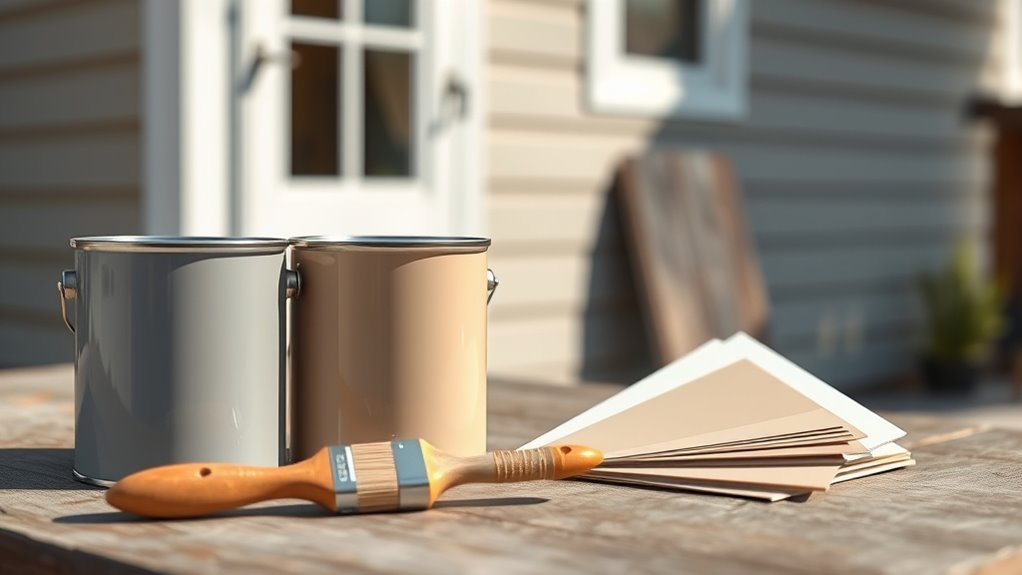
Whether you’re prepping a DIY weekend project or vetting contractors, this guide helps you choose exterior paint that matches your budget, climate, and maintenance preferences. You’re likely a homeowner, landlord, or design-minded renter weighing durability, aesthetics, and cost.
You want straightforward comparisons, tips on substrate prep, and notes on color psychology so your choices suit curb appeal and mood. If you manage rental properties or oversee restorations, you’ll appreciate advice about long-lasting coatings and maintenance cycles.
You’re also interested in eco-friendly finishes that lower VOCs and environmental impact without sacrificing performance. This guide stays practical and actionable.
Quick Answer: Best Exterior Paint for Most Homeowners
For most homeowners, a 100% acrylic latex exterior paint delivers the best balance of durability, ease of application, low VOCs, and color retention. You’ll get weather resistance, simple cleanup, and long-lasting finish without complex prep.
Pick a satin or low-sheen finish for forgiving surfaces and easier maintenance. Consider color psychology when choosing hues—lighter shades reflect heat and feel welcoming, while deeper tones add contrast and curb appeal.
Look for eco friendly formulations certified for low emissions and reduced hazardous chemicals. Prioritize reputable brands with good warranties and test samples on your facade before committing to a full project.
How Climate Shapes Exterior Paint Choices
Because local weather drives how paint performs, you should match your exterior coating to your climate’s specific challenges.
In sunny regions pick fade-resistant pigments and lighter hues to reflect heat.
In humid zones prioritize mildew-resistant formulations and good breathability.
Coastal homes need corrosion inhibitors and UV protection against salt spray.
Cold climates demand flexible coatings that resist cracking from freeze-thaw cycles.
Don’t ignore color psychology: choose tones that suit mood and neighborhood while minimizing heat gain.
Also weigh environmental sustainability—low-VOC, durable paints reduce emissions and repaint frequency, saving money and lowering long-term environmental impact.
Exterior Paint Types: Latex, Acrylic, and Oil Explained
You’ll want to weigh the pros of latex for easy cleanup and flexible performance in changing temperatures.
Consider acrylic when you need long-lasting durability and superior adhesion on tricky surfaces.
If you need a hard, traditional finish with excellent leveling, oil-based options are worth considering despite longer dry times.
Latex Paint Benefits
When you pick latex paint for your exterior, you get a water-based formula that dries fast, resists cracking, and cleans up with just soap and water. You’ll appreciate easy application, quick recoat times, and flexibility that accommodates temperature shifts without brittle failure.
Latex resists fading, holds pigments well, and supports color psychology choices—so bold or calming hues perform reliably. Low-VOC, eco-friendly formulations reduce odors and environmental impact, making it safer for you and neighbors.
Maintenance is simple: rinse, spot-prime, and repaint as needed. For many homes, latex delivers practicality, cleaner handling, and dependable appearance over time.
Acrylic Paint Durability
If latex offers easy upkeep and flexibility, acrylic steps up where long-term weather resistance matters most. You’ll value acrylic for strong UV defense and water shedding that limit color fading. Its binder locks pigment stability, so hues stay truer longer under sun, rain, and temperature swings. You’ll also appreciate flexibility that resists cracking and adhesion on varied substrates. Maintenance stays simple: occasional washing and spot touch-ups. Consider higher-grade acrylics for coastal exposure or intense sun. Compare brands by resin quality and pigment load to choose durable finishes that keep exteriors vibrant.
| Feature | Benefit | When to Choose |
|---|---|---|
| UV resistance | Reduces color fading | Sunny climates |
| Water resistance | Prevents moisture damage | Wet regions |
| Flexibility | Resists cracking | Temperature swings |
| Pigment stability | Long-lasting hue | High-exposure areas |
Oil Paint Characteristics
Although oil-based paints dry more slowly than waterborne options, they give you a hard, durable finish that excels at resisting scuffs and stains on trim, doors, and high-traffic exterior surfaces. You’ll appreciate classic oil paint characteristics: strong adhesion, smooth leveling, and longevity in harsh weather.
Expect richer colors and a distinctive exterior sheen that highlights architectural details. Keep in mind slower curing and tougher cleanup. Choose oil where durability and appearance trump quick recoats.
- Superior abrasion resistance
- Smooth, brush-friendly application
- Enhanced gloss retention (exterior sheen)
- Longer maintenance intervals
How to Choose Paint by Surface: Wood, Stucco, Brick, Vinyl, Metal
When you’re choosing paint, match the product to the surface—wood needs careful prepping like sanding and priming to prevent peeling.
For stucco and brick, use breathable masonry paints that handle moisture.
Vinyl benefits from flexible, low-VOC coatings that won’t crack.
Metal requires rust-inhibiting primers and durable topcoats to protect against corrosion.
Wood Surface Preparation
Because wood soaks up and shows every imperfection, prepping the surface properly is what makes your paint job last and look professional. You’ll inspect for rot, sand glossy areas, and strip loose paint. Use a quality primer compatible with eco friendly finishes, and consider decorative techniques like glazing for accents. Follow these steps:
- Remove loose paint, nails, and trim damaged wood.
- Repair or replace rotten sections; fill small gaps with exterior filler.
- Sand to smooth grain and feather edges; clean dust and mildew.
- Apply a breathable primer; then paint with suitable exterior wood paint.
Masonry And Vinyl Coatings
Curious which paint will hold up on brick, stucco, or vinyl? You’ll pick masonry coatings for porous brick and stucco—breathable acrylic elastomeric for hairline cracks, masonry-specific primers for efflorescence, and high-solids latex for durability.
For vinyl, use flexible, low-VOC acrylics to prevent peeling and warping; don’t use heavy oil-based paints.
Consider color blending on large runs to avoid patchy shifts, and test small areas.
Do a sheen comparison: matte hides texture on stucco, satin eases cleaning on brick, and satin to low-gloss suits vinyl.
Prep thoroughly—clean, repair, prime—and follow manufacturer specs.
Sheen Explained: Finish, Durability, and Where to Use Each
Though sheen might seem like just a finish option, it actually signals how a paint will hold up, hide imperfections, and react to cleaning. You’ll pick sheen based on Finish options and Weather impact: flat hides flaws but sheds less dirt; satin balances durability and concealment; semi-gloss resists moisture and cleans easily; gloss stands up to heavy wear.
- Flat — good for hides, poor for wet climates.
- Satin — versatile, tolerates moderate cleaning.
- Semi-gloss — ideal for trim, gutters, high-moisture areas.
- Gloss — best for high-traffic, long-lasting protection.
How Pigment and Binder Affect Color Retention
When you pick exterior paint, the pigments and binders inside determine not just the initial hue but how long that color stays true under sun, rain, and pollution; you’ll want to assess Pigment stability and Binder formulation. Stable pigments resist UV breakdown and fading, while tough binders lock pigments to the substrate and shed dirt. Match high-quality inorganic pigments with durable acrylic or urethane binders for best retention. Check labels for UV blockers and resin type. Compare properties:
| Feature | What to look for |
|---|---|
| Pigment stability | Inorganic, lightfast ratings |
| Binder formulation | Acrylic/urethane, crosslinking |
| Additives | UV absorbers, dispersants |
Choosing Paints for Rainy or Humid Climates (Moisture Protection)
Pigment stability and a strong binder help your color resist UV and dirt, but in rainy or humid climates you also need paints that manage moisture—keeping water out while allowing trapped vapor to escape.
Choose breathable acrylics or elastomeric coatings to prevent blistering and mold. Look for mildewcide additives and proper surface prep.
Consider eco friendly options with low VOCs to protect indoor air while resisting moisture.
Monitor for color fading due to algae or stains and clean gently.
Practical choices focus on adhesion, flexibility, and breathability so your finish lasts in damp conditions.
- Use breathable acrylics
- Pick mildewcide formulas
- Prefer low-VOC, eco friendly options
- Regularly inspect for stains and color fading
Best Paints for Sunny Climates (UV Resistance)
Because intense sun can quickly break down binders and fade colors, you’ll want exterior paints formulated specifically for UV resistance. Choose acrylic-latex paints with UV-stable pigments and UV inhibitors to minimize color fading and maintain gloss.
Look for formulations tested for high-UV environments; they resist chalking and preserve paint adhesion on siding, trim, and exposed wood. Lighter colors reflect heat and reduce thermal stress, while clear topcoats with UV blockers protect stains and darker hues.
Prep surfaces thoroughly and follow manufacturer cure times so the protective additives bond properly, extending appearance and performance in sunny climates.
Mildew and Mold Resistance: When to Pick Antimicrobial Paint
Wondering if you need antimicrobial paint? You’ll pick it when moisture, shade, or poor ventilation invites mildew and mold. Antimicrobial additives help inhibit growth without masking underlying leaks; you should still fix water sources first.
Choose eco friendly formulations to reduce toxins, and watch for coatings that resist color fading under sun and cleaning.
- Use antimicrobial for damp walls or shaded eaves.
- Prioritize mold-killing primers before finish coats.
- Prefer eco friendly formulations with tested efficacy.
- Balance mildew resistance with warranty, durability, and minimal color fading.
Breathability and Vapor Permeability for Masonry and Stucco
When you’re painting masonry or stucco, check vapor permeability ratings so moisture can escape without damaging the substrate.
Pick breathable paint formulations designed for high-humidity walls rather than impermeable coatings that trap water.
Combine the right paint with moisture management strategies like proper flashing, drainage, and substrate repairs to keep the wall dry.
Vapor Permeability Ratings
How breathable is your exterior paint, and why does it matter for masonry and stucco? You need vapor permeability to let trapped moisture escape; breathable coatings prevent blistering and salt damage. Check standardized ratings (e.g., perms, SD-values) to compare products.
- Look for higher perm values—more vapor permeability helps drying.
- Consider substrate and climate—cold walls may need greater breathability.
- Verify lab-tested ratings and manufacturer data sheets before buying.
- Balance breathability with durability; extremely high permeability may trade off dirt resistance.
Use ratings to choose paints that protect masonry and stucco while allowing controlled moisture movement.
Breathable Paint Formulations
Because masonry and stucco need to shed trapped moisture without trapping water vapor behind the surface, breathable paint formulations are designed to let vapor pass while still providing protection and color. You’ll choose paints with high vapor permeability ratings so moisture exits without compromising the substrate.
Look for mineral or silicate-based options and modern acrylics labeled breathable; they resist wind-driven rain yet allow evaporation. Consider eco-friendly formulations that meet VOC regulations to minimize indoor and outdoor pollution.
Test adhesion and porosity compatibility on a small area, and follow manufacturer instructions for priming and curing to guarantee lasting performance.
Moisture Management Strategies
After choosing a breathable paint, you’ll need a broader moisture management plan that balances vapor permeability with water resistance for masonry and stucco.
You’ll assess substrate condition, select vapor-permeable primers, and position moisture barriers to avoid trapping damp.
Use water resistant coatings where splash and wind-driven rain are likely, but keep them compatible with breathable topcoats.
Monitor drying paths so vapor can exit without pooling.
- Inspect substrate for salts, cracks, and trapped moisture.
- Install vapor-permeable primers and breathable paints.
- Place moisture barriers behind cladding, not over stucco.
- Apply water resistant coatings selectively at vulnerable zones.
Adhesion Challenges and Primer Compatibility for Tough Surfaces
When you’re prepping tough surfaces like glossy metal, dense plastics, or weathered masonry, getting paint to stick starts with recognizing the unique adhesion barriers each material presents; contaminants, low surface energy, and existing coatings can all prevent a durable bond.
You’ll clean, abrade, or degloss as needed to restore surface adhesion, then choose primers rated for those substrates.
Check primer compatibility with your chosen topcoat—acrylic, epoxy, or alkyd—to avoid delamination.
Spot-test adhesion after priming, and use bonding primers or adhesion promoters for problematic plastics and slick metals.
Proper prep and correct primer guarantee long-lasting exterior finishes.
Durability vs. Flexibility: Avoiding Cracking and Peeling
Good surface prep and the right primer set you up for a lasting finish, but paint still needs to balance toughness with movement to resist cracking and peeling. You want a flexible binder that expands and contracts with substrates while retaining abrasion resistance.
Consider coatings rated for temperature swings and UV protection to limit color fading. Also weigh environmental impact—low-VOC formulas reduce toxins but must still provide resilience.
Choose systems tested for your climate, and inspect seams and trim regularly. Remember, the right balance preserves appearance and substrate integrity.
- Select flexible acrylics
- Prioritize UV-stable pigments
- Use compatible primers
- Monitor for stress signs
DIY Ease: Application and Touch-Up Tips for Homeowners
If you want a smoother DIY job, pick tools and products that match your skill level and the surface—high-quality rollers, angled brushes for trim, and a paint labeled for easy application will cut your work time and mistakes. Prep thoroughly: clean, sand, and prime. Test colors in sunlight to use color psychology for curb appeal. Work in small sections, feather edges, and keep a wet edge. For touch-ups, keep leftover paint in labeled cans; follow paint storage tips to extend usability. Use the table below for quick guidance.
| Task | Tool | Tip |
|---|---|---|
| Trim | Angled brush | Light strokes |
| Siding | Roller | Maintain wet edge |
| Touch-up | Small brush | Blend outward |
| Storage | Labeled can | Cool dry place |
Longevity Expectations: How Long Top Exterior Paints Last
Because climate, surface prep, and paint quality all affect results, you can expect exterior paint to last anywhere from about 5 to 20 years—lower for cheap latex on weathered wood, longer for premium acrylics or elastomeric coatings on well-prepped substrates.
Expect exterior paint to last roughly 5–20 years, depending on climate, surface prep, and paint quality.
- Inspect annually: you’ll catch early color fading or cracking before widespread failure.
- Clean gently: mildew and dirt degrade paint texture and binders, shortening life.
- Spot-repair: touch up exposed nail heads and chips to prevent peeling.
- Recoat strategically: choose the right sheen and primer to maintain adhesion and resist UV, extending service life.
Cost vs. Performance: Where to Splurge and Where to Save
You should splurge on a high-quality exterior paint for the main surfaces, since paint type determines durability and resistance.
Invest in thorough surface preparation—proper cleaning, caulking, and priming will make even mid-range paint perform better.
Save on trim and accents with a durable, budget-friendly option if the main coats are premium.
Paint Type Importance
When deciding where to allocate your budget, think of paint as an investment in protection as well as appearance. You’ll choose between acrylic, oil, elastomeric and hybrid formulas—each affects durability, color consistency and environmental impact.
Spend more where weather and siding demand longevity; save on trim or discreet spots.
- Acrylic: durable, good for color retention and breathability.
- Oil: smooth finish, useful for metal or high-traffic trim.
- Elastomeric: seals cracks, ideal for stucco, pricier but protective.
- Hybrid: balances cost and performance, versatile for many surfaces.
Pick based on exposure, maintenance and lifespan.
Surface Preparation Investment
Although surface prep doesn’t grab headlines, it’s where your paint job’s longevity is truly decided, so spend wisely. You should invest in cleaning, scraping, and repairing siding before worrying about color schemes or paint branding—these matter, but they’re cosmetic without proper adhesion.
Splurge on quality primers, caulk, and rust treatment where substrates are compromised; that prevents peeling and costly redo. Save on minor sanding and masking tools if you’re meticulous.
Hire pros for extensive rot or power-wash needs; DIY small fixes. Balance cost vs. performance by prioritizing durability first, then match finishes to your aesthetic.
Trim And Accent Savings
How much should you spend on trim and accents without blowing your budget? You want standout details, but you also need color consistency and paint durability. Spend where it matters: high-traffic trim and focal accents. Save on secondary trim with good-quality midrange paint and careful application.
- Prioritize high-quality paint for door and window trim to guarantee paint durability.
- Use midrange acrylic for eaves and undersides where wear is lower.
- Touch up with matching mid-tier products to maintain color consistency over time.
- Invest in primer and proper prep to extend lifespan and reduce repaint frequency.
Low-VOC and Environmental Considerations for Exterior Paint
Because exterior paint stays exposed to weather and air, choosing low-VOC formulas matters for your health and the environment. You’ll want eco friendly formulations that balance durability with VOC reduction so off-gassing and pollution stay minimal. Check labels for certified low-VOC or zero-VOC ratings and third-party seals; they verify claims.
Consider lifecycle impacts: manufacturing, transport, and disposal. Water-based acrylics often offer lower emissions and easier cleanup than solvent-based coatings.
If you renovate, ventilate work areas, wear appropriate protection, and dispose of leftover paint at hazardous-waste or recycling programs to reduce environmental harm.
Color Strategy: Choosing Hues That Age Well
After you’ve narrowed choices based on VOCs and durability, pick colors that will look good now and years from now. You’ll use color psychology to set tone—warm neutrals feel welcoming; cool grays feel modern. Favor mid-range saturation and timeless contrasts so trims don’t clash as trends shift. Prioritize pigment stability to resist fading under sun and pollution.
Consider material and neighborhood context to keep resale appeal. Test samples at different times of day.
- Choose versatile neutrals with subtle undertones.
- Limit high-saturation accents to small areas.
- Match finish sheen to exposure.
- Check long-term pigment stability ratings.
How to Test Paint Samples Outdoors Before Committing
When you’re ready to see how a color performs in real conditions, test multiple paint samples on the actual exterior surfaces at different heights and orientations. Apply 12×12″ swatches in sun, shade, and north-facing areas. Observe at morning, midday, and dusk over several days to judge fading, sheen, and Color consistency. Note any variations and record which swatch came from which can—Batch matching matters when you return for more. Use this quick reference:
| Location | Observation |
|---|---|
| Sunny south wall | Brighter, warmer |
| Shaded north wall | Cooler, muted |
Decide only after comparing samples side-by-side.
Best Paints for White and Light Exteriors
When you pick white or light exterior paint, prioritize fade resistance so the color stays true under sun and weather.
Pay close attention to undertones—cool vs. warm tints can shift dramatically in different light.
Testing samples on your house at various times of day helps you manage both issues before you commit.
Fade Resistance
How long do you want your white or pale exterior to stay crisp and bright? You’ll prioritize fade resistance to combat color fading and rely on pigment stability in high-UV areas. Choose paints with lightfast pigments and UV-blocking additives, and guarantee proper surface prep to help longevity.
Consider finishes that reflect sunlight and resist chalking.
- Pick premium acrylics with proven pigment stability.
- Look for UV inhibitors and ceramic-enhanced formulas.
- Test small swatches exposed to sun before committing.
- Maintain by cleaning gently to remove chalk and contaminants.
These steps keep pale exteriors looking fresher, longer.
Undertone Management
Why does the slightest undertone in a “white” paint make such a big difference on your facade? You’ll notice how color undertones shift with light, reflecting warm or cool casts that change curb appeal.
Choose paints with tight pigment consistency so batches match and touch-ups vanish. Ask manufacturers for spectral data or sample large swatches on different walls and times of day. Test full gallons on a board, not just chips.
For trim and accents, pick neutrals that counterbalance the main hue. Managing undertones prevents surprises and keeps your exterior looking deliberate, clean, and consistent.
Best Paints for Dark and Saturated Exterior Colors
Though bold exterior colors can make a home stand out, choosing the right paint is essential because dark and saturated hues behave differently than lighter tones. You’ll want formulas that resist fading, enhance color saturation, and offer excellent pigment longevity.
Consider these practical options and techniques:
- High-quality acrylic latex with UV inhibitors for strong color retention.
- 100% acrylic elastomeric for surfaces needing flexibility and deeper pigments.
- Pigment-rich satin or low-sheen finishes to hide imperfections while preserving depth.
- Professional-grade primers and tinted bases to boost adhesion and uniformity.
Pick products labeled for exterior UV protection and long-term color stability.
Top Brands for Wood Trim and Fascia
When you’re finishing wood trim and fascia, pick brands known for durability, adhesion, and weather resistance—products that stand up to expansion, moisture, and UV exposure without cracking or peeling. You want paints and primers that resist color fading and offer texture enhancement options for shadow lines. Look for flexible acrylics, enamel topcoats, and stain-blocking primers from reputable makers. Compare coverage, dry time, and warranty; test small areas. Below is a quick brand snapshot to guide you.
| Brand | Strength | Finish |
|---|---|---|
| Benjamin Moore | Durability | Smooth |
| Sherwin-Williams | Adhesion | Satin |
| Behr | Value | Semi-gloss |
Top Brands for Siding and Fiber Cement
If you want siding and fiber cement that resists moisture, impact, and UV fading, choose brands known for engineered durability and consistent color retention. You’ll want coatings that honor color psychology to keep hues stable and appeal strong, plus eco-friendly formulations when sustainability matters.
Consider these trusted options:
- James Hardie with proprietary finishes that lock color and shed moisture.
- CertainTeed offering durable paints and siding systems focused on longevity.
- Sherwin-Williams Resilience line tailored for fiber cement’s needs and fade resistance.
- Benjamin Moore Aura Exterior for rich pigments, weatherproofing, and greener formulations.
Top Brands for Stucco and Masonry
For stucco and masonry, pick brands that combine breathable, flexible coatings with stain resistance and long-term UV protection so your walls stay sound and color-fast. You’ll want manufacturers known for masonry-specific elastomeric or mineral paints that resist moisture intrusion and minimize color fading.
Look for products with strong adhesion, crack-bridging properties, and warranties covering exterior conditions. Check technical datasheets for vapor permeability and mildew resistance.
If sustainability matters, seek eco-friendly options offering low-VOC formulations without sacrificing durability. Compare reviews, contractor endorsements, and sample panels to confirm texture match and long-term performance before you commit.
Top Paints for Brick and Tuckpointed Surfaces
When you’re working with brick or tuckpointed surfaces, pick masonry-specific paints that bond to porous materials and resist efflorescence.
You’ll also want breathable coatings that let moisture escape to prevent trapped water from damaging the mortar.
Before painting, address any tuckpointing issues with proper repair products so the finish lasts and looks even.
Masonry-Specific Paints
Because brick and tuckpointed surfaces demand breathability and durability, you’ll want paints formulated specifically for masonry rather than standard exterior latex. These masonry-specific paints resist color fading, bond to porous substrates, and often include eco-friendly options to reduce VOCs.
Choose coatings that handle freeze-thaw cycles and efflorescence.
- Select acrylic-modified masonry paint for adhesion and flexibility.
- Use mineral or silicate paints where chemical bonding is needed.
- Pick breathable elastomeric sparingly—only for hairline crack coverage.
- Prioritize products with long warranties and proven masonry track records.
Breathable Coating Options
If you want paint that lets moisture escape while still protecting brick and tuckpointing, focus on breathable coatings like mineral silicate and acrylic-modified masonry paints; they prevent trapped moisture, resist efflorescence, and hold up to freeze–thaw cycles without sealing the wall like impermeable latex. You’ll choose based on substrate, desired sheen, and maintenance. Look for eco friendly formulations to reduce VOCs and coatings engineered to resist color fading. Test adhesion and porosity first.
| Type | Strength |
|---|---|
| Mineral silicate | Permanence, high breathability |
| Acrylic-modified | Flexibility, ease of application |
| Limewash | Natural, low VOC |
| Masonry primer | Enhances adhesion, evens porosity |
Tuckpointing Repair Products
Though tuckpointing repair calls for both mortar skill and the right coatings, choosing paints that complement repaired joints matters just as much for durability and appearance. You’ll want breathable masonry paint that matches mortar hue, resists moisture, and accepts the right paint texture to disguise joints. Consider color contrast carefully to highlight or blend tuckpointing. Pick flexible, alkali-resistant formulas for longevity.
- Vapor-permeable masonry paint — preserves breathability, minimizes freeze-thaw damage.
- Elastomeric coating — fills tiny cracks, needs careful application.
- Mineral silicate paint — bonds chemically, great for historic brick.
- Low-sheen acrylic — balances durability and subtle contrast.
Best Coatings for Metal and Rust-Prone Areas
When you’re protecting metal or areas prone to rust, choosing the right coating makes the difference between years of service and constant touch-ups. You should select primers high in corrosion inhibitors, like zinc-rich or etch primers, then topcoat with durable acrylic or polyurethane systems for lasting metal protection.
For severe conditions, use epoxy primers and polyaspartic or industrial polyurethane finishes for superior adhesion and abrasion resistance. Look for products labeled for rust prevention and compatibility with galvanization or bare steel.
Proper surface prep—removing scale, oils, and existing rust—ensures coatings bond and perform as advertised.
Budget-Friendly Exterior Paints That Still Perform
Protecting metal and rust-prone areas can be costly, but you don’t have to overspend to get reliable exterior paint for the rest of your home. You can choose value brands that resist mildew, fade, and cracking while keeping an eye on color trends to modernize curb appeal.
You don’t need to overspend—value exterior paints now resist mildew, fading, and cracking while updating curb appeal
Look for formulations labeled for exterior use with warranties and simple prep instructions. Eco-friendly finishes are increasingly available at budget price points, giving low VOC options without sacrificing durability.
Compare coverage rates and dry times so you buy less.
- High-coverage acrylic
- Elastomeric budget blend
- Low-VOC latex
- Fade-resistant satin
Premium Exterior Paints That Save on Maintenance
If you want to spend more up front to stop frequent touch-ups, premium exterior paints deliver thicker films, enhanced binders, and advanced pigments that resist chalking, cracking, and UV fade for years. You’ll appreciate longer repaint cycles, easier cleaning, and fewer repairs, which saves labor and materials.
Pick formulations with mildew inhibitors and flexible binders for shifting climates. Consider color psychology when selecting tones—lighter shades reduce heat absorption, while bold accents lift curb appeal.
Look for eco friendly formulations that cut VOCs without sacrificing durability. Investing wisely means you’ll maintain appearance and structure with less hassle over time.
Specialty Coatings: Elastomeric, Masonry, and Anti-Graffiti
You’ll want to take into account elastomeric coatings for their crack-bridging, waterproofing benefits on stretched or aging surfaces.
For masonry, you’ll need to prep by cleaning, repairing mortar joints, and using the right primer to guarantee adhesion.
And if graffiti is a concern, look at sacrificial and non-sacrificial anti-graffiti systems so you can choose the protection and maintenance approach that fits your site.
Elastomeric Coating Benefits
When you want long-lasting exterior protection that also smooths and hides surface flaws, elastomeric coatings are a smart choice; they form a thick, flexible membrane that bridges hairline cracks, resists water intrusion, and expands and contracts with masonry and stucco so your paint job lasts longer.
You’ll appreciate elastomeric properties and surface flexibility that reduce maintenance and prevent moisture damage. Apply on sound, clean substrates; avoid deep structural repairs first.
Benefits include:
- Seam-sealing elasticity that bridges microcracks.
- Strong water repellency for damp climates.
- UV stability that slows chalking.
- Durable finish that cuts repaint frequency.
Masonry Surface Preparation
Before applying elastomeric or masonry coatings, get the substrate right: clean, dry, and structurally sound surfaces make the coating perform as designed.
You’ll inspect for cracks, loose mortar, efflorescence, and biological growth, then repair with compatible mortar or patching compounds.
Pressure-wash gently, allow full drying, and use a masonry primer if recommended.
Test patches let you confirm adhesion and evaluate color blending and texture options before committing.
Mask adjacent materials and follow manufacturer cure times.
Proper preparation prevents peeling, promotes longevity, and helps coatings bridge hairline cracks—saving time and money over premature recoats.
Anti-Graffiti Protection Methods
Because graffiti can rapidly degrade appearance and lead to repeated, costly removals, choosing the right anti-graffiti protection is essential for masonry and elastomeric finishes. You’ll want vandal resistant coatings or sacrificial films that make graffiti removal straightforward without harming substrate breathability.
Consider maintenance plans, local climate, and paint compatibility before applying. Test small areas to ensure adhesion and aesthetics.
- Apply permanent clear coats for frequent cleaning and long-term resistance.
- Use sacrificial coatings where regular removal is expected.
- Choose breathability-friendly systems for masonry to prevent moisture issues.
- Train crews on safe graffiti removal techniques and products.
Choosing the Right Primer for Your Exterior Project
Why should you pick the right primer? You’ll guarantee adhesion, block stains, and create a uniform base so topcoat performance shines. Match primer compatibility with your substrate and chosen paint type—oil over oil, acrylic over acrylic—and consider adhesion promoters for tricky surfaces.
If you change paint gloss, use a primer that evens surface porosity so sheen looks consistent. Exterior primers also resist mildew and moisture; pick one labeled for outdoor use and temperature range.
Apply according to manufacturer guidelines, allow full cure, and spot-prime repairs. The right primer saves time, improves durability, and preserves finish quality.
Surface Prep Checklist That Makes Paint Last Longer
Now that you’ve picked the right primer, get the surface ready so that paint can bond and last. You’ll remove dirt, flaking paint, and mildew, repair cracks, and sand glossy areas so coatings adhere. Consider how color psychology affects fading and heat absorption when choosing finishes, and prefer paints with eco friendly ingredients to reduce VOC exposure.
- Wash surfaces with mild detergent, rinse thoroughly.
- Scrape loose paint, treat mildew with diluted bleach.
- Fill cracks and sand smooth; dust off residue.
- Prime bare wood and rusted metal; let it cure fully.
Follow this checklist before you paint.
Application Tools: Brushes, Rollers, Sprayers-What to Use
Now that your surface is prepped, you’ll choose the right tool: use brushes for trim and tight spots, rollers for fast, even coverage on flat areas, and sprayers when you need speed or a smooth finish.
Consider roller nap and brush quality to avoid streaks. Remember sprayers can save time but require masking and practice.
I’ll walk you through when each option makes the most sense and how to get professional results.
Brushes: When To Use
Although rollers and sprayers speed coverage, brushes give you the control you need for edges, trim, and small repairs. You’ll reach tight corners, cut in along siding, and touch up blemishes without over-spraying. Think of brushes when to use detail work, not broad surfaces; reserve the paint roller or spray gun for large areas.
Choose a synthetic brush for latex and a natural-bristle for oil if needed. Keep brushes clean and shaped between strokes to maintain a crisp line.
- Cutting in around windows and doors
- Painting trim and decorative moldings
- Filling nail holes and touch-ups
- Working in tight, awkward spots
Rollers: Coverage Tips
Want to cover large wall areas fast and evenly? Use a quality roller with the right nap for surface texture. Shorter naps suit smooth siding, while longer naps grab stucco.
Load the roller evenly, roll a W or M pattern, then fill to avoid lap marks.
Practice color blending at seams by feathering edges while paint’s wet so gradual change stays invisible.
Keep a brush handy for trim and tight spots; mirror brush techniques when cutting in to match roller texture.
Clean rollers promptly to maintain pile, and swap worn covers—consistent pressure and rhythm give the best, uniform finish.
Sprayers: Pros And Cons
When you need speed and a smooth, factory-like finish, paint sprayers can’t be beat: they cover large areas quickly, reach nooks rollers miss, and cut trimming time dramatically. You’ll get even paint texture and consistent sheen, but overspray and wind require masking and practice. Consider how color psychology affects curb appeal—spray delivers uniform tones that influence perception. Choose low-VOC, exterior formulas and test spray patterns.
- Faster coverage for siding and fences.
- Better finish on textured surfaces and trim.
- More prep: masking, tarps, and neighbors’ protection.
- Learning curve: pressure, tip size, and thinning.
Weather Scheduling, Drying Times, and Recoat Windows
If you’re planning exterior painting, schedule work around consistent mild weather—temperatures between about 50–85°F (10–30°C) and low humidity give coatings the best chance to dry properly.
You’ll also manage color mixing on-site and proper paint storage to keep batches consistent. Check manufacturer dry times—touch dry, recoat window, and full cure differ by product and conditions.
Work in the warmest part of the day, avoid dew and wind-driven dust, and allow extra time when humidity or cool nights slow drying.
Follow recoat windows precisely: painting too soon causes lift; waiting too long can affect adhesion.
Common Paint Failures and How to Prevent Them
Proper scheduling and drying practices cut down on many problems, but you still need to know the common paint failures so you can spot and stop them early. You’ll prevent issues by prepping surfaces, choosing compatible products, and avoiding painting in poor conditions.
Watch for peeling, blistering, chalking, and mildew — each has distinct causes and fixes. Consider how color blending and texture enhancement affect appearance and mask defects; test small areas first.
- Peeling — fix by removing loose paint and priming.
- Blistering — avoid moisture; improve ventilation.
- Chalking — use high-quality acrylics.
- Mildew — clean with fungicide and repaint.
Maintenance Routines to Extend Paint Life
Keep a simple cleaning schedule so dirt and mildew don’t eat away at the finish.
Do a quick seasonal inspection to spot cracking, blistering, or areas where seals are failing.
Have a protective touch-up plan ready so small repairs stop problems before they spread.
Regular Cleaning Schedule
How often you should wash your exterior depends on your climate and local grime—monthly in dusty or coastal areas, and every six to twelve months in milder, sheltered locations.
You’ll protect your exterior color and preserve the paint sheen by removing dirt, mildew, and pollutants before they etch the finish. Use a soft brush, mild detergent, and a garden hose or low-pressure washer.
Avoid harsh chemicals or high pressure that can strip or lift paint.
- Rinse surfaces top to bottom.
- Test detergent on inconspicuous spot first.
- Scrub gently with a soft brush.
- Rinse thoroughly and let dry.
Seasonal Inspection Tips
Because weather and wear show up slowly, inspect your exterior at the change of each season to catch small issues before they demand a repaint. Walk around, check for cracking, blistering, mildew, and failing caulk, noting areas where sun or moisture concentrates.
Compare how color fades; Color psychology matters if you plan refreshes—select tones that age gracefully in your light. Record substrate condition and fastener rust, and verify trim and flashings stay sealed.
Consider products with eco friendly formulations when replacing damaged sections to reduce VOCs and extend lifespan. Keep a dated checklist to track trends and prioritize fixes.
Protective Touch-Up Plan
When you spot small chips, cracked caulk, or fastener rust, act quickly with targeted touch-ups to stop damage from spreading and to keep the whole job looking fresh. You’ll preserve finish and extend life by matching paint, prepping surfaces, and sealing edges. Focus on simple routines that prevent costly repaints.
- Clean and sand blemishes, then apply compatible primer to guarantee adhesion and prevent staining.
- Use thin coats while practicing color blending at seams so repairs vanish.
- Restore caulk and seal penetrations to avoid moisture intrusion.
- Feather edges for texture enhancement and uniform appearance.
Repaint vs. Spot Repair: When to Choose Each
If you’re weighing whether to repaint your whole exterior or just spot repair, focus on scope, cost, and condition.
You choose spot repair when damage is isolated, the substrate is sound, and matching color gradients is feasible; it’s quicker, cheaper, and wastes less paint.
Opt for a full repaint if fading, widespread peeling, or multiple mismatched patches make uniform appearance unlikely.
Factor in prep time, labor, and longevity: repainting resets protection, while spot fixes delay but don’t guarantee cohesion.
Also consider eco-friendly options like low-VOC paints for either approach to reduce environmental impact and improve air quality.
Reading Warranties and Manufacturers’ Claims
As you shop for paint, don’t let glossy labels or bold promises substitute for the fine print: warranties and manufacturer claims define what’s actually covered, for how long, and under which conditions. You’ll want to compare Warranty specifics and test what Manufacturer claims mean in your climate.
Read exclusions, required prep, and maintenance duties so you won’t void coverage.
- Note coverage length and start date.
- Check surface prep or primer requirements.
- Identify exclusions (fading, mildew, chalking).
- Ask how warranty transfers on resale.
Keep records and photos; claims often hinge on documentation.
How Contractor Application Changes the Best Paint Choice
Your contractor’s skill level can change which paint will perform best for your project, since experienced pros know how to adjust for surfaces and conditions.
You’ll want to weigh their preferred application technique—brush, roller, or sprayer—because some paints spread or bond better with certain methods.
Also ask how they’ll handle jobsite conditions like humidity, temperature, and dust, since those factors affect drying and adhesion.
Contractor Skill Level
When you hire a pro, their experience can change which paint will perform best on your exterior. You’ll notice skilled contractors advise paints that complement color combinations while maximizing paint durability. They’ll assess substrate, weather exposure, and drying conditions, then recommend coatings you mightn’t pick solo.
Choose a contractor whose portfolio matches your home’s style and demands.
- Inspect their past work for even coverage and sustained finish.
- Ask about warranties tied to their prep and chosen products.
- Confirm they understand your preferred color combinations and maintenance needs.
- Prefer pros who test small areas before full application.
Application Technique Choice
Contractor technique can change which paint will hold up best, so pay attention to how they plan to apply coatings before you pick a product. You’ll want to match method to paint—brush for detailed trim, roller for flat expanses, sprayer for fast coverage—and consider Color trends and eco friendly ingredients when selecting finishes. Ask about coats, drying times, and back-brushing or tipping to guarantee adhesion. Below is a quick comparison to guide choices based on application style.
| Method | Strength | Best for |
|---|---|---|
| Brush | Precision | Trim, small repairs |
| Roller | Uniformity | Walls, siding |
| Sprayer | Speed | Large facades |
Jobsite Conditions Impact
Because weather, surface prep, and access affect how paint performs, you should match product choice to the actual jobsite conditions the crew will face. You’ll consider drying windows, humidity, and wind that influence adhesion and cure.
If the site has heavy environmental pollutants, pick tougher, washable finishes. If pest control treatments are ongoing, confirm compatibility to avoid breakdown.
For constrained access, choose spray-friendly, quick-recoat systems.
Communicate with contractors about surface cleanliness, temperature ranges, and required warranties so the paint you choose survives real-world exposure.
- Assess drying window and humidity
- Check pollutant exposure
- Coordinate pest control timing
- Match finish to access
Estimating Materials and Labor by House Size (Cost Calculator)
If you want a quick, realistic estimate for exterior paint, a size-based cost calculator helps you convert square footage into materials and labor needs so you can budget confidently. You enter wall area, number of coats, and surface condition; the tool outputs gallons, primer, caulk, and estimated labor hours.
Factor in color psychology if you plan bold or light shades—coverage can vary. Choose eco-friendly formulations and note their often higher unit cost but lower VOCs. Check local labor rates and add contingency for trim, scaffolding, and repairs.
Use the calculator to compare scenarios before committing.
Case Studies: Paint Choices in Four Climates
When you pick paint for a specific climate, you’re choosing more than color—you’re matching formulation, sheen, and prep to weather challenges like UV, humidity, freeze-thaw, or salt exposure.
- Sunny, arid: You’ll favor high UV resistance and light-reflective pigments. Color psychology helps keep interiors cool. Choose durable finishes.
- Humid, tropical: Pick mildew-resistant, breathable coatings with strong adhesion. Eco-friendly formulations reduce VOCs in sealed environments.
- Cold, freeze-thaw: Use flexible, elastic paints that resist cracking. Satin or eggshell sheens minimize water intrusion.
- Coastal: Salt-resistant, corrosion-inhibiting systems and regular maintenance protect trim and metal.
Quick Flowchart: Pick the Right Exterior Paint
Although the choices can seem overwhelming, a simple flowchart helps you zero in on the right exterior paint by guiding decisions on substrate, climate, sheen, and durability needs. Start by identifying your surface—wood, stucco, brick, or metal—and follow branches for priming needs.
Next, factor climate: humid, coastal, or sunny zones steer you toward mildew-resistant or UV-stable formulations. Choose sheen based on exposure and repair frequency.
Consider color psychology for curb appeal and mood, then pick high-quality binders and eco-friendly pigments to reduce VOCs.
End with durability vs. budget to select the best match for your home.
Tools and Resources to Compare Paint Specs and Reviews
Now that you’ve narrowed paint options by substrate, climate, sheen, and budget, you’ll want reliable tools to compare technical specs and real-world reviews before buying. Use these resources to check durability, VOCs, color psychology effects, and eco-friendly ingredients so your choice suits style and sustainability.
- Manufacturer datasheets — check VOC levels, coverage, and recommended substrates.
- Independent lab tests — validate fade, adhesion, and mildew resistance.
- User reviews and forums — learn installation quirks and long-term performance in similar climates.
- Color visualization tools — preview palettes, test for color psychology impact on curb appeal.
Frequently Asked Questions
Can Exterior Paint Be Safely Used on Indoor Surfaces During Renovations?
Yes — you can use exterior paint indoors, but you should weigh outdoor durability against indoor safety: choose low-VOC formulas, guarantee ventilation, test adhesion, and avoid high-odor or lead-containing products to protect occupants and finishes.
How Do Additives Like Mildewcide Affect Paint Color Over Time?
Want a paint that stays true over years? You’ll find mildewcide boosts chemical stability, resisting mold but can speed color fading if pigment binders react; test small areas, and pick compatible formulations to avoid surprises.
Are There Pet-Safe Exterior Paints for Yards and Fences?
Yes — you can use pet-friendly paints and eco safe coatings for yards and fences; you’ll choose low-VOC, non-toxic formulas labeled pet friendly, let surfaces cure fully, and restrict pet access during application and drying.
How Soon After Painting Can Landscaping Be Replanted Near Walls?
You can replant around walls after 24–48 hours for touch-dry paint, but wait 7–14 days for full cure; plan landscape timing with wall repainting to protect roots and avoid smudging freshly painted surfaces.
Do Historic Homes Require Specific Paint Certifications or Approvals?
Yes — you’ll often need approvals: investigate whether local historic paint regulations require certification requirements or permits before repainting; you’ll follow guidelines, submit colors, and get certified or approved to protect authenticity and avoid fines.
Conclusion
You’ve got the know-how to pick exterior paint that actually lasts and protects your home, so don’t overthink it — pick the finish and formulation that matches your surface and climate. Trust high-quality acrylic or latex for most jobs, oil for specialty metal, and primer when needed. Follow the tools checklist, estimate costs, and consult specs. One great paint can change your whole house’s fate — choose wisely and paint confidently.
