
What Is Exterior Paint
Choose exterior paint by matching it to your surface, climate, and lifespan goals: favor high-quality 100% acrylics for most siding, alkyds for metal or detailed trim, and elastomeric or masonry coatings where movement or moisture are concerns. Prep properly with primer, fix rot or cracks, and pick mildew- and UV-resistant formulas for humid or sunny locations. Use satin or semi-gloss on trim for washability and flat on large walls to hide flaws. Keep going to get specific picks and application tips.
Quick Recommendation: Best Exterior Paint Types
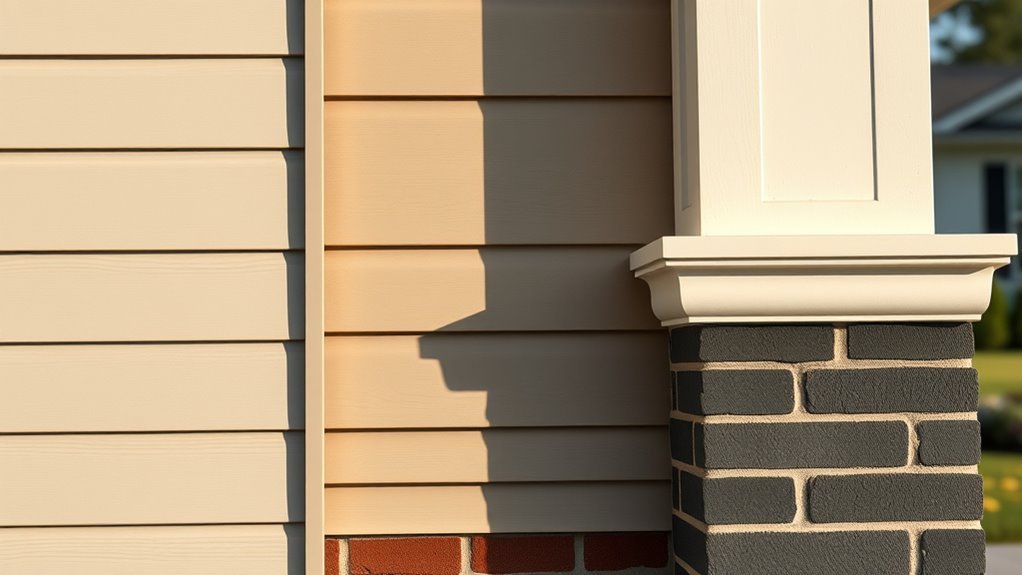
Wondering which exterior paint works best for your project? You’ll want 100% acrylic latex for most siding and trim — it balances exterior paint durability with flexibility, resists peeling, and holds color.
For most siding and trim, choose 100% acrylic latex — durable, flexible, peel-resistant, and colorfast.
Use alkyd for metal or high-traffic trim when solvent-based hardness matters.
Pick satin or semi-gloss for trim and high-contact areas; flat or low-luster hides surface flaws on large walls.
Consider modern paint color trends but prioritize pigment quality and UV resistance so the shade lasts.
Test samples on your facade, evaluate finish and adhesion, and choose a reputable brand with strong warranty support.
How Climate Affects Exterior Paint Choice
Because climate dictates how paint performs over time, you should match your exterior paint to local conditions—hot sun, freezing temperatures, humidity, salt air, and frequent rain each demand different properties.
You’ll pick formulations that resist UV fading where sun exposure is intense, flexible coatings for freeze–thaw cycles, and mildew‑resistant options when humidity levels are high.
Consider substrate compatibility and maintenance frequency, and prioritize breathable finishes in damp climates to prevent trapping moisture.
- Choose high‑UV acrylics for prolonged sun exposure.
- Use elastomeric or flexible paints in cold regions.
- Select mildew‑resistant, breathable coatings for high humidity levels.
Exterior Paint for Wood Siding
When you paint wood siding, pick a high-quality exterior acrylic or oil-modified paint that resists moisture and UV.
You’ll need to strip loose paint, sand, prime with a stain-blocking primer, and caulk gaps before you start.
After painting, plan regular inspections, touch-ups, and gentle cleaning to keep the finish protective for years.
Best Paint Types
Which paint will protect your wood siding best depends on the wood species, exposure, and your maintenance plan. You’ll choose between oil-based, acrylic latex, or hybrid formulations based on durability, flexibility, and how they handle exterior texture.
Acrylic latex resists cracking and breathes; oil-based grips dense woods and smooths rough grain; hybrids offer longer life but cost more. Consider finish: satin hides imperfections, semi-gloss sheds moisture.
Also plan for proper paint storage to preserve solvents and pigments between seasons. Match paint to climate and siding movement, and you’ll reduce peeling and maintenance.
- Acrylic latex: breathable, flexible
- Oil-based: strong adhesion for dense woods
- Hybrid: extended durability, higher cost
Surface Preparation Steps
Before you pick up a brush or sprayer, you’ll strip away loose paint, clean the siding, and repair any damage so new coatings can bond and last.
Next, scrape and use a medium-grit sander to remove flaky layers, then wash with a detergent solution or low-pressure power washer to eliminate surface contamination like dirt, mildew, and oils.
Replace rotten boards, fill gaps with exterior-grade caulk, and tighten loose fasteners so surfaces are stable.
Allow wood to dry fully before priming.
Use a compatible primer to promote paint adhesion, working from top to bottom and following manufacturer dry times.
Long-Term Maintenance
Although well-applied paint can protect wood for years, you’ll need a simple, regular maintenance routine to catch problems early and extend that lifespan. You should inspect siding twice yearly, washing grime and checking for peeling, cracking, or mildew.
Touch up chips promptly to preserve paint durability and maintain color consistency across panels. Re-caulk joints as needed and sand any raised edges before repainting.
Keep gutters and trim clear to prevent water damage that undermines coatings. Record dates and materials so future work matches existing finish and lifespan expectations.
- Inspect and wash every spring and fall
- Touch up chips immediately
- Re-caulk and sand before repainting
Exterior Paint for Vinyl and Composite Siding
When choosing colors for vinyl or composite siding, pick shades that resist fading and complement your home’s trim and roof.
Before you paint, wash the siding, repair any cracks or loose panels, and sand glossy areas for better adhesion.
Use a primer made for plastics or composites and follow the manufacturer’s drying times for a lasting finish.
Color Selection Tips
If you want your vinyl or composite siding to look its best and last longer, pick colors that balance aesthetics with material behavior—lighter tones reflect heat and reduce thermal expansion, while darker shades can accent architectural details but may increase warping risk. You’ll consider Color psychology and Seasonal color trends to match mood, neighborhood, and resale goals.
Test swatches in sunlight at different times, and view finishes up close. Think about trim contrast and longevity, not just current fashions.
- Test swatches on multiple facades and observe over days.
- Choose UV-resistant, fade-resistant formulations.
- Coordinate trim, roof, and landscape tones.
Surface Preparation Steps
Because proper prep determines how long a paint job will hold up, you’ll want to clean, repair, and prime vinyl or composite siding before you ever open a can.
Start by removing surface contamination—dirt, mildew, and chalk—using a mild detergent or trisodium phosphate solution and a soft brush or power washer on low.
Scrape loose paint, sand glossy areas to promote surface adhesion, and replace cracked trim or panels.
Rinse thoroughly and let dry.
Apply a compatible primer designed for vinyl or composite substrates, spot-prime repairs, and inspect for remaining defects before applying topcoat for durable results.
Exterior Paint for Stucco and Masonry
Although stucco and masonry demand different prep than wood or siding, you can get durable, attractive results by choosing the right breathable paints and sealing techniques. You’ll assess stucco texture, repair cracks, and remove loose material before priming.
For lasting, attractive finishes on stucco and masonry, prep carefully and use breathable primers and compatible paints.
For masonry, focus on masonry sealing to prevent moisture intrusion without trapping vapor. Use breathable primers and mineral or acrylic masonry paints suited to substrate and climate.
Apply evenly with brushes or sprayers, letting coatings cure fully. Maintain joints and recoat as needed to extend life.
- Prep: clean, patch, and test suction
- Products: breathable primer plus masonry paint
- Technique: work top-down, keep wet edges
Latex vs. Oil-Based Exterior Paint Explained
Wondering which exterior paint will stand up to your climate and maintenance routine? You’ll weigh latex and oil-based options:
Latex dries faster, resists cracking, and cleans up with water, so you’ll maintain siding with less fuss.
Oil-based paints level smoothly and suit high-traffic trim, offering durability in harsh conditions, but they need solvents and longer curing.
Choose latex for Eco friendly finishes and easier repainting; pick oil when you need adhesion on challenging substrates.
For Historic color schemes, match sheen and pigment regardless of base, and verify compatibility with older coatings before you coat.
Acrylic Exterior Paints: Strengths and Uses
Acrylic exterior paints give you excellent durability and weather resistance, standing up to UV, rain, and temperature swings without cracking.
They also bond well to a wide range of surfaces—wood, masonry, and properly primed metal—so prep is usually straightforward.
With the right surface cleaning and priming, you’ll get a long-lasting finish that needs less frequent repainting.
Durability And Weather Resistance
When you need paint that stands up to sun, rain, and temperature swings, acrylic exterior paints deliver reliable durability and weather resistance. You’ll get flexible films that resist sun exposure and reduce paint cracking, so siding and trim stay attractive longer.
Acrylic formulas shed water, tolerate freeze–thaw cycles, and retain color under UV stress. Apply them where longevity matters and maintenance windows are limited.
- Elastomeric-like flexibility minimizes substrate movement cracks
- Acrylic binders resist moisture intrusion and mildew growth
- UV-stable pigments slow fading, keeping finishes vibrant without frequent recoats
Surface Compatibility And Prep
Because different exterior substrates expand, absorb, and weather differently, you’ll want to match acrylic paint and preparation methods to the surface for best results. You should assess surface texture—smooth, porous, or rough—and clean, sand, or etch accordingly.
Use primers formulated for wood, masonry, or metal to balance absorption and improve paint adhesion. Patch cracks, remove loose coatings, and allow surfaces to dry fully before painting.
For high-moisture areas, choose breathable acrylics; for glossy substrates, use a bonding primer. Proper prep reduces failures, extends finish life, and guarantees the acrylic’s flexibility and durability work as designed.
100% Acrylic vs. Acrylic Blend: Which to Pick?
If you want durable, easy-to-clean siding that still breathes, you’ll need to choose between 100% acrylic and acrylic-blend paints. You’ll weigh longevity, flexibility, and finish—100% acrylic resists chalking and UV better; blends cost less and can be easier to touch up.
Consider color psychology when picking sheen and hue, and seek eco friendly pigments to reduce VOCs and fading. Match paint to substrate and climate; primers often matter more than brand.
Think about color psychology, choose low‑VOC pigments, and match paint and primer to your surface and climate.
- 100% acrylic: best for color retention and flexibility
- Acrylic-blend: budget-friendly, acceptable for moderate climates
- Prep and primer: critical for adhesion and durability
When Alkyd (Oil) Exterior Paints Still Make Sense
You’ll still find situations where alkyd (oil) exterior paints outperform acrylics, especially on metal, trim, and historically accurate restorations. You’ll choose alkyd when you need exceptional adhesion to slick substrates, a smoother finish for detailed millwork, or longer open time for tricky brushwork.
Consider Alkyd advantages like solvent tolerance and durable film formation on metal flashing and doors. Remember oil based benefits include resistance to wear and a glossy, enamel-like appearance that many period homes require.
You’ll weigh slower drying and stronger odors against performance gains, using alkyds selectively where their strengths clearly match the job.
Elastomeric Coatings for Heavy Waterproofing
Looking for heavy-duty waterproofing for masonry, stucco, or concrete? You’ll choose elastomeric coatings when you need heavy waterproofing that bridges hairline cracks and flexes with substrate movement.
Apply them to clean, sound surfaces; they form a thick, elastic membrane that sheds water and resists UV degradation. Expect longer drying and multiple coats for ideal film build.
Maintenance is simple: inspect and recoat where wear appears. Consider substrate prep, compatibility, and local climate before specifying elastomeric coatings for heavy waterproofing.
- Superior elongation and crack-bridging
- Thick-film application, multiple coats
- UV and moisture resistance
Masonry and Stucco Exterior Paint Formulas
Before you pick a masonry or stucco formula, make sure the substrate is clean, repaired, and free of efflorescence so coatings can bond properly.
Choose breathable masonry coatings that let trapped moisture escape while still shedding rain.
We’ll compare prep steps and breathable product options so you can pick the right system.
Surface Preparation Essentials
Although masonry and stucco can look ruggedly simple, preparing their surfaces correctly is what lets your exterior paint actually stick and last. You’ll inspect for cracks, efflorescence, and surface discoloration, then clean with appropriate cleaners and rinses.
Repair mortar joints and hairline fissures, and remove loose material to improve paint adhesion. Prime porous patches to equalize absorption, and choose primers compatible with your topcoat.
Work methodically so coatings perform under weather stress.
- Clean: pressure-wash or gentle detergent, remove efflorescence
- Repair: tuckpointing, patching, seal cracks
- Prime: spot and full-surface priming for uniform adhesion
Breathable Masonry Coatings
Now that the substrate is clean, repaired, and primed, choose coatings that let masonry breathe so trapped moisture can escape without damaging the paint film. You’ll prefer breathable coatings—silicate, mineral, or high-permeability siloxane formulas—because they balance water resistance with vapor permeability.
Test porosity and match paint to substrate alkalinity and texture. Apply thin, even coats and avoid impermeable acrylics over fresh limewash or unrendered masonry.
Monitor drying times and environment; moisture management during curing preserves adhesion. Prioritize Masonry breathability to prevent peeling, efflorescence, and freeze-thaw damage, ensuring durable, attractive exterior protection.
Best Exterior Paints for Trim and Doors
Choosing the right exterior paint for trim and doors can make the whole house look sharper and withstand daily wear—so pick products that balance durability, adhesion, and finish. You want a paint that resists scuffs, moisture, and UV while complementing outdoor furniture and garden landscaping.
Look for high-hide, fast-dry formulations with satin or semi-gloss sheen for easy cleaning and impact resistance.
Prep matters—clean and sand surfaces for best adhesion. Consider color retention and mildew resistance in humid climates.
- Fast-dry acrylic enamel for doors
- Alkyd-modified acrylic for wood trim
- Mildew-resistant satin for shady exteriors
Primer Types for Exterior Projects
What primer should you pick for an exterior project depends on the surface and the exposure it faces: oil- or alkyd-based primers lock onto bare wood and metal. High-build acrylic primers bridge small cracks and provide a uniform base. Stain-blocking or shellac primers stop tannin bleed and mildew stains.
You’ll select based on substrate, local weather patterns, and the topcoat type. Masonry needs breathable primers; previously painted surfaces may take adhesion primers. Consider corrosion-inhibiting primers for metal.
Apply with adequate paint ventilation when using solvent-based primers. Follow manufacturer recoat windows and dry-times to ensure a durable, weather-resistant finish.
Spot-Priming vs. Full Priming: How to Decide
After you’ve picked the right primer for your surface and conditions, decide whether to prime only damaged or bare spots or the whole wall. You’ll weigh cost, finish uniformity, and longevity: spot-priming saves time and materials when damage is minimal, but full priming improves priming adhesion and ensures consistent surface sealing, reducing future failures.
Decide whether to prime bare spots or the whole wall—balance cost, uniform finish, and long-term adhesion.
Choose full priming for porous substrates, drastic color changes, or widespread repairs. Spot-prime for isolated small patches with compatible existing primer.
- Use full priming for uniform sheen and color control.
- Spot-prime when substrate is mostly intact.
- Test adhesion at inconspicuous areas first.
Surface Preparation Checklist Before Painting
Before you pick up a brush, make a quick, methodical pass over the surface to identify dirt, loose paint, mildew, cracks, and any areas that need sanding or filling—this checklist keeps you from missing problems that ruin a finish later.
Check for grease and pollen; wash with appropriate cleaner and rinse thoroughly.
Scrape and sand loose edges to match surface texture for smooth gradations.
Remove mildew with a mildew remover.
Mask trim and hardware.
Note substrate type and record paint branding and sheen to match touch-ups.
Lay out tools, drop cloths, and ventilation plan before you begin painting.
Repairing Exterior Defects Before Paint
Now that you’ve inspected and prepped the surface, address any defects you found so paint will adhere and look uniform. Remove loose material, scrub chalky residue, and sand areas to a consistent paint sheen before priming.
Repair cracks, holes, and rot with suitable fillers or epoxy; let cures fully before sanding.
Replace damaged caulking around trim and windows to prevent moisture intrusion.
Check flashing and gutters for issues that can affect siding.
- Patch hairline cracks with flexible exterior filler.
- Sand glossy spots to dull the paint sheen for better bonding.
- Prime repaired areas compatible with your topcoat.
When to Replace Siding Instead of Repainting
If the siding shows widespread rot, severe warping, or chronic moisture damage, you should replace it rather than repaint; patching can’t fix structural failure or hidden decay.
You’ll weigh siding material condition, age, and insulation needs—fiber cement or vinyl with deep cracks often demands replacement, while solid wood may be salvageable if limited.
Check for persistent mold, soft spots, and failing flashing; these signal urgent Replacement timing.
Budget for removal, substrate repairs, and improved moisture barriers.
Repainting only delays inevitable costs when decay is extensive; replacing yields a durable, energy-efficient exterior and peace of mind.
Choosing Exterior Paint Sheen: Flat to Semi-Gloss
When picking an exterior paint sheen, consider how finish affects durability, maintenance, and appearance so you get the right balance for each surface. You’ll choose between flat, satin, eggshell, and semi-gloss by thinking about Sheen variance and Gloss perception: flatter sheens hide imperfections and reduce glare, while shinier sheens repel dirt and resist scuffs.
Match sheen to material—wood trim, siding, and doors need different care. Don’t assume higher gloss always looks better; it highlights flaws.
- Flat: hides texture, low reflectivity
- Satin/eggshell: balanced sheen and cleanability
- Semi-gloss: durable, high Gloss perception
How Finish Affects Durability and Look
Now you’ll look at common finish types—flat, satin, eggshell, and semi-gloss—and what each does for appearance.
You’ll see how higher sheens generally resist wear and wash better than low sheens, but they also show imperfections more.
Finally, you’ll cover how proper application and routine maintenance keep any finish looking its best.
Finish Types Explained
Though it’s easy to focus on color, the paint finish you choose plays a huge role in how your exterior will hold up and look over time. You’ll pick between flat, satin, semi-gloss and gloss based on exterior texture and desired paint sheen.
Flat hides imperfections on rough siding; satin balances durability and subtle reflection for trim and siding; semi-gloss and gloss resist dirt and are easy to clean on doors and trim. Match finish to material and climate, and you’ll reduce maintenance.
Consider these quick points:
- Surface suitability and hiding power
- Cleanability and weather resistance
- Visual contrast and highlight effects
Durability Versus Sheen
Because finish sheen changes how a surface handles wear and weather, you should match sheen to both material and exposure. You’ll see sheen influence in how light reflects, how dirt beads, and how minor damage shows.
Higher sheens resist scuffs and wash easier, so they suit trim, doors, and high-traffic zones. Lower sheens hide imperfections and reduce glare, working well on broad siding or textured surfaces.
Balance aesthetic goals with durability factors like UV exposure, moisture, and abrasion. Choose a sheen that complements substrate porosity and expected wear to maximize lifespan without sacrificing the look you want.
Application And Maintenance
How you apply and maintain exterior paint has a big impact on both how long the finish lasts and how it looks over time. You should prep surfaces, choose finishes that suit exposure, and apply paint consistently to protect substrates. Proper technique preserves color, sheen, and exterior paint textures while minimizing wear.
Use eco-friendly pigments when possible to reduce environmental impact without compromising performance. Maintain by cleaning gently, touching up chips, and recoating before full failure. Consistent inspection prevents larger repairs.
- Clean and prime for adhesion and longevity
- Match sheen and texture to location
- Schedule touch-ups and full repaints routinely
Color Selection Tips for Curb Appeal and Fade Resistance
When you pick exterior colors, aim for a balance between curb appeal and long-term fade resistance by choosing hues with proven durability and complementary accents that highlight architectural features. Use color psychology and historical palettes to match mood and context; pick UV-resistant formulas for vividness. Test trim contrast for depth, favor mid-tone neutrals for longevity, and select darker or cooler pigments where sunlight is intense. Maintain consistency with neighborhood style, but add a signature accent. Prioritize finishes that resist dirt and fading, and plan periodic touch-ups to preserve initial impact.
| Tip | Benefit |
|---|---|
| UV-resistant pigments | Longer color life |
| Mid-tone neutrals | Hide wear |
| Contrasting trim | Enhances form |
| Historical palette | Contextual harmony |
| Signature accent | Curb appeal boost |
How to Test Exterior Paint Color Outdoors
Having chosen colors that balance curb appeal and fade resistance, you’ll want to test them outside to see how light, shade, and surrounding materials alter their appearance. Apply large swatches on different elevations and materials—siding, trim, and masonry—so you observe contrast, gloss, and interaction with outdoor texture.
Check swatches at morning, noon, and dusk over several days to note subtle shifts and potential surprises. Consider how texture affects perceived depth and how finish choices relate to paint longevity.
- Place samples on north- and south-facing walls.
- Photograph samples under consistent framing.
- Tape small labelled chips near each swatch.
UV Resistance and Pigment Quality to Seek
Because sunlight breaks down pigments and binders over time, you’ll want paint formulated for strong UV resistance and high-quality colorants that retain hue and opacity. Choose coatings labeled for UV protection and check technical data for lightfastness ratings.
Pigment stability matters: inorganic pigments and engineered organic pigments resist fading better than cheap dyes. Look for acrylic or elastomeric binders that shield color and maintain film integrity.
Ask manufacturers about accelerated weathering tests and color retention guarantees. Apply proper primer and follow recommended film thickness—doing so maximizes the paint’s formulated UV protection and preserves pigment stability longer.
Mildew and Algae Resistance Features to Prefer
If your home sits in a humid or shaded location, pick exterior paints that include proven mildewcides and algaecides and are formulated to resist biological growth. You’ll want products labeled for mildew prevention and algae resistance so maintenance stays minimal and paint life extends.
Look for compatibility with your substrate and easy cleaning. Consider factory-tested formulations and warranties addressing biological staining.
- Choose paints with documented mildewcide performance and lab results.
- Prefer long-lasting algaecide additives that won’t leach quickly.
- Verify application guidelines to ensure coverage and adhesion for best mildew prevention.
Breathability and Moisture Control in Exterior Paints
Mildew-resistant formulations help keep surfaces clean, but controlling moisture movement through walls will determine how long that resistance holds up. You should pick paints that balance moisture barriers with vapor permeability so trapped moisture can escape.
Check Breathability standards and look for perm ratings or water vapor transmission data on labels. Where substrate or climate demands, add a dedicated moisture barrier behind cladding, but avoid sealing exterior paint into an impermeable shell over damp materials.
Proper substrate prep and choosing breathable topcoats reduce rot and peeling. That way you’ll protect finishes and structures while letting walls manage moisture safely.
Best Application Methods: Brush, Roller, Sprayer
When you’re choosing between brush, roller, or sprayer, think about the surface profile, project size, and desired finish—each method gives you different control, speed, and texture. You’ll pick based on detail work, large flats, or fast coverage; proper surface priming matters before any paint application.
Brushes excel at edges and trim.
Brushes are ideal for precise edges and trim, giving control where detail matters most.
Rollers deliver even coats on siding.
Sprayers cover complex textures quickly but need masking and technique.
- Brush: precise control, best for trim and corners.
- Roller: efficient for walls and broad siding.
- Sprayer: fastest for textured or large exteriors.
How Temperature and Humidity Affect Application
Because paint chemistry and drying are temperature- and moisture-dependent, you’ll get the best results by matching application to the right conditions: most exterior paints cure properly between about 50–85°F (10–29°C) and at relative humidity below roughly 85%. You should avoid painting during strong Temperature fluctuations or when Humidity levels are high. Cooler nights and hot days stress film formation; dew can ruin finish. Wind accelerates evaporation unevenly. Check forecasts and plan mornings or late afternoons. Use this quick reference:
| Condition | Risk | Tip |
|---|---|---|
| High humidity | Blushing | Wait or ventilate |
| Low temp | Poor flow | Warm substrate |
| Windy | Dry edges | Shield area |
| Rapid temp change | Cracking | Delay job |
Drying and Recoat Times for Exterior Paint
Once the paint feels dry to the touch, you still need to wait before you can safely recoat or expose the surface to weather—drying times and recoat windows depend on paint type, film thickness, temperature, humidity, and wind. You’ll follow manufacturer recoat recommendations, but adjust for cold or humid conditions that slow curing.
Even if paint feels dry, wait longer before recoating or weather exposure—cold, humidity, and thickness slow curing.
Proper cure helps paint durability and moisture resistance; rushing leads to poor adhesion, blistering, or premature failure. Check tackiness, solvent release, and film hardness before recoating. Plan work in short stages to protect the film as it strengthens.
- Allow extended cure in high humidity.
- Thin films dry faster but cure slower.
- Avoid recoating in direct sun.
Coverage Rates and Estimating Paint Quantities
If you want accurate results, start by checking the paint’s stated coverage rate—usually listed as square feet per gallon—and then measure the actual surface area you’ll coat. Multiply area by coats, adjust for doors, windows, and trim, and subtract openings.
Account for paint texture: rough or porous siding soaks more, lowering effective coverage, while smooth surfaces need less. Add 10–15% for touch-ups and waste.
Consider environmental impact when choosing higher-quality, lower-VOC paints that may cover better and reduce recoat frequency.
Round up to full cans to avoid mid-job shortages and keep a small reserve.
Budget Tiers: Best Exterior Paints Under Low, Mid, High
When you’re choosing exterior paint on a budget, think in tiers—low, mid, and high—so you can match cost with performance and longevity. You’ll pick affordable options for short-term refreshes, mid-tier for balance, and premium for durability and fade resistance.
Watch exterior paint trends for finishes and color popularity, and consider eco-friendly formulations to reduce VOCs.
- Low: basic acrylics, decent coverage, plan on quicker repaint cycles.
- Mid: improved durability, better hide, mildew resistance for varied climates.
- High: top coatings with extended warranties, color retention, and advanced weatherproofing.
Cost vs. Performance: Where to Spend More
You’ll want to weigh paint quality versus price so you don’t overpay for marginal gains.
Also factor in labor and prep costs, since a cheaper paint can cost more if the surface needs extensive work or frequent recoats.
Decide where longevity and coverage justify spending more versus where you can save without compromising results.
Paint Quality Versus Price
How much should you spend on exterior paint to get the best balance of durability and value? You want quality where it matters: UV resistance, mildew control, and adhesion. Higher-grade paints usually justify cost with longer life and better coverage, plus richer color payoff that ties into color psychology for curb appeal.
Don’t overspend on gimmicks; focus on proven performance and suitable paint texture for your siding.
- Choose premium for harsh climates and faded surfaces.
- Match sheen and texture to architectural detail and maintenance needs.
- Balance initial cost against years between recoats and warranty.
Labor And Prep Costs
1 key decision about exterior paint isn’t the brand on the can but the prep and labor you invest before any brush hits siding. You’ll save long-term by fixing rot, power-washing, and smoothing exterior texture; good labor controls adhesion and uniform paint sheen. Spend more on prep where substrates vary; skim and prime uneven areas. Choose cheaper paint only after excellent prep.
| Task | Cost Impact | Benefit |
|---|---|---|
| Power-wash | Low | Removes dirt |
| Rot repair | High | Prevents failure |
| Sanding | Medium | Smooth texture |
| Priming | Medium | Improves adhesion |
| Finish control | Low | Consistent sheen |
How to Compare Exterior Paint Brands
Wondering which exterior paint brand will hold up best on your home? You’ll compare longevity, coverage, and finish while considering exterior color trends and recommended paintbrush techniques for application.
Focus on real-world performance, warranty terms, and user reviews from similar climates. Test small samples on siding to check adhesion and sheen.
- Check UV and moisture resistance ratings against local weather.
- Compare VOC levels, ease of cleanup, and recommended tools for best results.
- Factor cost per durable square foot, including primer needs and recoat intervals.
Choose the brand that balances durability, color stability, and your application comfort.
Reading Paint Labels and Product Data Sheets
When you’re comparing exterior paints, start by reading labels and product data sheets carefully so you know what you’re actually buying: look for VOC content, substrate compatibility, recommended primers, coverage rates (in sq ft/gal), dry and recoat times, and weather- or UV-resistance claims.
You’ll check technical specs for adhesion, recommended application tools, and approved surfaces. Note listed paint texture and finish — sheens affect durability and touch-up visibility.
Pay attention to storage and handling instructions. Product data sheets can also summarize warranty terms.
Finally, assess Environmental impact indicators without substituting for the next section’s deeper eco discussion.
Eco-Friendly and Low-VOC Exterior Paint Choices
Because outdoor paints stay on your siding for years, choosing low-VOC and eco-friendly formulas cuts indoor and outdoor pollution and reduces long-term health and environmental risks. You’ll want Eco friendly finishes that resist fading and mildew while meeting local VOC regulations. Look for water-based acrylics labeled low- or zero-VOC, and check manufacturer claims against independent certifications.
Apply during mild weather to maximize curing and minimize emissions. Balance performance with sustainability by testing samples on small areas before full application.
- Choose certified low-VOC acrylics for durability and reduced odors.
- Verify third-party eco labels and ingredient transparency.
- Prioritize proper prep and disposal practices.
Understanding Paint Warranties: Coverage and Limits
If you want reliable protection for your exterior paint investment, read the warranty carefully to know what’s actually covered and what isn’t. You should confirm coverage length, surface preparation requirements, and whether labor or just materials are included.
Keep documentation of product lot numbers, application conditions, and receipts to support warranty claims. Note exclusions like chalking from sun exposure, failure from poor substrate prep, or color fade beyond typical exterior paint durability expectations.
Understand claim procedures, required inspections, and pro-rated remedies. Knowing limits prevents surprises and helps you decide if a specific brand’s warranty matches your project’s risk tolerance.
Maintenance Tips to Extend Exterior Paint Life
While regular upkeep might seem minor, it’s the single most effective way to keep your exterior paint looking great and lasting longer. You’ll prevent peeling and fading by inspecting surfaces seasonally, cleaning mildew, and addressing damage fast.
Use gentle cleaners and avoid high-pressure washing that strips primers. Keep gutters clear and trim vegetation to reduce moisture contact.
When touching up, match current exterior paint trends and consider eco-friendly pigments for lower VOC impact and better durability.
- Inspect and clean painted surfaces every spring and fall.
- Repair caulking and damaged trim promptly.
- Touch up with matched, eco-friendly pigments.
Typical Repainting Intervals by Paint Type
Knowing the paint type helps you set realistic repainting timelines, since different formulations weather and wear differently. You’ll plan repainting based on substrate, exposure, and exterior paint finish; proper paint application techniques extend service life. Typical intervals: acrylic latex lasts 7–10 years, high-quality acrylic 10–15, oil-based 5–8, and elastomeric 15–20 in harsh climates. Check seams and trim annually.
| Paint Type | Typical Interval |
|---|---|
| Acrylic latex | 7–10 years |
| High-quality acrylic | 10–15 years |
| Oil-based | 5–8 years |
| Elastomeric | 15–20 years |
Troubleshooting Peeling, Blistering, and Chalking
When paint peels, blisters, or chalks, you can usually trace the problem to surface preparation, moisture, or improper product choice. So start by inspecting the substrate, seams, and flashings for damage and dampness.
You’ll remove loose paint, wash chalk with a detergent solution, and allow full drying.
For peeling prevention, use proper primers and compatible topcoats.
Understand blistering causes: trapped moisture, painting in direct sun, or painting over hot surfaces. Address underlying leaks before repainting.
- Remove all failed coating to sound substrate.
- Use breathability-rated systems on damp-prone walls.
- Follow manufacturer’s recoat windows and temperature limits.
Dealing With Tannin Bleed and Stain Blocking
Start by spotting common tannin sources like cedar, redwood, and old water stains so you know where bleed-through might occur.
Pick a quality stain-blocking primer labeled for tannins and oil-based stains to prevent discoloration.
Prep the surface thoroughly—clean, dry, and sand or seal any exposed wood—so the primer bonds properly.
Identify Tannin Sources
Where’s that rusty-brown stain coming from? You’ll want to spot tannin sources before repainting to prevent exterior stain return. Look for raw wood, cedar or redwood trim, and old water-damaged areas; they leach tannins that migrate through paint.
- Inspect joints, cut ends, and unprimed knots for visible bleed.
- Check against copper flashing, metal fasteners, and roof runoff that can exacerbate staining.
- Note nearby vegetation and decaying wood that might contact siding or trim.
Once identified, clean and dry affected areas thoroughly. Targeted removal of tannin sources reduces recurring stains and extends finish longevity.
Choose Stain-Blocking Primer
How do you stop tannin bleed from ruining a fresh coat? Use a stain-blocking primer formulated for tannin-rich woods and exterior stains. You’ll pick primers labeled “stain blocking” or shellac-based for stubborn bleed-through; water-based shellac alternatives can suit Eco friendly finishes.
Test a small area first, especially if you’re matching Historical color schemes where pigment shift matters. Apply primer sparingly but evenly, let it cure fully, then inspect for any shadowing. If stains reappear, spot-prime again before topcoating.
Choosing the right primer prevents discoloration and keeps your chosen palette true over time.
Apply Proper Surface Prep
Before you prime, make the surface absolutely ready by cleaning, sanding, and neutralizing any tannin sources so the stain-blocking primer can do its job. You’ll remove surface contamination with a degreaser, rinse thoroughly, and let wood dry fully.
Sand glossy finishes to create bite, then vacuum and tack cloth to clear dust.
Treat knots and stubborn tannin with a dedicated blocker, following manufacturer directions. After sealing, inspect for bleed-through before topcoating.
Combine these steps with weatherproofing techniques—proper flashing, caulking, and timing coats in dry conditions—to guarantee longevity and prevent future staining.
- Degrease, rinse, dry
- Sand, clean, tack
- Prime knots with blocker
Painting Trim, Windows, and Architectural Details
Want your trim, windows, and architectural details to make the rest of the exterior shine? You’ll focus on clean lines, proper primer, and choosing colors that highlight decorative accents without overpowering siding. Match finish and paint texture to function: gloss for durability on trim, satin for window sashes. Use proper brushes for crisp edges and caulk gaps before painting. Work from top down, keeping panels dry and protected. Maintain consistency in style across details to unify the facade.
| Element | Recommendation |
|---|---|
| Trim | Gloss enamel |
| Windows | Satin finish |
| Decorative accents | Contrasting color |
| Caulking | Seal gaps before paint |
Hiring a Pro vs. DIY: Questions to Ask Contractors
After you’ve picked colors, finishes, and detailed prep for trim and windows, decide whether you’ll tackle the work yourself or hire a pro. You’ll weigh time, skill, and cost while noting exterior paint trends that affect durability and curb appeal.
When interviewing contractors, focus on clear answers about materials, timeline, and guarantees. Verify contractor licensing and ask for references and recent project photos. Use questions that reveal communication style and problem-solving.
- Ask for written estimates with prep and cleanup details.
- Confirm insurance, licensing, and warranty terms.
- Request a timeline and daily work expectations.
Seasonal Timing: Best Months to Paint Exteriors
If you plan your exterior paint job around weather and drying needs, you’ll get a longer-lasting, more professional result. You should aim for mild, dry months—usually late spring or early fall—when temperatures stay within paint manufacturer recommendations. Consider historical trends and cultural influences: some regions paint after festivals or harvests. Check forecasts for consecutive dry days and avoid extreme heat or cold. Use this simple guide to visualize timing:
| Season | Typical Months | Notes |
|---|---|---|
| Spring | Apr–Jun | Warmer nights, watch for rain |
| Summer | Jul–Aug | Hot; risk of fast drying |
| Fall | Sep–Oct | Cooler, stable humidity |
Safe Handling, Cleanup, and Paint Disposal
When you’re painting the exterior, wear proper PPE like gloves, goggles, and a respirator to protect your skin and lungs.
Clean brushes and spills with the right solvents and rags, contain runoff, and wash hands and tools thoroughly.
Dispose of leftover paint, solvents, and contaminated materials at approved hazardous-waste sites or follow local guidelines to avoid fines and environmental harm.
Personal Protective Equipment
How will you stay safe while handling, cleaning up, and disposing of paint? You’ll rely on personal protective equipment and proper safety gear to reduce exposure to fumes, splashes, and skin contact. Wear gloves, goggles, and a respirator rated for organic vapors when needed. Choose protective clothing that you can wash or discard, and make sure good ventilation is maintained.
Keep a spill kit and absorbents nearby. Know where local disposal centers accept leftover paint.
- Nitrile gloves and chemical-resistant sleeves
- Fit-tested respirator and sealed goggles
- Disposable coveralls and shoe covers
Safe Cleanup Procedures
Because proper cleanup protects you, your home, and the environment, follow a clear process for handling leftover paint, rinsing tools, and disposing of waste. You should contain drips, wipe brushes on rags, and strain excess for later use. During exterior cleaning or paint removal prep, keep runoff off soil and drains. Rinse tools over a bucket, let solids settle, then pour clear water to sanitary sewer where allowed. Store labeled leftover paint sealed and upright. Use absorbent for spills; bag contaminated rags. If unsure about disposal rules, contact local authorities.
| Item | Action |
|---|---|
| Brushes | Wipe/strain |
| Rags | Bag/seal |
| Buckets | Settle/decant |
| Spills | Absorb/contain |
Proper Paint Disposal Methods
If you finish a job with leftover paint, don’t just toss it—store usable amounts in tightly sealed, labeled containers and follow local rules for disposing of what’s left.
You should handle brushes and rags safely, avoid pouring paint down drains, and treat oil-based cans as hazardous waste.
Check community recycling paint programs and drop-off events to reduce landfill use. Contact your municipal waste authority if you’re unsure.
- Dry small latex cans with cat litter or paint hardener before regular trash disposal.
- Use designated hazardous waste facilities for solvents and oil-based products.
- Recycle paint through certified local programs when available.
Case Studies: Best Exterior Paint for Three Climates
When you match paint technology to local weather, you get longer-lasting results and fewer touch-ups; in this section we’ll examine three real-world homes—one in a humid coastal zone, one in a hot, sun-drenched desert, and one in a cold, freeze-thaw region—to show which exterior paints and finishes performed best and why. You’ll see how color psychology influenced choices and how proper paint storage preserved samples.
| Climate | Paint Type | Key Benefit |
|---|---|---|
| Coastal | Elastomeric acrylic | Moisture barrier |
| Desert | High-UV latex | Fade resistance |
| Freeze-thaw | Flexible primer+topcoat | Crack prevention |
Cost-Saving Hacks That Don’t Sacrifice Durability
You can cut costs without cutting corners by choosing the right primer for the surface—sometimes a bonding or stain-blocking primer saves you from repainting sooner.
Learn a few DIY prep techniques like pressure washing, caulking gaps, and sanding rough spots to make paint adhere better and last longer.
With smart primer choices and solid prep, you’ll get durable results on a tighter budget.
Smart Primer Choices
Because a good primer sets the stage for longer-lasting paint, choosing the right one can cut costs without cutting corners. You’ll want a smart primer that bonds well to wood, masonry, or metal to prevent future peeling and reduce repaint frequency.
An exterior primer with stain-blocking and rust-inhibiting properties saves labor and materials over time. Pick quality over novelty; concentrated formulas often cover more feet per gallon.
Apply according to manufacturer instructions and match primer type to topcoat.
- Use bonding primers for slick surfaces
- Choose alkyd or hybrid primers for durability
- Select mildew-resistant formulas for humid climates
DIY Prep Techniques
If you want durable results without breaking the bank, focus your prep on a few high-impact, low-cost techniques. You’ll pressure-wash siding, scrape loose paint, and sand just enough to feather edges—don’t overdo it.
Replace rotten trim selectively and use exterior caulk to seal gaps that invite moisture. Prime bare wood and patched areas with a quality primer suited to your topcoat choice.
Choose paints that support eco-friendly finishes when possible, and test colors against historical color palettes for curb appeal.
Work methodically, use proper safety gear, and schedule tasks around dry weather to maximize lifespan.
Quick Checklist to Finalize Your Exterior Paint Plan
While finalizing your exterior paint plan, confirm the essentials so the job runs smoothly: pick your colors and finishes, check weather windows and surface prep needs, measure areas to order the right amount of paint, plan for safety and access (ladders, scaffolding), and schedule any necessary repairs or priming before painting begins.
Finalize your exterior paint plan: choose colors/finishes, confirm weather windows, prep surfaces, measure paint, and schedule repairs.
You’ll also address ventilation to minimize exterior paint fumes and consider environmental impact when choosing low-VOC options and disposal methods. Verify timelines, crew availability, and permit needs.
Use this quick checklist to avoid delays, protect surfaces, and keep neighbors informed.
- Confirm paint quantities and backups
- Arrange safety gear and access
- Schedule pre-paint repairs
Resources and Product Guides for Buying Exterior Paint
You’ll want straightforward product guides that compare paint types so you can pick the right finish and formulation for your climate.
Check durability ratings and warranty details to understand long-term performance and what’s actually covered.
Use online color-selection tools and sample swatches to confirm how shades read on your home before you buy.
Paint Types Comparison
Which paint should you choose for your exterior project? You’ll weigh finish, breathability, and how paint application interacts with exterior textures.
Latex dries fast, cleans easily, and flexes with siding. Oil offers leveling for smooth trims but needs solvents. Hybrid and acrylic blends bridge performance and ease.
- Latex: fast drying, forgiving on varied exterior textures, easy cleanup.
- Oil/alkyd: smoother finish for detailed trim, longer open time for careful paint application.
- Acrylic/hybrid: balanced adhesion, weather resistance, good for mixed-material exteriors.
Match type to surface, climate, and your preferred application method.
Durability And Warranty
How long do you expect your exterior paint to last before it needs recoating? You’ll evaluate durability by substrate, exterior texture, and climate. Choose high-quality formulations with UV, mildew, and adhesion claims that match your surface.
Read warranty fine print: coverage length, applicable surfaces, required prep, and approved paint mixing ratios. Keep records—receipts, lot numbers, and photos—to support any claim.
Follow manufacturer prep and application steps; warranties often require professional application for full coverage. Remember warranties cover material defects, not natural wear or color preference.
Proper prep and correct paint mixing extend service life and protect your investment.
Color Selection Tools
Because the right color can make or break curb appeal, use color selection tools to narrow choices before buying samples. You’ll test swatches, compare palettes, and evaluate finishes online and in person.
Consider color psychology to match mood and neighborhood context, and note paint branding for consistency across product lines. Digital visualizers let you upload photos; fan decks reveal undertones; sample pots show true light effects.
Use these resources to avoid costly returns and to confirm sheens and coverage. Rely on manufacturer guides for application tips, and balance aesthetic goals with durability recommendations from labels.
- Digital visualizers for mockups
- Fan decks to check undertones
- Sample pots to view light effects
Frequently Asked Questions
How Long Before Rain Can Freshly Painted Exterior Surfaces Get Wet?
You should wait at least 24–48 hours before freshly painted exterior surfaces get wet; weather considerations like humidity and temperature affect paint drying, so if conditions are poor, you’ll need longer to avoid damage or tackiness.
Can Exterior Paint Cause Allergies or Respiratory Irritation in Occupants?
Yes — studies show about 20% of sensitive people react; you’ll get allergy symptoms like sneezing, itchy eyes, or worsened respiratory health from VOCs or particulates, so ventilate, use low‑VOC paints, and avoid exposure.
What Paint Is Safest for Homes With Children or Pets?
Use low-VOC or zero-VOC Child safe paints and Pet friendly finishes; you’ll choose water-based acrylics with certified low emissions, avoid oil-based or high-VOC options, ventilate during application, and follow manufacturer safety guidelines.
How to Store Leftover Exterior Paint for Future Touch-Ups?
Seal cans snugly, label lids, and store in a cool, dry closet for paint storage and leftover preservation. You’ll wipe rims, pour into smaller airtight containers, invert cans briefly, and keep records for speedy future touch-ups.
Are There Tax Credits or Rebates for Using Low-Voc Exterior Paints?
Yes — you might qualify for local or federal rebates and tax credits when choosing low‑VOC paints; check programs before buying, mention eco friendly pigments and paint application techniques to rebate officers, and keep receipts and product specs handy.
Conclusion
As you step back and scan your house—sunlight slicking off fresh color, shingles and trim crisp as a postcard—you’ll know you chose right. Match paint to climate, substrate, and budget, and you’ll get a finish that breathes through heat, shrugs off cold, and resists rain like armor. Use the checklist, follow the prep tips, and pick products from the guides; your home will wear its new coat proudly for years, not just seasons.
