
How to Eliminate Mold Odor: Fresh Home Solutions That Last
You can get rid of mold odor by finding and fixing moisture sources, airing the space, and cleaning or discarding affected items. Open windows and run fans, scrub hard surfaces with vinegar or a mold cleaner, wash fabrics, and run a dehumidifier to keep humidity low. Inspect ducts, bathrooms, basements, and crawlspaces for leaks or hidden growth. Use a moisture meter or call a pro for large problems, and keep going to learn practical cleanup, prevention, and costs.
Immediate Steps to Reduce Mold Odor Now
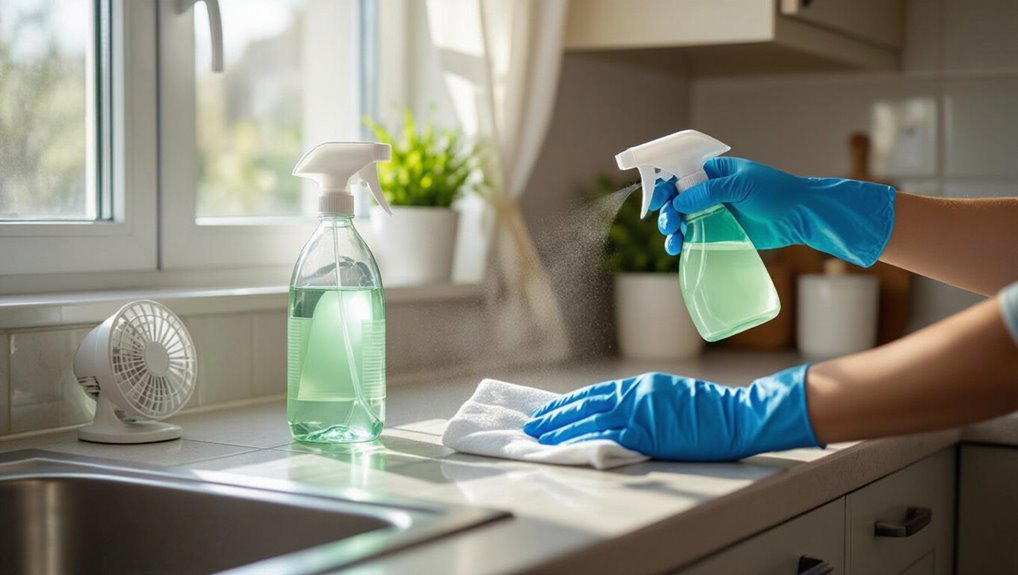
Start by ventilating the area: open windows and doors, run exhaust fans, and set up box fans to push stale air outside.
You’ll remove surface moisture, wipe visible mold with detergent, and discard soaked materials.
Use odor neutralizers on fabrics, run dehumidifiers, and maintain steady air circulation.
Use odor neutralizers on fabrics, run dehumidifiers, and keep steady airflow to prevent lingering musty smells.
Continue monitoring for persistent smells and schedule remediation if odors return.
How to Tell Mold Odor From Other Musty Smells
You can often pick out mold by a sulfuric or earthy note that feels sharper than ordinary mustiness.
If the smell lingers despite airing out the room, that’s another sign it may be mold.
Check nearby surfaces and hidden spots for visible growth to confirm and target the source.
Identify Sulfuric Or Earthy Notes
Ever notice a sharp, almost rotten-egg tang mixed into a musty room? You’re likely sniffing a sulfuric scent or deeper earthy undertones from mold.
Trust your nose: sulfuric means chemical or active growth; earthy points to damp organic decay. Check likely spots and act fast.
- Crawlspaces and basements
- Behind wallpaper
- Under rugs
- Around window sills
Notice Persistent Lingering Smell
How can you tell a mold smell is different from ordinary mustiness?
You’ll notice odor persistence: it returns after airing out rooms, cleaning fabrics, or using deodorizers.
Mold smells often feel sharper, damp and sour versus general stale air.
Trace the scent to likely mold sources like basements, behind walls, or HVAC.
If it lingers, treat it as a mold problem.
Check For Visible Growth
When a musty odor won’t quit, start by scanning visible surfaces for mold growth—check corners, baseboards, grout lines, ceiling stains, and behind furniture where moisture collects.
Use simple mold identification techniques: look for discoloration, fuzzy texture, or water damage, and note musty concentration near sources to assess health risks.
- Look for dark spots
- Smell intensity near areas
- Check soft or warped materials
- Photograph for records
Quick Diagnostics: Sniff, Visible Signs, and 3 DIY Moisture Checks
Start with a quick sniff to pinpoint where the musty smell is strongest, then scan for visible signs like discoloration or fuzzy growth on walls and ceilings.
Don’t ignore hidden moisture—check behind baseboards, under sinks, and inside closets where leaks often hide.
Those three simple checks will tell you if you need further testing or immediate cleanup.
Sniff Test First
Ever wonder whether that musty smell means a real mold problem or just stale air? You’ll start with a quick sniff test—note strength, location, and any health reactions.
People with mold sensitivity should take stronger odors seriously. Use odor detection as a first filter, then inspect visible spots.
- note intensity and duration
- check nearby surfaces
- observe any allergy symptoms
- mark suspect areas
Check Hidden Moisture
Because mold needs moisture to grow, you’ll want to find any hidden damp spots fast—these are often the real source of musty odors even if you can’t see mold yet.
Check under sinks, behind appliances, and inside crawlspaces for moisture sources.
Use simple detection techniques: a moisture meter, plastic-bag condensation test, and a flashlight plus mirror to spot damp patches and peeling paint.
Find Hidden Mold With a Moisture Meter or Infrared Camera
When you can’t see mold but smell it, a moisture meter or infrared camera will quickly point you to the problem area; these tools detect dampness and temperature differences that often signal hidden growth.
Use moisture detection and infrared technology to narrow searches, then inspect and remediate.
- Scan walls and ceilings
- Check behind appliances
- Inspect basements and crawlspaces
- Recheck after repairs
Where Mold Odors Hide: Common and Surprising Hotspots
Odors often linger where moisture hides, and you’ll usually find moldy smells in obvious spots like bathrooms, basements, and around leaking pipes—but they also show up in surprising places: inside HVAC ducts, behind wallpaper, under flooring, inside upholstered furniture, and in attic insulation.
Check crawlspaces, appliance drip pans, and behind drywall; use mold detection methods to pinpoint unexpected sources and act fast.
Small-Area Cleanup: Closets, Drawers, and Clothing
Closets, drawers, and clothing are common culprits for persistent mold smells because they trap moisture and organic matter in confined spaces.
So after checking walls, attics, and HVAC, you should inspect these small areas next. Tackle odor with targeted steps and smart closet organization, plus regular drawer cleaning to prevent recurrence.
- Air out and dry fabrics
- Wash or discard musty clothes
- Vacuum and wipe shelves
- Use desiccants and breathable storage
Large-Surface Cleaning: Walls, Ceilings, and Floors
Start by clearing the room and letting fresh air circulate so you can see and access mold-affected walls, ceilings, and floors easily. You’ll use targeted mold removal techniques, scrub with detergent, rinse, and dry thoroughly. Focus on surface preparation to prevent recurrence. Visualize priorities:
| Area | Action | Dry time |
|---|---|---|
| Wall | Scrub | 4–6 hrs |
| Ceiling | HEPA wipe | 6–8 hrs |
| Floor | Mop | 2–4 hrs |
Basement and Crawlspace Protocols for Persistent Mold Odor
In basements and crawlspaces you’ll start by sealing leaks and installing vapor barriers to get humidity under control.
You should also use dehumidifiers and proper grading to prevent new moisture from accumulating.
Finally, improve ventilation and airflow with vents, fans, or an air-exchange system to keep stale, moldy air from building up.
Moisture Control Strategies
Because basements and crawlspaces trap moisture and often sit below the dew point of the rest of your home, tackling humidity is the first step in stopping persistent mold odor.
Use humidity monitoring and drainage solutions, seal cracks, and control sources.
- Install a dehumidifier with a built-in hygrometer
- Grade soil and add gutters
- Seal foundation gaps
- Remove stored damp items
Ventilation And Airflow
Controlling humidity sets the stage, but you’ll still need effective ventilation to move stale, mold-laden air out of basements and crawlspaces. Stagnant pockets will keep odors alive even after moisture is reduced.
Install balanced intake and exhaust vents, use a dehumidifier rated for the space, and run continuous low-speed fans.
Monitor humidity levels and air quality, and seal gaps that hinder airflow to prevent recurrence.
Bathroom Fixes: Venting, Grout, and Caulking
When you tackle bathroom mold odor, focus first on ventilation, grout, and caulking—each plays a specific role in stopping moisture and preventing mildew from returning.
When combating bathroom mold odor, prioritize ventilation, grout care, and fresh caulking to stop moisture and mildew.
You’ll want ventilation upgrades and humidity control, plus routine grout cleaning and smart caulking techniques to seal leaks.
- Run exhaust fans during showers
- Scrub and seal grout lines
- Replace old caulk
- Keep surfaces dry
HVAC & Ducts: Stop Mold Odor Coming From Vents
Check your HVAC and ducts for gaps or disconnected sections, and seal any leaks to stop musty air from being pulled into your home.
You’ll want to remove vent covers and clean them plus the visible duct openings with a mold-safe disinfectant.
If the smell persists, consider scheduling a professional duct cleaning and HVAC inspection.
Inspect And Seal Ducts
Because ductwork runs through damp, hidden spaces, mold and musty smells can travel far from their source and waft into your living areas through vents.
You should perform regular duct inspection and apply proven seal techniques to stop leaks and odor migration.
- Check accessible joints and seams
- Patch gaps with foil tape or mastic
- Inspect for condensation sources
- Hire pros for inaccessible runs
Clean And Disinfect Vents
Start by removing and cleaning vent covers so you can access the grille and surrounding duct entry; you’ll cut down on musty odors by scrubbing away dust and surface mold before they spread into your HVAC system.
Then disinfect with a mold-killing solution, vacuum ducts if possible, and use proper vent cleaning techniques.
Regular maintenance improves air quality and prevents odor recurrence.
Safe Removal: DIY Limits, Health Risks, and When to Call a Pro
When mold appears, you’ll often wonder whether you can handle cleanup yourself or need a professional—this section lays out clear limits, health risks, and signs that warrant calling an expert.
When mold appears, decide quickly: small spots may be DIY, but health risks or widespread growth require an expert.
You should assess mold types and watch for health symptoms; don’t tackle large infestations or toxic molds alone.
- Extensive visible growth
- Persistent musty odor
- Respiratory or allergic reactions
- Contaminated HVAC systems
Step-by-Step Cleaning Supplies and Methods That Work
Gather the right supplies and follow a clear method to remove mold safely and effectively: gloves, N95 respirator, goggles, disposable rags or scrub brushes, a spray bottle with a diluted detergent or commercial mold cleaner, and plastic bags for disposal.
Ventilate, isolate the area, remove porous items, scrub nonporous surfaces, bag waste, and dry thoroughly.
Follow mold prevention tips and use natural deodorizing methods afterward.
Cleaning Agents and DIY Mixes That Actually Work
You can tackle mold odor with simple household mixes like vinegar and baking soda or with stronger commercial mold removers depending on the surface and severity.
Vinegar and baking soda are cheap, non-toxic options that work well on non-porous surfaces and for light odors.
For stubborn growth or porous materials, you’ll want a tested commercial product labeled for mold remediation and follow the manufacturer’s instructions and safety precautions.
Vinegar And Baking Soda
1 simple pantry pair—white vinegar and baking soda—can tackle many mold odors without harsh chemicals. You’ll spray vinegar to kill spores, then sprinkle baking soda to neutralize smells and absorb moisture. Rinse and dry thoroughly to prevent return.
- Use distilled white vinegar for vinegar benefits
- Sprinkle baking soda, wait, then vacuum
- Spot-test surfaces first
- Repeat weekly until odor’s gone
Commercial Mold Removers
Explore proven commercial mold removers and effective DIY cleaning mixes that go beyond pantry basics—these products combine targeted biocides, surfactants, and stain-lifters to kill mold, remove residue, and prevent regrowth when used correctly.
Choose commercial products rated for your surface, follow label instructions, and wear protection.
Combine with ventilation, moisture control, and other mold removal strategies to guarantee lasting results and stop odors.
Use Air Purifiers, Dehumidifiers, and Activated Charcoal Right
When dealing with persistent mold smells, combine air purifiers, dehumidifiers, and activated charcoal to attack odors at their source and prevent them from coming back.
You’ll boost air purifier effectiveness, pick correct dehumidifier sizing, and use activated charcoal uses smartly alongside purifying plants for hybrid solutions and long term maintenance.
- Run purifiers continuously
- Empty dehumidifier daily
- Replace charcoal regularly
- Monitor humidity levels
Fix the Root Cause: Moisture Control and Ventilation Upgrades
Because musty smells return if you don’t stop the moisture feeding them, fix leaks, improve ventilation, and control humidity to eliminate mold at its source.
Inspect basements, roofs, pipes, and appliances for moisture sources, seal gaps, and reroute drainage.
Upgrade ventilation types—exhaust fans, ERV/HRV systems, and range hoods—to move air out.
Monitor humidity and act fast to prevent recurrence.
Prevent Mold Odor Long-Term: Routines and Seasonal Checks
Fixing leaks and improving airflow stops most mold growth, but keeping musty smells away long-term takes routine care.
You’ll stick to mold prevention routines, track humidity, and act fast on spills. Schedule seasonal inspections to catch hidden damp.
- Check dehumidifiers and vents monthly
- Inspect basements and attics each season
- Clean drains and gutters regularly
- Rotate textiles and air mattresses
Health-Safe Practices: PPE, Disposal, and Testing Options
Before you start cleanup, suit up with proper personal protective equipment (PPE) so you don’t inhale spores or spread contamination—gloves, an N95 or better respirator, goggles, and disposable coveralls are the basics.
Follow PPE guidelines, limit cross-contamination, and bag contaminated materials for safe mold disposal.
If contamination seems extensive, consider professional testing or hire a certified remediator to assess health risks and containment needs.
Cost Estimates and a Product Checklist to Fix Mold Odor
A basic DIY mold-odor cleanup can cost as little as $50–$200 for cleaners, scrubbers, and disposable PPE.
Larger jobs or professional remediation typically run from $500 to several thousand dollars.
Use this cost comparison and product recommendations checklist to plan and buy wisely:
- HEPA vacuum and replacement filters
- Mold cleaner (enzyme or bleach alternatives)
- Scrub brushes, rags, buckets
- N95/respirator, gloves, disposal bags
Frequently Asked Questions
Can Mold Odor Return After Professional Remediation and Why?
Yes — mold odor can return after remediation because hidden mold spores or poor remediation methods leave behind contamination. You’ll notice odor persistence if air quality isn’t restored, so guarantee thorough remediation methods and follow-up testing.
Are Essential Oils Effective for Long-Term Mold Odor Removal?
Like a bandage, essential oils can mask mold odor briefly, but they won’t cure it; you’ll enjoy essential oil benefits and temporary odor absorption, yet you’ll need source removal and moisture control for long-term results.
Can Plants Help Permanently Eliminate Indoor Mold Smells?
No, plants won’t permanently eliminate mold smells; they can help slightly by improving air quality. You’ll need appropriate plant types like spider plants or Boston ferns and control indoor humidity to prevent mold and lasting odors.
Will Painting Over Moldy Surfaces Permanently Mask Odor?
No — you won’t magically erase mold stench by slapping paint on it; painting effectiveness is limited. You should fix mold, use mold prevention techniques, clean thoroughly, and address moisture sources before repainting to stop odors permanently.
Does Mold Odor Affect Home Resale Value or Insurance Claims?
Yes—you’ll likely face reduced resale value and potential insurance issues; mold detection during property inspections can flag problems, and if you don’t address odor and underlying mold, buyers may walk away or insurers might deny claims.
Conclusion
Think of your home as a garden: when you prune damp spots, pull invasive roots, and let sunlight in, the flowers thrive and scents return. You’ll act the same—sniff, seek, and seal leaks, scrub or replace spoiled materials, and boost airflow—so mildew can’t take hold again. With regular checks and simple habits, you’ll keep the air fresh, prevent new blooms of mold, and enjoy a healthier, calmer living space.
