
Can You Use Exterior Paint on Deck
You can use exterior paint on a deck in low‑traffic, sheltered spots if you prep thoroughly, expect more frequent touchups, and accept a firmer, potentially slippery finish. Clean, sand, repair, prime and apply two thin coats, and allow full cure before regular use. For high‑traffic, wet, or flexing decks you’ll get better longevity and traction with a deck‑specific coating. Keep going to see which products, prep steps, and safety tips matter most.
Quick Verdict: Can You Use Exterior Paint on a Deck?
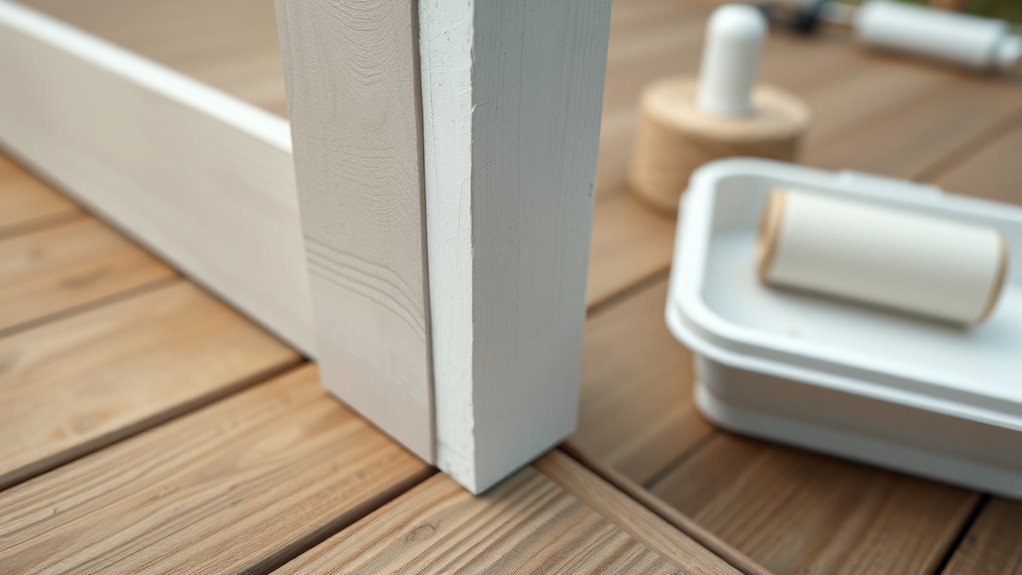
While exterior paint can be used on a deck, it’s not always the best choice because it’s formulated for vertical surfaces and may not stand up to foot traffic and moisture as well as deck-specific coatings.
You can apply it in a pinch, but expect quicker wear, chipping, and slippery patches when wet. If you value low maintenance and longevity, choose products designed for horizontal surfaces.
Still, matching deck color to your home’s interior decoration or coordinating with garden landscaping can create a cohesive look.
Ultimately, weigh cost and appearance against durability before deciding.
When Exterior Paint Can Work
There are situations where exterior paint will work fine on a deck: low-traffic areas like a small balcony, over a properly primed and sealed surface, or on composite decking that doesn’t flex much.
You can use exterior paint when the deck sees light foot traffic, is sheltered from heavy moisture, and is prepped like you’d for garden furniture—clean, sanded, and sealed.
Choose high-quality acrylic exterior paint and a flexible primer to reduce peeling.
Remember this isn’t meant for heavy-use decks; consider paints designed for floors if you want durability closer to interior walls standards.
Why Decks Differ From House Siding
Because decks handle foot traffic, direct contact with wet shoes, and constant flexing, they present challenges that house siding doesn’t. You’ll notice decks get scuffed by garden furniture, dragged pots, and boots in ways vertical siding never does.
Siding mainly sheds water and resists UV, while decks must tolerate abrasion and frequent cleaning. You’ll also spot different attachment and expansion behaviors where deck boards meet exterior trim or stair nosing. Those joints demand flexible, wear-resistant coatings.
In short, treating a deck like siding ignores mechanical stresses and surface interactions unique to horizontal, load-bearing outdoor floors.
Deck Performance Needs: Abrasion, Moisture, Traction
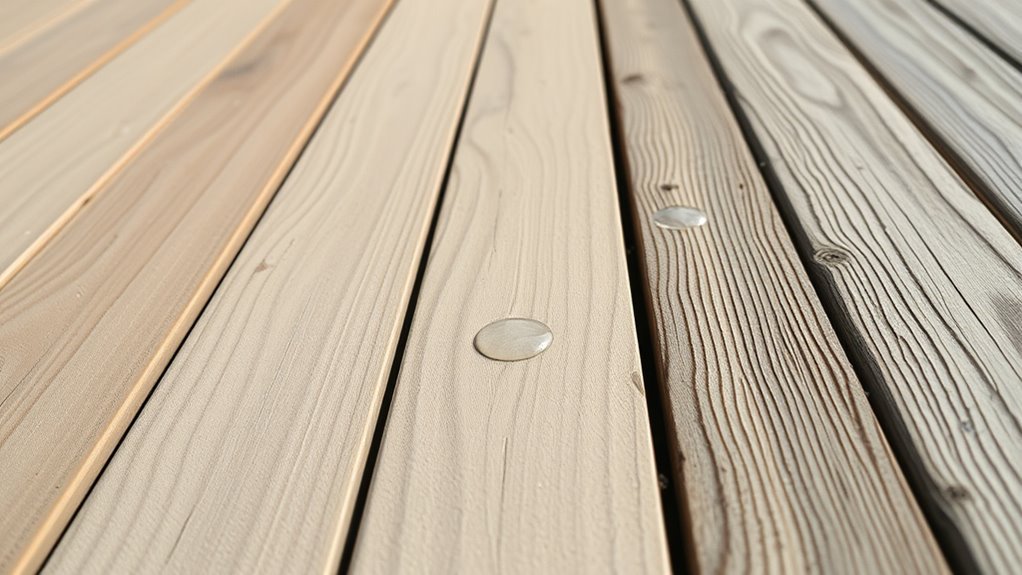
When you choose a finish for a deck, think about three performance demands that will determine its lifespan. You face abrasion from foot traffic and furniture, moisture from weather, and the need for safe traction.
Good surface preparation is essential: clean, sand, and repair to help coatings adhere and resist wear.
Pick a finish that resists scuffing and sheds water to prevent wood rot and cupping. Consider additives or textures that improve slip resistance without trapping dirt.
Also account for color fading under sun exposure; UV-resistant products keep appearance longer so you won’t be refinishing as often.
Exterior House Paint vs. Deck Coatings (Key Formulation Differences)
You’ve looked at how traffic, moisture, and traction shape a deck’s needs; now compare deck coatings to exterior house paints so you pick the right product. Deck coatings are formulated for abrasion resistance, flexible binders, and slip control; house paints prioritize film appearance and weather resistance on vertical surfaces. Consider binders, solids, pigments, and additives—those differences matter for longevity and safety.
Deck coatings focus on abrasion resistance, flexible binders, and slip control—different from exterior paints built for vertical weather protection.
Pay attention to Color matching for aesthetics and adjust Brush techniques to guarantee proper coverage without puddling. Quick checklist:
- Binder flexibility vs. hardness
- Abrasion and traction additives
- Pigment concentration and UV stability
- Drying and cure rates
Types of Deck Coatings: Stain, Solid-Stain, Paint, Sealer
If you want the right finish for a deck, start by knowing the four basic coating types—transparent stain, solid-stain, paint, and sealer—because each balances protection, appearance, and traction differently.
Transparent stains soak in, showing grain and resisting water but offer limited UV protection, so color fading is common.
Solid-stains hide grain, mask imperfections, and resist fading better than transparents.
Paint gives the most color uniformity and abrasion resistance but can chip and affect traction.
Sealers provide water repellency without changing appearance.
Choose based on maintenance tolerance, slip resistance, and the application tools you prefer—brush, roller, or sprayer.
Which Exterior Paint Types Might Pass for a Deck
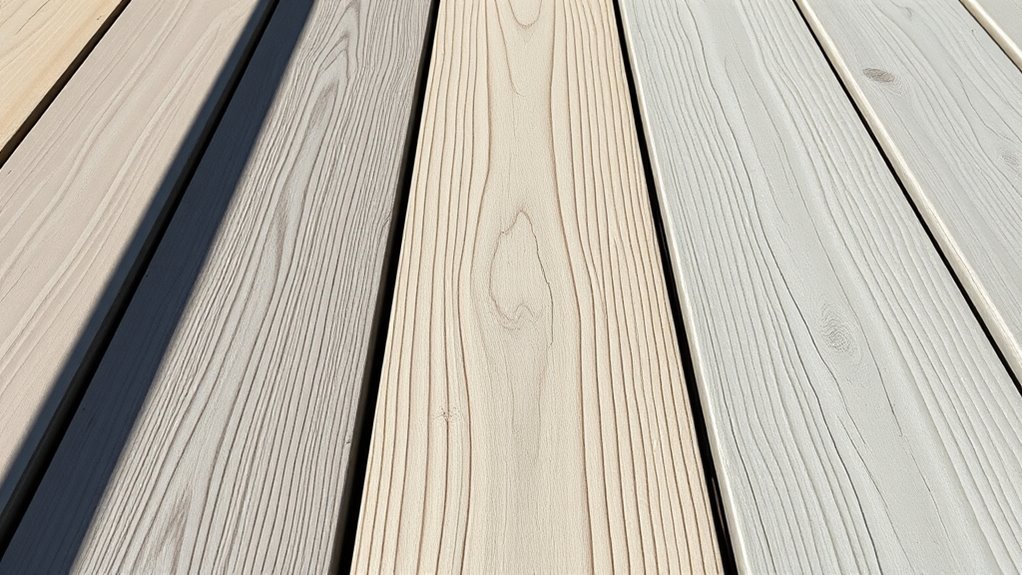
You can consider either oil-based exterior paint or acrylic latex when painting a deck, since each has strengths depending on your needs.
Oil-based paints offer strong adhesion and durability but can yellow and take longer to dry.
Acrylic latex dries faster, resists fading and cracking, and is easier to clean up with water.
Oil-Based Exterior Paint
Curious whether oil-based exterior paint will work on your deck? You can use it, but weigh pros and cons. Oil formulas penetrate wood, offering durable sheen and good adhesion on older finishes.
Note environmental impact: solvents release VOCs, and cleanup needs mineral spirits. Consider historical uses—porches and boats often used oil paints for longevity, so performance is proven.
- Strong adhesion on hardwood and weathered boards
- Slower drying; tackiness risks dirt pickup
- Requires solvent cleanup and proper ventilation
- Can crack over time with heavy flexing
Use oil-based paint selectively where durability outweighs VOC concerns.
Acrylic Latex Exterior Paint
Having covered oil-based options, let’s look at acrylic latex exterior paint and how it fares on decks. You’ll find it dries fast, resists peeling, and flexes with wood, reducing cracking.
Prep matters: clean, sand, and prime porous areas for adhesion. Acrylic latex offers easier color matching and quicker touch-ups than stains, so you can coordinate rails and furniture.
It’s lower in VOCs than oil, improving environmental impact, but it still traps moisture on some woods — test a small area first.
For high-traffic decks you might prefer specialized deck coatings, but acrylic latex is a practical, eco-friendlier choice.
When Exterior Paint Is a Poor Choice for Wood Decks
Although paint can dramatically change a deck’s look, it’s often a poor choice when the wood needs to breathe, flex, or drain—conditions that cause early cracking, peeling, and trapped moisture. You should avoid paint when the deck is rough-sawn, untreated, or frequently wet.
Paint also limits color customization and can increase environmental impact through solvents and future maintenance. Consider these situations where paint fails:
- Softwood or aging boards that swell and shrink
- Areas with poor drainage or standing water
- High-traffic, slip-sensitive surfaces
- Historic or ventilated structures where vapor transmission matters
Choose stains or sealers instead when these apply.
How to Test Paint Durability and Slip Resistance
When you want a paint job that lasts and won’t become a slipping hazard, run simple, repeatable tests for adhesion, abrasion resistance, and coefficient of friction before committing to a full coating.
Start with a small, representative board: apply your chosen color options and let cure fully.
For adhesion, perform a cross-cut or tape pull test and note any lift.
For abrasion, rub a defined area with sandpaper or an abrasive wheel and count cycles to failure.
Measure wet and dry slip resistance with a pendulum or friction meter.
Record results and consider environmental impact when selecting cleaners and test disposal.
Choosing Coatings by Deck Material (Treated Wood, Cedar, Composite)
Because each deck substrate soaks up and wears paint differently, you’ll want to match coating type and prep to the material—pressure-treated pine, cedar, and composite each demand different primers, sheen levels, and application techniques.
You’ll choose flexible stains or acrylic latex for treated wood, semi-transparent or solid stains for cedar to preserve grain, and vinyl-specific coatings for composites.
Think about coordinating with garden furniture and adjacent exterior wall colors for a cohesive look.
Consider these material-specific tips:
- Pressure-treated: use alkali-resistant primer and mid-sheen acrylic topcoat
- Cedar: low-build stain, natural finish
- Composite: manufacturer-approved coating
Match sheens for trim and garden furniture
Surface Prep Before Painting a Deck
Picking the right coating for your deck materials sets you up for success, but prep determines how well that paint will stick and last.
You’ll clear furniture, cover nearby interior design items if doors are open, and protect landscaping plants with tarps.
Sweep and blow debris, then scrub with a deck cleaner to remove mildew, oils, and old finishes.
Sand rough spots and feather edges for even adhesion.
Replace rotten boards and tighten fasteners.
Rinse thoroughly and let the deck dry fully—24 to 48 hours depending on weather—before you paint, ensuring a durable, professional-looking result.
Do You Need a Primer for Your Deck?
Do you really need a primer for your deck? You usually do if the wood is bare, stained, or previously painted; primer improves adhesion, blocks tannins, and reduces future paint removal. You’ll save time and money by preventing peeling and uneven color. Consider these points:
- Use primer on new or patched areas to guarantee uniform color options.
- Choose a wood-specific primer for tannin-rich species.
- Skip primer only on compatible exterior paints and well-sealed decks.
- Factor primer in before any paint removal to avoid sealing contaminants.
Primer isn’t always mandatory, but it’s a smart insurance policy for longevity.
Application Techniques to Boost Paint Performance
How you apply paint matters as much as which product you choose—proper technique guarantees even coverage, better adhesion, and longer-lasting protection.
Start by selecting Color options that suit sunlight and traffic; lighter tones hide heat, darker hide stains.
Sand, clean, and back-brush edges so coats bond into wood grain.
Use quality Brush techniques: load brush moderately, cut in corners, and keep a wet edge to avoid lap marks.
Roll broad areas with a short-nap roller for texture matching, then tip with a brush.
Apply two thin coats rather than one thick coat for durability and uniform finish.
Curing Times and When to Allow Foot Traffic
After you’ve applied two even coats and tipped out brush and roller marks, give the paint time to cure before walking on the deck. Drying and curing are different—surface dry can occur in hours, but full cure often takes days to weeks depending on product, temperature, and humidity.
You should wait for the manufacturer’s recommended cure time to avoid paint peeling or premature color fading. Monitor conditions: cool, humid nights slow cure; heat speeds it.
Check firmness by lightly pressing in an inconspicuous spot. Consider these factors:
- Paint type and label cure time
- Ambient temperature and humidity
- Recent rain or dew
- Foot traffic frequency
How to Add Safe Traction to Painted Decks
When you want a safer, slip-resistant surface without sacrificing appearance, add a traction additive or grit to the paint while it’s still wet or broadcast it into the topcoat before it skins over. These methods give you consistent grip and let you tailor roughness to the area’s traffic and exposure.
For safer, slip-resistant surfaces, mix traction additive or broadcast grit into wet paint to tailor grip and texture.
You’ll choose fine grit for light use, coarser for high-traffic zones. Mix additives per label and test a small patch.
Consider UV-stable additives and pigments to reduce color fading. Pick inert, recyclable materials to minimize environmental impact.
Clean tools promptly and follow disposal rules for leftover paint and grit.
Maintenance: Painted Decks vs. Deck-Specific Finishes
If you want low-maintenance color and easy touch-ups, painted decks can look sharp but demand more frequent care than deck-specific stains and sealers. The latter penetrate wood and usually protect against moisture and sun with fewer re-coats.
You’ll choose based on appearance, upkeep time, and exposure. Paint offers solid color matching and crisp coverage; stains keep grain visible and shed water better. Consider indoor use of leftover product for trim.
Compare maintenance tasks:
- Frequency: paint needs more sanding and repainting
- Repairs: stains blend; paint shows edges
- UV resistance: stains often better
- Cleaning: similar routines, different products
Common Post-Paint Problems and Quick Fixes
Though you’ve prepped carefully, painted decks still show a few predictable issues, and you can fix most of them with simple tools and the right timing. You’ll tackle peeling, blistering, uneven sheen, and scuffs by sanding, spot-priming, and re-coating. Keep paint storage cool to preserve consistency and note original cans for color matching. Clean and dry before repairs, and reapply only when temperatures suit the coating.
| Problem | Quick Fix | When to Do It |
|---|---|---|
| Peeling | Sand, prime, repaint | After dry weather |
| Blisters | Pop, dry, spot-prime | Same day |
| Scuffs | Light buffing | Anytime |
| Fading | Touch-up with matched can | Seasonal |
Cost Comparison: Exterior Paint vs. Deck-Specific Products
Think about what you’re paying up front: exterior paint is usually cheaper per gallon than deck-specific stains and sealers.
Then factor in long-term maintenance expenses, since paint often needs more frequent touch-ups and full recoats on horizontal surfaces.
Comparing initial material costs with projected upkeep will show which option is truly more economical for your deck.
Initial Material Costs
How much will you spend upfront on paint versus deck-specific products? You’ll weigh cans, primers, sealers, and tools against stains and sealants made for foot traffic. Consider material choices, coverage, and surface prep when budgeting—don’t let interior décor or gardening tips distract you from proper product selection.
- Exterior acrylic paint: lower per-gallon cost, needs primer and non-slip additive
- Deck stain/sealer: higher per-gallon cost, formulated for penetration and flexibility
- Primer and non-slip additive: added upfront for safety with paint
- Brushes, rollers, and sprayer rentals: comparable for both options
Estimate by coverage and surface condition.
Long-Term Maintenance Expenses
Upfront costs matter, but you’ll pay more over time depending on which finish you choose. If you use exterior paint, you’ll repaint more often—peeling, UV fade, and moisture damage raise labor and material repeats.
Deck-specific stains or sealers cost more up front but resist wear, reducing annual maintenance and preventing repairs that disrupt garden design or require moving exterior lighting.
Consider cleaning, sanding, and recoating frequency: painted decks often need full redo every 3–5 years; quality deck products can stretch to 5–10. Over a decade, lower upkeep and extended lifespan usually make deck-specific products cheaper overall.
When to Pick a Dedicated Deck Product Instead
If your deck sees heavy foot traffic, frequent moisture, or is made of rough, weathered wood, choose a dedicated deck product instead of regular exterior paint. You’ll get better durability, slip resistance, and penetration into grain.
Consider practical factors like Color matching and Environmental impact when choosing a formula. Look for products that balance performance with eco-friendly solvents or low-VOC options.
Evaluate these points before buying:
- Surface absorption and penetration for worn boards
- Slip resistance and texture retention
- UV and mildew resistance for wet climates
- Recoat window and maintenance frequency
A deck-specific product saves time and preserves safety.
Label Checklist: Must-Have Features for Deck Paint
When you’re scanning labels, look for products that promise durability and weather resistance so your deck stands up to rain, snow, and foot traffic.
Make sure the paint mentions slip resistance or a textured finish for safer footing when wet.
Don’t forget UV protection and color retention to keep the finish from fading in sun-exposed areas.
Durability And Weather Resistance
Because your deck faces sun, rain, and temperature swings, you’ll want paint that’s engineered to withstand UV fading, moisture infiltration, and cracking so the finish stays protective and attractive year after year. You’ll choose formulas rated for exterior durability but check if manufacturers note Color options and mention Indoor uses to guarantee versatility.
Look for flexible binders, mildew inhibitors, and strong adhesion for wood or composite. Consider maintenance intervals and recoat ease.
Key features to prioritize:
- UV-resistant pigments for long-lasting color
- Water-repellent additives to prevent swelling
- Flexible film to resist cracking
- Mildew-resistant formulation for damp climates
Slip Resistance And Texture
Alongside durability, you should pay close attention to slip resistance and surface texture to keep your deck safe in wet or icy conditions.
Choose paint or coatings with built-in grit or add non-slip additives to improve traction without hiding color options you prefer. Test texture on a small area to verify comfort underfoot and effective water shedding.
Consider how abrasive aggregates affect cleaning and longevity. Also weigh environmental impact: low-VOC formulations and natural additives reduce harm while still allowing you to enhance grip.
Proper surface prep and correct application guarantee the non-slip properties perform as designed over time.
UV Protection And Color Retention
How long do you want your deck’s color to look fresh? You’ll want paint formulated for UV protection to slow color fading and protect wood. Choose products with UV inhibitors and durable binders so sunlight won’t break pigments down quickly. Maintain finish with timely cleaning and touch-ups.
- Look for UV protection on the label
- Prefer fade-resistant pigments and acrylic resins
- Recoat schedule based on sun exposure
- Test a small, sun-facing area first
If you pick the right product and keep up minimal maintenance, your deck will retain color longer and resist premature degradation.
Decision Flowchart: Should You Use Exterior Paint on Your Deck?
When you’re weighing whether to paint your deck, a simple decision flowchart can steer you through the key factors—wood type, exposure, maintenance goals, and long-term durability—to help you choose paint, stain, or leave it natural.
Start by identifying wood species and porosity: paint suits low-porosity or previously painted boards; stain favors porous, bare wood.
Begin by checking wood species and porosity—paint works on low‑porosity or previously painted boards; stain suits porous, bare wood.
Next assess exposure: high sun or moisture leans toward paint for sealing, but consider UV Protection And Color Retention trade-offs.
Ask about maintenance tolerance and desired color schemes.
Finally, factor Environmental impact and resale value to decide paint, stain, or natural finish.
Frequently Asked Questions
Can Painted Deck Finishes Be Safely Pressure-Washed Annually?
Yes — you can pressure-wash a painted deck annually if you’re careful: you’ll protect paint durability by using low pressure, a gentle nozzle, mild deck cleaning detergent, and letting surfaces dry thoroughly to avoid paint damage and wood swelling.
Will Exterior Paint Void My Deck Board Warranty?
Yes — but check your warranty fine print: coating a board can symbolize wrapping its spine, and you’ll risk voiding coverage if the manufacturer forbids coatings. Poor deck board durability claims or paint adhesion issues often trigger denial.
Can Painted Decks Be Resurfaced With Stain Later?
Yes — you can resurface a painted deck with stain later if you thoroughly address paint peeling and perform proper deck cleaning first; you’ll strip or sand loose paint, clean, prime if needed, then apply a compatible stain system.
Are Painted Deck Railings More Prone to Chipping Than Floors?
Yes — you’re more likely to see chipping on painted railings because they face more contact and weathering; deck surface durability depends on paint adhesion issues, proper prep, and maintenance, so you should sand, prime, and repaint as needed.
Can Exterior Paint Trap Moisture in Tropical Climates?
Yes — but beware: if you seal improperly, moisture entrapment can worsen. You’ll trap humidity beneath coatings, and tropical climate effects like heat and heavy rain’ll amplify peeling, rot, and mold unless you allow proper ventilation and use breathable finishes.
Conclusion
Quick verdict: you can use exterior paint on a deck in a pinch, but it’s often like wearing dress shoes to a hike — not ideal. Exterior paint can protect against UV and moisture, yet it usually lacks the abrasion resistance and slip grip deck traffic demands. For high-traffic, wet, or variable wood, pick a deck-specific coating. Read labels for abrasion, flexibility, and anti-slip additives so your deck wears well instead of falling apart.
