
Do You Need Primer for Exterior Paint
You usually should prime exterior surfaces—especially bare wood, rusted metal, masonry, or stained areas—because primer seals porous materials, blocks tannins and stains, and gives paint something to grip so your finish lasts. You can skip primer on sound, glossy paint that’s clean and well-adhered or when using high-quality self-priming paint in similar colors, but always prep surfaces and spot-prime stains or repairs. Keep going and you’ll get practical guidance on when and what primer to use.
Primary Search Intent and Best Format for Exterior Primer Queries
When people search for “exterior primer,” they’re usually trying to solve a specific problem: protect surfaces, improve paint adhesion, or choose the right product for weather and substrate.
So your content should answer those needs directly, using clear comparisons, short how-to steps, and quick product recommendations.
You want concise guides: compare oil vs. latex for substrate, list 3 steps to prep, and recommend a high-adhesion and stain-blocking primer.
Emphasize primer durability alongside color durability—explain how UV resistance and flexible binders preserve pigment and film.
Use bullet-style headings and quick product callouts for easy scanning.
Quick Answer: Do You Need Primer for Exterior Paint?
Need a primer? If your exterior surface is bare wood, metal, chalky, stained, or has patchy repairs, you probably should use one.
Primer chemistry matters: oil- or shellac-based primers seal tannins and rust; acrylic primers suit porous masonry and siding.
Choose primer chemistry wisely: oil or shellac for tannins and rust; acrylic for porous masonry and siding.
Consider paint compatibility so the topcoat bonds and performs—waterborne paints need compatible latex primers, solvent-based finishes need appropriate primers.
If the surface is already in good condition and the paint system matches, you can sometimes skip primer, but that risks adhesion and durability.
When in doubt, a targeted primer improves coverage, longevity, and overall finish.
Simple Decision Checklist: When to Prime
If your surface shows bare wood, rust, heavy stains, chalking, or patchy repairs, prime it—otherwise you’re gambling with adhesion and longevity. Use this checklist to decide fast: primer helps with color contrast, seals porous patches, and can reduce repaint frequency, which lowers environmental impact over time.
- Surface is porous or patched
- New, raw, or rusted material
- Dramatic color change planned
- Existing finish is chalky or flaking
If you check any item, prime. If none apply and the surface is sound with compatible paint, you can often skip primer for efficiency.
When Primer Is Essential for Exterior Surfaces
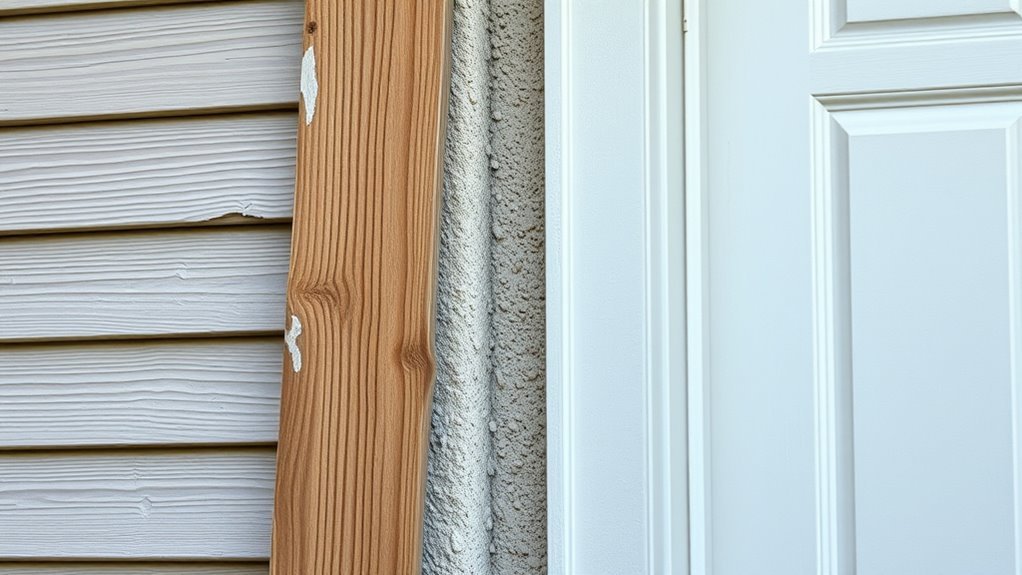
Because exterior conditions vary so much, you should treat primer as essential anytime the surface will compromise adhesion, allow stains to bleed through, or promote uneven wear.
You’ll need primer on raw wood, chalky surfaces, rusted metal, and patched stucco to lock in substrates and prevent peeling. Use stain-blocking or rust-inhibiting primers where tannins, water stains, or oxidation could ruin finish coats.
For dramatic color matching—especially when going lighter—apply an appropriate tinted primer to reduce coats.
Also consider environmental impact: choose low-VOC primers and proper disposal to minimize runoff and air pollution while ensuring long-lasting results.
When You Can Skip Primer Safely
If your surface already has new, undamaged paint, you can often skip primer and go straight to a same-color recoat. You’ll save time and materials when the existing finish is sound and you’re not changing color or covering stains.
Always inspect for peeling, bare spots, or severe weathering before you decide.
New, Undamaged Paint
When can you safely skip primer on new, undamaged exterior paint? If the surface is factory-coated, smooth, and free of chalking, you can often go straight to paint. Check adhesion and gloss; a light scuff and proper cleaner usually suffice. Consider manufacturer recommendations and whether your topcoat offers stain-blocking and UV resistance. Also weigh color matching needs and environmental impact of extra products.
- Inspect for chips, chalk, or inconsistent sheen
- Clean thoroughly and sand lightly where needed
- Use high-quality exterior paint with primer included
- Test a small area before full application
Same-Color Recoats
Although you’re keeping the same color, don’t automatically skip primer—verify the existing coat bonds well, shows no bare spots or stains, and has consistent gloss. If it does, you can often recoat without primer.
Check adhesion by scuffing and testing a small area; poor bond or chalking means primer is necessary for primer durability.
If substrate is sound and the new paint matches well in sheen and pigment, proceed with a thorough cleaning and light sanding to promote mechanical adhesion.
Use a tinted sealer only when color matching is off or surfaces vary in porosity to ensure uniform finish.
How Primer Improves Adhesion on Exterior Substrates
How does primer actually help paint stick to exterior surfaces? You create a stable, uniform base that improves adhesion across varied substrates. It helps with color matching by evening out porosity and reduces peeling over time.
Primers bond where paint alone might fail, so your finish lasts longer and handles weather better. Consider these practical benefits:
- Seals porous materials for consistent paint grip
- Promotes mechanical and chemical bonding on metals and masonry
- Minimizes flash-through from inconsistent substrates
- Lowers repaint frequency, lessening environmental impact
Use the right primer for each substrate to maximize adhesion and longevity.
Why Primers Block Tannins and Wood Stains
You’ll notice tannin bleed showing up as brown streaks on cedar and redwood. A good primer stops those pigments from migrating through your finish.
Primers block stains by sealing the wood’s pores and chemically binding or neutralizing tannins so they can’t discolor the topcoat.
Choosing a primer labeled for tannin or stain blocking gives you a reliable first line of defense.
Tannin Bleed Prevention
Ever wondered why stains and dark streaks appear through fresh paint on cedar, redwood, or oak? You’ll want to prevent tannin bleed to keep finishes clean and long-lasting. Using the right primer stops tannins migrating to the surface, protects paint adhesion, and supports historical preservation by keeping character without damage.
Consider environmental impact when choosing low-VOC primers that still block stains.
- Use an alkyd or specialized stain-blocking primer
- Apply primer to bare or weathered wood
- Seal knots and end grain thoroughly
- Test a small area before full application
Stain-Blocking Mechanisms
When tannins and other wood extractives try to migrate to the surface, a good stain-blocking primer forms a physical and chemical barrier that traps them in the substrate or neutralizes their staining potential. The primer’s binders, pigments, and special additives work together to stop bleeding, prevent discoloration, and promote durable topcoat adhesion.
You’ll rely on binders that lock molecules in place, pigments that mask residual color, and stain-sealing resins that chemically bind tannins.
Modern eco-friendly formulations balance performance with VOC regulations, using low-VOC polymers and blockers so you can seal stains effectively while meeting environmental and safety requirements on exterior projects.
Primer: Bare Wood vs Previously Painted Wood
Whether the wood is fresh-cut or already painted, choosing the right primer changes how well your exterior paint will stick, resist moisture, and hold up over time. You’ll treat bare wood with a penetrating oil or alkyd primer to seal tannins and grain. Previously painted wood needs a bonding primer and proper sanding to guarantee adhesion.
Whether fresh-cut or painted, the right primer—oil for bare wood, bonding for old—ensures adhesion and moisture protection
Consider primer longevity and color matching: use a tintable primer if switching shades or to reduce topcoat coats. Pick weather-appropriate formulations for durability.
Quick checklist to guide your prep:
- Seal bare wood for moisture control
- Sand and clean old paint
- Use tintable primer
- Verify adhesion and cure time
Do Exterior Metal Surfaces Need Primer?
Why risk corrosion and poor adhesion? You should prime exterior metal to ensure surface bonding and finish durability. Primer promotes adhesion to smooth or galvanized surfaces, seals porous metal, and evens out the substrate so topcoat performance lasts. Prepare by cleaning, removing loose paint, and scuffing shiny areas for best bond.
| Metal Type | Prep Needed | Primer Benefit |
|---|---|---|
| Bare steel | Degrease, sand | Bonding |
| Galvanized | Clean, etch | Adhesion |
| Aluminum | Scuff, clean | Sealing |
| Previously painted | Remove blisters | Uniform base |
Choose compatible primer for lasting protection and appearance.
Rust-Inhibiting Primers for Exterior Metalwork
Before you apply rust-inhibiting primer to exterior metalwork, you’ll want to remove loose rust, clean the surface, and scuff or sand glossy areas so the primer can bond.
Pick a corrosion-resistant primer formulated for your metal type—zinc-rich or epoxy-based options work well on ferrous metals, while other alloys may need specialized products.
Match the primer’s compatibility with your topcoat and the exposure conditions to guarantee long-term protection.
Surface Preparation Steps
When you’re tackling exterior metalwork, thorough surface preparation is the foundation for any rust-inhibiting primer to perform properly. You’ll remove loose rust, grease, and old paint so the primer bonds and primer durability is maximized.
Degrease, sand to bright metal where needed, and neutralize salts to prevent future corrosion. Consider color matching for topcoats when selecting primer base to minimize coats later.
- Remove rust and loose paint with a wire brush or grinder
- Clean with solvent or a dedicated degreaser
- Sand and feather edges for smooth adhesion
- Rinse and fully dry before priming
Choosing Corrosion-Resistant Primer
With the surface properly cleaned and prepped, choosing the right corrosion-resistant primer becomes your next priority to lock out moisture and stop rust from spreading. Pick zinc-rich, epoxy, or polyurethane primers for metal; they adhere well and provide sacrificial protection.
Consider compatibility with your topcoat for color matching so the finish looks uniform and won’t require extra coats.
Factor environmental impact: low-VOC and waterborne options reduce fumes and disposal issues while still offering protection.
Apply according to manufacturer specs, including thickness and cure time, and inspect for pinholes or missed areas before topcoating to guarantee long-term corrosion resistance.
Primer for Masonry, Stucco, and Concrete
Because masonry, stucco, and concrete are porous and alkaline, you’ll need a primer that seals the surface, neutralizes pH, and promotes adhesion so topcoats last. You’ll choose a masonry primer designed for breathability and efflorescence resistance; look for products noting color matching ease and low environmental impact.
Apply to clean, dry substrate and repair cracks first. Use a roller or sprayer for even coverage and follow manufacturer recoat times.
- Use a masonry-specific acrylic or elastomeric primer
- Check vapor permeability ratings
- Confirm compatibility with your finish coat
- Consider low-VOC or water-based options
Masonry Primers for High-Alkaline Surfaces
When you’re prepping fresh masonry or concrete, you’ll need to neutralize high alkalinity so the topcoat will bond properly. Test the surface and apply a neutralizing solution if pH is elevated.
Then choose an alkali-resistant masonry primer specifically formulated to withstand that environment.
Neutralize High Alkalinity
How do you stop high alkalinity in new or repaired masonry from ruining your paint job? You neutralize salts and balance pH before painting. Test with phenolphthalein or pH paper, rinse soluble salts, then apply a neutralizing solution to stabilize the surface. Proper prep improves color matching and ensures coatings adhere for long-term weather resistance. Follow with a primer designed for treated masonry.
- Test pH and salts first
- Rinse and dry thoroughly
- Apply neutralizing solution per instructions
- Recheck surface pH before topcoat
Doing this prevents blistering, efflorescence, and premature failure of your exterior paint.
Choose Alkali-Resistant Primer
Looking for the right primer for high-alkaline masonry? You should choose an alkali-resistant primer formulated to block salts, prevent efflorescence, and bond to porous surfaces. Pick water- or solvent-based options labeled for masonry; consider color matching if you’ll topcoat with a specific hue. Also weigh environmental impact—low-VOC versions reduce fumes and cleanup concerns. Apply after neutralizing alkalinity and letting the surface dry fully. Check cure times and coverage, then test a small area.
| Benefit | What to check |
|---|---|
| Bonding | Adhesion rating |
| Durability | Salt-blocking ability |
How Color Change Affects Primer Needs
Because darker or more saturated colors can show through lighter coats, changing your paint color affects how much and what type of primer you need. You’ll consider color transformation goals and the right primer color to block bleed-through, guarantee coverage, and save coats.
Match primer to both substrate and topcoat saturation so you don’t waste paint.
- Use a tinted primer when shifting toward deeper hues.
- Choose high-hide primer for drastic color jumps.
- Spot-prime stains and repairs before full priming.
- Test a small area to confirm coverage and drying behavior.
Plan primer strategy to achieve even, durable results.
Choosing Primers for Dark→Light and Light→Dark Shifts
After you’ve settled on primer color and hiding power, decide whether your project is a dark→light or light→dark change since each direction calls for different products and methods.
Decide early if you’re going dark→light or light→dark—each requires different primers and techniques.
If you’re going dark→light, use a high-hide primer or a tinted primer to reduce coats and improve color matching; that saves time and paint.
For light→dark, you can often use a standard primer but focus on sealing stains and ensuring even sheen.
Consider environmental impact: choose low-VOC primers and minimize overspray.
Always test a small area to confirm coverage and final color before committing to the whole surface.
Types of Exterior Primers: Quick Overview
Which primer fits your surface and goals? You’ll pick based on substrate, finish, and whether you need stain blocking or adhesion. Consider color matching and environmental impact when choosing—some primers tint to improve coverage; others low-VOC reduce fumes.
- High-adhesion primers for slick surfaces
- Stain-blocking primers for tannins, rust, and mildew
- Bonding primers for faded or chalky siding
- Tintable latex primers for color matching and quicker topcoat coverage
You’ll weigh cleanup, dry time, and local regs. Match primer performance to the job so you avoid extra coats and unwanted environmental impact.
Oil-Based vs Latex Exterior Primers
When you’re choosing between oil-based and latex exterior primers, focus on adhesion, breathability, and cleanup.
You’ll pick oil-based for sealed raw wood or to block stains; it adheres strongly but has higher environmental impact and needs mineral spirits for cleanup.
Latex dries faster, stays more breathable, and cleans up with water, so it’s better for siding and eco-conscious projects.
For color matching, both accept tinted formulations—latex offers more easy tint options at paint stores.
Match primer type to substrate and finish paint, and balance performance needs with environmental impact and maintenance preferences.
Bonding and Specialty Adhesion Primers
When you’re prepping a weathered or greasy surface, removing contaminants is the first step so a primer can grab hold.
Bonding and specialty adhesion primers use chemical formulas and microscopically aggressive resins to stick to tricky substrates like glossy finishes, PVC, or chalky wood.
You’ll want to choose a product designed for the specific contamination and surface to get reliable adhesion.
Surface Contaminant Removal
Ever wondered why paint peels or blisters even on seemingly clean siding? You must remove contaminants—dirt, mildew, chalk, oil—to let bonding and specialty adhesion primers do their job. Clean surfaces improve adhesion, reduce rework, and lessen environmental impact by avoiding extra coats.
Use pressure washing, mild detergents, or trisodium phosphate alternatives and consider eco-friendly options like biodegradable cleaners.
- Pressure wash safely (low pressure for delicate surfaces)
- Treat mildew with approved cleaners and rinse thoroughly
- Degrease oil or nicotine stains before priming
- Sand glossy areas and wipe dust away
Do this and primers will bond more reliably.
Specialized Adhesion Technology
Because surface prep can only go so far, bonding and specialty adhesion primers give you a reliable bridge between problematic substrates and topcoats. You’ll choose primers formulated for slick surfaces, chalky siding, or patchy stains so paint clings without peeling.
Apply according to manufacturer directions, sanding only when recommended, and test small areas first. Consider color matching when switching topcoat families to avoid tint shifts or show-through.
Check environmental considerations like VOC levels, temperature limits, and cure times to ensure proper adhesion and compliance. Using the right specialty primer saves time and prevents costly recoats or premature failure.
Stain-Blocking Primers and Tannin Sealers
Although stain-blocking primers and tannin sealers often get lumped together, they serve distinct jobs: primers block stains from bleeding through finished coats, while tannin sealers specifically lock down wood tannins that would otherwise discolor your paint.
You’ll choose a stain-blocking primer for ink, smoke, or water stains and a tannin sealer for cedar, redwood, or oak.
Consider color matching when tinting primers to speed coverage and improve final hue; check weather resistance for exterior longevity.
Apply sealer to bare wood, prime repaired spots, then topcoat per manufacturer directions.
- Use stain-blocker on old stains
- Seal tannins on new wood
- Tint for color matching
- Verify weather resistance
Shellac and Shellac Alternatives for Exterior Use
After sealing tannins or blocking stubborn stains, you’ll want to think about shellac and its alternatives for exterior work where rapid sealing and odor-blocking matter. You’ll find shellac sealer excels at stopping bleed-through fast, bonding to bare wood, and preparing surfaces for topcoats.
Note shellac’s poor UV and moisture resistance; it needs protection from weather, often under an exterior varnish or compatible primer/topcoat. Alcohol-based application dries quickly but smells, so ventilate.
For damp climates, consider synthetic alternatives like water-based stain blockers or oil-based primers that resist moisture better. Match the sealer to exposure and the finish you plan to use.
Selecting Primer by Topcoat (Latex, Acrylic, Enamel)
When you pick a primer, match it to the topcoat—latex, acrylic, or enamel—to guarantee proper adhesion, flexibility, and durability. The wrong primer can cause peeling, poor coverage, or finish defects.
You’ll choose water‑based primers for latex and acrylic topcoats for breathability and easier cleanup, while oil‑based or alkyd primers suit enamel for tougher adhesion.
Consider color matching primer tint to the final shade to reduce coats. Also weigh environmental considerations: VOC limits and local regs may steer you to low‑VOC formulas.
Pick primers rated for exterior use and compatible with your chosen topcoat.
- Water‑based for latex/acrylic
- Oil/alkyd for enamel
- Tint for color matching
- Low‑VOC options for environmental considerations
How Surface Prep Affects Primer Choice
Before you pick a primer, assess the surface condition—peeling, chalking, or bare wood each demand different formulas.
Check material compatibility so the primer bonds to wood, metal, masonry, or existing coatings without problems.
Matching your prep and substrate to the primer guarantees better adhesion and longer-lasting results.
Surface Condition Assessment
Though you might be enthusiastic to pick a primer, evaluating the surface first is essential because the substrate’s condition dictates the type and level of preparation you’ll need. You should inspect for peeling, chalking, mildew, and stains; note porosity and previous coatings.
Color matching matters when hiding dark stains or switching hues, and consider environmental impact when choosing cleaners and primers.
Prep choices—cleaning, sanding, spot-priming, or full prime—depend on findings.
Prioritize safety and proper disposal.
- Peeling or flaking paint
- Surface chalking or powdery residues
- Mildew or organic growth
- Stains, tannin bleed, or rust
Material Compatibility
Now that you’ve assessed the surface, match your prep findings to primer chemistry so the coating will bond and perform.
If you’re working with bare wood, choose an oil- or shellac-based primer to seal tannins.
For chalky masonry, use a high-alkali masonry primer.
Smooth metals need a corrosion-inhibiting primer after degreasing and abrasion.
For plastics and composites, test adhesion with a specialty primer.
Consider color matching when switching primer types to avoid tint bleed-through and reduce topcoat coats.
Finally, pick primers with lower VOCs and understand environmental impact so your project meets performance needs and local regulations.
Step-by-Step Prep for Priming Exterior Wood
Want the primer to hold and the finish to last? You’ll prep wood methodically: clean, sand, repair, and mask. Choose primer color to suit your topcoat—gray boosts coverage for darker paints; white works for brights. For primer durability, pick a high-quality exterior wood primer rated for moisture and UV resistance.
- Remove dirt, mildew, and loose paint with a stiff brush and detergent.
- Sand glossy surfaces and feather edges to create tooth.
- Fill cracks and nail holes with exterior-grade filler; sand smooth.
- Mask trim and protect surrounding areas before priming.
Follow manufacturer dry times; apply even, full coats.
Preparing and Priming Exterior Metal (Rust Treatment)
First, you’ll assess the rust to see if it’s surface staining or pitted corrosion that needs more work.
Next, remove loose rust and flaky paint with a wire brush or sander until you reach solid metal.
Finish by applying a rust-inhibiting primer to stop further corrosion and guarantee paint adhesion.
Assess Rust Severity
Before you start sanding or priming, take a close look to determine how deep the rust goes and how much metal is affected. You’ll perform a focused rust assessment, noting pitting, flaking, and areas showing surface aging versus fresh stains. That lets you choose primer type and whether repairs or replacement are needed.
Check structural spots, seams, and hidden undersides; tap lightly to find weakened metal. Prioritize areas where moisture collects and where paint has failed.
- Inspect for deep pitting and holes
- Note areas of active corrosion
- Evaluate extent of surface aging
- Identify corrosion near joints and fasteners
Remove Loose Corrosion
How do you get rid of flaky, loose rust without digging into sound metal? You scrape and brush gently, removing only unstable flakes with a wire brush, scraper, or sanding block until solid metal shows.
Vacuum or blow away dust, then wipe with a solvent to remove oils and salts.
Inspect edges to verify no hidden loose corrosion remains. For aesthetic improvements, feather rough edges smoothly so surface repairs blend and aid later color matching.
Take your time—proper removal prevents future lifting and creates a clean, stable surface ready for the next corrosion-control step.
Apply Rust-Inhibiting Primer
Ready to lock out rust and give your metal a durable base coat? You’ll choose a rust-inhibiting primer formulated for metal, ensuring rust prevention and improved surface adhesion.
Work in dry conditions, stir thoroughly, and apply thin, even coats—brush, roller, or spray—following manufacturer flash times. Sand lightly between coats if needed, remove dust, and inspect coverage for crevices. Allow full cure before topcoat to lock protection in.
- Pick a primer labeled for ferrous metal
- Clean and degrease before priming
- Apply thin, consistent coats
- Follow cure times for best adhesion
Cleaning and Priming Masonry and Stucco
Want the paint to last and look even on masonry or stucco? Start by power-washing to remove dirt, efflorescence and loose material, then repair cracks with compatible patching compound. Let surfaces fully dry before priming.
Use a masonry or elastomeric primer to seal porous textures and improve color matching so topcoat covers uniformly. Pick low-VOC products to reduce environmental impact and follow local disposal rules.
Apply primer only to clean, cured repairs and avoid painting over salts or mildew—treat those first. Proper cleaning plus the right primer guarantees adhesion, longevity and a professional-looking finish on rough exterior surfaces.
Application Methods: Brush, Roller, Sprayer for Primers
You’ll want to pick the right tool for the surface and primer type, since brush strokes work best for edges and detailed trim.
While rollers cover flat areas quickly.
Consider sprayers when you need speed and a smooth finish, but be ready to mask and control overspray.
I’ll compare brush techniques and the pros and cons of sprayers versus rollers so you can choose the most efficient method.
Brush Techniques
When you’re applying primer, choosing the right brush technique makes the biggest difference in coverage and finish—use angled sash brushes for cutting in and getting into corners. Flat brushes are ideal for broad, even strokes. A light touch is important to avoid lap marks and excess buildup.
You’ll start with clean brushes, follow grain direction, and feather edges so primer lays smooth for topcoat adhesion. Practice consistent pressure, reload before the brush runs dry, and rotate strokes to blend sections without streaks.
Keep up regular brush maintenance to extend tool life and preserve color blending control.
- Use angled sash for corners
- Feather edges
- Maintain steady pressure
- Clean and store brushes properly
Sprayer Versus Roller
Although a roller gives you solid, even coverage on large flat areas, a sprayer shaves time and reaches textured surfaces and tight nooks you’d miss with a roller alone. Choosing between them depends on the surface profile, desired finish, and how much prep and cleanup you’re willing to do.
You’ll use a roller when you want control and minimal overspray; it’s easier for color matching and touchups. A sprayer speeds work and smooths rough textures but needs masking and ventilation to limit environmental impact.
Combine both: spray broad areas, roll the edges and details, and inspect for uniform coverage before topcoat.
How Many Primer Coats Do You Need?
Most exterior jobs need just one good primer coat, but certain surfaces demand more to guarantee adhesion and coverage. You’ll usually apply one coat for sound wood, metal with a bonded primer, or previously painted siding when you care about primer durability and smooth color matching.
Most exterior projects need one good primer coat—sound wood, bonded metal, or prepainted siding usually suffice.
Use additional coats when:
- bare porous wood soaks up primer
- severe color changes require blocking
- rust spots or stains need sealing
- inconsistent substrate absorption shows through
Assess after the first coat; if coverage’s even and the surface feels sealed, stop. Otherwise, add a second coat for protection and predictable finish.
Dry Times, Recoat Windows, and Temperature Tips
If you’re priming in cool, damp, or humid conditions, expect longer dry times and plan your schedule around them. You’ll wait longer between primer and paint, and recoat windows on the product label become critical—follow minimum and ideal times.
Temperature swings affect curing more than you think: avoid priming below the manufacturer’s low limit or when frost’s likely. For color matching, allow primer to fully cure before test-swatches so true tones show.
Also consider environmental impact: slower cures can mean extended VOC emissions, so choose low-VOC primers and work when conditions shorten dry time.
Common Primer Mistakes That Cause Paint Failure
Longer dry times and temperature sensitivity aren’t the only things that can derail a paint job—mistakes during priming will cause visible failures long after the primer feels dry. You need to avoid shortcuts that lead to peeling, blistering, or uneven sheen.
Poor surface prep, wrong primer type, and skipping stain-blocking are common errors. Also, don’t ignore color matching when switching primers or topcoats, and consider environmental impact when selecting solvents and disposables.
- Applying primer over dirt or chalk
- Using incompatible primer/paint combos
- Overthinning or underthinning primer
- Neglecting manufacturer’s recoat window
Troubleshooting Primer Problems After Application
When primer shows problems after it’s been applied, you can usually trace the issue to a specific cause and fix it before the topcoat goes on.
If you see peeling, sand back to sound substrate, identify moisture sources, and re-prime with a compatible product. Tannin bleed-through needs a stain-blocking primer and checking color matching to avoid visible stains under your finish.
Blushing or milky primer means humidity was high—allow more dry time or improve ventilation.
Poor adhesion often follows inadequate surface prep; clean, etch, or roughen and reapply.
Consider environmental impact when disposing of contaminated rags and leftover primer.
Primer Alternatives: Self-Priming Paints and Conditioners
You’ve fixed peeling, stains, or adhesion problems and now you may be wondering whether you really need a separate primer at all. Self-priming paints and conditioners can save steps: they bond, block minor stains, and speed projects.
They vary in primer durability, so choose quality for exterior exposure. Use conditioners on porous or chalky surfaces to improve adhesion before finishing coats.
Consider testing a small area for color matching and longevity.
- Faster application
- Less product layering
- Surface conditioner option
- Test for color matching and durability
How to Tell If a Surface Already Has Adequate Primer
Before you start rolling, check the surface to see if a true primer coat is already in place. Look for uniform adhesion, no peeling, and consistent color matching to the underlying layer. Scrape a small area; if the topcoat peels but the base stays, you likely have primer. Tap for chalking and test absorption with a few drops of water — primer improves weather resistance and repels quick soak. If unsure, sand a tiny spot: primer sands smoothly. Use this quick checklist:
| Test | What to look for |
|---|---|
| Scrape | Base remains intact |
| Water | Repels quickly |
| Sand | Smooth, even dust |
Cost vs Benefit: Prime Now or Repair Later?
Why prime now instead of patching later? You save time and money by preventing peeling, stains, and costly repairs. Priming creates a uniform base so color matching is easier and more reliable. You’ll avoid multiple touch-ups and extended labor costs.
- Reduced long-term maintenance costs
- Better color matching with fewer coats
- Less waste, lowering environmental impact
- Faster, more durable finish
If you skip primer, you risk substrate issues showing through, higher repaint frequency, and hidden prep work that increases expense. Primer upfront is an investment that simplifies future upkeep and minimizes surprise repairs.
Quick Checklist: Choose the Right Exterior Primer
When you’re picking an exterior primer, focus on three essentials: compatibility with your substrate, weather resistance for your climate, and the primer’s adhesion and blocking properties—these determine how well the coating seals stains, bonds to surfaces, and resists moisture and mold.
Check substrate type (wood, metal, masonry), recommended primer base (oil, acrylic, shellac), and compatibility with your topcoat.
Check substrate—wood, metal, masonry—choose the right primer base (oil, acrylic, shellac) and ensure topcoat compatibility.
Prioritize primer durability for high-traffic or exposed areas. Confirm stain-blocking ratings and mildew resistance.
Test color matching by applying a small patch and letting it cure under real light.
Read manufacturer specs, warranty, and VOC limits before buying.
Frequently Asked Questions
Will Primer Affect the Breathability of Historic Exterior Plaster?
Yes — if you use the wrong primer, it can reduce breathability; in historic preservation you’ll choose breathable coatings or vapor-permeable primers so moisture escapes, protecting historic exterior plaster while maintaining fabric and preventing trapped dampness.
Can Primer Be Tinted to Match and Reduce Topcoat Coats?
Yes — you can tint primer to match colors, and it’ll improve color matching while reducing topcoat coats. Explore tinting options with your supplier; lightly tinted primer often cuts two topcoats, depending on pigment strength.
How Long Can Primed Exterior Surfaces Sit Before Painting?
You can typically wait 30 days after surface preparation before painting, but check primer compatibility and weather. If exposed longer, clean and spot-prime; incompatible primers or severe exposure may require re-priming before applying topcoat.
Are Low-Voc Primers Effective for Exterior Mildew Resistance?
Think of a cool mist shielding your siding: yes, you’ll find low‑VOC primers with eco friendly formulations that still offer mildew resistant formulations. You’ll want proper prep and regular cleaning to keep that gentle barrier effective.
Can Primer Be Applied Over Flexible Exterior Caulk Seams?
Yes — you can prime over flexible exterior caulk seams if the caulk’s cured and compatible; you’ll guarantee flexible sealing longevity by choosing a primer formulated for elastic substrates to promote proper caulk adhesion and paint flexibility.
Conclusion
You don’t always need primer for exterior paint, but it’s often the safety net that keeps your finish looking great for years. If you’re tackling bare wood, chalky surfaces, drastic color changes, or stains, prime first — otherwise, a quality self-priming paint can save time. Weigh the upfront cost against future repairs; priming now is like buying peace of mind. Choose the right primer for the surface, and you’ll thank yourself later.
