
How Long Between Coats of Exterior Paint
You should usually wait 4–24 hours between coats of exterior latex paint, longer in cool or humid weather, and about 24–48 hours for oil‑based or high‑gloss systems. Check touch and tack—if paint feels tacky or smells strongly you’re not ready. Thin, even coats and proper priming speed safe recoating, while thick films and damp conditions need extra time. Keep weather, surface and sheen in mind; more tips and schedules follow below.
Quick Recoat Rules of Thumb for Exterior Paint
When you’re planning a quick recoat on exterior paint, follow simple rules of thumb to get durable, even results. You’ll clean surfaces, sand glossy spots, and prime bare areas so new coats adhere.
Check the label for recommended recoat times and temperature ranges; don’t rush if humidity’s high.
Always follow the label’s recoat times and temperature guidelines; avoid painting in high humidity.
For color selection, pick a shade that hides minor imperfections to reduce required coats.
Use high-quality formulas rated for paint durability to resist weathering and fading.
Apply thin, even coats, maintain wet edges, and inspect after drying—touch up only when the prior layer’s fully set.
Why Recoat Time Matters Most
Because paint needs time to form a proper film, following the correct recoat interval determines how well your finish will adhere, cure, and resist the elements. You’ll avoid trapping solvents beneath a new layer, preventing wrinkling, poor adhesion, and uneven gloss.
Proper timing guarantees the paint color develops uniformly so touch-ups match the rest of the surface. It also reduces rework: sanding, peeling, or blistering that costs time and money.
Choose compatible brush types and application methods so you don’t overwork a drying coat. In short, waiting the recommended interval protects appearance, longevity, and performance of your exterior paint.
Environmental Effects on Recoat Time: Overview
Although you can follow the paint manufacturer’s recoat times, real-world conditions — temperature, humidity, wind, and sunlight — change how quickly a coat dries and cures, so you’ll need to adjust your timing accordingly.
You should assess local factors daily: high humidity slows drying, wind speeds can accelerate surface set but risk dust adhesion, and intense sun can skin finish before solvents evaporate.
Also consider environmental pollution near roads or industry, since particulates can mar wet paint.
If you worry about paint toxicity, work when ventilation disperses fumes and use low-VOC products; err on the side of longer recoat intervals.
How Temperature Affects Drying and Recoats
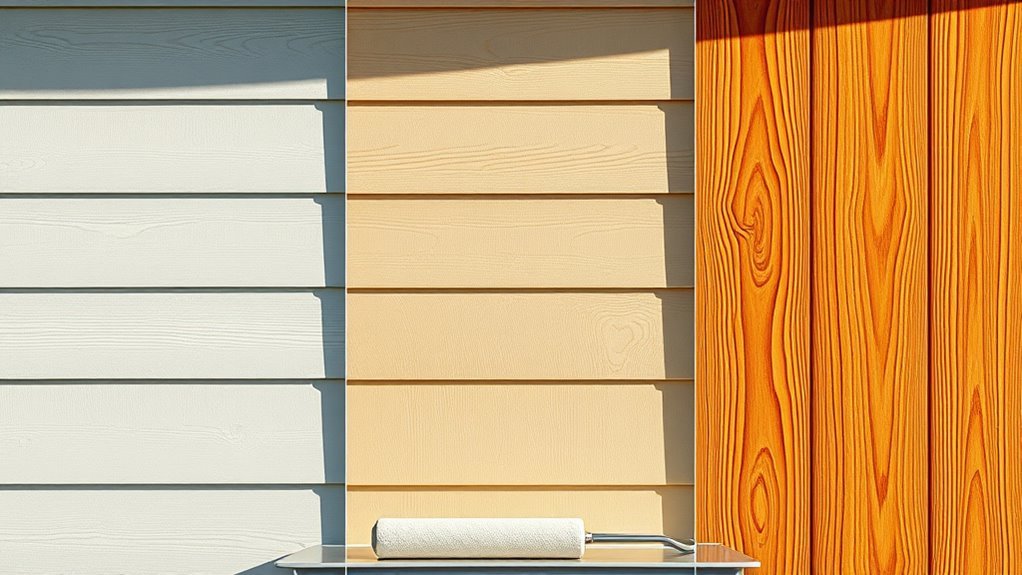
If temperatures dip below or rise above a paint’s recommended range, drying and recoat windows will shift noticeably, so you’ll need to adjust timing rather than rely on label times.
Cold slows solvent escape and curing, so you’ll wait longer before a second coat. Heat speeds evaporation but can cause tackiness or sanding problems. Dark paint color absorbs more heat, altering dry time on exposed areas.
Rough surface texture holds moisture longer than smooth finishes, so check adhesion and tack across the whole wall before recoating.
- Test a small patch for tack and hardness.
- Use infrared or touch checks.
- Extend or shorten waits as needed.
How Humidity Changes Waiting Times
Humidity has as much impact on drying and recoat times as temperature, so you’ll need to factor damp air into your schedule. When humidity rises, solvent evaporation slows and cure times lengthen; you’ll often wait longer between coats to avoid trapping moisture.
Monitor humidity impact with a hygrometer and aim for manufacturer-recommended ranges. Moisture effects vary by paint type — water-based paints are more sensitive than most alkyds — so check labels.
If humidity stays high, plan extra drying time or postpone painting to prevent adhesion problems, blistering, or poor finish. Always confirm surface dryness before recoating to ensure proper bonding.
How Sun, Shade, and Wind Alter Curing
If your wall bakes in direct sun, paint will dry faster on the surface but the heat can also speed skin formation before solvents fully evaporate.
In shaded areas, drying slows, so you’ll often wait longer between coats to avoid trapping moisture.
A steady breeze helps solvents escape and evens curing, while strong wind can cause too-quick drying and increased brush marks.
Sunlight Speeds Drying
Want your paint to cure faster? Sunlight speeds surface drying by warming the film and reducing moisture; you’ll notice quicker tack-free times where exposure is direct. Be mindful: intense sun can skin over the surface while underlying layers stay soft, and substrates with high paint absorption dry unevenly. Aim for consistent conditions and check manufacturer times.
- Paint thinner layers in sun for uniform curing.
- Test a small patch to confirm absorption and drying.
- Avoid painting during peak glare to prevent blistering and color shifts.
Adjust schedule based on exposure so coats bond properly without trapping moisture.
Wind Effects On Curing
Sun and shade affect surface drying, but wind changes how evenly that drying happens and how quickly solvents evaporate from all layers. You should observe wind effects because strong gusts can skin over the top while trapping moisture beneath, harming paint adhesion. Light breezes help cure by moving humid air away, speeding solvent escape without causing uneven film formation. Work in moderate conditions or delay coating during high wind. Use longer recoat times if wind’s drying is rapid to ensure full intercoat bonding.
| Condition | Effect | Action |
|---|---|---|
| Calm | Slow cure | Increase wait |
| Light breeze | Even cure | Normal wait |
| Strong wind | Rapid surface cure | Extend wait |
Recoat Windows for Latex (Water-Based) Exterior Paint
When repainting window trim with latex exterior paint, wait until the surface feels dry to the touch and the paint’s tack is gone—typically 1 to 2 hours in warm, dry conditions and up to 24 hours in cool or humid weather.
You’ll check edges and grooves; color psychology matters for choosing crisp contrast, while paint texture affects coverage and drip risk.
Light sanding between coats improves adhesion. Don’t rush in dew or direct midday sun.
- Test a small area before full recoating.
- Use a soft-bristle brush for narrow trim.
- Keep humidity and temperature logs to time coats.
Recoat Windows for Oil-Based (Alkyd) Exterior Paint
Although oil-based (alkyd) exterior paints dry slower than latex, you can recoat window trim reliably once the finish is hard to the touch and no longer smells strongly of solvent—usually after 8 to 24 hours in warm, dry conditions and longer in cool or humid weather.
Check edges for tackiness before recoating; if the new coat drags, wait more time. Thin coats cure faster and reduce runs.
Keep leftover paint sealed tightly for Paint storage and note the batch for future touch-ups to aid Color matching.
Work in mild temperatures and low humidity for best adhesion and smoothness.
Recoat Times for Primer vs. Topcoat
Because primers and topcoats serve different purposes, their recoat windows and drying needs often differ. Primers are formulated to penetrate and seal, so they can usually be recoated sooner than finish coats. Topcoats need extra time to cure to avoid lifting or brush marks.
Primers dry faster to seal surfaces; topcoats require longer curing to prevent lifting and visible brush marks.
You’ll check manufacturer times and ambient conditions: temperature, humidity, and wind all affect cure. Primer often accepts a topcoat within a few hours to 24 hours; topcoats usually need longer before handling. Consider color psychology when choosing finish sheen and test paint texture on a small area. Maintain proper drying between coats.
- Check label recoat time first.
- Avoid recoating in high humidity.
- Do a touch test before proceeding.
Recoat Times by Surface: Wood, Stucco, Masonry, Metal, Vinyl
Now that you’ve compared primer and topcoat timelines, it’s helpful to look at how different substrates affect recoat windows: wood, stucco, masonry, metal, and vinyl. All of these materials absorb and hold moisture differently, which changes how long you should wait between coats.
For wood, wait 24–48 hours for full cure if humidity’s low. Treated lumber may need longer.
Stucco and masonry often demand 48–72 hours due to porosity.
Metal needs primer and 24 hours if rust-free; cold slows this.
Vinyl dries faster—12–24 hours.
Always check manufacturer specs, test small areas for color matching, and verify proper paint storage to avoid contamination.
How Paint Sheen (Flat vs. Gloss) Affects Drying
Sheens change how paint dries: flat finishes tend to dry to the touch faster, while gloss paints often take longer to fully cure.
You’ll notice that higher-gloss coatings form a harder surface and need more time before you can safely sand or recoat.
Keep the sheen difference in mind when planning recoat intervals so you don’t trap solvents under a new layer.
Flat vs. Gloss Dry Time
When you’re choosing between flat and gloss paints, their sheen changes not just the look but how quickly they dry and recoat. Gloss finishes typically cure faster on the surface while flat finishes can stay tacky longer because they rely on film formation rather than surface evaporation.
You’ll notice gloss sheds moisture and dirt, so you can recoat sooner, while flat soaks into porous substrates and may need extra drying time.
Consider temperature, humidity, paint colors, and brush types when planning.
Tips:
- Test a small gloss and flat patch to time dry.
- Wait until tack-free before recoating.
- Allow extra time in cool, humid conditions.
Sheen Impact On Curing
Because sheen changes the way a paint film forms and releases moisture, it directly affects both surface drying and deeper curing times. You’ll notice gloss dries faster on the surface but can take longer to fully cure deep down; flat dries slower top-to-bottom. Choose based on exposure: high-traffic areas benefit from sheen durability and easier sheen cleaning, even if cure time differs.
| Sheen Type | Practical Effect |
|---|---|
| Flat | Slower surface dry, uniform cure |
| Semi/Gloss | Faster surface dry, longer deep cure |
How Film Thickness and Coat Count Change Cure Time
Although thicker films and additional coats seem like straightforward ways to boost durability, they also slow down how quickly paint cures and can trap solvents between layers. You’ll notice thicker film takes longer to harden, especially where paint texture creates peaks that dry unevenly.
Coat count matters: more layers increase overall cure time and raise risk of poor adhesion if you recoat too soon. Consider color psychology when choosing coverage—darker colors may show flaws, pushing you to add coats.
Plan longer cure intervals for thicker applications, and always test a small area before proceeding to full recoating.
- Check manufacturer wet-film thickness recommendations.
- Allow extra drying time in shaded or humid areas.
- Sand between coats only when surface is fully cured.
Fast-Dry vs. Extended-Dry Formulas: Which to Pick
If you need a quick turnaround, fast-dry formulas let you recoat sooner and finish projects faster.
Choose extended-dry paints when you want more working time for blending, touch-ups, or when temperatures and humidity slow curing.
We’ll compare the trade-offs so you can pick the best option for your schedule and conditions.
Fast-Dry Benefits
Wondering whether a fast-dry exterior paint is right for your project? You’ll appreciate quicker recoat windows, especially when adjusting paint color on a schedule. Fast-dry formulas let you finish sections in stages, reduce weather risk, and get usable results with common brush types without prolonged tackiness.
- Faster turnaround: complete walls in a day and inspect color sooner.
- Weather-safe: reduces exposure to dust, rain, and temperature swings.
- Efficiency with tools: works well with synthetic and natural brush types for crisp edges.
Choose fast-dry to speed work while still maintaining control over finish and timing.
When To Choose Extended-Dry
Fast-dry paints speed work, but there are times you’ll want an extended-dry formula instead. You’ll pick extended-dry when you need longer open time for color matching, brushing out, or blending sections in cool or windy weather. It helps when surfaces are uneven or detailed trim demands careful work. Extended-dry also eases touch-ups and reduces lap marks. Plan paint storage and mark cans clearly; extended-dry can change feel after long storage. Choose extended-dry for calm conditions, complex colors, or when one coat must be perfected before the next.
| Situation | Benefit | When to pick |
|---|---|---|
| Cool temps | Slower curing | Extended |
| Detailed trim | Better leveling | Extended |
| Large areas | Blend easier | Extended |
| Quick jobs | Fast return | Fast |
| Stored paint | Notes help | Extended |
When to Trust the Paint Label (Manufacturer Instructions)
When the label gives a recoat time, you can usually trust it—manufacturers test their formulations under controlled conditions and base that recommendation on ideal drying and adhesion. You should follow the label unless conditions differ markedly; temperature, humidity, and surface prep change outcomes.
Keep color matching and paint storage in mind—old containers or faded samples can mislead you about readiness.
- Read the recoat window and follow temperature/humidity limits.
- Use fresh, properly stored paint to meet label expectations.
- Note any substrate instructions; primers and stains may alter times.
Simple Field Tests to Check Readiness for Recoating
Before you slap on another coat, run a couple quick field tests to confirm the paint’s ready—these simple checks beat guessing and save you from adhesion problems. Check tack by lightly pressing a clean finger to an inconspicuous spot; it should feel dry, not gummy. Scratch a tiny area with a coin to confirm firmness. Verify color matching under daylight and after brief curing. Inspect stored cans—proper paint storage preserves additives and prevents skinning. If tests pass, proceed; if not, wait longer or stir and retest.
| Test | How to do it | Pass looks like |
|---|---|---|
| Tack | Light finger press | Dry, no residue |
| Scratch | Coin scrape | No soft gouge |
| Color | Daylight inspection | Match after cure |
| Can check | Inspect storage | No skin, sealed |
| Smell | Sniff near can | Normal paint odor |
Tools to Measure Dryness, Humidity, and Adhesion
Although you can rely on simple touch tests, using tools gives you measurable, repeatable data about surface dryness, ambient humidity, and adhesion so you can coat with confidence.
Tools replace guesswork with measurable, repeatable data on surface dryness, humidity, and adhesion so you can coat confidently.
You’ll use a moisture meter to confirm substrate dryness and avoid trapping dampness. A hygrometer tells you dew point and relative humidity so drying times are realistic. A pull-off tester gives objective adhesion numbers before you commit to another coat.
Keep tools clean and note readings alongside color matching samples and paint storage dates so conditions are documented and repeatable for future jobs.
- Moisture meter
- Hygrometer
- Pull-off tester
Testing Adhesion After a Few Hours: A Quick Method
After you’ve checked moisture, humidity, and overall adhesion with your tools, you can do a quick hands-on adhesion check a few hours after applying the first coat.
Lightly press a piece of painter’s tape onto the painted area, rub firmly, then pull it off at a sharp angle. If paint lifts, wait longer and review your surface preparation—contaminants or poor priming reduce adhesion.
For a spot test, scratch a tiny inconspicuous line with a fingernail; well-adhered paint resists chipping.
Document results and only recoat when adhesion testing shows a stable film to guarantee durable, even coverage.
Adjusting Recoat Time in Cold or Humid Weather
When cold or humid conditions set in, you’ll need to lengthen the recommended recoat time because low temperatures slow solvent evaporation and high humidity delays film formation. Plan for several extra hours to a few days depending on the severity.
You should check tackiness, adhesion, and flexibility before recoating. Cooler weather can slightly darken paint color until it fully cures, so wait to judge finish.
Adjust your brush techniques to avoid drag and lap marks when the film remains soft. Keep records of temperature and humidity for future jobs.
- Monitor temperature and relative humidity regularly.
- Perform touch and adhesion checks.
- Avoid heavy buildup in one pass.
Safely Accelerating Recoat Time (Methods That Work)
If you’re working against the clock in cool or humid conditions, there are practical, safe steps you can take to speed up recoat time without compromising the finish.
You can raise surface temperature with gentle heat sources or improve airflow using fans to promote evaporation; avoid direct hot air that causes blistering.
Use fast-drying formulations or additives compatible with your paint, and keep tools and cans sealed for consistent viscosity—proper paint storage prevents contamination that slows drying.
Test a small patch to confirm color matching after any additive.
Always follow manufacturer limits; shortcuts shouldn’t sacrifice adhesion or long-term durability.
Signs You Must Wait Longer: Incomplete Curing Cues
If the paint still looks wet or feels tacky to the touch, you should wait longer before recoating.
A lingering paint odor is also a clear sign the solvents or water haven’t fully evaporated.
Don’t rush—applying another coat now can trap moisture and cause adhesion problems.
Wet, Tacky Finish
Because the paint still feels wet or tacky to the touch, you shouldn’t rush into a second coat—this is a clear sign the first layer hasn’t cured enough. Wait until the surface is dry to the touch and no longer tacky, or you risk trapping solvents, which can cause uneven sheen, color fading, or premature paint peeling.
Check small areas before proceeding and be patient when humidity or cool temperatures slow drying. Follow manufacturer’s recoat time if it’s longer.
- Test a discreet patch with your fingertip.
- Guarantee conditions match label recommendations.
- Allow extra drying time in damp weather.
Lingering Paint Odor
Wondering whether that persistent paint smell means you should wait before recoating? If you still detect a strong paint smell or lingering odor after the recommended dry time, you should pause.
A lingering odor indicates solvents or unreacted resins haven’t fully evaporated or cured, so a new coat can trap moisture and slow curing further. Increase ventilation, raise temperature slightly if safe, and give the substrate extra hours or days.
Test by lightly pressing a clean finger to a discreet spot—if it feels tacky or fumes are noticeable, wait. Only recoat once odors fade and the surface feels fully dry.
Common Recoating Mistakes That Shorten Paint Life
Although recoat timing seems straightforward, a few common mistakes can seriously shorten your paint’s lifespan. You might rush recoats before proper curing, skip surface prep, or ignore weather limits. Poor color matching leads to extra coats and uneven wear, while bad paint storage lets binders break down so new layers fail sooner.
- Rushing recoats: traps solvents, causes peeling.
- Skipping prep: leaves contaminants that prevent adhesion.
- Improper storage: soggy cans or freezing ruins consistency.
You’ll extend longevity by waiting recommended cure times, prepping surfaces, testing color matching, and storing paint correctly.
Recoating Trim, Doors, and Windows: Best Practices
How do you get crisp, durable results when recoating trim, doors, and windows? Start by cleaning and sanding to promote adhesion. Then use a quality primer if bare wood or patched areas exist.
Work in mild, dry conditions and follow manufacturer recoat times for your specific product.
Cut in precise edges with a sash brush, then roll or spray for uniform coverage.
Test color combinations on a small area to confirm contrast before full application.
Store leftover material properly—seal cans tightly and follow paint storage guidelines to preserve viscosity and prevent contamination for future touch-ups.
Recoating Fences, Decks, and Horizontal Surfaces
Shifting from trim and doors to exterior horizontal surfaces, you’ll face different challenges: fences, decks, and other flat areas get more sun, moisture, and foot traffic, so prep and product choice matter more.
Shifting from trim to horizontal exteriors brings tougher sun, moisture, and traffic challenges—prep and product choice matter.
You should wait until the first coat fully cures—typically 24–48 hours in good conditions—before recoating. Sand worn spots, remove mildew, and choose durable, Eco friendly paints or stains that resist color fading.
Keep recoating intervals shorter in harsh climates and longer when humidity’s high. Monitor tackiness with a finger test; if paint remains gummy, give it more time.
- Clean and sand
- Use breathable products
- Test small areas
Repair Work: When to Paint After Patching or Caulking
When you’ve patched holes or applied caulk, wait until the repair material has fully cured before painting—this usually means 24–72 hours depending on the product and conditions. Check manufacturer cure times and touch the repair; it should be firm and not tacky.
Sand smooth if needed, then clean dust and debris so primer and topcoat adhere properly.
Match primer and paint to the existing sheen and use color coordination to blend patched areas seamlessly.
Properly cured repairs help paint durability and prevent cracking or peeling. If humidity or low temperatures slow curing, extend wait times accordingly.
Timing Differences: Sprayed vs. Rolled/Brushed Application
After repairs have fully cured, you’ll want to contemplate how your application method affects drying and recoating times. Sprayers lay thinner, faster films so you’ll usually wait less time before a second coat.
Rolling or brushing deposits thicker paint, slowing drying. You should balance speed with appearance: spraying helps color blending but can miss texture consistency that brushes restore. Also factor temperature and humidity.
- If you spray, test a small area for adhesion and color blending before full recoating.
- If you roll or brush, allow extra cure time for texture consistency.
- Always follow manufacturer recoat windows.
Realistic Painting-Day Timelines and Quick Reference Chart
When planning your painting day, consider weather and temperature first since they directly change drying times.
Use realistic drying-time estimates for your chosen method so you can decide if you can do back-to-back coats or need to wait overnight.
Below is a quick reference chart to help you schedule coats efficiently.
Weather And Temperature
Because temperature and humidity control how quickly paint cures, planning your painting day around realistic timelines keeps you from re-coating too soon or waiting unnecessarily long. You’ll check forecasted highs, lows, and dew point so coatings set properly. Your color choices can affect perceived drying (darker pigments absorb more heat), and proper paint storage keeps consistency stable before application.
Work when temperatures stay within the paint’s recommended range and humidity is low enough for surface evaporation.
- Choose mid-day windows with steady temps for best results.
- Avoid early morning dew or evening cooling that slows curing.
- Keep cans shaded to preserve formula and viscosity.
Drying Time Estimates
Knowing the day’s temperature and humidity helps you plan exact recoat windows, but you’ll also want practical time estimates for different products and conditions.
You’ll typically wait 1–2 hours for touch-dry latex in warm, low-humidity weather, 4–6 hours for recoat, and up to 24 hours in cool or humid conditions.
Oil-based finishes often need 6–8 hours to be touch-dry and 24–48 hours to recoat.
Thick application, dark colors (see color theory), and poor ventilation extend times.
Proper paint storage and using fresh, well-mixed paint keeps drying predictable.
Use a quick chart on-site to track start, touch, recoat.
Back-To-Back Scheduling
If you’re scheduling back-to-back exterior painting days, map realistic timelines that account for drying windows, crew shifts, and daylight rather than assuming ideal conditions. You’ll set start times to maximize sunlight, plan longer gaps when humidity’s high, and sequence tasks so primer, first coat, and touch-ups don’t collide.
Consider color selection impacts—darker shades can heat and cure faster; lighter tones may need extra coats. Track paint durability recommendations on product labels and adjust intervals accordingly.
Use a simple chart to log elapsed hours, temperature, and humidity so you can adapt schedules day-to-day.
- Morning setup, midday coat, evening inspection
- Buffer for rain or dew
- Crew handoff and cleanup checklist
Frequently Asked Questions
Can I Paint Over Old Lead-Based Exterior Paint Safely?
You shouldn’t paint over old lead-based exterior paint; you’ll risk lead paint hazards. You’ll need safe removal or encapsulation by qualified professionals, following regulations and using certified contractors, containment, HEPA cleanup, and proper disposal.
How Long After Rain Can I Repaint Exterior Siding?
Stormy setbacks? You shouldn’t repaint until siding’s dry—usually 24–72 hours depending on humidity and temperature. Check surface preparation, wipe away residue, and choose a paint sheen suited for exterior wear before you apply new coats.
Does Paint Color Affect Drying and Recoat Time?
Yes — darker or heavily pigmented colors can dry and recoat slower because paint formulation and pigment load affect evaporation; environmental factors like temperature, humidity, and wind also change drying times, so you should adjust schedules accordingly.
Can I Store Partially Used Exterior Paint Between Coats Overnight?
An old adage says, “measure twice, cut once.” Yes—you can store partially used exterior paint overnight; seal the can tightly for paint storage and overnight preservation, keep it cool, upright, and minimize air exposure to prevent skinning.
Will Exterior Paint Dry Properly on Mildly Damp Wood?
No — you shouldn’t paint mildly damp wood; it prevents proper adhesion and finish. Check wood moisture, let it dry, and do thorough surface preparation; you’ll avoid peeling, blistering, and compromised durability by waiting for dry, clean wood.
Conclusion
So you’ll wait the recommended hours between coats—because who doesn’t love sitting around watching paint dry? But seriously, follow temp and humidity guidelines, and test with a light touch before recoating. Faster methods like spraying speed things up, but don’t rush repairs or caulk—let them cure. A little patience prevents peeling, uneven finish, and wasted time. You’ll thank yourself when the job looks pro, even if you swore you’d never be that meticulous.
