
How Long Enamel Paint Dry
Enamel paint will feel dry to the touch within a few hours, and you can do light use in about 24–48 hours, but full cure takes longer: water‑based enamels often stabilize in 7–14 days, while oil‑based types can take 7–30 days depending on temperature, humidity, coat thickness and application method. Sand or recoat only within the manufacturer’s window, use thin coats and good ventilation to speed things up, and keep going for more tips on troubleshooting and speeding cure times.
Typical Enamel Paint Drying vs. Curing Times (Oil- vs Water-Based)
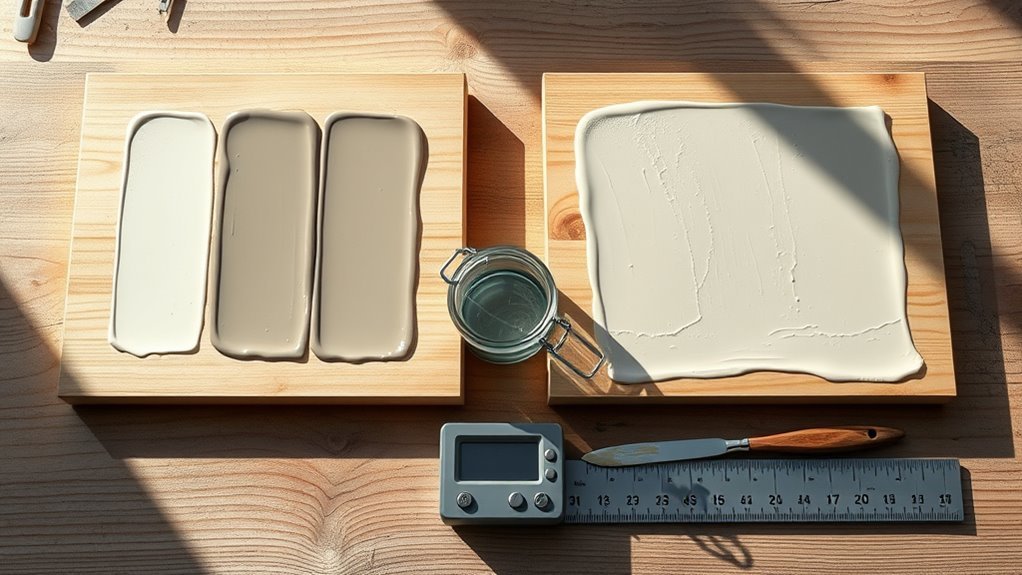
While both oil- and water-based enamel dry to the touch within hours, their full curing schedules differ considerably.
Both oil- and water-based enamels may feel dry quickly, but their full cure times differ significantly.
You’ll notice water-based enamels often dry faster and reach light use within a day, but they continue curing for about 7–14 days, achieving stable paint adhesion and a reliable gloss finish.
Oil-based enamels take longer: tack-free in hours, usable in 24–48 hours, and fully cure over 7–30 days depending on temperature and film thickness.
You should plan for longer cure times with oil-based products, especially in cooler or humid conditions, to avoid early wear or reduced adhesion.
When to Sand, Recoat, or Handle Enamel-Painted Surfaces
Now that you know how drying and curing timelines differ between oil- and water-based enamels, you can plan when to sand, recoat, or handle painted surfaces to avoid problems.
You’ll use Color selection and Surface preparation to decide timing: don’t rush oil-based enamels, be quicker with water-based ones.
Follow this checklist before the next step:
- Lightly sand after dry-to-touch for scuff adhesion.
- Wait full cure for heavy sanding or handling to avoid dents.
- Recoat only after recommended recoat window to prevent lifting.
- Test a hidden spot when changing Color selection or finish sheen.
Environmental and Application Factors That Change Drying Times
Because temperature, humidity, air movement, and your application technique all affect solvent evaporation and film formation, you’ll see drying times vary widely from one job to the next.
You must monitor environmental conditions: cooler temps and high humidity slow curing, while warm, ventilated spaces speed surface drying.
Film thickness matters — heavy coats take longer to cure through.
Spraying, brushing, or rolling changes drying by altering film uniformity and solvent release.
Also check the paint formulation: oil-based enamels and alkyds generally cure slower than fast-dry alkyds or waterborne enamels.
Read manufacturer guidance and adjust timing to match real conditions.
Safe Ways to Speed Enamel Paint Drying

Given how environment and technique change drying, you can take several safe, practical steps to speed enamel paint without compromising finish quality. Use these concise tactics:
- Thin coats and quick successive layers to reduce overall cure time.
- Improve airflow and warmth—fans and moderate heat help solvents evaporate.
- Employ proper brush techniques: long, smooth strokes to minimize reworking and thin film thickness.
- Consider compatible paint additives sparingly (drying agents per manufacturer) to accelerate tack-free time.
Always test a small area first, follow manufacturer limits for additives, and avoid high heat that can cause defects. These steps speed drying while protecting finish integrity.
Fixing Common Drying Problems: Blushing, Tackiness, and Runs
When blushing, tackiness,, or runs appear during enamel drying, you can usually correct them without scrapping the job—identify the cause (humidity, solvent entrapment, overapplication) and choose the targeted fix.
For blushing, increase ventilation and lower humidity; gently warm the area or use a fan to help solvents evaporate so your color retention stays true.
For tackiness, wait longer, thin subsequent coats properly, or apply a compatible retarder sparingly to prevent skinning.
For runs, sand lightly with fine grit when dry, then feather and recoat for a uniform gloss finish.
Test fixes on a hidden spot first.
Frequently Asked Questions
Can Enamel Paint Be Used on Plastic Without a Primer?
You can, but you shouldn’t: Plastic surface preparation is essential because without proper cleaning and sanding enamel paint adhesion will be poor. You’ll often need a primer or plastic-specific adhesion promoter to guarantee durable, even coverage and bonding.
How Long Does Enamel Paint Last Outdoors Before Fading?
Like a weathered ship slowly losing its sheen, you’ll find enamel paint durability outdoors typically lasts 5–10 years before noticeable outdoor fading; you’ll extend life with UV-resistant topcoats, proper prep, and regular maintenance.
Is Enamel Paint Safe for Children’s Toys Once Cured?
Yes — once fully cured, you can use Non toxic formulations and Child safe coatings for toys; check labels for ASTM/FDA compliance, ventilate during application, and avoid lead/solvent-based enamels to keep kids safe.
Can You Thin Enamel Paint With Acetone or Mineral Spirits?
Yes — you can, if you enjoy chemistry experiments: acetone thins some enamel but can attack paint surface and speed drying time erratically; mineral spirits are safer, predictable thinners that preserve finish and reasonable drying time.
How Should Leftover Enamel Paint Be Stored Long-Term?
You should seal leftover enamel in its original can with a tight lid, add a plastic wrap layer, label and store upright in a cool, dry place; these storage techniques preserve paint durability and prevent skinning or contamination.
Conclusion
So now you know the basics of enamel drying, sanding, and troubleshooting—will you picture a glossy surface curing like a calm lake at dawn? Keep oil- and water-based differences, temps, humidity, and coat thickness in mind so you’ll sand, recoat, or handle surfaces at the right time. Use safe methods to speed drying only when needed, and address blushing, tackiness, or runs promptly to preserve that smooth, durable finish you want.
