
How to Remove Glue From Wall Without Damaging Paint
You can remove glue without damaging paint by first testing a hidden spot and identifying the adhesive. Start with warm, soapy water or a plastic scraper to lift softened glue, then try rubbing alcohol or a citrus remover on a cotton swab if residue remains. Use low heat from a hair dryer to soften stubborn spots, work slowly, and stop if paint bubbles. Rinse, dry, and touch up any tiny scuffs; keep going and you’ll find step‑by‑step options for tougher situations.
Quick Framework: Remove Glue From Painted Walls Without Damage
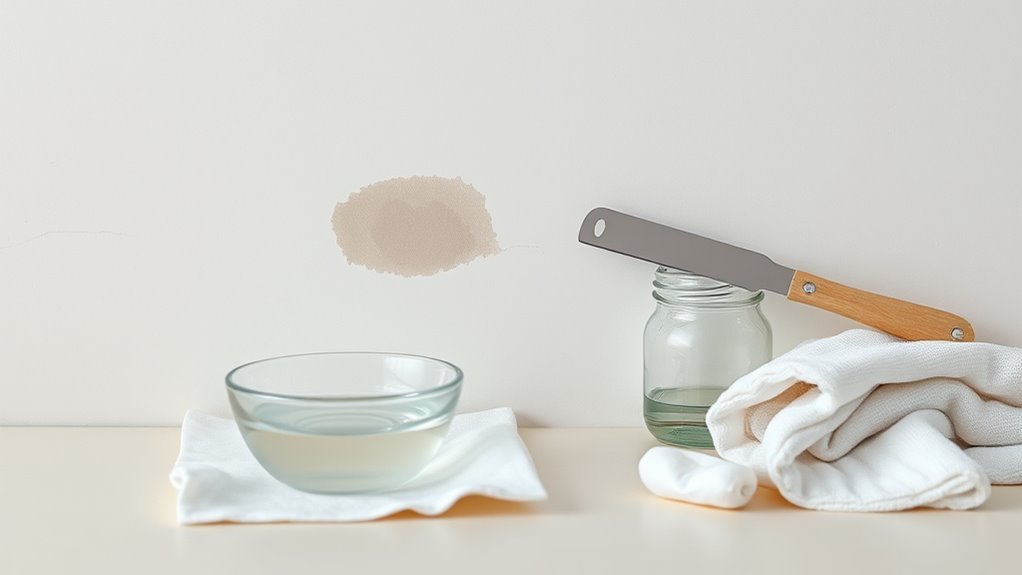
When you need to remove glue from painted walls without damaging the finish, start by testing a small, hidden area to confirm the paint’s resilience.
Then work from gentlest to stronger methods—softening with warm soapy water, using a plastic scraper, applying a mild solvent like rubbing alcohol, and only resorting to stronger commercial removers if necessary.
Start with warm, soapy water, then a plastic scraper, mild alcohol, and only stronger removers if needed.
You’ll assess wall texture first to choose tools that won’t scuff. Work slowly, scraping along the grain of texture if present.
If solvent dulls paint, stop and consider professional advice to preserve paint matching.
Clean residue and let the surface fully dry.
Quick First-Aid: Fast Fixes for Fresh Glue Spots
If you catch fresh glue on the wall, act quickly to prevent a stubborn stain: blot excess with a dry cloth, then dab the spot with a sponge dampened in warm, soapy water to soften the adhesive.
Once softened, gently lift with a microfiber cloth, testing a hidden area first so you don’t compromise paint durability.
For textured areas, work along the grain or pattern to avoid snagging surface textures.
If residue remains, use a cotton swab with a tiny amount of rubbing alcohol, rubbing lightly and rinsing immediately.
Finish by patting dry and inspecting for any paint lifting before proceeding.
Identify What Kind of Glue You’re Dealing With
Because different adhesives react to cleaners and tools in very different ways, you should first identify what kind of glue you’re dealing with before choosing a removal method.
Start by examining the residue: its hardness, color, tackiness, and how it bonds to your wall texture. That quick assessment guides safe choices and prevents paint damage.
- Check if it’s clear and sticky (tape/residue).
- Note yellowing or brittle flakes (old craft glue).
- Look for hard, opaque spots (superglue/epoxy).
- Smell cautiously for solvent-like odors (contact/industrial adhesives).
Glue identification helps you pick targeted, paint-safe removers.
Test Your Wall’s Paint Type and Durability First
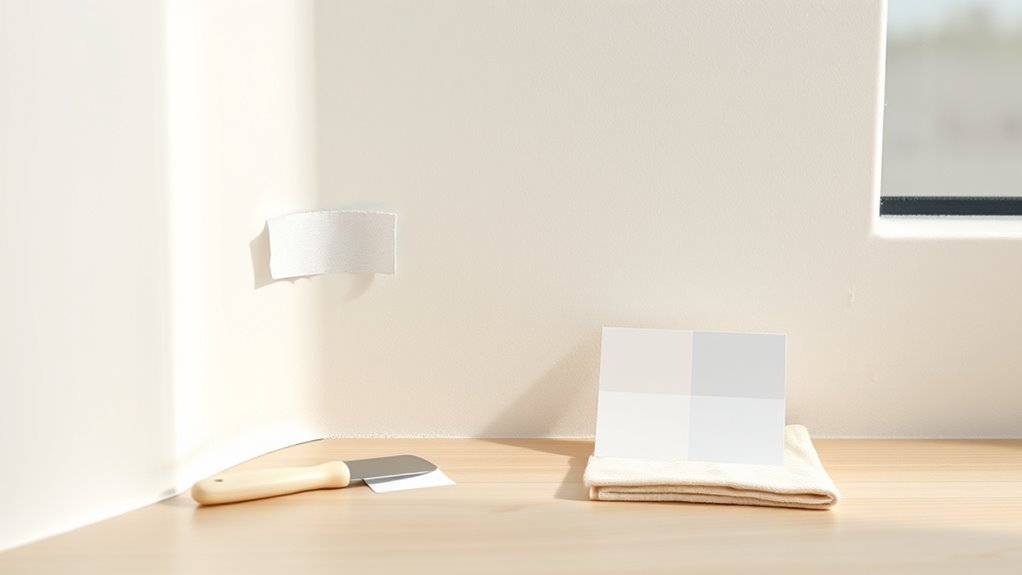
Before you start removing glue, test a small, hidden patch of paint to see how it reacts—scrape gently with a fingernail and dab a cotton swab soaked in your *desired* solvent to check for softening, lifting, or discoloration.
Before removing glue, test a hidden paint patch with a fingernail and cotton-swabbed solvent to check for damage.
Note whether the paint flakes or smears and whether wall texture hides damage.
Identify paint type (latex vs. oil) by feel and drying behavior; glossy finishes resist solvents more than matte, so record the paint sheen before proceeding.
Use the least aggressive solvent that shows no adverse effect.
If the test fails, stop and choose a gentler method or consult a pro to avoid further damage.
How to Safely Use Heat to Soften Glue on Painted Walls
If you decide to soften glue with heat, use the lowest effective setting on a hair dryer or heat gun to avoid blistering the paint. Keep the tool moving and hold it several inches away so you warm the adhesive, not the wall.
You can also place a thin cloth or piece of cardboard between the heat source and paint for extra protection.
Use Low Heat Settings
When you need to soften sticky residue on painted walls, use a heat source on its lowest effective setting and move it constantly to avoid overheating the paint. You’ll control heat application to loosen glue without compromising paint safety.
Hold the tool several inches away, test a small area, and stop if you smell burning or see gloss changes. Work in short passes, then gently peel or wipe softened adhesive with a soft cloth and mild cleaner.
- Keep the heat tool in motion
- Use the lowest setting that works
- Test an inconspicuous spot first
- Cool the area before final cleaning
Protect Paint Surface
Because paint can soften or discolor with too much heat, protect the surface by limiting exposure and monitoring progress closely.
Test a hidden spot first to check paint compatibility and how wall texture reacts.
Use a heat gun or hair dryer on low, keeping it moving to avoid hot spots; hold it several inches away and stop every few seconds to cool.
If paint bubbles, peel, or softens, stop immediately.
After softening glue, gently scrape with a plastic tool and clean residue with a mild solvent safe for your paint type.
Finish by rinsing and drying to restore the surface.
Hair Dryer vs. Heat Gun: Which to Use (And How)
Although they both blow hot air, a hair dryer and a heat gun serve different jobs and you should pick the tool that matches the glue type and wall material.
Use heat tools gently: a hair dryer offers lower, controllable heat for delicate paint and light adhesive, while a heat gun reaches higher temps for stubborn glue and durable surfaces.
Use heat tools gently — hair dryers for delicate paint and light adhesive, heat guns for stubborn glue and tough surfaces.
Test a hidden spot first, keep the tool moving, and hold several inches away to avoid blistering paint.
Choose based on Glue types and wall finish.
Follow safety: ventilate, wear gloves, and unplug when done.
- Hair dryer: low heat, safer
- Heat gun: high power, risky
- Test first on hidden area
- Move constantly to prevent damage
Use Oil-Based Solutions (Vegetable Oil, WD-40) Safely
If you need to break down sticky residue without heat, reach for an oil-based solution like vegetable oil or WD-40—both soften adhesive so you can scrape it off with minimal scrubbing.
Test first in an inconspicuous spot to confirm paint safe methods; let a drop sit five minutes, then blot.
Apply oil sparingly with a cloth, work gently with a plastic scraper, and wipe away loosened glue.
Rinse residue with a damp cloth and mild detergent to remove oily film.
Repeat only as needed.
Ventilate the area, avoid prolonged soaking, and store products safely out of reach.
Clean Water-Based Glue With Soap and Warm Water
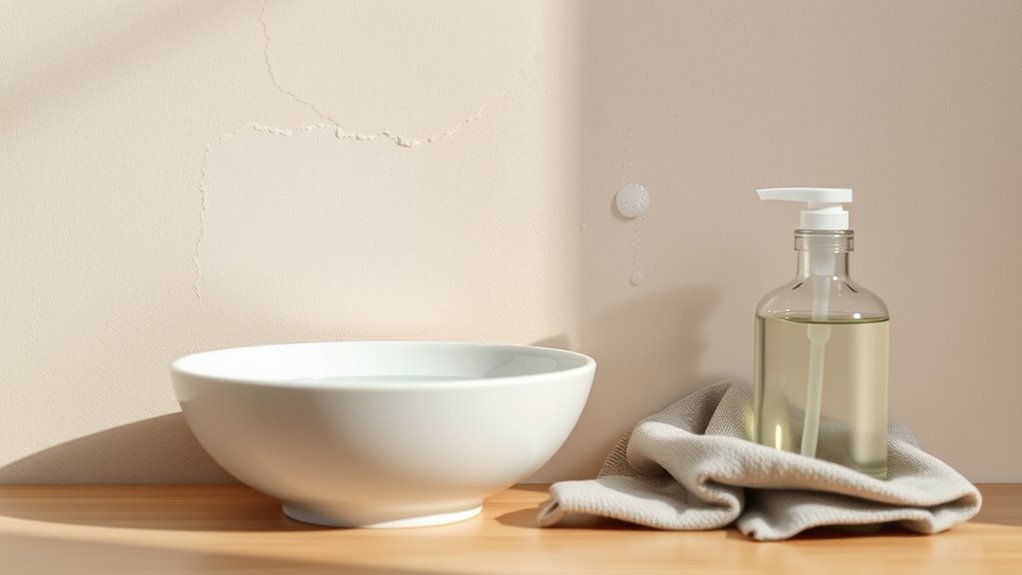
If the glue is water-based, mix a few drops of dish soap into warm water to make a gentle cleaning solution.
Dip a soft cloth or sponge, wring it well, and blot the adhesive until it softens.
Rinse the area with a clean damp cloth and pat dry to avoid streaks or damage.
Warm Soapy Solution
Start by mixing a few drops of dish soap into a bowl of warm water, then dampen a clean cloth and gently rub the glue spot—this method loosens and lifts most water-based adhesives without harsh chemicals.
You’ll assess adhesive types and do proper wall preparation before starting. Work lightly to avoid paint damage; repeat short cycles rather than scrubbing hard. Blot excess moisture with a dry cloth.
- Test in an inconspicuous area first
- Use a soft, lint-free cloth
- Replace water when it gets sticky
- Avoid soaking the wall or using abrasive tools
Gentle Rinse Technique
When the glue has softened from the warm, soapy treatment, rinse the area with clean water to lift remaining residue without disturbing the paint. You’ll use a soft sponge or microfiber cloth, wring it well, and work from edges inward to avoid spreading glue. Change water frequently to prevent re-depositing sticky bits.
For stubborn spots, repeat gentle soap rinses rather than harsh scrubbing; consider eco-friendly solvents or alternative cleaning methods like diluted vinegar if water alone won’t do.
Dry the wall with a soft towel and inspect for gloss or texture changes, stopping if paint shows stress.
Try Isopropyl Alcohol for Sticky Residue (Test First)
Because isopropyl alcohol dissolves many adhesives, you can use it to lift sticky residue without scrubbing hard. Test a hidden spot first to check paint reaction. Dampen a cloth, blot gently, and let the alcohol sit briefly; avoid soaking. Rinse with a damp cloth and dry.
Because isopropyl alcohol dissolves adhesives, blot gently after spot-testing paint; rinse and dry, stop if paint softens.
Mind chemical safety and ventilation; keep away from flames and pets. Consider disposal and environmental impact when using larger amounts.
- Use 70% isopropyl for general residue
- Blot, don’t rub, to protect paint
- Wear gloves and ventilate the room
- Stop if paint softens or discolors
When to Use Commercial Adhesive Removers
If isopropyl alcohol or household methods won’t shift the residue or the surface is delicate, you’ll want a commercial adhesive remover.
Pick a product formulated for your wall type—citrus, solvent, or gel formulas each behave differently.
Always read labels, use gloves and ventilation, and test a small hidden area first.
When To Choose Removers
Although mild household tricks work for small smudges, you’ll want a commercial adhesive remover when the glue is thick, old, or has soaked into paint or wallpaper. You should choose removers when simple scraping risks damage, when previous attempts altered the finish, or when chemical reactions from the adhesive resist water and soap.
Consider environmental factors like humidity and temperature that affect curing and removal time. Test a small hidden area first. Prefer targeted products for stubborn spots rather than heavy application across the wall.
- When scraping gouges paint risk
- Old residue that won’t budge
- Residue seeping into texture
- Multiple layered adhesives
Types And Safety Considerations
When you need more power than soap and a scraper, commercial adhesive removers come in several types—solvent-based liquids, citrus or soy-based biodegradable formulas, gel compounds for vertical surfaces, and heat-activated products—and each brings different strength and safety trade-offs.
You’ll weigh effectiveness against risks: solvent-based options act fast but can cause chemical reactions with old paint or finishes. Biodegradable choices are gentler but may need longer dwell time. Gels reduce drips; heat tools require care to avoid scorching.
Always test a hidden area for paint compatibility, work in ventilation, wear gloves, and follow manufacturer instructions.
Use Citrus Cleaners (E.g., Goo Gone) Without Harming Paint
Since citrus-based cleaners like Goo Gone dissolve adhesives without scrubbing, you can often remove residue while protecting painted surfaces—provided you test first and use them sparingly. You’ll avoid unwanted chemical reactions by doing proper surface preparation: clean dust, blot spills, and test an inconspicuous spot for finish softening.
Apply a small amount, wait 30–60 seconds, then gently wipe with a soft cloth. Rinse residue with mild soapy water and pat dry.
- Use a cotton swab for edges
- Ventilate the area well
- Avoid prolonged soaking
- Keep away from varnished or delicate paints
Baking Soda + Cooking Oil Paste for Stubborn Glue
If a citrus cleaner won’t budge stubborn glue, try a simple paste of baking soda and cooking oil you can make in minutes: mix equal parts baking soda and oil to form a spreadable paste.
Apply gently with a soft cloth or cotton swab, working in small circular motions to lift residue. Let it sit a few minutes, then wipe away with a damp cloth.
Gently rub with a soft cloth in small circles, let sit briefly, then wipe away with a damp cloth
Test first on an inconspicuous spot to confirm the blend won’t affect paint finish or decorative techniques you’ve used.
For varied wall textures, adapt pressure and drying time to avoid damaging raised patterns or thin finishes.
Lift Hot-Glue and Craft Glue Spots Gently
Although hot glue and craft adhesive often dry hard and brittle, you can usually lift spots without harming paint by softening the glue first and working patiently.
Heat a hairdryer on low, warm the spot briefly, then peel gently with your fingernail or a plastic scraper.
If residue remains, apply a cotton swab with mild isopropyl alcohol, testing an inconspicuous area first.
Work slowly to avoid lifting paint.
- Warm the glue slowly with a hairdryer
- Pry gently with a plastic scraper or fingernail
- Test alcohol on hidden paint before use
- Repeat heating and lifting in short cycles
Remove Sticker Backing and Tape Without Peeling Paint
Before you start, test a small, hidden spot to make sure your wall paint won’t react.
Soften the adhesive gently with heat or a mild solvent, then lift the sticker backing or tape slowly at a shallow angle.
Finish by removing any residue safely with a non-abrasive cleaner to protect the finish.
Test Spot First
Want to avoid peeling paint when you remove sticker backing or tape? Test a small, hidden area first to check surface texture and paint compatibility. Choose an inconspicuous corner, press and peel a scrap of tape, and observe for lifting, bubbling, or roughening. If the finish holds, proceed; if not, stop and reassess.
- Pick a hidden spot near the work area.
- Use the same tape type and pressure you’ll apply.
- Wait a few minutes to see delayed reactions.
- Note whether glossy, eggshell, or matte reacts differently.
Testing first saves paint and avoids surprises.
Soften Adhesive Gently
If the adhesive’s stubborn, soften it first so you can lift tape or sticker backing without tugging at the paint. Warm the area with a hair dryer on low, keeping it moving to avoid heat damage; test a hidden spot near furniture placement to confirm paint tolerance.
For textured walls, use a soft toothbrush to loosen edges as heat softens the glue. On smooth surfaces, a plastic scraper or credit card works well.
Work slowly from one corner, lifting gently as adhesive gives. Stop if paint wrinkles or peels, and let the surface cool before attempting further removal.
Remove Residue Safely
How do you remove sticky residue without stripping paint? You’ll work carefully, matching technique to adhesive types and considering environmental impact. Test a hidden spot, then use mild solvents or oil-based removers sparingly. Don’t scrub hard; lift residue gradually to protect finish.
- Use a soft cloth with warm soapy water first.
- Apply a small amount of isopropyl alcohol for stubborn spots.
- Try vegetable oil or a commercial remover labeled safe for paint.
- Rinse area and dry, then spot-treat lingering bits gently.
If unsure, consult product instructions and dispose of materials responsibly to minimize environmental impact.
Choose Paint-Safe Tools for Scraping Adhesive
Before you start scraping, pick tools that’ll remove the adhesive without damaging the paint. Match your tool to wall textures: use a flexible plastic scraper for smooth surfaces, a soft nylon scraper for lightly textured walls, and a wooden tongue depressor for delicate finishes.
Test a small, hidden area first.
Keep blades dull or covered with painter’s tape edge to avoid gouging.
Wear gloves and work slowly to limit pressure.
Don’t assume stronger tools work better; excessive force can worsen adhesive toxicity concerns by releasing residues into the air.
Dispose of used scrapers safely after cleaning.
Safe Solvents and How to Dilute Them
When choosing a solvent, pick one labeled safe for painted surfaces—like rubbing alcohol (isopropyl), denatured alcohol, or a citrus-based adhesive remover—and always dilute according to the manufacturer’s instructions to minimize paint damage and fumes.
You’ll test on a hidden spot, wear gloves, and ventilate the area.
For light residue, dilute isopropyl to 70% or follow product charts; citrus removers often mix 1:1 with water for mild jobs.
Keep mixtures small, label bottles, and avoid soaking the wall. These practices protect paint and nearby DIY crafts or wall decoration.
- Test on a hidden area first
- Use gloves and ventilation
- Mix small, clearly labeled batches
- Follow manufacturer dilution guidance
Step-by-Step: Remove Glue From Textured Walls
Now that you’ve picked a safe solvent and tested it, you’ll tackle the textured surface with a careful, methodical approach. Identify the adhesive types involved—glue stick, craft glue, or construction adhesive—so you choose the right remover.
Start by softening edges with a damp cloth or chosen solvent, blotting rather than rubbing to protect paint and texture.
Soften the edges with a damp cloth or solvent, blotting gently—not rubbing—to protect paint and texture.
Use a soft-bristle brush or plastic scraper to lift softened residue from textured surfaces, working along the grain.
Rinse the area with a mild detergent solution, blot dry, and repeat only as needed.
Finish by spot-testing to verify paint integrity.
Remove Glue From Trim, Baseboards, and Moldings
Because trim, baseboards, and moldings sit at eye level and have sharp profiles, you’ll want a gentler, more controlled approach than you’d use on flat walls. Start by identifying adhesive types and checking paint finish; glossy trim hides damage less.
Work slowly with a plastic scraper and soft cloth to protect profiles and consider spot-testing any solvent where wall texture meets trim.
- Use a hairdryer or low-heat gun to soften glue.
- Try white vinegar or rubbing alcohol for water-based adhesives.
- For stubborn residue, use a citrus-based remover sparingly.
- Sand very lightly and touch up chips immediately.
What to Do If Paint Lifts During Removal
If paint starts lifting while you remove glue, stop and assess the damage right away so you know how much surface is affected.
Lightly sand any loose flakes, fill gouges or bare spots with spackle, and let it dry.
Once the repair is smooth, prime and repaint the area to match the rest of the wall.
Assess Damage Immediately
Notice paint lifting as you scrape or peel — stop immediately and assess the area to limit further damage. You’ll want to calm down, avoid pulling, and evaluate how much paint came away. Check adhesive residue, surrounding adhesion, and whether underlying drywall is exposed. Small nicks differ from broad delamination.
- Photograph damage for reference and DIY crafts or furniture repair context.
- Gently press adjacent paint to test adherence; don’t force.
- Remove loose flakes with a soft brush, not fingers.
- Mark the boundary with painter’s tape to protect intact paint while you plan next steps.
Repair And Repaint
When paint lifts during glue removal, pause and plan a targeted repair so you don’t make the problem worse. You’ll clean residue, sand edges lightly, and match wall texture before priming. Test paint compatibility with a small swatch to avoid sheen or adhesion issues. Use a flexible spackle for shallow gouges; let it dry, sand smooth, then prime. Repaint with thin coats, blending into surrounding finish. If texture differs, recreate it with a matching compound. Here’s a quick visual guide:
| Step | Material | Result |
|---|---|---|
| Clean | Mild solvent | Surface ready |
| Fill | Spackle | Smoothed area |
| Prime | Primer | Adhesion ensured |
| Paint | Matched paint | Seamless finish |
How to Clean Residue After Adhesive Is Removed
After you’ve removed the bulk of the adhesive, tackle leftover residue with mild solvents and gentle tools so you don’t damage the paint or wallpaper. You’ll handle spots left from decorative wall decals or stubborn glue without aggressive scrubbing that harms wall texture removal efforts.
Start with a damp microfiber cloth, test solvents in an inconspicuous spot, and work slowly. Use minimal pressure and rinse often to avoid spreading residue.
- Try warm soapy water first for water-based glue
- Use isopropyl alcohol sparingly on painted surfaces
- Apply a gentle adhesive remover for stubborn spots
- Finish with a clean damp wipe
Touch-Up Techniques for Small Paint Scuffs
Start by evaluating how deep the scuff is so you know whether light cleaning, sanding, or a bit of filler is needed.
Match the paint color and finish as closely as possible—test a small patch first.
When you touch up, feather the edges and blend into the surrounding area to keep the repair invisible.
Assess Scuff Depth
How deep is the scuff—surface grime, a slight paint rub, or a gouge that exposes drywall? You’ll inspect closely, feeling wall texture and checking paint compatibility before choosing a fix. Light marks often clean; mild rubs need gentle abrasion and a primer; deeper gouges require filler.
- Run your fingertip over the area to sense texture differences.
- Wipe with a damp cloth to see if residue lifts off.
- Scratch gently with a fingernail to test whether paint has been removed.
- Press a small dab of primer into an exposed spot to confirm adhesion.
Decide repair steps based on these quick tests.
Match Paint Color
Want your touch-up to vanish? First, examine wall texture and scuff size; lighting reveals subtle differences. Bring a small chip or a swatch to the store for accurate paint matching, or use a color-matching app as a backup.
Buy the same finish—flat, eggshell, satin—to keep sheen consistent. Test the sample on an inconspicuous spot and let it dry fully; paint can darken when cured.
For tiny scuffs, use a fine brush or cotton swab for precise application. Wipe away excess immediately and allow proper drying time before evaluating the result.
Feather And Blend
When you’re ready to touch up a small scuff, feathering and blending will help the repair disappear into the surrounding paint. You’ll work with small brushes and light strokes to avoid hard edges. Use feathering techniques to thin paint at the edge, then apply blending tips to match texture and sheen.
Let layers dry between passes and step back often to judge consistency.
- Use a soft, angled brush for controlled feathering.
- Dab excess paint on a paper towel before applying.
- Work from the scuff outward in thin glazes.
- Blend with a dry brush to soften gradation.
Preventing Future Glue Damage on Painted Walls
If you want to keep your painted walls looking like new, take a few simple preventative steps to stop glue from ever bonding to the surface. You’ll consider wall textures and adhesive types before applying anything. Test tapes on a hidden spot, use low-tack mounting strips, and choose removable adhesives. Clean surfaces first; dust and oils increase bonding. For textured walls, prefer hanging systems that don’t rely on paste. Label supplies and store glues capped. Regular inspections catch residue early so you can remove it gently.
| Surface | Recommendation |
|---|---|
| Smooth | Low-tack strips |
| Textured | Mechanical hangers |
| Fresh paint | Wait 30 days |
| Heavy items | Anchors |
When to Call a Professional for Adhesive Damage
Because some adhesive damage goes beyond simple DIY fixes, you should call a professional when the glue has stripped paint, eaten into drywall, warped trim, or covers a large area you can’t safely access.
If you’re unsure, a pro will assess structural risk, match paint and wall texture, and prevent worsening during removal.
Consider professional help when nearby furniture placement complicates access or when DIY attempts could ruin finishes. Expect evaluation, controlled removal, and proper repairs.
- Extensive paint loss or bubbling
- Visible drywall compromise or soft spots
- Trim or molding distortion
- Hard-to-reach or high areas
Frequently Asked Questions
Can Glue Removal Methods Harm Wallpaper Instead of Paint?
Yes — you can damage wallpaper while protecting paint; you’ll need gentler techniques. To avoid wallpaper damage and preserve paint integrity, test solvents, use mild removers, peel slowly, and consider professional help for stubborn adhesive.
Will Glue Removal Affect Lead-Based or Antique Paints Differently?
Yes — you’ll treat lead paint and antique finishes more gently, like walking on cracked ice; solvents and scraping can flake them, so you’ll test, use mild removers, soft tools, and consult pros for fragile, historic surfaces.
Can Pet-Safe Cleaners Remove Glue Without Risking Animal Exposure?
Yes — you can use pet safe, chemical free options like warm soapy water, white vinegar diluted, or oil (olive/coconut) to soften glue; you’ll avoid toxic fumes, but keep pets away during application and wipe residues thoroughly afterward.
How Long After Painting Should Glue Removal Be Considered Safe?
You should wait at least 2 weeks so paint protection fully cures; for high-quality finishes wait 30 days. During that time do surface preparation planning and test removers on an inconspicuous spot to protect the finish.
Are There Eco-Friendly Adhesive Removers That Actually Work?
Yes — you can use eco friendly solvents that work: you’ll try citrus-based or soy formulas and simple vinegar or baking-soda pastes. They tackle natural adhesives gently, and you’ll test a hidden spot before treating visible paint.
Conclusion
You’ve got this — the right fix often appears just when you need it: a dab of oil, a bit of heat, or a gentle scraper revealing clean paint beneath. Test first, work slowly, and clean residue carefully; sometimes a tiny touch-up hides what once looked permanent. If you and your wall can’t agree, call a pro before the problem grows. Coincidence or not, careful moves usually restore the look you expected.
