
How to Remove Paint From Red Brick Wall (Interior)
Start by testing for lead and setting clear goals, timeline, and budget. Identify the paint type—latex or oil—then choose a gentle method: low-toxicity chemical stripper or low-pressure wash for robust brick, and hand-scrape or use a wire brush for details. Protect mortar, ventilate, and contain debris for proper disposal. Factor in drying, inspections, and possible repairs. If you want step-by-step methods, cost estimates, and troubleshooting tips, keep going for more guidance.
How to Plan Paint Removal: Timeline, Cost, and Goals
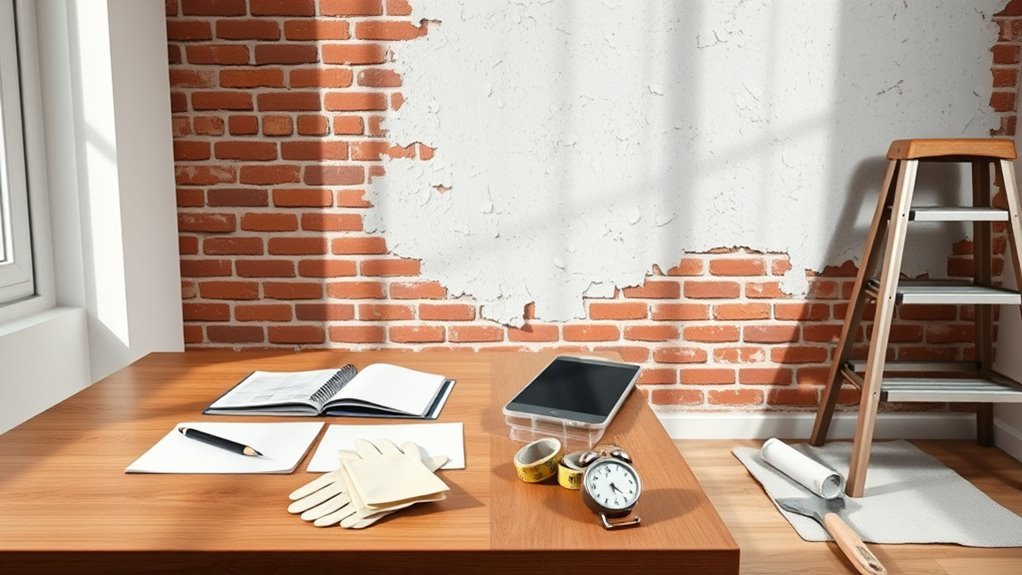
Before you start stripping paint from a red brick wall, set clear goals, a realistic timeline, and a budget so you don’t get surprised halfway through the job. You’ll assess brick condition, prioritize areas, and decide how much surface you’ll fully restore versus touch up.
Factor labor, materials, and cleanup into cost estimates, and schedule work to allow drying and inspection. Consider historical preservation requirements and get approvals if the wall’s heritage-listed.
Weigh methods’ environmental impact—choose low-toxicity products and proper waste disposal. Track progress against milestones so you stay on budget and finish on time.
Quick Decision Guide: Best Method for Your Brick
First, note what kind of paint you’re dealing with—latex, oil, or heavy enamel—since that determines the remover or method you’ll use.
Check the brick’s condition for crumbling mortar or thin flaking so you don’t damage it during removal.
Finally, pick a method that fits your timeframe: chemical strippers or pressure washing for fast results, gentler methods if you need to be careful.
Type Of Paint
What kind of paint are you dealing with? Identify latex, oil-based, or masonry-specific coatings before choosing removal tools. Consider color mixing history—multiple layers or tints can complicate stripping and reveal unexpected hues. Also factor paint durability: older oil finishes bond harder than modern latex.
- Latex: water-based, softens with alkaline stripper or heat; easier to lift.
- Oil-based: tougher, needs solvent-based removers or careful sanding; higher adhesion.
- Masonry paint: formulated for porous brick; may penetrate deeply and require aggressive methods.
Match your method to the paint type to avoid damage and reduce repeat treatments.
Brick Condition
Now that you’ve matched the removal method to the paint type, check the brick’s condition to pick the safest, most effective technique. Inspect brick texture—smooth, dense bricks tolerate harsher methods; soft or pitted bricks need gentler approaches.
Look for mortar damage, loose fragments, or previous coatings that suggest fragility. Note color variation across the wall; uneven hues may reveal underlying stains or firing differences that react differently to cleaners or heat.
Test a small, inconspicuous area with your chosen method and evaluate results. If the brick flakes, darkens, or absorbs chemicals, switch to milder solvents, poultices, or low-pressure cleaning.
Preferred Timeframe
When should you tackle paint removal? Plan around moisture, temperature, and your final finish. You’ll work faster and cleaner when brick is dry and temperatures stay moderate, and you’ll avoid trapping damp under any new coatings.
Consider color compatibility if you’ll refinish or limewash—testing ensures the old hue won’t bleed through.
- Ideal conditions: low humidity, 50–75°F, stable indoor climate.
- Prep window: after repairs and before sealing or repainting; test patches first.
- Avoid: extreme heat, freezing temps, or rainy periods that affect drying and chemical performance.
Schedule work in a predictable, controlled period for best results.
Assessing Original, Veneer, or Painted Brick
Check the brick thickness to see if you’ve got solid masonry or a thin veneer.
Look at the mortar joints for consistency and whether the brick is tied into the structure.
Finally, test paint adhesion in a small area to tell if the coating’s original or applied later.
Inspect Brick Thickness
Curious whether your bricks are solid masonry or just a thin veneer? You’ll want to inspect thickness to know how paint adhesion behaves and whether removal will expose structural material.
Run a careful probe near an unobtrusive spot, feeling for changes in brick texture and backing. If a thin layer peels or flexes, it’s likely veneer.
- Tap bricks: hollow sound suggests veneer.
- Measure exposed edge where possible to check depth.
- Look for consistent texture vs. a smoother, applied face.
Knowing thickness guides your method and protects the wall’s integrity during paint removal.
Check Mortar Joints
How should you evaluate the mortar joints to tell whether the wall is original masonry, a veneer, or simply painted brick? Do a mortar check and Joint inspection: look for recessed, full-bed, or thin joints, gaps behind bricks, and consistent mortar aging. Tap bricks to compare sound; feel for hollow spots indicating veneer. Note paint on mortar faces—original walls usually have flush mortar lines. Record findings to guide removal method and tool choice.
| Sign | Interpretation |
|---|---|
| Thick, aged mortar | Likely original masonry |
| Thin mortar layer | Possible veneer |
| Hollow sound | Veneer or cavity |
| Paint on joints | Painted brick surface |
| Crumbling mortar | Repointing needed |
Test Paint Adhesion
After you’ve inspected the mortar joints, move on to testing paint adhesion so you can determine whether you’re dealing with original masonry, a thin veneer, or simply a painted surface. You’ll spot clues: loose flakes reveal poor adhesion, shiny surfaces suggest modern coatings, and deep-seated paint may hide original color contrast.
Use a discreet patch test—scrape, peel, and solvent-check—to judge layers without harming historical authenticity. Document results and photos before proceeding.
Consider structural inspection if veneer is suspected. Proceed based on findings: preserve original where possible, strip stubborn coatings, or plan for professional veneer removal.
- Scrape test
- Solvent test
- Edge inspection
Identifying the Type of Paint on Your Brick
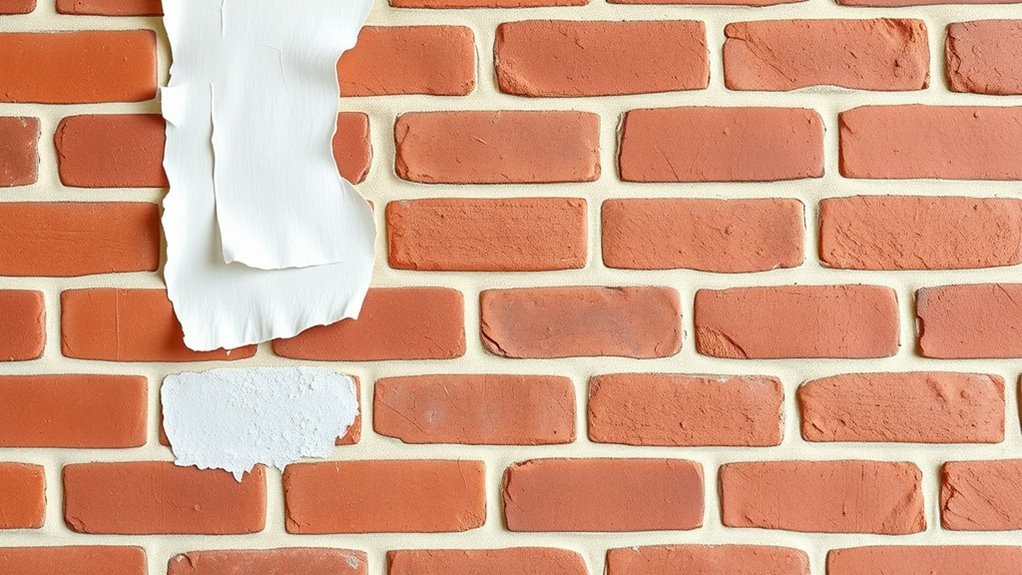
Before you pick a removal method, figure out what kind of paint is on your brick—latex, oil-based, or masonry paint—because each responds differently to cleaners and strippers.
Before removing paint from brick, identify whether it’s latex, oil-based, or masonry to choose the right method.
You’ll inspect surface sheen, smell, and adhesion: latex feels flexible and peels in sheets, oil-based is harder with a solvent odor, masonry paint bonds deeply and may be textured.
Scrape a small area and note residue and solvent reaction.
Check records or prior owners for color trends that hint at era choices, and consider historical preservation if your building is older.
Accurate ID guides safer, more effective removal.
When to Test for Lead Paint and How to Proceed
If your home was built before 1978 or you don’t know the paint’s age, test for lead before you start removing paint—lead-based paint was common until then and poses serious health risks when disturbed. You should arrange certified lead testing or use EPA-recognized kits, then follow Safety protocols based on results.
If tests are positive, hire a certified abatement professional or use containment, HEPA filtration, and personal protective equipment.
If negative, proceed with standard removal methods but keep dust minimal.
- Confirm certification and documentation
- Follow local regulations and disposal rules
- Prioritize ventilation and HEPA cleanup
Test Patch: Step-By-Step and Success Criteria
Now that you’ve confirmed whether lead is present and set up safety measures, run a small test patch to see how the brick and the paint will react to your chosen removal method.
Before full removal, test a small, hidden patch to check paint reaction, brick damage, and color match.
Choose an inconspicuous area, apply your method for the recommended time, then gently remove residue.
Inspect for mortar damage, discoloration, or efflorescence.
Compare cleaned brick to surrounding areas for color matching and note any texture changes.
Evaluate ease of paint removal, cleanup requirements, and aesthetic considerations for the finished wall.
If the patch meets criteria—no damage, acceptable color match, and manageable effort—proceed; otherwise, adjust the method and retest.
Tools You’ll Need for Safe Brick Paint Removal
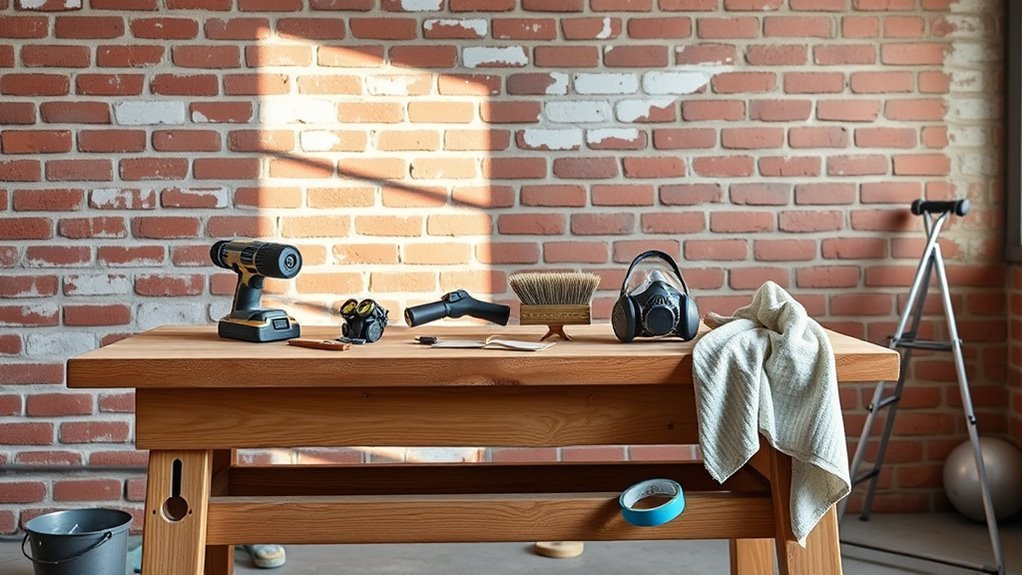
Before you start, make sure you’ve got the right personal protective equipment—gloves, eye protection, a respirator, and sturdy clothing—to shield you from dust, chemicals, and flying debris.
You’ll also need a mix of chemical strippers, poultices, wire brushes, scrapers, and possibly a pressure washer or rotary tool depending on the brick and paint.
I’ll walk you through what each tool does and when to use it safely.
Personal Protective Equipment
Wondering what you’ll need to protect yourself while removing paint from red brick? You’ll prioritize personal safety by wearing proper protective gear to prevent inhalation, skin contact, and eye injuries. Choose items rated for dust and chemical exposure, and replace disposable pieces when soaked or damaged. Fit everything correctly before you start, and ventilate the area to reduce fume buildup. Keep a first-aid kit nearby and know emergency procedures.
- NIOSH-rated respirator (or P100 mask) for particles and fumes
- Chemical-resistant gloves and long sleeves to protect skin
- Safety goggles or a full-face shield for eye protection
Chemical And Mechanical Tools
When you tackle paint removal from red brick, you’ll want both chemical strippers and mechanical tools that match the paint type and the brick’s condition; combine them for efficiency while minimizing damage.
Choose a low-odor, masonry-safe stripper for interior work and test a patch first.
Use plastic scrapers, brass brushes, and a non-abrasive rotary brush on a drill; avoid steel brushes that gouge.
Rent a wet sandblaster or pressure washer with low PSI for stubborn spots, keeping mortar intact.
Balance aesthetic goals—consider color psychology when restoring tones—and consult historical preservation guidelines for original finishes.
Personal Protective Equipment to Use Every Time
Because you’ll be working with solvents, scrapers, and flying chips of paint, you should suit up with proper personal protective equipment every time. You’ll protect your eyes, lungs, skin, and clothing while preserving the brick’s look for future interior decor plans or even adjacent gardening tips-inspired greenery placement.
Suit up with chemical-rated PPE—respirator, gloves, goggles—protect eyes, lungs, skin, and your home from paint dust.
Wear gear that fits and is rated for chemicals and dust.
- NIOSH-approved respirator and disposable filters
- Chemical-resistant gloves and long sleeves
- Impact goggles and a face shield
Inspect equipment before each session, discard contaminated disposables, and keep a change of clothes to avoid spreading dust around your home.
Protecting Floors, Trim, and Furniture Nearby
Before you start scraping or applying solvents, protect nearby floors, trim, and furniture with durable coverings so dust and chemicals don’t cause permanent damage. Tape heavy-duty plastic or canvas drop cloths at baseboards, and seal seams with painter’s tape to preserve color contrasts between brick and flooring.
Wrap trim and architectural accents with thin foam and plastic to prevent dings and solvent seepage. Move small furniture out; cover larger pieces completely and weigh corners to stop shifting.
Keep a dedicated bin for contaminated rags and used tape. Label zones to avoid cross-contamination and make cleanup faster and safer.
Keep Dust and Debris Contained Indoors
If you’re working indoors, seal off the work area to stop dust and paint chips from spreading into the rest of the house. Use plastic sheeting and painter’s tape over doorways and vents, and close HVAC registers to limit airborne particles.
Monitor indoor humidity — high moisture can make containment harder and promote dust settling unevenly.
Run a HEPA air purifier and a shop vacuum with a HEPA filter during and after scraping to capture fine grit.
Follow this checklist to keep control:
- Install plastic barriers with overlapping flaps for access
- Use a HEPA-equipped vacuum frequently
- Run an air purifier on high
When to Hire a Professional Instead of DIY
Keeping your work area clean helps a DIY brick paint removal go smoothly, but some jobs are better left to pros.
Keep the area tidy for DIY paint removal—but know when fragile, historic, or large jobs need a pro.
You’ll want a professional when the brick is historically significant, since historical preservation standards demand techniques and records you mightn’t know.
Hire pros if the surface is fragile, mortar is crumbling, or extensive patching and color matching are needed to meet aesthetic considerations.
Also call a contractor if the job’s scale, high ceilings, or safety risks surpass your tools and experience.
A qualified specialist minimizes damage, guarantees compliance with preservation rules, and delivers a consistent finish.
Chemical vs. Mechanical Removal: How to Choose
When choosing between chemical and mechanical paint removal, weigh the brick’s condition, your timeline, and safety concerns to pick the method that minimizes damage and delivers the finish you want.
You’ll choose chemicals for delicate, historic brick where preserving mortar and achieving color matching matters, while mechanical methods suit sturdy walls and fast results.
Consider dust, fumes, and cleanup; you’ll need gear for either approach.
Test a small area first to confirm texture and color, and think about historical accuracy when restoring older interiors.
- Test patch for finish and color
- Assess structural risk
- Plan PPE and ventilation
Using Eco-Friendly Chemical Paint Strippers
When you pick an eco-friendly stripper, look for low-VOC, biodegradable formulas that list ingredients so you can check toxicity.
Use the product only with good ventilation—open windows, use fans, and consider a respirator if the label recommends it.
Follow all safety instructions and rinse runoff away from soil and storm drains.
Choosing Safe Stripper Formulas
Because you’re working on porous red brick, pick a stripper that’s low in VOCs, biodegradable, and formulated for masonry so it won’t penetrate too deeply or damage the mortar.
You want a product that lifts paint without discoloring the brick, preserving color matching for any touch-ups and maintaining historical accuracy if the wall is period work.
Read labels for active ingredients like soy, citrus, or alkaline blends, and test a small, hidden area first.
Choose formulas with clear neutralizing instructions and minimal residues.
- Soy-based: gentle, biodegradable
- Citrus-based: effective on latex paints
- Alkaline gels: control on vertical surfaces
Proper Ventilation Practices
Although eco-friendly strippers emit fewer fumes, you’ll still need good airflow to keep vapors from building up and to protect your lungs and neighbors. Open windows and doors, and position ventilation fans to push air out rather than recirculate it; box fans in windows work well.
Monitor indoor humidity—high moisture slows drying and can prolong odors—so run dehumidifiers if needed. Wear a respirator rated for organic vapors during application and cleanup.
Schedule work during cooler, lower-humidity hours and warn neighbors about temporary odors. Change air filters afterward and ventilate for several hours to guarantee residual vapors dissipate fully.
Using Solvent-Based Chemical Paint Removers
If you need faster, more aggressive paint removal on red brick, solvent-based chemical strippers can dissolve multiple layers of paint down to the masonry without heavy scrubbing.
You’ll choose a product suited to interior use, consider how color matching will work later, and test on an inconspicuous area so brick texture isn’t harmed.
Use personal protective equipment, keep ventilation strong, and avoid open flames.
- Select a solvent formulated for masonry.
- Test small sections to assess residue and surface impact.
- Neutralize and rinse according to label to prevent long-term brick damage.
Applying Chemical Strippers Safely: Step-By-Step
When you’re ready to apply a solvent-based stripper, prepare the work area, protect nearby surfaces, and gather PPE before opening the container.
Read the label, test a small inconspicuous patch, and ventilate the room.
Apply stripper with a brush, working in manageable sections, and avoid pooling.
Let it act per instructions, then use a stiff nylon brush or scraper to lift softened paint.
Contain runoff and dispose of waste per local rules.
Rinse tools promptly.
After stripping, inspect for residue and touch-up zones where you’ll consider color matching and future paint durability when planning repainting.
How Long to Wait and How to Remove Residue After Stripping
After you’ve scraped and rinsed away the bulk of the softened paint, give the masonry the recommended dwell time on the stripper label—usually 10 to 30 minutes for solvents and longer for some gel or paste formulations—so remaining binders fully break down.
Then rinse thoroughly with clean water, using a stiff nylon brush to lift softened residue without damaging mortar. Let the wall dry fully and inspect for color fading or stubborn paint flaking; repeat spot treatment if needed.
Preserve mortar detail and test a small area before retreating.
- Rinse until runoff is clear
- Brush gently along mortar lines
- Repeat only on problem spots
Heat Guns: When a Heat Gun Is Appropriate
Because heat softens many oil- and latex-based paints, a heat gun can be a fast, effective choice for stripping paint from red brick when the surface is sound and you can control the heat.
You should choose a gun when paint is thick, flaking, or on small areas where chemical strippers would over-saturate mortar. Don’t use it near fragile mortar, historic finishes, or close to decorative accents you plan to preserve.
Test a small, inconspicuous patch first. After stripping, you can evaluate exposed brick for any color matching or repair before sealing.
Always follow safety guidelines and ventilate the room.
Heat Gun Technique: Safe Scraping for Interior Brick
If you’re using a heat gun on interior brick, work methodically and keep the nozzle moving so you don’t scorch the mortar or overheat the masonry. Hold the gun about 6–8 inches away, heat only until the paint softens, and then scrape gently with a putty knife at a shallow angle to lift the coating without gouging the brick.
Wear eye and respiratory protection, test a small area, and work in well-ventilated spaces.
Move slowly to avoid thermal shock. Consider color matching for any touch-ups to preserve historical accuracy when restoring exposed brick surfaces.
- Use low heat settings.
- Scrape in short passes.
- Clean residue with a stiff brush.
Why You Should Avoid Open Flames or Torches on Interior Brick
While a heat gun lets you control temperature and scrape safely, open flames or torches on interior brick are much harder to manage and can quickly damage mortar, scorch adjacent materials, ignite dust or fumes, and create hazardous smoke.
You shouldn’t risk uneven heating that cracks brick or loosens mortar joints. Flames can discolor bricks and ruin wall aesthetics, and smoke will interfere with indoor lighting and set off alarms.
You’ll also expose finishes, wood trim, and insulation to ignition. Choose safer methods so you don’t compromise structural integrity, indoor air quality, or the room’s appearance while removing paint.
Hand Scraping and Wire-Brush Techniques That Preserve Mortar
Start by using gentle hand scraping to lift loose paint without chipping the mortar, and work with the brick’s texture instead of against it.
Follow up with a stiff wire brush held at a low angle to remove remaining flakes while keeping grout intact.
Move slowly and check your progress often so you don’t overwork or damage the joints.
Gentle Hand Scraping
Because brick and mortar respond differently to force, you’ll want to use gentle hand scraping to lift paint without damaging the joints. You’ll work with a flat scraper or putty knife held at a low angle, easing flakes away while preserving mortar edges.
Take breaks to assess progress and avoid gouging. Plan ahead if you’ll later do color matching or restore decorative accents so removed areas match surrounding brick.
- Use consistent, light pressure and short strokes.
- Keep tools sharp but not aggressive.
- Clean debris frequently to see actual brick condition.
Wire Brush Technique
When you need a balance between gentle scraping and more aggressive removal, a handheld wire brush lets you lift paint from the brick face without disturbing mortar joints. You’ll work with short, controlled strokes following the brick’s texture; avoid pressing into joints so mortar stays intact.
Start with a soft-bristle brush, move to medium wire if needed, and test in an inconspicuous spot. Clean debris often and wipe with a damp cloth to assess progress.
Preserve brick character for color matching and historical accuracy when repainting or sealing. Finish with a vacuumed surface and touch-up only where necessary.
Rotary Tools and Wire Wheels: Dos and Don’ts
Although rotary tools and wire wheels can speed paint removal, you’ve got to use them carefully to avoid damaging brick or mortar. You’ll control speed, pressure, and angle to protect wall textures and preserve edges for later color matching. Wear eye, lung, and skin protection; test a hidden section first; keep a firm, steady hand.
- Use low-speed rotary bits and soft-bristle wheels for gentle paint layers.
- Avoid aggressive brushes or high RPMs near mortar joints and thin brick faces.
- Stop if brick flakes, then switch to chemical or manual methods to prevent permanent harm.
Professional Blasting Options (Soda or Dry Ice): Pros and Cons
If you need a fast, effective way to strip paint without sanding or harsh chemicals, professional blasting with baking soda or dry ice offers two strong options. You’ll find soda blasting gentle on brick texture, using abrasive particles that remove paint while preserving mortar; it pairs well with eco friendly solvents for final cleanup.
Dry ice blasting evaporates media on contact, leaving no secondary waste and reducing disposal needs. Both require trained pros and strict blasting safety: containment, ventilation, and PPE are essential.
You’ll weigh surface sensitivity, cleanup logistics, and cost—soda for control, dry ice for no residue.
When and How to Use Low-Pressure Power Washing Indoors
If the paint is loose but the mortar and brick are sound, you can try low-pressure power washing to remove surface layers without harming the masonry.
When working indoors, keep pressure low (under 1,200 psi), mask off surrounding areas, and use tarps to control overspray and runoff.
Wear eye and respiratory protection, guarantee good ventilation, and have a wet vacuum or absorbent materials ready to collect water and paint residue.
When To Use Power Washing
When you’re facing paint that’s flaking or deeply embedded in the mortar joints, low-pressure power washing can be a safe, efficient option for indoor brick—provided you control moisture and protect surrounding surfaces.
You should choose washing when paint removal by scraping or chemical methods would damage the brick texture or when large areas need consistent cleaning.
Consider color matching and aesthetic considerations afterward, since exposure can change brick tone.
Test a small patch first to gauge results and drying time.
Prep the room to contain water and plan for quick drying.
- Test patch first
- Control moisture flow
- Protect adjacent finishes
Indoor Power Washing Safety
Although indoor low-pressure power washing can quickly remove stubborn paint, you should only use it after testing, sealing off the area, and preparing for controlled drying.
You’ll test a small patch to confirm the washer won’t harm mortar or change brick color. Seal doors, vents, and furniture with plastic, and run exhaust fans or dehumidifiers to control indoor humidity so bricks dry evenly.
Use under 500 psi and a wide-angle nozzle to avoid etching. Wear eye, ear, and respiratory protection.
Work from bottom up, rinse with minimal water, and dry immediately. If damage appears, stop and consult a pro.
Comparing Cost, Speed, and Risk of Each Removal Method
Before you pick a method, weigh cost, speed, and risk side by side so you can match the approach to your budget, timeline, and tolerance for damage.
You’ll balance DIY options (cheap but slow), chemical strippers (moderate cost, faster, fume risk), and mechanical abrasion (fast, costly, likely surface harm).
Consider post-removal needs like color matching or decorative finishes if you plan to repaint or seal.
Choose based on how quickly you need results and how much brick alteration you’ll accept.
- DIY scraping: low cost, high time
- Chemical stripper: mid cost, moderate speed
- Grinder/sander: high cost, high risk
How to Protect Mortar Joints During Paint Removal
If you want the brick to stay intact, shield the mortar joints before you start stripping paint—proper protection prevents crumbling, pitting, and unattractive gaps that are hard to repair. Use low-pressure masking with painter’s tape and kraft paper, sealing edges so solvents or blasting media don’t undercut joints.
For chemical strippers, apply a thin sacrificial barrier of joint-safe paste or elastomeric caulk to deflect run-off. When you clean, work gently with soft brushes near joints.
Keep samples for color matching if you’ll repoint later, and consult historical preservation guidelines for approved materials and methods.
Dealing With Paint That’s Deeply Penetrated the Brick
Once you’ve protected the mortar, you’ll still face areas where paint soaked into the brick’s pores and won’t come off with surface methods. You’ll need stronger, more targeted approaches to reach that deep pigment without damaging the masonry. Use poultices or chemical strippers formulated for masonry, testing a small area first.
You may need light abrasive blasting by a pro to avoid etching. After removal, assess color matching for touch-ups and consider limewash or breathable stains to restore tone while preserving historical accuracy. Maintain ventilation and proper PPE throughout the process.
- Test in an inconspicuous spot
- Use masonry-specific products
- Hire a specialist for blasting
Removing Paint From Crevices, Corners, and Detailed Brickwork
You’ll need the right small tools—like nylon brushes, dental picks, and narrow scrapers—to reach crevices and corners without damaging the brick.
Soften stubborn paint with a gentle heat gun or a biodegradable stripper, then work it out carefully with those tools.
Protect nearby surfaces and plants with drop cloths and tape before you start.
Tools For Tight Spaces
Because paint hides deep in mortar joints and ornate brick profiles, you’ll need small, precise tools to reach every nook and edge. Pick tools that let you work close to the surface without damaging the brick. You want tools that preserve color contrast and aid texture enhancement while scraping, brushing, and detailing.
Use steady, light pressure and test on an inconspicuous area.
- Brass-bristle toothbrush or small wire brush for grout and crevices
- Dental picks, plastic scrapers, and hooked razor tools for corners and ornate profiles
- Detail sanding sponges and folded abrasive cards for tight grooves and raised edges
Softened Paint Removal
After you’ve got the right small tools and practiced gentle pressure, soften stubborn paint in crevices so it lifts without gouging the brick. Apply a low-odor, masonry-safe chemical stripper with a stiff nylon brush or cotton swab, working in tiny sections. Let the stripper dwell per instructions, then agitate gently along mortar lines and decorative profiles.
Rinse residues with minimal water and blot dry. For historic pieces, test small areas to preserve patina—historical preservation matters. After removal, assess exposed color for later color matching if touch-up’s needed.
Work patiently; detailed brick rewards careful, controlled effort.
Protecting Surrounding Areas
How will you protect nearby surfaces while you work on crevices, corners, and detailed brickwork? You’ll tape and mask adjacent trim, cover floors and furniture with drop cloths, and use small tools to target paint without affecting surroundings.
Focus on finish preservation by testing removers on a hidden patch and plan for color matching if you’ll repaint exposed brick. Work from top down, control runoff, and keep ventilation steady.
- Use low-tack painter’s tape and plastic sheeting for edges.
- Employ nylon brushes and dental picks for tight spots.
- Contain solvents with absorbent pads and immediate cleanup.
Stain and Ghosting: Causes and Removal Techniques
Stains and ghosting show up when paint or cleaning chemicals leave residues that soak into brick pores or react with underlying minerals, so you’ll often see faint discoloration or outlines even after most paint is gone.
Stains and ghosting occur when residues from paint or cleaners soak into brick pores, leaving faint discoloration.
Identify organic stains vs mineral ghosting by testing a small wet area; organic marks often lift with detergent and soft scrubbing, while mineral issues need targeted poultices.
Use gentle abrasion, poultices (clay or baking soda paste), and enzyme cleaners as appropriate, then assess color matching if you plan touch-ups.
Improve long-term paint durability by sealing repaired areas with a breathable masonry sealer before repainting.
Using Muriatic Acid or Brick Cleaners: Safety and Limits
While muriatic acid and commercial brick cleaners can strip paint and efflorescence effectively, they’re powerful chemicals that demand careful handling and strict limits on where and how you use them. You’ll follow chemical safety: wear goggles, gloves, and a respirator, ventilate the space, and keep neutralizers ready.
Respect acid limitations—never use on softened mortar, painted interiors without containment, or near metal, plants, and finishes. Test a small inconspicuous area first.
Work in short passes, rinse thoroughly, and dispose of waste per local rules.
- Personal protective equipment (PPE)
- Small test patches
- Containment and disposal
Neutralizing Brick After Chemical Cleaning
After rinsing away the cleaner, you’ll need to guarantee any remaining acid is neutralized to prevent ongoing brick damage and mortar softening. A simple baking soda solution or a commercially recommended neutralizer will do the job. You’ll mix baking soda with water (about 1 cup per gallon), apply evenly, scrub gently, then rinse thoroughly.
Neutralizing stops etching and helps mortar set properly. After drying, assess color matching for any patched or repointed areas so repairs blend and preserve historical accuracy.
Work methodically, ventilate, and wear gloves and eye protection. Proper neutralization ensures your brick stays sound and ready for final restoration.
How to Check Brick for Damage After Paint Removal
When you’ve removed the paint and the brick’s dry, inspect every surface and joint for chips, spalling, mortar loss, or soft spots; these signs tell you whether the wall needs immediate repairs or just cosmetic touch-ups.
Run your hand over the brick texture to feel irregularities, and use bright light to reveal color variation from the original paint color or staining.
Tap each brick lightly with a screwdriver handle—hollow sounds suggest internal damage.
Note misplaced mortar or gaps and mark them for later attention.
- Record locations and severity.
- Photograph variations in texture and color.
- Prioritize areas near moisture sources.
Repairing Spalled Brick and Crumbling Mortar
If you find spalled bricks or crumbling mortar, address them promptly to prevent water intrusion and further deterioration. You’ll remove loose material with a stiff brush and chisel.
Then, match replacement brick or patch with compatible mortar. For spalled faces, use a mortar or epoxy patch rated for brick, feathering edges to blend.
Match replacement bricks with compatible mortar; for spalled faces use a brick-rated mortar or epoxy, feathering edges to blend seamlessly
In historical restoration, test materials first so repairs match porosity and color. Use careful, small-batch mixing and apply with controlled, artistic techniques to respect texture.
Let repairs cure slowly, keep them moist if needed, and monitor for settling before repainting or sealing.
Repointing Mortar Joints After Paint Removal
After you strip paint from the brick, inspect the mortar joints for crumbling or gaps so you know what needs replacing.
Mix a compatible mortar that matches the existing color and strength, and dampen the joints before you work.
Then pack the new mortar firmly into the joints and tool it to match the original profile for a neat, weatherproof finish.
Assess Mortar Damage
Although paint removal focuses on the brick surface, you’ll need to inspect the mortar next because damaged or missing joints will let moisture in and undermine the wall. Check mortar integrity visually and by probing with a screwdriver; loose, crumbly, or recessed mortar increases brick permeability and invites freeze-thaw damage. Note areas where paint concealment masked joint gaps.
- Record depth and extent of deteriorated joints.
- Identify mortar that’s hard vs. powdery to gauge deterioration.
- Mark sections needing full removal versus minor touch-up.
You’ll then prioritize repointing based on safety, moisture risk, and visible joint failure.
Mix And Apply Mortar
Once you’ve cleared failing mortar and cleaned the joints, mix a compatible repointing mortar and apply it to restore a weatherproof seal. You’ll mix mortar to match texture and color, dampen joints, pack mortar firmly with a tuckpointing tool, and strike to match existing profiles. If recommended, apply primer to exposed brick edges before finishing to improve adhesion. Work in small sections, keeping mortar moist for proper curing. Clean tools and residue promptly.
| Step | Tool | Tip |
|---|---|---|
| Prep | Brush | Remove dust |
| Mix | Bucket | Follow ratio |
| Pack | Trowel | Compact firmly |
| Finish | Jointer | Match profile |
| Cure | Spray | Keep damp |
Preparing Cleaned Brick for Sealing or Staining
When you’ve finished stripping paint and the brick is dry, inspect the surface for mortar damage, efflorescence, and remaining paint stains so you can address problems before sealing or staining.
You’ll clean with a stiff brush and mild detergent, rinse thoroughly, and let the wall dry completely.
Test a small area for dye penetration if you plan to stain, and note original hues for color matching and historical accuracy.
- Repair cracks and repoint mortar where needed.
- Remove efflorescence with a diluted muriatic solution, rinsing well.
- Sand or spot-strip stubborn paint residues before finishing.
Choosing the Right Sealer for Interior Red Brick
If you want your interior red brick to stay vibrant and resist stains, pick a sealer that matches the brick’s porosity and your finish goals—penetrating sealers preserve texture and breathability, while film-forming sealers give a shinier, more water-resistant surface. Consider Sealer durability based on traffic and moisture; test on a small area to check appearance and absorption. Higher porosity needs deeper-penetrating products. Choose a low-VOC option for indoor air quality.
| Type | Best for | Longevity |
|---|---|---|
| Penetrating | High Brick porosity | Medium–High |
| Film-forming | Low porosity, shine | High |
| Hybrid | Balanced needs | High |
How to Apply Sealer or Stain for Lasting Results
Before you seal or stain your red brick, make sure the surface is clean, dry, and free of loose mortar or old paint residue so the product bonds properly.
Pick a sealer or stain made for masonry and your desired sheen and breathability, and follow the manufacturer’s specs for coverage and cure time.
Apply evenly with a brush or sprayer, let it dry fully, and plan simple maintenance checks every year to catch wear early.
Surface Preparation Steps
Once the brick is clean and dry, you’ll prep the surface so a sealer or stain bonds evenly and lasts. Inspect for loose mortar, efflorescence, or residual paint; address problems before treatment to avoid trapped moisture.
Test a small area to check color contrast and verify you’re not compromising historic preservation goals.
Lightly sand or wire-brush glossy spots, then vacuum and wipe with a damp cloth. Allow full drying time.
- Remove dust and debris from pores
- Repair cracks and replace loose mortar
- Conduct a small test patch for appearance and adhesion
Choosing The Right Sealer
How do you pick a sealer that protects the brick without trapping moisture? You’ll want breathable, vapor-permeable options—silane-siloxane or water-based acrylics—so moisture can escape. Compare sealer types for sheen, penetration, and compatibility with mortar. Test a small, inconspicuous area to confirm appearance and adhesion.
For lasting results, follow proper application techniques: clean and dry the brick, use a low-pressure sprayer or brush for even coverage, and apply thin, overlapping coats. Allow recommended cure times between coats.
Avoid film-forming, non-breathable products that can trap moisture and cause spalling over time.
Application And Maintenance
Now that you’ve selected a breathable sealer, focus on proper application and ongoing upkeep to make that protection last. You’ll prep by cleaning mortar joints, testing a small area for color matching, and using a brush for edges and a low-pressure sprayer for broad coverage.
Apply two thin coats, allowing full cure between layers, and avoid sealing wet brick. For historical accuracy, document original tones and use compatible products.
- Inspect annually for wear, efflorescence, or peeling.
- Reapply a maintenance coat every 3–5 years or as needed.
- Patch damaged mortar before resealing.
Preventing Future Paint Adhesion on Restored Brick
Because repaired brick will tempt new coats of paint, you should take deliberate steps to keep it paint-free. Seal with a breathable masonry sealer, choose mortar and touch-up pigments for color matching, and document work for historical preservation. Post signs and instruct household members about the finish.
| Action | Frequency | Who |
|---|---|---|
| Inspect seal | Annually | You |
| Reapply sealer | Every 3–5 yrs | Pro/You |
| Touch-up mortar | As needed | Mason |
| Record color codes | Once | You |
These steps deter casual repainting and preserve restored brick character without altering breathability.
Cleaning and Maintaining Restored Brick Walls
Now that the paint’s gone, you’ll want to keep the brick looking good with regular dusting and vacuuming to prevent grit buildup.
When it needs a deeper clean, use gentle methods—soft brushes, mild detergent, and low-pressure rinsing—to avoid damaging the masonry.
Finally, seal vulnerable areas and manage moisture to protect the restored surface and extend its life.
Regular Dusting And Vacuuming
Once the paint’s been removed and the mortar’s cured, keep your restored red brick looking sharp by dusting and vacuuming it regularly. This simple routine prevents grit and grime from settling into pores and easing future stains.
You’ll honor historical preservation by using gentle brushes and eco-friendly products for loose dirt. Vacuum with a soft-brush attachment, working top to bottom to avoid re-soiling lower areas.
Spot-check mortar joints for debris and address immediately to preserve texture and breathability.
- Use a soft-bristled brush for crevices
- Vacuum with low suction and soft attachment
- Wipe edges with a damp microfiber cloth
Gentle Deep-Clean Methods
While regular dusting keeps loose dirt at bay, gentle deep-cleaning tackles ingrained grime without harming the brick or mortar. You’ll start with a soft-bristle brush and a bucket of warm water mixed with a pH-neutral cleaner, scrubbing in small sections and rinsing with a sponge.
For stubborn stains, try a diluted poultice—apply, let dry, then remove—to lift residue without aggressive abrasion. Test any method on an inconspicuous spot first to protect color matching and maintain historical accuracy.
Finish by allowing the wall to air-dry completely; repeat spot treatments as needed rather than resorting to harsh chemicals.
Sealing And Moisture Control
After you’ve removed stains and let the brick dry, it’s time to protect your work by controlling moisture and applying a suitable sealer. You’ll want clear sealing strategies: choose breathable sealers that repel liquid but allow vapor transfer, and avoid film-forming coatings that trap moisture.
Inspect for leaks, fix flashing, and ensure interior humidity stays below 60% to prevent efflorescence and mold. Consider installing moisture barriers where external dampness is an issue, but use vapor-permeable options indoors.
Maintain periodic checks and reapply sealer per manufacturer guidance to keep the brick stable and attractive.
- Choose breathable sealers
- Fix leaks/flashing
- Monitor humidity levels
Common Mistakes DIYers Make and How to Avoid Them
Because paint and brick react differently, DIYers often make predictable mistakes that cost time and damage the masonry; you’ll avoid most problems by understanding what not to do and why.
Don’t over-scrub or use overly aggressive chemical strippers that erode mortar.
Avoid high-pressure washing indoors — it forces moisture into the wall.
Don’t ignore testing: try methods on a small area to check color matching and preserve historical accuracy.
Skip homemade mixes you haven’t researched.
Wear proper protection and ventilate.
Take photos before you start.
If unsure, consult a conservator to prevent irreversible brick or finish damage.
How Long the Whole Project Typically Takes
If you plan carefully and test your methods first, a typical exterior red-brick paint removal project takes anywhere from a weekend for a small section (50–200 sq ft) to several days or even a couple of weeks for larger or more complex walls, accounting for prep, stripping, cleanup, and drying time.
Plan and test first: small exterior brick sections take a weekend; larger walls need days to weeks.
You’ll work in stages: prepare and protect surfaces, strip paint, then clean and inspect bricks for repairs.
Expect longer time if mortar repair, color matching, or historical preservation standards apply. Plan buffers for weather and drying.
- Prep and protection
- Stripping and spot repairs
- Cleaning, inspection, and finishing
Budgeting: Expected Costs for DIY vs. Pro Work
When you weigh DIY against hiring a pro, the biggest differences are labor time, equipment needs, and the risk of damaging bricks or mortar.
DIY can cut costs but may take longer and require renting specialty tools. You’ll spend on scrapers, chemical strippers, poultices, and possibly a pressure washer rental; expect $50–$300 for DIY supplies for a small wall.
Pros typically charge $500–$2,500 depending on size and difficulty, including labor and cleanup.
Factor extra for color matching and texture restoration to restore appearance accurately.
How to Find and Vet a Contractor for Brick Paint Removal
Before you hire anyone to strip paint from your brick, know what to look for: check experience with masonry paint removal, ask for before-and-after photos of similar jobs, verify licenses and insurance, and get detailed written estimates that spell out methods and cleanup.
When vetting contractors, emphasize historical preservation and your aesthetic considerations so they propose sensitive methods. Call references, confirm warranties, and request a timeline. Trust professionals who explain risks and restoration alternatives clearly.
- Ask for three local references
- Confirm materials and disposal plans
- Require a written contract with milestones
Health and Legal Considerations for Lead and Hazardous Waste
Before you start stripping paint, get the brick tested for lead so you know what precautions to take. If tests show lead or other hazardous substances, you’ll need to follow proper disposal rules and hire a certified waste handler.
Failing to test or dispose correctly can put you at legal and health risk, so don’t skip this step.
Lead Paint Testing
Wondering whether the paint on your red brick contains lead? You should test before sanding or stripping, especially in older homes where historical preservation and aesthetic considerations matter.
Use a certified tester or hire a licensed inspector to get reliable results. If tests are positive, don’t disturb the surface yourself; professionals follow containment protocols.
- Hire a certified lead inspector for lab-grade confirmation.
- Use EPA-recognized test kits only as preliminary screening tools.
- Document results for legal compliance and future buyers.
Testing protects occupants, preserves historic character, and guides safe remediation choices without risking contamination.
Hazardous Waste Disposal
How will you dispose of paint chips, dust, and liquids that test positive for lead or contain other hazardous chemicals? You must treat them as hazardous waste, follow local waste classification rules, and contact your municipal hazardous waste facility for pickup or drop-off.
Wear PPE, seal materials in labeled, leak-proof containers, and avoid sweeping or vacuuming with non-HEPA devices to prevent spreading dust.
Document testing results and disposal receipts for liability protection.
For large jobs, hire licensed environmental cleanup contractors who handle transport, manifesting, and disposal.
Don’t mix wastes; improper handling can create health risks and legal penalties.
Real-World Before-and-After Examples and What They Teach
When you compare real-world before-and-after photos of paint removal on red brick, you’ll quickly spot which methods preserved the mortar and which stripped it away. Those contrasts teach practical lessons you can apply to your own project.
You’ll learn how surface prep, pressure, and solvent choice affect final appearance. Pay attention to color matching and texture blending when repairing any scuffed or repointed areas so fixes disappear.
- Choose gentle chemical strippers for pigment lift without roughening bricks.
- Use low-pressure washing to protect mortar joints.
- Test patch repairs to confirm color matching and texture blending before full-scale work.
Quick Troubleshooting: Stubborn Paint, Stains, or Odor
If paint won’t budge, you can try stronger removers, a wire brush, or gentle sanding to target those stubborn patches.
For persistent stains, use poultices or a brick-specific cleaner and rinse thoroughly to avoid residue.
If odors linger after cleaning, neutralize them with a baking soda rinse or an enzyme cleaner designed for masonry.
Tackling Stubborn Paint
Although stubborn paint, deep stains, or lingering odors can feel like they’ll never come off, you’ve got reliable options to tackle them without wrecking the brick. Start by testing a small area with a commercial paint remover formulated for masonry; work slowly and rinse thoroughly.
Use a nylon brush or low-pressure washer to avoid damaging mortar. After removal, assess for color matching and texture restoration so repairs blend naturally.
If odor persists, ventilate and use odor-neutralizing products designed for porous surfaces.
- Test remover on hidden spot first
- Work from top down
- Protect adjacent surfaces
Treating Persistent Stains
Because some stains soak deep into brick and mortar, you’ll need targeted tactics that pull contaminants out rather than just masking them. Start with a poultice: mix a mild solvent or trisodium phosphate with absorbent clay or paper pulp, apply thickly, cover, and let it draw the stain for 24–48 hours before rinsing.
For oil or rust, use specialty removers designed for masonry, testing a hidden spot first. If staining persists, consider creative color options like breathable mineral washes or limewash that respect historical preservation while hiding flaws.
Always protect surrounding surfaces and ventilate the area during treatment.
Eliminating Lingering Odors
When odors linger after paint removal or stain treatment, you’ll want to tackle the source first rather than just masking the smell. Check for trapped residue in mortar joints, porous brick, or behind trim; clean with a mild trisodium phosphate solution, rinse, and dry thoroughly.
Use activated charcoal or baking soda to absorb remaining smells before sealing.
- Place bowls of baking soda or activated charcoal near the wall.
- Run fans and dehumidifiers to speed drying and prevent mold.
- Introduce gentle scents via sachets or nearby garden plants, ensuring they suit your interior décor.
You’ll restore fresh air without harming the brick.
Final Pre-Finish Checklist: Inspection and Prep
Before you apply any primer or paint, do a final walk‑through of the wall and prep area to confirm every surface is clean, dry, and properly scored or sanded for adhesion. Check for remaining paint flakes, efflorescence, or mortar gaps. Consider color matching against trimmed pieces and note weather considerations if the room vents to exterior air. Seal gaps, vacuum dust, and wipe with tack cloth. Verify ventilation and odor control. Use the checklist below to mark completed tasks.
| Task | Status | Notes |
|---|---|---|
| Cleaned surface | ||
| Sanded/scored | ||
| Sealed gaps | ||
| Ventilation set |
Frequently Asked Questions
Can I Repaint Brick Without Fully Removing Old Paint?
Yes — you can repaint brick without fully removing old paint, but you’ll need to assess brick texture and guarantee good paint adhesion by cleaning, sanding loose areas, applying a masonry primer, and using paint suited for brick surfaces.
Will Sealing Change the Brick’s Color or Sheen Long-Term?
Like a satin ribbon, sealing can subtly deepen tones; you’ll notice slight sheen and richer brick texture, but long-term color shift’s minimal if you pick quality sealant—sealant durability determines how long that look will last.
Can Indoor Humidity Cause Peeling After Removal?
Yes — indoor moisture can cause peeling after removal because high indoor moisture weakens paint adhesion; you’ll need to control humidity, let bricks fully dry, and use proper primers or breathable sealers to restore durable adhesion.
Are Painted Interior Bricks More Fire-Resistant or Less?
Painted interior bricks are generally no more fire-resistant, often slightly less; paint can alter brick composition superficially, reducing heat tolerance. You’ll want to take into account brick composition, coating flammability, and any insulating effects.
How Do Pets Affect Cured Sealers or Stains on Brick?
Pets can degrade cured sealers or stains over time: pet saliva can etch finishes and fur residue traps oils and dirt, so you’ll clean regularly, use tougher sealers, and avoid pet-accessible treated areas.
Conclusion
So you’ve survived the paint-removal saga: damp gloves, wire brushes, and more elbow grease than you expected. Ironically, the brick that once looked “ruined” now proves stubbornly patient — it takes a little brutality and a lot of finesse to reveal its original charm. Give it the proper tests, legal respect, and cleanup you ignored during the fun parts, and you’ll end up with a wall that quietly gloats at your handiwork.
