
Is Glidden Premium Paint Latex or Oil Based?
Glidden Premium is mainly a water‑based (latex/acrylic) paint, so you’ll get quick dry times, low odor, easy soap‑and‑water cleanup, and good interior durability. A few specialty lines—like some trims, floors, or porch formulas—may use alkyd/enamel for extra toughness, so always check the label or SDS for “water cleanup” or solvent warnings. If you want guidance on choosing primers, application tips, or when an alkyd makes sense, keep going.
Quick Answer: Is Glidden Premium Latex or Oil-Based?
Glidden Premium is a latex (water-based) paint, not oil-based, so you’ll get easier cleanup with soap and water, faster drying times, and less odor compared with traditional oil paints.
Glidden Premium is a water-based latex paint — easier cleanup, quicker drying, and far less odor than oil-based alternatives.
You’ll find it suits most interior walls and ceilings, lets you adjust color mixing without harsh solvents, and responds predictably when you tint or layer shades.
For texture application, it levels well with rollers and brushes, holds light textures, and tolerates skim coats.
You won’t need mineral spirits, and touch-ups blend nicely.
Choose Glidden Premium when you want convenience, straightforward mixing, and reliable surface finish without oil-based drawbacks.
Who Needs a Quick Decision vs a Deep Dive?
Who do you need to decide quickly and when should you take a deeper look? You’ll choose fast if you’re painting a rental turnaround, touch-up, or small accent where Color matching and Brush selection are straightforward.
Take a deeper dive for heirloom trim, open-plan rooms, or custom finishes that reveal mistakes.
- Heart-sinking mismatch that ruins a room
- Pride in a flawless, lasting result
- Anxiety over messy brush strokes
- Joy when color matching feels effortless
- Frustration avoided by right brush choice
Decide by weighing time, skill, and how much the outcome matters to you.
What “Latex” and “Oil-Based” Mean for Performance
When you decide how deep to go on a project, the next practical question is what kind of paint will give you the results you want.
Latex dries faster, resists yellowing, and flexes with surface movement, so it’s easier to clean and good for walls.
Oil-based cures harder, offers smoother leveling and better stain blocking, and can be ideal for trim.
You’ll notice differences in sheen retention, recoat time, and odor.
Color mixing is simpler with latex tints, while oil needs cautious blending.
For both types, follow manufacturer guidelines on paint storage to maintain performance and avoid separation.
How Glidden Labels Its Premium Cans
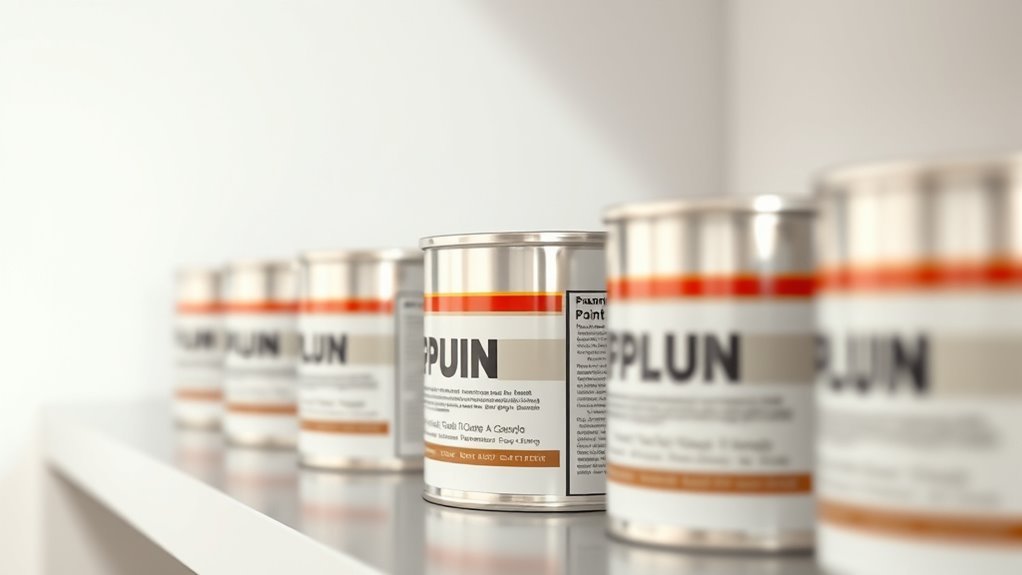
Because you’ll be choosing between similar-looking cans on the shelf, Glidden makes key details easy to find: the premium line displays the product name, finish (like eggshell or semi-gloss), and whether it’s water- or oil-based right on the front label, while the back lists coverage, recommended coats, drying times, and surface prep.
You’ll spot Color matching info, VOC and environmental impact notes, and tint/base indicators. Read the icons and small print to confirm suitability for your surface and ventilation needs.
- Relief when the label matches your project
- Confidence in coverage claims
- Ease choosing low-VOC options
- Pride in eco-aware picks
- Satisfaction with perfect color
Glidden Premium: Typical Base Chemistry Explained
You’ll usually find Glidden Premium offered as a water-based acrylic formula that dries fast, cleans up with soap and water, and resists yellowing.
If you need oil-like properties for better flow or adhesion on trim, there are alkyd-style options in the line.
Compare the labels for “water-based” versus “alkyd” to pick the base that fits your surface and performance needs.
Typical Water-Based Formula
Curious how Glidden Premium achieves its balance of durability, flow, and easy cleanup? You get a water-based formula built on acrylic binders, water as carrier, and coalescents that help film formation while meeting VOC regulations. Pigments support consistent color matching, and additives boost leveling, mildew resistance, and scrub durability.
You’ll notice faster dry times and easier tool cleanup compared with solvent options, plus lower odor during application. Use it for walls and ceilings where flexibility and stain resistance matter.
- Relief: no harsh solvents
- Confidence: true color every coat
- Ease: quick cleanup
- Assurance: compliant chemistry
- Satisfaction: durable finish
Alkyd (Oil-Like) Options
If you prefer the leveling and durable feel of oil-based paints but want specifics on what that means for Glidden Premium, consider its alkyd-style formulations. You’ll find improved sheen control and tougher film than standard latex, useful for trim and cabinets. Note Color mixing limits compared with pure latex and allow longer dry times. For best results, plan brush selection — natural-bristle or solvent-tolerant synthetics work. Clean-up needs solvents. Test small areas to confirm adhesion and finish. Compare VOCs and suitability for indoors.
| Feature | Note |
|---|---|
| Durability | High |
| Dry Time | Longer |
| Clean-up | Solvent |
| Best Use | Trim/Cabinets |
How to Spot Latex vs Oil by Smell and Touch
Wondering whether that can of Glidden Premium is latex or oil-based? You can tell by smell and touch: latex smells faint, slightly chemical; oil smells solvent-strong and lingering. Run a fingertip along a small dab—latex dries tacky then fully smooth; oil stays slick longer.
Think about how it behaved during color mixing and which brush types handled it: synthetic brushes suit latex; natural-bristle grabs oil. Trust your nose, feel, and application memory.
- Relief when it’s the easy-clean latex
- Frustration at solvent fumes
- Confidence from a quick tactile check
- Annoyance if cleanup is messy
- Satisfaction knowing what to expect
Visual Cues on Cans That Show Waterborne or Solventborne
Check the can’s cleanup instructions to see if it says “clean with soap and water” or lists specific solvents—those phrases tell you if it’s waterborne or solventborne.
Look for solvent safety symbols like a fuel-can icon, flammable warning, or VOC labeling to confirm a solventborne product.
If you spot water-cleanup instructions and no flammable or VOC warnings, it’s likely waterborne.
Water Cleanup Instructions
How can you tell at a glance whether a Glidden Premium can needs water or solvents for cleanup? Check the label: waterborne paints usually state “water cleanup” and list water-based ingredients. Look for Color blending tips and recommended brush techniques; those usually accompany latex instructions.
If it’s water-cleanup, rinse brushes promptly with warm water and mild soap, reshape bristles, and let them dry.
- Relief when cleanup is easy
- Confidence using the right method
- Frustration avoided by quick rinsing
- Pride in tools kept like-new
- Calm knowing you followed instructions
Always follow the can’s specific directions.
Solvent Safety Symbols
Look for simple pictograms and short phrases on the can that tell you whether the paint is waterborne or solventborne: a water droplet or “water cleanup” indicates latex/water-based products.
While a solvent can icon, “use mineral spirits,” or a hazard symbol for flammable/strong solvents points to solventborne formulas. You’ll check these symbols to know cleanup, ventilation, and disposal needs.
For color mixing, solventborne tints may require different reducers; waterborne mixes are easier and cleaner.
Choose eco-friendly options by favoring waterborne labels and low-VOC icons.
Always follow symbol guidance for safe handling and storage.
Reading Ingredient Lists and Technical Data Sheets
Want to know what’s really in your Glidden Premium paint? Read ingredient lists and technical data sheets (TDS) to spot binders, solvents, pigments, and performance claims. Look for terms tied to Color mixing and eco friendly additives; they tell you formulation intent and indoor-air impact.
TDS lists VOCs, recommended substrates, dry times, and safety precautions—use that to plan ventilation and cleanup. If labels seem vague, request the safety data sheet (SDS) for hazard specifics.
Trust but verify: manufacturer specs guide application, but you control safe, effective results by reading and following them.
- Relief when ingredients match your needs
- Confidence in safer choices
- Frustration cleared by clear labeling
- Reassurance about indoor air
- Pride in responsible use
Glidden Premium Variants That Are Water-Based (Names/SKUs)
Now you’ll look at the water-based Glidden Premium lineup, focusing on the specific names and SKUs.
Start with Glidden Premium Latex Interior, Glidden Premium Exterior Latex, and Glidden Premium Porch & Floor to compare designated uses and performance.
We’ll note any SKU differences and labeling details that help you pick the right product.
Glidden Premium Latex Interior
While you’re choosing paint for interiors, Glidden Premium’s water-based latex lineup gives you durable, low-odor options that’re easy to apply and clean up. You’ll find interior-specific formulas that balance stain resistance and washability, and color mixing is accurate at stores so your sample matches the room.
Pick proper brush selection for trim and detail to get clean edges. These paints dry quickly, let you repaint sooner, and minimize fumes so living spaces stay comfortable.
- Relief: a fresh, calm room
- Pride: crisp, professional results
- Comfort: low odor while drying
- Confidence: forgiving touch-ups
- Joy: color that uplifts
Glidden Premium Exterior Latex
If you’re tackling outdoor surfaces, Glidden Premium’s exterior latex lineup gives you water-based options built for weather resistance and easy cleanup, with specific SKUs like Glidden Premium Exterior Latex (often labeled for siding and trim) and weatherproof blends for doors and shutters. You’ll get durable, breathable coatings that comply with VOC regulations, and you can rely on in-store color matching to match accents. Check labels for sheen and designated substrate before buying.
| SKU name | Use | Key feature |
|---|---|---|
| Exterior Latex | Siding | Weather-resistant |
| Door/Trim Blend | Doors | Quick-dry |
| Low-VOC Formula | Exterior | Compliance-focused |
Glidden Premium Porch & Floor
After covering exterior latex options for siding and trim, you’ll find Glidden’s Porch & Floor lineup brings water-based formulations tailored for horizontal surfaces like porches, decks, garage floors, and steps.
You’ll appreciate easy color mixing for custom hues, faster drying, and simpler paint storage versus oil options. These variants (check SKU labels) resist scuffing and tolerate foot traffic while cleaning up with soap and water.
Choose satin or semi-gloss finishes for durability. Follow surface prep and manufacturer instructions for best adhesion and longevity.
- You’re proud as guests arrive.
- You’re relieved after a quick cleanup.
- You’re confident in the finish.
- You’re glad you chose easy maintenance.
- You’re satisfied with lasting results.
Are Any Glidden Premium Options Oil-Based?
Curious whether any Glidden Premium formulas are oil-based? You’ll find that most Glidden Premium lines are water-based latex, not oil. That means fewer odor issues, easier cleanup, and compatibility with standard color mixing systems.
If you need an oil-based option for specialized surfaces, check product labels—some specialty or porch-and-floor formulas may use alkyd or enamel variants sold under Glidden or parent-brand labels.
For paint storage, keep unopened cans cool and dry, and tightly sealed; latex has different shelf life than oil. Always confirm by reading the technical data sheet or asking store staff before purchase.
Drying Times: Glidden Premium Latex vs Oil
While Glidden Premium latex dries to the touch in about 30 minutes to 1 hour under normal conditions, you’ll usually wait 2–4 hours before recoating. Oil-based alternatives take much longer — often 6–8 hours to touch and up to 24 hours between coats — so you’ll plan accordingly.
Glidden Premium latex dries to touch in 30–60 minutes; recoat in 2–4 hours, versus oil paints’ much longer waits.
Your schedule, ventilation, and temperature affect times, and Glidden’s Color choices and Brand reputation mean consistent batches and predictable drying. If you’re rushing a project, latex usually wins.
Consider surface type and desired finish when choosing.
- Relief when a quick project finishes
- Frustration with slow waits
- Confidence in reliable drying
- Anxiety over smudges
- Satisfaction with smooth results
Primer and Adhesion: When and Why With Glidden Premium
You should prime when you’re covering stains, switching from oil to latex, or painting bare or patched surfaces to guarantee uniform adhesion.
Start by cleaning, sanding glossy areas, and removing loose paint or contaminants so the primer bonds properly.
If paint is peeling, blistering, or lifting, troubleshoot by testing adhesion with a tape pull, addressing moisture or surface contamination, and spot-priming problem areas before repainting.
When To Prime
Wondering whether to prime before using Glidden Premium? You should prime when surfaces show stains, bare wood, drastic color changes, or poor adhesion. Primer helps with color mixing consistency and lets Glidden Premium perform as designed.
Use appropriate brush types for edges and a roller for flats after priming. Choose a primer suited to the substrate and the topcoat to avoid peeling.
- Relief that coverage improves
- Confidence in even color
- Satisfaction from smoother finish
- Calm knowing stains won’t bleed
- Pride in professional-looking results
Prime selectively to save time while ensuring lasting adhesion and color fidelity.
Surface Preparation Steps
How should you prep surfaces so your Glidden Premium topcoat sticks, hides, and lasts? You’ll clean, sand, and repair: remove grease, scuff glossy areas, fill holes, and sand smooth. Choose primer based on substrate and desired paint sheen; prime bare wood, patched drywall, and metal for adhesion. If you’re doing color mixing, tint primer to reduce coats. Allow proper drying between steps and wipe dust before topcoat. Use light sanding between primer and finish for bite.
| Step | Action |
|---|---|
| Clean | Degrease and rinse |
| Sand | Scuff gloss; smooth repairs |
| Prime | Match substrate and sheen |
Adhesion Troubleshooting
When paint won’t stick or shows early wear, start by checking whether you used the right primer and applied it correctly. You’ll avoid many adhesion issues by confirming surface cleanliness, compatibility, and cure times.
Inspect for grease, chalking, or glossy patches that resist bonding. Test adhesion with a tape pull and note if failure is primer, substrate, or topcoat.
Consider a bonding primer for tricky surfaces, and match primer type to paint for proper color matching and consistent finish sheen.
- Frustration at peeling
- Relief after a solid patch
- Confidence from a clean test
- Worry when tape lifts paint
- Satisfaction with lasting results
Prep Steps to Improve Adhesion for Glidden Latex
Before you start painting, take a few deliberate prep steps to make sure Glidden Premium latex bonds well to the surface. Clean dirt, grease, and chalking with mild detergent; rinse and dry. Sand glossy spots and feather edges of loose paint. Prime bare or stained areas with a compatible primer. Check color mixing to ensure consistent tinting, and consolidate paint cans for even shade; label and rotate. Store leftovers properly—proper paint storage prevents skinning and contamination. Use this checklist before application:
| Task | Purpose |
|---|---|
| Clean | Remove contaminants |
| Sand | Improve tooth |
| Prime | Seal substrate |
| Label/Store | Consistent color, prevent spoilage |
Application Tips for Glidden Premium Latex
Before you paint, make sure the surface is clean, sanded where needed, and primed for the best adhesion.
Use the right tools—high-quality rollers or nylon/polyester brushes—and apply thin, even coats.
Allow recommended drying times between coats and wait the full recoat window to avoid tackiness or uneven finish.
Surface Preparation Steps
Ready to get the smoothest finish from your Glidden Premium latex? You’ll prep surfaces to ensure adhesion and longevity: clean grime, sand glossy spots, repair holes, and remove loose paint. Check that color mixing is uniform before you open cans and follow proper paint storage to keep batches consistent. Tack cloths pick up dust; allow full drying between coats. Mask trim and protect floors.
- You’ll feel confident seeing clean, ready walls.
- You’ll avoid frustration from peeling later.
- You’ll enjoy a professional-looking finish.
- You’ll save time on touch-ups.
- You’ll be proud of the result.
Proper Application Tools
Now that your surfaces are prepped, pick the right tools to make Glidden Premium latex go on smoothly and evenly. You’ll want quality rollers, brushes, and a good tray to preserve color matching and maximize paint durability. Use a 3/8″–1/2″ nap roller for walls and a synthetic angled brush for trim. For large areas, a pole sander or extension pole helps control coverage. Keep a foam brush for touch-ups and a lint-free cloth for wiping edges. Clean tools promptly with warm soapy water to maintain performance and guarantee consistent finishes.
| Tool | Best Use |
|---|---|
| 3/8″–1/2″ roller | Walls |
| Angled brush | Trim |
| Foam brush | Touch-ups |
| Tray & liner | Mixing/holding |
| Lint-free cloth | Edge cleanup |
Drying And Recoat Time
Wondering how long you’ll wait between coats? You’ll usually recoat Glidden Premium latex in 1–2 hours for light touch-ups and 4 hours for full coverage at 70°F and moderate humidity.
Cooler, humid conditions slow drying; warmer, drier air speeds it. Test a small area to confirm Color matching under the chosen Finish sheen before committing to another coat.
Plan breaks so layers cure properly and avoid trapping moisture.
- Anticipation as paint mellows into true tone
- Relief when finish sheen levels out
- Confidence after a smooth second coat
- Frustration if humidity delays you
- Satisfaction at perfect Color matching
If You Encounter Oil-Based Glidden: Application Tips
If you run into oil-based Glidden, remember it handles and cures differently than latex: you’ll want to work in smaller sections, maintain good ventilation, and use a natural-bristle brush or solvent-resistant roller for smooth laydown.
You should test adhesion on a hidden area and sand between coats for proper bonding.
When doing color mixing, match tints carefully and stir thoroughly to avoid streaks.
Apply thinner coats to control drips and preserve sheen.
For a consistent texture finish, keep a wet edge and follow manufacturer flash times.
Wear appropriate respirators and gloves, and monitor humidity to avoid extended cure times.
Clean-Up: Soap and Water vs Mineral Spirits
When you finish a job with Glidden Premium, choosing between soap-and-water and mineral spirits comes down to the product base and how quickly you want tools clean. If you’re using latex, soap and water removes paint, supports quick color mixing adjustments, and fits common application techniques.
For oil-based paint, mineral spirits are necessary to dissolve residue and restore brushes. Rinse thoroughly, dry tools, and store properly. Match cleaning method to the paint type to protect bristles and maintain finish quality.
Be mindful of ventilation and disposal rules when you use solvents.
- Relief when tools come clean
- Frustration avoided
- Pride in tidy gear
- Confidence in next coat
- Calm after cleanup
Durability and Scuff Resistance of Glidden Premium Latex
How well will Glidden Premium latex stand up to daily wear and occasional bumps? You’ll find it offers solid durability for normal household traffic, resisting scuffs better than many basic latex formulas.
Proper application and drying produce a uniform paint texture that helps hide minor abrasions. For high-contact areas, you can expect touch-ups to blend well, especially when you’ve matched color mixing accurately during recoat.
Scuffs generally wipe away with mild cleaners without damaging the finish. While not industrial-grade, Glidden Premium latex balances ease of maintenance and resilience, giving you reliable performance in most rooms.
How Sheen Affects Performance in Glidden Finishes
When you pick a sheen for Glidden Premium, you’re choosing how durable the finish will be—higher sheens usually stand up better to wear.
You’ll also notice that glossier finishes make cleaning easier because dirt and marks wipe off more readily.
Balance the look you want with the practical need for scuff resistance and easy maintenance.
Sheen And Durability
Because sheen changes how a surface handles wear and light, choosing the right Glidden Premium finish affects both look and longevity. You’ll notice satin hides imperfections better than gloss, while gloss resists scuffs.
Matte soaks in color, so color mixing and careful brush techniques matter more to avoid streaks. Sheen influences scratch resistance, UV fading, and how dirt shows, so pick based on room use and traffic. You want finish that forgives flaws or one that cleans easily — not both equally.
- Pride when walls stay pristine
- Relief after quick touch-ups
- Confidence in durable results
- Joy from vibrant color
- Calm knowing it lasts
Gloss Impact On Cleaning
Curious which sheen cleans up easiest? You’ll find higher gloss levels on Glidden Premium resist dirt and wipe clean more effectively than flat sheens.
When you choose Finish options, satin and semi-gloss strike a practical balance: they hide imperfections better than gloss but still allow repeatable cleaning.
Flat or matte finishes absorb stains and need gentler care.
Also consider color matching—darker or glossier tones can show smudges differently, so test a swatch.
For kitchens, baths, or trim, pick a sheeny finish where scrubbability matters; for low-traffic walls, flatter Finish options can suffice.
Stain-Blocking and Tannin Bleed: Glidden Guidance
Wondering how to stop stains and tannin bleed from ruining your paint job? You’ll want Glidden’s stain-blocking tips: prep surfaces, clean well, and consider tannin-sealing products if wood shows through. Pay attention to color matching so stains don’t ghost under your finish, and choose the right brush selection to apply sealers smoothly. Test a small area first.
- Frustration eased when stains vanish
- Relief seeing consistent color emerge
- Confidence from a smooth sealed surface
- Satisfaction using the correct tools
- Pride in a durable, clean finish
When to Use Primer With Glidden Premium Latex
You’ll want to prime when surfaces are bare, patched, heavily stained, or switching from oil to latex to guarantee adhesion and uniform coverage.
Proper surface prep—cleaning, sanding, and repairing imperfections—makes primer and Glidden Premium perform better and last longer.
If the existing paint is in good shape and color is similar, you can often skip primer and apply Glidden Premium directly.
When To Prime
When should you prime before using Glidden Premium latex? You should prime when drastic color mixing is needed, when stains bleed through, or when surfaces need texture enhancement for a uniform finish. Primer helps adhesion, hides previous hues, and evens porosity so the latex covers predictably.
- You’re transforming a dark room to light and need confidence.
- You’ve got tannin stains that make you anxious.
- You’re covering repaired drywall and want smooth calm.
- You crave a flawless finish after patchwork.
- You’re applying dramatic new color and want true tone.
Prime when coverage, color fidelity, or surface consistency matters.
Surface Prep Needs
How should you prep tricky surfaces before rolling on Glidden Premium latex? Assess adhesion: clean grease, sand glossy spots, and fill holes. Use a bonding primer on laminate, bare wood, or patched drywall to prevent bleed-through and guarantee even color mixing.
Stained areas need stain-blocking primer. For metal, remove rust and use a rust-inhibiting primer.
Select brush types for cutting in and detail—synthetic bristles for latex—and keep a quality roller for flats.
Allow primer to fully dry and lightly scuff between coats. Proper prep reduces laps, improves coverage, and helps your Glidden Premium finish last.
Best Primers to Pair With Glidden Premium Latex
Choosing the right primer can make or break your Glidden Premium latex finish, so pick one that matches the surface, adhesion needs, and sheen you want to achieve.
You’ll want a high-adhesion acrylic primer for bare drywall, a stain-blocking primer for tannin bleed or water stains, and a bonding primer for glossy surfaces.
For color mixing or tinting to reduce coats, use a primer that accepts tint well.
If you prefer eco-friendly options, pick low-VOC, water-based primers.
Match primer type to substrate to guarantee durability and true color payoff.
- Relief: starts fresh
- Confidence: bonds strong
- Pride: true color
- Ease: fewer coats
- Peace: low VOC
Suitability for Trim, Cabinets, and Furniture
If you want a uniform look between walls and woodwork, Glidden Premium can work well on trim, cabinets, and furniture provided you prepare and pick the right sheen. You’ll sand, clean, and prime surfaces for adhesion and durability. Use semi-gloss or satin on trim and cabinets for wipeability; flatter sheens suit vintage furniture. Pay attention to Color mixing for small touch-ups and match with test swatches. Choose Application tools: foam rollers for smooth panels, angled brushes for edges, and a sprayer for cabinets. Test on scrap wood, allow full cure, then evaluate hardness before regular use.
| Surface | Recommended Sheen |
|---|---|
| Trim | Semi-gloss |
| Cabinets/Furniture | Satin |
Interior vs Exterior Uses for Glidden Premium
Because Glidden Premium is formulated mainly for indoor conditions, you’ll get the best results using it on interior walls, trim, and furniture where temperature and moisture stay relatively stable. You should avoid prolonged exterior exposure since sun, rain, and temperature swings can degrade latex-based coatings faster.
Inside, you’ll appreciate reliable color matching and a range of paint finishes that suit living rooms, kitchens, and bedrooms. If you need exterior-grade durability, choose a product designed for weather resilience.
Use Glidden Premium where controlled environments preserve appearance and adhesion.
- Cozy warmth restored
- Fresh confidence renewed
- Calm rooms created
- Pride in details felt
- Joy in color revealed
VOCs, Smell, and Environmental Considerations
When you’re evaluating Glidden Premium, note that its low-to-moderate VOC formulation helps keep indoor air fresher during and after application, though proper ventilation is still important to reduce odor and exposure.
You’ll notice a milder smell than traditional oil-based paints, so you can occupy spaces sooner.
Consider the environmental impact of solvent use and disposal; choosing lower-VOC options reduces off-gassing and long-term indoor pollutants.
Manufacturers often comply with regional VOC regulations, but limits vary—check product labels for compliance and local rules.
If reducing footprint matters to you, prefer certified low-VOC lines and follow disposal guidance to minimize harm.
Safety and Ventilation Guidance (Water vs Oil)
When you’re painting with Glidden Premium, follow ventilation best practices like opening windows and using fans to keep fresh air moving—especially with oil-based products.
Wear appropriate personal protective equipment such as gloves, goggles, and a respirator when recommended.
For disposal and cleanup, keep oil-based solvents separate from water cleanup and follow local hazardous waste guidelines to avoid contamination.
Ventilation Best Practices
Before you open the can, remember that proper ventilation keeps fumes low and drying times predictable—open windows, run fans to move air from the room to the outside, and position them so fresh air flows across the painted surfaces.
You’ll want steady airflow for color matching and texture finishing to cure evenly; slow evaporation can shift tint and raise surface tack. Use cross-ventilation and exhaust to avoid buildup, monitor humidity, and pause painting if conditions change.
Keep doors open to adjacent rooms to promote circulation.
- Relief when air clears
- Confidence in true color
- Satisfaction in smooth finish
- Calm during drying
- Pride in a safe space
Personal Protective Equipment
You’ve already set up airflow; now match your protective gear to the paint type and ventilation level.
If you’re using latex (water-based), wear nitrile gloves, safety glasses, and a basic dust mask when sanding or doing color mixing.
For oil-based jobs, upgrade to solvent-resistant gloves, goggles, and a properly fitted respirator with organic vapor cartridges.
Choose clothing you can wash or discard, and use knee pads if you’ll crouch.
Change gloves before switching between color mixing and brush selection to avoid contamination.
Monitor fatigue and move fresh air into the space frequently; stop if you feel dizzy or nauseous.
Disposal And Cleanup
How will you handle cleanup and disposal depends on whether you used water- or oil-based products. You’ll ventilate well, wear gloves and a mask, and separate rags and brushes by solvent type.
For latex, rinse tools and funnel wash water into a sealed container for proper disposal. For oil-based, soak solvents and never pour them down drains.
Label cans clearly for paint storage and keep mixed colors isolated to avoid contamination during future color mixing. Follow local hazardous-waste rules.
Don’t ignore fumes or messy spills—cleanup protects you and the planet.
- You’ll feel relieved when it’s done safely.
- You’ll gain confidence handling leftovers.
- You’ll avoid costly mistakes.
- You’ll protect your family and pets.
- You’ll preserve your workspace for next time.
Longevity and Repainting Over Glidden Premium
Because Glidden Premium uses durable resins and pigments, it holds up well against fading and mild wear, so you’ll often get several years of good-looking coverage before repainting is necessary.
You should monitor high-traffic areas for scuffs and chalking; spot repairs extend intervals between full coats. When repainting, test small patches to check adhesion and match existing color—color mixing variations can occur over time.
Consider primer if switching sheens or covering stains. Also weigh Environmental impact: fewer repaints reduce waste and VOC emissions, so maintaining the surface and choosing low-VOC topcoats helps longevity and sustainability.
Can You Paint Glidden Latex Over Oil-Based Surfaces?
Wondering if you can roll Glidden latex over an oil-based surface? You can, but you’ll face adhesion risks unless you clean, sand, and prime first. Test a small patch to confirm bonding.
Keep color mixing minimal to avoid batch differences and have proper paint storage to preserve primers and topcoats. Follow label instructions and ventilation guidance.
- Frustration when sheen doesn’t match
- Relief if a simple primer fixes it
- Anxiety about visible brush strokes
- Satisfaction when a test patch works
- Regret if you skip prep and must redo
Converting Oil Surfaces to Accept Glidden Latex
If your patch test showed poor bonding or you want a long-lasting finish, you’ll need to convert the oil surface so Glidden latex will stick reliably. First, degloss with a solvent and scuff sand, then clean thoroughly. Use an oil-blocking primer formulated for latex over oil; this addresses adhesion and helps with color matching by providing a neutral base. Observe VOC regulations when choosing solvents or primers. After priming, sand lightly and apply Glidden latex per instructions. Maintain ventilation and proper disposal. Follow manufacturer’s cure times before final coats to ensure durable, professional results.
| Step | Action |
|---|---|
| 1 | Degloss & sand |
| 2 | Prime with oil-blocking primer |
| 3 | Paint with Glidden latex |
Testing a Paint Sample at Home to Confirm Base
Start by preparing a small paint sample from the surface, scraping or sanding enough to expose fresh layers.
Next, perform a solvent test using denatured alcohol for latex or mineral spirits for oil to see which softens the sample.
Finally, interpret the results: if alcohol softens it, it’s latex; if mineral spirits do, it’s oil; if neither, consider a professional test.
Prepare The Paint Sample
Before you tape or brush anything, gather a small can of the Glidden Premium color you’re testing, a few primer options (if you’ll try both base types), painter’s tape, a set of 4–6 sample cards or small wood/foam panels, and a bright lamp so you can check color under consistent light.
Label cards, note batch numbers, and stir well to guarantee accurate color mixing; cap the can tightly for good paint storage between steps.
Mount samples on a neutral surface, leaving space to compare primers. Trust your notes and light to reveal true tone.
- Excitement at discovery
- Calm focus
- Confident control
- Pleasant surprise
- Relief
Perform The Solvent Test
When you’re ready to confirm whether your Glidden Premium sample is water- or oil-based, perform a simple solvent test: dab a cotton swab with denatured alcohol and rub a small inconspicuous spot on the dried sample.
If the paint softens or comes off, it’s water-based (latex), while no change indicates an oil-based (alkyd) finish.
Test in a hidden area, wear gloves, and ventilate. Try several spots if the sample varies in sheen.
Record results and note any effect on color — solvent can alter appearance.
Use findings to guide color matching and choose appropriate finish options for your project.
Interpret The Results
Once you’ve completed the solvent test, check whether the swab removed or softened the sample — that tells you the base: any softening or transfer means it’s water-based (latex); no change means it’s oil-based (alkyd).
If the sample softened, you’ll know latex reacts to water and you can pursue Color matching and compatible Finish options like satin or eggshell.
If it didn’t change, choose oil-based primers and consult pro Color matching for topcoat solvents.
Record results, label the sample, and photograph for reference. This helps you avoid adhesion problems and select the right prep and finishes.
- Relief at clarity
- Confidence to proceed
- Frustration avoided
- Pride in accuracy
- Calm decision-making
Troubleshooting Adhesion, Peeling, or Blistering
If you’re seeing peeling, blistering, or poor adhesion on Glidden Premium, start by identifying the underlying cause—surface contamination, moisture, incompatible previous coatings, or application errors are the usual suspects.
Check for oil residues, chalking, or mildew; clean, sand, and prime appropriately. Test for moisture with a meter or tape method before repainting.
Check for oil, chalking, or mildew; clean, sand, prime, and test moisture before repainting.
Strip failed areas to sound substrate, match primer type to the topcoat, and consider color matching issues that can reveal thin coverage or wrong base.
Use proper brush selection and rollers for the finish to guarantee even film build and follow recommended dry times.
Maintenance Tips to Extend Glidden Premium Finishes
Because regular care keeps Glidden Premium looking its best, set up a simple maintenance routine you can stick to: dust or gently wash painted surfaces every few months with a mild detergent and soft sponge. Inspect high-traffic areas for scuffs or wear, and touch up chips promptly with matching paint and primer as needed to prevent moisture intrusion and substrate damage.
You should keep leftover cans sealed for reliable color mixing later and follow proper paint storage to avoid skinning or contamination. Handle stains quickly, use gentle cleaners, and test touch-ups discreetly to maintain finish uniformity.
- Pride in a cared-for room
- Calm knowing repairs are easy
- Joy when color matches
- Confidence in lasting finish
- Relief from avoided damage
Common User Mistakes When Assuming Paint Base
When you assume a paint is water- or oil-based without checking the label or doing a simple solvent test, you risk using the wrong cleaners, primers, or touch-up products and creating adhesion or finish problems.
Assuming water- or oil-based paint without testing risks bad adhesion, finish problems, and wasted time and materials
You often wipe surfaces with incompatible solvents, strip or dull gloss, and blame the paint rather than technique.
You may try color matching from a swatch without confirming base compatibility, leading to off hues after drying.
During paint mixing you might combine products with different carriers, causing separation or poor cure.
Test first, read labels, and avoid mixing bases to prevent wasted time and materials.
How Hardware Stores and Pros Identify Glidden Base
When you’re trying to ID a Glidden base, start by checking the can for visual cues and labeling that specify base type.
If the label’s missing or unclear, you can run a simple solvent test to distinguish oil- from water-based formulations.
Pros will also use store database lookups or manufacturer codes to confirm the exact Glidden base.
Visual Can Labeling
How do hardware stores and pros instantly spot a Glidden base on the shelf? You read labels for clear cues: bold base identifiers, sheen icons, and batch codes that promise color consistency while noting VOC regulations. You’ll trust the barcode, tint stripe, and label layout all designed for fast picks during busy shifts.
- Pride when a can matches the job perfectly
- Relief knowing VOC compliance is printed plainly
- Confidence from consistent color swatches
- Satisfaction spotting quick-reference symbols
- Calm because batch codes aid touch-ups
You scan, confirm, grab, and move on—efficient and certain.
Solvent Test Methods
Because labels can get smudged or missing, pros often rely on quick solvent tests to confirm a Glidden base before tinting or applying, using small swabs of denatured alcohol or lacquer thinner to check how the film reacts. You’ll dab a hidden area: if paint softens with alcohol it’s latex; if only thinner affects it, it’s oil-based. Note results for color mixing and choose proper Brush selection accordingly. Keep tests small and ventilated. Record solvent, spot, and result to avoid mistakes.
| Solvent | Reaction |
|---|---|
| Alcohol | Softens (latex) |
| Thinner | Softens (oil) |
| Water | Beading |
| Acetone | Strong dissolve |
| Observation | Note time to change |
Store Database Lookup
If you’ve got an old can or a smudged label, check the store’s database or pro system to confirm whether a Glidden product is latex or oil-based before tinting or applying. You’ll give staff the SKU, batch code, or photo; they’ll pull specs showing base type, VOCs, and recommended solvents. That ensures correct color matching, avoids ruined tints, and protects paint longevity.
Stores and pros also log reformulations, so you’ll know if a “Premium” line changed base types over time. Rely on verified records rather than guesses to save time, money, and finish integrity.
- Relief when answers appear
- Confidence in results
- Frustration avoided
- Pride in smart choices
- Peace of mind
Cost Comparison: Glidden Premium Latex vs Oil Alternatives
When you’re weighing paint options, cost is often the tie-breaker, and Glidden Premium latex usually gives you more paint for your money than oil-based alternatives. You’ll find latex’s lower per-gallon price and easier cleanup reduce overall job cost.
Color mixing with latex is straightforward and often cheaper since you need fewer coats to achieve coverage. Application techniques matter: quicker drying and easier brushing or rolling with latex save labor time versus slower oil products.
Consider supply, primer needs, and disposal costs; overall, Glidden Premium latex tends to offer better value for typical interior and exterior projects.
When to Choose an Oil-Based Alternative Instead
You’ll still want to pick an oil-based product in specific situations where its properties outperform latex: think high-traffic trim, cabinets, floors, or metal that needs superior hardness, abrasion resistance, and solvent resistance.
If you need enduring sheen, smoother edges for color blending, or richer texture enhancement, oil-based finishes hold up. They cure harder, resist scuffs, and sand to glassy perfection.
Choose oil when longevity and repairability matter more than quick drying or low odor.
- Relief when durability prevents constant repainting
- Confidence in a chip-resistant finish
- Satisfaction from flawless blending
- Pride in artisan-like texture
- Calm knowing repairs are easier
Comparable Products to Consider (Latex Alternatives)
Although latex is versatile, several comparable water-based alternatives can give you the performance you need without the drawbacks of oil, so it’s worth comparing finishes like acrylic-alkyd hybrids, 100% acrylics, and advanced waterborne alkyds.
You’ll find hybrids blend durability with easier cleanup, while 100% acrylics resist UV and flex with substrates. Waterborne alkyds mimic oil’s leveling and stain resistance but dry faster and emit less odor.
Check brand specifics for color matching capabilities and confirm paint warranties before buying. Testing samples on your surface helps you judge sheens, adhesion, and long-term appearance before committing.
Quick Decision Checklist: Choose Glidden Premium or Not
If you want a quick, practical way to decide whether Glidden Premium fits your project, run through a short checklist that covers surface type, desired sheen, durability needs, VOC preferences, and budget. You’ll check surface prep, think about Color mixing for touch-ups, and confirm Paint compatibility.
Consider Brush selection for finish and whether you need fast drying or extra stain resistance. Ask if low odor matters and if coverage expectations match the label.
If most answers align, Glidden Premium is a solid pick; otherwise, explore alternatives that better meet your specific priorities.
- Excited to transform a room?
- Nervous about streaks?
- Want long-lasting calm?
- Crave vivid tones?
- Fear costly mistakes?
Real-World Pros and Cons of Glidden Premium Latex
Curious how Glidden Premium Latex performs in everyday projects? You’ll like its fast drying, easy cleanup with soap and water, and good adhesion on primed surfaces. It resists yellowing, so color mixing stays predictable over time.
Expect decent coverage, though you may need two coats for deep hues. For pros: low odor, quick recoats, and forgiving application save time.
For cons: it’s less durable than high-end acrylics in high-traffic areas and can show brush marks if applied thickly. Mind proper paint storage—seal cans tight and avoid freezing—to preserve performance between jobs.
References, TDS, and Technical Sources
Where can you find the concrete specs and safety details for Glidden Premium? You’ll consult technical data sheets (TDS), safety data sheets (SDS), and manufacturer resources to verify latex formulation, VOCs, and color mixing limits. Check third-party test reports and the brand history notes for context on performance changes. Use these sources to plan prep, application, and cleanup safely.
- Open the official TDS for exact sheen and coverage—relief when it matches your needs
- Read the SDS to ease health concerns
- Review color mixing guides to calm matching worries
- Scan lab tests to build confidence
- Trace brand history for trust
Frequently Asked Questions
Can Glidden Premium Be Tinted to Match Custom Color Formulas?
Yes — you can have Glidden Premium color matching and tinting options adjusted to custom color formulas; you’ll take a sample or code to the store, and technicians will tint the paint to match your specified shade.
How Does Glidden Premium Perform on High-Humidity Walls?
It holds up well in high-humidity rooms: you’ll get good color retention and decent mold resistance when you prep surfaces, use proper primer, and guarantee ventilation; touch-ups stay consistent and mildew issues stay minimized with care.
Are There Child- and Pet-Safe Formulations of Glidden Premium?
Yes — you can choose Glidden Premium water‑based formulas that prioritize child safety and pet safety; they’re low‑VOC, quick‑drying, and minimize fumes, so you’ll feel comfortable painting occupied rooms with kids and animals present.
Does Glidden Premium Adhere to Metal or Galvanized Surfaces Without Primer?
No, you shouldn’t expect reliable metal adhesion; Glidden Premium usually needs a primer for galvanized surfaces to promote bonding and prevent peeling, so you’ll want a compatible metal or zinc-rich primer before painting.
What Warranties or Guarantees Cover Glidden Premium Paint Failures?
Glidden’s warranties vary by product and retailer; you’ll get limited warranties covering paint durability and defects, plus color matching guarantees in some programs, but you’ll need proofs and must follow prep and application instructions to file a claim.
Conclusion
You’ll find Glidden Premium is sold as a water-based (latex) product, so you’ll get easier cleanup, lower VOCs, and quicker drying; you won’t get the oil-based hardness or solvent resistance. If you want simple interior updates, faster recoats, and less odor, choose Glidden Premium latex; if you need extreme durability, chemical resistance, or antique restoration, look at oil-based alkyds instead. Weigh convenience against toughness, pick what fits the job, and proceed confidently.
