
Is Magic Eraser Safe on Painted Walls? Cleaning Guide
You can use a Magic Eraser on painted walls, but you’ve got to be careful: it cleans by abrasion, so it can dull sheen or strip paint if you press hard or use it on flat/new/aged finishes. Always test a hidden spot, dampen and squeeze out excess water, use light circular strokes, rinse frequently, and stop if the surface softens or loses color. Keep going and you’ll find when it’s the right tool and safer alternatives.
Is a Magic Eraser Safe on Painted Walls?
A Magic Eraser can safely remove many common marks from painted walls, but it can also dull or strip paint if you scrub too hard or use it on delicate finishes. Test it first in an inconspicuous spot, use light pressure, and avoid glossy or flat paint that’s prone to marbling.
You’ll want to assess paint durability before using one: newer, harder latex holds up better than older or thin coats. If concerned, try eco-friendly alternatives like a soft cloth with mild soap or baking soda paste.
Always blot gently, rinse the area, and inspect for sheen loss before continuing.
How Magic Erasers (Melamine Foam) Clean Without Chemicals
When you scrub with a Magic Eraser, you’re using a micro-sponge that physically abrades dirt from the surface rather than dissolving it with chemicals.
The melamine foam’s fine, open structure acts like ultra-fine sandpaper at a microscopic level, lifting stains from paint.
Because the action is mechanical and not chemical, you can often clean with just water and the foam.
Micro-Sponge Abrasion
Because melamine foam’s structure is packed with microscopic, open-cell filaments, it works more like an ultra-fine abrasive than a chemical cleaner. When you rub a damp Magic Eraser across a painted surface, those tiny sponge-like edges physically lift and trap dirt, scuffs, and stains from the paint’s surface without relying on detergents.
You feel mild resistance as micro-sponge abrasion scrapes contaminants into the foam. That action can achieve effective paint removal of surface grime and finish irregularities, but it can also thin delicate topcoats if you scrub hard or repeatedly.
Use light pressure and test in an inconspicuous spot.
Physical, Not Chemical
Since melamine foam lacks chemical cleaners, it cleans by physical action: its microscopic hard filaments act like countless tiny scrapers that dislodge and trap grime as you rub, relying on mechanical abrasion and capillary action rather than solvents or surfactants.
You won’t trigger chemical reactions with a Magic Eraser because it doesn’t release solvents; instead, friction breaks surface bonds and lifts particles into the foam’s open structure.
That physicality makes it effective but risky on delicate paints and finishes. Test a hidden spot first, use gentle pressure, and seek professional advice for valuable or thin coatings to avoid irreversible damage.
Why the Abrasive Action Can Remove Paint
Although a Magic Eraser feels soft, its micro-abrasive foam scrapes away the thin surface layer of paint as you rub, so you can unintentionally dull or remove finish if you apply too much pressure or scrub repeatedly.
You’ll notice how surface loss affects color contrast and exposes less durable undercoats, revealing differences in paint durability. Visualize the effect:
- Light rubbing lifts sheen, leaving a matte patch.
- Firmer scrubbing thins pigment, making a lighter spot.
- Repeated passes strip to primer, showing a stark mismatch.
Work gently, test hidden areas, and stop as soon as texture or color shifts appear.
Paint Finishes Most at Risk
You should be cautious when using a Magic Eraser on flat and matte finishes, since their lack of sheen makes them more prone to abrasion.
Freshly painted surfaces are also at risk because the paint hasn’t fully cured and can lift or smudge under scrubbing.
Test a hidden spot first so you don’t ruin a visible area.
Flat And Matte Finishes
When you’re cleaning flat or matte paint, remember these finishes absorb more abrasion and show damage more easily than semi-gloss or satin. You should test a small, hidden spot first and avoid heavy pressure. Use a damp sponge or a very gentle pass with a Magic Eraser only if necessary.
- Imagine tiny pores in paint pulling at the eraser’s grit.
- Picture how a scuffed patch contrasts in sheen and disrupts wall texture.
- Visualize imperfect repairs when next-day color matching fails.
If damage appears, stop immediately and consider touch-up or professional advice rather than aggressive scrubbing.
Freshly Painted Surfaces
Fresh paint is especially vulnerable to abrasion and solvents, so wait at least two weeks before using a Magic Eraser and always test a hidden spot first. You shouldn’t scrub new finishes; they can dull or lift. Use gentle methods first, consider Eco friendly alternatives like microfibre cloths and mild soap, and avoid strong abrasives. If you damage the wall, follow simple Paint repair tips: spot-sand lightly, apply primer, and touch up with matching paint. Quick testing prevents bigger repairs.
| Risk | Action |
|---|---|
| Soft finish | Gentle wipe |
| Visible damage | Primer + touch-up |
Paint Finishes Safest to Treat
Because they resist abrasion and hold up to light scrubbing, satin and semi-gloss finishes are the safest painted surfaces to treat with a Magic Eraser. You’ll want to test a hidden spot first, noting color matching and primer compatibility to avoid surprises.
Satin and semi-gloss paints tolerate light Magic Eraser use—test a hidden spot first to check color and primer compatibility.
Visualize cleaning results:
- Smooth hallway satin reflecting soft light.
- Bathroom semi-gloss shedding splashes.
- Trim with durable sheen framing rooms.
You should press gently, rinse residue, and dry promptly. Avoid aggressive scrubbing that risks dulling the sheen.
If testing shows any finish change, stop and consider a gentler method or professional advice.
How Old or Worn Paint Becomes More Vulnerable
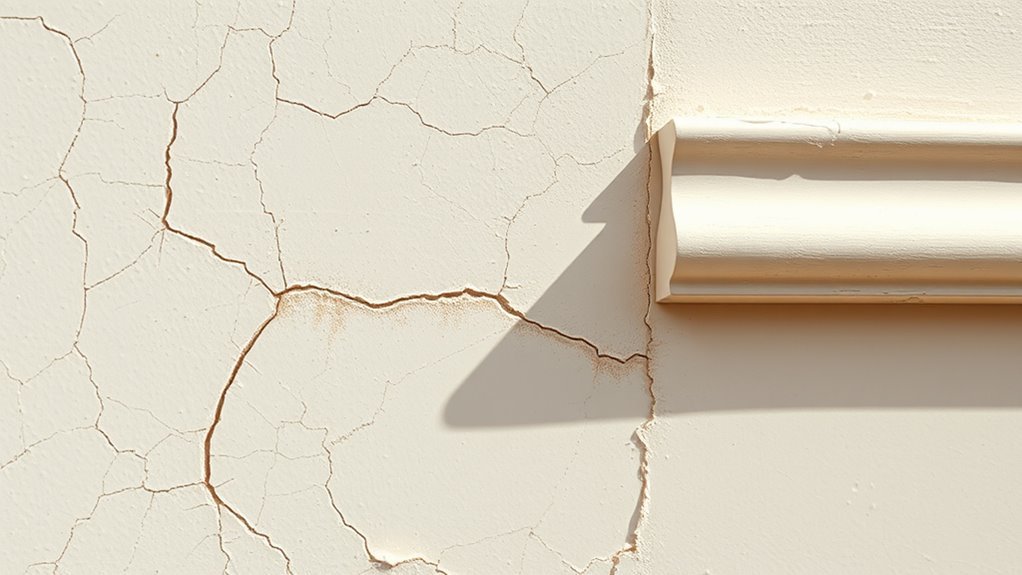
As paint ages and gets worn, its binder weakens and the surface becomes more brittle, so cleaning with a Magic Eraser is more likely to lift pigment, dull gloss, or leave visible abrasion.
You’ll notice cracking, chalking, or flaking where adhesion failed, reducing paint durability and making scuffs harder to remove safely.
Rough or uneven wall texture hides less damage and can worsen when abrasive action catches raised areas.
On older systems, thin or single-coat finishes show underlying layers sooner.
You should approach worn paint cautiously, favoring gentler cleaners and light pressure to avoid permanent surface loss.
How to Test a Magic Eraser on Your Wall First
Before you tackle a whole wall, test the Magic Eraser in an inconspicuous spot—like behind a door, inside a closet, or near a baseboard—so you can see how the cleaner affects color, sheen, and texture without risking visible damage.
Choose an area that represents the room’s wall texture and typical exposure.
Lightly moisten the eraser and rub a small pencil-sized area for a few seconds, then wait 10 minutes to assess paint durability.
Repeat as needed in similar hidden spots:
- Behind a door frame
- Inside a closet corner
- Near the baseboard molding
What to Watch for During a Spot Test
Once you’ve confirmed a hidden spot holds up, pay attention to a few specific signs while testing: look for dulling or loss of sheen, paint rubbing off onto the eraser, visible texture changes, or color lightening.
When you test, press lightly and inspect the area immediately and after it dries. If the Magic Eraser removes pigment or alters wall texture, that indicates compromised paint durability.
Note any roughening, streaks, or softening of glossy finishes. Track how the eraser collects residue—excessive paint on the pad means stop.
These observations help you judge whether cleaning is safe for that surface.
Step‑by‑Step: Safely Using a Magic Eraser
Start by testing the eraser on a hidden area to confirm the finish holds up. Use gentle pressure as you work so you don’t strip paint.
Rinse the wall with clean water and dry it to remove residue and check the result.
Test On Hidden Area
When you’re ready to try the Magic Eraser, pick a small, out-of-sight spot—like the inside of a closet or behind a door—and gently rub a dampened corner for 10–15 seconds to check for finish removal or color loss. You want to confirm the paint patch holds up before tackling visible areas.
Note any changes, wait for it to dry, then compare. Visualize what to expect:
- No sheen change — surface looks the same.
- Slight dulling — minor finish wear.
- Color removed — visible bare substrate or lighter spot.
If you see 2 or 3, stop and choose a milder method.
Use Gentle Pressure
Because the sponge’s abrasive core can strip paint if you press too hard, use very gentle pressure and let the eraser do the work. You should hold it lightly, applying minimal force while moving in short, controlled strokes over the mark.
Focus on cleaning stains with patience; heavier rubbing won’t speed things up and risks dulling the finish. Incorporate proper surface preparation first—dust and dry the area so grit doesn’t cause scratches.
If a spot resists, pause and reassess rather than increasing pressure. Repeat light passes as needed, checking frequently to protect the paint and preserve the wall’s appearance.
Rinse And Dry
After you’ve removed the marks, rinse the area with a damp microfiber cloth to lift any residue the Magic Eraser left behind; don’t soak the wall.
Pat the surface gently with a dry cloth to prevent streaks and protect paint color.
Allow the wall to air for a few minutes to guarantee it’s fully dry.
- Imagine light reflecting off a clean patch.
- Picture moisture evaporating without warping paint.
- See no gritty residue, just smooth finish.
Consider Environmental impact: rinse cloths in a basin and reuse them, avoiding needless water waste and disposable wipes.
How Hard Should You Press When Scrubbing?
Although the Magic Eraser feels tough, you should press only with light to moderate pressure—enough to remove the mark but not so much that you abrade the paint. You’ll test a hidden spot first to check color matching and paint sheen changes.
Start gently, increase pressure incrementally, and stop when the stain lifts. If you need firm pressure, switch to shorter strokes to limit abrasion.
Let the wall dry to inspect for dull spots or scuffs. If the finish looks altered, ease up and consider alternative cleaners or spot retouching rather than continuing heavy scrubbing.
When to Use Water Only vs. a Damp Pad
Once you’ve confirmed how much pressure the paint can take, decide whether to use plain water or a damp Magic Eraser pad based on the mark and the finish. If the spot is greasy from furniture polish or faint scuffs on textured walls, start with water. For stubborn grime on smooth finishes, try a damp pad gently.
- Light smudges: water, soft cloth, follow wall texture.
- Sticky residue: damp pad, test corner first.
- Deep marks: damp pad with minimal pressure, stop if sheen fades.
You’ll protect paint by matching method to mark type.
How Often Can You Treat the Same Spot Safely?
You should limit repeated treatments to small, infrequent passes—start with one gentle pass and wait before going over it again.
Check the surface after each pass for dulling, paint lift, or softening so you know if it’s safe to continue.
As a rule, wait at least 24 hours between stronger treatments and more frequent spot checks after each attempt.
Frequency Guidelines
How often can you safely treat the same spot with a Magic Eraser? You should limit repeats to avoid wear and protect paint compatibility while considering environmental impact from increased product use. Follow simple frequency guidelines:
- For light marks, once every 2–4 weeks — gentle and infrequent.
- For stubborn spots, wait at least 48–72 hours between treatments — assess paint finish each time.
- For high-traffic areas, schedule monthly gentle cleaning and spot-treat only when necessary.
Always test first, use minimal pressure, and prefer targeted, occasional use rather than frequent abrasive scrubbing to preserve finish and reduce waste.
Surface Inspection Tips
Because paint can thin with repeated abrasion, inspect the spot before each reuse of a Magic Eraser: check for sheen changes, softening, or loosened pigment, and only re-treat if the surface looks intact. You’ll learn to read subtle cues—faded color, rougher wall texture, or sticky residue—that signal damage. Consider color psychology: lighter shades reveal scuffs faster, darker tones hide wear. Test an inconspicuous area first, note results, and pause if you see change. Use this simple emotional checklist to protect your walls and your pride:
| Notice | Feel | Action |
|---|---|---|
| Sheen loss | Concern | Stop |
| Soft spot | Unease | Test further |
Safety Time Intervals
Noting sheen loss or soft spots lets you decide if to stop treating an area now, but you also need a schedule for future attempts. You should follow safety guidelines and balance effectiveness with paint preservation and environmental impact. Start gentle, wait, reassess, then proceed only if safe.
- Treat once, wait 24–48 hours, inspect for sheen or texture change.
- If unchanged, repeat up to 3 sessions spaced 48–72 hours apart; stop if damage appears.
- For stubborn marks, wait one week before any further abrasive treatment or try a less abrasive method.
Track results and minimize product use.
Glossy vs. Flat Trim: What to Expect With Magic Erasers
When you use a Magic Eraser on trim, the finish matters: glossy trim resists scuffs and can usually handle gentle scrubbing, while flat (matte) trim is more delicate and may dull or lose paint if you’re too aggressive.
You should test a hidden spot first: a glossy finish often tolerates light pressure and quick passes, preserving sheen. On a flat surface, use minimal pressure and fewer passes to avoid abrasion and paint removal.
If the test shows dulling, stop and switch to a softer sponge or mild cleaner. Always rinse residue to prevent long-term wear.
Cleaning Painted Molding and Baseboards Safely
If your trim test went well, you can use the same cautious approach on painted molding and baseboards: work in small sections, use light pressure, and watch for dulling or paint lift. Treat corners and grooves gently; frequent rinsing of the sponge keeps grit away.
Follow this simple routine to visualize the process:
- Light wipe along the top edge, moving with the grain.
- Gentle pass across faces, avoiding repeated scrubbing in one spot.
- Final soft buff to restore subtle Paint sheen.
Check color matching after cleaning—cleaned areas can look different until they fully dry.
Removing Scuffs Without Stripping Primer
Before using a Magic Eraser, test an inconspicuous area so you can see how the surface reacts.
Work with gentle pressure to lift scuffs without wearing through the primer.
If the primer does get damaged, touch it up and let it dry before repainting the spot.
Test Inconspicuous Area
Want to make sure the Magic Eraser removes scuffs without taking off the primer? Test an inconspicuous area near furniture arrangement changes or behind a picture to check wall texture reactions.
Dampen the eraser lightly, then try a small swatch. Watch for shine, color lift, or texture smoothing. If it passes, continue; if not, stop.
Picture three quick checks to guide you:
- Behind a sofa leg for collision marks.
- Inside a closet corner hidden by a coat.
- Under a bookshelf where dust and scuffs hide.
These spots reveal real results without risking visible damage.
Use Gentle Pressure
Once your inconspicuous test area shows no damage, apply gentle pressure with the damp Magic Eraser to target scuffs—pressing lightly helps lift marks without removing paint or primer. You’ll work with the wall’s surface texture and respect paint durability by using short, controlled strokes. If a spot resists, pause and reassess rather than increasing force. Track progress and avoid repeated heavy scrubbing which can dull finish. Use a clean cloth to blot residue and inspect under good light.
| Area | Stroke | Result |
|---|---|---|
| Smooth | Light | Removes scuff |
| Eggshell | Gentle | Preserves sheen |
| Textured | Short | Minimizes abrasion |
Reapply Primer If Needed
If scuff removal has thinned or exposed the primer, you’ll need to reapply primer to protect the surface and guarantee a uniform topcoat. You should assess damage, sand lightly, and spot-prime before repainting. Proper primer reapplication prevents peeling and supports paint rejuvenation for a seamless finish.
Follow this quick sequence:
- Sand and clean the scuffed area until smooth.
- Apply a thin coat of primer, feathering edges to blend.
- Once dry, repaint with matching topcoat and inspect for uniform sheen.
These steps help you remove scuffs without stripping primer and restore walls efficiently.
Removing Crayon, Marker, and Ink Effectively
When kids—or guests—leave crayon, marker, or ink on painted walls, a Magic Eraser can lift the marks fast if you use it right: dampen the pad, squeeze out excess water so it’s just moist, and test a small hidden spot to make sure the finish won’t dull before working the stain with gentle, circular strokes. You’ll protect Painting techniques and respect proper wall preparation by starting gently, increasing pressure only if needed. If stubborn, try a tiny dab of diluted dish soap first. Stop if paint dulls. Use this quick reference:
| Situation | Action |
|---|---|
| Light crayon | Gentle rub |
| Marker | Test then scrub |
| Ink | Dab then rub |
| Stubborn | Soap test, retest |
Removing Greasy Fingerprints and Food Smudges
Before you start, test the Magic Eraser on a hidden spot to make sure the paint won’t dull or strip.
For greasy fingerprints and food smudges, moisten the eraser and use light pressure, working in small circles.
If the spot doesn’t lift quickly, stop and try a gentler method to avoid damaging the finish.
Test On Hidden Area
Want to make sure your paint won’t dull or strip? You should test a Magic Eraser in a hidden area before tackling greasy fingerprints and food smudges. Choose a spot behind furniture or inside a closet where color matching and wall texture issues won’t show.
Dampen the eraser slightly, dab gently, then wait to inspect.
- Scrub a small 1-inch square.
- Compare sheen and color to adjacent paint.
- Run your fingers to feel any texture change.
If the test shows fading, roughness, or gloss loss, don’t use the Eraser on visible walls.
Use Light Pressure
If your hidden spot passed the test, you can tackle greasy fingerprints and food smudges with a Magic Eraser—just use light pressure. Start dampening the sponge, squeeze excess water, and gently wipe a small area in one direction. Watch how the surface texture reacts; stop if the finish dulls or fibers lift.
Light, repeated passes remove grime without abrading paint. Rinse the eraser frequently to avoid redepositing residue. If stubborn marks persist, switch to a mild detergent and soft cloth to protect paint durability.
Always finish by blotting the wall dry to prevent streaks and water spots.
Why Newly Painted Walls Are More Sensitive
Because fresh paint hasn’t fully cured, it’s softer and more prone to scuffing or rubbing off when you scrub, so you should treat newly painted walls more gently than older surfaces.
Fresh paint is softer and more easily scuffed—treat newly painted walls gently to avoid rubbing off color.
You’ll notice marks lift easier but pigment can come away, affecting color matching later or complicating wallpaper removal if you prep too aggressively.
Picture the risk:
- A damp Magic Eraser abrades a satin finish.
- Light pressure peels thin latex near trim.
- Repeated scrubbing dulls sheen and exposes primer.
Start with a spot test, wait longer after painting, and use the mildest method that works.
How to Protect Delicate or Aged Paint Before Cleaning
When you’re cleaning delicate or aged paint, take steps to minimize abrasion and solvent exposure so the finish stays intact. Test a small, inconspicuous area first to check adhesion and reaction.
Use the gentlest tool possible—soft microfiber cloths, a damp sponge, or a barely damp non-abrasive pad—so you don’t alter wall texture.
Avoid harsh cleaners and concentrated solvents; dilute mild detergent as needed.
Work slowly with light pressure and rinse frequently to remove loosened grime.
After cleaning, let the surface fully dry and consider a protective, breathable sealer or touch-up to preserve paint longevity.
Magic Eraser Alternatives for Flat or Older Paint
If your paint is flat or older, you’ll want milder options than a Magic Eraser to avoid stripping finish or causing shine.
Start with gentle soap and water applied with a damp microfiber or other soft cloth, and use light pressure to lift dirt.
For small scuffs or pencil marks, try a clean pencil eraser for targeted touchups before moving to stronger methods.
Gentle Soap And Water
Although you might be tempted to reach for a Magic Eraser, gentle soap and water will clean most scuffs on flat or older paint without stripping finish or causing shine.
You’ll dampen a sponge, add a drop of mild dish soap, and test a hidden spot to check color matching and watch for paint peeling.
Work gently in circular motions, rinse with clean water, and pat dry.
Visualize the process:
- Soft sponge, warm soapy water.
- Light circular strokes, test patch.
- Rinse and dry, inspect for lift or dull spots.
Repeat only if safe.
Microfiber And Soft Cloths
Because microfiber and other soft cloths lift dirt without abrading paint, they’re the safest Magic Eraser alternatives for flat or older finishes. You can dampen a cloth with mild soap and gently blot stains, working from the outside in to avoid spreading marks.
Test a hidden area first to check for color matching or sheen change, since older paint can react. Use a clean, dry cloth to remove residue and preserve wall texture.
For stubborn grime, repeat with light pressure rather than scrubbing. These cloths minimize risk and keep touchups easier if paint restoration becomes necessary.
Pencil Eraser Touchups
When you’re dealing with small pencil marks, scuffs, or crayon smudges on flat or older paint, a simple pencil eraser can work wonders without stripping finish or causing sheen changes. You’ll treat spots gently, preserving historical context and any delicate decorative techniques on older walls. Follow this quick approach:
- Lightly rub with the corner to target marks.
- Brush away crumbs with a soft cloth, then inspect.
- Repeat briefly if needed; stop if paint dulls.
Test hidden areas first, use a fresh eraser for cleaner results, and avoid heavy pressure to prevent abrading aged surfaces.
Best Cleaners for Painted Walls Instead of Magic Erasers
If you’re avoiding Magic Erasers to protect your paint, choose cleaners that lift grime without stripping finish: mild dish soap mixed with warm water works for most scuffs, a vinegar-and-water solution tackles grease, and a pH-neutral cleaner or gentle all-purpose spray handles tougher marks without dulling latex or enamel.
You’ll test cleaners in an unseen spot to check color matching and guarantee wall textures aren’t altered. For flat or matte finishes, dab gently with a microfiber; semi-gloss and satin tolerate light agitation.
For stubborn stains, use a soft sponge and rinse promptly to prevent residue or streaking.
DIY Gentle Cleaning Solutions That Won’t Harm Paint
Although you want a product that cleans well, you also need recipes that won’t strip or dull your paint; these DIY solutions use common household ingredients to lift dirt gently without harsh chemicals. Test each on an inconspicuous spot to protect wall texture and paint color. Try:
- Warm water with a few drops of mild dish soap — soft cloth, circular motions.
- Vinegar (1/4 cup) diluted in a quart of water — good for grease, rinse promptly.
- Baking soda paste (small amount on a damp sponge) — gentle abrasion for scuffs.
Dry with a microfiber cloth and avoid heavy scrubbing.
When to Call a Professional Cleaner or Painter
You can handle many stains with gentle DIY methods, but call a pro if stains penetrate the paint, cover a large area, or if scrubbing risks damaging texture or finish.
Hire a cleaner when odors, mold, or greasy residues persist despite eco friendly alternatives, or when walls require specialized solvents or steam.
Contact a painter for widespread discoloration, flaking, or when you want consistent color matching and durable paint protection.
Professionals assess substrate issues, repair underlying damage, and recommend coatings that resist future staining.
If you’re unsure, get an estimate—professionals prevent costly mistakes and preserve long-term finish integrity.
How to Repair Paint Damage From Scrubbing
When scrubbing removes paint or leaves a dull, uneven patch, act quickly to limit further damage and restore a consistent finish.
You’ll assess the area: if paint peeling is present, scrape loose bits gently and sand edges to match surrounding wall texture.
Clean dust, prime bare spots, then repaint with matching sheen.
- Imagine a small crater smoothed by sanding.
- Picture feathered edges blending into the original wall texture.
- See a thin primer layer sealing raw drywall.
Work in thin coats, let each dry fully, and inspect under good light to guarantee seamless repair.
Small Touch‑Up Techniques That Hide Scuffs
First, check how deep the scuff is so you know whether you can buff it out, spot-prime, or need a tiny paint patch.
For shallow marks, you’ll use light blending strokes with a damp cloth or a soft eraser to fade edges before paint.
When repainting, apply thin, targeted layers with a small brush and feather the edges to match the surrounding finish.
Assess Scuff Severity
Although scuffs can look alarming at a glance, take a moment to gauge their depth and spread before grabbing a Magic Eraser. You’ll want to decide whether cleaning, light sanding, or touch‑up paint is best. Consider color matching and wall texture so repairs disappear.
- Light smudge: try gentle cleaning, then reassess the finish.
- Surface abrasion: feel for roughness; a fine sanding pad can smooth texture first.
- Deep gouge: measure length and depth; you’ll likely need filler and precise paint.
Work systematically, test discreetly, and stop if the finish starts to dull.
Targeted Blending Techniques
If you want scuffs to disappear without repainting the whole wall, focus on small, targeted blending that matches texture and sheen.
Start by cleaning the area with a gentle solution; let it dry.
Test paint in an inconspicuous spot to confirm color matching and sheen.
Use a tiny brush or sponge to apply thin layers, feathering edges so the patch blends with surrounding wall texture.
For subtle textures, stipple with a sponge; for smooth finishes, keep strokes light and consistent.
Build coats until the scuff vanishes, sanding lightly between layers if needed.
Finish with a final visual check.
Matching Paint Sheen and Color for Repairs
When you’re fixing scuffs or spots left by a Magic Eraser, matching both the paint sheen and color is essential to make the repair disappear. You’ll check finish and tone first: Matching sheen matters because flat, eggshell, satin, and gloss reflect light differently. Color coordination ensures hue and undertone match.
Test in an inconspicuous area, feathering edges with a small brush. Visualize the process:
- A swatch on scrap: compare in daylight.
- A thin layer: blend outward from the mark.
- Final check: view from multiple angles.
Replace tiny areas, not whole walls, for seamless results.
Preventive Tips to Avoid Future Marks and Scuffs
To keep walls looking fresh, put gentle furniture pads on chair legs and table edges so they don’t scuff the paint.
You should also set a simple spot-cleaning routine—quickly addressing marks with a soft cloth or diluted cleaner prevents buildup.
These small steps cut down on repairs and make Magic Eraser touch-ups less frequent.
Use Gentle Furniture Pads
Because furniture often shifts slightly as you move about a room, adding soft, nonabrasive pads to chair and table legs prevents the repeated rubbing that leaves marks on painted walls. You’ll protect wall decoration and extend furniture protection by choosing felt or silicone pads, checking adhesives, and replacing worn pads regularly.
Picture the difference:
- Felt pads cushioned between wood and paint.
- Silicone caps that hug metal legs.
- Thick adhesive discs for heavy furniture.
Apply pads cleanly, press firmly, and avoid bulky protectors that trap dirt. Inspect monthly and swap pads before they flatten to keep walls pristine.
Regular Spot Cleaning Routine
Keeping felt pads in good shape helps, but you’ll still get the occasional mark—so set up a simple spot-cleaning routine to catch scuffs before they settle in.
Check high-traffic areas weekly, use a soft cloth and mild cleaner, and test hidden spots first to protect paint and wall texture.
For stubborn marks, gently try a damp Magic Eraser in short strokes; stop if paint dulls.
Track touch-ups and keep a small sample of paint for quick color matching after repairs.
Prompt, gentle action prevents larger fixes and keeps painted walls looking fresh with minimal effort.
Choosing a Magic Eraser Product Safely
When you pick a Magic Eraser, look for options labeled safe for painted surfaces and check the product’s firmness—softer pads reduce abrasion while firmer ones remove tougher marks. Consider your wall textures and paint durability before testing. Try a hidden patch first, apply light pressure, and rinse the pad.
Choose a Magic Eraser labeled safe for painted surfaces; test a hidden spot, use light pressure, and rinse.
- A soft white pad for smooth, delicate finishes.
- A medium-density pad for semi-gloss or moderate texture.
- A firmer pad for resilient paints and stubborn scuffs.
You’ll protect finish integrity by matching pad strength to surface, using minimal force, and replacing pads when soiled.
Branded Melamine Pads vs. Generic Options
After matching pad strength to your paint, you’ll want to decide between branded melamine pads and cheaper generics. You’ll find branded pads are consistent, costlier, and often gentler on decorative finishes; generics vary, so test first on hidden areas and wallpaper textures. Choose based on warranty, reviews, and your wall’s sensitivity.
| Branded | Generic |
|---|---|
| Consistent grit | Variable grit |
| Higher price | Lower price |
| Manufacturer support | Limited support |
| Predictable results | Mixed results |
Test a small spot, use light pressure, and replace worn pads to avoid damage.
Melamine Foam Safety & Environmental Notes
Although melamine foam cleans like a mild abrasive, you should treat it as a tool that demands care: wear gloves to avoid skin irritation, avoid inhaling dust from dry sanding or heavily worn pads, and keep pads away from children and pets since they can look like toys.
You’ll want to balance melamine safety with Environmental impact awareness. Dispose used pads in sealed trash; don’t compost. Consider material fragments and chemical residues when cleaning painted surfaces.
Visualize risks:
- Small white crumbs that mimic food.
- Abrasion marks if pressed too hard.
- Dust plume during vigorous scrubbing.
Follow precautions to minimize harm.
How to Clean and Store Magic Eraser Pads for Reuse
If you want to reuse your Magic Eraser pads safely and effectively, rinse them under warm running water immediately after use to flush out grime and loosened particles. Squeeze repeatedly until water runs clear; avoid twisting, which can tear the melamine foam.
For stubborn cleaning stains, gently rub the pad against itself or use a soft brush under water to dislodge debris.
Air-dry pads completely on a clean rack away from direct sunlight to prevent breakdown.
Store dry pads in a breathable container or paper bag to avoid mold.
Inspect pads before reuse—discard if they crumble or feel overly thin.
Cost vs. Benefit: Cleaning Now vs. Touch‑Ups Later
When you weigh the choice between tackling marks now with a Magic Eraser or postponing to touch up later, consider both time and material costs alongside the risk of paint damage. You’ll compare immediate effort versus future expense: a quick clean may save repainting, but aggressive scrubbing can strip finish.
- A single scrub: small time, low material use, potential scuff.
- Delayed touch‑up: saves wear now, adds paint, primer, and labor later.
- Replacement wall section: highest cost, wasteful environmental impact.
Factor DIY alternatives, lifespan of touch‑up paint, and your tolerance for visible fixes.
Real Homeowner Examples: Safe Uses and Mistakes
Because homeowners vary in skill and patience, real examples show both smart uses and common mistakes with Magic Erasers: you’ll read about someone who gently removed scuff marks from satin paint without dulling the finish, and another who scrubbed too hard on flat paint and left a noticeable sheen difference.
You learn to test a hidden spot, start light, and stop when the mark lifts. One person documented success on textured walls by using short taps to avoid abrasion; another ignored texture and erased paint grain.
If you must touch up, remember color matching can betray overcleaning, so proceed cautiously.
Quick Checklist Before You Reach for a Magic Eraser
Real examples teach you what to try and what to avoid, so before you grab a Magic Eraser, run a quick checklist to prevent damage and wasted time. Check these three things fast:
Real examples teach—test paint finish, texture, and a hidden spot before using a Magic Eraser.
- Paint finish and paint thickness — thinner or flat paints might abrade easily.
- Wall texture — smooth surfaces handle light scrubbing better than textured ones.
- Hidden test spot — try a small, inconspicuous area for a few seconds.
If the test shows dulling, color loss, or felt-like abrasion, stop and choose a gentler cleaner. These steps save your paint job and avoid needless repairs.
When a Magic Eraser Is the Right Tool
If your paint is semi-gloss or gloss, the surface is smooth, and a quick hidden test shows no dulling, a Magic Eraser can be a good choice for spot cleaning scuffs, crayon marks, and soap residue. Use light pressure, keep the pad damp, and work small areas so you don’t overdo it.
Start at an inconspicuous edge, rinse the sponge often, and blot the area dry afterward. You’ll get best results on durable painted walls where abrasion won’t remove finish.
For routine surface grime and isolated marks, this tool saves time and usually avoids repainting.
When You Should NOT Use a Magic Eraser
When your paint is flat, chalky, or already showing wear, don’t reach for a Magic Eraser—its abrasive action can remove paint or leave dull patches that are hard to fix. You should avoid it when you’re worried about paint damage or exposing surfaces to unexpected chemical hazards. Also skip it on delicate finishes, antiques, or textured surfaces.
Consider alternatives like gentle soap, microfiber, or touch-up paint instead.
- Flaking trim: you’ll dislodge loose paint and worsen peeling.
- Glossy furniture: you’ll scuff the sheen and need refinishing.
- Kid-painted murals: you’ll erase details and harm colors.
Resources and Further Reading (Product Links and Guides)
Now that you know situations to avoid, here’s a short list of reliable resources and product guides to help you clean safely without harming paint. You’ll find manufacturer pages, DIY guides, and environmental notes that explain Cleaning frequency and Environmental impact so you can choose products and routines wisely.
| Product Type | Use Case | Tip |
|---|---|---|
| Melamine Pads | Scuffs | Test hidden spot |
| Mild Detergent | Grease | Gentle cloth first |
| Eco Cleaners | Frequent use | Check labels for eco impact |
Follow links from trusted brands, read reviews, and track Cleaning frequency to minimize wear.
Frequently Asked Questions
Can Magic Erasers Remove Wallpaper or Damage Wallpaper Adhesive?
No, magic erasers can remove wallpaper finish and cause adhesive damage; you’ll risk peeling or staining paper and loosening glue. Use them cautiously, test a hidden spot first, and avoid prolonged scrubbing to prevent wallpaper removal.
Will Magic Erasers Discolor Painted Murals or Decorative Wall Art?
I’ve seen a toddler scrubbed a painted sun until it faded — so yes, Magic Erasers can cause wall discoloration and mural damage. You’ll want to test a hidden spot first and use light pressure only.
Can I Use a Magic Eraser on Painted Metal Fixtures Indoors?
Yes — you can, but test first. You’ll want to contemplate paint durability and surface texture; rough or thin finishes can abrade, while durable, smooth coatings usually tolerate gentle use. Don’t scrub aggressively to avoid damage.
Do Magic Erasers Affect Fire-Retardant or Washable Paint Labels?
About 60% of homeowners damage finishes using abrasives, so you should check labels: Magic Erasers can dull fire‑retardant or washable paint depending on paint finish and surface compatibility, so test a hidden spot before cleaning.
Are Magic Erasers Safe to Use Around Children’s Handprints on Textured Paint?
You can, but be cautious: for child safety and textured paint care, test a hidden spot first, use gentle pressure, avoid frequent scrubbing, rinse residue, and keep cleaners out of children’s reach to prevent irritation or texture damage.
Conclusion
Think the Magic Eraser’s just a sponge? Investigate that theory: it’s melamine foam that works like super-fine sandpaper, so yes, it can remove paint as well as grime. You’ll want to test a hidden spot first, avoid high-gloss or thin-painted areas, and use light pressure on matte or satin finishes. Don’t use it where paint’s old, fragile, or decorative. When in doubt, try gentler cleaners or consult a pro before scrubbing.
