
What Is the Best Dunn Edwards Exterior Paint?
You’ll get the best long-term exterior performance with Dunn‑Edwards Everest acrylic for siding and Evershield for trim and shutters; they’re formulated for UV, moisture, and color retention so your home stays crisp longer. Pick Spenguard for stucco and Spartashield for decks or fences where toughness and easy recoating matter. Match the product to your climate—humid, coastal, hot, or cold—and prime and prep properly for warranty protection and lasting results; keep going to learn how to choose.
Quick Picks: Best Dunn-Edwards Paints by Use Case
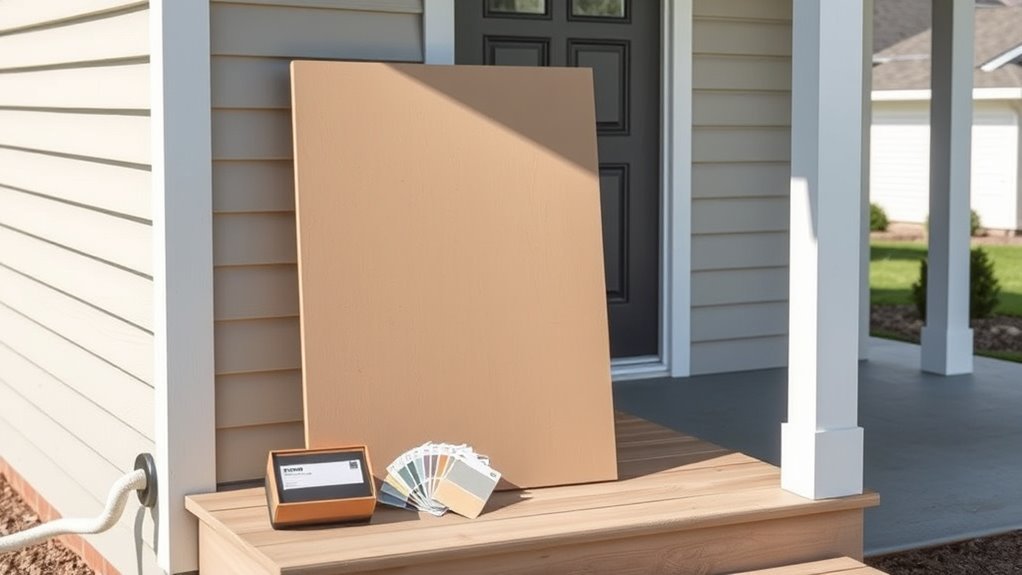
When you need a fast recommendation, these quick picks match Dunn‑Edwards exterior lines to common projects so you can choose confidently:
For trim and shutters pick Evershield for crisp color selection and durable paint application.
For trim and shutters, choose Evershield for crisp colors and a durable, professional-grade finish.
For siding choose Everest for mildew resistance and long-lasting finish.
For stucco use Spenguard for breathability and fade resistance.
For fences and decks go with Spartashield for toughness and easy recoating.
For historic homes opt for Monument for rich pigments and smooth laydown.
Match finish and prep to substrate, test small areas, and follow manufacturer directions for best results.
How Climate and Sun Exposure Shape Your Dunn-Edwards Choice
Where you live affects which Dunn-Edwards formula will last longest, so consider your climate zone when choosing paint.
You’ll want high UV resistance for sun-baked exteriors and mildew- or moisture-resistant finishes in humid or coastal areas.
Match the product’s specs to local sun exposure, humidity, and temperature swings for the best performance.
Climate Zone Considerations
Because your climate and sun exposure directly affect paint durability and color retention, choose Dunn-Edwards formulations tailored to local conditions.
You’ll assess climate impact by identifying humidity, precipitation, and freeze-thaw cycles where you live.
In hot, arid regions pick breathable, acrylic latex blends that resist chalking; in cold zones choose flexible, low-temperature cure coatings that handle temperature variations and substrate movement.
Coastal areas need mildew-resistant, salt-tolerant options, while humid inland sites benefit from high-hide, moisture-shedding finishes.
Match sheens to maintenance needs—flat hides imperfections, semi-gloss cleans easily—and follow local product recommendations for best longevity.
UV Exposure Effects
Sun and UV intensity dramatically speed up fading, chalking, and binder breakdown, so pick Dunn‑Edwards formulations designed to withstand your area’s solar load.
You should prioritize UV protection and weather resistance to maximize paint longevity and preserve color retention on sun‑exposed facades.
Thorough surface preparation removes contaminants that amplify UV damage; follow recommended application techniques for even films and proper dry times.
Choose pigments and sheens rated for high‑solar environments to protect aesthetic appeal.
Finally, schedule maintenance tips like annual inspections and targeted touch‑ups to address early chalking or fading, extending life and keeping finishes vibrant.
Humidity And Moisture
If your region sees high humidity, salt air, or frequent rain, moisture becomes the primary factor in choosing a Dunn‑Edwards exterior paint. You’ll want formulations that resist mildew, blistering, and film degradation while still allowing trapped moisture to escape.
You should prioritize products with proven moisture resistance and breathable technology so siding and stucco can dry without peeling. Consider mildew‑inhibiting biocides and elastomeric or acrylic blends for coastal or humid climates.
Check technical data for humidity effects testing and consult local reps about warranties tied to moisture performance. Proper surface prep and ventilation complete a moisture‑safe paint system.
Dunn-Edwards Product Families: What Each Line Does
You’ll want to match a Dunn-Edwards line to your needs, whether you need heavy-duty exterior durability, low-VOC eco-friendly options, or a specific finish and sheen.
Their exterior durability lines resist fading, chalking, and mildew so your siding lasts longer.
And their eco-friendly formulations and range of sheens let you balance performance, appearance, and environmental concerns.
Exterior Durability Lines
Think of Dunn‑Edwards’ exterior durability lines as a toolkit designed to protect and beautify your home’s outside surfaces—each product family targets specific needs like long‑lasting color, mildew resistance, or extreme weather protection—so you can pick the right formula for siding, trim, stucco, or masonry.
You’ll choose high-build acrylics for impact and color retention on siding, elastomerics for flexible stucco protection, and mildew-resistant blends for humid climates.
Follow recommended application techniques—proper prep, correct thinning, and suitable drying conditions—to get advertised longevity.
Match sheen and substrate recommendations to maximize performance and minimize maintenance over years.
Eco-Friendly Options
Although green choices once meant compromises, Dunn‑Edwards now offers several low‑VOC and zero‑VOC exterior lines that deliver durability without sacrificing performance.
You’ll find products formulated with sustainable ingredients and backed by eco friendly certifications, so you can choose paint that reduces indoor and outdoor emissions.
Select lines resist mildew, fading, and chalking while complying with stringent standards for volatile organic compounds.
When you pick an eco-conscious family, you still get weather resistance and longevity typical of Dunn‑Edwards.
Compare labels for specific certifications and ingredient transparency to match environmental priorities with the exterior project you’re planning.
Finish And Sheen Choices
When choosing a finish, consider how sheen affects both appearance and durability so you get the right balance for your project. You’ll pick among finish types that control reflectivity, hide, and weather resistance; higher sheen cleans easier but highlights imperfections, lower sheen conceals texture but cleans less well. Match Dunn-Edwards product families to purpose: masonry, trim, or siding. Use this quick guide:
| Surface | Best Line | Typical Sheen Levels |
|---|---|---|
| Trim | High-durable enamel | Semi-gloss, Gloss |
| Siding | Exterior acrylic | Satin, Eggshell |
| Masonry | Masonry finish | Flat, Low-sheen |
Exterior Durability: Lifespan, Fade, and Scratch Resistance
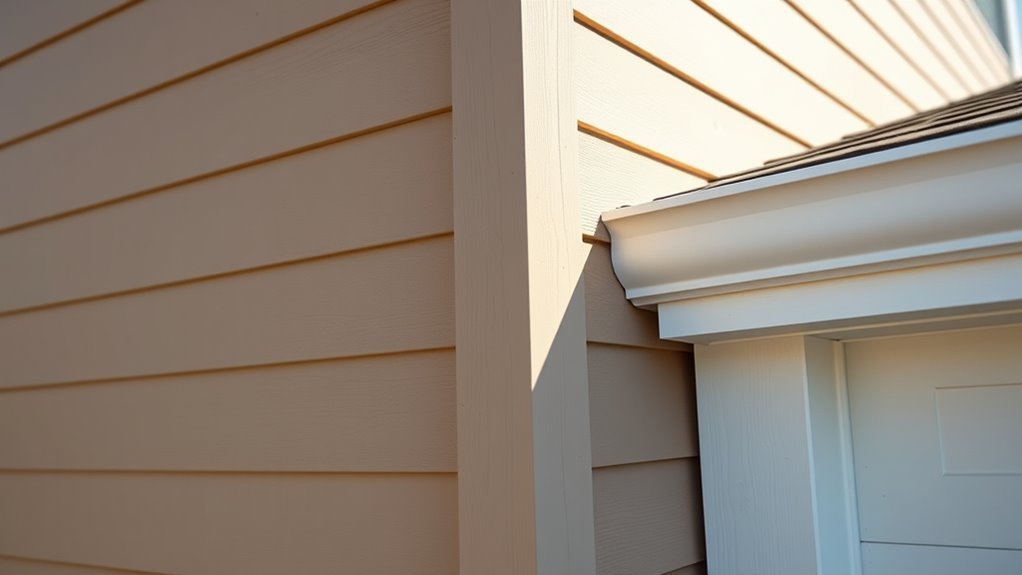
Because your home’s exterior faces sun, rain, and abrasion year after year, durability is what determines how long Dunn-Edwards paint will keep looking fresh and intact.
You’ll value color retention and weather resistance most; product innovations improve UV blockers and flexible binders that resist cracking. Check user reviews and performance comparisons to see real-world lifespan and scratch resistance.
Proper surface preparation and recommended application techniques cut premature failure. Follow maintenance tips—gentle cleaning, timely touch-ups—to extend life and aesthetic appeal.
Also weigh environmental impact of low-VOC formulas when choosing a durable coating that fits your priorities.
Dunn-Edwards Everest Exterior Acrylic: When to Choose It
If you want top-tier UV protection, flexible film performance, and long-lasting color in harsh climates, Dunn-Edwards Everest Exterior Acrylic is a smart choice. You’ll pick Everest when you need exceptional weather resistance, reduced chalking, and superior mildew control—clear Everest benefits for coastal or sun-drenched homes. Follow Application tips: prep well, use compatible primers, and apply at recommended temperatures. It’s ideal when longevity and color retention matter more than budget.
| Emotion | Scene | Choice |
|---|---|---|
| Relief | Sunset on repaint | Choose Everest |
| Pride | Curb appeal restored | Confident finish |
| Calm | Low maintenance years | Smart investment |
Dunn-Edwards Acrylic Latex: Best Applications
Everest handles extreme sun and salt, but for many projects Dunn-Edwards Acrylic Latex gives you a versatile, cost-effective option that performs well on siding, trim, and masonry.
You’ll like its balance of durability and ease of use for homes that don’t face extreme coastal exposure. Use proper application techniques: clean surfaces, prime where needed, and apply with brush, roller, or airless sprayer for consistent coverage.
It levels well and resists mildew. For color selection, test samples in different light and don’t overcommit to digital swatches.
It’s ideal for budget-conscious exterior refreshes that still demand solid performance.
Hi-Res Ultra vs. Everest: Which Keeps Color Longer?
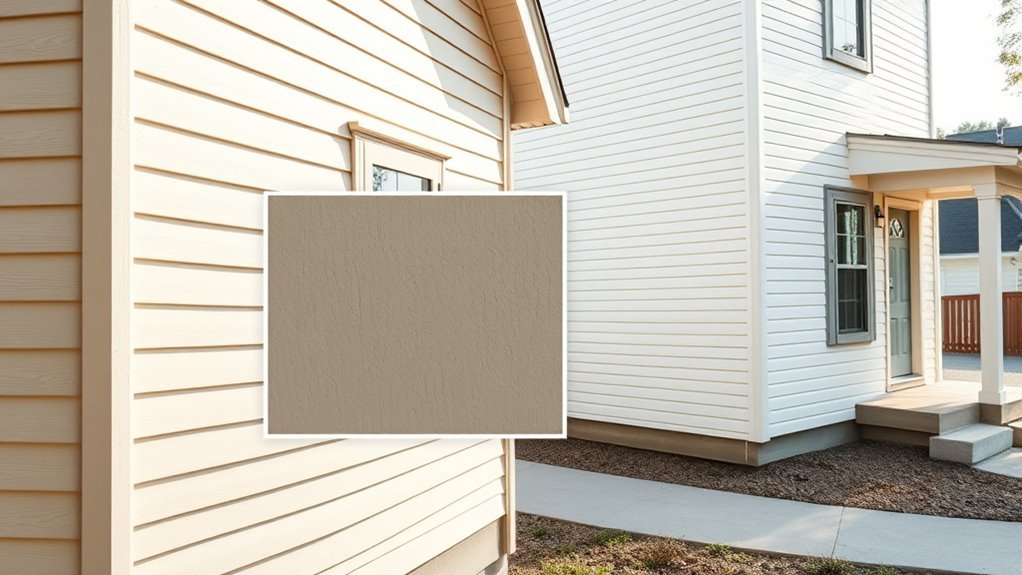
Which holds its hue longer: Hi-Res Ultra or Everest?
You’ll find both use advanced paint technology, but they differ in color retention strategies. Hi-Res Ultra emphasizes UV-blocking resins; Everest relies on pigment load and flexible binders.
You’ll notice Hi-Res resists fading on vertical surfaces; Everest bounces back better from weathering cycles. Pick based on exposure and maintenance willingness.
- UV resistance: Hi-Res Ultra’s blocker-focused formula.
- Pigment stability: Everest’s higher-grade pigments.
- Film flexibility: Everest handles thermal movement.
- Maintenance: Hi-Res needs less frequent touch-ups.
Best Dunn-Edwards Paints for Hot, Sunny Climates
When you’re dealing with relentless sun and high heat, choose Dunn-Edwards formulas that prioritize UV blockers, reflective pigments, and flexible binders to keep color and film integrity longer.
You’ll want Hi-Res Ultra for superior color retention on stucco and fiber cement; its reflective pigments lower surface temperature and slow fading.
Everest offers durability on wood and masonry with flexible binders that resist cracking under thermal cycling.
Use cool, early-morning application techniques, thin even coats, and proper surface prep to maximize adhesion.
Pick lighter, reflective colors where possible, and follow manufacturer recoat windows to preserve finish and performance.
Best Dunn-Edwards Paints for Humid or Coastal Environments
Because salt, humidity, and mold are common threats near the coast, you’ll want Dunn-Edwards formulas that emphasize mildew resistance, corrosion protection for metal, and breathable films for damp substrates.
You’ll choose paints offering humidity resistance and proven coastal durability to protect wood, fiber cement, and metal. Look for antimicrobial mildewcide, flexible binders that resist chalking, and corrosion-inhibiting primers.
- Acrylic latex with mildew additives for siding
- Marine-grade enamels for railings and metal
- Breathable elastomeric for porous substrates
- Rust-inhibiting primers under topcoats
These selections balance protection and longevity in marine climates.
Trim, Siding, Stucco, and Masonry: Matching Dunn-Edwards Products
When you’re matching Dunn-Edwards products to different surfaces, pick a trim paint that offers durability and a clean, semi-gloss finish for easy maintenance.
For siding, choose the appropriate finish—flat for hiding imperfections, satin for moderate sheen, or gloss for high protection on wood and metal.
For stucco and masonry, use specialized elastomeric or masonry coatings designed to flex with the substrate and resist moisture.
Trim Paint Options
If you’re coordinating trim, siding, stucco, and masonry, choosing the right Dunn-Edwards product makes matching finishes and durability straightforward.
You’ll pick trim color to complement body hues and prioritize trim durability for weather-exposed edges. Use acrylic enamel for a hard, washable finish or flexible acrylic for slight movement on porous surfaces. Satin or semi-gloss hides imperfections and sheds dirt.
Match sheen across materials where appropriate and use primer suited to substrate.
- Acrylic enamel — tough, glossy, great for wood trim
- Flexible acrylic — bonds to stucco/masonry edges
- Satin — balanced sheen, hides flaws
- Primer — substrate-specific adhesion
Siding Finishes Guide
Having picked trim products that balance durability and sheen, you’ll want siding finishes that harmonize with those choices while handling wall-scale exposure and substrate differences.
Choose Dunn-Edwards coatings tailored to siding types—wood, fiber cement, engineered panels, or metal—matching primer and adhesion systems.
For clapboard or shiplap pick a satin or semi-gloss for washability; for board-and-batten a low-sheen acrylic helps hide joints.
Match finish textures to the substrate: smooth for panels, light orange-peel for rough woods.
Use breathable exterior acrylics on porous surfaces and mildew-resistant formulas in humid climates to preserve color and performance.
Stucco & Masonry Coatings
Because stucco and masonry demand coatings that breathe, resist alkali, and stand up to textured surfaces, choose Dunn‑Edwards products formulated for high pH substrates and varied porosities.
You’ll want breathable elastomeric options for deep stucco textures and mineral‑compatible primers for dense masonry finishes.
Prep matters: clean, repair cracks, and use alkali‑blocking primers where lime leaches occur.
Match sheen to exposure—flatter for texture, satin for trim. Consider color retention and flexibility to avoid cracking.
- Elastomeric acrylic for textured stucco
- Masonry primer for concrete and block
- Breathable finish coat for lime-based surfaces
- UV-resistant topcoat for warm climates
Dunn-Edwards Finishes: Eggshell, Satin, and Semi-Gloss Uses
Three popular sheens—eggshell, satin, and semi-gloss—cover most exterior needs by balancing appearance, durability, and ease of maintenance.
You’ll choose eggshell sheen for textured walls and subtle curb appeal; it hides imperfections while resisting light dirt.
Opt for satin durability on siding and trim where weather resistance and a soft sheen help shed moisture.
Choose satin for siding and trim—weather-resistant, softly sheened finishes that shed moisture and stand up to the elements.
Use semi-gloss applications for doors, shutters, and trim that need frequent cleaning and higher scuff resistance.
In a finish comparison, weigh aesthetics against maintenance: eggshell for softness, satin for all-around toughness, semi-gloss for hardwearing, high-contrast accents.
Coverage, Coats, and Drying Times
When you plan your exterior project, estimate coverage by checking the paint’s labeled spread rate—usually given in square feet per gallon—and factor in surface texture and porosity, since rough or unsealed surfaces can cut actual coverage by 20–50%.
You’ll choose coats based on color change and substrate: primer plus one coat may suffice for light shades; darker or weathered siding often needs two finish coats.
Follow proper surface preparation and recommended application techniques to guarantee adhesion and uniformity.
Drying times depend on temperature and humidity; allow full cure before distressing.
Consider this checklist:
- Primer compatibility
- Coat counts per color
- Recommended tools
- Dry/cure windows
Mildew, Mold, and Fade Resistance Explained
If you want exterior paint that stands up over time, focus on mildew, mold, and fade resistance—these determine how long color and film integrity last in damp, sunny, or shaded conditions.
You’ll want formulations with proven mildew resistance and active agents for mold prevention, especially in humid climates. Look for UV-stable binders and pigments delivering reliable fade protection so hues stay true for years.
Properly chosen finish and maintenance extend paint longevity, reducing touch-ups and recoats.
Proper finish selection and regular maintenance lengthen paint life, cutting down on touch-ups and recoats.
When you evaluate Dunn Edwards options, compare test data and warranties that specifically mention mold prevention, mildew resistance, and fade protection for real-world durability.
Prep and Priming: Tools and Steps for Best Results
Preparation determines how well your Dunn Edwards exterior paint performs, so you’ll want the right tools and a clear priming plan before you open a can.
Use prep techniques that focus on surface cleaning and repairs, boosting paint adhesion and preventing issues later. Choose primer types based on substrate and finish; priming essentials include correct coverage and drying times.
Prioritize tool selection and application methods to match texture and weather. Follow safety precautions and project planning steps to schedule work between rain and temperature swings.
- Clean and degrease surfaces.
- Patch and sand imperfections.
- Apply suitable primer.
- Use correct tools and timing.
Touch-Ups, Repaint Cycles, and Warranties
Because small chips and weathering show up sooner than you might expect, plan touch-ups as part of your regular maintenance so paint stays protective and attractive.
You’ll learn touch up techniques like feathering edges, using matching batch paint, and blending with a small brush or roller to hide repairs.
Set a repaint schedule based on exposure: every 5–10 years for moderate climates, sooner for harsh sun or salt air.
Keep records of product names and lot numbers to maintain color consistency and warranty eligibility.
Check Dunn-Edwards warranties for coverage details and required maintenance to avoid voiding protection.
Cost Comparison: Budget-Friendly Dunn-Edwards Options
When you compare Dunn-Edwards’ budget-friendly lines, start by looking at price per gallon to see immediate cost differences.
Then weigh coverage and yield, since higher spread reduces how much you’ll actually buy.
Finally, factor long-term value—durability and fewer recoats can make a slightly pricier option cheaper over time.
Price Per Gallon
Curious how much you’ll pay per gallon for Dunn-Edwards without sacrificing quality? You want clear price comparison and practical budget considerations.
Expect entry-level exterior paints around $30–$40 per gallon, mid-range at $45–$65, and premium acrylics from $70–$90. Factor sales, contractor discounts, and primer needs.
- Entry-level: $30–$40 — basic coverage, good for trims.
- Mid-range: $45–$65 — better hide, longer life.
- Premium: $70–$90 — superior durability, mildew resistance.
- Extras: primer and tinting add $5–$15 per gallon.
Decide by coverage needs, not just sticker price.
Long-Term Value
Although cheaper paints can seem like a quick win, choosing budget-friendly Dunn-Edwards options means weighing upfront savings against longer-term performance and maintenance costs.
You’ll assess them as a long-term investment: lower initial outlay can be smart if the formula resists fading, cracking, and mildew so you don’t repaint often.
Consider warranties, pigment quality, and substrate adhesion to judge value retention; those factors reduce repair and labor expenses.
If you plan to sell or want minimal upkeep, spending a bit more now often yields better total cost over years.
Balance budget with proven durability for smartest results.
Coverage And Yield
Coverage tells you how far a gallon will go and yield determines how many coats you’ll actually need — both directly affect your per-project cost.
You’ll want to compare coverage techniques across Dunn-Edwards’ budget-friendly lines; prepping, roll vs. sprayer, and primer choice change real-world results.
Expect yield variations depending on surface porosity and color shift. Calculate gallons by factoring recommended spread rate, anticipated waste, and desired coats so you don’t overspend.
- Measure square footage and note surface texture.
- Check label spread rates and adjust for primer.
- Pick application method to reduce waste.
- Account for color-intensive topcoats and touch-ups.
How to Choose the Single Best Dunn-Edwards Paint for Your Project
Which Dunn-Edwards paint is truly the best for your project depends on three things: the surface you’re painting, the performance you need (durability, mildew resistance, UV protection), and the finish you prefer. Consider color trends and application techniques when picking sheen and tinting options. Match product line to substrate: masonry, wood, or metal. Prioritize long-term resistance for harsh climates.
| Surface | Recommended Line |
|---|---|
| Wood | High-hide, flexible |
| Masonry | Breathable, stain-resistant |
| Metal | Rust-inhibiting, durable |
Test samples in sunlight, then choose the formula that meets needs and budget.
Frequently Asked Questions
Can Dunn-Edwards Exterior Paints Be Tinted to Match Custom Color Samples?
Absolutely — like mixing a favorite song, you can get custom color options; Dunn‑Edwards’ tinting process matches samples precisely, and you’ll work with reps or tint machines to achieve the exact exterior shade you want.
Are Dunn-Edwards Paints Low-Voc or Suitable for Green Building Certifications?
Yes — you’ll find many Dunn‑Edwards formulas are low‑VOC and designed to meet environmental regulations; they carry paint certifications (like GreenSmart/Eco options) so you can pursue green building certifications with compliant products.
Do Any Dunn-Edwards Exterior Products Include Integrated Insect Repellents?
No, Dunn-Edwards doesn’t offer exterior paints with built-in insect repellent technology; you’ll need separate treatments. However, their paint formulation benefits—durability, adhesion, low-VOC options—still help protect surfaces and support integrated pest strategies.
What Warranty Steps Are Required if Paint Shows Premature Peeling?
You contact Dunn‑Edwards promptly, document peeling causes with photos, proof of purchase, and application details, submit a warranty claim per their warranty process, let their rep inspect, and follow recommended repair or reimbursement steps.
Can Dunn-Edwards Colors Be Matched Across Different Product Lines?
Like matching notes in a song, you can get Dunn‑Edwards colors matched across lines, but color consistency depends on product compatibility, sheen, and base—so have the store match formulas and test samples before committing.
Conclusion
When choosing the best Dunn-Edwards exterior paint, pick a product that matches your climate and sun exposure—Everest for extreme UV, Evershield for long-term durability. Prep thoroughly; 85% of paint failures come from poor surface prep, so prime and repair first. For budget projects, consider their value lines but expect shorter lifespans. Ultimately, base your decision on exposure, desired finish, and maintenance willingness to get the longest-lasting results.
