
What Is the Best Exterior Deck Paint? Top Picks
You want a deck paint that lasts through sun, rain and heavy foot traffic, so pick a high-quality water‑based acrylic or an elastomeric formula for UV resistance, moisture protection and flexible coverage; consider solvent‑based or solid‑finish products if you need extra abrasion and stain hiding, and add slip-resistant additive for safety. Match the color to your trim, test swatches in sunlight, and follow prep and cure instructions for best longevity — keep going to see top picks and pro tips.
Quick Guide: Which Deck Paint Should You Choose?
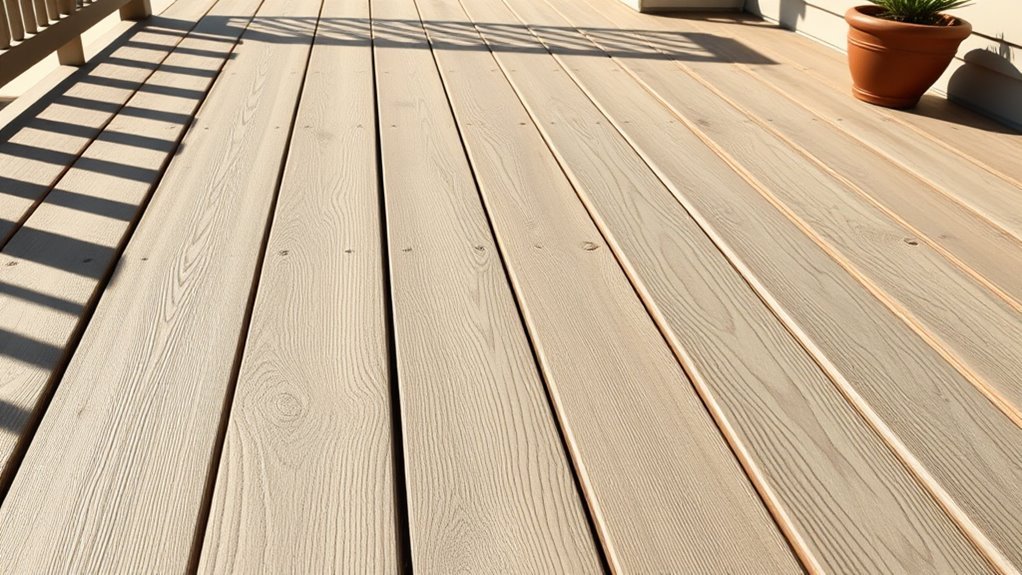
Not sure which deck paint fits your needs? You’ll weigh deck paint options based on surface type, durability, and maintenance.
Pick a water-based acrylic for easy cleanup and UV resistance, or a solvent-based formula when you need tougher wear.
Consider opacity—solid stains hide imperfections, transparent ones highlight grain.
Think about slip resistance if your deck gets wet.
For color selection, test swatches in sunlight and against your home’s trim to guarantee harmony.
Factor in weather: choose formulas rated for freeze-thaw cycles in cold climates.
Read labels for dry time and recoating intervals before committing.
What Do Searchers Want When They Ask About Exterior Deck Paint?
When you search for exterior deck paint, you’re usually after two things: durability and longevity, plus how easy it’s to apply and maintain.
You want a finish that stands up to weather and traffic without constant recoating.
You also want straightforward prep, application steps, and simple upkeep to keep the deck looking good.
Durability And Longevity
Because your deck faces sun, rain, foot traffic, and freeze-thaw cycles, you want a paint that resists peeling, UV fading, moisture intrusion, and abrasion so you won’t be repainting every season.
Choose high-quality acrylic or elastomeric formulas rated for exterior horizontal surfaces; they flex with temperature changes and shed water.
Pay attention to color selection—darker hues hide wear but absorb heat, lighter tones reflect UV.
Longevity depends on proper surface preparation, like removing old paint, repairing rot, and ensuring dryness.
Look for products with long warranty periods and proven wear resistance so your finish lasts years, not months.
Application And Maintenance
A few key steps will make applying and maintaining exterior deck paint much easier and keep your finish lasting longer. You’ll prep by cleaning, sanding, and repairing loose boards, then choose products suited to your climate.
Use proper application techniques—thin coats, consistent strokes, and avoid painting in extreme temperatures—to guarantee adhesion and even coverage. After curing, follow maintenance tips: inspect annually, clean spills promptly, and recoat where wear appears. Regular upkeep prevents costly repairs and preserves appearance.
- Prep thoroughly: sweep, power-wash, and sand.
- Paint smart: thin coats, maintain wet edge.
- Maintain yearly: clean, touch up, reseal as needed.
Key Criteria for Choosing Deck Paint (Durability, UV, Slip)
If you want your deck to look great and last, prioritize three performance factors: durability, UV resistance, and slip resistance.
You’ll want tough paint finishes that resist chipping and abrasion from foot traffic and furniture. UV resistance prevents fading and breakdown, so pick formulations with UV blockers and fade warranties.
Slip resistance matters for safety—choose textured or additive-compatible paints for wet and high-traffic areas.
Balance these factors with aesthetic choices like color trends, but don’t sacrifice performance for looks.
Read labels for wear ratings, recoat intervals, and recommended prep to guarantee peak long-term protection.
How Climate Affects Deck Paint Choice
Where you live will shape the kind of deck paint you need, so think about hot, sun‑baked summers, cold freeze‑thaw cycles, and persistently humid or rainy conditions.
In hot, sunny climates you’ll want paints with strong UV resistance and heat tolerance to prevent fading and cracking.
In freezing or wet regions pick flexible, water‑resistant coatings that handle expansion and moisture without peeling.
Hot, Sunny Climates
Because intense sun and heat can quickly wear down ordinary finishes, you’ll want deck paint formulated to resist UV rays, fading, and thermal expansion.
Choose products emphasizing sun protection and UV reflection to reduce surface temperature and slow color fading. Prioritize heat resistance and moisture management for paint longevity, and plan application techniques around seasonal effects to guarantee adhesion.
- Pick lighter color selection to lower surface temperature and minimize color fading.
- Use coatings rated for heat resistance and UV reflection for longer paint longevity.
- Apply during cooler morning hours; follow manufacturer application techniques for best durability.
Cold, Freeze-Thaw Regions
Hot sun calls for UV protection, but cold, freeze-thaw regions demand a different set of priorities for deck paint.
You’ll prioritize cold weather performance and freeze protection: choose coatings with paint flexibility to handle temperature fluctuations and resist cracking.
Focus on moisture resistance and frost resistance to prevent ice damage beneath coatings.
Plan seasonal application during milder days and do thorough substrate preparation—clean, dry, and repair wood so paint bonds.
Look for products labeled winter durability and formulated for freeze-thaw cycles.
Proper selection and timing reduce peeling, splintering, and costly rework in harsh winters.
Humid, Rainy Environments
If your deck sits in a humid, rainy climate, you’ll need paints that keep moisture out and allow trapped water to escape; otherwise mildew, peeling, and wood rot will follow.
You should choose breathable, moisture resistance-focused coatings with mildewcide and flexible binders. Prioritize products that promote strong paint adhesion to damp-prone wood and that tolerate frequent wet-dry cycles.
Prep thoroughly: clean, dry as possible, and use primers made for humidity. Consider low-gloss finishes to hide wear and improve traction.
- Use breathable acrylics with mildewcide.
- Apply humidity-rated primer for adhesion.
- Recoat sooner in persistent wet seasons.
How Foot Traffic Affects Deck Paint Choice
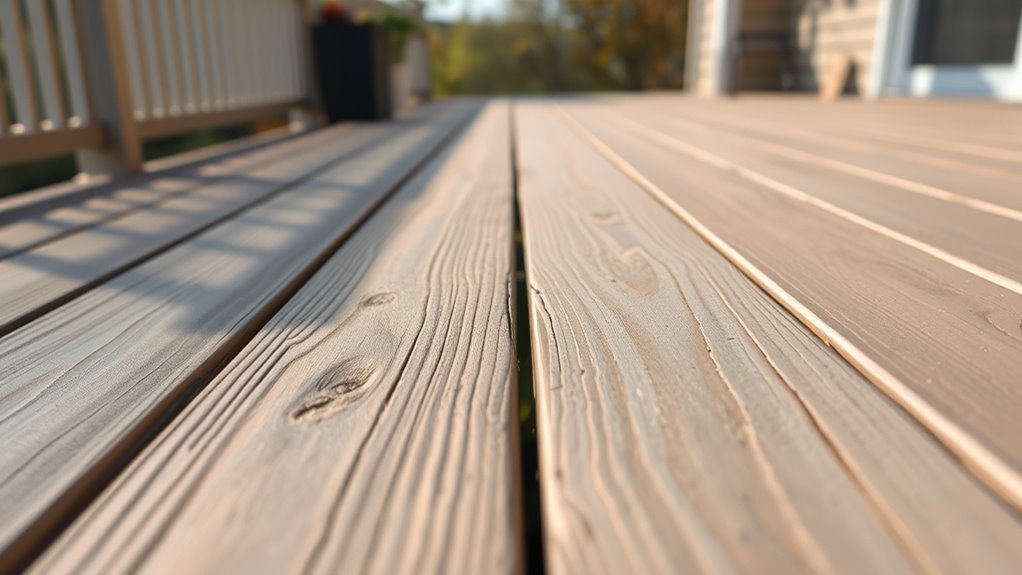
When you pick paint for your deck, consider how much foot traffic it will get—high-traffic areas demand tougher, more abrasion-resistant coatings, while seldom-used sections can get by with softer, more decorative finishes.
You’ll assess entryways, stairs, and pathways differently than corners or under furniture. For heavy-use zones, choose formulas labeled for durability and slip resistance; they resist scuffs and show less wear.
In low-use spots, prioritize color and sheen. Plan maintenance: high-traffic paint needs periodic touch-ups and cleaning.
Your paint selection should balance longevity, safety, and aesthetics to match how you and guests use the space.
Paint vs. Stain vs. Sealer: Which Is Right for Your Deck?
Foot traffic helped you narrow the durability and slip-resistance you need. Now decide between paint, stain, or sealer based on appearance, protection level, and maintenance.
You’ll weigh paint characteristics like opacity and surface-clinging protection, stain’s grain-enhancing look, and sealer’s clear defense. Choose paint for color and heavy wear, stain for natural wood tones and easier touch-ups, or sealer for minimal change and UV/moisture defense.
- Paint: high coverage, hides imperfections, longer prep.
- Stain: permeates wood, various opacity and finish options, simpler renewals.
- Sealer: clear protection, frequent reapplication.
Best Deck Paint Sheens for Outdoor Use
Because sheen affects durability, traction, and appearance, choosing the right deck paint finish matters more than you might think. You’ll weigh gloss for cleanability, satin for balance, and matte for grip; each sheen impacts outdoor durability and safety. Match finish to use: high-traffic needs more traction, covered decks can handle glossier looks, and textured additives help slip resistance.
| Sheen | Best Use |
|---|---|
| Gloss | Low-traffic, easy-clean |
| Satin | Balanced durability/appearance |
| Matte | High-traffic, low-glare |
| Textured | Maximum traction, wet conditions |
Which Paint Types Give the Best Durability?
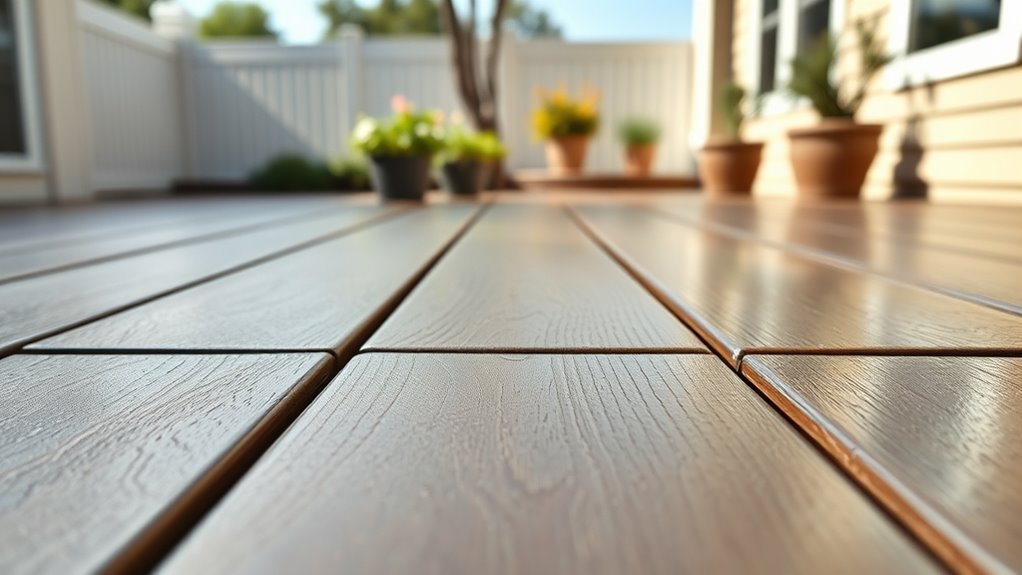
When you want long-lasting protection, oil-based stains and 100% acrylic paints are the top contenders.
Oil-based stains penetrate wood and resist wear and moisture, while 100% acrylic forms a flexible, UV-resistant film that holds up to weather.
I’ll compare their durability, maintenance needs, and ideal uses so you can pick what fits your deck.
Oil-Based Stains
Although oil-based stains take longer to dry, they offer exceptional penetration and weather resistance that many homeowners prefer for exterior decks. You’ll notice improved oil longevity and superior stain absorption in porous wood, which helps lock in color and repel moisture.
Apply with care: prep, thin coats, and proper ventilation matter.
- Deep penetration enhances durability and hides small imperfections.
- Recoating cycles are longer but less frequent than some alternatives.
- Best on dense or weathered wood where absorption is uneven.
You’ll trade faster cure times for lasting protection; choose oil-based stains when longevity and natural grain visibility are priorities.
100% Acrylic Paint
If you prefer quicker drying and easier cleanup than oil-based stains offer, acrylic paints are a strong alternative for exterior decks.
You get acrylic advantages like UV resistance, color retention, and flexible film that resists cracking. Choose 100% acrylic latex for foot traffic durability and mildew-resistant formulas for humid areas.
For best results, prep by cleaning, sanding loose wood, and using a primer suitable for previously stained or bare wood.
Apply thin, even coats with a roller for boards and a brush for edges; follow recommended drying times between coats.
Proper application techniques and maintenance extend life and appearance.
Acrylic Deck Paints: Pros and Recommended Uses
Because acrylic deck paints dry fast and resist fading, they’re a top choice for homeowners who want durable, low-maintenance color on outdoor wood or composite decks.
You’ll appreciate acrylic advantages like UV resistance, flexibility that prevents cracking, and quick recoat times. Use proper application techniques: clean, sand, and prime when needed, apply thin even coats, and allow full curing before heavy use.
They’re great for high-traffic areas and climates with sun or moisture exposure. Consider breathable formulations for older wood and pigmented options for better longevity.
- Quick drying and low odor
- Flexible finish that resists peeling
- Easy cleanup with soap and water
Oil‑Modified Deck Paints: Pros and Recommended Uses
If you want a finish that stands up to heavy foot traffic and resists scuffing, oil‑modified deck paints offer excellent durability and wear.
You’ll need to factor in longer application and dry times compared with acrylics, but their leveling and penetration can give a tougher surface.
Use them on older or porous wood and high‑traffic areas where longevity matters more than quick recoat times.
Durability And Wear
When you need a finish that stands up to heavy foot traffic and resists scuffing, oil‑modified deck paints are a workhorse choice: they cure to a hard, abrasion‑resistant film that lasts longer than many latex alternatives on horizontal surfaces.
You’ll notice superior weather resistance and versatile finish types—glossy for easy cleaning, satin for balanced grip, flat for hiding imperfections.
Expect good resistance to abrasion, staining, and occasional moisture exposure, though long‑term flexibility is lower than some modern formulations. Choose oil‑modified where toughness matters and recoating intervals can be managed.
- Durable against scuffing and wear
- Resists staining and fading
- Best for high‑traffic zones
Application And Dry Time
Having chosen oil‑modified paint for its toughness, you’ll want to understand how application method and cure time affect performance. You should use thin, even coats—brushing or rolling works best—and follow recommended application techniques to avoid lap marks. Expect longer dry time considerations than latex: surface dry in 6–12 hours, tack‑free later, full cure in days to weeks depending on temperature and humidity. Keep foot traffic off until fully cured. Use the table below to compare common tools, typical pass thickness, and approximate recoat times.
| Tool | Pass Thickness | Recoat Time |
|---|---|---|
| Brush | 3–4 mil | 12–24 hr |
| Roller | 4–6 mil | 24–48 hr |
| Sprayer | 2–3 mil | 8–16 hr |
Best Use Cases
Because oil‑modified deck paints form a hard, abrasion‑resistant film, they’re ideal where you need long‑lasting protection and heavy foot traffic resistance.
You’ll choose them for surfaces that see constant use, where durability matters more than frequent touchups. They enhance deck aesthetics with a smooth, durable sheen and accept seasonal colors without peeling quickly.
Expect slower drying and stronger fumes, so plan ventilation and timing. Use oil‑modified paints when you want robust coverage and reduced maintenance cycles.
- High‑traffic entries and stair treads
- Outdoor dining and entertainment decks
- Decks exposed to harsh weather or pets
Low‑VOC and Eco‑Friendly Deck Paint Options
If you want a durable, attractive deck without compromising indoor air quality or the environment, low‑VOC and eco‑friendly deck paints give you options that perform well and reduce harmful emissions. You’ll find eco friendly alternatives like water‑based acrylics and natural oil blends that offer low VOC benefits, quick drying, and easy cleanup. Choose products with certified labels and check coverage and UV resistance. Consider maintenance—some need recoat sooner but release fewer pollutants. Compare performance, price, and sustainability to match your priorities.
| Type | Strength |
|---|---|
| Water‑based acrylic | Fast drying |
| Natural oil blend | Penetrates wood |
Best Slip‑Resistant Deck Paints for Safety
When you’re choosing paint for a busy deck, slip resistance should be a top priority.
You can boost traction by adding grit-based additives or choosing factory-formulated anti-slip coatings that lock in durability.
I’ll cover how each option performs and how to apply them for the best long-lasting grip.
Traction Additive Options
Although a new coat of paint can freshen your deck, adding traction particles is what really keeps people from slipping, especially in wet or high-traffic areas.
You’ll choose between sand, polymer grit, or recycled glass as traction additives; consider safety features, performance ratings, and product comparisons before buying.
Read user reviews for real-world durability and seasonal considerations like freeze/thaw or summer heat.
Follow application techniques and installation tips: broadcast grit into wet paint, backroll for even coverage, then seal.
Proper prep and the right additive make your deck safer without compromising finish or longevity.
- Sand: budget-friendly, coarse grip
- Polymer grit: consistent texture, paint-integrated
- Recycled glass: fine grit, eco option
Durable Anti‑Slip Coatings
Choose a durable anti-slip coating that matches your deck’s material and traffic level, because the right product gives you long-lasting grip without constant reapplication.
You’ll want coatings that blend anti slip technologies—ceramic beads, polymer grit, or textured binders—so you can balance traction, appearance, and maintenance.
Look for clear specs on slip resistance ratings and UV, mold, and abrasion resistance.
Prioritize products with integrated safety features like quick-drain textures and low VOC formulas to protect users and the environment.
Apply per manufacturer instructions, test a small area, and schedule inspections so the coating continues protecting everyone who uses your deck.
Paints and Pigments With Top UV Stability
Sunlight is the enemy of bright, intact deck finishes, so you’ll want paints and pigments that resist UV breakdown and color fade. Choose formulations with proven UV protection and high pigment quality; coating technology that bonds and flexes improves color retention amid environmental factors.
Look for independent performance testing and product comparisons to verify weather resistance. Use proper application techniques—thin, even coats and recommended curing times—to maximize lifespan and minimize color fading.
- Select pigments rated for lightfastness and low chalking.
- Prefer advanced binders and UV absorbers.
- Factor local climate and maintenance into choices.
Best Deck Paints for Coastal and Salt‑Air Environments
Because salt spray and high humidity accelerate corrosion and paint breakdown, coastal decks need coatings formulated to block salt, resist mold, and stay flexible under temperature swings. You’ll want paint formulations emphasizing salt resistance and weather durability; choose UV-stable pigments and mildew inhibitors. Pick color choices that hide wear and reflect heat. Use application techniques that guarantee full adhesion—clean, etch, prime, and apply in thin, even coats. Expect more frequent maintenance than inland decks.
| Salt Resistance | Weather Durability | Emotional Appeal |
|---|---|---|
| High-performance polymers | Flexible, crack-resistant | Calm, salty breeze |
| Anti-mold additives | UV and moisture tough | Proud, protected deck |
Best Products for Shaded, Damp, or Forested Yards
If your deck sits under trees or in a consistently damp spot, pick paints and stains formulated for low-light, high-moisture conditions that resist mildew, algae, and wood rot.
You’ll want products emphasizing paint durability, mold inhibitors, and good penetration to slow decay in shaded environments and forested settings. Choose colors that hide stains yet reflect enough light to reduce slickness.
- Use mildew-resistant semi-transparent stains for texture and breathability.
- Pick water-repellent, acrylic-alkyd blends for long-lasting protection.
- Select mid-tone, earth-hued paints for ideal color selection and concealment.
Prep, dry, and apply per manufacturer directions for best results.
Budget Deck Paints That Still Hold Up
Shaded, damp sites demand mildew resistance and deep penetration, but you don’t have to spend a fortune to get those features. You can choose affordable options that resist peeling, lock out moisture, and cover without endless coats.
Look for water-based acrylics with polymer binders and mildewcide; they dry fast and clean up easily. In a practical quality comparison, weigh coverage per gallon, recommended prep, warranty, and user reviews for longevity.
Apply proper preparation—clean, sand, prime—to get premium performance from budget paints. That way you save money now and avoid costly repairs later.
High‑End Paints for Show‑Ready Finishes
When you want a deck that stops people in their tracks, high‑end paints deliver the deep color, satin or gloss sheen, and durable film that make it happen. You’ll choose luxury finishes from premium brands that resist fading, scuffing, and moisture while showcasing grain or creating a sleek surface.
Expect longer life and fewer recoats, plus richer pigments that keep color vibrant.
- Smooth, showroom gloss that holds up to foot traffic
- Satin options that balance sheen with slip resistance
- High-build coatings that fill minor imperfections for a flawless look
Invest selectively for lasting curb appeal.
Professional‑Grade Paints Contractors Prefer
You’ll want paints that stand up to heavy foot traffic and weather without peeling or fading.
Contractors prefer formulas that apply smoothly with pro tools, offer broad coverage, and have predictable dry times so jobs finish on schedule.
I’ll cover durability and wear, application tips, and what to expect for coverage and cure.
Durability And Wear
Because decks take constant abuse from foot traffic, weather, and tools, contractors pick professional‑grade paints that emphasize toughness and long wear.
You want a finish with proven weather resistance and excellent color retention so surfaces stay attractive longer. Look for high solids, flexible binders, and abrasion‑resistant pigments that stand up to scuffs and UV.
- Choose formulas labeled for high traffic and outdoor surfaces.
- Prioritize coatings with UV inhibitors and mildew resistance.
- Inspect manufacturer warranties and proven field performance.
These choices reduce repaint frequency, protect deck boards, and keep your investment looking sharp under heavy use.
Professional Application Tips
Having picked a high‑performance, weather‑resistant deck paint, you’ll want to apply it like a pro to get the advertised durability and appearance.
Start by inspecting and repairing boards, then clean and degloss surfaces for adhesion. Your paint selection affects prep: oil‑modified primers differ from acrylics, so match primer and topcoat.
Use quality rollers for smooth coverage and angled brushes for edges and railings. Maintain a wet edge, work in shaded, dry conditions, and avoid painting in extreme temperatures.
Thin coats adhere better than heavy ones; sand lightly between coats for a professional finish and long‑term performance.
Coverage And Dry Time
- Apply thin, even coats for consistent coverage and faster cure.
- Allow extended recoat windows in cool, humid conditions.
- Use approved drying techniques like fans and timed ventilation.
Which Formulations Actually Resist Peeling and Blistering?
Curious which deck paints actually stand up to sun, moisture, and foot traffic without peeling or blistering? You’ll want elastomeric and high-build acrylic formulations; they offer superior peeling prevention by flexing with wood and bridging hairline cracks.
Marine-grade and 100% acrylic latex also help, providing strong adhesion and moisture vapor transmission that reduce blistering resistance failures. Oil-based enamels stick well but can trap moisture, so use them only on well-dried surfaces.
Proper surface prep, primer compatibility, and following manufacturer recoat windows are essential—no formulation can perform if applied over dirt, old loose paint, or damp substrates.
What to Look for in UV Protection Ratings for Deck Paint
Why does UV protection matter for deck paint? You want coatings that block UV protection to limit color fading and preserve paint longevity while improving weather resistance.
Look for tested ratings and independent performance testing before you buy.
- Check labels for UV blockers and read product comparisons that include environmental impact and maintenance tips.
- Match application techniques to the manufacturer’s guidance and prioritize thorough surface preparation to guarantee the rated protection performs.
- Consider long-term paint longevity versus eco-friendly formulations; performance testing often reveals tradeoffs between durability and environmental impact, guiding smart, practical choices.
Which Paints Offer Built‑In Slip Resistance?
Which paints give you built‑in grip for safer walking on wet or icy decks? You want coatings with measurable slip resistance and integrated safety features. Look for textured acrylics, anti‑skid epoxy blends, or deck paints with added grit—these create traction without separate treatments. Manufacturers often list coefficient of friction (COF) ratings; aim for higher COF for stairs and ramps. Regular maintenance preserves grip, so choose paints that resist wear and embed aggregate firmly. Compare products, check safety features specs, and test a small area.
| Type | Typical benefit |
|---|---|
| Textured acrylic | Durable grip |
| Anti‑skid epoxy | Heavy‑use traction |
| Grit additives | Adjustable texture |
How Moisture Exposure Changes Your Paint Options
If your deck gets regular moisture, you’ll need paints formulated for damp conditions, like 100% acrylics or elastomeric coatings that resist water penetration.
You should also plan prep work—scrape, sand, and use a wood preservative—so the paint bonds and lasts.
Finally, check and improve drainage or slope so water doesn’t pool and undermine even moisture-resistant finishes.
Moisture-Resistant Paint Types
Because decks face constant wet-dry cycles, you’ll need paints formulated specifically to resist moisture rather than just wear. You want moisture control to prevent blistering, peeling, and mildew; waterproof coatings are essential for boards exposed to pooling or splash.
Choose coatings based on wood type and traffic: flexible elastomeric paints bridge hairline cracks, oil-modified enamels seal and harden for durability, and high-performance acrylics balance breathability with water resistance.
Compare drying time, UV stability, and recoat windows. Match product specs to your climate to avoid failures.
- Elastomeric paints
- Oil-modified enamels
- High-performance acrylics
Prep And Drainage Needs
You’ve picked a moisture-resistant coating, but proper prep and drainage determine whether it lasts or fails.
You’ll need thorough deck surface preparation: clean, degrease, sand loose fibers, and replace rotted boards. Test for trapped moisture with a moisture meter and wait for readings within manufacturer specs before painting.
Plan drainage solutions to divert water—slope boards subtly, clear gaps, and install or maintain gutters and downspouts. Consider under-deck systems if runoff pools below.
Choose paints compatible with expected moisture levels, but don’t skip prep; even the best coating can’t survive standing water or trapped dampness.
Which Primers Do You Need for Wood, Composite, or PVC?
When prepping a deck, choose your primer based on the material—wood, composite, or PVC—to guarantee proper adhesion and long-lasting coverage.
You’ll pick wood primers that seal and stabilize porous grain, composite primers formulated for low-porosity surfaces, or PVC primers that promote chemical bonding.
Consider primer selection for climate exposure and topcoat compatibility.
Follow recommended application techniques: clean, dry, and lightly sand if manufacturer advises. Use thin, even coats and allow full cure before painting.
Match primer chemistry to paint—acrylic or oil-based—so the finish adheres and endures.
- Wood primers: stain-blocking, penetrating
- Composite primers: adhesion-focused
- PVC primers: solvent-based bonding
How to Prepare Wood Decks for Painting
Now that you’ve matched the right primer to your deck material, get the wood ready so that primer and paint can bond properly.
Start with thorough deck cleaning: sweep, remove debris, and pressure-wash or scrub with a deck cleaner to strip mildew, old finish, and oils.
Allow wood to dry completely—usually 48–72 hours.
Sand rough spots and feather edges where old coatings remain, then vacuum and tack-cloth dust.
Replace rotten boards and tighten fasteners.
Mask nearby plants and fixtures.
Perform final surface preparation check: smooth, clean, and dry wood guarantees primer adhesion and long-lasting paint performance.
How to Prep Composite and PVC Decks for Paint
Start by thoroughly cleaning and degreasing the composite or PVC surface so paint can adhere properly.
Check and tighten or replace loose fasteners, and repair any separated seams or damaged trim before you prime.
Taking these steps guarantees a smooth, long-lasting finish.
Surface Cleaning And Degreasing
Before you apply any paint, give the deck a thorough wash and degrease so the coating will bond and look even. For solid deck preparation, remove dirt, mold, and oils with suitable cleaning techniques: a mild detergent, composite deck cleaner, or a biodegradable degreaser.
Work in sections, rinsing thoroughly and letting the surface dry completely. Test a small area first to confirm compatibility.
- Scrub seams and textured areas with a soft brush and cleaner.
- Rinse with a garden hose or low-pressure washer to avoid damage.
- Allow 24–48 hours of dry weather before painting to guarantee adhesion.
Repairing Seams And Fasteners
If seams are loose or fasteners are exposed, fix them before painting so the finish lays flat and lasts. You’ll inspect joints and gaps, tighten or replace fasteners, and remove any protruding screws.
For composite and PVC, use compatible sealant and follow seam sealing best practices: clean, apply bead, tool smooth, and let cure. Fastener maintenance includes using stainless or coated screws to prevent staining and checking hidden clips.
After repairs, sand only where needed and re-clean the area. Proper seam sealing and fastener maintenance prevent moisture intrusion and guarantee your paint adheres and endures.
When to Strip Old Paint vs. Scuff and Repaint
When deciding whether to strip old deck paint or simply scuff and repaint, consider the paint’s adhesion, thickness, and the surface’s condition—you’ll save time and money when you choose the right prep.
When prepping a deck, assess adhesion, paint thickness, and surface condition to choose the right, cost-saving prep.
You’ll keep deck preparation focused: test adhesion with a tape pull, look for multiple blistered layers, and check for rot or deep gouges.
If paint peels or multiple coats hide defects, strip. If adhesion is sound and surface is mostly smooth, scuffing plus primer works.
- Peel or flake across large areas: strip.
- Single, well-adhered coat: scuff.
- Surface damage present: strip and repair.
Which Cleaning Products Safely Remove Mildew and Dirt?
How do you remove mildew and grime from a deck without damaging the wood or paint?
Use a mild, pH-balanced deck cleaner or a diluted oxygen bleach solution for effective mildew removal and dirt cleaning.
Mix per label instructions, scrub with a soft-bristle brush, and rinse thoroughly with a garden hose or low-pressure washer.
Avoid harsh chlorine bleach or wire brushes that strip paint or etch wood.
Test any cleaner on a small hidden area first.
After cleaning, let the deck dry completely before inspecting for repairs or repainting.
Regular gentle cleaning prevents buildup and extends paint life.
How to Fix Splinters, Cracks, and Loose Boards Before Painting
Before you paint, check the deck for loose boards and tap across the surface to find hollow spots.
Pull or sand splinters, fill cracks and gaps with an appropriate exterior wood filler or caulk, and let it cure.
Finally, tighten or replace loose boards and fastenings so the finish will adhere evenly and last longer.
Identify And Remove Splinters
Start by walking the deck and looking closely for raised wood fibers, small splinters, hairline cracks, and any boards that shift underfoot. You’ll want safety precautions: gloves, eye protection, and a dust mask before you work.
Use a stiff brush to remove loose fibers, then sand splintered areas smooth with medium- then fine-grit sandpaper. For stubborn splinters, carefully lift and trim with a sharp chisel. Finish splinter treatment by wiping dust away and testing with your hand for smoothness. If boards feel loose, mark them for later repair.
- Inspect lighting and shadows for hidden splinters
- Sand along grain, not across
- Dispose of debris safely
Repair Cracks And Gaps
Once you’ve smoothed splinters and marked loose boards, tackle cracks and gaps so paint adheres and the deck stays watertight.
Start by sweeping and blowing debris from crevices, then dry the area thoroughly.
For hairline cracks, use a high-quality crack repair caulk formulated for exterior wood; force it into the fissure and tool smooth.
For wider gaps, pack with backer rod then apply exterior-grade filler for gap filling, ensuring a slight overfill to sand flush.
Allow full cure per product instructions, sand smooth, and wipe clean.
Proper crack repair and gap filling prevent moisture intrusion and prolong your finish.
Secure Or Replace Loose Boards
Inspect the deck closely for loose, warped, or damaged boards and remove any protruding nails or screws so you can assess which boards need repair or replacement.
You’ll prioritize deck board safety by tightening fasteners, sinking or replacing corroded screws, and sanding splinters. If a board’s rotten or split, swap it out to prevent trip hazards and paint failures.
For minor gaps, use exterior wood filler before priming. Follow these loose board repair steps to guarantee a smooth, durable finish.
- Tighten or replace fasteners
- Cut out and replace rotten boards
- Sand and fill small cracks
How Surface Temperature and Weather Affect Paint Application
Because paint cures through chemical reactions that depend on temperature and humidity, you’ll get better adhesion and a more durable finish when you apply it within the manufacturer’s recommended range.
You should check surface temperature, not just air temperature, because direct sun or cold decks change drying times and adhesion.
Avoid painting when weather conditions predict rain, dew, or rapid temperature fluctuations; moisture and quick cooling can cause blistering, poor flow, or incomplete curing.
Aim for steady, moderate conditions—typically mid-morning to late afternoon—and follow product labels for minimum and maximum surface temps to guarantee a resilient, even deck coating.
How Many Coats of Deck Paint Do You Really Need?
Wondering how many coats of paint your deck really needs? You’ll usually need two: a primer or bonding coat (if required by your paint types) and a topcoat for durability.
Lightweight or translucent stains might need only one, while heavy-use areas benefit from two topcoats. Let the first coat dry fully before adding another to avoid trapping moisture.
- Two coats for most scenarios: primer/bonding coat plus topcoat.
- One coat possible for certain translucent or quick-touch paints.
- Heavy-traffic zones may need an extra topcoat for longevity.
Consider manufacturer recommendations and your chosen application methods.
Best Application Methods for a Durable Finish
Start by choosing the right tools and following a consistent technique—brush for edges, roller for field areas, and a fine-tip brush for seams—to guarantee even coverage and a durable finish.
You’ll focus on surface preparation: clean, sand, and prime to improve paint adhesion. Use proper paint tools and steady application techniques, keeping strokes consistent and overlap minimal.
Monitor weather conditions and respect drying times between coats to avoid tackiness and poor bonding. After curing, inspect for thin spots and touch up.
Regular deck maintenance like cleaning and prompt repairs will extend the life of your paint application.
Tools and Rollers That Avoid Brush Marks
Once your surface prep and technique are set, picking the right tools lets you avoid visible brush marks and get a smooth, professional-looking finish.
You’ll want to focus on paint application techniques that minimize overlaps and maintain a wet edge; use a high-quality angled brush for cut-ins only.
For large areas, prioritize roller selection tips: nap length and material matter for texture and coverage. Choose hybrids that match your deck’s grain and paint type.
Use light, even pressure and roll in consistent directions to blend. Maintain clean, lint-free tools and replace rollers when they shed to prevent streaks.
- High-quality angled brush for edges
- 3/8″ to 1/2″ woven roller for smooth boards
- Foam rollers for ultra-smooth, low-texture finishes
How to Achieve Consistent Coverage on Railings and Stairs
Anyone tackling railings and stairs should work in small, organized sections so you can maintain a wet edge and get even coverage across narrow spindles, balusters, and treads. You’ll prep surfaces, sand rough spots, and remove dust so paint adheres. Use a sash brush for corners, a small roller for flat areas, and steady strokes on spindles. Practice consistent application and alternate railing techniques between vertical and horizontal passes. Finish each section before moving on to avoid lap marks. Clean tools frequently and inspect in daylight to catch thin spots promptly.
| Tool | Area | Tip |
|---|---|---|
| Sash brush | Corners | Thin coats |
| Small roller | Flats | Light pressure |
| Detail brush | Spindles | Short strokes |
| Sandpaper | Blemishes | Feather edges |
| Cloth | Dust | Tidy work |
How to Apply Anti‑Slip Additives and When to Use Them
Reduce slips by adding a grit additive to your deck paint when surfaces get wet, are near pools, or see heavy foot traffic.
You’ll choose anti slip materials (silica, polymer beads, or fine sand) based on texture preference. Mix per manufacturer ratios into paint, stir thoroughly, and apply with your usual roller or brush.
Use these application techniques to keep coverage even and avoid clumping:
Use these application tips to ensure even coverage, prevent clumps, and maintain consistent traction across the surface.
- Lightly broadcast extra grit on a wet coat for high-traction zones.
- Maintain consistent stir intervals during application to suspend particles.
- Allow full cure between coats and test a small area for feel.
Follow safety and cleanup instructions.
How to Test Paint Samples on Your Deck
Before you commit to a full deck coating, test at least three paint samples on different areas to judge color, coverage, and slip resistance in real conditions.
Choose representative spots: sun, shade, high traffic. Clean and sand each area, then follow manufacturer prep and paint application tips precisely.
Label zones and apply identical sample sizes, noting drying times. After curing, evaluate adhesion, sheen, and traction—walk on each when dry and after water exposure.
Use consistent lighting and photos for sample comparison techniques. Record results and pick the product that balances appearance, durability, and safety for your deck.
How to Estimate Paint, Primer, and Material Needs
Start by measuring your deck’s square footage—multiply the length by the width of each section and add them together—so you can convert area into paint and primer quantities that match manufacturer coverage rates.
Measure each deck section (length × width), add totals, then convert square footage using product coverage to determine primer and paint needed.
Use online paint calculators and material estimators to factor coats, porosity, and trim. Account for primer, topcoat, and sealant separately, plus 10–15% for waste.
Choose product coverage numbers from labels, then divide your area by coverage per gallon.
- Note rough vs. smooth surface coverage differences.
- Round up gallons and buy matching batch numbers.
- Keep extra for future touch-ups.
How Long Different Deck Paints Last in Real Homes
You’ll want to know how different deck paints actually hold up in everyday use, since real-world durability varies a lot.
Expect some premium acrylics to last 5–10 years with good prep and maintenance, while cheaper latex or oil-based options may need recoating every 2–4 years.
Below we’ll compare typical lifespans by product so you can pick what matches your climate and upkeep habits.
Real-World Durability
When you’re choosing deck paint, real-world durability matters more than lab claims — it tells you how long a finish will actually protect and look good on a home exposed to sun, rain, foot traffic, and seasonal temperature swings.
You’ll want to prioritize real world performance and user experiences over glossy marketing. Check how finishes resist peeling, fading, and mildew in local climates, and factor in prep, coats, and maintenance.
- Homeowner reports: typical issues and successes after 1–5 years
- Climate impact: UV, freeze-thaw, humidity effects
- Maintenance needs: cleaning, touch-ups, recoating schedules
Lifespan by Product
Different types of deck paint tend to show predictable lifespans in real homes, so you can set realistic expectations based on the product class you pick. You’ll see oil-based paints often last 5–7 years with regular maintenance; latex coatings usually give 3–5 years before touch-ups; solid stain systems can reach 4–6 years depending on traffic and climate. Consider product lifespan data and local conditions when choosing; paint longevity varies with prep, application, and UV exposure. Use this quick comparison to guide decisions.
| Product Type | Typical Lifespan |
|---|---|
| Oil-based paint | 5–7 years |
| Latex paint | 3–5 years |
| Solid stain | 4–6 years |
| Specialty coatings | 6+ years |
Seasonal Maintenance for Painted Decks
Although seasonal changes bring extra wear, keeping your painted deck in top shape is straightforward with a few targeted tasks each year. You should schedule seasonal inspections to spot peeling, mildew, and fastener issues, and apply weatherproof coatings before heavy rain or freeze cycles.
Seasonal inspections and timely weatherproofing keep painted decks looking great and prevent costly damage.
Clean debris promptly and avoid harsh pressure washing that strips paint.
- Sweep and wash: remove dirt, leaves, salt buildup.
- Inspect and tighten: check screws, railings, and flashing.
- Recoat selectively: touch high-traffic areas and thin spots with compatible exterior paint or sealer.
How to Repair Chips, Scuffs, and Worn Paths
Start by walking the deck and marking chips, scuffs, and high-traffic worn paths so you know exactly what needs attention.
Clean each area thoroughly, sand loose paint or rough edges, and remove any dirt or mildew.
Fill gouges and deep chips with an appropriate exterior wood filler or epoxy, let it cure, then sand smooth before repainting.
Assess Damage Areas
Before you pull out paint and brushes, take a careful walkover to identify chips, scuffs, and worn paths so you know exactly what needs repair and where to focus your effort.
You’ll perform a quick damage assessment: note loose or splintered boards, shallow surface chips, and high-traffic wear lines. Photograph or mark spots so you don’t miss them.
Prioritize repairs by severity and exposure to moisture. Choose targeted repair techniques later, but now record size, depth, and location for each issue.
This focused inventory saves time and materials when you move on to actual patching and repainting.
- Note size and depth
- Mark high-traffic routes
- Photograph problem areas
Prep And Patch
With your damage inventory in hand, you’ll prepare each spot for repair so patches bond and finish smoothly.
Begin deck surface preparation by sweeping, washing, and letting wood fully dry.
Sand loose paint and feather edges around chips and scuffs to create a clean profile.
For shallow damage, use a high-quality exterior filler; for deeper gouges or worn paths, consider epoxy or wood patch kits.
Apply patching techniques in thin layers, curing between coats, then sand to match surrounding grain.
Prime repaired areas if needed, then repaint, blending edges to restore a uniform, durable finish.
When to Repaint vs. When to Refinish the Deck
If your deck’s finish is peeling, fading, or only showing surface wear, you can usually get away with repainting; but when boards are splintering, stained, or the previous finish is failing to bond, you’ll need to refinish.
You should inspect boards, fasteners, and joints, follow deck maintenance tips, and plan seasonal repainting to protect wood. Repainting saves time and cost when the substrate is sound; refinishing restores integrity after damage.
Inspect boards, fasteners, and joints, maintain seasonally—repaint for upkeep, refinish when damage compromises the wood.
Consider moisture, rot, and adhesion tests before deciding. Choose refinishing for structural or deep-stain issues, repainting for cosmetic refreshes.
- Repaint: surface wear
- Refinish: structural damage
- Inspect: adhesion/moisture
How to Blend Touch‑Ups for an Invisible Fix
When you touch up your deck, start by matching the paint color under the same light to avoid obvious patches.
Use feathering—thin the edges and blend outward with a soft brush or sponge—so the repair fades into the surrounding finish.
Practice on a scrap board to perfect pressure and stroke before working on the deck.
Color Matching Techniques
How do you make a small touch‑up disappear once the deck’s paint has weathered? You’ll match hue, sheen, and age.
Compare samples in daylight and shade, note how color psychology influences perceived warmth, and consider current color trends so the repair doesn’t look dated. Mix small batches, keep records of ratios, and test on an inconspicuous board.
- Match sheen first, then hue to avoid obvious patches.
- Blend new paint into slightly larger areas to account for sun‑fading differences.
- Use small, repeated applications rather than one heavy stroke for gradual integration.
Take your time; precision beats haste.
Feathering And Blending
Start with careful surface preparation — clean, sand, and prime the spot so paint adheres consistently. Match the existing finish and work outward from the repair, applying thin, overlapping strokes that taper into the surrounding deck.
Blend while paint is still wet when possible to avoid lap marks. Account for color fading by testing small areas and adjusting pigment or glaze until the repair disappears.
How to Remove Painted Deck Surfaces Safely
Before you strip paint from a deck, assess the surface, surrounding areas, and materials so you can pick the safest removal method and protect yourself and nearby plants.
You’ll plan deck surface preparation: clear debris, test for lead, and choose tools. Use safe removal techniques—chemical strippers for delicate wood, heat guns on small spots, or orbital sanders with dust collection on durable boards.
Wear PPE, mask, and eye protection. Contain waste and rinse carefully to avoid runoff.
- Wear respirator, goggles, gloves
- Isolate plants, cover soil
- Collect and dispose of paint chips properly
How to Convert Between Painted and Stained Decks
Once you’ve safely stripped or prepared the deck surface, decide whether to move from paint to stain or vice versa by weighing appearance, maintenance, and protection needs.
If converting paint to stain, complete paint removal, sand to an even profile, and follow surface preparation steps to open wood pores; choose a penetrating stain and test a small area.
If going from stain to paint, clean thoroughly, sand to remove loose fibers, and apply a high-quality primer suited for previously stained wood.
In both cases, allow proper drying, follow manufacturer recoat times, and plan routine upkeep to extend finish life.
How to Pick Deck Paint Color for Heat Reflection and Fading
How hot will your deck get, and how do paint color and finish help? You’ll pick shades that reduce heat retention and slow fading while matching mood through color psychology. Lighter colors reflect sunlight; darker tones absorb more heat.
Satin or low-gloss finishes reflect a bit more light and hide wear differently than flat sheens. Consider traffic, sun angle, and local climate when choosing.
Satin or low-gloss sheens reflect more light and mask wear—choose finish based on traffic, sun angle, and climate.
Test small swatches in midday sun and check heat with your hand after an hour. Use durable topcoats and recoat schedules to fight fading.
Balance comfort, aesthetics, and maintenance for the best long-term result.
- Test swatches in place
- Choose finish wisely
- Plan maintenance routine
Best UV‑Stable Colors and Pigments for Decks
When you want a deck color that resists fading and keeps its hue season after season, pick pigments and formulations made for UV stability rather than just choosing a pretty shade. You’ll favor inorganic pigments and lightfast organics for color longevity and fade resistance. Consider Color options that balance heat reflection with Deck aesthetics; pale tones reflect heat, deep tones follow Design trends. Factor Environmental impact when selecting pigment types and finishes. For clear visualization, imagine this simple palette table:
| Tone | Pigment Type | Benefit |
|---|---|---|
| Pale | Titanium | Heat reflection |
| Warm | Iron oxides | Durability |
| Cool | Phthalocyanine | UV stability |
| Neutral | Carbon black | Contrast |
How to Match Deck Paint With Outdoor Furniture and Trim
Good color choices and UV‑stable pigments set a lasting foundation, but you’ll get the most cohesive look by coordinating deck paint with your outdoor furniture and trim.
Start by sampling swatches near your furniture to test color coordination in sunlight. Use trim as an accent: a lighter or darker neutral ties elements together without competing.
Consider furniture compatibility—materials and finishes affect perceived color and wear.
- Match undertones between paint and cushions to unify the palette.
- Pick a durable finish that complements metal or wicker pieces.
- Test small areas before committing to a full repaint.
How to Compare Test Results and Real‑World Reviews
Want to know which deck paints actually hold up over time? You’ll balance lab data with homeowner experiences.
Start with test result analysis: note procedures, sample sizes, and measured metrics like adhesion, UV resistance, and wear.
Then scan reviews for patterns — repeated issues matter more than one-off complaints. Check review credibility by verifying reviewer history, photos, and whether conditions match your climate and foot traffic.
Weight objective tests higher for measurable durability, but let credible real‑world reviews adjust expectations for application quirks and maintenance.
Combine both to pick a paint proven in controlled tests and in lived use.
Which Warranties and Product Claims Actually Matter
Because warranties and product claims can be misleading, you should focus on the specifics that actually protect you: coverage scope, duration, conditions that void the warranty, and any required maintenance or application steps.
Focus on practical warranty details: what’s covered, how long, what voids it, and required care.
Treat warranty importance as practical protection, not marketing. Read fine print for exclusions (moisture, improper prep, commercial use) and keep purchase and application records. Verify product claims against independent tests.
- Confirm what damage is covered and for how long.
- Note required surface prep, application conditions, and maintenance to keep the warranty valid.
- Check if claims are backed by third‑party testing or lab reports.
Checklist for a Successful Deck Paint Project
A simple checklist keeps your deck-paint project on time and prevents costly mistakes. First, schedule work when weather’s dry and mild.
Inspect boards for rot, loose nails, or structural issues and fix them before you paint.
Plan deck paint preparations: choose paint, primer, tools, and safety gear.
Prioritize surface cleaning—sweep, power-wash, and use a deck cleaner or mild bleach solution for mildew, then rinse and dry thoroughly.
Sand rough spots and fill cracks. Mask nearby plants and hardware.
Apply primer if needed, then paint in thin, even coats. Allow proper cure time before use.
Frequently Asked Questions
Can Painted Decks Be Made Pet-Safe and Non-Toxic After Curing?
Yes — you can make painted decks pet-safe and non-toxic after curing. You’ll choose pet safe options, allow full cure, use non toxic brands, rinse thoroughly, test small areas, and avoid harsh cleaners or residue.
Can Solar-Reflective Deck Paints Lower Surface Temperature Significantly?
Yes — you can expect noticeable temperature reduction: solar-reflective deck paints increase solar energy rejection, so your deck surface stays cooler. You’ll see several degrees drop, improving comfort and reducing heat transfer into your home.
Will Painted Decks Affect Property Resale or Homeowner Insurance?
Yes — painted decks usually won’t hurt property value or insurance coverage; you should, however, use proper materials and document work, because poor prep or flaking paint can lower appeal and potentially trigger coverage questions.
Can Painted Decking Be Installed Over Radiant‑Heated Decks?
Yes — you can install painted decking over radiant heat, but you’ll need to verify coating compatibility with your system, use flexible, heat‑tolerant paints, and guarantee proper surface prep and manufacturer approval to avoid failures.
How Do Painted Decks Perform Under Heavy Snow and Ice Removal?
Painted decks hold up if you choose high-quality, flexible coatings; you’ll need snow load-rated finishes and strong ice resistance to avoid cracking and chipping. Regular gentle de-icing and prompt snow removal preserve the paint’s durability and grip.
Conclusion
You’ve got the info to pick the right deck paint—now trust your judgment and act. Measure traffic, match colors to furniture and trim, and don’t ignore UV and slip resistance. Read reviews and warranties, then test a patch. Remember, “measure twice, cut once”: preparation saves time and money. With the right product and prep, your deck will look great and last longer—so pick confidently and get painting.
