
What Is the Best Washable Paint for Walls?
You’ll want a premium acrylic‑latex paint in a satin or semi‑gloss sheen for the best balance of washability, scuff resistance, and touch‑up performance. These formulas clean with mild soap and water, resist stains better than flat latex, and hold up in kitchens, bathrooms, and hallways. Prep with a good primer and let coats fully cure for peak durability. Keep going to see chemistry, testing tips, and room‑specific recommendations.
Why Washable Paint Matters for High-Traffic Walls

Because high-traffic walls take the brunt of daily life, washable paint protects your surfaces from stains, scuffs, and repeated cleaning. You’ll notice fingerprints, spills, and marks disappear with simple wiping instead of repainting.
Choosing washable finishes saves time and money by reducing touch-ups in hallways, kitchens, and playrooms—high traffic areas where wear shows fastest. You’ll keep colors truer longer and preserve surface integrity, so wall maintenance becomes routine rather than a renovation.
Pick a durable washable option and follow recommended cleaning methods; you’ll maintain curb appeal and avoid premature repainting while keeping your walls looking cared for.
What “Washable Paint” Really Means (Standards & Tests)
When you shop for washable paint, you’re really comparing durability and scrubability—their ability to withstand repeated cleaning without losing finish or color.
Look for paints tested to standardized methods like ASTM scrub tests, which give consistent scrub cycles and abrasion results.
Also check stain-resistance ratings so you know how well the finish resists common marks before cleaning.
Durability And Scrubability
If you want paint that holds up to daily life, durability and scrubability tell you what “washable” really means: manufacturers test coatings for scuff resistance, stain removal, and how many brush or sponge cycles they survive before the finish fades or the film breaks down.
You’ll evaluate paint formulation—latex, acrylic, or enamel—and additives that boost abrasion resistance. Consider surface compatibility: primed drywall, plaster, or previously painted surfaces influence performance.
Higher-gloss sheens resist scrubbing damage but may show imperfections. Test a small area and follow manufacturers’ cleaning guidance; proper prep and the right formulation determine how well paint endures real-world cleaning.
Standardized Testing Methods
You’ve just looked at how formulation, sheen, and prep affect real-world cleaning; now let’s look at the measurements behind claims.
You’ll see manufacturers follow standardized criteria to support “washable” labels. Labs use controlled testing protocols — repeated scrubs, specific soils, fixed pressure, and set cycles — to quantify abrasion and film integrity.
Results show how coatings resist wear, gloss loss, and coating removal under repeat cleaning.
When you compare paints, focus on tests referenced on data sheets and third‑party verification. That tells you whether “washable” reflects lab performance or just marketing.
Stain Resistance Ratings
Many manufacturers back “washable” claims with stain‑resistance ratings that tell you how well a paint repels and releases common soils.
You’ll see ratings from labs that test specific stain types—coffee, marker, grease—by applying, drying, then scrubbing with set pressure and solutions.
Compare ratings to know whether a gloss, satin, or matte finish suits your space.
Remember resistance factors like binder quality, pigment load, and surface tension; they determine how deeply stains penetrate and how easily they lift.
Look for clear testing protocols and real‑world reviews so you pick paint with proven cleanup performance for your needs.
Washability vs. Scrubbability: The Key Difference
While both terms get tossed around when you shop for paint, washability and scrubbability mean different things: you need to know which matters for your room.
Washability describes how easily stains and dirt lift with mild cleaning, linking to washable benefits and paint longevity.
Scrubbability measures how much abrasion the finish tolerates before dulling or losing color.
- Washability: routine cleaning, gentle soap
- Scrubbability: heavy-duty scuffs, tougher methods
- Choose based on traffic and mess type
- Higher scrubbability often trades off sheen or touch-up ease
- Look for ratings that match your lifestyle and expectations
How Washability Is Tested (DIY and Lab Methods)
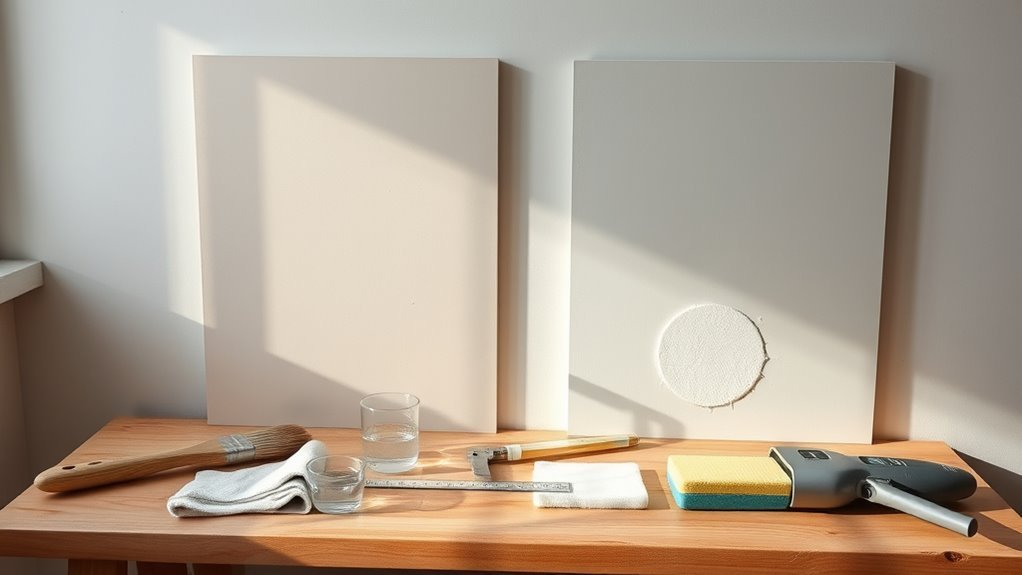
You’ll see washability tested in a few ways, from wet-scrub assessments that count how many wipes a finish can take to stain-resistance trials that measure how easily marks lift.
Labs also run accelerated-wear tests that mimic years of traffic in days to judge long-term durability. Knowing these methods helps you compare claims and pick paint that stands up to real-life use.
Wet-Scrub Testing
Because washability boils down to how well paint stands up to repeated cleaning, wet-scrub testing lets you compare finishes under realistic wear.
You’ll learn wet scrub effectiveness by simulating repeated scrubbing with a wet sponge or machine, following standardized testing protocols for pressure, cycle count, and detergent.
DIY tests can approximate lab results if you control variables; labs provide repeatable scores and damage grades.
Focus on finish changes, gloss loss, and film integrity rather than stains.
Use these steps to evaluate paints quickly:
- Prep a cured painted panel
- Apply consistent detergent mix
- Use fixed pressure and motion
- Count abrasion cycles
- Record damage grade
Stain-Resistance Trials
When you’re judging washability, stain-resistance trials show how well a paint resists common spills and whether stains lift during cleaning. They pair visual assessment with standardized application and removal methods to give repeatable results.
You’ll test samples with coffee, ketchup, marker, and oil, letting spots set then performing controlled stain removal using specific cleaners and cloths. Record ease of removal, residue, and any finish dulling.
DIY checks mirror lab protocols but use household materials; labs add precise timings and instruments. Use a paint comparison chart to rank performance so you can pick a finish that stands up to real-life messes.
Accelerated Wear Lab
Although lab and DIY approaches differ in scale, both use accelerated wear testing to predict how paints will hold up over years of cleaning and use.
You’ll learn protocols that simulate scuffs, abrasion, and repeated washing to evaluate paint formulation and the impact of surface preparation. Labs use standardized machines; you can mimic tests at home with abrasive pads, timed scrubs, and staining agents.
Compare results to decide what’ll survive your household. Key checks include:
- scrub cycle count
- abrasion resistance
- stain removal ease
- color retention
- edge adhesion after cleaning
Follow methods consistently for reliable comparisons.
Which Chemistries Last: Latex, Acrylic, Enamel Compared
To choose the longest-lasting washable paint, you’ll want to compare how latex, acrylic, and enamel perform under real-world wear: durability, adhesion, and resistance to scrubbing differ because of their resin types and formulation. You’ll weigh latex versus acrylic for flexibility and stain resistance; acrylic often resists fading and holds up to scrubbing better. Enamel advantages include hard, durable surfaces that withstand abrasion but can be less forgiving on imperfect walls. Match chemistry to room use: high-traffic areas favor enamel or high-quality acrylic, while latex suits low-moisture spaces.
| Chemistry | Strength | Best Use |
|---|---|---|
| Latex | Flexible | Living rooms |
| Acrylic | Fade/scrub resistant | Kitchens |
| Enamel | Hard/durable | Trim/hallways |
Choosing the Right Sheen: Flat to Semi-Gloss Explained
Pick the sheen based on how much shine you want and how much wear the surface will get, since flat through semi-gloss each reflect light and resist scuffs differently.
You’ll weigh durability versus appearance—flatter finishes hide imperfections but clean less easily, while semi-gloss lasts and wipes down well but shows flaws.
Think about the room: flats suit low-traffic bedrooms and ceilings, eggshell or satin work for living areas, and semi-gloss is best for kitchens, bathrooms, and trim.
Sheen Levels Explained
Sheen refers to how much light a paint finish reflects, and choosing the right level—flat, eggshell, satin, semi-gloss—affects durability, appearance, and how easy the surface is to clean.
You’ll want to understand sheen characteristics and quick sheen comparisons so you pick what fits each room.
Flat hides flaws, eggshell adds subtle depth, satin balances washability and softness, semi-gloss boosts highlights and trims, and high-gloss maximizes cleanability.
Consider light, traffic, and trim before choosing.
- Flat: hides imperfections
- Eggshell: low luster, livable
- Satin: easy to clean
- Semi-gloss: durable trim choice
- High-gloss: maximum sheen and wipeability
Durability Versus Appearance
When you balance durability against appearance, think about where the paint will live and how it’ll be used: high-traffic rooms benefit from tougher sheens that resist scuffs and clean easily, while low-traffic or textured walls can keep a flatter, more forgiving finish that hides imperfections.
You’ll choose sheen based on maintenance needs and desired look: satin and eggshell offer a middle ground, semi-gloss maximizes cleanability but highlights flaws, flat conceals uneven surfaces.
Consider color selection alongside texture options, since darker hues and glossy sheens amplify sheen effects. Match sheen to use, not just style, for lasting, attractive walls.
Best Rooms For Each
Although the right finish depends on traffic and function, you can follow a simple rule: use flatter sheens where you want to hide flaws and low maintenance, and shinier sheens where you need durability and easy cleaning.
You’ll pick flat or matte for living room hues and dining space shades to soften imperfections.
Eggshell or satin suits hallway designs and office aesthetics for modest sheen and wipeability.
Semi-gloss or gloss works best for kitchen colors, bathroom finishes, and laundry room options because they resist moisture and scrub well.
For children’s themes, choose washable satin to balance durability and gentle appearance.
- Living room hues
- Kitchen colors
- Bathroom finishes
- Children’s themes
- Laundry room options
How Color and Pigments Hide Stains and Scuffs
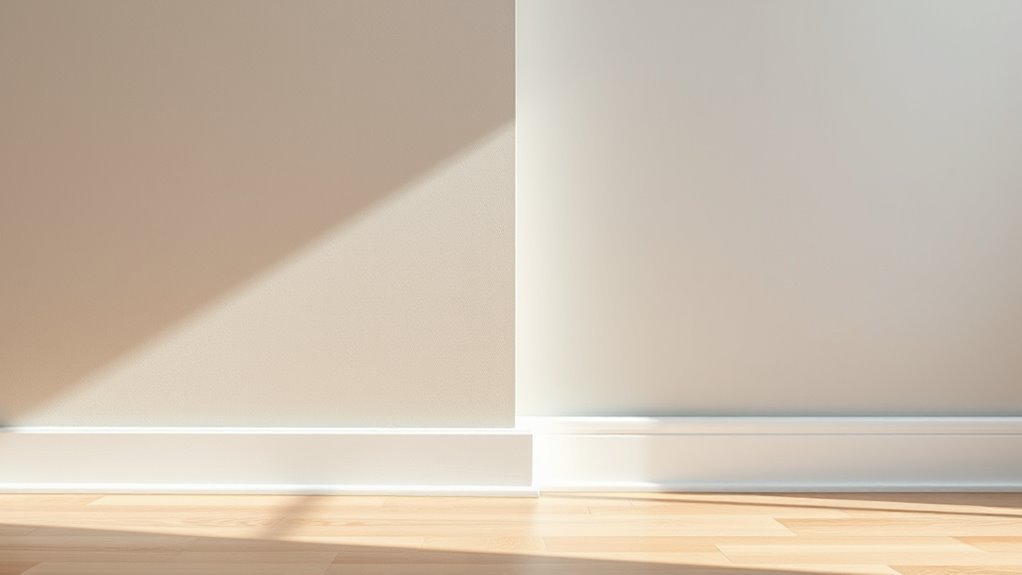
Color can do a lot of the heavy lifting when it comes to hiding stains and scuffs, because pigments and tones affect how your eye perceives surface flaws.
You’ll use color psychology to choose hues that distract from marks—mid-tones with warm or cool undertones mask fingerprints and smudges better than stark white. Saturated colors hide deeper stains, while textured or eggshell sheens break up light and conceal light abrasion.
Avoid very glossy finishes that spotlight flaws. For effective stain concealment, match pigment depth to typical messes in the room and pick hues that blend dirt into the background.
Prep & Priming Steps That Boost Washable Paint Performance
Before you paint, clean the walls thoroughly and fix any cracks or nail holes so the finish will adhere and wash evenly.
Choose a primer suited to your surface—stain-blocking for marks, bonding primer for glossy surfaces, or a high-adhesion primer for repairs—to guarantee uniform coverage.
These prep and priming choices will make your washable paint look better and stand up to cleaning.
Surface Cleaning and Repairs
If you want your washable paint to perform well and last, start by thoroughly cleaning and repairing the surface so the primer and topcoat can bond properly.
You’ll remove grease, chalk, and mildew with a mild detergent, TSP substitute, or diluted bleach for mold.
Sand glossy spots, scrape flaking paint, and fill holes or cracks with spackling.
Choose surface preparation techniques that match wall material and consider paint repair options for damaged drywall or plaster.
Finish by wiping with a damp cloth and letting dry completely before priming.
- Clean grease and stains
- Remove mildew and chalk
- Sand glossy areas
- Patch holes and cracks
- Vacuum and wipe down
Primer Selection Guidelines
When you want washable paint to last and clean up easily, choose a primer that matches the wall material and problem spots—stain-blocking for smudges and tannins, bonding primers for glossy or previously painted surfaces, and mildew-resistant formulations for damp areas.
You’ll pick primer types based on substrate: drywall, plaster, bare wood, or glossy enamel. Use proper application techniques—thin, even coats with a roller for large areas, angled brush for trim, and back-rolling for porous surfaces.
Allow full dry time, sand any raised fibers, and spot-prime repaired patches. Correct primer choice and technique guarantee uniform adhesion and durable, washable finishes.
Application Tips to Maximize Durability and Finish
Because proper prep and technique make the biggest difference, you’ll get a longer-lasting, better-looking finish by cleaning, repairing, and priming surfaces before you paint.
Choose paint selection that suits the room—high-traffic areas need tougher sheens—and follow recommended application techniques: use quality rollers, maintain a wet edge, and apply thin, even coats.
Let each coat fully dry and sand lightly between coats for adhesion. Protect trim and floors, work from top to bottom, and control temperature and humidity for curing.
- Use a nylon/poly roller appropriate for the sheen
- Maintain a consistent wet edge
- Apply thin, overlapping coats
- Sand between coats lightly
- Check label for recoat times
Safe Cleaning Methods for Washable Paint
When you need to clean washable paint, start with a soft cloth, warm water, and mild soap to avoid damaging the finish.
For tougher marks, use stain-specific techniques—like a baking soda paste for scuffs or a gentle commercial cleaner for crayon—testing first in an inconspicuous spot.
Always blot rather than scrub to preserve the paint’s durability and sheen.
Gentle Soap And Water
If you want a simple, reliable way to clean washable paint, mix a few drops of mild dish soap with warm water and use a soft sponge or cloth to gently lift dirt and stains.
You’ll avoid harsh chemicals, preserve finish sheen, and support paint longevity by rinsing with clean water and blotting dry.
Test a hidden spot first, work top-to-bottom, and use light pressure to prevent abrasion.
For routine maintenance, follow these quick steps to keep walls looking fresh without damage:
- Use mild dish soap
- Choose a soft sponge or microfiber cloth
- Test an inconspicuous area
- Rinse thoroughly
- Pat dry
Stain-Specific Techniques
Although many stains respond to soap and water, some need a targeted approach to avoid damaging washable paint.
For grease, blot excess, then apply a mild degreaser or dish soap with a soft cloth; rinse gently.
For crayon or marker, try a magic eraser sparingly—test hidden areas first because abrasive action depends on paint formulation.
For ink, dab with isopropyl alcohol on a microfiber cloth; don’t scrub.
For food or wine, use a dilute enzyme cleaner.
Always work outward from the stain, rinse residue, and let the wall fully dry before repeating to guarantee safe, effective stain removal.
Common Mistakes That Reduce Washability
Because washability starts with your choices and habits, several common mistakes can drastically reduce a paint’s cleanability. You might believe common washability myths or skip surface prep, and those errors lock dirt in or ruin finishes.
Washability depends on your choices—avoid prep mistakes, myths, and harsh cleaning to keep walls clean and durable
Use effective cleaning techniques, not harsh scrubbing, and avoid shortcuts that void performance.
- Skipping primer or not repairing substrate
- Choosing low-quality paint to save money
- Applying too-thin coats or insufficient drying time
- Using abrasive cleaners or bleach frequently
- Touching up with mismatched sheen or color
Avoid these, and you’ll preserve a washable, long-lasting wall finish.
How to Test a Paint’s Washability Before You Buy
Now that you know what ruins a paint’s cleanability, you’ll want a quick way to vet options before buying.
Grab sample pots and test on primed boards or a hidden wall area. Let coats cure fully, then try common testing methods: dry wipe, damp sponge with mild detergent, and a soft-bristle scrub.
Mark results: scuffing, sheen loss, color shift, or residue. Compare multiple paint brands side-by-side under identical conditions.
Note ease of stain removal and abrasion resistance. Record findings and prioritize paints that withstand repeated gentle scrubbing without finish degradation for real-world durability.
Top Washable Paint Brands: Claims vs. Real-World Durability
Curious which brands actually stand up to everyday scrubbing? You’ll find manufacturer claims often outpace real results.
Look for independent tests and user reviews that measure paint longevity under realistic cleaning techniques rather than glossy marketing copy.
Seek out independent tests and real-user reviews that assess paint durability using everyday cleaning, not marketing claims.
Consider finish, pigment load, and binder quality—those determine stain resistance and fade. Test a small patch at home with your usual cleaners to verify compatibility.
- Brand A: durable finish, claims heavy-duty cleaning
- Brand B: high pigment, mixed real-world reports
- Brand C: excellent scrub resistance in labs
- Brand D: good for high-traffic rooms
- Brand E: budget-friendly with decent lifespan
Best Budget Washable Paints That Still Perform
If you’ve narrowed brands by real-world scrub tests and finish, you can still find options that won’t blow your budget.
You’ll want affordable options that prove durable in everyday rooms—kids’ spaces, hallways, and rentals. Look for mid-tier latex formulas labeled washable or scrub-resistant; they balance cost and longevity.
Do a quick performance comparison: check scrub ratings, stain resistance, and recommended coats. Test a small patch to confirm adhesion and touch-up ease.
Buy samples when possible, and prioritize brands offering solid warranties. With careful selection, you can get reliable washability without paying for premium features.
Premium Washable Paints Worth the Extra Cost
When you want washability plus top-tier coverage, durability, and finish, premium paints are worth the extra cost. You’ll notice fewer coats, better stain resistance, and longer-lasting color that makes repainting less frequent.
Choosing premium quality often improves cost effectiveness over time, since touch-ups and replacements drop. Look for strong binders, washable sheens, and reputable warranties when you shop.
- Superior hide and coverage
- Enhanced scrub and stain resistance
- Fewer repaint cycles needed
- Better color retention and finish
- Manufacturer support and warranties
You’ll pay more upfront, but longevity and performance usually justify the investment.
Best Washable Paint Picks by Room: Kitchen, Bath, Kids, Hall
Because different rooms face different messes, pick washable paints that match each space’s demands and traffic patterns.
For kitchens, choose scrubbable finishes in durable kitchen colors like warm neutrals or deep blues to hide grease and frequent wiping.
In baths, use mildew-resistant semi-gloss or satin for moisture tolerance and easy cleaning.
For kids’ rooms, favor low-VOC, stain-resistant formulas and kid-friendly designs—washable eggshells or satin survive crayons and fingerprints.
In hallways, go with high-traffic durable sheens that resist scuffs and clean repeatedly.
Match sheen and stain-resistance to each room’s function for best results.
When Washable Wallpaper or Wall Panels Make Sense Instead
Although washable paint handles most everyday messes, washable wallpaper and wall panels can be smarter choices in specific situations.
You’ll prefer washable wallpaper when you want patterns that hide stains, quick style updates, or textured finishes without repainting. Choose wall paneling for impact resistance, easy wipe-downs, and a durable surface in high-traffic zones.
Both work well if moisture or scrubbing frequency exceeds paint’s comfort zone.
- Heavy-traffic hallways or mudrooms
- Kids’ playrooms with marker risks
- Rental spaces needing removable options
- Areas with frequent spills or splashes
- Accent walls needing strong visual texture
How Long Washable Paint Lasts : Maintenance and Budgeting
If you opt for paint over wallpaper or panels, you’ll want to know how long washable paint will hold up and what maintenance it needs to stretch your budget.
With proper prep and high-quality washable finishes, expect 5–10 years before touch-ups, longer as a long term investment in high-traffic areas.
With proper prep and quality washable paint, plan on 5–10 years before touch-ups—longer in high-traffic spots.
Clean spills promptly with mild soap and a soft cloth to avoid abrasive damage.
Recoat scuffed areas instead of full repainting to save money.
For budget-conscious projects, choose durable mid-range brands and tackle one room at a time—those cost effective solutions extend lifespan while keeping upfront expenses manageable.
Frequently Asked Questions
Can Washable Paint Improve Indoor Air Quality?
Yes—you can improve indoor air by choosing low‑VOC paint types and proper ventilation; they’ll reduce fumes, off‑gassing, and allergens, helping air quality while you’re painting and afterward as the coatings cure and settle.
Are Washable Paints Pet-Safe and Non-Toxic?
Yes — you can choose pet safe options that are non toxic brands; you should pick low‑VOC, zero‑VOC washable paints, check certifications, avoid solvents, and let surfaces cure fully so pets won’t lick fresh paint or inhale strong fumes.
Do Washable Paints Affect Resale Value?
About 70% of buyers notice interior finishes, so yes — washable paints can boost resale market appeal when they maintain color and finish. You’ll extend paint longevity, reduce touch-ups, and make homes look well cared-for.
Can I Use Washable Paint on Exterior Walls?
Yes, you can use washable paint on exterior walls if it offers exterior durability and weather resistance; you’ll want a formula specifically rated for outdoors, apply proper primer, and expect easier cleaning without sacrificing protection.
How Eco-Friendly Are Washable Paint Formulations?
How eco-friendly are washable paint formulations? You’ll find many meet sustainability standards and offer ingredient transparency, so you can choose low-VOC, plant-based or recycled formulations that minimize toxins and environmental impact while still cleaning up easily.
Conclusion
You’ll get more longevity and fewer headaches by choosing truly washable paint for high-traffic walls—look for scrubbability ratings, durable acrylic/latex blends, and premium finishes where stains and scuffs are common. For example, imagine you repaint a busy family kitchen with a high-scrub-count acrylic eggshell: after two years of kids, pets, and daily cooking, you simply wipe crayon and grease away without repainting. Regular gentle cleaning and touch-ups will keep walls looking fresh longer.
