
What Primer to Use on Walls? Best Types Explained
Pick a primer that matches your wall’s condition and the paint you’ll use. For most interior walls you’ll want acrylic-latex primer—fast-drying, easy cleanup, and great adhesion. Use bonding primers on glossy or slick surfaces, high-build primers for uneven or mildly damaged walls, and shellac or oil-based stain blockers for heavy stains or odors. New drywall and porous masonry need specialized primers. Keep coats thin and prep surfaces well, and if you keep going you’ll find product picks and troubleshooting tips.
How to Use This Primer Guide
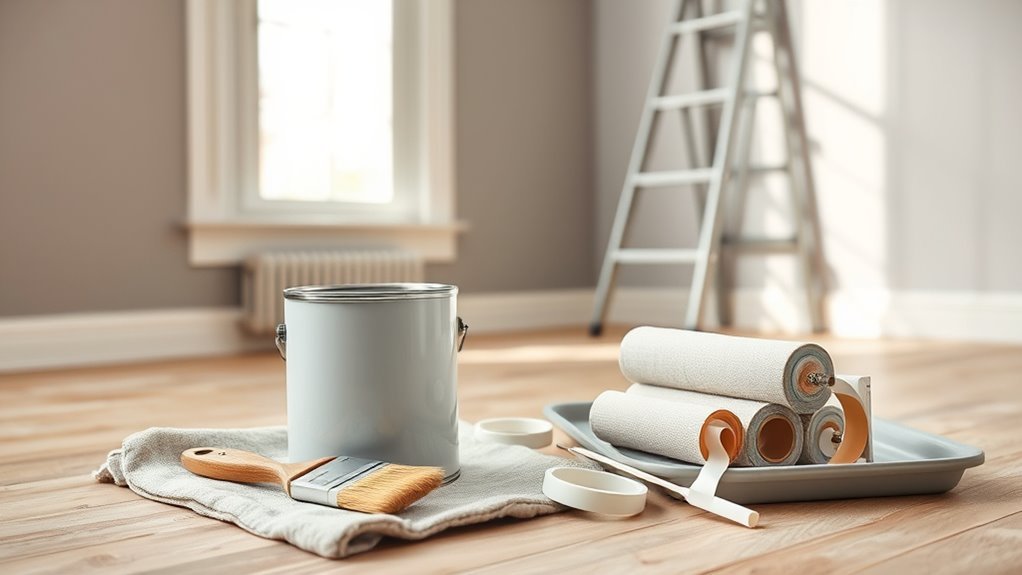
Before you pick a primer, skim this guide to match your project type and surface condition; then use the quick-reference chart to narrow choices by material, stain-blocking needs, and finish.
You’ll find concise sections that help with choosing primer types for drywall, plaster, wood, and previously painted walls.
Follow primer application tips in the step-by-step prep and drying guidelines to avoid adhesion problems and visible lap marks.
Note surface-specific notes—porous, glossy, or stained—and weigh trade-offs like odor, drying time, and cleanup.
Use this guide to make a confident, efficient primer choice without second-guessing.
Quick Answer: Which Primer to Use
Want a fast, practical answer? You’ll usually pick an acrylic latex primer for interior walls; it bonds well, dries fast, and works with most paints.
For stains or high-moisture areas, use a stain-blocking or shellac-based primer.
If you’re doing large surfaces and want speed, consider spray application—just mask and ventilate.
Ignore common primer myths: oil is always better, or one primer fits all. Match the primer to the paint type and the problem you’re solving.
Don’t buy primer myths: oil isn’t always best. Choose primer based on paint type and the specific problem.
- Acrylic latex — general use
- Stain-blocking/shellac — stains/moisture
- Oil-based — glossy surfaces
- Spray application — fast coverage
How Wall Condition Determines Primer Choice
When selecting a primer, start by evaluating the wall’s current condition—you’ll choose differently for clean, newly repaired, stained, or glossy surfaces.
If the wall has wall imperfections like cracks or patched areas, use a high-build or stain-blocking primer to level and seal before painting.
For smooth, glossy surfaces, pick a bonding primer to improve adhesion.
On porous or textured walls, choose a penetrating or masonry primer that matches the surface texture so finish coats apply evenly.
For lightly soiled but sound walls, a general-purpose primer often suffices.
Match primer type to condition for best durability.
When You Must Prime : And When You Can Skip It
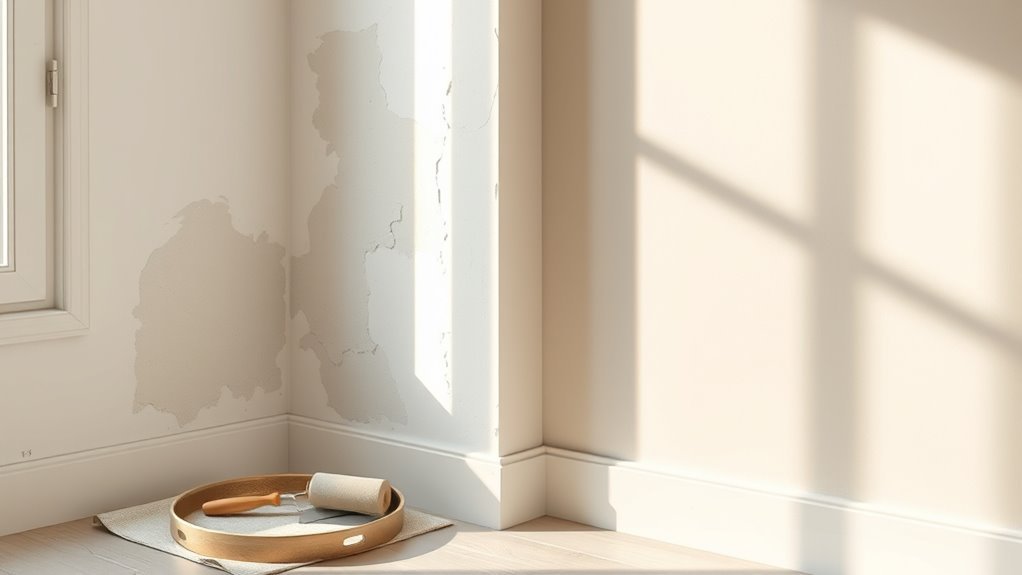
Evaluating the wall’s condition tells you the primer type, but it also tells you whether you actually need one. You’ll assess stains, sheen differences, repairs, and substrate to judge primer necessity.
Don’t assume primer’s always required; sometimes fresh, evenly painted drywall can skip it.
- High-porosity or new drywall — prime to seal and guarantee uniform finish.
- Stains or smoke damage — prime to block bleed-through and odor.
- Drastic color changes — prime boosts coverage and reduces coats.
- Intact, same-sheen repaint — consider skipping primer if adhesion and color match.
Weigh cost against long-term results when deciding.
Latex Primers: What They Do and When to Use Them
Because latex primers dry fast and clean up with water, they’re the go-to for many interior jobs—you’ll use them to seal new drywall, block mild stains, and create a uniform surface for latex topcoats.
You’ll pick latex primers when you want low odor, quick recoat times, and easy cleanup. Think about latex primer benefits like breathability, flexibility, and good adhesion to previously painted surfaces.
There are several latex primer types—high-hide, stain-blocking, and bonding formulas—so choose based on surface condition.
Apply with roller or brush, follow manufacturer dry times, and sand lightly if texture needs smoothing before topcoat.
Oil-Based Primers: Strengths and Best Uses
When you need maximum stain-blocking and adhesion, oil-based primers are a strong choice because they seal tannins and old stains effectively.
You’ll want to use them on surfaces like bare wood, metal, and glossy finishes where a tough, bonding layer is needed.
Keep in mind they dry slowly and need mineral spirits for cleanup, so plan for longer working time.
Oil Primer Advantages
If you want a primer that toughens surfaces and blocks stains, oil-based primers deliver reliable adhesion, stain-sealing power, and durability on challenging substrates like bare wood, metal, and previously painted surfaces.
You’ll appreciate oil primer benefits such as superior stain blocking, long-lasting adhesion, and smooth leveling that reduces topcoat flashing.
Consider oil primer drawbacks: longer cure times and stronger fumes requiring ventilation. Use them when longevity and stain control matter most.
- Blocks tannin and water stains effectively.
- Bonds to glossy or porous areas well.
- Provides a tough base for enamel finishes.
- Resists peeling and blistering longer.
Ideal Application Surfaces
Having covered oil primer strengths, let’s look at where they work best.
You’ll find oil-based primer ideal surfaces include bare wood, trim, metal, and water-stained drywall because it seals tannins and blocks stains. Use it on previously painted glossy surfaces after light sanding to guarantee adhesion.
For high-moisture rooms or exterior trim, it creates a durable barrier.
Choose application methods—brush for trim and edges, roller for large flat areas, or spray for smooth, fast coverage—based on surface texture and access.
Remember to ventilate, allow ample drying time, and follow manufacturer instructions for topcoat compatibility.
Shellac Primers: When to Choose Shellac
Because shellac blocks stains and seals porous surfaces faster than most primers, you’ll pick it when you need quick, reliable stain control and odor blocking.
You’ll also weigh shellac benefits against shellac drawbacks: it dries ultra-fast and stops heavy stains, yet it’s solvent-smelling and needs careful cleanup.
Choose it for spot repairs, nicotine or water stains, and when time’s tight.
- Fast drying for quick recoats and project turnaround.
- Excellent stain and odor sealing on problematic spots.
- Requires alcohol cleanup and strong ventilation during use.
- Not ideal for large areas if you dislike fumes or need long open time.
Bonding Primers: For Hard-to-Stick Surfaces
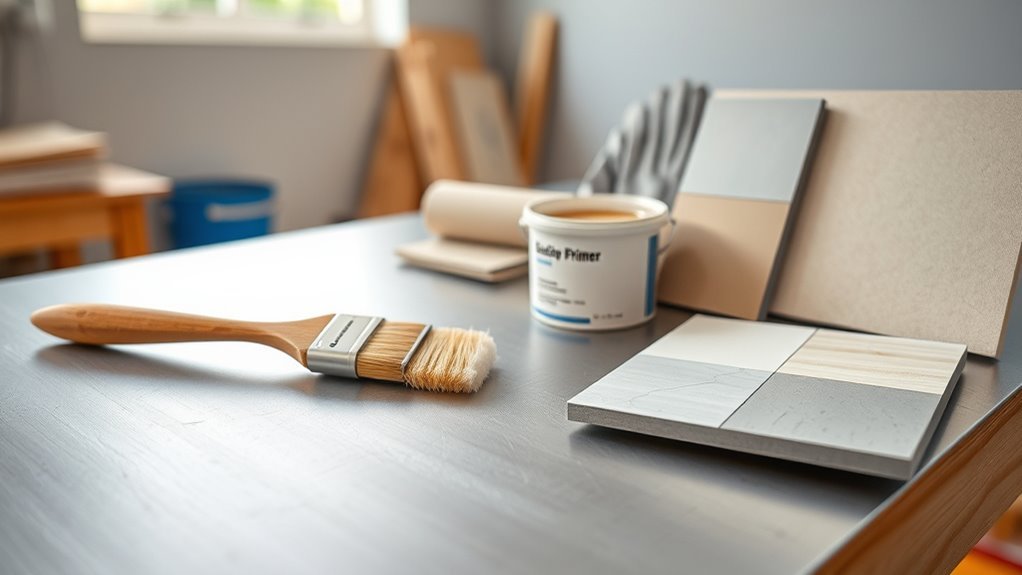
When you’re tackling slick, glossy, or smooth surfaces that regular primers won’t grip, bonding primers create a tough, adhesive layer that lets paint stick reliably. You’ll choose these when surfaces resist paint—ceramic tile, glass, glossy trim, or previously painted glossy walls.
Focus on surface preparation: clean, degloss, and remove contaminants so the bonding agent can work. Apply per manufacturer instructions, usually in thin, even coats, and allow full cure before topcoating.
Bonding techniques vary by formula—acrylic, urethane, or specialty adhesives—so match primer to substrate and follow cure times for durable, long-lasting adhesion.
Stain-Blocking Primers: Smoke, Water, Tannins
If stains from smoke, water, or tannin seep through your finish, a stain-blocking primer stops them at the source so your new paint stays clean and true.
You’ll pick primers formulated to tackle common stain types—smoke residue, water rings, and tannin bleed—so primer effectiveness matters more than sheen.
Use oil-based or shellac-based options for stubborn marks; water-based blocks work for mild issues.
Apply per instructions, spot-prime severe stains, and let full cure occur before topcoating.
Consider these quick checks:
- Identify stain type.
- Choose appropriate base.
- Test adhesion.
- Allow full cure.
High-Build Primers for Textured or Damaged Walls
Think of high-build primers as a fast way to even out rough, pitted, or slightly damaged walls before you paint.
Think of high-build primer as a quick fix to level rough, pitted, or lightly damaged walls before painting
You’ll appreciate high build benefits: they fill minor imperfections, reduce the need for heavy skim coats, and create a uniform surface that improves topcoat coverage.
For best results, clean and repair loose material first, then apply with a roller designed for thick products or an airless sprayer.
Use multiple thin passes rather than one heavy coat; allow proper drying between coats.
Follow manufacturer instructions for sanding if needed, and test adhesion before committing to your finish paint.
Drywall Primers: Sealing, Sanding, and Finish Prep
High-build primers help even out rough surfaces, but drywall demands a different approach: drywall primers seal porous gypsum, bind joint compound dust, and create a uniform base for sanding and final paint.
You’ll focus on drywall sealing before finish coats, choose a high-quality primer designed for drywall, and keep primer application thin and even to avoid raising the nap.
After sealing, sand lightly to smooth seams, vacuum, and tack cloth. Use a roller for consistent coverage and a brush for corners.
Match primer sheen and drying time to your paint choice to guarantee a flawless final finish.
- Prep surface
- Seal joints
- Sand lightly
- Final prime
Priming New Plaster and Masonry Walls
When you’re working with fresh plaster, you’ll need a sealing primer to lock in moisture and create an even base for paint.
For masonry like brick or concrete, choose a high-penetration masonry primer to fill pores and prevent efflorescence.
Both surfaces require primers formulated for their specific porosity to guarantee long-lasting adhesion and finish.
Sealing New Plaster
Start by sealing new plaster as soon as it’s dry to the touch; fresh plaster is porous and will suck up paint unevenly unless you prime it first.
You’ll choose a sealant based on types of plaster and want primer benefits like adhesion, uniform absorption, and reduced flashing.
Apply a mist coat or specialized gypsum primer, working methodically and keeping ventilation up. Let each coat dry fully.
- Remove dust and surface laitance.
- Test a small area for absorption.
- Roll thin, even coats—don’t overapply.
- Sand lightly between coats if needed for smoothness.
Priming Masonry Surfaces
Because masonry and fresh plaster absorb and bond differently than drywall, you’ll want to choose and apply primers that control suction, improve adhesion, and resist moisture. You should start with a high-penetration masonry primer or acrylic/stain-blocking primer for new plaster. Damp or exterior walls need primers with strong moisture resistance. Apply thin, even coats, allow full cure, and address heavy masonry texture with a roller and back-brushing.
| Surface | Primer type | Benefit |
|---|---|---|
| New plaster | Acrylic primer | Seals, evens suction |
| Brick/CMU | Masonry primer | Penetrates, bonds |
| Damp areas | Waterproofing primer | Moisture resistance |
Covering Dark or Bold Colors: Primer Strategies
If you’re covering deep or bold colors, choose a primer that blocks stains and evens out the surface so your new paint shows its true shade with fewer coats.
You’ll use dark color strategies and bold hue techniques to cut coats and prevent bleed-through. Pick a high-opacity tinted primer or a stain-blocking shellac or oil-based primer for trouble spots. Follow with a quality latex topcoat.
- Tint primer toward the new color for coverage.
- Seal tannin-rich areas with shellac for blocking.
- Use high-hide primers labeled for color change.
- Spot-prime repairs before full priming.
Painting Oil Paint With a Latex Topcoat: Primer Options
After covering bold colors, you may face a different challenge: painting over existing oil-based paint with a latex topcoat. You’ll need a primer that guarantees oil paint compatibility and supports successful latex topcoat application. Choose a bonding primer or a solvent-based alkyd primer if adhesion’s uncertain. Clean and scuff glossy oil surfaces first. Apply primer per directions, then sand lightly before the latex finish. Test a small area to confirm adhesion.
| Primer Type | Best Use |
|---|---|
| Bonding Primer | Direct adhesion over oil |
| Alkyd Primer | Tough, solvent-based base |
| Shellac | Stain blocking |
| Waterborne | Low odor option |
Priming Glossy Surfaces and Trim for Adhesion
When you’re working with glossy surfaces or trim, you should scuff or sand them lightly to give the primer something to grab onto.
Use a bonding primer specifically formulated for glossy finishes to guarantee strong adhesion and prevent peeling.
Proper surface prep plus the right bonding primer will save you time and touch-ups later.
Scuffing And Sanding
Start by roughing up glossy surfaces and trim so primer and paint will stick—glossy finishes repel coatings, so you’ll need to scuff or sand them to create a mechanical bond.
You’ll use scuffing techniques to dull sheen before applying primer; sanding methods remove imperfections and promote adhesion. Work gently, clean dust, and inspect for bare spots.
- Use a fine abrasive pad for light scuffing on painted trim.
- Sand with 220-grit for light deglossing; go coarser only if needed.
- Wipe surfaces with a tack cloth to remove residue.
- Repair gouges, then re-scuff edges before priming.
Bonding Primers For Gloss
1 simple step before priming glossy trim is choosing a bonding primer formulated to stick to slick surfaces—you’ll get better adhesion and fewer prep headaches than with a standard latex primer.
You’ll prep by cleaning and deglossing, then test adhesion properties on a small area. Choose a primer noting surface compatibility—wood, metal, PVC, or existing high-gloss paint—so it bonds without extensive sanding.
Apply thin, even coats and let curing times finish before topcoating. If adhesion fails, use a stronger specialty primer or scuff more thoroughly.
That approach saves time and gives a durable, smooth finish on glossy trim.
Preventing Mold: Primers and Prep for Mildew-Prone Walls
Because mold loves damp, poorly ventilated surfaces, you’ll need primers and prep that actively block moisture and resist mildew growth; choose a high-quality, mold-resistant primer and fix any water problems before painting so the finish actually lasts.
For mildew prevention and proper wall preparation, clean, dry, and treat stains, repair leaks, and improve ventilation. Use primers labeled mildew-resistant and follow manufacturer drying times.
- Clean: remove existing mildew with appropriate cleaner.
- Repair: fix leaks, cracks, and porous patches.
- Prime: apply mold-resistant primer evenly.
- Ventilate: facilitate airflow during curing and afterward.
Best Primers for Bathrooms and Kitchens (High-Moisture)
In bathrooms and kitchens you’ll want a primer that fights moisture and mildew while sticking to tricky surfaces.
Choose a mildew-resistant primer to prevent stains and a high-bonding sealer for tile, glossy paint, or new drywall.
Together they’ll create a durable, moisture-ready base for your finish coat.
Mildew-Resistant Primers
When you’re prepping bathrooms or kitchens, choose a mildew-resistant primer that actively blocks moisture and inhibits fungal growth so your topcoat stays cleaner longer.
You’ll use mildew prevention techniques and primer application tips to improve adhesion and prevent stains. Apply on clean, dry surfaces; sand glossy areas; and seal minor repairs before priming. Pick a mold-inhibiting acrylic or oil-based formula rated for high humidity.
- Clean and dry: remove soap scum and mildew.
- Sand and dust: promote adhesion.
- Apply evenly: thin, full coats.
- Ventilate: speed drying and reduce moisture.
These steps help your paint last.
High-Bonding Sealers
If you’re tackling bathrooms or kitchens that see constant humidity, choose a high-bonding sealer to lock paint to slick, previously painted, or patched surfaces and prevent peeling and blistering.
You’ll get high bonding benefits like superior adhesion, reduced moisture penetration, and a stable base for topcoats.
Clean and dry surfaces, sand gloss, and remove contaminants before you apply.
Use a brush for edges and a short-nap roller for smooth coverage; allow full cure between coats.
Follow application techniques including thin, even coats and proper ventilation.
That approach helps paint last longer in high-moisture rooms and resist future failure.
Fast-Turnover Primers for Rental Turnovers and Quick Repaints
Because turnover schedules give you little margin for error, you need primers that dry fast, block stains, and sand or recoat quickly.
You’ll want fast drying options designed for same-day recoats, with strong stain blocking and adhesion to cover nicotine, water marks, or patched drywall.
Choose rental friendly primers that resist scuffs and accept topcoats evenly so units look finished fast.
Prep surfaces, patch, then apply thin even coats.
Consider oil-based or fast-dry latex versions depending on porousness and stain severity.
- Dry time under 2 hours
- Excellent stain blocking
- Good sandability
- Strong adhesion
Eco-Friendly and Low-VOC Primer Choices
When you want a greener approach, look at low‑VOC water‑based primers that cut fumes without sacrificing adhesion.
You can also choose natural, plant‑derived primers for an even cleaner ingredient list.
If sustainability matters, check primers with recycled content to reduce embodied carbon.
Low‑VOC Water‑Based Options
Choosing a low‑VOC, water‑based primer helps you cut indoor odors and environmental impact without sacrificing adhesion or stain blocking.
You’ll get eco friendly benefits like reduced fumes and easier cleanup, while low VOC performance still seals porous surfaces, hides stains, and promotes topcoat adherence.
Pick a labeled low‑VOC product and check coverage and drying times for your project. Apply with the recommended roller or brush and ventilate the space.
- Use on drywall and previously painted walls
- Choose stain‑blocking formulas for nicotine or water marks
- Check VOC ratings and certifications
- Test adhesion on glossy surfaces
Natural/Plant‑Derived Primers
If you want an even greener step beyond low‑VOC water‑based primers, natural or plant‑derived primers offer solvent-free formulations made from ingredients like soybean, linseed, or citrus oils.
You’ll get plant based benefits such as reduced odors, lower chemical exposure, and easier cleanup while still improving adhesion and sealing porous surfaces.
Natural ingredients often provide good stain blocking for mild stains and work well on drywall and plaster.
They cure differently than synthetics, so follow manufacturer drying times and test adhesion with your chosen topcoat.
Choose certified products, and expect slightly higher cost for the eco advantage.
Recycled Content Primers
Look for primers that reuse post-consumer or industrial materials—these recycled content primers cut landfill waste and often lower the product’s embodied carbon without sacrificing performance.
You’ll get sustainability benefits like reduced resource demand and often lower VOCs, and you won’t compromise adhesion or sealing.
Choose formulas labeled recycled content and check third-party certifications.
Focus on proper application techniques: stir thoroughly, use correct nap roller or brush, and allow full dry times between coats.
Consider surface porosity and temperature for best results.
- Check recycled content percentage and certification
- Confirm low‑VOC status
- Test adhesion on scrap
- Follow label application techniques
Cost vs. Performance: Picking Primers on a Budget
Anyone on a tight budget still wants a primer that performs—so you’ll need to balance upfront cost with the long-term savings of better adhesion, stain blocking, and fewer coats of paint.
You’ll compare budget friendly options like basic acrylic primers, contractor-grade formulas, and stain-blocking hybrids.
Focus on a clear performance comparison: coverage per coat, drying time, and stain-sealing ability.
Sometimes a slightly pricier primer saves money by eliminating extra paint and repairs.
Read labels for hide, VOCs, and recommended topcoats.
Buy the smallest reliable quantity for your project and prioritize primers that reduce future maintenance.
How Surface Prep Changes Your Primer Choice
You’ll first assess the surface condition to see if it’s flaky, chalky, or sound.
If there are stains you’ll need a stain-blocking primer, and if the surface is uneven or porous you’ll pick a product that levels or seals accordingly.
Making those choices before you paint saves time and improves adhesion and coverage.
Assess Surface Condition
Before you pick a primer, inspect the wall for stains, chalking, peeling, mildew, or uneven texture—each condition demands a different prep step and a matching primer.
You’ll do a quick surface assessment and damage evaluation to decide if sanding, scraping, cleaning, or patching is needed. Match primer type to the worst issue, not the average.
- Flaking paint: scrape, sand, use adhesion primer.
- Chalking: wash thoroughly, apply a binding primer.
- Mildew traces: clean with appropriate solution, choose mildewcide primer.
- Uneven texture: fill low spots, use high-build primer.
Address Existing Stains
Once you’ve fixed flaking, chalking, mildew, or texture issues, turn your attention to stains—these often dictate primer choice because they can bleed through new paint if not treated.
You’ll start with targeted stain removal: clean grease, nicotine, water marks, or tannin spots using appropriate cleaners and rinses.
After drying, evaluate stain severity and pick a primer with stain-blocking properties—shellac or oil-based for tough tannins, water-based for milder issues.
Proper surface preparation matters: seal compromised areas, spot-prime heavy stains, then prime the whole wall for uniform adhesion.
That prevents bleed-through and guarantees paint longevity.
Smoothness And Porosity
- If you have a smooth texture, sand lightly and choose a bonding primer for adhesion.
- For porous materials like bare drywall or brick, use a penetrating sealer or PVA to prevent over-absorption.
- Repair cracks and then use an appropriate high-build primer to level the surface.
- Test a small area to confirm coverage and finish before full application.
Application Methods: Brush, Roller, or Sprayer per Primer
Choosing the right application method—brush, roller, or sprayer—depends on the primer type, the surface texture, and the finish you want, so match tool to task for best results. You’ll use brush techniques for edges and trims, rely on roller efficiency for flat walls, and choose sprayer advantages for speed on textured surfaces. Follow these application tips: maintain even coats, avoid overloading, and back-roll sprayed areas for uniformity.
| Tool | Best For | Key Tip |
|---|---|---|
| Brush | Edges/trims | Feather strokes |
| Roller | Flat walls | Use nap suited to texture |
| Sprayer | Textured surfaces | Keep consistent passes |
Drying and Recoat Times by Primer Type
After you’ve applied primer with the right tool, you’ll need to let it dry properly before recoating; drying and recoat times vary a lot by primer chemistry and environmental conditions.
You’ll check labels for precise drying times and follow recommended recoat intervals to avoid adhesion problems. Remember temperature, humidity, and film thickness change performance.
- Water-based: fast drying times, typically 30–60 minutes; recoat intervals often 1–2 hours.
- Oil-based: longer cure, drying times 6–8 hours; recoat intervals 24 hours.
- Shellac: very quick drying times, 20–30 minutes; recoat intervals 1 hour.
- High-build: extended drying times; recoat intervals 24–48 hours.
Common Primer Mistakes and How to Avoid Them
While primer can make or break your paint job, many mistakes are easy to avoid if you know what to watch for; skip proper surface prep, use the wrong primer type, or apply it too thick and you’ll face adhesion issues, blotchy finish, or long dry times.
Primer can make or break a paint job—prep properly, choose the right type, and apply thin, even coats.
You should clean, sand, and repair surfaces before priming. Match primer chemistry to substrate—drywall, wood, or glossy surfaces—so you don’t pick the wrong product.
Use even, thin coats and follow manufacturer dry times. Avoid reusing contaminated brushes or thinned formulas.
These primer application tips stop common primer errors and give a smooth, lasting base.
How to Test a Primer Before Full Application
Before you prime the whole wall, check that the surface is clean, dry, and free of loose paint or dust.
Apply the primer to a small, inconspicuous area so you can judge coverage and compatibility.
Once it’s dry, test adhesion and finish—if it peels or looks uneven, try a different product or adjust your prep.
Surface Prep Check
If you want reliable results, do a surface prep check on a small, inconspicuous area before priming the whole wall. You’ll inspect for surface imperfections, confirm adhesion, and verify that the wall material accepts the primer.
Clean the spot, let it dry, and apply the primer per directions. Wait recommended cure time and check for lift, peeling, or discoloration.
- Clean: remove dust, grease, and loose paint.
- Sand: smooth rough patches and feather edges.
- Apply: use the same tool and coat thickness you’ll use overall.
- Inspect: check adhesion, color change, and texture.
Small Area Trial
After your surface prep check confirms the wall is clean and sound, run a small area trial to be sure the primer performs as expected across the whole surface.
Pick an inconspicuous spot about 1–2 square feet. Use the primer application techniques you’ll use for the full job—same roller, brush, and stroke pattern.
Note coverage, color uniformity, and texture after the recommended wait.
Try small space strategies: test against different wall sections (high-gloss, patched, or porous) to compare results.
Document observations and photos so you can adjust product choice or technique before committing to the entire room.
Drying And Adhesion
When the primer’s dry-to-touch time elapses, check adhesion by pressing and gently rubbing a hidden edge or corner with your thumb and a soft cloth. You want the film to feel firm, not tacky, and show no lifting, peeling, or color transfer.
Next, run quick adhesion techniques to confirm performance before committing the whole wall. Note actual drying times versus label claims and record conditions (temperature, humidity).
- Tape test: apply and remove tape sharply.
- Scratch test: use a fingernail lightly.
- Water bead: spray mist to watch beading.
- Coverage check: verify uniform color and film.
Troubleshooting Adhesion, Peeling, and Visible Stains
Troubleshoot adhesion, peeling, and visible stains by first identifying the cause: improper surface preparation, incompatible coatings, moisture, or hidden contaminants can all make primer fail.
You’ll address adhesion issues by sanding glossy surfaces, cleaning grease, and testing for moisture; peeling paint needs scraping back to sound substrate before spot-priming and repainting.
For stain removal, use appropriate sealers for tannin, water, or smoke stains rather than masking them with color coats.
Match primer selection to substrate—oil-based for tricky stains, shellac for severe bleed-through, latex for general use—and follow proper application techniques, coverage, and drying times to prevent recurrence.
How Primer Affects Final Color and Sheen
Primer plays a direct role in how your final paint color and sheen look because it evens out porosity, blocks underlying hues, and sets the base level of glossiness for the topcoat to sit on.
You’ll notice color impact immediately: a white primer brightens, a tinted primer deepens or neutralizes underlying tones. Sheen variation occurs because primers alter reflectivity; a high-build primer yields smoother, glossier results, while matte primers absorb light.
Choose primer type to control these effects and reduce the need for extra topcoat coats.
- Block stains to preserve true color impact.
- Use tinted primer for fewer topcoats.
- Match primer build to desired sheen variation.
- Test samples under room lighting.
Recommended Primer Products by Use Case
1 clear rule: pick a primer based on the surface condition and your topcoat goals.
For new drywall, use a high-hide latex drywall primer for uniform absorption and primer efficacy.
On stained or glossy surfaces, choose a stain-blocking, adhesion-promoting oil or shellac-based primer.
For stained or glossy surfaces, use a stain-blocking, adhesion-promoting oil or shellac primer for reliable coverage.
For masonry, pick a breathable masonry primer to resist efflorescence.
If you’re covering odors or smoke, use shellac or specialized odor-blocking primers.
Want lower VOCs? Look for eco friendly options like water-based primers labeled low-VOC that still advertise good adhesion and stain resistance.
Match primer type to substrate and desired finish for best results.
Quick Checklist: Pick the Right Primer for Your Wall
Start by evaluating the wall’s condition, substrate, and your finish goals so you can match primer performance to the job: use this quick checklist to pick the right primer.
Consider Primer Types (latex, oil, shellac, bonding) and required Surface Preparation before buying. Check adhesion needs, stain blocking, moisture resistance, and drying time to match paint and environment.
Follow this simple decision guide:
- Identify substrate (drywall, plaster, wood, metal) and repair damage.
- Choose stain-blocking or sealing primer for tannin/odor.
- Pick bonding or oil-based primer for glossy or slick surfaces.
- Select mildew-resistant primer for damp areas.
Frequently Asked Questions
Can I Mix Different Primer Types in One Can for Custom Properties?
You shouldn’t mix different primer types in one can; doing so creates primer compatibility issues and unpredictable performance. If you want custom primer blends, test small batches and follow manufacturer recommendations, or buy a compatible formulated product instead.
Will Primer Prevent Nail Pops or Drywall Joint Problems?
No — primer won’t stop nail pop causes like loose fasteners or shifting seams, but it can mask minor imperfections. If you handle drywall preparation properly and fix underlying issues first, primer will help coating adhesion and appearance.
Are Spray Primers Safe to Use Indoors Without Special Ventilation?
No, you shouldn’t assume spray primer safety indoors without proper indoor ventilation; you’ll need fans, open windows, and ideally a respirator to avoid fumes and overspray, especially with solvent-based or oil-based spray primers.
Can Primer Be Used to Level Minor Surface Irregularities?
If you think primer can magically smooth everything, don’t expect miracles—you’ll still need surface preparation. Primer benefits include sealing and slight fill of hairline flaws, but for deeper dents or ridges you’ll want skim coat or filler first.
Do Primers Expire or Require Special Storage After Opening?
Yes — primers have a shelf life, and once opened you should follow storage tips: seal containers tightly, keep them cool and dry, avoid freezing, and label dates so you’ll know when they’ve likely gone bad.
Conclusion
Think of your walls as a garden: primer is the soil that lets paint roots take hold. You’ll choose lightweight loam (latex) for healthy, everyday blooms, heavy compost (adhesion or stain-blocking primer) for troubled patches, and specialized fertilizers (shellac or oil-based) when stubborn stains or moisture lurk. With the right foundation, paint will thrive. Follow the checklist, match primer to wall needs, and your room will flourish, season after season.
