
Will Enamel Paint Stick to Latex Paint? Complete Guide
Yes — enamel will stick to latex if you prepare the surface properly. You’ll need to clean away grease and contaminants, sand or degloss any glossy latex, and patch or remove flaking areas. Use a quality bonding primer when in doubt, choose oil- or water-based enamel to suit the project, and test a small patch first. With correct prep and the right primer your enamel will adhere and last, and the full guide covers primers, techniques, and project tips.
Quick Answer: Can You Use Enamel Over Latex?
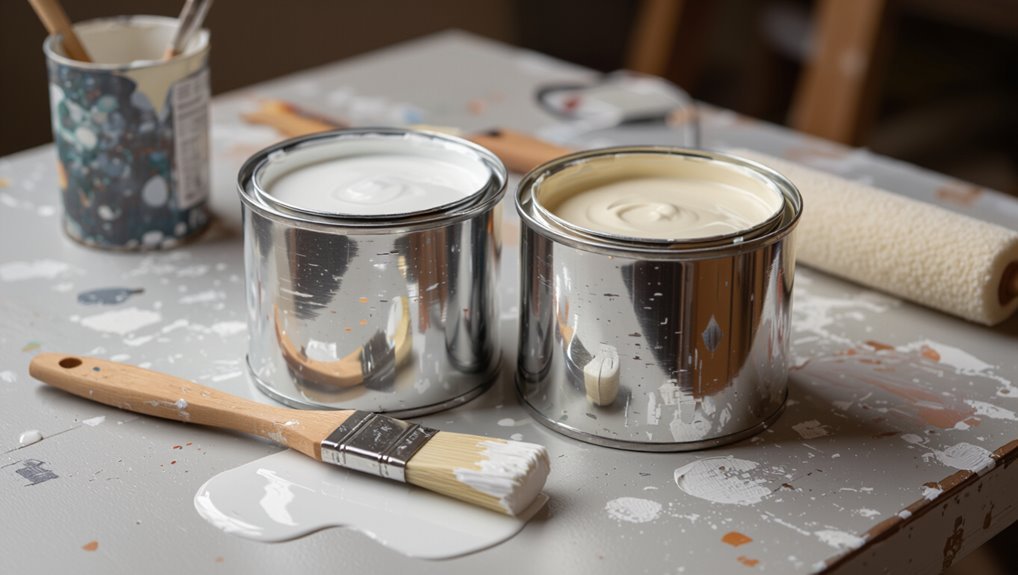
Yes—you can usually apply enamel over latex, but preparation matters.
You’ll sand glossy latex finishes, clean surfaces, and use a bonding primer for best adhesion.
Sand glossy latex, clean thoroughly, and apply a bonding primer to ensure reliable enamel adhesion.
Choose enamel types suited to the surface—waterborne alkyds or oil-based enamels—matching durability needs.
Test a small patch first.
With proper prep and the right enamel, you’ll get a hard, durable finish over latex.
Who This Guide Is For and How to Use It
Who’s this guide for and how should you use it?
You’re the DIYer, homeowner, or pro needing clear advice on enamel over latex. This section defines the target audience, sets expectations, and explains guide usage: follow prep steps, safety tips, and troubleshooting in order.
Use it as a checklist and quick reference to decide when and how to proceed confidently.
Which Enamel Should You Use : Oil or Water‑Based?
Now that you know when and how to approach painting enamel over latex, you need to choose the right enamel type: oil-based or water-based. You’ll weigh oil based benefits like durability and smooth finish against water based advantages such as faster drying and easier cleanup. Pick oil for toughness, water for convenience.
| Type | Strength | Best Use |
|---|---|---|
| Oil | Durability | Trim |
| Water | Fast dry | Walls |
| Hybrid | Compromise | Cabinets |
Why Latex and Enamel Behave Differently (Quick Chemistry)
You’ll notice enamel and latex act differently because their binders are fundamentally different: latex uses polymer emulsions while oil-based enamel relies on alkyd resins.
That leads to contrasting drying mechanisms—latex films form as water evaporates, whereas oil-based enamels cure through oxidation and solvent loss.
Those chemistry differences explain why adhesion, flexibility, and surface feel vary between the two.
Binder Composition Differences
Because the binder is the paint’s glue, it largely determines how latex and enamel behave—you’ll see differences in flexibility, hardness, and adhesion driven by chemistry. You’ll learn how binder types affect adhesion properties and surface feel, so you can pick compatible coatings or prep appropriately.
| Binder Type | Typical Effect |
|---|---|
| Acrylic | Flexible, good adhesion |
| Alkyd | Hard, durable |
| Epoxy | Very hard, high adhesion |
Drying Mechanism Contrast
Knowing the binder types sets you up to understand why latex and enamel dry so differently: their solvents and film-forming chemistry control how fast solvents leave, how particles fuse, and how the final film hardens.
You’ll see latex rely on water evaporation and particle coalescence for shorter drying times, while enamel uses solvent evaporation plus chemical crosslinking in its curing process, yielding harder, slower-forming films.
Surface Checklist: Will Enamel Stick to Your Latex?
Before you slap enamel over latex, check how well the surface is prepped — sanding, cleaning, and priming make a big difference.
Inspect the existing latex for chipping, gloss, or contamination, because flaky or glossy paint will stop enamel from bonding.
If the old finish is sound and you’ve scuffed and primed it, enamel is much more likely to stick.
Surface Preparation Needed
If your goal is a durable, attractive finish, inspect and prepare the latex surface thoroughly so the enamel will bond properly. You’ll clean, sand, degloss, and prime based on surface types and paint compatibility. Follow checklist below to avoid peeling.
| Step | Action | Purpose |
|---|---|---|
| 1 | Clean | Remove grease |
| 2 | Sand | Create tooth |
| 3 | Degloss | Improve bond |
| 4 | Prime | Seal surface |
Existing Paint Condition
You’ve prepped the surface, but the paint already on it determines whether enamel will truly stick.
Check the existing paint type and finish quality before you proceed. If it’s oil-based or glossy latex, sand and prime; flaking or chalky surfaces need removal; cured, clean latex often accepts enamel with primer.
- Identify paint type
- Assess finish quality
- Repair or prime as needed
Clean and Degrease the Old Latex Finish
Start by wiping the surface with a mild detergent solution to remove dirt and oils.
Then follow with a degreaser or trisodium phosphate (TSP) substitute to cut any remaining residue; this guarantees new enamel will bond properly to the latex base.
Use appropriate cleaning techniques for different surface types, rinsing thoroughly and letting the area dry completely before proceeding with primers or paint.
How to Sand and Scuff for Reliable Bonding
Before applying primer or enamel, scuff and sand the latex surface to give the new coating something to bite into; smooth glossy areas with fine-grit sandpaper (220–320) and use a light hand to avoid cutting through the existing paint.
Before priming or enameling, scuff and lightly sand glossy latex surfaces to ensure proper adhesion.
Use proper sanding techniques and scuffing methods to promote adhesion.
- Sand glossy spots evenly.
- Scuff large areas with a scuff pad.
- Wipe dust before coating.
When You Need a Primer : and Which One to Choose
When do you actually need a primer, and which type will solve your adhesion and finish issues? You need primer when latex is glossy, stained, or porous, or when switching to enamel.
Choose primer types by surface compatibility: bonding primers for slick finishes, stain-blocking for tannins, and high-build or oil-based primers for wood or patched areas.
Apply per instructions for best results.
Adhesion Test: Tape Test and Sample Panel
Before you paint, make sure the latex surface is clean, dry, and lightly sanded so the enamel has something to grip.
Do a simple tape test by applying strong tape to a small painted area, peeling it off, and checking for any lift.
Then brush a sample panel with your enamel over the prepared latex and inspect adhesion after it cures.
Prepare Surface Properly
Since even well-prepared surfaces can hide adhesion problems, do a quick tape test and paint a small sample panel to confirm enamel will stick to your latex base.
You should focus on Surface cleaning, assess Surface texture, try Adhesion techniques, and consider Primer selection.
- Clean thoroughly
- Sand for texture
- Apply compatible primer and retest
Tape Test Method
You’ve prepped the surface and applied primer — now do a quick tape test and paint a small sample panel to confirm adhesion.
Press quality masking tape firmly to the dried enamel, wait an hour, then peel sharply. If tape adhesion removes paint, compatibility is poor.
Repeat with different primers or adhesion promoters until tape adhesion and overall paint compatibility meet expectations.
Create Sample Panel
Create a small sample panel on an inconspicuous area or a scrap piece of the same material so you can test adhesion and finish before committing to the whole job.
Use simple sample panel techniques to check paint compatibility, cure time, and finish.
Perform a tape pull after full cure to confirm bond.
- Clean
- Prime (if needed)
- Test and inspect
Application Tips: Tools, Thinning, Drying
Preparing to apply enamel over latex means picking the right tools, thinning only when necessary, and controlling drying conditions so your finish adheres and looks smooth.
Use high-quality synthetic brushes or a fine-tip roller for clean application techniques, and thin sparingly per manufacturer directions.
Monitor drying times by keeping consistent temperature and humidity, and allow full cure between coats to prevent tackiness and guarantee durability.
Common Problems and How to Fix Them
You might run into adhesion problems when enamel won’t stick to worn or glossy latex surfaces.
Start by checking for chalky, dirty, or glossy areas and using proper surface prep—cleaning, sanding, and a compatible primer—to fix them.
With the right remedies, you’ll get a strong, lasting bond between the two paints.
Adhesion Problems Explained
When enamel doesn’t stick to latex, it’s usually because of surface contaminants, incompatible paint chemistries, or poor surface prep—so you’ll want to identify the root cause before recoating.
You may face adhesion issues from old gloss, oil residues, or moisture; verify paint compatibility and condition.
Common fixes include:
- Clean and degrease.
- Remove loose paint.
- Use a suitable primer or bonding agent.
Surface Prep Remedies
After you’ve identified why enamel won’t bond to latex, tackle the surface issues head-on: scrub grease and grime with a degreaser, sand glossy or flaking areas to dull the sheen, and strip any loose or contaminated paint back to a sound substrate.
Then rinse, dry, and use proper surface cleaning before applying primer.
Follow sanding techniques—progressive grits—to guarantee adhesion and a smooth finish.
Best Paint + Primer Pairings for Enamel Over Latex
If you’re planning to top latex with enamel, choosing the right paint-and-primer combo will make the difference between a durable, smooth finish and peeling frustration.
Pick products from best brands, follow proper application techniques, and use a quality bonding primer.
Recommended pairings:
- Oil-based enamel + shellac or bonding primer
- Waterborne alkyd enamel + high-adhesion primer
- Waterbased enamel + universal bonding primer
Project‑Specific Tips: Cabinets, Trim, Metal, Walls
Those primer and enamel choices matter differently depending on the surface you’re painting, so you’ll want to tweak prep and technique for cabinets, trim, metal, and walls.
For cabinet finishes scuff, degrease, and use bonding primer.
For trim options, sand and stain‑block.
For metal coatings, remove rust and use metal primer.
For varying wall textures, choose flexible primers and adjust application technique.
Care and Maintenance for Enamel Over Latex Finishes
When you’ve applied an enamel topcoat over latex, plan regular maintenance to keep the finish durable and attractive; a little routine care prevents scratches, yellowing, and buildup.
After enamel over latex, schedule gentle, regular care to prevent scratches, yellowing, and grime buildup.
You’ll extend enamel longevity and preserve latex compatibility by cleaning gently, avoiding harsh chemicals, and touching up promptly.
- Mild soap and soft cloth
- Avoid abrasive pads
- Quick spot touch-ups
Cost, Time, and Durability: Is Switching to Enamel Worth It?
Because enamel gives a harder, glossier surface than latex, you’ll pay more up front and spend a bit longer on prep and drying.
But you’ll also get greater scratch resistance and longer-lasting wear in high-traffic areas.
For a clear cost comparison and durability analysis, weigh higher material and labor costs against fewer recoats and repairs; choose enamel when longevity offsets initial expense.
Frequently Asked Questions
Can Enamel Paint Be Used Over Latex on Exterior Siding?
Yes — you can use enamel over latex on exterior siding if you prep properly. You’ll clean, sand, and prime for adhesion; use correct application techniques, work in suitable weather, and apply thin, even coats for durable results.
Will Enamel Yellow Over Time When Applied Over Latex?
About 30% of painted surfaces yellow noticeably within years; you’ll see yellowing faster if poor prep or low-quality enamel and poor paint compatibility exist. You’ll want high-quality enamel, proper primers, and UV-resistant topcoats for better enamel durability.
How Long Should I Wait Before Placing Objects on Enamel Over Latex?
You should wait at least 24–48 hours before placing light objects, and 7 days for full cure before heavy use; this protects drying time and guarantees ideal paint adhesion so the enamel won’t dent or stick.
Can I Use Enamel Over Latex on Painted Plastic Surfaces?
Yes — you can, but you’ll face adhesion issues unless you do careful surface preparation: clean, sand, and use a plastic primer, then apply enamel; that prep prevents peeling and guarantees durable adhesion on painted plastic.
Does Enamel Over Latex Affect VOC Levels or Indoor Air Quality?
Yes — applying enamel over latex can raise VOC emissions and indoor pollutants if the enamel has higher solvents; you’ll want to check paint compatibility, use low‑VOC products, and improve air circulation to minimize exposure.
Conclusion
Switching to enamel over latex can seriously upgrade durability—studies show enamel finishes resist wear up to 3× longer than standard latex. If your surface is clean, scuff‑sand, and use a compatible primer, oil or water‑based enamel will stick and last. For cabinets or trim, enamel’s worth it; for large walls, weigh cost and sheen preference. Follow prep and curing steps, and you’ll get a tougher, easier‑to‑clean finish that pays off over time.
