
How to Paint Exterior Stone: Best Paint & Prep Tips for Durability
You can get a durable, breathable finish on exterior stone if you prep, prime, and pick the right products. Start by cleaning, fixing cracks, and removing efflorescence, then use a masonry primer suited to the stone type. Choose a high-quality acrylic or masonry paint with vapor permeability, apply two coats, and seal or maintain joints to manage moisture. Work in mild, dry weather and test adhesion; keep going for detailed product choices, techniques, and troubleshooting.
Who This Guide Is For and What You’ll Get
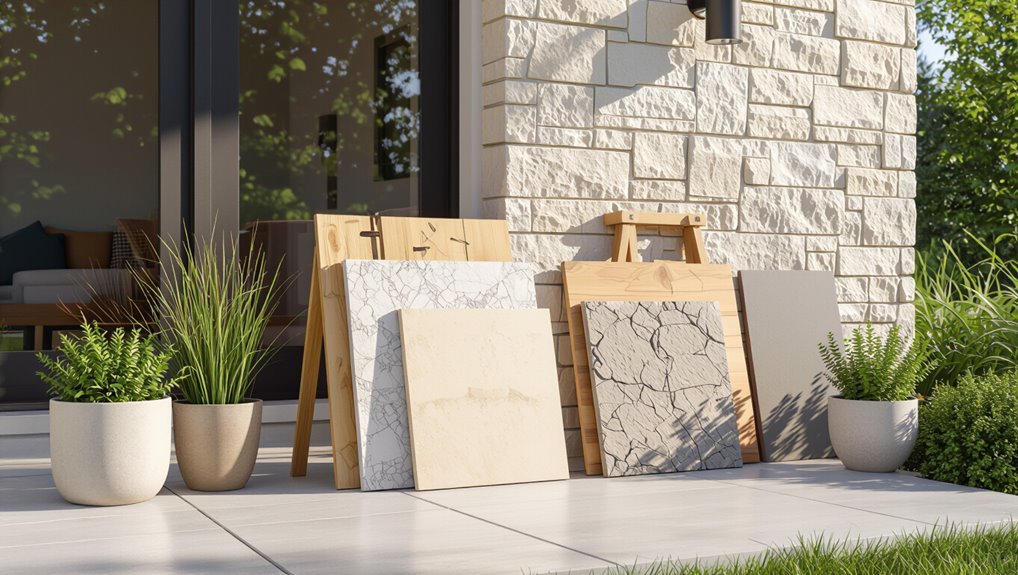
Who’s this guide for?
You’re a homeowner, contractor, or DIYer wanting durable results and improved stone aesthetics.
You’ll get clear prepping steps, suitable materials, and tested painting techniques that respect masonry breathability.
Clear prepping steps, right materials, and tested painting techniques that preserve masonry breathability for durable, attractive stone finishes.
Expect checklists for surface cleaning, primer selection, paint types, and maintenance tips so you can plan work, avoid common mistakes, and achieve long-lasting, attractive exterior stone finishes.
Can You Paint Exterior Stone Successfully?
Wondering whether you can get a durable, attractive finish on exterior stone? Yes—you can, with proper prep and product choices.
You’ll clean, repair, and prime to respect stone texture so paint adheres evenly. Use breathable masonry paints and quality primers to prevent peeling and moisture issues, which maximizes paint longevity.
Expect occasional maintenance to preserve the finish.
When to Paint Stone vs. Leaving It Natural
When should you paint stone and when should you leave it natural? You’ll weigh paint benefits like uniform color, protection, and modern curb appeal against natural aesthetics, texture, and low maintenance.
Choose based on condition, style goals, and resale. Consider these quick prompts:
- Structural damage or staining
- Want cohesive color scheme
- Love raw texture and character
- Prefer minimal upkeep
Types of Exterior Stone Surfaces
You’ll first want to tell natural stone—like granite, limestone, and fieldstone—apart from manufactured stone veneer, because each takes paint differently.
Natural stone is dense and may need etching or special primers, while veneer is often lighter and made from concrete or resin.
Knowing which you have lets you pick the right prep and products for a lasting finish.
Natural Stone Types
Stone comes in many forms, and each type—granite, limestone, sandstone, slate, and marble—behaves differently when you paint it.
You’ll assess stone textures and color variations, porosity, and surface stability to choose primers and paint. Test small areas first so adhesion, finish, and breathability meet expectations.
- Granite: dense, low-porosity
- Limestone: softer, absorbent
- Sandstone: gritty, variable
- Slate/marble: smooth, veined
Manufactured Stone Veneer
You’ll note manufactured stone attributes like uniform porosity and thinner profiles; prep often requires cleaning, priming with masonry primer, and patching joints.
Respect manufacturer installation techniques and use breathable masonry paint to prevent moisture traps and peeling.
Stone Porosity and Paint Adhesion
Because porous surfaces soak up moisture and coatings differently, you need to assess a stone’s porosity before painting.
You’ll evaluate stone characteristics and surface texture to choose paint compatibility and adhesion techniques that support moisture management and minimize long term effects.
Consider these steps:
- Test porosity with water
- Clean and profile the surface
- Choose breathable primers/paints
- Use compatible sealers only
Moisture Risks for Painted Stone
You need to understand how water can enter stone through cracks, mortar joints, and porous surfaces.
If moisture gets trapped behind paint, it can blister, peel, or cause freeze-thaw damage to the stone.
Choosing a breathable coating helps shed water while letting trapped vapor escape, reducing those risks.
Water Penetration Paths
When paint’s meant to keep moisture out, water still finds weak points in stone and mortar—cracks, porous surfaces, failing sealants, open joints, and improperly flashed changes let moisture travel behind coatings and cause blistering, efflorescence, or freeze-thaw damage.
You should inspect and address entry points, add proper moisture barriers and drainage solutions, and maintain seals to prevent infiltration.
- Cracks in mortar
- Porous stone
- Failed sealants
- Open flashing
Trapped Moisture Consequences
Those entry points don’t just let water in—they trap it behind paint and stone, and the results can escalate quickly.
You’ll see blistering, peeling, and efflorescence as moisture buildup pressures coatings and substrate. Freeze-thaw cycles worsen cracks, lifting paint and compromising paint durability.
Hidden rot or mold can form in mortar joints, forcing costly repairs and premature repainting if you don’t address the cause.
Breathable Coating Importance
Because painted stone still needs to breathe, choosing a vapor-permeable coating matters: it lets trapped moisture escape instead of forcing it to migrate through cracks or push against the paint film.
You’ll protect surfaces by prioritizing breathable benefits and smart moisture management. Choose coatings rated for vapor permeability and follow substrate prep.
- Prevents blistering
- Reduces freeze/thaw damage
- Preserves adhesion
- Controls efflorescence
Tools & Safety Gear for Exterior Stone Painting
Usually you’ll want to gather the right tools and safety gear before you touch a brush, since proper equipment makes the job faster and safer.
Wear safety goggles, dust masks and work gloves, address ventilation needs, and use drop cloths.
Choose appropriate paintbrush types and paint rollers, follow ladder safety and scaffolding tips, and plan cleanup methods so you finish efficiently and safely.
Inspecting Stone for Structural and Moisture Damage
Before you paint, inspect the stone for structural and moisture issues that could ruin the finish.
Check for cracks and spalling, look for white powdery efflorescence, and assess any signs of water intrusion around joints and flashings.
Fixing these problems first will guarantee a lasting paint job.
Check For Cracks
Start by closely inspecting every stone and the mortar joints for cracks, gaps, or crumbling—these flaws can let water in and lead to structural problems if you paint over them.
You’ll perform a crack assessment, determine needed repair techniques, and decide if pros are required.
- Tap stones for hollow sounds
- Probe mortar with a screwdriver
- Measure crack width and depth
- Note active leaks or movement
Look For Efflorescence
When you spot a chalky white powder or crust on the stone or mortar, that’s efflorescence—salt deposits left behind by evaporating moisture—and it tells you water’s been moving through the masonry.
You should perform efflorescence identification: dry-brush samples, test with water, and note recurring spots.
Choose treatment options like gentle cleaning, improving drainage, and sealing only after salts stop forming.
Assess Water Intrusion
Finding efflorescence is a red flag that moisture’s been moving through the stone, so next you should assess water intrusion to see how deep the problem goes.
You’ll perform water testing, inspect mortar, probe for soft spots, and check flashings. Plan repairs, install or restore moisture barriers, and retest.
- Probe mortar and stone
- Perform localized water testing
- Inspect flashings and joints
- Restore moisture barriers
Spotting Efflorescence, Salt Stains, and Failed Waterproofing
How can you tell if moisture is the real problem behind a faded or powdery look on exterior stone? You’ll watch for white powder (efflorescence causes), sticky salt streaks and failed coatings. Use moisture detection tools before choosing salt stain removal methods or waterproofing solutions to fix root causes and protect paint.
| Sight | Feeling |
|---|---|
| White powder | Damp |
| Salt streaks | Crumbling |
Is Pressure Washing Safe for Stone?
Because stone surfaces are softer and more porous than they look, you should treat pressure washing as a tool that can damage as easily as it cleans.
Because stone is softer and more porous than it appears, pressure washing can damage as easily as it cleans.
You’ll weigh pressure washing techniques against stone surface considerations, choosing low pressure, wide spray angles, and test patches.
Avoid high-pressure nozzles and prolonged blasting to prevent pitting.
- Low pressure
- Test small areas
- Gentle spray angle
- Avoid prolonged blasting
Cleaning Methods: Pressure Wash, Scrub, Chemical
Before you paint, you’ll want to remove dirt and loose material using the right pressure-washing settings so you don’t etch or damage the stone.
If you choose chemicals or scrubbing, wear gloves and eye protection, test a small area first, and follow manufacturer instructions closely.
I’ll cover recommended PSI ranges, nozzle choices, and safe cleaner options next.
Pressure Washing Tips
Start by choosing the cleaning method that matches your stone type and the level of grime: pressure washing for durable, hard stones; scrubbing with a soft brush for delicate textures; or targeted chemical cleaners for oil, mildew, or efflorescence.
Use proper preparation techniques, adjust pressure settings for surface types, follow cleaning frequency, and mind equipment safety, eco friendly options, seasonal considerations, and maintenance tips.
- Test pressure on inconspicuous area
- Keep nozzle distance steady
- Wear PPE and secure surroundings
- Rinse and let dry before painting
Chemical Cleaner Safety
When you use chemical cleaners on exterior stone, follow the label instructions closely and wear appropriate protective gear to prevent burns, inhalation, or harmful reactions.
You’ll follow chemical exposure precautions: ventilate, avoid mixing products, and rinse thoroughly.
Use safe handling guidelines: gloves, goggles, long sleeves, and a respirator if needed.
Store and dispose of chemicals per instructions to protect yourself and the surface.
When to Use Masonry Cleaners vs. Mild Detergent
If your stone has light dirt and pollen, a mild detergent and water will usually do the job; reserve stronger masonry cleaners for heavy staining like efflorescence, mold, algae, or rust that won’t rinse away.
You’ll weigh masonry cleaner benefits against detergent effectiveness, test a small area, protect plants, and follow label directions to avoid damage.
- Test small area
- Protect surrounding plants
- Follow label directions
- Rinse thoroughly
Removing Mold, Mildew, and Biological Growth
Because mold and mildew can eat away at porous stone and stain permanently, you’ll want to remove biological growth before painting. Use a bleach or biocide solution, scrub with a stiff brush, rinse, and let dry fully. Follow mold prevention steps and consider periodic mildew treatments to keep surfaces clean and paint-lasting.
| Step | Action |
|---|---|
| 1 | Test solution |
| 2 | Apply |
| 3 | Scrub |
| 4 | Rinse |
| 5 | Dry |
Repairing Cracks, Mortar Joints, and Loose Stones
Repair loose stones, fill cracks, and repoint mortar joints before painting so the surface is stable and moisture won’t undermine your finish.
You’ll perform stone stabilization with adhesive, do crack sealing with appropriate caulk, and handle mortar repair and joint filling to prevent movement and water entry.
- Inspect for loose stones
- Clean gaps before filling
- Use compatible mortar/adhesive
- Cure repairs fully before painting
Tucking Mortar and Repointing Basics
Start by evaluating the mortar to see which joints are crumbling or soft and need attention.
Then remove the damaged mortar to a consistent depth so new material can bond properly.
Mix a compatible mortar and tuck it firmly into the joints, tooling it to match the existing profile.
Assess Mortar Condition
Before you pick up a trowel, inspect the mortar joints closely to decide whether they need tuckpointing or full repointing.
You’ll assess mortar integrity, hairline cracks, and gaps, then choose repair techniques that match original mortar strength and color.
Prioritize sound joints; unstable mortar needs professional repointing.
- Check depth and crumble
- Look for moisture stains
- Test hardness
- Note color match needs
Remove Damaged Joints
Once you’ve identified failing mortar, remove the damaged joints down to solid material using a grinder or hammer and chisel, keeping the edges clean and square so new mortar can bond properly. You’ll prep for joint replacement, clear debris, and inspect stones. Consider sealing options after repointing.
| Tool | Purpose | Safety |
|---|---|---|
| Grinder | Cut out old mortar | Goggles |
| Chisel | Fine cleaning | Gloves |
| Brush | Remove dust | Respirator |
Mix And Apply Mortar
Mix the mortar to a firm, workable consistency—thick enough to hold shape but soft enough to pack into joints—and keep the mix proportions consistent (usually one part cement to three parts sand for exterior repointing unless a lime-based mix is specified).
You’ll use a correct mortar mix and proven application techniques:
- Pack joints firmly
- Tool to match profile
- Keep mortar damp-cured
- Clean excess promptly
Choosing Primers for Painting Exterior Stone
Because stone soaks up paint and weather wears at coatings, choosing the right primer matters more than you might think: pick one that matches the stone type (porous vs. dense), the paint base (latex or oil), and outdoor exposure to guarantee adhesion and durability.
Evaluate primer types, surface compatibility, adhesion factors, application techniques, color selection, environmental considerations, product recommendations, and performance testing before you start.
Masonry-Specific Primers vs. Universal Primers
After you’ve matched primer type to stone porosity and paint base, decide whether a masonry-specific primer or a universal primer will serve your project best.
You’ll weigh masonry primer benefits—better adhesion, breathability, and efflorescence resistance—against universal primer versatility for varied substrates and easy sourcing.
Choose based on substrate, moisture risk, and finish expectations.
Base your primer choice on the substrate, expected moisture exposure, and the finish you want to achieve.
- Adhesion
- Breathability
- Moisture control
- Compatibility
Best Paints for Exterior Stone: Acrylic, Elastomeric, Masonry
You’ll find acrylic paints are breathable, colorfast, and easy to apply, making them a solid choice for most exterior stone.
Elastomeric coatings offer superior waterproofing and crack-bridging but are thicker and can hide natural texture.
Compare that to masonry paints, which balance durability and vapor permeability for a long-lasting finish that respects the stone’s needs.
Acrylic Paint Benefits
When you want durable, breathable color for exterior stone, acrylic paint is a top choice because it flexes with temperature changes, resists UV fading, and sheds moisture without trapping it in the masonry.
You’ll get acrylic advantages that improve paint longevity, easy cleanup, quick drying, and strong adhesion to porous stone.
- Breathable waterproofing
- UV resistance
- Flexible film
- Low maintenance
Elastomeric Vs. Masonry
While acrylics give you breathability and flexibility, elastomeric and masonry paints bring distinct strengths you should weigh: choose elastomeric for superior crack bridging and waterproofing—elastomeric benefits shine on porous stone—while masonry paint offers ease and affordability but can trap moisture; know the masonry drawbacks for older or damp substrates.
Test adhesion, prep surfaces thoroughly, and prioritize breathability where needed.
Picking Paint for Climate and UV Exposure
Because climate and UV levels shape how paint performs, you should match the formulation to your region before you buy.
Consider climate considerations and UV protection when choosing binders, pigments, and additives so coatings resist fading and moisture.
Pick flexible, breathable masonry paints for freeze–thaw areas and high-UV, fade-resistant acrylics for sunlit sites.
- Breathability
- Flexibility
- Fade resistance
- Mildew resistance
Color Strategies for Stone Facades and Trim
When you pick colors for stone and trim, think about complementary hues that make the facade pop without fighting the stone’s natural look.
Keep trim contrast balanced — too stark or too muted can throw off the whole composition.
Also account for the stone’s undertones so your chosen palette reads cohesive in different light.
Choosing Complementary Hues
Looking for a color scheme that makes your stone facade sing? Use color psychology to set mood, and aim for hue harmony between stone and trim.
Pick a dominant, supporting, accent, and neutral to guide choices:
- Choose a dominant that complements stone undertones.
- Select a supporting mid-tone for walls.
- Add an accent for doors or shutters.
- Use neutrals to tie everything together.
Balancing Trim Contrast
If you want your stonework to stand out without fighting the trim, aim for contrast that’s deliberate and measured: pick trim tones a step lighter or darker than your dominant wall color to define edges and architectural details, and reserve high-contrast accents for focal points like the front door or shutters so the overall effect feels cohesive rather than jarring.
Use contrast techniques and color harmony to guide choices.
Considering Natural Undertones
After setting trim contrast, turn your attention to the stone’s natural undertones—those subtle hints of warm taupe, cool gray, green, or buff that will pull nearby colors together or push them apart.
You’ll use stone texture analysis to pick natural color palettes that complement grain and shadow, ensuring cohesive facades without fighting the material.
- Sample paint near the stone
- Match undertone, not exact hue
- Test in different light
- Consider trim as accent
How to Calculate Primer and Paint Quantities
Before you start rolling, measure the area you’ll cover so you can figure out how much primer and paint you’ll need; multiply the wall surface square footage by the paint’s coverage rate and allow extra for texture and waste.
Use paint coverage calculations to estimate gallons, check primer ratio guidelines for dilution or bonding primers, and round up for porous stone and overlap to avoid mid-job shortages.
Surface-Prep Checklist for Proper Adhesion
Before you paint, you’ll want to clear away all loose debris—dirt, dust, and crumbling mortar—to give the coating a clean surface to stick to.
Then etch or scuff the stone where needed so the primer can mechanically bond.
These simple steps cut the risk of peeling and guarantee the paint lasts.
Clean All Loose Debris
Start by removing any loose dirt, dust, cobwebs, flaking mortar, or crumbling paint so the new coating can bond to solid material rather than debris.
You’ll use stone surface preparation and debris removal techniques to expose sound substrate, improving adhesion and longevity.
- Brush with stiff bristle broom
- Vacuum crevices
- Scrape loose paint/mortar
- Rinse and let dry before priming
Etch Or Scuff Surface
1 simple step can make a big difference: etch or scuff the stone so the primer and paint can grab hold. You’ll use etching techniques or abrasive pads to alter surface textures, improving mechanical bond. Test a small area, rinse, dry, then prime. Consistent texture prevents peeling and extends durability.
| Method | Result |
|---|---|
| Acid etch | Micropores |
| Sandblasting | Uniform roughness |
| Abrasive pad | Controlled scuff |
| Power sanding | Faster prep |
Masking and Protecting Windows, Trim, Landscaping
While you’re prepping the stone, take care to mask and protect windows, trim, and landscaping so paint can’t splatter or seep where it shouldn’t.
Use masking tape and protective sheeting; install window coverings and landscape barriers. Consider weather conditions and choose trim protection accordingly.
Gather essential tools and follow careful painting techniques to minimize touch-ups.
- Masking tape
- Protective sheeting
- Window coverings
- Landscape barriers
Application Methods: Brush, Roller, Sprayer
You’ll choose between brush, roller, and sprayer based on the stone’s texture and the finish you want.
Use angled brushes for crevices, high-nap rollers for rough surfaces, and adjust sprayer pressure and tip size for even coverage.
Each method has trade-offs in speed, control, and overspray, so pick the one that fits the job.
Brush Techniques
Start by choosing the right tool for the surface: a brush lets you work paint into crevices and texture, a roller speeds coverage on flatter areas, and a sprayer delivers the fastest, most even coat when set up correctly.
Use steady brush strokes to match texture variety, load lightly, follow contours, and avoid drips.
- Work along grout and edges
- Feather each stroke
- Keep a wet edge
- Clean frequently
Roller Tips
Because rollers cover large, relatively flat stone areas quickly, you’ll want the right nap and technique to push paint into low spots without leaving texture marks.
Choose roller materials rated for masonry—nylon or polyester blends—and a ¾” to 1¼” nap for uneven stone.
Use overlapping W-patterns, maintain a loaded roller, and work in sections to guarantee even coverage.
Sprayer Settings
1 key to fast, even coverage on exterior stone is dialing your sprayer settings to match the paint and surface—adjust PSI, tip size, and pattern so the atomization is fine enough to penetrate crevices without fogging or overspray.
You’ll follow sprayer maintenance tips, set ideal spray distance, and test on scrap stone for consistent pass overlap.
- Check PSI and tip size
- Maintain pattern
- Clean filters
- Test distance and speed
Best Brushes and Rollers for Textured Stone
When you’re tackling textured stone, the right brushes and rollers make the job faster and give you fuller coverage without clogging crevices.
For brush selection, choose stiff nylon or polyester angled sash brushes to push paint into pits.
For roller types, use thick-nap (¾”–1¼”) rollers or specialty stone rollers to reach uneven surfaces.
Keep an extra brush for detail work.
Sprayer Settings for Even Stone Coverage
Choose a nozzle size that matches your paint’s viscosity and the stone’s texture so you get full coverage without overspray.
Hold the gun perpendicular to the surface and use consistent, overlapping strokes in a controlled pattern to avoid pooling.
Practice on a scrap piece to perfect your technique and adjust pressure or nozzle size as needed.
Optimal Nozzle Size
Picking the right nozzle size makes a big difference in getting even coverage on textured stone, and you’ll want a tip that balances atomization with enough flow to fill crevices.
For nozzle selection, choose sizes that suit paint viscosity and desired spray patterns; test on scrap to confirm penetration without overspray.
- Fine mist for thin primers
- Medium for acrylics
- Large for heavy masonry paints
- Adjust for texture
Spray Technique Patterns
Start by setting your sprayer to a moderate pressure and a wide, overlapping fan pattern so each pass lays down an even coat without blasting paint out of crevices. Use consistent motion, keep nozzle distance steady, and vary angle for texture. Practice spray patterns and application techniques on scrap stone first.
| Setting | Tip |
|---|---|
| Pressure | Moderate |
| Fan Width | Wide |
| Distance | 8–12″ |
| Overlap | 50% |
Coats Needed and Dry-Time Guidelines
While the exact number of coats depends on the stone’s porosity and the paint type, most exterior stone surfaces need two coats for durable, even coverage.
Most exterior stone finishes require about two coats for even, durable coverage—adjust for porosity and paint type.
A penetrating primer plus one or two topcoats is common when the stone soaks up product. You should follow coat types recommendations and check dry time estimates before recoating.
- Primer: penetrating, full coverage
- Topcoat: acrylic or masonry paint
- Typical dry times: 4–24 hours
- Recoat only when surface is fully dry
When to Use a Masonry Sealer Over Painted Stone
If the painted stone will face moisture, heavy wear, or stains, apply a masonry sealer to protect the finish and substrate; otherwise the paint may peel, discolor, or let water penetrate the mortar.
You’ll get masonry sealer benefits like stain resistance, easier cleaning, and vapor-permeable water protection, which extend painted stone lifespan and reduce maintenance while preserving breathability and paint adhesion.
Adhesion Tests and Patch Trials to Prevent Peeling
Before you coat the whole surface, run adhesion tests and small patch trials so you know the paint and sealer will stick and hold up; these quick checks reveal problems like poor bonding, efflorescence, or hidden moisture before you commit to a full job.
You’ll verify adhesion testing, try patch repairs, and adjust prep, primer, or product choice based on results.
- Test peel with tape
- Evaluate soaked patches
- Inspect for efflorescence
- Note curing times
Dealing With Mortar-to-Stone Transitions
When you paint stone, pay special attention to mortar joints—they absorb and hold paint differently than the surrounding stone, and improper treatment leads to uneven coverage and premature failure. You’ll assess mortar types, clean and prime joints separately, and use changeover techniques for uniform sheen and adhesion.
| Step | Action |
|---|---|
| 1 | Identify mortar types |
| 2 | Clean joints |
| 3 | Prime mortar |
| 4 | Feather paint changeovers |
Common Painting Mistakes and How to Avoid Them
Now that you’ve handled mortar-to-stone changeovers, watch for common painting mistakes that can undo that careful prep.
Now that mortar-to-stone work is done, guard against painting mistakes that can undo all that careful prep.
You should spot common pitfalls early and use effective strategies to prevent peeling, poor adhesion, uneven coverage, and trapped moisture.
Follow these quick checks and fixes:
- Skip painting damp stone
- Neglect primer
- Use wrong paint type
- Ignore surface cleaning
Maintaining Painted Stone to Extend Durability
If you want your painted stone to last, keep up with simple, regular maintenance rather than waiting for obvious damage.
Inspect seasonally, clean gently with mild detergent, and rinse thoroughly.
Touch up chips promptly, repaint high-wear areas before finish fails, and maintain gutters and grading to prevent moisture.
These paint maintenance strategies and stone care essentials will prolong appearance and structural protection.
Troubleshooting Peeling, Blistering, and Efflorescence
Even with regular upkeep, painted stone can develop problems like peeling, blistering, or efflorescence that signal underlying issues you should address quickly.
Identify peeling causes, improve surface preparation, and reassess paint selection. Prioritize moisture management to prevent recurrence and apply efflorescence treatment where salts appear.
- Inspect substrate and fix leaks
- Strip loose paint completely
- Use breathable masonry primer
- Control drainage and ventilation
Cost Breakdown: DIY vs. Hiring a Pro
1 clear way to decide whether to tackle painting exterior stone yourself or hire a pro is to compare the real costs: materials, tools, permits, and your time versus a contractor’s labor, warranty, and convenience.
Do DIY Budgeting with accurate supplies and Time Investment estimates, get multiple Professional Quotes for a fair Cost Comparison, weigh Skill Assessment, and consider Long Term Savings from quality work and warranties.
When to Hire a Professional Mason or Painter
There are clear signs you should hire a professional mason or painter: extensive cracks or structural damage, large or hard-to-reach surfaces, persistent moisture or efflorescence, or a desire for specialty finishes that require advanced techniques.
You’ll want masonry expertise and refined painting techniques when safety, warranty, or lasting results matter.
- Structural repair
- Moisture mitigation
- Complex textures
- Time or access limits
Recommended Primers, Paints, and Cleaners
Before you pick products, assess the stone type and existing finish so you choose primers, paints, and cleaners that bond properly and resist moisture.
Use masonry primer types (silane, acrylic, or epoxy) matched to porosity.
Match primer type—silane, acrylic, or epoxy—to the masonry’s porosity for best adhesion and protection.
Pick durable paint finishes — breathable elastomeric or exterior acrylic — and mild detergent, muriatic for heavy mineral stains, plus a masonry cleaner.
Test small areas first.
Eco-Friendly and Low-VOC Product Options
Now that you’ve matched primers, paints, and cleaners to the stone’s porosity and finish, consider eco-friendly and low‑VOC options to reduce indoor/outdoor air pollution and environmental impact.
You’ll want breathable, water-based formulations and certified low-emission products that resist mildew and UV. Look for clear labeling and recycled packaging.
- Milk-based binders
- Low VOC options from reputable brands
- Certified eco friendly paints
- Waterborne primers
Seasonal Timing, Final Inspection, and Repaint Cycles
If you time your work to the right season and inspect the surface carefully before sealing, your paint job will last longer and need fewer touch-ups. Consider seasonal considerations for drying and humidity, perform a final check for adhesion and cracks, and plan repaint cycles based on exposure.
| Item | Recommendation |
|---|---|
| Best season | Mild, dry months |
| Final check | Adhesion, cracks |
| Repaint interval | 5–10 years |
| Prompt fixes | Patch and touch-up |
Frequently Asked Questions
Can Painted Stone Affect Home Insurance or Warranties?
Yes — you should check: painting exterior stone can have insurance implications and warranty concerns. You’ll want to notify insurers, review manufacturer warranties, avoid voiding coverage, and document proper prep and materials to protect claims.
Will Painting Stone Change Historic or Landmark Preservation Rules?
Yes — you’ll likely face historic preservation oversight and specific painting regulations; you’ll need approvals, adhere to color/material guidelines, and document work. Check local preservation office before altering stone to avoid violations or forced restoration.
Can I Paint Installed Stone Veneer Panels Indoors After Outdoor Painting?
Yes — you can paint installed stone veneer panels indoors after outdoor painting, but you’ll need indoor painting-safe coatings and thorough stone preparation: clean, degloss, sand or etch, prime with masonry primer, then apply compatible interior paint.
How Will Painted Stone Impact Resale Value or Curb Appeal Long-Term?
Painted stone can boost curb appeal short-term if it matches trends, but resale trends show mixed long-term effects—you’ll attract some buyers while deterring purists, so choose neutral colors and quality finishes to protect value and appeal.
Are There Interactions Between Painted Stone and Nearby Wood Siding Treatments?
Yes — you’ll see interactions: differing stone texture and wood porosity affect paint adhesion, so you’ll need compatible primers, flexible trim paint, and sealed connections to prevent peeling, moisture transfer, and mismatched weathering over time.
Conclusion
You’ve learned when to paint and when to leave stone alone, how to test porosity and choose primers, and when to hire pros — now act. Prepare surfaces thoroughly, clean and etch where needed, seal and prime properly, and apply durable, breathable paint in the right season. Inspect for moisture, touch up as needed, and plan repaint cycles. Follow these steps, work methodically, and protect your exterior stone for years to come.
