
How to Paint Plastic Wall Panels Without Peeling or Cracking
You can paint plastic wall panels so the finish stays flexible and won’t peel or crack by cleaning and degreasing thoroughly, scuffing with fine sandpaper, and using a plastic-bonding adhesion promoter or primer. Apply thin, even coats of a flexible, compatible paint, allow full cure between layers, and finish with a flexible clear sealer. Match primer and topcoat flexibility, test a small area, and follow cure times — keep going for tips on materials, techniques, and troubleshooting.
Quick 5‑Step Process to Paint Plastic Wall Panels
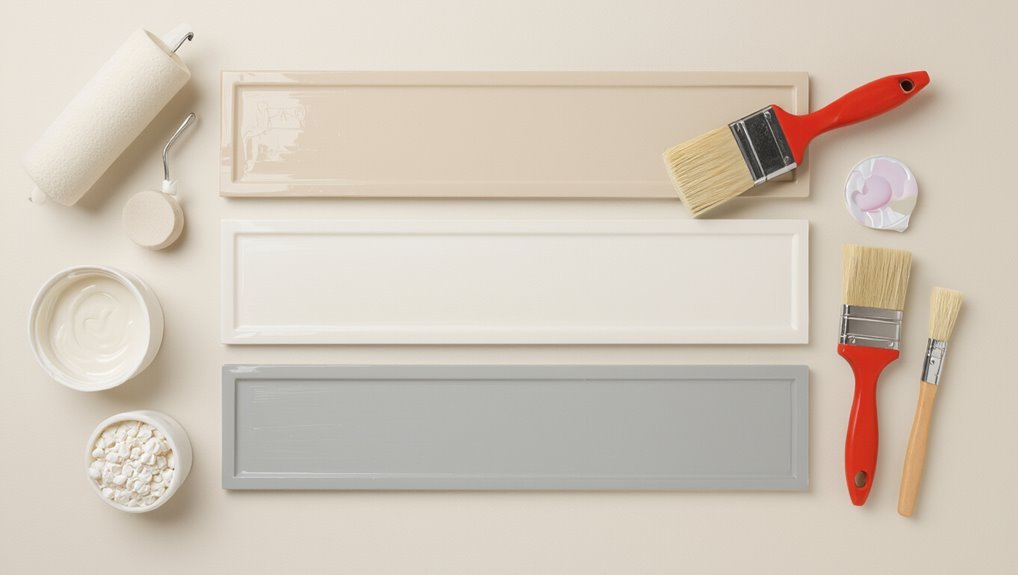
1. You’ll follow a quick 5-step process: start with panel preparation—clean, sand, and degrease.
Prime with a plastic-bonding primer.
Choose color selection carefully, testing samples under room light.
Apply thin, even coats of paint, allowing full drying between layers.
Finish with a clear protective topcoat for durability and easy maintenance.
Why Paint Fails on Plastic Panels
When paint fails on plastic panels, it’s usually because the surface and the coating weren’t properly paired: plastics are nonporous and often repel adhesives, so paint can peel, crack, or blister if you skip cleaning, sanding, or a plastic-specific primer.
You’ll encounter adhesion challenges when coatings don’t match surface chemistry. Prepare for proper surface compatibility, use primers made for plastic, and follow manufacturer directions.
Which Plastic Wall Panel Types You’ll Meet (PVC, Vinyl, ABS, Polystyrene)
Plastic wall panels come in a few common plastics—PVC, vinyl, ABS, and polystyrene—and each behaves differently under paint, cleaners, and heat, so you’ll want to identify the type before you start.
You’ll find PVC characteristics like flexibility and chemical resistance; Vinyl applications often include moisture-prone areas; ABS durability suits impact-prone spots; Polystyrene features lightness and low heat tolerance, affecting prep and coatings.
How to Tell What Plastic Your Panels Are Made Of
Curious which material you’re dealing with? Use simple plastic identification methods: inspect labels or edge stamps, note weight, flexibility, and surface sheen, and test a discreet scrub with isopropyl to observe reaction.
Compare panel material properties—rigidity, scent when warmed, and paint adhesion tendencies—to PVC, vinyl, ABS, or polystyrene. That tells you prep and primer choices.
Safety and Workspace Setup Before You Start Painting
Before you start, make certain you’ve got the right personal protective equipment—gloves, eye protection, and a respirator rated for paint fumes.
You’ll also want to set up good ventilation to remove fumes and position bright, shadow-free lighting so you can see finish issues as you work.
Taking these steps keeps you safe and helps guarantee an even, professional-looking paint job.
Personal Protective Equipment
A few basic pieces of personal protective equipment will keep you safe and comfortable while you prep and paint wall panels: wear safety gear and protective clothing, use a respirator mask and reliable eye protection, and practice proper gloves usage for skin protection.
Check workspace safety for spills and labeled containers to minimize chemical hazards, and replace damaged PPE immediately to maintain effective protection.
Ventilation And Lighting
Even if the paint smells mild, make sure you set up consistent ventilation so fumes don’t build up while you work; open windows and doors, run fans to push air out, and, if possible, position an exhaust fan or window fan to draw fumes away from the room.
You should plan airflow management, wear a respirator if needed, and arrange adjustable lighting to control light intensity for detecting imperfections.
Tools & Pro‑Grade Products: Cleaners, Primers, Sprayers, Rollers
Once you’ve removed the panels and cleaned the surface, pick pro-grade cleaners, primers, and application tools that match the plastic’s type and the finish you want. Use proper cleaning solutions, paint sprayers, roller types, and adhesion techniques to guarantee durability.
| Tool | Purpose |
|---|---|
| Cleaner | Degrease |
| Primer | Bonding |
| Sprayer | Smooth coats |
| Roller | Texture control |
How to Clean Plastic Wall Panels So Paint Will Bond
Start by removing dust, grease, and old residues so the primer can grab onto the plastic surface.
Wipe panels with a degreasing cleaner, then rinse and dry.
Use isopropyl alcohol to remove stubborn surface contaminants.
Dry fully before priming.
Proper cleaning maximizes adhesive strength and prevents paint failures; don’t skip spots or rush drying time.
How to Scuff and Abrade Plastic for Reliable Adhesion
Before you scuff the panels, make sure the surface is fully clean and free of grease or residue so the abrasion works.
Use mechanical methods like medium-grit sandpaper or a scuff pad to roughen the plastic, working evenly across each panel.
Blend edges by feathering the sanded areas into surrounding surfaces to avoid visible changes once painted.
Surface Cleaning First
Although plastic panels look smooth, they need more than a wipe to accept paint—cleaning and scuffing create the mechanical grip paint relies on. You’ll use surface preparation techniques and proper cleaning solutions to remove oils and contaminants before abrasion. Follow manufacturer-safe cleaners and rinse thoroughly.
| Step | Action |
|---|---|
| 1 | Degrease |
| 2 | Rinse |
| 3 | Dry |
Mechanical Abrasion Techniques
1 simple, consistent abrasion step makes the biggest difference in paint adhesion: you’ll scuff the surface to create microscopic tooth that the primer and paint can grip.
Use proper sanding techniques and select abrasion tools for uniform, light scuffing. Work gently; don’t gouge.
- Hand-sanding with 220–320 grit
- Abrasive pad scuffing
- Random-orbit sander on low speed
Feather Edges And Blending
Feathering the edges and blending your scuffed areas guarantees the new primer and paint sit smoothly and don’t reveal hard shifts. You’ll use feathering techniques to taper abrasions, sand progressively finer, and wipe clean so blending colors reads seamless. Practice strokes outward from the panel center toward edges.
| Step | Tool | Goal |
|---|---|---|
| 1 | 80-grit sand | Initial scuff |
| 2 | 120-grit sand | Feather edges |
| 3 | 220-grit sand | Smooth |
| 4 | Tack cloth | Clean |
| 5 | Primer | Adhesion |
Primers That Bond to Plastic: Solvent, Adhesion, Specialty
When you’re painting plastic wall panels, choosing the right primer is essential because ordinary primers often won’t stick.
You’ll want one formulated specifically for plastic—solvent-based for melting the surface slightly, adhesion-promoting for better mechanical grip, or specialty primers for tricky substrates like PVC or polypropylene.
- Use solvent based primers for slick surfaces.
- Perform adhesion testing before full application.
- Pick specialty primers for specific plastics.
How to Choose Paint Formulated for Plastic Surfaces
If you want a durable, attractive finish on plastic panels, pick a paint labeled for plastics or formulated for nonporous surfaces—these contain resins and additives that flex with the substrate and bond without cracking or peeling.
Check product specs for paint types (acrylic, urethane, epoxy) and confirm surface compatibility with your panel material.
Test a small area to verify adhesion and color consistency.
Spray vs. Brush/Roller: Best Application Method
Now that you’ve picked paint that bonds to plastic, decide how you’ll apply it: spray, brush, or roller.
You’ll choose based on texture, coverage, and control. Use proper spray techniques for even, thin coats; employ brush techniques for edges and detail; roll for flat expanses.
Choose your method by texture, coverage, and control: spray thin coats, brush edges and detail, roll flat expanses.
Match method to panel profile to minimize runs, lap marks, and excess buildup.
- Spray for speed
- Brush for detail
- Roll for flats
Matching Primer to Paint for Flexible, Chip‑Resistant Finishes
You’ll want a primer that’s as flexible as your topcoat so the finish bends with the panel without cracking.
Pick an adhesion-promoting primer formulated for plastic or vinyl to guarantee the paint actually sticks.
Matching the primer’s flexibility and adhesion properties to your paint is the best way to get a chip-resistant result.
Primer Flexibility Match
Matching the primer’s flexibility to your paint is essential for a chip-resistant finish on plastic wall panels.
You’ll choose primer types that bend slightly with panels and match paint elasticity.
Test small areas and note compatibility.
Use proper surface prep and compatible adhesion methods without switching to aggressive promoters here.
- Match elasticity.
- Test bend.
- Cure fully.
Adhesion Promoter Choice
Choosing the right adhesion promoter means pairing a primer and paint system that flex together so the finish resists chipping on plastic wall panels.
You’ll evaluate adhesion promoter types—chlorinated, etch, and universal primers—and confirm surface compatibility with vinyl or PVC.
Test small areas, follow manufacturer cure times, and match primer flexibility to your topcoat to prevent cracking and improve long‑term chip resistance.
Preparing Panel Edges, Seams, and Trim for a Seamless Look
Start by inspecting every edge, seam, and trim piece for gaps, uneven joints, or loose fasteners—fixing these issues now lets paint sit evenly and look professional.
Focus on panel edge preparation and trim finishing techniques: clean, sand, and tighten.
Use flexible caulk for gaps, sand flush, and prime before painting.
- Clean
- Caulk
- Sand
Repairing Dents, Gouges, and Seams in Plastic Panels
Start by closely inspecting each dent, gouge, and seam to judge how deep the damage is and whether it needs a simple fill or a more involved repair.
You’ll use a compatible plastic filler or epoxy for deeper gouges, then sand and feather the edges so the patch blends smoothly with the panel surface.
Finish by cleaning the area and applying a primer to guarantee the repair accepts paint evenly.
Assessing Damage Extent
Before you repair a plastic wall panel, take a close, systematic look to determine how deep and how extensive the damage is.
Use damage evaluation and panel inspection to note cracks, loose seams, or displaced material. Decide if the panel needs replacement or patching.
Prioritize safety and access, then plan tools and materials.
- Visual scan
- Tap test
- Edge probe
Filling And Blending
1. You’ll repair dents, gouges, and seams using proper filling techniques: clean the area, apply a plastic-compatible filler, and shape it with a spreader.
Once cured, sand gradually to match the panel profile. Use blending methods—feather sanding and thin skim coats—to smooth changes.
Prime repaired spots before painting to guarantee adhesion and prevent visible repairs after finish.
Mixing and Thinning Paint for Plastic Panels
- Measure and stir thoroughly.
- Thin incrementally, test on scrap.
- Keep mixture consistent, strain before spraying.
How to Apply Primer for Even Coverage
Start by cleaning the panels thoroughly so dirt, grease, and dust won’t keep the primer from sticking.
Choose a bonding primer made for plastic to promote adhesion and prevent peeling.
Apply thin, even coats and let each coat dry before adding the next for uniform coverage.
Surface Cleaning First
Before you prime, clean the panels thoroughly so the primer can bond—wipe them down with a mild detergent solution, rinse, then use isopropyl alcohol to remove any remaining grease or silicone residues.
You’ll improve adhesion with proper surface preparation and focused cleaning techniques. Follow these steps:
- Degrease high-touch areas.
- Remove silicone beads and residues.
- Dry fully before priming.
Use Bonding Primer
Once you’ve cleaned and dried the panels, apply a bonding primer formulated for plastics so the paint will adhere evenly and resist peeling.
Use a high-quality brush or roller, working in thin, overlapping strokes for uniform coverage.
Choose primer types suited to your substrate, follow dry times, and employ proper bonding techniques to promote long-lasting adhesion before topcoating with your chosen paint.
How to Apply Paint Coats Without Runs, Bubbles, or Orange Peel
Work methodically to apply thin, even coats so you avoid runs, bubbles, and orange peel.
Follow paint application techniques and surface preparation tips: clean, sand, and tack to remove dust.
Spray or roll with light passes, keep wet edges, and avoid overworking.
Finish with a light second coat once tack-free.
- Prep
- Technique
- Inspection
Drying Times and Temperature Control for Flexible Finishes
You’ll want to know the ideal cure temperatures for your flexible finish so it bonds without becoming brittle.
Aim for drying time benchmarks—touch dry, recoat, and full cure—so you can plan recoats and use.
Also control humidity and airflow, since high moisture can extend cure times and cause adhesion problems.
Ideal Cure Temperatures
When painting flexible finishes on plastic wall panels, controlling both drying time and temperature is essential because improper cure conditions can leave coatings tacky, brittle, or prone to cracking; aim for the manufacturer’s recommended temperature range—typically between 60–80°F (15–27°C)—and allow full cure times, which often span 24–72 hours depending on humidity and film thickness.
- Verify ideal temperature before starting.
- Keep ventilation steady for stable curing conditions.
- Avoid rapid heating or cooling during cure.
Drying Time Benchmarks
Although exact times vary by product and climate, you should expect flexible finishes on plastic panels to reach touch-dry within 1–4 hours and hard cure in 24–72 hours under recommended temperature and humidity. You should follow drying techniques that match the ideal conditions and temperature ranges, monitor curing, and avoid handling until hard cure.
| Stage | Time |
|---|---|
| Touch-dry | 1–4 hrs |
| Recoat | 4–12 hrs |
| Handle | 24–72 hrs |
| Full cure | 72+ hrs |
Humidity Impact Control
Because moisture slows solvent evaporation and can soften flexible finishes, you should actively control humidity while drying plastic panels to keep curing predictable.
Use humidity control methods and moisture management techniques to guarantee consistent results.
- Run dehumidifiers to maintain 40–50% RH.
- Heat gently to boost solvent release without blistering.
- Ventilate to prevent trapped moisture and uneven cures.
When and How to Sand Between Coats for Smooth Results
If you want a truly smooth finish on plastic wall panels, plan to sand lightly between coats to knock down dust nibs, brush marks, and tiny runs.
Wait until paint is dry to the touch, use 320–400 grit for scuffing, clean residue, then apply the next coat.
These sanding techniques improve finish smoothness without removing previous coverage or causing edge buildup.
How to Apply a Flexible Clear Sealer to Prevent Cracking
Before you seal, make sure the panels are clean, dry, and lightly sanded so the sealer can bond properly.
Pick a clear sealer labeled as flexible or elastomeric and compatible with plastic and your paint type.
Apply thin, even coats according to the manufacturer’s instructions to keep the finish from cracking as the panels expand and contract.
Surface Preparation Steps
When you’re prepping plastic wall panels for paint, apply a flexible clear sealer to bridge the surface and prevent the paint from cracking as the panels flex. This step creates a durable, elastic layer that helps the topcoat adhere and move with the substrate.
- Clean using recommended cleaning methods; address surface textures and minor repair techniques.
- Choose primer types and test paint compatibility.
- Use proper application tools, monitor drying conditions, and follow maintenance tips for finish options.
Choosing Flexible Sealers
Because plastic panels expand and flex, you’ll want a flexible clear sealer that bonds well to both the substrate and your chosen topcoat to prevent cracking and peeling. Choose flexible sealers rated for plastics, test adhesion, and follow proper application techniques: clean, scuff, thin coats, and cure fully.
| Benefit | Tip |
|---|---|
| Flexibility | Test on scrap |
| Bonding | Scuff first |
| Durability | Thin coats |
| Finish | Cure fully |
Painting Textured or Patterned Plastic Panels: Tips That Work
Tackle textured or patterned plastic panels by starting with careful prep: clean them thoroughly, scuff the surface with fine sandpaper, and mask off adjacent areas so paint only hits the pattern you want to keep.
Use primers and tools that honor textured finishes and patterned designs.
Respect textured finishes—pick primers and tools that preserve patterns, not flatten them.
- Choose a flexible bonding primer.
- Spray thin, even coats.
- Remove masking after tack dries.
Painting Panels Installed in Place vs. Removed Panels
Whether you take panels down or paint them in place, plan your approach around access, drying conditions, and the type of finish you want.
If you remove panels, you’ll control temperature and avoid masking; with panel installation left intact, protect edges and hardware.
Choose painting techniques suited to mobility and ventilation, sanding and priming consistently so adhesion and durability match your desired result.
Fast Touch‑Up Techniques for Chips and Scratches
A few quick fixes will keep small chips and scratches from becoming eyesores, and you can do most in under an hour.
Use these touch up techniques to match color and smooth edges quickly:
- Clean, sand lightly, apply plastic primer.
- Use a matching touch‑up paint or marker for chip repair.
- Feather edges, dry, then seal with clear satin coat.
How to Prevent and Fix Peeling, Blistering, and Cracking
If you want painted plastic panels to last, prevent and fix peeling, blistering, and cracking quickly by addressing surface prep, paint choice, and environmental causes before the damage spreads.
Clean, scuff, and use a plastic primer to avoid peeling causes.
Use proper ventilation and low-humidity drying to stop blisters; apply blistering solutions like debridement and recoat with compatible paint.
Inspect and repair small cracks promptly.
Long‑Term Care: Cleaning and Maintaining Painted Panels
After you’ve fixed peeling, blisters, or cracks, keep painted panels looking good by following a simple, regular maintenance routine. You’ll extend finish life with gentle care and quick spot repairs.
Panel longevity tips include:
- Dust and wipe weekly with a soft cloth and mild soap.
- Address stains ASAP with nonabrasive cleaner.
- Inspect seams quarterly; touch up chips to prevent spread.
Cost Breakdown: DIY Budget vs. Pro Systems (Materials & Labor)
Budgeting for painting plastic wall panels comes down to choices you make: doing it yourself can cut labor costs but adds time and potential mistakes, while hiring pros raises upfront expense but buys expertise and warranty-covered results.
Weigh DIY Savings against Professional Quality by doing a Material Comparison, tallying Labor Costs, noting Budget Constraints, and performing a clear Value Assessment before deciding.
When to Call a Pro: Signs You Need Professional Repainting
When panels show deep scratches, warped sections, persistent stains, or bubbling that you can’t fix with cleaning and light sanding, call a pro—these problems usually mean underlying damage, adhesion failure, or structural issues that need specialist tools and expertise to diagnose and repair properly.
If panels have deep scratches, warping, stains, or bubbling beyond cleaning and light sanding, call a pro.
- Request a professional evaluation for hidden damage.
- Compare repainting options and costs.
- Hire a pro if repairs exceed your tools or skills.
Common Mistakes to Avoid When Painting Plastic Wall Panels
If you decide a pro isn’t needed, watch for common mistakes that can ruin your paint job on plastic panels.
You’ll want clear mistake identification: skipping cleaning, ignoring sanding, using wrong primer or paint, and neglecting drying times.
Proper paint preparation prevents peeling and cracking.
Test adhesion, use compatible primers, work in moderate humidity, and follow cure recommendations to guarantee lasting results.
Frequently Asked Questions
Can I Paint Over Embossed Wallpapered Plastic Panels?
Yes — you can paint embossed wallpapered plastic panels if you use proper surface preparation and painting techniques. You’ll clean, sand lightly, apply a plastic primer, and use flexible acrylic or enamel paint to prevent peeling and cracking.
Will Painted Plastic Panels Off-Gas Harmful VOCS Long-Term?
Worried about long-term harm? You shouldn’t expect major off gassing effects from properly cured paint on plastic panels; you’ll reduce risks by using low-VOC or water-based paints, ensuring ventilation for long term safety.
How Do I Match Paint Sheen Across Mixed Panel Materials?
Match sheen levels by testing paint types on each substrate first; you’ll use primers and adjusted gloss (flat, satin, semi‑gloss) to equalize reflectivity. Sand, feather edges, and blend coats until finishes visually match.
Can Heat Bending or Forming Painted Panels Be Done Later?
You can’t reliably heat bend painted panels later; the paint’s heat resistance is limited and will likely crack, compromising panel durability. If you must form panels, bend them beforehand or use high-temperature coatings designed for post-forming.
Are There Warranty or Resale Issues After Painting Factory Panels?
You might void warranty implications by painting factory panels, and paint durability varies—so check manufacturer terms first. If they allow repainting, use recommended prep and coatings to preserve finish and avoid resale complications.
Conclusion
You’ve got the plan: prep, prime, and paint with care so your plastic panels don’t crack or peel. Follow the steps, test a hidden spot, and use the right primer and paint for PVC, vinyl, ABS, or polystyrene. Keep safety gear on, clean gently, and touch up chips promptly. If panels flex excessively or the substrate’s damaged, call a pro—don’t try to fix it with duct tape and optimism like it’s 1975.
