
How to Remove Dried Wall Paint From Clothes Quickly
Start by gently scraping off flakes with a dull knife or credit card, then test a hidden seam to verify the fabric won’t be damaged. Identify if the paint’s water- or oil-based; water-based softens with warm soapy water while oil-based needs solvents like rubbing alcohol, acetone, or mineral spirits. Blot—don’t rub—work from edges inward, pre-treat with detergent, launder per care label, and air-dry to confirm stain removal; keep protective gear on hand and learn more steps below.
Start Here: Fastest Safe Step for Dried Paint on Clothes
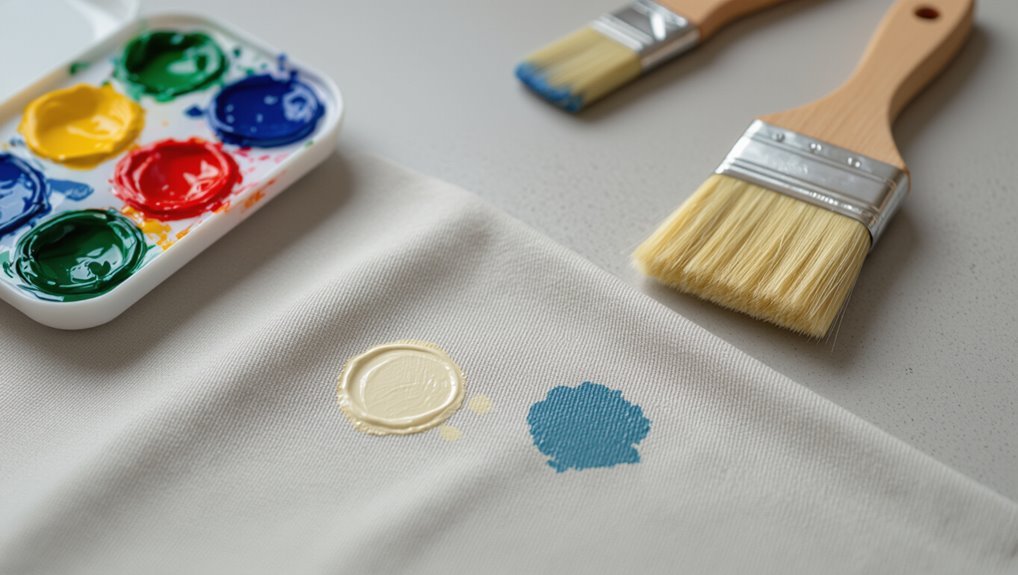
If the paint has fully dried, start by gently scraping off as much loose paint as you can with a dull butter knife or credit card, taking care not to damage the fabric; removing flakes first makes any follow-up cleaning much faster and more effective.
Then test a hidden seam with soap and water, prioritizing paint stain prevention and effective cleaning techniques before stronger solvents.
Quick Action Plan for Removing Dried Wall Paint From Clothes
Act fast by treating the stain as soon as you notice it to prevent it from setting further.
First identify whether it’s water-based or oil-based paint so you can choose the right solvent.
Then follow targeted removal steps—scrape, pretreat, and wash—based on the paint type.
Act Fast Measures
When paint’s just started to set, move quickly: scrape off excess with a dull knife or credit card, then blot remaining wet spots with a paper towel so you don’t spread the stain.
Use emergency tactics and immediate remedies; act fast to reduce damage.
- Dab with solvent-safe cloth
- Rinse under cold water
- Treat with stain remover promptly
Identify Paint Type
Now that you’ve handled fresh spills, focus on identifying the paint type before treating dried stains; knowing whether it’s water-based (latex) or oil-based will determine the solvent and method you should use.
Check paint properties on the can if available. Examine stain characteristics: color, texture, and flexibility.
Water-based softens with warm soap and water; oil-based feels tacky and resists water.
Targeted Removal Steps
1. Start fast: scrape gently, test solvent on an inside seam, and protect surrounding fabric.
Use targeted paint removal techniques that match the paint type and follow fabric care labels.
- Blot with solvent, lift with a blunt edge.
- Pre-treat stain with detergent, let sit briefly.
- Launder per label, air-dry to confirm stain’s gone before heat.
Tools & Supplies to Have on Hand Now to Remove Paint From Clothes
You’ll want a few key items ready before you tackle paint stains: suitable cleaning solvents (like rubbing alcohol for latex or mineral spirits for oil-based paint), protective gloves, and eye protection.
Keep stain-removal tools on hand too—soft brushes, razor blades for dried spots, clean cloths, and a plastic scraper.
Having these supplies nearby saves time and helps prevent accidental damage while you work.
Essential Cleaning Solvents
A few well-chosen solvents can make the difference between saving a garment and tossing it; keep them on hand before you start any painting project.
You’ll want solvent safety in mind and consider eco-friendly options when possible.
Have these ready:
- Rubbing alcohol (isopropyl) for water-based paint
- Acetone or nail polish remover for stubborn spots
- Mineral spirits for oil-based paint
Protective Gloves & Gear
Before you tackle stains, suit up with the right protective gloves and gear so you don’t trade paint on clothes for chemicals on skin.
Choose chemical-resistant gloves, eye protection, and a respirator if using strong solvents. Protective gear minimizes exposure and lets you focus on removal.
Follow basic safety measures: ventilate the area, keep solvents away from flames, and wash skin promptly if contact occurs.
Stain-Removal Tools
When you’re ready to tackle paint on clothing, gather a small kit of essentials: disposable gloves, plastic scraper or credit card, stiff-bristled brush, clean white cloths or paper towels, rubbing alcohol or paint thinner (matched to the paint type), dish soap, liquid laundry detergent, stain remover, a bowl of warm water, and a spray bottle.
- Test removers first
- Use effective fabric choices
- Follow stain removal techniques carefully
How to Test a Fabric Swatch Before Treating a Paint Stain
Want to avoid damaging the garment? Test a hidden fabric swatch first.
Check fabric compatibility by applying your chosen solvent or remover to the swatch edge, blotting gently and waiting a few minutes.
Inspect for color loss, shrinkage, or texture change. If the swatch holds up, proceed to treat the paint stain; if not, try a gentler method or consult care instructions.
How Fabric Type Changes Your Paint-Removal Options
Because fabrics react differently to solvents, the type of material will determine which paint-removal methods are safe and effective. You’ll check fabric composition and paint compatibility before acting.
Consider:
- Natural fibers (cotton, linen): tolerate gentle scrubbing and mild solvents.
- Delicates (silk, wool): need spot tests and mild, enzyme-based cleaners.
- Synthetics (polyester, nylon): resist water-based paints but can melt with harsh solvents.
How to Decide Between Solvents, Scraping, or Professional Cleaning
Start by identifying whether the paint is water- or oil-based, since that determines which solvent or method will work.
Weigh the paint type against your fabric’s risk—delicate fibers or dyes may be damaged by harsh chemicals or vigorous scraping.
If the stain or fabric seems risky, consider professional cleaning to avoid making it worse.
Assess Paint Type
When you tackle a paint stain, the first step is identifying what kind of paint you’re dealing with so you can choose the right method—solvent, scraping, or professional help.
Assess paint characteristics and paint adhesion: water-based wipes and soft scrape; oil-based needs solvent testing; thick, shellacked layers often require pro attention.
- water-based
- oil-based
- shellac/varnish
Evaluate Fabric Risk
Fabric fragility matters: before you reach for a scraper or solvent, check the garment’s fiber content, weave, and any finishes so you can weigh the risk of damage versus the chance of full paint removal.
If the fabric durability looks low, avoid harsh solvents or scraping; opt for gentle stain treatment or professional cleaning.
For sturdy cottons, mechanical removal plus solvent spot tests usually work.
How to Loosen Dried Latex (Water-Based) Paint Quickly
Loosen dried latex paint by rehydrating it so you can lift it off without damaging the fabric.
Use warm water and a mild detergent, then blot—don’t rub—to soften the film.
Use warm water and mild detergent, then blot gently to loosen and soften the dried paint film.
Try a gentle scrub with a soft brush once pliable.
- Apply warm water and detergent
- Blot and let soak briefly
- Use gentle agitation and rinse
These paint removal tips align with safe laundry techniques.
How to Remove Dried Oil-Based Paint Efficiently
Start by identifying the paint type and testing a hidden seam: dried oil-based paint needs solvents (not water) to break it down, so try a small amount of mineral spirits or turpentine on an inconspicuous spot to make sure the fabric and dye won’t be damaged.
Blot softened paint, scrape gently, apply solvent sparingly, rinse, then launder.
Use paint removal techniques promptly and prioritize fabric protection.
How to Tackle Enamel and Alkyd Paint Spots
First, you’ll want to confirm the stain is enamel or alkyd by checking the paint can or testing a hidden edge with rubbing alcohol.
Once you know the type, pick a compatible solvent like mineral spirits or turpentine and work in a well-ventilated area.
Use gloves, blot gently from the outside in, and follow solvent safety instructions to protect yourself and the fabric.
Identify Paint Type
If you want to remove a stubborn paint spot, the first step is figuring out whether it’s enamel or alkyd, because each reacts differently to cleaners and solvents.
Use paint identification techniques and a paint characteristics overview to guide choices:
- Check sheen and hardness: enamel is glossy and hard.
- Smell test: alkyd has stronger solvent odor.
- Drying time: alkyd often slower.
Use Solvent Safely
1 practical rule: always work where there’s good ventilation and wear gloves and eye protection when using solvents on enamel or alkyd spots. You’ll pick solvent selection carefully, test a hidden area, blot—don’t rub—and follow safety precautions. Stop if fabric weakens.
| Solvent | Use |
|---|---|
| Mineral spirits | Small spots |
| Turpentine | Stubborn areas |
| Acetone | Synthetic fabrics |
When to Try Freezing or Scraping First
When the paint is still dry or only lightly adhered, try freezing or gently scraping first to remove bulk without spreading the stain further.
You’ll prevent deeper fabric penetration by using targeted, careful actions. Use freezing methods to harden spots, then apply scraping techniques to lift flakes.
Quick checklist:
- Freeze small areas in a bag
- Scrape with a blunt tool
- Brush loose bits away
How to Use Rubbing Alcohol (Isopropyl) on Paint Stains
Reach for rubbing alcohol when paint stains are fresh or solvent-based and you’ve already removed loose flakes; it dissolves many latex and oil paints without soaking the fabric as aggressively as some stronger solvents.
Test an inconspicuous spot, blot with a cloth soaked in isopropyl, work from edges inward, launder per fabric care labels, and repeat paint removal techniques cautiously until the stain lifts.
How to Apply Acetone or Nail Polish Remover Safely
Wear gloves and work in a well-ventilated area before you touch acetone or nail polish remover, since it’s a strong solvent that can damage some fabrics and irritate skin or lungs.
Test a hidden spot first, blot gently, and avoid prolonged soaking.
Keep these steps in mind:
- Protect skin and eyes — acetone safety matters.
- Blot, don’t rub.
- Rinse and launder promptly.
Using Commercial Garment-Safe Paint Removers on Clothes
Start by checking the garment’s care label and the remover’s instructions so you know the product is formulated for fabrics and safe for colors.
Choose commercial paint removers labeled garment-safe. Test a small hidden area for fabric safety and colorfastness.
Work in a ventilated space, wear gloves, blot rather than rub, then launder per care label.
Repeat spot tests before full use.
How to Use Dish Soap and Warm Water for Residual Paint
First check whether the paint is water-based or oil-based so you know if soap and water will work.
Mix a few drops of dish soap into warm water to make a gentle soapy solution, then test it on an inconspicuous area.
Blot the stain gently with a clean cloth soaked in the solution, working from the outside in to lift residual paint.
Assess Paint Type
Even if the paint seems dry, you can often lift residual water-based paint by gently working a mixture of dish soap and warm water into the fabric; this mild solution breaks paint’s surface tension and loosens pigment so you can blot it away.
Assess paint type before treating:
- Check sheen to judge paint adhesion.
- Smell for solvent hints.
- Test fabric compatibility on a hidden seam.
Prepare Soapy Solution
If the paint you tested responds to water, you’ll want a mild soapy mix to lift what’s left without harming the fabric.
Mix a few drops of dish soap with warm water, noting solution ratios of about 1 teaspoon soap to 1 cup water.
You’ll appreciate soapy benefits: reduced surface tension and gentle emulsification, which loosen residual paint before further treatment.
Gently Blot Stain
Dab the soapy solution onto the paint spot with a clean white cloth or sponge, working from the outside toward the center to keep the stain from spreading.
Use gentle blotting techniques and test fabric compatibility first. Then:
- Blot, don’t rub; lift loosened paint.
- Rinse cloth frequently to avoid reapplying paint.
- Repeat until residue fades, then launder as usual.
When and How to Use Ammonia Solutions to Dissolve Paint
When oil- or latex-based paint has partially set on fabric, you can use a diluted ammonia solution to soften and lift the pigment before it bonds permanently. Ammonia breaks down the paint’s binders and makes removal easier.
Work outside or in a ventilated area, and wear gloves and goggles for ammonia safety.
Test a hidden area for colorfastness. Start with a low paint concentration, blot, then rinse thoroughly.
How to Use Laundering Boosters and Stain Removers After Treatment
Although the paint’s loosened, you’ll still need laundering boosters and targeted stain removers to finish the job; choose a product formulated for the paint type, follow label dilution and temperature recommendations, and pretreat the stain directly before washing to maximize removal.
Loosened paint needs targeted stain remover and laundry boosters — follow product instructions and pretreat before washing.
- Rinse excess, apply stain removers to the spot.
- Add laundry boosters to the wash cycle per directions.
- Check before drying; repeat pretreatment if traces remain.
Treating Silk, Wool, and Rayon: Safe Solvent Choices & Steps
Silk, wool, and rayon need gentler, targeted solvents and a light touch because their fibers can shrink, distort, or lose finish; start by testing an inconspicuous area for fabric compatibility.
For silk sensitivity use mild solvent or diluted rubbing alcohol, for wool care try solvent sparingly and blot, and for rayon treatment prefer water-based stain lift.
Always air-dry and consult a pro if unsure.
How to Treat Cotton, Denim, and Canvas Safely
Because cotton, denim, and canvas are sturdy and absorbent, you can be more aggressive with solvents and scrubbing than you’d on delicate fabrics—still start by testing an inconspicuous spot and remove excess paint gently with a dull knife or spoon.
Use these paint removal techniques and fabric care tips:
- Apply rubbing alcohol or acetone cautiously.
- Blot, don’t rub, freshened edges.
- Launder promptly per label, air dry to check.
How to Remove Paint From Poly-Cotton and Other Blended Fabrics
When you’re dealing with poly-cotton and other blends, treat them more gently than pure cotton since synthetic fibers can react to strong solvents and heat; test solvents on a hidden seam, blot rather than rub, and choose mild remover based on paint types.
| Step | Solvent | Tip |
|---|---|---|
| 1 | Test | Hidden seam |
| 2 | Blot | Gentle |
| 3 | Rinse | Cold water |
| 4 | Launder | Fabric care label |
How to Remove Paint From Dark or Printed Garments Without Fading
Before you start, test any cleaner on an inconspicuous spot to make sure colors don’t run.
Use a color-safe solvent or stain remover formulated for dyed fabrics rather than harsh chemicals.
Apply treatments gently with a cotton swab or soft cloth to lift paint without rubbing the print or dark dye away.
Test On Hidden Area
Although removing paint from dark or printed clothes can risk fading or bleeding, you can avoid damage by testing in a discreet spot first.
Try hidden tests on a fabric swatch or inside seam to check colorfastness. Use a cotton ball and small amount of cleaner, blotting gently.
If safe, proceed; if not, choose a gentler method.
- inside seam
- fabric swatch
- cuff or hem
Use Color-Safe Solvent
Since dark and printed fabrics can lose color or smear easily, use a color-safe solvent designed for dyed textiles to lift paint without harming the print.
Pick color safe alternatives like citrus-based or specialty textile solvents, and work from edges inward.
Test a hidden seam, blot—don’t rub—and follow solvent safety: ventilate, wear gloves, and wash promptly to remove residues.
Gentle Spot Treatment
Tackle paint spots on dark or printed garments with a careful, localized approach that avoids bleaching or smudging the design.
Use gentle techniques and check fabric considerations before you start. Test in an inconspicuous area, then:
- Blot with a damp cloth and mild detergent.
- Dab solvent-free stain remover, rinse quickly.
- Gently scrape softened paint with a plastic edge, then launder per care label.
How to Lift Paint From Seams, Hems, and Thick Fabric Layers
Seeped paint hiding in seams, hems, and thick fabric layers needs a different approach than surface stains because the fibers trap pigment and solvent more deeply.
You’ll work slowly, use targeted agitation, and choose products that penetrate without damaging stitching or lining.
Use seam cleaning techniques: lift with a blunt probe, apply solvent sparingly, blot repeatedly, then launder per fabric care instructions.
How to Protect Garment Structure While Scraping or Rubbing
After you’ve loosened paint from seams and layers, protect the garment’s structure before you start scraping or rubbing: support fragile areas with a flat, rigid backing (like a plastic card or piece of cardboard) behind the stain, stabilize seams with gentle hand pressure rather than stretching, and keep stitching and linings taut to prevent distortion.
Support fragile areas with a rigid backing, steady seams with gentle pressure, and keep stitching taut to avoid distortion.
- Use a rigid insert for fabric protection.
- Hold seams, don’t pull.
- Test pressure on hidden area for garment care.
How Long to Let Solvents Sit : And When to Blot, Not Scrub
While you’ll often want to act quickly, let solvents sit just long enough to dissolve paint without soaking the fabric—usually 30 seconds to a few minutes depending on the product and fabric—then blot, don’t scrub, to lift loosened paint.
Check solvent types and manufacturer drying times; lighter solvents act faster, stronger ones need care. Blot with a clean cloth from edges inward to avoid spreading.
How to Rinse and Neutralize Solvents Safely After Treatment
When the paint’s loosened, you’ll want to remove solvent residues promptly and safely to prevent fabric damage or skin irritation.
Rinse and neutralize carefully, focusing on safe rinsing and proper solvent disposal:
- Rinse under cold running water until suds and smell fade.
- Apply mild detergent to neutralize remaining solvent, then rinse.
- Air dry and dispose of contaminated rinse water/cloth per local solvent disposal rules.
How to Check If the Paint Stain Is Permanently Set
Wondering if that paint stain can still come out? Check paint longevity by noting age—fresh stains respond better; weeks-old may be set.
Test a hidden seam: dab remover or water, blot, and watch transfer. Consider fabric compatibility—delicate fibers often trap pigment.
If color doesn’t lift or fabric weakens, the stain’s likely permanent and further removal risks damage.
How to Minimize Color Loss and Fabric Damage During Removal
If a stain seems removable, proceed cautiously to protect the garment’s color and fibers.
Test treatments on a hidden seam, work from edges inward, and avoid heat until the stain’s gone. Follow fabric care labels and use mild solvents or detergent to aid color preservation.
Test stain removers on a hidden seam, work from edges inward, avoid heat, and follow care labels to protect color.
- Test a hidden area first
- Blot; don’t rub
- Rinse thoroughly and air-dry flat
How to Repair Small Holes or Thinning After Paint Removal
Because paint removal can weaken fibers, you may find small holes or areas that feel thin—don’t toss the garment yet.
Inspect damage, trim loose threads, and choose patching techniques suited to fabric care: iron-on patches for sturdy cotton, lightweight fusible interfacing for delicate knits, or hand-sew small tears with matching thread.
Reinforce from the wrong side and launder gently to preserve repairs.
When Professional Dry Cleaning Is the Best Option
You’ve tried home repairs and gentle laundering, but some stains, fabric weakening, or construction details call for professional dry cleaning.
You should consider pros when paint’s stubborn or fabric is delicate. They offer expertise in professional cleaning and garment restoration.
- Delicate silks or wool
- Large, set-in latex stains
- Structural damage needing repair
How to Handle Multi-Color or Layered Paint Stains
When paint layers overlap, treat each color and medium separately to avoid spreading or setting stains further; you’ll assess dry vs. flexible paint, scrape gently, test solvents on a hidden seam, and apply multi color techniques and layered paint solutions stepwise so you don’t worsen stains.
| Step | Action | Tip |
|---|---|---|
| 1 | Assess | Identify types |
| 2 | Scrape | Use blunt tool |
| 3 | Test | Hidden area |
| 4 | Treat | Solvent small |
| 5 | Rinse | Blot not rub |
How to Remove Paint From Pockets, Collars, and Cuffs
Start by turning pockets, collars, and cuffs inside out so you can see and access the paint without spreading it to visible areas.
Check fabric compatibility, then scrape dried pocket paint gently. Use solvent or detergent tests on a hidden area and blot.
For collar care and cuff cleaning, follow this quick routine:
- Scrape and test
- Blot and treat
- Launder per label instructions
Removing Paint From Clothes With Sequins, Beads, or Embellishments
When you spot paint near sequins, beads, or other embellishments, protect them first by covering delicate areas with tape or a piece of cloth.
Use a gentle spot treatment—dab with a mild solvent or soapy water—working from the edges toward the center to avoid spreading.
If the embellishment looks fragile, test the treatment on an inconspicuous area or consult a professional cleaner.
Protect Embellishments First
If your garment has sequins, beads, or other embellishments, protect them before you treat the paint so you don’t loosen glue or cause further damage.
Use careful embellishment care and fabric protection:
- Cover embellishments with clear tape or cling film.
- Pad surrounding fabric with cardboard.
- Work from the painted area outward, avoiding direct scrubbing on decorations.
Gentle Spot Treatment
Now that your embellishments are protected, treat the paint spot gently to avoid loosening glue or scratching decorations.
Use gentle methods: dab water and mild detergent with a cotton swab, lifting paint bits instead of rubbing.
Test a hidden seam first to check fabric sensitivity.
For stubborn spots, try a tiny amount of rubbing alcohol or acetone on a swab, then rinse and air dry.
How to Prevent New Paint Stains While Working at Home
A clean workspace and a few simple habits will dramatically cut the chance you’ll get fresh paint on your clothes while working at home.
Use paint prevention tips and tidy workspace organization to stay neat.
Follow these quick steps:
- Wear dedicated work clothes and an apron.
- Keep tools and cans capped and grouped.
- Move slowly near edges and drips.
How to Set Up a Safe Work Area and Ensure Proper Ventilation
Because good ventilation and a tidy work area keep you safe and make cleanup easier, set up before you open any cans: clear floor space, cover nearby fabrics with drop cloths, and designate a stain-ready bucket.
Open windows, run a fan toward an exit, and follow ventilation tips to dilute fumes.
Keep a first-aid kit and phone nearby; avoid smoking or open flames.
How to Dispose of Solvent-Soaked Rags and Paint Waste Responsibly
When you finish cleaning paint from clothes, don’t just toss solvent-soaked rags in the trash—store them in a metal container with a tight lid to prevent fires.
Check local hazardous waste rules for proper disposal of leftover solvents and contaminated materials.
If you’re unsure, contact your municipality’s waste program so you stay compliant and safe.
Safe Rags Storage
If you’ve used solvent-soaked rags or leftover paint, don’t just toss them in the trash—improper disposal can spark fires and contaminate soil and water.
For rag maintenance and safe storage solutions, follow these steps:
- Air or spread rags flat to evaporate solvents outdoors when safe.
- Store dry rags in metal, self-closing containers labeled “flammable.”
- Take saturated rags to a local collection site promptly.
Hazardous Waste Disposal
Although solvent-soaked rags and leftover paint might seem like ordinary trash, they pose real fire, health, and environmental risks if you discard them improperly.
You should handle and dispose of them as hazardous waste by following local regulations and using designated collection services.
Bag and seal materials, label containers, and take them to a household hazardous waste site or scheduled pick-up for responsible disposal to prevent harm.
Local Regulations Compliance
Because rules vary by city and state, you should check local hazardous-waste guidelines before discarding solvent-soaked rags or leftover paint.
You must follow local laws and disposal guidelines to avoid fines and hazards. Consider these steps:
- Store rags in a labeled, fire-safe container.
- Take excess paint to a household hazardous waste facility.
- Use approved sealed containers for solvent disposal.
Time-Saving Prioritized Step-by-Step Checklist for Paint Removal
1 clear plan saves time and prevents mistakes when you’re removing paint from clothing; follow this prioritized checklist so you can act fast, limit damage, and get back to wearing your favorite pieces. Use paint stain removal steps focused on fabric care, stain prevention, quick solutions, DIY methods, household items, cleaning hacks, and emergency tips.
| Step | Action |
|---|---|
| 1 | Scrape excess paint |
| 2 | Test solvent |
| 3 | Apply treatment |
| 4 | Launder promptly |
Common Mistakes That Make Paint Stains Worse and How to Avoid Them
Your quick checklist gets you started, but a few common missteps can turn a fixable smear into a permanent blotch. Avoid these errors to follow paint prevention tips and fabric preservation strategies:
- Rubbing dried paint spreads it; scrape gently instead.
- Using hot water sets stains; rinse cool first.
- Applying harsh chemicals blindly can damage fibers; spot-test first.
How to Know When to Let Go: Effective Alternatives for Ruined Garments
While you can often rescue a painted shirt or pair of jeans, sometimes the fabric’s ruined beyond reasonable repair—so deciding when to stop saves time and stress. Do a wardrobe assessment, weigh clothing repair vs. thrift store alternatives, and opt for textile recycling or garment repurposing. Use eco friendly solvents sparingly; prioritize fabric care, stain prevention, sustainable fashion, and upcycling projects.
| Option | Action |
|---|---|
| Repair | Tailor or patch |
| Repurpose | Rags or crafts |
| Recycle | Textile drop-off |
| Donate | Thrift store alternatives |
| Dispose | Responsible landfill |
Frequently Asked Questions
Can Dried Paint Release Toxic Fumes During Home Removal?
Yes — dried paint can release toxic fumes during removal, so you should use safe removal methods, ventilate well, wear a respirator and gloves, and avoid heat or sanding that increases toxic paint exposure and airborne particles.
Will Removing Paint Affect Garment Shrinkage in Future Washes?
Ironically, no miracle: removing paint can worsen shrinkage factors if you scrub, use hot water or harsh solvents. You’ll want gentle garment care, cooler washes and careful drying to avoid surprise shrinking later.
Are There Eco-Friendly Solvent Alternatives Safe for Fabrics?
Yes — you can use biodegradable solvents like citrus-based or soy-based cleaners; you’ll test fabric safety on an inconspicuous seam first, work gently, and launder per garment care to avoid damage or color loss.
How Do You Treat Paint Underlining or Transferred Backing?
Think of it as a minor flirtation gone wrong: you’ll gently scrape excess, treat paint transfer with a prewash stain remover, dab solvent-safe spot cleaner, then launder per fabric care instructions while checking before drying.
Can Paint Removal Void Clothing Warranties or Return Policies?
Yes—you could void paint warranty implications or clothing return policies if you use harsh solvents or alter garments trying to remove paint; you’ll want to check both warranties and store return rules before treating stains to avoid denial.
Conclusion
So you followed every step, tested the swatch, scrubbed, and still have a paint-splattered shirt—congratulations, you now own wearable modern art. Before you mourn, remember: patience, the right solvent, and a little elbow grease usually win. If not, donate, upcycle, or commemorate your DIY bravado. Either way, you’ll know next time to suit up better—or accept that some projects demand a wardrobe upgrade.
