
How Do You Clean Flat Paint Walls: Safe Cleaning Methods Without Damage
You can clean flat-painted walls safely by using warm water with a few drops of mild dish soap, a soft sponge or microfiber cloth, and light pressure on small sections. Always test an inconspicuous spot first, rinse with plain water, and blot dry to avoid softening the paint. Avoid bleach, ammonia, scouring powders, and aggressive scrubbing that dulls the finish. Keep up gentle weekly touch-ups and you’ll find when it’s time to repaint or tackle tougher stains.
Quick Answer: Safest Way to Clean Flat Paint Walls
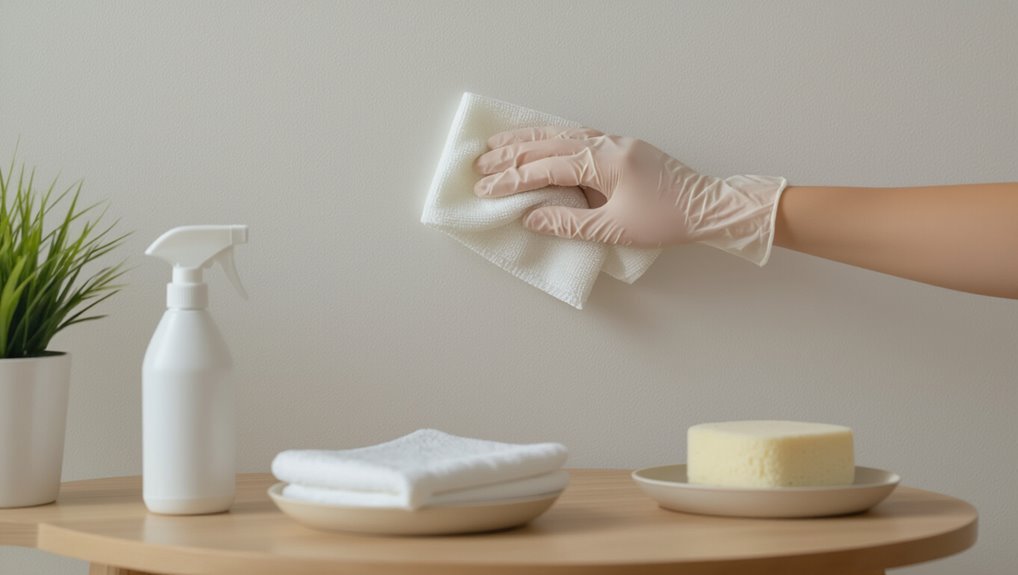
Start gently: mix warm water with a few drops of mild dish soap, dip a soft sponge or microfiber cloth, wring it almost dry, and wipe the wall in small sections.
You’ll test an inconspicuous spot first, use light pressure, and rinse with plain water.
These cleaning techniques prevent damage and support basic wall maintenance, extending finish life without aggressive chemicals.
When to Clean Flat Paint Walls vs. Repainting
You’ll want to clean flat-painted walls whenever surface marks, smudges, or uneven discoloration are limited and the paint film itself is intact; choose repainting when stains penetrate the finish, there’s widespread fading, peeling, or the wall has been scuffed in multiple areas that cleaning can’t restore.
Assess cleaning frequency by traffic and visible dirt; watch for repainting signs like cracking, chalking, or persistent stains.
Essential Tools for Gentle Flat-Paint Wall Cleaning
A few simple, gentle tools will let you remove most marks from flat-painted walls without damaging the finish: soft microfiber cloths, natural sponges, a soft-bristle brush, and a rubber eraser sponge for scuffs.
Use a bucket for rinsing, a spray bottle for dilute solutions, and gloves to protect hands.
These items support effective cleaning techniques and ongoing wall maintenance.
Mild Household Cleaners Safe for Flat Paint Walls
Several common, gentle cleaners will safely remove dirt and stains from flat-painted walls without stripping the finish: mild dish soap diluted in warm water, a vinegar-and-water solution (one part white vinegar to four parts water) for grease, and an oxygen-based cleaner for tougher spots.
Use eco friendly options and avoid common mistakes like over-wetting.
- Test first.
- Blot gently.
- Rinse lightly.
Cleaning Agents to Avoid on Flat Paint Walls
Because flat paint is porous and easily damaged, avoid harsh solvents and abrasive cleaners that strip or dull the finish.
Don’t use bleach, ammonia, acetone, scouring powders, or heavy-duty degreasers. These cleaning products can stain, remove pigment, or roughen texture.
For wall protection, stick to gentle soap solutions, microfiber cloths, and low-pressure rinsing to preserve the matte surface.
How to Test a Small Area Without Damaging Flat Paint
Before you clean the whole wall, always test a small, hidden patch to make sure your solution and technique won’t dull or stain the flat paint.
You’ll check test materials and paint compatibility quickly:
- Apply solution with a cotton swab.
- Wait 10 minutes, blot dry.
- Inspect for color change or sheen loss.
If safe, proceed cautiously across the wall.
How to Dry-Clean Dust, Crumbs, and Cobwebs on Flat Paint Walls
Once your test patch shows the paint won’t react, start with dry-cleaning to remove loose dust, crumbs, and cobwebs before any wet cleaning.
Use a soft-bristle broom, microfiber duster, or vacuum with a brush attachment to lift particles without abrading the finish.
Work top-to-bottom, gently dislodge cobwebs with a telescoping duster, and follow dust removal techniques as part of regular wall maintenance tips.
How to Remove Fingerprints and Light Smudges From Flat Paint Walls
Start by gently wiping fingerprints and light smudges with a dry microfiber cloth to see if they lift without moisture.
If residue remains, mix a few drops of mild dish soap with warm water and lightly dab the spot with a soft sponge, rinsing and blotting dry.
Always spot test the solution in an inconspicuous area first to make sure the flat paint won’t soften or stain.
Gentle Dry Wiping
A soft microfiber cloth and steady, light strokes will usually remove fingerprints and light smudges from flat-painted walls without damaging the finish.
You should:
- Test a small area to check texture variations.
- Wipe gently from top to bottom with even pressure.
- Adjust cleaning frequency based on traffic and visible marks.
This method preserves flat paint without introducing moisture.
Mild Soapy Solution
Mix a mild dish soap with warm water to create a gentle cleaning solution that lifts fingerprints and light smudges without harming flat paint. You’ll dampen a soft cloth, wipe gently, rinse with clean water, and pat dry. These cleaning techniques use mild soap solutions to avoid abrasion and sheen change.
| Tool | Action | Result |
|---|---|---|
| Cloth | Wipe | Clean |
| Water | Rinse | Neutral |
| Soap | Dilute | Safe |
Spot Test First
Before you clean the whole area, always spot test your soapy solution on an inconspicuous patch—like behind a light switch or inside a closet—so you’ll know how the flat paint will react.
Use spot testing as paint preparation to avoid damage.
Test steps:
- Dab solution.
- Wait 10 minutes.
- Inspect for lift or discoloration.
How to Treat Grease and Food Stains on Flat Paint Walls
When grease or food splatters on flat-painted walls, act quickly to prevent stains from setting and becoming harder to remove.
Blot excess with a dry cloth, avoid rubbing.
Mix mild dish soap and warm water for grease removal; dab gently with a sponge.
For stubborn food stains, try a baking soda paste, rinse, then pat dry.
Repeat sparingly and always spot-test first.
How to Remove Scuff Marks and Shoe Scuffs Without Changing Sheen
Scuff marks and shoe scuffs are common on flat-painted walls, but you can usually lift them without altering the paint’s matte finish; start gently and protect the surface with proven scuff removal techniques and sheen preservation tips.
Scuff marks on flat-painted walls are usually removable—start gently to lift stains while preserving the matte finish.
- Dry-soft cloth rub for light marks.
- Mild detergent solution dab, blot, rinse.
- Fine eraser or soft-bristled brush for stubborn scuffs.
Using a Magic Eraser Safely on Flat Paint Walls
Although magic erasers are effective at lifting marks, you’ll want to use them gently on flat paint to avoid thinning or glossing the finish.
Test a hidden spot first, dampen lightly, and use minimal pressure. Follow Magic Eraser precautions: don’t scrub paint repeatedly.
For delicate areas consider alternative cleaning tools like microfiber cloths, soft sponges, or a mild soap solution to protect the finish.
How to Lift Crayon, Marker, and Ink From Flat Paint Walls
Start by evaluating the mark and testing a cleaning method on an inconspicuous spot so you don’t damage the flat finish.
Use gentle cleaning techniques: dab with mild soap, try baking soda paste, then use isopropyl alcohol sparingly for ink stains.
Prioritize crayon removal with a plastic scraper, marker cleaning with rubbing alcohol, and surface protection for wall preservation.
- Test
- Lift
- Protect
How to Tackle Watermarks, Mildew, and Mold on Flat Paint Walls
After you’ve handled crayon, marker, and ink, you’ll also need to address watermarks, mildew, and mold, which require different approaches. You’ll blot water damage, dry thoroughly, clean mildew with diluted vinegar, and use mild bleach for mold spots sparingly. Improve ventilation for mold prevention and inspect for leaks.
| Problem | Cleaner | Action |
|---|---|---|
| Watermark | Blot/dry | Fix leak |
| Mildew | Vinegar | Ventilate |
| Mold | Dilute bleach | Repair |
Stain-Specific Steps: Oil, Coffee, and Lipstick on Flat Paint Walls
When oil, coffee, or lipstick lands on flat paint, act quickly to reduce staining and avoid scrubbing that can burnish the finish. You’ll use different solvents and gentle blotting techniques for each so the paint stays intact.
- Oil stains: dab with mineral spirits on a cloth, blot, then mild soap.
- Coffee rings: blot, use diluted vinegar, rinse.
- Lipstick marks: lift with rubbing alcohol, then gentle detergent for stain removal.
Cleaning Strategies for High-Traffic Areas and Kids’ Rooms
High-traffic walls and kids’ rooms need a routine that’s gentle on flat paint but tough on fingerprints, crayon marks, and scuffs. Use gentle detergent, spot test, soft sponge, and frequent light cleanings. Focus on barrier coatings and reachable routines.
| Task | Frequency | Tool |
|---|---|---|
| Spot clean | As needed | Soft sponge |
| Weekly wipe | Weekly | Mild soap |
| Protective coat | Quarterly | Low-sheen sealer |
How to Dry and Inspect Flat Paint Walls After Cleaning
After cleaning, you’ll want to remove excess moisture quickly by wiping with a dry microfiber cloth and using fans or open windows to speed drying.
Once the wall’s dry, carefully inspect for softened paint, bubbling, or lingering stains that might need spot repair.
If you spot damage, mark the areas and decide whether patching or repainting is required.
Drying Techniques
Because flat paint absorbs moisture differently than gloss finishes, you’ll need to dry cleaned areas carefully to avoid streaks, paint softening, or mildew.
Use gentle drying techniques and drying methods that speed evaporation without heat stress.
Follow steps:
- Blot excess with microfiber.
- Circulate air with a fan.
- Wait fully before touching or rehanging items.
Inspecting For Damage
1. After drying, do a careful wall inspection. Walk slowly, use good light, and check for peeling, soft spots, or color changes.
Gently press suspected areas to confirm integrity. Note any issues and photograph them for records.
Your damage assessment should guide repairs: touch-up paint, sanding, or primer.
Address problems promptly to prevent mold or further deterioration.
What to Do If Cleaning Alters Sheen: Safe Touch-Up Steps
If cleaning changes the sheen on your flat-painted walls, don’t panic—you can usually fix it with careful touch-ups.
Use gentle sheen restoration steps and proven touch up techniques to blend areas. Follow these steps:
- Clean residue, let dry thoroughly.
- Feather new paint from the center outward with matching flat paint.
- Blend edges with light stippling, then cure before reassessing.
Preventive Habits to Keep Flat Paint Walls Clean Longer
When you adopt a few simple habits—like wiping marks promptly, keeping hands and furniture from scuffing walls, and using washable flat paints where possible—you’ll cut down on heavy cleanings and keep surfaces looking fresh longer.
Establish preventive maintenance: use mats, handle grime with gentle wipes, and avoid harsh cleaners.
Do regular inspections to spot stains, chips, or moisture early so you can address issues before they worsen.
Troubleshooting: Fixes When Cleaning Leaves Marks or Streaks
If cleaning leaves marks, start by removing them gently with a soft sponge and mild soap so you don’t damage the finish.
For streaks, rinse with clean water and wipe with a microfiber cloth in consistent strokes to blend the area.
If marks or streaks persist, try a slightly stronger cleaner tested in an inconspicuous spot before treating the whole wall.
Remove Marks Gently
Because flat paint shows smudges and streaks easily, you’ll want to treat marks gently to avoid making them worse.
Use mild cleaning techniques, patch-test, and focus on wall maintenance to prevent repeat marks.
Try this sequence:
- Dampen a microfiber cloth with water.
- Blot stain lightly; don’t rub.
- If needed, use diluted soap sparingly and rinse.
Eliminate Streaks Safely
Though flat paint resists scrubbing, you can eliminate streaks without damaging the finish by using gentle, controlled techniques and the right tools.
Wipe with a microfiber cloth dampened lightly, working top to bottom in overlapping strokes. Rinse the cloth often, avoid soap buildup, and dry immediately to prevent streaks.
Adjust cleaning frequency to prevent heavy grime and for effective streak prevention.
Cost-Effective Supplies and When to Buy Touch-Up Paint
Start by gathering a few versatile, low-cost supplies—a soft sponge, a microfiber cloth, a gentle cleaning solution (mild dish soap diluted in water), a bucket, and a small set of touch-up brushes or a foam roller—so you can tackle most scuffs without overspending.
Keep cost effective supplies on hand and consider touch up timing: when chips exceed small spots, repaint.
- Inspect
- Clean
- Touch-up
Frequently Asked Questions
Can Flat Paint Walls Be Steam-Cleaned Safely?
Yes — you can steam-clean flat paint walls cautiously; you’ll get steam cleaning benefits like deep sanitizing, but you’ll risk flat paint durability if you overheat or oversaturate, so use low heat, gentle passes, and test first.
Will Cleaning Void My Paint Warranty?
Think of your paint warranty as a fragile heirloom: you can care for it, but one wrong polish can harm it. You’ll void coverage if you ignore paint warranty implications, so always perform cleaning product testing first.
How Often Should High-Moisture Rooms Be Deep-Cleaned?
You should deep-clean high-moisture rooms every 1–3 months, adjusting cleaning frequency based on humidity impact and visible mold or residue; increase visits after heavy use or leaks, and use ventilation to reduce moisture buildup.
Can Pets’ Saliva or Urine Be Fully Removed Without Repainting?
You can often remove pets’ saliva or urine without repainting using pet stain removal products and proper cleaning techniques; you’ll neutralize odors and lift stains, but deep discoloration or porous damage may still require primer and repainting.
Are There Eco-Friendly Cleaners Safe for Flat Paint?
Ye olde advice: yes, you can use eco-friendly natural cleaning solutions; you’ll mix mild soap, baking soda, or vinegar for gentle stain removal, test a hidden spot first, and you’ll avoid harsh chemicals that harm flat paint.
Conclusion
You can safely clean flat paint walls without harsh chemicals, and yes, gentle cleaning usually won’t damage the finish. Use soft tools and mild cleaners, test a hidden spot first, and touch up any sheen changes with a small dab of matching paint. If you worry about causing visible streaks or removing paint, start with the mildest method and work slowly—most marks come out with a damp sponge and elbow grease, not heavy solvents.
