
How Do I Get Oil Based Paint Out of Clothes: Removal Methods That Work
You can usually remove oil‑based paint if you act fast, use the right solvent, and work carefully. Blot or scrape off excess, test mineral spirits or turpentine on a hidden seam, then blot from the outside in with a solvent‑damp cloth; switch rags as paint lifts. For dried paint you’ll scrape gently and use stronger solvent before laundering per care instructions. Wear gloves, ventilate, and avoid heat; continue here to learn fabric‑specific and professional options.
Immediate Steps After Spotting Oil-Based Paint
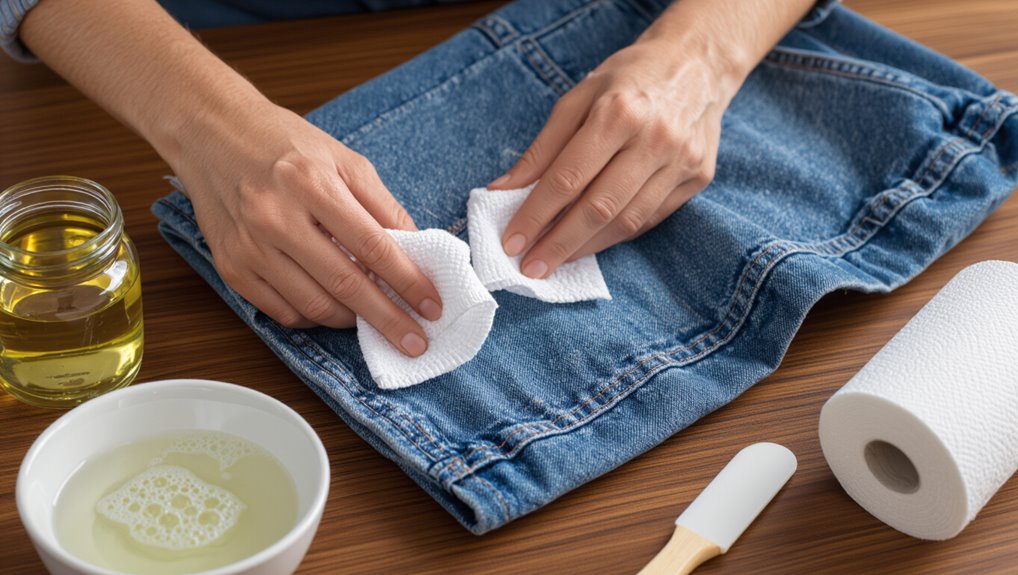
Act quickly: blot any excess paint with a clean, dry cloth or paper towel—don’t rub, which will spread the stain—and scrape off thicker globs gently with a spoon or dull knife.
Then loosen remaining paint with a solvent-safe cloth, working outward to limit paint absorption.
Pretreat the area with a stain prevention solution or mild detergent, and launder per garment care once the solvent has evaporated.
How Oil-Based Paint Differs From Water-Based Paint
Because oil-based paints use organic solvents and oils as their carrier, they behave very differently from water-based (latex) paints: they dry by oxidation and solvent evaporation, are more durable and stain-resistant, but they’re harder to clean and require mineral spirits or paint thinner to remove, whereas water-based paints rinse out with soap and water when still wet.
| Feature | Effect |
|---|---|
| Paint properties | Solvent vs water |
| Drying | Oxidation vs evaporation |
| Paint adhesion | Stronger vs weaker |
Which Fabrics Can You Safely Treat?
Start by checking the fabric type—natural fibers like cotton and linen usually tolerate solvent-based treatments better than delicate synthetics.
Confirm heat sensitivity on the garment tag before using any solvent or hot water, since some fabrics can melt or discolor.
Always test your chosen pre-treatment on a hidden seam to make sure the fabric and dye hold up.
Fabric Type Guide
Different fabrics tolerate oil-based paint removal differently, so you’ll want to identify the material before you treat it.
Check labels for fabric care and test solvents on an inconspicuous spot to avoid damage. Cotton and denim usually handle gentle solvent work; synthetics and blends need milder approaches.
Delicate fibers like silk, wool, and embellished items often require professional help to guarantee stain prevention and preserve fabric.
Heat Sensitivity Check
If you’re unsure whether a fabric can handle heat during paint removal, check the care label and feel for texture—natural fibers like cotton and denim usually tolerate warm water and gentle heat, while synthetics, blends, and delicates can warp, shrink, or melt under higher temperatures.
You’ll test a hidden seam first, observe fabric reactions, and choose low-heat methods for heat sensitivity.
Pre-Treatment Safety
Before you reach for solvents or scrapers, identify which fabrics you can safely treat: sturdy natural fibers like cotton, linen, and canvas usually stand up to solvents, scraping, and gentle agitation, while delicate silks, sequined or beaded garments, leather, suede, and some synthetics (like acetate or certain polyesters) can be damaged by chemicals, heat, or abrasion.
Test inconspicuous spots, follow pre treatment methods, and heed safety precautions.
Safety First: Ventilation, Gloves, and Solvent Rules
When you’re tackling oil-based paint, prioritize safety: work in a well-ventilated area, wear chemical-resistant gloves, and follow solvent instructions to avoid inhalation, skin contact, and fire hazards.
Check labels, use respirators if needed, and keep a fire extinguisher nearby.
Practice safety precautions: store solvents in labeled, sealed containers away from heat, and never mix chemicals.
Dispose of rags safely.
Emergency: Removing Fresh Wet Oil-Based Paint
Although it’s urgent, act quickly and deliberately: blot away excess oil-based paint with a clean, absorbent cloth or paper towel without rubbing, then sprinkle a little talc or cornstarch to lift more wet pigment.
Have emergency supplies ready and take quick actions:
- Protect surrounding fabric
- Use absorbent powder
- Contain contaminated cloths
- Seek appropriate solvent guidance
How to Blot and Scrape Without Spreading the Stain
Now that you’ve blotted away excess paint and applied absorbent powder, focus on removing the remainder without spreading it further.
Use gentle blotting techniques—press don’t rub—with clean paper towels, working from the garment’s edge toward the center.
For scraped areas, employ a blunt plastic scraper at a shallow angle to lift dried paint bits.
Dispose of debris promptly and reapply powder as needed.
Household Solvents That Remove Oil-Based Paint (Turpentine, Mineral Spirits)
When choosing a solvent, pick one labeled for oil-based paints—turpentine and mineral spirits work well but vary in strength.
You’ll want to work in a well-ventilated area, wear gloves, and avoid open flames while you treat the stain.
Apply the solvent sparingly to a cloth and blot from the outside in, switching to clean cloths as the paint lifts.
Choosing The Right Solvent
Picking the right solvent makes the difference between saving a favorite shirt and ruining it, so you’ll want to know what turpentine and mineral spirits do and when to use each.
Choose based on fabric, paint age, and odor sensitivity. Consider solvent types and application methods:
- Turpentine: stronger, natural
- Mineral spirits: milder, less odor
- Test on seam
- Blot, don’t rub
Safety And Ventilation
Because turpentine and mineral spirits release strong fumes and can irritate your skin, you should always work where fresh air circulates and wear gloves and eye protection.
Open windows, run a fan, and position yourself upwind as ventilation tips.
Use nitrile gloves, safety gear like goggles and a respirator rated for organic vapors, and store solvents in sealed containers away from heat.
Application And Blotting Techniques
Start by laying the garment flat on a protected surface and test turpentine or mineral spirits on an inconspicuous seam to confirm colorfastness; if the fabric holds up, dab a small amount onto a clean white cloth and gently blot the paint—press, don’t rub—to lift softened oil-based paint toward the cloth, switching to a fresh area as it transfers.
- Use controlled application methods
- Work outward from edges
- Replace cloth sections often
- Follow precise blotting techniques
Which Solvent to Use by Fabric Type?
When you’re choosing a solvent, match it to the fabric’s fiber and finish so you don’t damage the garment while removing the paint.
For delicate fibers (silk, wool) use milder, fabric compatibility–focused solvents like mineral spirits sparingly; for sturdy cotton, canvas or denim, stronger options (turpentine, acetone alternatives) offer greater solvent effectiveness.
Always follow care labels and rinse thoroughly.
How to Test a Solvent on Fabric Safely
Now that you’ve matched a solvent to the fabric, you should check how that solvent affects the garment itself before treating the stain.
You’ll verify fabric compatibility and test common solvent types safely. Pick an inconspicuous spot and:
- Blot a tiny amount, don’t soak
- Wait five minutes, then blot again
- Check for color change or damage
- Rinse and air dry before proceeding
Solvent Spot-Treatment Steps (Step‑by‑Step)
Work methodically and don’t rush: place the stained area face down on absorbent paper, protect the surrounding fabric with a clean cloth, then apply a small amount of your chosen solvent to the stain’s back edge so the paint is pulled out of the fibers toward the paper.
Blot, rotate paper, repeat with appropriate solvent types, then launder after stain treatment.
Using Commercial Paint and Stain Removers Safely
When choosing a commercial paint or stain remover, pick one formulated for oil-based paints and safe for the fabric you’re treating.
Read and follow the product’s label and safety instructions, including ventilation, gloves, and eye protection.
Test the remover on an inconspicuous seam first to confirm it won’t damage or discolor the garment.
Choose The Right Remover
Although you might be tempted to grab the first solvent you see, picking the right commercial paint or stain remover is essential for removing oil-based paint without damaging fabric.
Know remover types and appropriate application methods before you start. Consider:
- Solvent strength vs. fabric sensitivity
- Spray, gel, or wipe formats
- Test an inconspicuous spot
- Follow dwell time recommendations
Follow Safety And Instructions
Before you apply any commercial remover, read the label and follow the manufacturer’s safety instructions precisely; they’ll tell you required ventilation, protective gear, and safe disposal so you don’t worsen the stain or harm yourself.
Wear appropriate safety gear—gloves, goggles, and respiratory protection—work outdoors or ventilated areas, and keep sparks away.
Store leftover solvents in labeled, sealed containers with correct solvent storage and dispose of waste per instructions.
Removing Partially Dried Oil-Based Paint: What Changes
If you’ve let oil-based paint sit long enough to start setting, you’ll need to change tactics: partially dried paint bonds more firmly to fibers and resists simple solvent wipes.
You should act based on drying time and fabric. Try these steps:
- Gently scrape excess without spreading
- Apply stronger solvent sparingly
- Blot; don’t rub
- Pre-treat with degreaser before laundering
Techniques for Fully Dried or Cured Oil-Based Paint
When paint has fully cured, you’ll need to switch to mechanical and intensive chemical methods because the binder has hardened and won’t dissolve easily; scrape gently with a blunt tool.
Then test solvent effectiveness on a hidden seam using mineral spirits, paint thinner, or commercial remover.
Work from the garment’s reverse, blot rather than rub, repeat testing, and launder only after you’ve removed as much dried paint as possible.
Pretreating Oil-Based Paint Stains Before Laundering
Start by evaluating the stain’s size, location, and how long it’s been set so you can choose the right pretreatment.
Begin by assessing the stain’s size, location, and age to determine the proper pretreatment.
You’ll want to break up paint adhesion gently, avoid spreading, and address stain setting quickly.
Try these steps:
- Scrape excess carefully
- Blot with solvent-safe cloth
- Test solvent on seam
- Work from edges inward
Best Detergents and Additives for Oil-Paint Laundry
Choose a heavy-duty liquid detergent with enzymes and a high surfactant content to help lift residual oil-based paint. You’ll want options proven for detergent effectiveness; additives like oxygen bleach or a stain booster improve solvent action and additive benefits without harming fabric. Test first.
| Detergent | Additive | Use |
|---|---|---|
| Enzymatic | Oxygen bleach | Boosts lift |
| Heavy-duty | Stain booster | Increases penetration |
| Solvent-safe | Laundry solvent | Targets oil |
Machine Wash vs. Hand Wash for Paint-Stained Clothes
Although hand washing gives you more control over stubborn oil-based paint spots, machine washing can save time and handle light residues if you pre-treat properly.
You’ll choose based on fabric care and stain severity, balancing washing techniques and treatment methods.
Consider these steps:
- Pre-treat with appropriate cleaning solutions
- Scrape excess paint first
- Test stain removal on a hidden area
- Use repeat cycles for persistent paint stains
Removing Paint From Delicate Fabrics (Silk, Wool, Rayon)
Check the care label first so you know if the fabric can tolerate solvents or water.
Test any solvent on an inconspicuous spot before treating the stain.
Use a gentle spot treatment with minimal rubbing to lift paint without damaging the fibers.
Assess Fabric Care Label
Before you try any solvent or scrubbing, look at the fabric care label to confirm fiber content and cleaning instructions—silk, wool, and rayon often require special handling or professional cleaning.
Check label symbols and recommended temperatures. Prioritize stain prevention and avoid abrasive methods that ruin fibers.
Consider these steps:
- Note fiber type and wash code
- Identify dry-clean only
- Avoid bleach
- Seek pro cleaning advice
Test Solvent First
Start by testing any solvent on an inconspicuous seam or hem to make sure it won’t damage the delicate fibers; silk, wool, and rayon can discolor, shrink, or lose finish when exposed to harsh chemicals.
You’ll evaluate solvent effectiveness and fabric compatibility before wider use. Use a cotton swab, wait full drying, then inspect for color change or texture loss; discard if adverse.
Gentle Spot Treatment
When you find oil-based paint on silk, wool, or rayon, treat the spot gently to avoid stretching, pilling, or color loss; work from the garment’s reverse side when possible, blotting—don’t rub—with a clean white cloth to lift loosened paint.
Use careful spot treatment techniques and check fabric compatibility.
- Test solvent on hidden seam
- Blot with solvent-damp cloth
- Rinse gently with cool water
- Air dry flat
Treating Shoes, Canvas, and Workwear With Oil-Based Paint
Shoes, canvas items, and heavy workwear each demand a different approach for oil-based paint removal because of their materials and construction.
So you’ll want to pick methods that balance effectiveness with preserving shape and finish. For shoe materials, test solvent on inconspicuous areas.
Canvas tolerates scraping, brushing, and solvent; rinse thoroughly.
Canvas handles scraping, brushing, and solvents well — just rinse thoroughly afterward.
For workwear, pretreat seams and pockets, use degreaser-compatible solvent, then launder.
Dry-Cleaning: When to Use It and What to Tell the Cleaner
If the paint stain is large, set-in, or on a delicate fabric you don’t want to treat at home, you should opt for professional dry-cleaning.
Tell the cleaner it’s oil-based paint, when it got on the garment, and any home treatments you already tried. That info helps them choose the right solvent and avoid accidentally setting the stain.
When To Choose Dry-Cleaning
Although you can often treat fresh oil-based paint at home, some garments need professional care; choose dry-cleaning for delicate fibers, structured pieces, or items labeled “dry clean only.”
You’ll want a quick stain assessment and to evaluate dry cleaning benefits like solvent strength and garment protection.
- Delicates (silk, wool)
- Tailored/structured garments
- Vintage or irreplaceable pieces
- Large, set-in stains
What To Tell The Cleaner
When you bring an oil-based paint stain to the cleaner, be specific about what happened, where the stain is, how long it’s been there, and any home treatments you’ve already tried so they can choose the right solvent and process.
Tell them paint type, garment fiber, and any colorfastness concerns.
Ask about fabric care steps and any stain prevention tips for future projects.
DIY Stain Mixes Using Household Items (Vinegar, Dish Soap, Baking Soda)
Since oil-based paint can set fast, you’ll want to act quickly and use simple household mixes—vinegar, dish soap, and baking soda each play a different role: vinegar loosens dried paint, dish soap cuts grease, and baking soda provides gentle abrasion.
Try these DIY mixes and test first:
- Vinegar solution: soak, blot, repeat
- Dish soap paste: apply, agitate gently
- Baking soda scrub: sprinkle, rub
- Combo soak: vinegar + dish soap
Removing Paint Transfer From Seams, Zippers, and Labels
Check seams and stitching closely, since paint often hides in thread and folds.
Gently clean around zippers to avoid pushing paint into the hardware, and use a soft brush or cotton swab for precision.
Treat labels carefully—test a small area first and blot rather than rub to protect printing and fabric.
Inspect Seams And Stitching
Seams, zippers, and labels often trap oil-based paint in tight fibers and crevices, so inspect them carefully before treating the rest of the garment.
You’ll do a seam inspection to locate spots and check stitching integrity.
Then:
- Gently lift threads to expose paint
- Use a soft brush to loosen flakes
- Test solvent on an inconspicuous area
- Blot—don’t rub—paint transfers
Clean Around Zippers
Now focus on zippers, labels, and tight seam lines where paint often transfers; these areas need careful, targeted cleaning because solvent and scrubbing can damage hardware or stitching.
Use a cotton swab dipped in solvent to dab paint, blot with a clean cloth, and avoid saturating. Work slowly along seams, protecting zipper teeth.
Regular zipper care helps paint prevention and prolongs garment life.
Treat Labels Carefully
Because labels and tag seams are delicate, you’ll want to treat paint transfer with gentle, targeted action to avoid fraying or loosening stitches.
Assess fabric considerations first, then try conservative treatment options. Work with a cotton swab and solvent sparingly, blotting outward. If unsure, test hidden areas and consult a pro.
- Cotton swab
- Mild solvent
- Blotting motion
- Professional help
Colorfastness Checks and Fabric-Specific Precautions
Wondering whether that fabric can handle solvents and scrubbing? You should do colorfastness testing on an inconspicuous spot before treating stains.
For delicate fibers—silk, wool, rayon—follow fabric precautions: blot gently, use milder solvents, and limit agitation. Always let test spots dry to check for discoloration.
If color shifts or fibers weaken, consult a professional cleaner rather than proceeding yourself.
Common Mistakes That Make Oil-Based Paint Stains Worse
If you rush in or use the wrong products, you’ll often make an oil-based paint stain harder or impossible to remove.
Don’t repeat common removal myths; act calmly and follow stain prevention tips.
Don’t fall for removal myths—stay calm, follow prevention tips, and treat stains correctly.
Avoid these errors:
- Rubbing spread the stain
- Using water-only on fresh oil paint
- Applying bleach on unknown fabrics
- Waiting too long to blot and pretreat
DIY vs. Professional Restoration: Cost, Time, and Success Rates
How much effort do you want to invest: tackle the stain yourself or hire a pro? You’ll weigh cost comparisons, time efficiency, DIY effectiveness and professional options. DIY can save money but lowers success rates on set stains; pros use advanced restoration techniques with higher success rates and faster turnaround for higher fees.
| Option | Time | Success |
|---|---|---|
| DIY | Variable | Moderate |
| Pro | Faster | Higher |
Quick Flowchart: Pick the Right Method by Stain Age & Fabric
Start by checking two things: how old the stain is and what fabric you’re treating, since those determine the safest, most effective removal path.
First check how old the stain is and what fabric you’re treating — it guides the safest removal method.
Use this quick flowchart to decide:
- Fresh, washable fabric: blot, solvent, launder.
- Dried, sturdy fabric: scrape, solvent, repeat.
- Delicate: test solvent, spot-treat, professional if unsure.
- Leather/suede: professional only.
Include stain prevention tips and basic fabric care.
Frequently Asked Questions
Can Oil-Based Paint Fumes Linger on Clothing After Stain Removal?
Yes—you can still notice fumes after stain removal, especially on porous fabric types; they’ll retain solvent smell via fume absorption. You should air, launder repeatedly, or use odor absorbers to remove lingering solvent odors.
Will Paint Removers Ruin Waterproof or Flame-Resistant Treatments?
About 60% of treated workwear loses protection if cleaned improperly—so yes, paint remover safety matters: you’ll risk fabric integrity and void treatments unless you test a hidden patch, use mild products, and follow manufacturer guidelines.
How Long After Treatment Should I Wait Before Ironing the Garment?
Wait at least 24 hours after treatment so residues fully dry; you’ll check iron settings for fabric types—use low for synthetics, medium for blends, high for cotton/linen, and test a hidden seam before pressing.
Can Pet Saliva or Skin Oils Reactivate Paint Stains on Fabrics?
Yes — think of a settled dust storm stirred by a paw; pet saliva or skin oils can reactivate paint stains. You’ll want paint stain prevention and diligent fabric care so oils don’t revive dried pigments.
Are There Eco-Friendly Solvent Disposal Guidelines for Household Users?
Yes — you should follow local hazardous-waste rules, use eco friendly alternatives like citrus or soy solvents, never pour solvents down drains, store wastes sealed, and explore solvent recycling programs or community collection events near you.
Conclusion
Like a tiny storm clearing on a window, take quick, calm steps: ventilate, glove up, and test a hidden seam before you treat. Fresh spills lift like morning mist with solvent and blotting; dried spots may need scraping and stronger cleaners or pros. Treat delicate fabrics with extra care or hand them to specialists. With patience and the right method, the stain will fade into memory—your garments bright again, like sunlight through glass.
