
Can You Paint Over Mold: Why It’s Risky and What to Do Instead
You shouldn’t paint over visible mold because you’ll trap spores and moisture, which lets it regrow and can worsen structural damage and health risks. First fix leaks and dry the area, then scrub or remove contaminated material, disinfect, and dry fully before priming with a mildew-resistant primer and using moisture-shedding paint. Wear PPE and document the work. If the problem’s extensive or keeps returning, consider professional remediation — keep going to learn how to handle each step safely.
Can You Paint Over Mold?
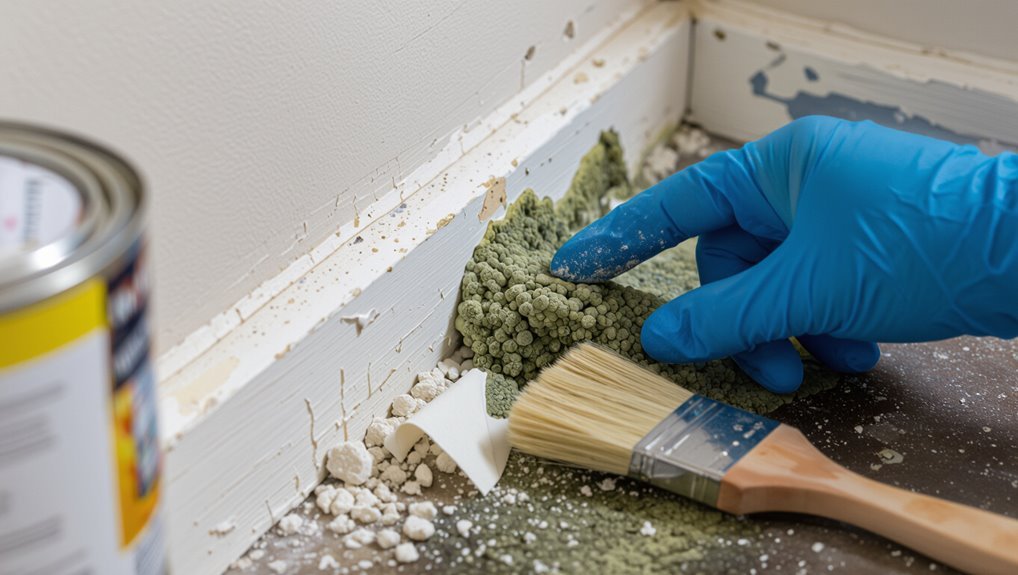
Can you paint over mold? You shouldn’t just cover it; you’ll trap spores and worsen damage.
Focus on mold prevention first: fix leaks, dry surfaces, and clean with appropriate solutions.
Prioritize mold prevention: stop leaks, thoroughly dry areas, and clean surfaces with the right solutions.
If you’ve removed growth and guaranteed dryness, select proper painting techniques—use mold-resistant primer and paint, apply even coats, and guarantee ventilation.
Always prioritize remediation over quick cosmetic fixes.
Quick Answer: When Paint Is Okay – And When It Isn’t
If you’ve properly removed mold, fixed the moisture source, and fully dried the area, painting can be acceptable in some cases—but only with the right prep and products.
You should confirm with mold identification techniques, clean and prime with an antimicrobial primer, and use mildew-resistant paint.
Don’t skip sealing gaps.
Combine painting with prevention strategies to keep the problem from returning.
Why Painting Over Mold Usually Makes Things Worse
Even when you think a quick coat will hide the stains, painting over mold usually makes the problem worse because it traps moisture and spores beneath the surface, allowing the colony to regrow out of sight.
You’ll seal in active mold growth, mask different mold types, and delay proper remediation. That lets structural damage and health risks worsen while you think the issue’s fixed.
How Mold Behaves Under Paint and Primer
When mold gets covered by paint or primer, it doesn’t die — it keeps feeding and spreading beneath the coating, often lifting or staining the finish as it goes.
You’ll see bubbling, blistering, and discoloration as mold growth breaks the film. That hidden activity undermines paint adhesion, causing peeling and recurrent visible infestations unless you remove and remediate the mold first.
Health Risks of Covering Active Mold
Although painting over active mold might seem like a quick fix, you’re actually trapping spores and toxins that can circulate in your home and harm occupants’ health. You risk mold health impacts: respiratory issues, allergic reactions, skin irritation, long term effects, and even mental health strain from chronic symptoms.
| Symptom | Severity | Notes |
|---|---|---|
| Coughing | Moderate | Worsens asthma |
| Rash | Mild | Skin irritation |
| Fatigue | Variable | Long term effects |
| Anxiety | Variable | Mental health impacts |
Common Causes of Mold Returning After Painting
If you skip fixing the underlying moisture and only paint over visible mold, it’ll almost always come back—because paint seals spores in but doesn’t stop damp, condensation, leaks, or poor ventilation that feed growth.
You need to identify water sources, dry and clean surfaces, and improve airflow. Without addressing causes, mold growth resumes.
Use targeted prevention strategies like dehumidifiers, repairs, and regular inspections.
Is This Surface Staining or Active Mold?
Curious whether that dark patch is just a stubborn stain or active mold? You need quick surface identification using mold characteristics: texture, odor, spread, moisture, and color.
Check:
- fuzzy or powdery texture
- musty smell
- edges that grow over time
- dampness or water source
- varied colors (black, green, white)
If signs match, treat it as active mold.
Tools and Safety Gear for Safe Inspections
Before you start, make sure you’ve got the right personal protective equipment—gloves, an N95 or better mask, and eye protection—to keep spores off your skin and out of your lungs.
Bring basic inspection tools too: a flashlight, moisture meter, and a small scraper or probe to check hidden spots.
That checklist will help you assess whether the issue is just a stain or an active mold problem.
Personal Protective Equipment
One essential step in any mold inspection is equipping yourself with the right personal protective equipment (PPE) so you don’t breathe spores or contaminate other areas.
You’ll follow protective gear and safety protocols:
- N95 or P100 respirator
- Disposable coveralls
- Gloves (nitrile)
- Eye protection (goggles)
- Shoe covers
Wear, inspect, and discard PPE properly to prevent spread.
Inspection Tools Checklist
Having your PPE on is only the start; you’ll also need the right tools to inspect mold safely and thoroughly.
Bring a flashlight, moisture meter, hygrometer, magnifier, probe, tape measure, and camera for documentation.
Use disposable sampling swabs or air test kits if needed.
Keep gloves, N95 or respirator cartridges, and plastic bags for contaminated material.
These inspection tools streamline mold inspection and guarantee safer decisions.
Quick Visual Checks to Find Hidden Mold
Check walls, ceilings, and baseboards for moisture stains or unexplained discoloration, since those are common signs mold is hiding nearby.
If a room or closet smells musty even when it looks clean, trust your nose and inspect hidden areas like behind furniture and inside cabinets.
Take photos of suspect spots and mark where odors are strongest before you start any cleanup.
Moisture Stains And Discoloration
If walls or ceilings show irregular dark patches, yellowing, or rings around fixtures, you should treat them as potential mold hot spots until proven otherwise.
Check moisture stains and discoloration promptly; prioritize moisture control and avoid casual stain removal that hides growth.
Look for:
- clustered dark specks
- haloed rings
- peeling paint
- persistent dampness
- past leaks or drips
Musty Odor Detection
Moisture stains often come with a telltale musty smell, so follow your nose when visual clues aren’t obvious.
Check closets, under sinks, behind appliances, and attic insulation for musty odor sources. Lift carpets and inspect baseboards; use a flashlight to spot discoloration.
For reliable mold odor detection, sniff slowly, note persistent odors, and mark areas for professional testing rather than painting over them.
Moisture Tests to Confirm Ongoing Dampness
Before you decide whether paint can cover a mold problem, confirm there’s no ongoing dampness by running simple moisture tests around the affected area.
Before painting over mold, always check for ongoing dampness with simple moisture tests around the area.
You’ll perform a moisture assessment and dampness detection to find leaks or condensation.
Try quick checks:
- Touch-test for cold, clammy spots
- Use a handheld moisture meter
- Tape a plastic square for 24 hours
- Inspect for peeling paint
- Check nearby vents and pipes
When Mold Is on Paintable Versus Porous Materials
Once you’ve ruled out ongoing dampness, look at what surface the mold is growing on — that determines whether you can safely clean and repaint or need to replace material.
If it’s on painted, nonporous surfaces you can often remove stains with proper surface treatment and address mold types with cleaners.
Porous materials trap spores; they usually warrant replacement rather than simple repainting.
When to Clean Versus When to Replace Materials
If the mold is limited to a hard, nonporous surface and you’ve fixed the underlying leak or humidity issue, you can usually clean and repaint rather than replace; however, if mold has penetrated porous materials, left stains after cleaning, or covered more than about 10 square feet in a single area, you’re better off removing and replacing the affected material to protect your health and prevent recurrence.
- Assess extent and location
- Use proper cleaning techniques
- Wear PPE and contain area
- Follow replacement criteria for porosity or staining
- Call pros for large or recurring infestations
How Effective Are Mold‑Resistant Paints and Primers?
Mold-resistant paints and primers can slow future growth but won’t fix active or hidden mold problems, so you shouldn’t rely on them as a cure-all.
Use a mold-resistant primer when sealing cleaned, porous surfaces or before painting in high-humidity areas to improve protection and adhesion.
Remember that proper cleanup and moisture control are still the primary defenses against mold.
Limits Of Mold‑Resistant Paints
While mold-resistant paints and primers can slow mold growth on surfaces, they won’t stop it entirely when moisture problems persist.
You should treat root causes first and know paint limits. Consider:
- Use mold prevention strategies, not just coatings
- Fix leaks and humidity
- Clean and dry surfaces thoroughly
- Watch for paint adhesion issues on damaged substrates
- Regularly inspect treated areas
When Primers Help
When you’re dealing with clean, dry surfaces and the underlying moisture issue is fixed, primers formulated with antimicrobial agents can greatly reduce the chance of mold returning by creating a less hospitable surface for spores to take hold. You’ll see improved primers effectiveness against surface mold growth, but they’re not a cure—fix moisture first, then prime and paint.
| Type | Benefit | Limit |
|---|---|---|
| Shellac | Seals | Toxic fumes |
| Latex | Easy | Less barrier |
| Alkyd | Durable | Costly |
| Antimicrobial | Reduces spores | Not permanent |
| Vapor | Blocks | Installation needed |
Why Mold‑Resistant Paint Is Not a Remediation Method
Because paint can slow future growth but won’t remove existing mold, you shouldn’t treat mold-resistant paint as a fix for contaminated surfaces.
You need remediation, not cosmetic coverups. Don’t fall for mold myths or paint misconceptions. Consider these limits and actions:
- Masks visible stains but not roots
- Doesn’t kill spores embedded in drywall
- Hides odor temporarily
- Needs dry, cleaned substrate
- Use remediation first, then paint
Triage: What to Do Immediately If You Find Mold
Act quickly but safely: stop using the affected area, ventilate by opening windows if you can do so without spreading spores to other rooms, and avoid touching or brushing the mold so you don’t kick up spores.
Next, document location and mold types with photos, limit access, turn off HVAC, and choose immediate actions: call a pro for extensive growth or follow guidance for small, contained issues.
How to Clean Small Mold Patches on Non‑Porous Surfaces
Now that you’ve isolated the area and limited access, you can tackle small mold patches on non‑porous surfaces yourself if the infestation is minor.
Use mold identification techniques, wear PPE, and choose appropriate cleaning solutions.
Follow steps:
- Ventilate the space
- Put on gloves and mask
- Apply cleaner and scrub
- Rinse and dry thoroughly
- Monitor for recurrence
Removing Mold From Drywall Before Repainting
Before you repaint, you need to find and fix the moisture source so mold doesn’t come back.
Next, you’ll clean and disinfect the affected drywall thoroughly to remove spores and stains.
Finally, repair any damaged areas and apply a suitable primer before painting.
Assess Moisture Source
If you’re going to remove mold from drywall and repaint, first find and fix the moisture source that let the mold grow in the first place.
You’ll inspect leaks, ventilation, and condensation to guarantee lasting moisture control and humidity management.
Check these areas:
- Roof and flashing
- Plumbing and pipes
- Windows and seals
- Exhaust fans
- Foundation and grading
Clean And Disinfect
Start by removing loose mold and debris with a damp cloth or soft brush so you don’t spread spores.
Then clean the area with a detergent solution to lift surface soil.
After drying, disinfect using a diluted bleach or commercial fungicide per label instructions.
You’ll follow proper mold removal steps and careful surface preparation to guarantee repainting won’t trap live spores or hide staining.
Repair And Prime
Patch any damaged drywall and seal repairs thoroughly so the surface’s integrity is restored before priming.
You’ll use proper repair techniques, replace compromised sections, and follow safe priming methods to block stains and spores. Prepare and prime only once dry.
- Cut out soft drywall
- Treat remaining mold
- Use mold-resistant compound
- Sand smooth
- Apply stain-blocking primer
Handling Mold on Wood Trim and Baseboards
Wood trim and baseboards need prompt attention when mold appears because the moisture that feeds mold can quickly damage both finish and substrate. You should stop leaks, dry surfaces, and remove visible mold with a gentle cleaner. Consider appropriate wood treatment and repair before repainting.
| Step | Action | Note |
|---|---|---|
| 1 | Dry | Prevent mold growth |
| 2 | Clean | Use mild solution |
| 3 | Treat | Apply wood treatment |
Treating Moldy Tile and Grout Before Sealing or Paint
Before you seal or paint tile, assess how much mold is in the grout and whether the substrate is sound.
Clean grout thoroughly with an appropriate cleaner or a diluted bleach solution, scrubbing until stains and spores are removed.
Once it’s dry and mold-free, apply a proper sealer or paint formulated for tiled surfaces to lock out moisture and prevent regrowth.
Assess Mold Extent
Start by sizing up how much mold you’re dealing with on the tile and grout so you can pick the right treatment and safety measures.
Use mold identification techniques and mold inspection methods to decide next steps.
Check for:
- Visible staining extent
- Soft or crumbling grout
- Odor presence
- Water source nearby
- Spread beyond the tiled area
Clean Grout Thoroughly
Scrub the grout with a targeted cleaner and a stiff brush so the surface is free of mold, mildew, and residue before you consider sealing or painting. You’ll focus on grout cleaning to remove spores, rinse thoroughly, dry completely, and repeat spots as needed for effective mold prevention.
| Step | Action |
|---|---|
| 1 | Apply cleaner |
| 2 | Scrub grout |
| 3 | Rinse well |
| 4 | Dry fully |
| 5 | Reinspect |
Use Proper Sealers
Now that the grout’s clean and dry, you’ll want to protect it with the right sealer so mold won’t return under a new coat of paint or finish.
Choose products and apply correct sealing techniques for lasting mold prevention.
- Pick penetrating grout sealer
- Confirm full cure time
- Apply thin, even coats
- Re-seal high-moisture areas yearly
- Test compatibility with paint
When You Must Remove and Replace Contaminated Materials
Although small, non-porous surfaces with light mold can often be cleaned and sealed, you must remove and replace materials that are heavily contaminated, water-damaged, or porous—like drywall, insulation, ceiling tiles, and carpet—because mold can penetrate their structure and won’t be fully eliminated by painting. Follow replacement guidelines based on mold types and visible damage.
| Material | Action |
|---|---|
| Drywall | Replace |
| Carpet | Discard |
How to Dry and Dehumidify a Room Before Painting
Before you paint, make sure the space is thoroughly dry and humidity is controlled so paint bonds properly and hidden mold doesn’t regrow.
You’ll need to focus on humidity control and improving air circulation before painting. Follow practical steps:
- Run a dehumidifier until readings are stable
- Open windows to boost air circulation
- Use fans to direct airflow
- Fix leaks promptly
- Monitor with a hygrometer
Choosing the Right Primer and Paint After Remediation
With the room dry and humidity controlled, pick primers and paints made to resist moisture and inhibit mold so your repair work stays protected.
Choose primer types labeled mildew-resistant or stain-blocking, and use high-quality latex or epoxy primers for porous surfaces.
Select paint finishes that shed moisture—satin, semi-gloss, or gloss—for bathrooms and basements, and follow manufacturer recoat and cure guidance.
Surface Prep Checklist Before Repainting Mold Areas
Once you’ve remediated the mold and confirmed the space is dry, prepare the surface thoroughly so new paint will adhere and the mold won’t return.
Inspect and note mold type identification, then choose appropriate surface treatment options.
Inspect and note the mold type, then select the correct surface treatments for safe, effective restoration
Follow this checklist:
- Remove remaining residue with detergent
- Sand damaged areas
- Repair and seal cracks
- Clean with HEPA vacuum
- Verify full drying before painting
How to Apply Sealers and Primers to Reduce Recurrence
Even after you’ve removed mold and repaired surfaces, applying the right sealer and primer correctly is essential to stopping regrowth; choose products labeled for mold resistance and follow manufacturer’s instructions for coverage, drying time, and compatible topcoats.
For effective sealer application, work in thin, even coats, ventilate, and allow full cure.
Base your primer choice on substrate and finish to guarantee adhesion and moisture blocking.
Short‑Term Fixes Versus Long‑Term Prevention Strategies
Applying the right sealer and primer helps reduce mold’s chances of coming back, but you’ll also need to balance quick fixes against long-term solutions.
You’ll use temporary solutions for immediate control, but prioritize mold prevention techniques for lasting safety.
- Clean visible spots promptly
- Use mold‑inhibiting products
- Isolate affected areas
- Monitor humidity levels
- Schedule professional assessment
Home Ventilation, Insulation, and Leak Fixes That Prevent Mold
When you control airflow, insulation, and leaks, you remove the moisture mold needs to grow.
You should install balanced ventilation systems, seal gaps, and choose proper insulation materials to reduce condensation.
Prioritize leak prevention by inspecting roofs, pipes, and flashing, and fix issues promptly.
Consistent moisture control and routine checks stop mold before it starts, saving repairs and health risks.
Household Products That Help Prevent Mold Growth
You can use simple household items to cut mold risk before it starts.
Vinegar and baking soda work for routine cleaning. Hydrogen peroxide is useful for tougher spots, and commercial mold inhibitors offer longer-term protection.
I’ll explain how and when to use each so you get effective, safe results.
Vinegar And Baking Soda
Vinegar and baking soda make a cheap, effective one-two punch against surface mold: vinegar’s acidity kills many mold spores on contact, while baking soda deodorizes, absorbs moisture, and scrubs residue away.
Use these vinegar benefits and baking soda tips to prevent regrowth:
- Spray white vinegar on affected areas
- Let sit 1 hour
- Scrub with baking soda paste
- Rinse, dry thoroughly
- Repeat weekly
Hydrogen Peroxide Uses
Hydrogen peroxide tackles mold by releasing oxygen that breaks down spores and lifts stains, making it a practical, low-cost option for non-porous surfaces. You can apply 3% hydrogen peroxide for mold removal, let it fizz, scrub gently, then rinse. It complements other cleaning solutions for routine prevention; avoid porous materials.
| Use | Benefit |
|---|---|
| Spray | Kills spores |
| Scrub | Lifts stains |
| Rinse | Removes residue |
Commercial Mold Inhibitors
If you’ve used hydrogen peroxide for spot-cleaning, pairing it with commercial mold inhibitors can help keep treated areas mold-free longer.
You’ll find products for surfaces, paints, and HVAC systems that support mold prevention strategies and commercial applications.
Consider these options:
- Surface sprays
- Paint additives
- Primer inhibitors
- HVAC treatments
- Moisture-absorbing sachets
DIY Cleanup and Repaint Costs Versus Professional Remediation
Wondering whether you should tackle mold cleanup and repainting yourself or hire a pro?
You’ll weigh DIY Cleanup Costs—cleaners, sealants, personal protection, disposal, and time—against Professional Remediation Costs like inspection, containment, and guaranteed removal.
DIY may save money for small, surface cases, but can miss hidden mold.
DIY can cut costs on visible mold, but you risk overlooking hidden growth that needs professional removal.
Estimate expenses, risks, and your skill honestly before deciding.
When to Call a Mold Remediation Professional
Knowing your budget and skill helps, but there are clear signs you should call a mold remediation professional. You’ll want expert assessment of mold types, containment techniques, remediation methods, and moisture sources.
Watch for persistent health symptoms and structural damage. Professionals recommend inspection frequency and repair strategies, and they provide prevention tips.
- Extensive coverage
- Recurring mold
- Hidden growth
- Adverse health
- Complex repairs
How to Document Mold and Remediation for Insurance or Resale
When you find mold, start by taking clear photos and videos that show the location, extent, and any timestamps or scale for reference.
Keep all remediation records, contractor licenses, before-and-after documentation, and receipts in one folder or digital file.
That paperwork will help with insurance claims and reassure future buyers that the issue was properly handled.
Photo And Video Evidence
How should you document mold and the remediation process so photos and videos hold up for insurance claims or a future sale? Use clear shots, timestamps, and narration referencing mold detection methods and visual inspection techniques.
Include:
- Wide room context
- Close-up spores or growth
- Before, during, after stages
- Timestamped video walkthroughs
- Scale reference (ruler, tape)
Remediation Records And Receipts
After you’ve captured thorough photo and video evidence, gather and organize all remediation records and receipts so they clearly back up the work shown in your visuals.
Keep invoices, contractor credentials, and notes on remediation methods together.
Timestamped files and a summary sheet showing costs, scope, and clearance testing prove documentation importance to insurers and buyers.
Store digital backups and originals safely.
Frequently Asked Questions
Can Mold Spores in HVAC Systems Reseed Cleaned Surfaces?
Yes — mold spores in HVAC systems can reseed cleaned surfaces if you don’t address the source. You should perform HVAC maintenance, clean ducts, replace filters, and use mold prevention measures so spores can’t recolonize interiors.
Can Painting Over Mold Void My Home Insurance Coverage?
Yes — painting over mold can void claims; you’ll risk mold insurance coverage implications if you conceal damage instead of remediating properly. Insurers may deny payouts for undisclosed or improperly repaired mold-related losses.
Do Houseplants Contribute to Indoor Mold Problems?
Yes — but don’t blame your aloe for world domination. You’ll unintentionally boost humidity and spores if you skimp on houseplants maintenance; control watering and ventilation for effective mold prevention, and you’ll keep plants and air healthy.
Can UV Lights Inactivate Mold on Painted Walls?
No — UV lights can reduce surface spores but won’t reliably inactivate mold on painted walls; you’ll need proper mold removal, moisture control, and cleaning. UV effectiveness is limited by shadowing, paint barriers, and exposure time.
How Long After Remediation Is It Safe for Allergy Sufferers to Occupy?
Like a sunrise after a storm, you can re-enter typically 24–48 hours after remediation timeline completion if visible mold and odors are gone, but wait longer if allergy symptoms persist; consult your remediator and physician.
Conclusion
You might be tempted to slap paint over mold like someone patching a hole with Elmer’s glue, but don’t. Painting active mold hides the problem, lets spores spread, and can make you sick. Clean and dry the area, fix leaks, and use proper cleaners or call a pro for extensive growth. Document what you find and the repairs for insurance or resale. Do the right prep first—cosmetics come after the health and structure are safe.
