
What Temperature for Exterior Painting – Ideal Weather Conditions Explained
You should paint exterior surfaces when temperatures are consistently between 50°F and 85°F (10°C–29°C), with low to moderate humidity, light winds, and dry conditions so paint can adhere and cure properly. Check both air and surface temps with a thermometer or infrared gun, avoid direct sun or late-day cooling that traps moisture, and postpone if rain or dew is likely within 24 hours. Keep these basics in mind and the rest of the guide will show practical tips and troubleshooting.
Quick Answer: Ideal Exterior Painting Temperatures
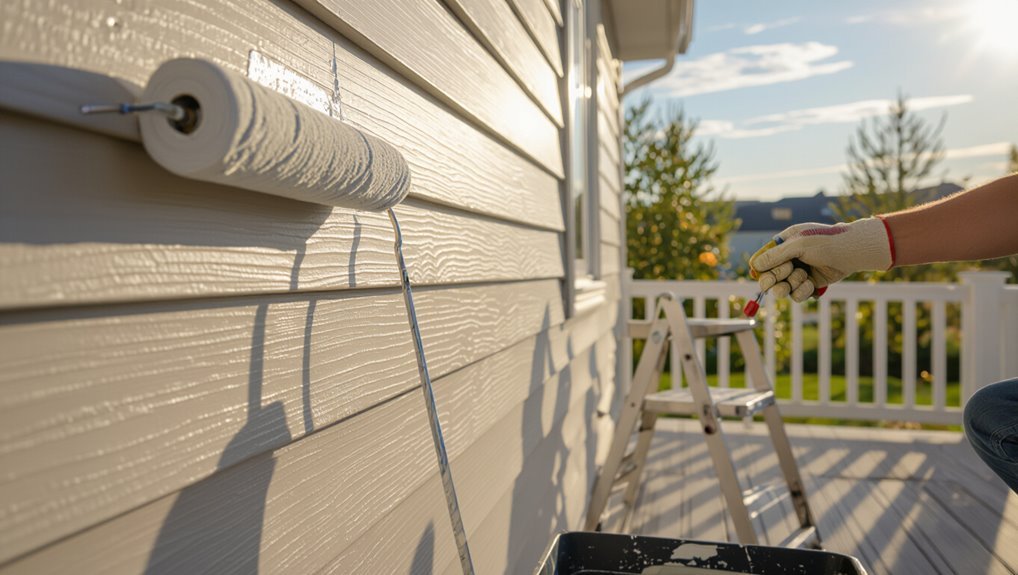
If you want reliable results, paint exteriors when temperatures stay between about 50°F and 85°F (10°C–29°C); most latex and acrylic paints cure best in that range and will adhere, dry, and resist cracking properly.
You should monitor exterior temperature considerations like overnight lows and surface temps, pick days with steady warmth and low humidity, and aim for ideal painting conditions to guarantee durable, even finishes.
Quick: Can You Paint Today? (Checklist)
Wondering whether you can paint today? Check temperature, humidity, and recent rain—ideal temps and low humidity protect Paint Quality.
Verify surfaces are clean, dry, and scraped; good Surface Preparation prevents peeling.
Verify surfaces are clean, dry, and scraped—proper surface preparation prevents peeling and ensures lasting paint.
Avoid painting in direct sun that overheats surfaces or near freezing nights.
If conditions meet these points, you can proceed; otherwise wait for steadier, recommended weather.
What Paint Labels Mean About Temperature Limits
Check the paint can before you start, because the label tells you the acceptable temperature range for both the air and the surface.
If either the ambient temperature or the substrate falls outside those limits, the paint may not cure properly or could fail later.
Use those numbers to decide whether you can paint now or need to wait for better conditions.
Paint Temperature Range
Paint labels list temperature limits for a reason: they tell you the minimum and sometimes maximum temperatures at which the paint will properly dry, cure, and adhere.
You should follow those ranges to avoid paint temperature effects like poor film formation or blistering.
Know a product’s temperature sensitivity; plan work within its specified range, and don’t force fast drying with heat or cold.
Surface And Ambient Limits
Those label temperature ranges actually refer to two different conditions: the air around you and the surface you’re painting.
You must handle both: guarantee surface preparation removes moisture and contaminants, and confirm the substrate is within paint’s specified range.
Use temperature monitoring for air and surface, avoid painting when either falls outside limits, and follow label guidance for curing and adhesion.
Why Surface Temperature Matters More Than Air Temperature
Even when the air feels warm, the temperature of the surface you’re painting controls how the coating dries and bonds. If the substrate’s too cold or hot, the paint can sag, blister, or fail to cure properly.
You’ll want to monitor surface temperature, not just air temperature. Consider risks:
- Poor adhesion
- Slow curing
- Blistering
- Uneven finish
Ideal Temperatures for Latex (Water-Based) Exterior Paint
Since the substrate temperature governs drying and adhesion, you’ll want to follow specific ranges for latex (water-based) exterior paints to get reliable results.
Aim for substrate between 50–85°F (10–29°C); latex paint shows temperature sensitivity outside that band. These ideal conditions shorten unpredictable drying times, improve film formation, reduce blistering, and guarantee adhesion.
Avoid painting on surfaces that’re too cold or hot.
Ideal Temperatures for Oil-Based and Alkyd Exterior Paint
When you’re working with oil-based or alkyd exterior paints, aim for a substrate temperature between 45–90°F (7–32°C) and keep the air temperature stable during application and curing; oils tolerate cooler conditions than latex but can thin out or sag if it’s too warm.
You’ll want predictable results and fewer touch-ups:
- Protect surfaces emotionally—pride.
- Choose calm conditions—confidence.
- Avoid extremes—relief.
- Finish strong—satisfaction.
How Humidity Affects Exterior Paint Drying and Curing
Although humidity doesn’t change the paint’s chemistry, it has a big impact on how quickly your exterior paint dries and cures; high moisture slows evaporation, prolongs tackiness, and raises the risk of running, blistering, or mildew.
Very low humidity can cause paint to skin over too fast and trap solvents underneath.
You should monitor humidity levels to guarantee proper paint adhesion and ideal curing time.
How Wind Speed Affects Drying and Adhesion
If wind picks up, it can speed surface drying so much that the paint skins over before solvents escape, causing poor adhesion and increased cracking.
Light breezes, however, help solvent evaporation and reduce sagging, so aim for calm to moderate conditions to balance drying and proper film formation.
You’ll watch wind impact closely and adjust timing to control drying time.
Painting in Sun vs. Shade: Temperature Effects
Because direct sun can raise surface temperatures well above the ambient air, you’ll see paint behave very differently on sunny walls than on shaded ones.
You should factor sun exposure into timing and product choice: hot, bright surfaces dry fast, risking poor flow and adhesion, while shade impact keeps surfaces cooler, slowing cure.
Adjust technique, thinning, and tack checks accordingly.
Nighttime Temperature Drops and Paint Performance
When evening temperatures fall sharply, you’ll see slower drying and weaker film formation that can compromise finish and adhesion.
Those overnight curing problems are worsened if dew or condensation forms on the surface, leaving streaks or preventing proper bonding.
Plan your timing and choose fast-curing or low-temp formulas so paint has enough warmth to set before moisture collects.
Temperature Drop Effects
Though evenings may feel calm, sudden nighttime temperature drops can seriously affect exterior paint performance by slowing curing and increasing condensation risk.
You’ll notice temperature fluctuations shorten paint lifespan and raise failure risk.
Consider these emotional responses to protect your project:
- Frustration at delays
- Anxiety over streaks
- Anger at peeling
- Relief when precautions work
Overnight Curing Problems
Those sudden nighttime temperature drops don’t just slow work—they can disrupt overnight curing and leave your paint vulnerable. You’ll see incomplete film formation, reduced adhesion, and softer finishes when temperature fluctuations occur. Plan coats earlier, use fast-curing formulas, and monitor forecasts to protect results.
| Issue | Impact |
|---|---|
| Low night temps | Slower cure |
| Rapid drop | Adhesion risk |
| Repeated swings | Soft finish |
| Thin films | Failure |
| Late coats | More problems |
Dew And Condensation
If night temperatures fall enough for air to reach its dew point, moisture will condense on freshly painted surfaces and interrupt film formation.
You’ll see dew formation wreck gloss and adhesion, so avoid painting late.
Condensation effects can cause blistering, streaks, and peeling.
Act now:
- Delay painting
- Check forecasts
- Use fast-dry paint
- Protect surfaces
How Dew and Condensation Damage Fresh Paint
Because dew and condensation form moisture on surfaces overnight, they can interrupt drying and ruin a fresh exterior paint film. You’ll see dew effects like blushing, adhesion loss, and uneven sheen; condensation issues cause peeling, streaks, and mold risk. Take action: paint when surfaces are dry and nights stay clear.
| Problem | Cause | Result |
|---|---|---|
| Blushing | Moisture | Cloudy finish |
| Peeling | Poor adhesion | Flaking |
| Mold | Trapped water | Discoloration |
Dry Time Expectations by Temperature and Humidity
Moisture overnight can undo hours of work, so you’ll also want to plan around how temperature and humidity affect how fast paint dries.
You’ll gauge dry time by watching temperature effects and humidity impact on paint curing. Consider these weather considerations to set realistic drying times and protect your finish:
- Cold slows curing.
- High humidity prolongs drying.
- Wind speeds help evaporation.
- Direct sun speeds finish.
Best Painting Windows by Season
When planning exterior painting, pick windows in each season that match the paint’s temperature and humidity needs so your work cures properly and lasts longer.
Choose cool, dry mornings in summer; warm, stable afternoons in fall; mild, frost-free days in winter; and wait for settled conditions during shifting months.
Focus on seasonal considerations and avoid sharp temperature fluctuations to guarantee proper adhesion and curing.
Spring Painting: Timing and Temperature Tips
After choosing the best seasonal windows for your windows, spring offers a long stretch of workable days but also brings variable temperatures and lingering dampness you should plan around.
You’ll focus on spring preparation and managing temperature fluctuations to guarantee adhesion and drying.
Follow steps to protect work and morale:
- Check forecast daily
- Wait for dry spells
- Choose all-day mild temps
- Prep surfaces thoroughly
Summer Painting: Heat, Humidity, and Workflows
Summer brings extreme heat that can cause faster drying, blistering, and tougher application, so you’ll need to adjust your timing and techniques.
High humidity also slows curing and can affect sheen and adhesion, especially in the mornings and evenings.
Next we’ll cover practical workflows to manage heat and humidity so your paint goes on and performs well.
High Heat Challenges
If the mercury climbs, you’ll face faster drying times, tacky finishes, and more frequent touch-ups.
So plan your exterior painting to avoid mid-day heat spikes and afternoon humidity.
You must guard against heat stress and ruined paint adhesion by choosing cooler hours, using shade, and hydrating crew members.
- Panic
- Frustration
- Relief
- Pride
Managing Humidity Effects
When humidity climbs, paint takes longer to cure and can trap moisture beneath the film.
So you’ll need to pick days and times that give coatings a clear drying window and use fast-drying formulas or additives when necessary.
Monitor forecasts, use dehumidifiers or fans for humidity control, and schedule work during lower dew points.
Prioritize moisture management to prevent adhesion failures and blotchy finishes.
Fall Painting: Cooler Temperatures and Curing Time
As temperatures drop in fall, you’ll notice exterior paints take longer to dry and cure, so plan projects around milder days and allow extra time before exposing surfaces to heavy use or wet weather.
You’ll appreciate autumn advantages like fewer insects and gentler sun, which boost paint longevity.
Follow steps to protect finish and timing:
- Check forecast
- Pick warmest days
- Extend cure time
- Avoid rain
Regional Tips for Hot, Humid Climates
Cooler fall days slow curing, but painting in hot, humid climates brings different challenges that you’ll need to address.
Prioritize humidity management and weather monitoring to pick dry windows and avoid rainfall.
Focus on surface preparation to remove mildew, choose breathable paint selection designed for humidity, use shade and ventilation strategies, and take breaks, hydrate, and watch for heat exhaustion while working outdoors.
Regional Tips for Cold, Dry Climates
If you’re painting in cold, dry climates, plan for freezing nights by protecting fresh paint from temperature drops and frost.
Pick paints rated for low temperatures so they’ll adhere and cure properly when it’s chilly.
When needed, use temporary heaters or infrared lamps to extend drying times without overheating the surface.
Prep For Freezing Nights
When nights are dropping below freezing in a cold, dry region, you’ll need to protect freshly painted surfaces and prep materials against overnight frost and rapid moisture loss.
You’ll want solid freezing temperatures awareness and strict paint preparation routines.
- Cover wet areas.
- Insulate cans.
- Use temporary heaters.
- Monitor forecasts.
Choose Low-Temp Paints
Because cold, dry nights speed up film formation problems, choose paints formulated for low-temperature application so you’ll get reliable drying and adhesion even near freezing.
You should pick brands advertising low temp benefits and check VOC and resin technology. Apply within the manufacturer’s temperature window, stir thoroughly, and use appropriate primers.
Doing this preserves paint longevity and reduces peeling, cracking, and rework in chilly climates.
Extend Drying With Heaters
Although cold, dry nights can stall paint cure, you can keep coatings on schedule by using portable heaters and heat-retention techniques to raise substrate and ambient temperatures into the paint’s recommended range.
Use heating methods wisely and compatible paint additives to avoid blistering.
You’ll want to:
- Seal edges and tent work
- Direct heated air evenly
- Monitor surface temps
- Ventilate safely
Prep Steps When Temperatures Are Marginal (35–50°F)
If temperatures sit in the 35–50°F range, you’ll need to adjust your prep routine to guarantee adhesion and proper curing: wipe surfaces dry, remove frost, and sand to promote bonding.
Make temperature adjustments by warming materials indoors and keeping them insulated until paint application. Use slow-drying tack cloths, check dew points, and schedule work during warmer daytime hours to optimize results.
Choosing Paint Formulations for Extreme Temperatures
Once you’ve adjusted prep and timing for marginal temperatures, pick paint formulations designed for the extremes you’ll face. You’ll want products that resist cracking in cold and blistering in heat.
Consider these emotional priorities:
- Confidence: choose proven durability.
- Relief: pick fast-curing options.
- Pride: select long-lasting color retention.
- Safety: guarantee proper adhesion for extreme temperature challenges with paint formulation adaptations.
Additives and Extenders to Help in Heat or Cold
When temperatures climb, you can add heat-resistant additives to slow drying and reduce blistering so the paint cures evenly.
In cold weather, extenders and antifreeze agents keep the binder workable longer and help adhesion as temperatures drop.
We’ll look at specific additive choices and how to mix them for best results.
Heat-Resistant Additive Options
Because exterior paints face wide temperature swings, you’ll often need additives and extenders that boost heat resistance and flexibility without compromising adhesion.
You can choose heat resistant additives and adjust application techniques to prevent blistering and sagging.
Consider these options to protect finishes and calm worry:
- Silicone-based additives
- Acrylic flexibilizers
- UV stabilizers
- High-temp binders
Cold-Weather Extender Choices
If temperatures dip near or below the paint’s recommended range, you’ll want cold-weather extenders that keep the coating fluid enough to level and cure without trapping moisture. You’ll choose products that emphasize cold weather strategies and check paint compatibility to avoid film failure. Use slow-dry extenders, anti-freeze additives, and proper thinning sparingly for reliable results.
| Extender Type | Benefit |
|---|---|
| Slow-dry | Better leveling |
| Anti-freeze | Low-temp cure |
| Compatible thinners | Maintain adhesion |
| Caution | Check manufacturer guidance |
Tools to Keep Surface Temperatures Ideal for Exterior Paint
Although paint dries properly only within a certain temperature window, you can control surface temperatures with a few reliable tools.
Use temperature monitoring and thorough surface preparation to guide choices.
Consider these emotionally reassuring aids:
- Infrared thermometer — instant confidence.
- Heat-reflective tarps — calm protection.
- Insulating blankets — cozy stability.
- Shade cloths — gentle control.
Safe Use of Heaters, Tents, and Fans
When you use heaters or tents, place heaters at a safe distance from walls, paint, and flammable materials to prevent scorching or fires.
Make sure tents are secured and that heaters have built-in safety shutoffs, and don’t point direct heat at wet paint which can cause blistering.
Maintain proper ventilation and position fans to create even airflow without blowing dust or debris onto the surface.
Heater Placement Guidelines
Because overheated or improperly placed equipment creates major fire and ventilation risks, you should plan heater, tent, and fan placement before you start painting outside.
Choose heater types for safety and heater efficiency; keep clearances and stable footing.
Position tents away from exits and combustibles. Use fans only to assist drying, not to blow directly on flames.
- Inspect
- Distance
- Secure
- Monitor
Ventilation And Airflow
If you’re using heaters, tents, or fans for an exterior paint job, keep airflow controlled so fumes don’t build up and combustion risks stay low.
Use ventilation strategies like cross-venting, exhaust fans, and adjustable tent vents.
Monitor airflow importance by measuring air changes and positioning heaters away from flammable materials.
Don’t block exits; use explosion-proof fans where solvent fumes are present.
When to Postpone Painting for Rain or Forecasted Moisture
Although short breaks in the weather might seem harmless, you should postpone exterior painting whenever rain is falling or the forecast predicts moisture within 24 hours of your planned work. Wet surfaces ruin adhesion and extend cure times, leading to blistering, streaks, or peeling later.
Do a moisture assessment, plan a rain delay, and protect surfaces. Feel frustrated? Take these steps:
- Halt work
- Cover surfaces
- Recheck forecast
- Reschedule promptly
How to Measure Surface and Air Temperature Quickly
To get reliable readings fast, use an infrared thermometer to scan the surface and a regular thermometer or digital probe for the air temperature.
Point the infrared at several spots (not shiny areas) to catch hot or cold spots, then compare those surface readings to the ambient air value.
That quick check tells you whether the surface and air are within the paint manufacturer’s recommended range.
Use Infrared Thermometer
When you’re prepping for exterior painting, grab an infrared (IR) thermometer to get instant, accurate readings of both surface and air temperature so you can avoid painting in conditions that compromise adhesion and drying.
You’ll trust infrared accuracy and quick temperature readings to decide when to paint.
- Reduce guesswork
- Prevent failures
- Boost confidence
- Save time
Check With Thermometer
How do you quickly confirm both surface and air temperatures before you paint? Use a calibrated thermometer and compare readings near the work area; check manufacturer limits.
Note thermometer accuracy and allow time for stabilization. Recheck periodically to catch temperature fluctuations during the job.
If readings stray, pause work until conditions return within acceptable ranges to guarantee proper adhesion and drying.
Measure Surface Vs. Air
Although air temperature gives you a general idea, you’ll need to measure both the surface and the surrounding air to be sure paint will adhere and dry properly.
Use an infrared thermometer for surface temperature and a digital thermometer for air temperature.
Quick steps to follow emotionally:
- Calmly scan surface.
- Check shaded spots.
- Compare readings.
- Decide to paint or wait.
Checklist for Ideal Painting Conditions on the Day
Pick a day when temperature, humidity, and wind all work for you—ideally 50–85°F (10–29°C), relative humidity under 70%, and wind below 10 mph—so paint adheres, dries properly, and overspray stays put.
Check forecast, monitor surface temps, and use weather monitoring techniques.
Gather paint preparation tips: stir, strain, and bring materials to ambient temperature.
Shield nearby plants, plan start and finish times.
How Temperature Affects Primer Performance and Adhesion
When temperatures dip below a primer’s recommended range or soar past it, you’ll see adhesion problems, slow or uneven curing, and reduced durability.
Temperature directly controls the chemical reactions that let primers bond to surfaces and form a stable film.
Temperature governs the chemical reactions that allow primers to bond and form a durable, stable film.
You’ll need to manage primer adhesion and understand temperature impact to avoid failures.
- Anxiety
- Frustration
- Regret
- Relief
Signs of Temperature-Related Paint Failures to Watch For
Now that you know how temperature alters primer bonding and cure, watch for clear signs that heat or cold have already compromised your paint job.
You’ll spot paint peeling, surface blisters, and adhesion issues; notice curing delays or finish deterioration.
Look for color fading and moisture damage.
If application problems occurred, early irregular texture or loose areas will reveal compromised coatings needing attention.
Troubleshooting Blisters, Cracking, and Peeling After Painting
If you’re seeing blisters, cracking, or peeling, start by checking for moisture on the paint surface—trapped dampness often causes bubbling and adhesion loss.
Also inspect the paint layers for incompatibility; oil over latex or mismatched primers can lead to failure.
Addressing surface moisture and using compatible coatings will solve most post-painting problems.
Paint Surface Moisture
Moisture trapped in or on a surface is one of the most common causes of blisters, cracking, and peeling after exterior painting, and you’ll want to detect and address it before you repaint.
Check paint surface temperature and understand moisture impact. Use a moisture meter, wait for drying, remove damaged paint, and repair substrates:
- Test
- Wait
- Strip
- Repair
Incompatible Paint Layers
After you’ve ruled out surface moisture and repaired any damaged substrate, check whether old and new coatings actually get along—paint chemistry mismatches are a common cause of blisters, cracking, and peeling. Test small areas for paint compatibility and promote layer adhesion by sanding, priming, or using a bonding primer. Replace incompatible layers to prevent recurring failure.
| Test | Fix | Result |
|---|---|---|
| Adhesion | Sand | Better bond |
| Solvent | Prime | No blisters |
| Type | Replace | Durable finish |
Scheduling Multi-Coat Projects Around Temperature Windows
When temperatures dip and climb through the day, plan your multi-coat exterior schedule around the narrow windows when paint can properly dry and cure; you’ll avoid rework by matching coat timing to the manufacturer’s minimum recoat and cure times at the current temperature.
Balance scheduling flexibility with firm project timelines. Choose calm, warm periods and:
- Breathe easy
- Stay patient
- Trust timing
- Celebrate results
When to Hire a Pro for Tricky Temperature Conditions
If you’re facing narrow temperature windows, high humidity swings, or forecasted freezes, hire a pro who knows how to read local microclimates and adjust products and timing accordingly.
You should call for a professional assessment when persistent temperature fluctuations, overnight freezes, or unexpected storms threaten cure times.
A pro’ll recommend suitable coatings, heating or drying strategies, and scheduling to protect finish quality and avoid costly rework.
Final Quick Checklist for Ideal Exterior Painting Conditions
Before you roll a drop of paint, run through a quick checklist to make sure temperature, humidity, surface prep, and timing all line up for a durable finish.
Use this final checklist to confirm ideal painting conditions and confidence:
- Temp within product range.
- Humidity under control.
- Surface dry, clean, repaired.
- No rain or dew in forecast.
You’re ready to paint.
Frequently Asked Questions
Can I Paint Exterior Trim if Nearby Plants Are Wet From Irrigation?
Yes — you can, but don’t paint until you’ve confirmed trim protection and allowed moisture evaporation; wait for leaves and surfaces to dry, shield plants, and work during a drying period so paint adheres properly and cures.
Will Paint Colors Fade Faster in Areas With Extreme Temperature Swings?
Yes — you’ll see faster color longevity loss; temperature impact stresses coatings, causing cracking, blistering, and UV-accelerated fading. You should choose high-quality, flexible paints and proper primers to minimize damage from extreme fluctuations.
Do Temperature Extremes Affect VOC Emissions or Paint Odor?
Yes — you’ll notice VOC volatility rising like steam, and paint odor intensifying in heat; extreme cold can trap solvents, weakening paint adhesion, so you’ll face stronger fumes or compromised adhesion depending on temperature extremes.
Can Solar-Reflective Paints Reduce Surface Temperatures Enough to Improve Curing?
Yes — you’ll often see solar-reflective paints lower surface temperature enough to speed the curing process; they reduce heat gain, stabilize film formation, and help solvents evaporate more evenly, improving overall cure consistency on hot surfaces.
How Long Should Equipment and Leftover Paint Stay Outdoors in Cold/Heat Before Reuse?
You should wait 24–48 hours before using equipment or leftover paint after cold/heat exposure; during that time check viscosity and stir, follow paint storage guidelines, and perform equipment maintenance to guarantee proper performance.
Conclusion
You’ve got the facts—paint when both the air and surface are in the recommended range, avoid extremes, and follow label instructions. If conditions shift, pause and don’t rush coats; blisters and peeling come from haste, not bad luck. For tricky temperature windows or big jobs, call a pro who knows microclimates. Keep a thermometer and moisture meter handy, and remember: a little patience now saves hours of fix-up later, like sending a telegram instead of rushing a message.
