
Is Mold on Wood Furniture Dangerous: Health Risks and Safety Tips
Yes — mold on wood furniture can be a real health and structural risk, so you should treat visible growth seriously. You may get sneezing, itchy eyes, worsening asthma, or musty odors, and vulnerable people (children, older adults, pregnant people, or those with lung issues) are at higher risk. Wear a mask, gloves, and ventilate while cleaning; test cleaners and dry thoroughly. If the mold is extensive or persistent, consider professional help — keep going to learn specific steps.
Is Mold on Wood Furniture a Real Health Risk?
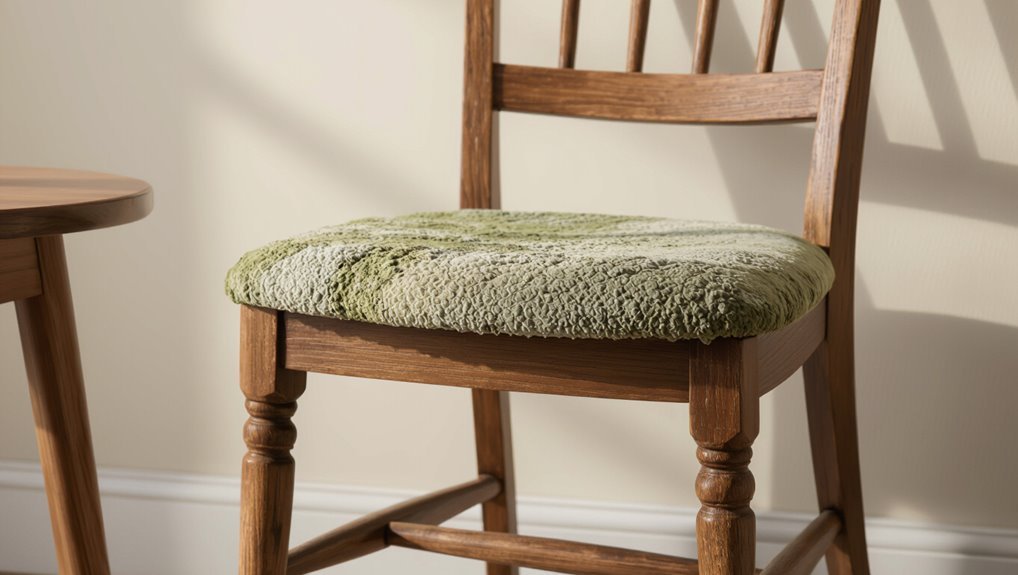
Wondering if mold on your wood furniture actually matters? You should treat visible growth seriously: mold identification helps you distinguish harmless stains from active colonies that release spores.
You’ll notice musty odors, discoloration, or fuzzy patches. Addressing them promptly ties to proper furniture maintenance—cleaning, drying, and repairing finishes—to reduce health risks and stop spread without waiting for worsening signs.
Who Is Most Vulnerable to Mold Exposure at Home?
Although anyone can be affected by mold on furniture, certain people face higher risks: young children, older adults, pregnant people, and anyone with allergies, asthma, chronic respiratory conditions, or a weakened immune system.
Mold on furniture can affect anyone, but young children, older adults, pregnant people, and those with respiratory or immune issues are at greater risk.
You should watch for mold sensitivity factors and protect high risk groups by:
- Reducing dampness and cleaning promptly.
- Improving ventilation.
- Seeking medical advice if symptoms appear.
Active Mold vs. Surface Stains: How to Tell?
You can tell active mold from harmless surface stains by checking color and texture—mold often looks fuzzy or powdery and can be black, green, or white.
Trust your nose too: a musty, damp smell usually means live growth, while stains from spills rarely smell.
Also watch for changes over time; spreading, darkening, or repeated recurrence after cleaning points to active mold.
Color And Texture
A close look at color and texture often tells you whether a dark spot on wood is active mold or just a surface stain: active mold usually appears fuzzy or powdery with irregular edges and can be black, green, or white, while stains soak into the grain, feel smooth, and follow the wood’s pattern.
- Note mold color.
- Check texture variations.
- Scrape gently to test.
Odor And Smell
Smell gives another quick clue: active mold usually emits a musty, earthy odor that you’ll notice when you get close, while surface stains rarely have any scent because they’re inert pigments or tannin bleed.
When you perform smell detection, consider other odor sources—damp carpet, insulation, or hidden leaks—that can mask or mimic mold, and isolate the piece to confirm.
Growth Pattern Changes
When you study affected wood closely, the pattern and progression give clear clues: active mold typically forms irregular, fuzzy patches that spread outward over time, while surface stains stay fixed, following grain lines or old finishes without growing.
You should note mold growth patterns and environmental factors, then:
- Inspect spread rate.
- Check texture.
- Track humidity history.
Which Mold Species Commonly Grow on Wood Furniture?
You’ll often find common indoor molds like Aspergillus, Cladosporium, and Penicillium on damp wood surfaces.
Some fungi, such as brown rot and white rot species, actually break down wood fibers and can damage furniture structurally.
Be aware that a few molds are allergenic or produce mycotoxins, so proper identification and safe removal matter.
Common Indoor Mold Types
Several species of mold commonly colonize wood furniture, and knowing their names helps you identify and address them quickly. You’ll often see:
- Aspergillus — powdery spots; affects allergy sufferers, so use mold prevention strategies.
- Cladosporium — dark green/black flecks; reduce risk via indoor humidity control.
- Penicillium — blue-green patches; clean promptly and ventilate to limit spread.
Wood-Decaying Fungi
Although surface molds like Aspergillus and Penicillium are common, wood-decaying fungi go further by breaking down the structural components of furniture, and you should spot them early to avoid costly damage.
You’ll commonly see brown rot, white rot and soft rot on damp wood. Inspect joints, finishes and basements regularly, perform prompt fungal treatment, and follow wood maintenance to prevent spread and loss.
Allergenic And Toxic Species
Spotting wood-decaying fungi is important, but you should also know which mold species on furniture can trigger allergies or produce toxins.
Use mold identification techniques and health symptom awareness to respond quickly.
Common culprits include:
- Aspergillus — allergies, mycotoxins.
- Penicillium — respiratory irritation.
- Stachybotrys (black mold) — potential toxic effects; avoid prolonged exposure.
Health Symptoms Linked to Furniture Mold
If you’ve noticed mold on your wood furniture, you may start experiencing a range of symptoms that stem from both allergic reactions and irritant exposure. You could get sneezing, eye irritation, or worsening asthma. Watch for fatigue and headaches; seek cleaning or removal if symptoms persist.
| Symptom | Severity | Action |
|---|---|---|
| Sneezing | Mild | Clean |
| Wheeze | High | See doc |
| Rash | Mild | Monitor |
| Headache | Moderate | Ventilate |
When to Get Professional Mold Testing for Wood Furniture?
If you see extensive mold covering large areas of a piece, you should get professional testing to assess the species and spread.
If household members keep getting respiratory or allergy symptoms despite cleaning, that’s another sign to call a pro.
Also consider testing when you suspect mold hidden inside joints, finishes, or cushions that you can’t inspect yourself.
Visible Extensive Mold
When mold covers large areas of wood furniture—fuzzy patches, dark staining, or widespread discoloration—you should treat it as more than a cosmetic issue and consider professional testing.
You’ll want prompt mold identification and a careful furniture inspection. Consider:
- Sampling to identify species.
- Evaluating spread and structural damage.
- Determining remediation scope and safety precautions.
Persistent Health Symptoms
Although mold on furniture can sometimes be harmless, you should consider professional testing whenever you or household members develop persistent symptoms—chronic coughing, recurring sinus infections, unexplained headaches, worsening asthma, or ongoing allergic reactions—that improve when away from the home.
If mold symptoms persist despite cleaning, testing clarifies sources and guides remediation, helping you address health implications and prevent ongoing exposure that worsens respiratory or allergic conditions.
Suspected Hidden Infestation
Because mold often hides inside joints, beneath veneers, or behind finishes, you should consider professional testing whenever you suspect an unseen infestation in wood furniture.
If you notice hidden signs like musty odors, staining, or worsening symptoms, call a pro for mold detection and assessment.
- Visible staining
- Persistent odors
- Health reactions
How to Size Up the Mold Problem on a Piece of Furniture
Start by stepping back and evaluating the visible mold: note how much surface area is affected, the color and texture of the growth, and whether it’s powdery, fuzzy, or embedded in the finish.
Use mold identification techniques and furniture inspection methods to determine depth, odor, and whether stains penetrate finish or joints.
Decide if cleaning, refinishing, or professional assessment is warranted.
Protective Gear for Cleaning Moldy Wood
Once you’ve decided whether the mold can be handled yourself or needs pros, gear up before touching the piece.
Before handling mold, decide if it’s DIY-safe — then suit up with proper protective gear before touching anything.
You’ll need proper protective masks and sturdy rubber gloves; don’t skip eye protection or disposable coveralls.
Follow this checklist:
- N95 or higher mask
- Chemical-resistant rubber gloves
- Safety goggles and disposable clothing
Work in ventilation, and bag contaminated gear promptly.
Safe Cleaners for Finished vs. Unfinished Wood
Whether your piece is sealed with varnish or raw and porous, you’ll need different cleaners to remove mold without damaging the wood.
For finished surfaces, use mild soap, water, or a diluted vinegar spray; test an inconspicuous area first.
For unfinished wood, favor gentle natural solutions like hydrogen peroxide or alcohol on a cloth.
Reserve stronger chemical alternatives for persistent stains, using caution and proper ventilation.
Quick Steps: Remove Small Mold Spots From Wood
First check the mold and the wood—if the surface is soft, stained deeply, or the infestation is widespread, you should consider professional help.
For small, solid spots on sound wood, wipe them with a soft cloth and mild detergent solution, rinsing gently and avoiding excess water.
Dry the area thoroughly and improve ventilation or reduce humidity to help prevent the mold from coming back.
Assess Mold And Wood Condition
Start by inspecting the affected piece closely to judge how deep and widespread the mold is and whether the wood’s finish or structure is compromised.
Use mold identification techniques to spot hidden colonies and note softness, stains, or odors.
Decide if restoration or disposal suits the damage and apply appropriate wood preservation methods.
- Surface assessment
- Structural check
- Damage decision
Clean With Mild Detergent
After you’ve judged the mold’s extent and decided the piece can be saved, you can remove small spots with a mild detergent solution.
Wear gloves and a mask, mix detergent with warm water, and gently scrub affected areas with a soft brush.
Rinse with a damp cloth, dry promptly, and inspect for remaining mold growth.
These cleaning techniques limit spread without damaging wood.
Dry And Prevent Recurrence
When the visible mold’s gone, dry the wood thoroughly and take simple steps to prevent it coming back: move the piece to a well-ventilated area or a sunny spot, wipe all surfaces with a dry cloth, and use a fan or dehumidifier to remove lingering moisture until the wood feels completely dry to the touch.
- Check humidity regularly.
- Use breathable covers.
- Inspect for recurrence; prompt action keeps furniture care focused on mold prevention.
Handling Widespread or Recurring Mold Infestations
If mold keeps coming back or shows up across many pieces, you’ll need a coordinated response that goes beyond spot cleaning: assess the full scope, stop moisture sources, and decide if professional remediation is required.
You should isolate affected items, use mold containment during removal, document damage, and implement preventive measures like humidity control and ventilation.
Seek pros for large or persistent infestations to protect health.
Repairing and Restoring Wood After Mold Removal
Once you’ve removed visible mold and let the wood dry thoroughly, you’ll inspect for staining, structural damage, and soft or crumbling areas that need repair.
Use careful restoration techniques and prioritize furniture preservation. Follow these steps:
- Sand or spot-treat stains, then neutralize.
- Consolidate or replace compromised wood.
- Refinish, seal, and monitor for recurrence to guarantee stability.
Prevent Mold: Humidity, Ventilation, and Placement Tips
After you’ve repaired and refinished the wood, focus on preventing mold from coming back by controlling humidity, improving airflow, and choosing the right spot for each piece.
Keep indoor humidity steady (ideally 30–50%) with dehumidifiers or HVAC settings.
Use simple ventilation solutions like exhaust fans and open windows, avoid blocking vents, and place furniture away from damp walls or direct sunlight fluctuations to reduce risk.
How Humidity, Ventilation, and Placement Affect Mold Risk
Because mold feeds on moisture, controlling humidity is your strongest defense—higher indoor moisture and poor airflow let spores settle and grow on wood surfaces.
You should use targeted mold prevention strategies and practical humidity control methods. Consider placement, ventilation, and routine checks:
- Use dehumidifiers and exhaust fans.
- Keep furniture off exterior walls.
- Guarantee cross-ventilation and avoid crowded placement.
When to Discard Moldy Wood Furniture Instead of Saving It
Controlling humidity and improving airflow will prevent most mold problems, but some infestations are beyond practical remediation and you’ll need to discard the piece.
You should consider discard criteria: structural rot, deep-seated mold in joints, extensive staining, or health risks to occupants.
If recovery seems possible, compare costs and success likelihood of restoration methods; otherwise prioritize safety and dispose responsibly.
Practical Checklist: Inspect, Clean, Protect, and Monitor
1 clear checklist lets you move through inspection, cleaning, protection, and monitoring without missing key steps.
You’ll follow mold prevention strategies and simple furniture maintenance tips to keep pieces safe.
- Inspect: check joints, finishes, and hidden areas for spots.
- Clean: use appropriate cleaners, HEPA vacuum, and gloves.
- Protect & Monitor: apply sealant, control humidity, and recheck monthly.
Frequently Asked Questions
Can Pets Spread Mold From Furniture to Other Areas of the Home?
Yes, pets can spread mold spores from furniture to other areas; you’ll need regular pet grooming, control environmental factors like humidity, and use effective cleaning methods to remove spores from fur, bedding, and surfaces promptly.
Can Mold on Furniture Damage Hardwood Floors or Carpets?
Like a spreading ink blot, yes—you can get mold transfer that stains and degrades hardwood and carpets. You’ll want prompt mold removal and furniture restoration to stop spread, salvage finishes, and prevent long-term structural damage.
Do Fragrance or Air Fresheners Hide Mold Odors Effectively?
No, fragrance or air fresheners won’t solve the problem; you’ll only get temporary odor masking while mold persists. Fragrance effectiveness is limited, and you should remove mold sources and clean surfaces for lasting, safe results.
Can Painting Over Moldy Wood Furniture Stop Mold Growth?
No — you shouldn’t paint over mold; if you paint, mold’ll keep growing beneath, and paint can trap spores. You should do proper mold removal, then use prevention methods like drying, cleaning, and sealing to stop recurrence.
Are There Insurance Claims for Mold-Damaged Furniture?
Yes — you can file claims for mold-damaged furniture if your policy covers it; you’ll need documented mold removal, proof of loss, and sometimes mitigation receipts. Check your insurer’s specific insurance coverage limits and exclusions first.
Conclusion
Mold on your wood furniture can be more than merely messy — it may make you miserable and might mean more maintenance. Move moldy pieces out, manage moisture, and make mindful material choices to minimize risk. Monitor regularly: mold multiplies mainly in moist, musty microclimates, so maintain moderate humidity, maximize airflow, and remove hidden dampness. If contamination’s severe, safely salvage less; sometimes sacrificing sullied sofas or shelving spares health and stress.
