
How Long Does Chalkboard Paint Take to Dry: Drying Time Explained
You’ll usually be touch-dry within an hour for water-based chalkboard paint and 6–8 hours for oil-based formulas, but don’t write on it right away. Most paints are writable after 24–72 hours and fully cured for sanding or heavy use in about 5–7 days (water-based often cures faster). Drying speeds up with warmth and ventilation and slows with humidity or thick coats. Keep following the guide and you’ll get tips to avoid problems and finish properly.
Who This Guide Serves (How-To)
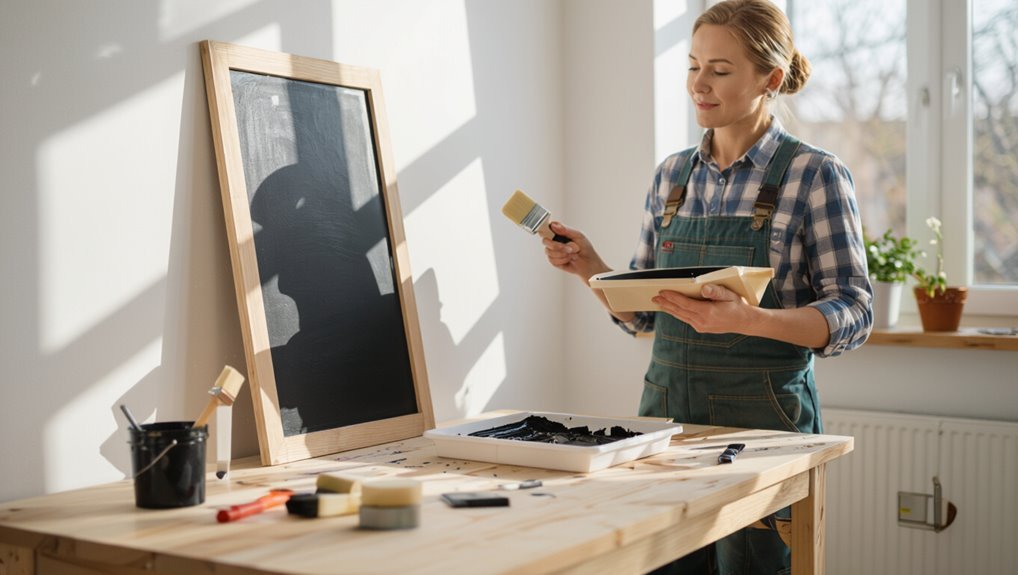
Who’s this guide for? You’re tackling chalkboard applications and need clear surface preparation, paint types, and paint brands advice.
You’ll get user tips to boost project efficiency, avoid common mistakes, and follow maintenance strategies.
It also covers environmental factors and safety considerations so you can choose correctly, work smarter, and finish durable, usable chalkboards without guesswork or wasted effort.
Quick Answer: When You Can Write, Sand, or Recoat Chalkboard Paint
When you’re ready to use your chalkboard paint, know that most formulas are touch-dry in about 1–2 hours, writable in 24–72 hours, and fully cured for sanding or heavy use after 7 days.
After curing, you can write, sand, or recoat; follow application techniques and surface preparation, consider paint finishes and color options, enjoy chalkboard benefits and creative uses, heed safety precautions, use maintenance tips, and plan storage solutions for DIY projects.
Dry to the Touch Versus Ready to Use: What Each Term Means
When a chalkboard paint coat is “dry to the touch,” you can lightly touch it without smudging, but it’s not ready for heavy handling.
“Fully cured” means the paint has reached its maximum hardness and durability, which can take days to weeks depending on the product.
You’ll want to wait the full practical use timing—following manufacturer cure times—before writing, sanding, or placing objects on the surface.
Dry to the Touch
Although a chalkboard paint surface may feel dry to the touch within an hour or two, that doesn’t mean it’s ready for writing or full use.
You should follow drying strategies—consider temperature effects, humidity management, ventilation tips, and proper surface preparation.
Control paint layering and use drying tools to improve paint adhesion.
After coating techniques and chalkboard conditioning, wait before regular use.
Fully Cured Time
Because “dry to the touch” just means the surface no longer feels tacky, don’t assume your chalkboard is ready for regular use—fully cured means the paint has chemically set and reached its full hardness and adhesion, which can take anywhere from 24 hours to several weeks depending on the formula, layers applied, temperature, and humidity.
You should monitor the curing process and account for environmental factors before heavy use.
Practical Use Timing
You might notice the surface feels dry within an hour or two, but that doesn’t mean the chalkboard’s ready for regular use.
“Dry to the touch” means the paint no longer feels sticky on the surface; “ready to use” means the paint has reached enough hardness and adhesion to withstand chalking, erasing, and handling without scuffing or damaging the finish.
For practical timing and project planning, wait the manufacturer’s recommended cure time before heavy use.
Typical Dry Times for Water-Based Chalkboard Paint
You’ll usually feel water-based chalkboard paint is dry to the touch within 30 minutes to an hour, depending on temperature and humidity.
Plan to wait 2–4 hours before recoating to avoid lifting the first layer.
Expect a full cure and best durability after 24–72 hours before heavy use or writing.
Typical Surface Dry Time
1–2 hours is a common surface dry time for water-based chalkboard paint under normal indoor conditions, though thinner coats and warm, low-humidity environments can shorten that to about 30–45 minutes.
You’ll notice times vary by surface material—porous wood dries faster than metal or laminate.
Use proper drying techniques like ventilation and thin layers to reach reliable, even surface dryness.
Recoat And Cure Period
Although the surface may feel dry within an hour, wait at least 2–4 hours before recoating water-based chalkboard paint to avoid lifting or uneven texture; cooler, humid conditions can push that window to 6–8 hours. Use gentle recoat techniques and control cure conditions for best results.
| Stage | Time |
|---|---|
| Recoat window | 2–8 hrs |
| Handle lightly | 24 hrs |
| Full cure | 7 days |
| Heavy use | 14 days |
Typical Dry Times for Oil-Based Chalkboard Paint
When you’re using oil-based chalkboard paint, expect it to feel dry to the touch in about 6–8 hours, but allow 24–48 hours before handling and up to 5–7 days for a full cure depending on temperature and ventilation.
- Consider oil based advantages and oil based disadvantages when choosing color options and texture differences.
- Focus on surface preparation and application techniques for consistent results.
- Follow maintenance tips, brand comparisons, environmental factors, and safety considerations.
Typical Cure Times Before Sanding or Topcoating
You’ll want to distinguish drying (surface feel) from curing (full hardness) before you touch the finish.
Wait until the paint has cured to the manufacturer’s recommended time before sanding—usually 24–72 hours for light sanding and up to a week for more aggressive work.
If you’re applying a topcoat, follow cure guidelines closely so the topcoat bonds properly and doesn’t wrinkle or peel.
Drying Versus Curing
Because chalkboard paint feels dry to the touch long before it’s fully cured, you’ll need to wait longer before sanding or applying a topcoat to avoid clogs, lifting, or tacky finishes.
Understand drying phases and curing differences: drying factors like temperature effects, humidity levels, coat thickness, application techniques, surface preparation, and environmental impact all affect paint adhesion and final cure time.
- Allow full cure per manufacturer
- Monitor environmental impact
- Verify paint adhesion before next step
When To Sand
If the paint only feels dry to the touch, hold off on sanding or topcoating until the manufacturer’s recommended cure time has passed—this usually ranges from 24 hours for light sanding to 7 days or more before heavy sanding or applying a durable topcoat, depending on temperature, humidity, and coat thickness.
You’ll follow sanding intervals, choose sanding grit and tools, use proper sanding techniques and safety, avoid sanding mistakes, and focus on surface preparation.
Sanding benefits and practical sanding tips improve finish quality.
Topcoat Application Timing
Now that you know when to sand, plan topcoating around the paint’s cure schedule so the finish bonds and resists wear.
You’ll wait typical cure times before sanding or topcoating, choose appropriate topcoat timing, and use proper application techniques to avoid failure.
- Wait full cure per manufacturer
- Lightly sand between coats
- Apply thin, even topcoats with proper tools
How the Number of Coats Affects Drying and Curing
When you apply multiple coats of chalkboard paint, each additional layer changes both surface moisture and solvent load, so drying times between coats and total curing time increase.
You’ll control coat thickness and paint layering with proper surface preparation and application methods.
Adjust drying conditions and use drying techniques or drying aids to compensate for environmental factors, minimizing tackiness and ensuring full cure without rushing.
How Surface Material Changes Drying Time (Wood, Drywall, Metal)
When you paint a chalkboard surface, the material matters because porous surfaces like raw wood soak up more paint and slow drying, while nonporous ones like metal let it skin over faster.
Pay attention to wood grain absorption—sanded or sealed wood will dry quicker than open-grain boards.
For metal and painted drywall, priming and previous coatings change how long tackiness and full cure take.
Porous Vs Nonporous Surfaces
Because surface material so strongly affects how chalkboard paint dries, you’ll notice different tack, set, and cure times on wood, drywall, and metal.
You’ll see faster absorption on porous surfaces and slower drying on nonporous surfaces, so plan coats and wait times accordingly.
- Porous surfaces soak primer and paint faster.
- Nonporous surfaces hold moisture longer.
- Prep alters drying behavior.
Wood Grain Absorption
Porous and nonporous differences set the stage, but wood brings its own variable: grain direction and density control how fast chalkboard paint soaks in and levels out.
You’ll notice wood grain effects alter absorption rates—open-grain woods drink paint faster, causing longer curing and uneven texture unless you seal or sand.
Adjust coats and drying time based on grain and porosity.
Metal And Painted Drywall
Although metal and painted drywall both feel smooth, they affect chalkboard paint drying very differently, so you’ll need to adjust expectations and prep.
You’ll focus on chalkboard adhesion, surface preparation, and paint compatibility to guarantee finish durability. Adjust application techniques for texture differences, follow maintenance tips, and keep repair methods in mind.
- Sand and prime metallic surfaces
- Clean and degloss painted drywall
- Test adhesion and cure time
Why Temperature Speeds Up or Slows Down Drying
When you raise the temperature, solvent and water molecules in chalkboard paint move faster and evaporate more quickly, so the paint dries sooner; lowering the temperature does the opposite by slowing molecular motion and reducing evaporation. You’ll notice temperature effects alter drying conditions: warmer air speeds cure time and cooler air prolongs tackiness. Adjust your workspace accordingly.
| Temp | Effect | Action |
|---|---|---|
| High | Faster | Ventilate |
| Moderate | Normal | Standard |
| Low | Slower | Increase heat |
| Variable | Uneven | Stabilize |
How Humidity Impacts Chalkboard Paint Drying
If humidity rises, moisture in the air slows evaporation of the water or solvent in chalkboard paint, so your paint stays tacky longer and takes more time to cure. Lower humidity speeds drying by allowing vapors to disperse more readily.
You should monitor humidity effects to optimize drying conditions:
- Check local humidity before painting.
- Use dehumidifiers if levels are high.
- Allow extra cure time in damp conditions.
How Ventilation Affects Chalkboard Paint Drying
You’ll notice that faster airflow speeds up evaporation and often shortens chalkboard paint’s tack and cure times.
But if the room’s ventilation is poor and humidity stays high, that airflow won’t help much and drying can stall.
Balance airflow and moisture control to get reliable, even drying.
Airflow Speed Impact
Although changing the airflow in a room might seem minor, it directly speeds or slows how a chalkboard paint cures by altering evaporation and surface temperature. Faster ventilation pulls solvent molecules away more quickly, shortening tack time and overall dry-to-handle periods, while stagnant air lets solvents linger and extends drying.
You should use airflow management and proven drying techniques:
- Position fans for gentle crossflow.
- Avoid high-speed blasts that cause uneven curing.
- Monitor surface tack; adjust ventilation accordingly.
Humidity And Ventilation
Because moisture in the air slows solvent evaporation, higher humidity lengthens tack and total dry-to-handle times.
So you’ll need to pair ventilation strategies with humidity control to keep chalkboard paint curing predictably. You should monitor humidity effects and use fans or vents to improve airflow impact, addressing drying challenges directly.
Proper ventilation importance prevents tacky finishes and uneven cure, helping you achieve consistent results.
How Coat Thickness Affects Drying Time
When you apply a thicker coat of chalkboard paint, it traps more solvent and takes longer to cure than a thin film, so expect extended tack and dry times.
You should adjust application techniques and tools, consider paint consistency and surface preparation, and plan drying strategies around environmental factors to protect finish quality.
- Coat thickness influences paint absorption.
- Thicker films delay drying effects.
- Use appropriate application tools.
Why Primer Choice Matters for Drying and Adhesion
Thicker coats can magnify any adhesion or curing issues, so picking the right primer matters for both drying speed and how well the chalkboard finish bonds.
You should match primer types to surface compatibility, since that affects adhesion benefits and drying factors.
Proper paint layering and consistent application techniques reduce failures, let coats cure evenly, and improve durability without extending dry time.
How Paint Brand and Formula Alter Recommended Dry Times
Although two cans may both say “chalkboard paint,” the brand and specific formula you choose will change recommended dry times and performance, so check the label rather than assuming parity.
Even if both say “chalkboard paint,” brands and formulas differ — check the label for drying and performance details.
You’ll notice brand differences and formula variations affect drying factors across paint types. Consider application methods, surface types, and environmental impacts.
Avoid common mistakes; use troubleshooting tips and a quick performance comparison.
- Read label specifics
- Test small area
- Adjust for humidity
How Pigments and Additives Change Drying Behavior
You’ll notice pigment particle size affects how quickly the surface skins over and how uniformly the paint dries.
Smaller particles can speed evaporation and film formation, while larger particles may trap solvent and slow the process.
Additives like dryers, leveling agents, or humectants further alter those effects by changing chemical reactions and solvent behavior.
Pigment Particle Size
Because pigment particles occupy space and interact with the binder and solvent, their size and distribution strongly influence how a chalkboard paint dries.
You’ll notice finer particles improve particle dispersion and pigment stability, boosting paint opacity and color vibrancy, while coarser particles alter surface texture and adhesion properties, affecting finish durability.
Drying additives can shift these effects.
- Finer particles: smoother finish
- Coarser particles: textured grip
- Mixed sizes: balanced performance
Additive Chemical Effects
When additives and pigments interact with the binder and solvent, they can speed up or slow down film formation by changing evaporation rates, particle packing, and chemical cure pathways.
You’ll notice additive effects when dispersants, thickeners, or dryers alter viscosity and solvent loss. That chemical interaction changes surface tension, drying front movement, and crosslinking kinetics, so you should test formulations for ideal drying.
Reading Manufacturer Dry and Cure Times Correctly
Although the label might list both “dry” and “cure” times, those terms mean different things and you should treat them accordingly: Follow manufacturer instructions and proven drying techniques to get accurate results.
Check conditions, substrate, and finish expectations before use.
Check conditions, substrate, and finish expectations before use to ensure proper results and performance.
- Dry = surface tack-free, may handle lightly.
- Cure = full hardness and durability.
- Environmental factors alter both times.
When to Wait Between Coats: Practical Timing Rules
If you want clean, durable chalkboard paint results, wait the recommended minimum between coats and test with a fingertip before applying the next layer. You’ll use practical drying techniques and guarantee ideal conditions—temperature, humidity, and ventilation—so coats bond. Follow manufacturer timing, thin coats, and avoid rushing.
| Step | Wait |
|---|---|
| Coat 1 | 1–2 hrs |
| Coat 2 | 2–4 hrs |
When It’s Safe to Sand Between Coats
Because sanding removes bumps and promotes adhesion, wait until the previous chalkboard paint coat feels dry to the touch and has lost its tack before you abrade it—usually the manufacturer’s minimum dry time, plus an extra hour in cooler or more humid conditions.
Use gentle sanding techniques for smooth coat preparation.
Tips:
- Light 220–320 grit sanding for feathering
- Clean dust fully before next step
- Avoid aggressive sanding that removes the film
When to Apply a Second Coat Without Problems
When the first coat has fully lost tack and feels dry across the surface, you can apply a second coat without risking lifting or uneven texture; follow the manufacturer’s minimum recoat time, add an extra hour in cooler or humid conditions, and make sure the surface is clean and lightly sanded if recommended. You’ll nail second coat timing with proper chalkboard preparation.
| Step | Tip |
|---|---|
| 1 | Check tack |
| 2 | Respect recoat |
| 3 | Lightly sand |
| 4 | Clean surface |
When to Condition a Chalkboard Before First Use
Before you condition a chalkboard, make sure you clean the surface thoroughly to remove dust, grease, or paint residue.
If your paint requires it, apply a primer coat and let it dry according to the product instructions.
Finally, give the board its full cure time before writing on it so chalk seasons evenly and won’t scuff the finish.
Surface Cleaning First
If you’ve just painted your chalkboard, clean the surface gently before you condition it so dust, fingerprints, and paint residue don’t affect chalk adhesion.
Use appropriate cleaning methods and tools for different surface types to preserve surface durability and paint adhesion. Follow maintenance tips on cleaning frequency and solutions.
- Microfiber cloths and mild cleaning solutions
- Gentle cleaning techniques for painted surfaces
- Regular checks to match cleaning tools and surface preparation
Apply Primer Coat
Start by applying a light primer coat to seal the paint and create a uniform surface for chalk to adhere to; you’ll want a thin, even layer and to let it cure fully according to the primer’s instructions before moving on to conditioning. Choose primer types based on surface preparation and material.
| Primer | Best for |
|---|---|
| Bonding | Glossy surfaces |
| Latex | Drywall |
Cure Time Before Use
Once your primer has fully cured per the manufacturer’s instructions, you’ll need to let the chalkboard paint itself cure before conditioning and regular use. Most formulas reach handleable dryness in 24 hours but require 7 days to fully cure and harden.
- Wait full cure time to maximize chalkboard durability.
- Condition by rubbing chalk over the surface, then wipe.
- Avoid heavy use or washing during the 7-day cure for best results.
How to Test if Paint Is Ready to Write On
After the paint feels dry to the touch, perform a simple rub and chalk test to confirm it’s ready to write on: gently rub a finger to check for tackiness, then season the surface with chalk by rubbing it sideways and erasing.
If chalk marks erase cleanly without smudging, you can use normal writing techniques.
Maintain the surface with regular chalkboard maintenance.
Quick Checks to Know If Paint Is Still Tacky
Wondering whether the paint is still tacky? Do a quick tacky test to check paint stickiness without damaging the surface:
- Lightly press a clean fingertip; no residue means it’s set.
- Gently touch with a tissue; snagging shows tackiness.
- Use a fingernail at the edge; slight indentation indicates incomplete cure.
These checks are quick, low-risk, and help you decide whether to wait longer.
How to Speed Up Drying Using Heat Safely
If you need to speed up chalkboard paint drying, you can safely use controlled heat and improved airflow to cut curing time without harming the finish.
Use low-wattage portable heaters or a hair dryer on low, keeping heat sources at least 3 feet away and moving continuously.
Combine with fans for even drying.
These drying techniques reduce tackiness while protecting paint integrity.
How to Reduce Humidity to Accelerate Drying
Lowering room humidity helps chalkboard paint cure faster, so consider running a dehumidifier while the paint dries.
You can also improve air circulation with fans or by opening windows to move moist air away from the surface. Together these steps cut drying time without raising temperatures too high.
Use A Dehumidifier
When humidity’s high, a dehumidifier speeds chalkboard paint drying by pulling moisture from the air so solvent evaporation happens faster; plug it in, set it to maintain relative humidity around 40–50%, and keep doors and windows closed for best results.
Use proper dehumidifier settings and moisture control, monitor levels, and avoid over-drying.
- Check humidity readout
- Empty reservoir or drain
- Run until target RH reached
Improve Air Circulation
Because moving air carries moisture away from the painted surface, improving circulation is one of the quickest ways to reduce local humidity and speed chalkboard paint drying.
Set up fans to create a steady cross-breeze, open interior doors to let air flow through the room, and avoid directing strong blasts of air directly at the wet paint to prevent dust and uneven drying.
Use airflow methods and ventilation techniques, position drying aids properly, manage temperature, organize the workspace for ideal paint placement, and monitor the drying environment to control humidity and fine-tune project timing.
How to Increase Airflow Without Harming the Paint Finish
If you want faster drying without damaging the chalkboard finish, boost gentle, consistent airflow rather than blasting the surface with a high-speed fan.
Use subtle airflow techniques to speed curing while preserving the paint finish. Position fans for cross-ventilation, open windows slightly, and use an oscillating fan on low to avoid dust or ripples.
- Cross-ventilation
- Small window opening
- Low oscillating fan
Low-Tech Tricks to Make Chalkboard Paint Dry Faster Indoors
Although you’re working indoors, a few simple, low-tech steps can noticeably speed chalkboard paint drying without risking the finish.
Use proper surface preparation, thin paint layering, and minimal painting supplies to reduce cure time.
Prep surfaces well, apply thin layers, and limit tools to speed chalkboard paint drying.
Improve indoor ventilation and humidity control, and use gentle heat application like a hairdryer on low.
Combine drying techniques with chalkboard care and paint alternatives for quicker, safe chalkboard maintenance.
Common Mistakes That Make Chalkboard Paint Take Longer to Dry
If you coat the surface too thickly, the paint will stay tacky for much longer and may even bubble.
You should also watch temperature and humidity, because cool or damp conditions slow drying dramatically.
Fixing these two mistakes will speed up curing and give you a smoother finish.
Applying Too Thickly
Slathering on a heavy coat might seem like a shortcut to full coverage, but applying chalkboard paint too thickly actually slows drying and increases the risk of drips, tackiness, and uneven texture.
You should aim for thin, even coats to preserve paint adherence and avoid rework.
- Use light, steady strokes
- Wait between thin coats
- Sand very slight ridges for smoothness
Ignoring Temperature And Humidity
When you ignore temperature and humidity, paint takes longer to cure and you’re more likely to end up with tacky, uneven surfaces. You should monitor conditions and pick proper paint types; adjust drying techniques like ventilation or dehumidifiers. Plan coats around recommended ranges to avoid rework.
| Condition | Fix |
|---|---|
| High humidity | Dehumidifier |
| Low temp | Space heater |
| Poor airflow | Fan |
| Wrong paint type | Swap formula |
How to Avoid Bubbling, Cracking, and Peeling During Drying
Although drying seems straightforward, preventing bubbles, cracks, and peeling takes deliberate prep and careful technique.
You’ll follow surface preparation essentials, use proper paint application techniques, and heed environmental considerations to reduce issues.
Use these quick reminders:
- Bubbling prevention tips: sand, clean, and apply thin coats.
- Cracking avoidance strategies: allow full tack-free intervals.
- Peeling solutions: prime and avoid rush recoat times.
Troubleshooting: Paint That Won’t Fully Cure – Diagnosis and Fixes
If you’ve followed the prep and application steps but the chalkboard paint still feels tacky, bubbles back, or peels days later, you’re facing an incomplete cure rather than a simple cosmetic issue.
Diagnose curing issues by checking surface preparation, paint brands, application methods, paint thickness, and environmental factors.
Use troubleshooting tips: improve moisture control, adjust drying techniques, thin coats, and guarantee proper adhesion to fix paint adhesion failures.
How to Handle Repainting Over Old Chalkboard Paint
Before you repaint, inspect the existing chalkboard for flaking, ghosting, or uneven texture so you know what repairs are needed.
You’ll need to clean, sand, and prime any problem areas to create a smooth, adhesion-friendly surface for the new coat.
Finally, pick a high-quality chalkboard paint and the right rollers or brushes to guarantee an even finish and proper drying.
Inspect Existing Chalkboard Surface
Start by giving the old chalkboard a close, systematic inspection so you know exactly what you’re dealing with before you repaint.
You’re evaluating surface condition, noting surface imperfections, chalkboard texture, and any adhesion concerns that could affect recoating.
Check for flaking, deep scratches, or glossy spots that repel new paint.
- Flaking or blistering
- Deep scratches or gouges
- Glossy or contaminated areas
Prep Surface For Recoating
Gather the right tools and tackle surface prep methodically so your new chalkboard coat will adhere and look smooth.
You’ll focus on surface preparation: sand glossy areas, use cleaning techniques to remove chalk residue, choose primer selection based on surface compatibility, and plan application methods.
Monitor drying conditions, consider paint types, schedule project planning, and think about chalkboard maintenance and finishing options for lasting results.
Choose Proper Paint And Tools
Pick paint and tools that match your project’s needs so the new coat bonds well to the old surface and stays smooth under use.
Choose paint types and finish for desired durability, follow surface preparation, and plan application techniques.
Consider tool selection, cleanup methods, paint storage, and project planning for timing.
- Sanding, degreasing, primer
- Roller, brush, sprayer
- Drying schedule, storage tips
Using Clear Topcoats: When They Affect Drying and Use
When you add a clear topcoat over chalkboard paint, it can change both how long the surface takes to fully cure and when you can start using the board.
A satin or matte sealer usually speeds water resistance without altering chalk adhesion much, while glossy or thick polyurethanes may form a film that repels chalk and extend cure time.
You’ll weigh topcoat benefits, application techniques, drying interference, surface compatibility, finishing touches, and protective layers.
Chalkboard Paint for Furniture: Special Drying Considerations
Because furniture sees more wear and varied finishes than a wall, chalkboard paint on tables, dressers, or chairs needs special drying and curing considerations to hold up—think thinner application, longer cure times for horizontal surfaces, and protection where edges and corners rub.
On furniture, chalkboard paint needs thinner coats, extended curing for horizontal surfaces, and edge protection for durability.
- Check surface preparation, paint selection, and paint adhesion before applying.
- Use application techniques that boost durability factors and aesthetic considerations.
- Follow usage guidelines, maintenance tips, and note environmental impact.
Chalkboard Paint for Walls: Large-Surface Drying Tips
When you’re painting a wall, start by cleaning, sanding, and patching to guarantee the surface is smooth and the paint bonds evenly.
Work in manageable sections and use consistent strokes so large areas cure at the same rate.
Keep the room ventilated and avoid heavy traffic near the wall while the chalkboard surface completes its curing.
Surface Preparation Tips
Although large wall surfaces can be forgiving, you’ll get the smoothest, fastest-drying chalkboard finish by preparing the area properly: clean off dust and grease, patch holes, sand glossy spots, and apply primer suited for drywall or plaster.
Use surface preparation with essential tools and cleaning methods; follow priming techniques, application tips, and consider paint selection, drying conditions, and finish quality.
- Tackle repairs first
- Clean, sand, wipe
- Prime before painting
Large-Area Curing
Now that your wall is prepped and primed, focus on curing the chalkboard paint across the full surface so it dries evenly and gains maximum hardness.
Work in thin, consistent coats, control ventilation and temperature, and avoid touching the surface for at least 24–48 hours.
For large area drying, stagger sections if needed, then follow regular chalkboard maintenance to season and protect the finish.
Chalkboard Paint for Outdoor Use: Weather and Drying Considerations
Because outdoor conditions change quickly, you’ll need to plan drying and curing around temperature, humidity, and wind to get durable results.
Plan drying and curing around temperature, humidity, and wind to ensure durable outdoor paint results.
You should focus on weather resistance and proper surface preparation so the paint bonds and lasts. Protect freshly painted areas from rain and dust, and allow extended curing in cool or humid conditions.
- Choose sheltered days
- Prep and prime surfaces
- Shield during curing
Chalkboard Spray Paint Versus Brush-On: Drying Comparisons
When you’re weighing chalkboard spray paint against brush-on formulas, drying time and handling play the biggest role in which you choose; you’ll consider spray paint benefits like fast tack-free time and even coats, while brush on advantages offer control and thicker finish durability.
Focus on paint selection, surface preparation, application techniques, environmental impact, project planning, user experience, and maintenance tips for best results.
Chalkboard Chalk Versus Chalk Marker: When to Wait Before Using
If you’re planning to use regular chalk or a chalk marker, timing matters because markers can stain an uncured surface while chalk is gentler.
Wait until the paint has reached its recommended cure time—usually several days—before using markers, but basic chalk can often be used sooner with less risk.
Always check the paint manufacturer’s cure guidelines to avoid permanent marks.
Chalk Versus Marker Timing
Although both traditional chalk and liquid chalk markers dry quickly on a cured chalkboard surface, you’ll want to treat them differently: powdery school chalk sets up almost instantly and can be used right away, while chalk markers—especially those with wider tips or opaque pigments—may need a few minutes to fully dry to avoid smudging or transfer.
- Check chalk marker timing per tip size.
- Let marks settle for chalkboard longevity.
- Test in a corner before full use.
Surface Cure Requirements
You’ve seen how chalk and markers behave on a cured board, so now consider how long the paint itself needs to finish curing before you write on it. Wait full cure after paint application—usually 7 days—especially after thorough surface preparation. Use chalk first on small area; markers need longer.
| Tool | Wait | Tip |
|---|---|---|
| Chalk | 3 days | Test |
| Marker | 7 days | Seal |
| All-purpose | 5 days | Inspect |
Child-Safe Timelines: When Kids Can Use a Freshly Painted Board
When planning a freshly painted chalkboard for kids, wait until the paint’s cured and any fumes have dissipated so your child can use it safely; that usually means a full 24–48 hours for surface drying and up to 7 days for complete cure depending on paint type and ventilation.
Follow child safe guidelines and plan kid friendly activities after full cure.
- Ventilate well first
- Do a sniff test
- Use non-toxic chalk only
How to Schedule a Multi-Day Chalkboard Project Efficiently
Now that you’ve planned for safe use and curing times, map out each day so work, drying, and kid-friendly activities don’t collide.
Break the project timeline into prep, paint layering, and curing blocks.
Spend day one prepping and first coat, day two for sanding and second coat, and reserve days three to four for full cure and gentle use.
Adjust for humidity and paint instructions.
How Long After Painting to Attach Hardware or Frames
Give the paint its full cure time before mounting anything—otherwise the finish can dent, peel, or trap solvents under hardware.
Wait the manufacturer’s recommended cure (often 7–30 days) for secure hardware attachment and reliable frame compatibility.
Protect edges while testing fit, then attach with gentle pressure.
Consider lightweight frames and spaced mounting to minimize stress on the cured surface.
- Check cure time
- Test fit gently
- Use lightweight hardware
Step-by-Step Troubleshooting for Common Drying Problems
If paint feels tacky, bubbles, cracks, or smells strongly after the recommended drying window, start troubleshooting methodically so you can fix the problem without damaging the finish.
Check humidity and ventilation, remove blisters, sand cracked areas, and apply thin coats using proper drying techniques.
Test adhesion before recoating, wait longer in cool conditions, and document steps—troubleshooting paint prevents repeat issues.
Tools and Products to Help Monitor Drying Progress
After you’ve worked through common drying issues, you’ll want simple tools and reliable products to monitor future chalkboard paint jobs and avoid repeats.
Use drying tools and monitoring products to track conditions:
- Paint thermometers and humidity gauges for environmental controls and drying indicators.
- Airflow fans and drying accelerators to speed cures without overworking the film.
- Surface testers, paint sticks, and visual checks to confirm tack-free finish.
How to Interpret Paint Can Labels and Technical Data Sheets
Reading paint can labels and technical data sheets helps you decode the key drying information—like recommended dry times, recoat windows, surface temperature ranges, and VOC limits—so you can plan timing, ventilation, and testing accurately. Check paint can labels and technical data for surface prep, cure schedules, and test methods. Use the table to compare specs quickly.
| Item | Label | Technical data |
|---|---|---|
| Dry time | 1–2 hrs | 30–120 mins |
| Recoat | 2–24 hrs | 1–24 hrs |
| Temp | 50–90°F | 10–32°C |
Cost Versus Performance: Choosing a Fast-Drying Chalkboard Paint
While you’re balancing budget and timelines, remember that faster-drying chalkboard paints usually cost more but can cut project time and reduce dust or tack-related problems.
You’ll weigh cost analysis against paint longevity and user experiences, run a performance evaluation, and check surface compatibility, application techniques, brand comparisons, drying conditions, and maintenance tips.
- Fast drying options and trade-offs
- Practical performance evaluation steps
- Brand comparisons and user experiences
Environmental and Safety Tips While Speeding Drying
If you want to speed up drying without creating hazards, prioritize ventilation, temperature control, and safe product use—open windows or run fans to disperse fumes, keep the room within the manufacturer’s recommended temperature and humidity range, and avoid heat sources that can ignite solvents.
Use eco-friendly materials when possible, wear gloves and masks, guarantee safe ventilation, dispose of rags properly, and follow label instructions.
Real-World Timing Examples for Common Projects
When you’re planning a chalkboard project, realistic drying windows help you schedule tasks and avoid frustration:
When planning a chalkboard project, realistic drying windows keep your schedule on track and prevent unnecessary frustration
You’ll find real life examples and concise project timelines below so you can plan actual work sessions without guessing.
- Small frame (1 coat): touch dry 1–2 hours, reuse 24 hours.
- Cabinet door (2 coats): touch dry 2–4 hours, light use 48 hours.
- Wall (3 coats): touch dry 4–6 hours, full cure 7 days.
Before-and-After Care: Maintaining a Freshly Cured Chalkboard
Because a freshly cured chalkboard needs gentle handling, start by waiting the full cure time before heavy use and avoid aggressive cleaning for the first week. You’ll follow basic chalkboard maintenance tips: season lightly, use soft erasers, and test cleaners. Use gentle Chalkboard cleaning methods for stains.
| Action | Frequency | Tool |
|---|---|---|
| Season | Once | Chalk |
| Erase | Daily | Soft eraser |
| Clean | Weekly | Damp cloth |
| Spot-treat | As needed | Mild cleaner |
When to Call a Pro: Drying Issues That Need Expert Help
Although most chalkboard paint dries without issue, you should call a pro if the surface stays tacky after the recommended cure time, shows persistent bubbling or peeling, emits strong solvent odors for days, or warps and delaminates from the substrate—these signs point to ventilation, formulation, or substrate problems that need expert diagnosis.
If the chalkboard paint stays tacky, bubbles, peels, smells strongly, or warps—call a pro for diagnosis and repair.
- They’ll assess drying challenges quickly.
- They use expert techniques for remediation.
- They’ll recommend repair or replacement.
Quick Reference Chart: Dry-to-Touch, Recoat, and Full Cure Times
A simple chart helps you match expectations to reality: dry-to-touch tells you when the surface feels no longer tacky, recoat time indicates the safe window to apply another layer without lifting, and full cure is when the paint reaches its maximum hardness and durability.
Use typical ranges (30–60 minutes, 2–4 hours, 24–72 hours), adjust for humidity, follow drying techniques, and mind paint storage.
Final Checklist: Steps to Ensure Your Chalkboard Is Ready to Use
When your chalkboard paint has reached its full cure, walk through a short checklist to confirm the surface is clean, smooth, and properly seasoned so it’ll perform reliably.
Use final preparation steps and drying techniques, then do a surface inspection and plan chalkboard maintenance.
Finish with final prep and drying, inspect the surface, then plan ongoing chalkboard maintenance for reliable performance.
- Rub with a soft cloth and test chalk
- Check for bumps, sanding if needed
- Season evenly before regular use
Frequently Asked Questions
Can Chalkboard Paint Be Applied Over Glossy Paint Without Sanding First?
Yes — you can, but you shouldn’t: for proper application techniques and surface preparation, you’ll want to lightly sand or degrease glossy paint first so the chalkboard paint adheres reliably and avoids peeling or uneven coverage.
Will Chalkboard Paint Affect Indoor Air Quality Long-Term?
You shouldn’t expect major long-term indoor air issues from cured chalkboard paint; you’ll get short-term VOCs during application, so ventilate, choose low-VOC formulas, and follow paint safety guidance to minimize indoor air impact.
Can You Mix Pigments Into Chalkboard Paint to Change Color Safely?
Yes — you can tint it, but you’ll want to choose tested artist or manufacturer pigments for pigment safety; you’ll expand your color options subtly, and you’ll avoid heavy additives so the finish and usability stay intact.
Does Chalkboard Paint Emit Odors After It’s Fully Cured?
No, once fully cured you typically won’t notice ongoing odor release; cured chalkboard paint’s off-gassing ends, and it’s considered fine for paint safety—though some formulations may retain faint scent, so ventilate during application.
How Do Seasonal Changes (Spring/Fall) Alter Recommended Drying Schedules?
You’ll want gentler timelines: spring’s mild warmth speeds curing, fall’s coolness slows it. Temperature effects mean warmer days shorten tack time; humidity impact can stall drying, so you’ll adjust ventilation and wait longer in damp conditions.
Conclusion
You’ve got the tools now to time your chalkboard project like a pro. Let it dry to the touch, obey recoat windows, then wait for full cure before heavy use—patience pays off. If paint’s tacky after recommended times or shows cracking, call in a pro. Follow the checklist, season the surface, and clean gently to keep it looking sharp. With care, your chalkboard will stand the test of time—no ifs, ands, or buts.
