
How Often Should You Paint Your Walls? Expert Recommendations
You should repaint based on use: high-traffic areas like kitchens, halls and kid spaces every 3–5 years; living rooms about 5–7 years; and low-use rooms such as guest bedrooms every 7–10 years. Look for peeling, stains, fading, scuffs, odors or mildew and do touch-ups for small spots. Use quality, moisture-resistant paints and proper prep to extend life. Keep a simple schedule and check annual wear—more tips and room-by-room timing follow below.
Who This Guide Helps and What It Answers
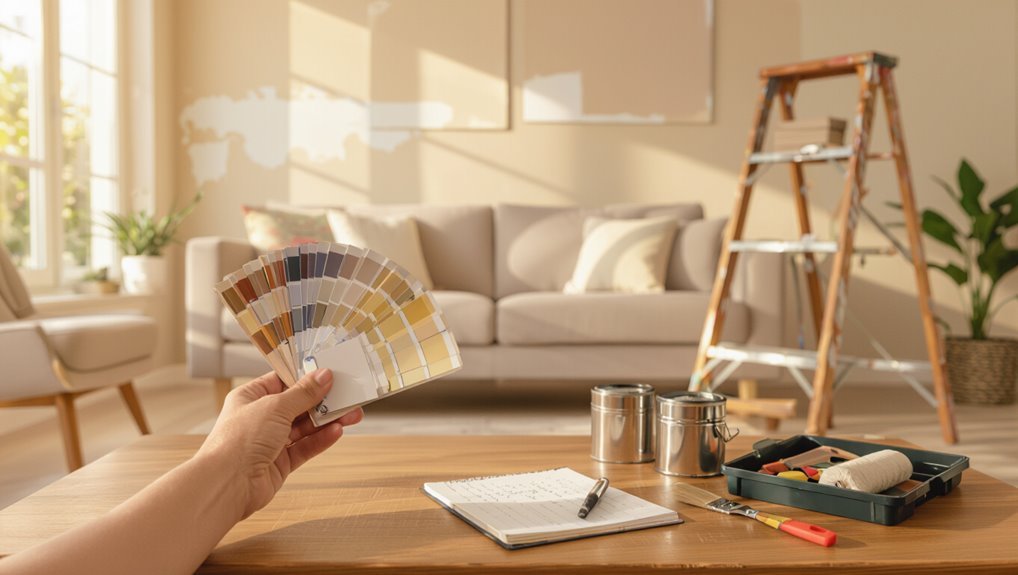
If you’re a homeowner, renter, landlord, or DIYer wondering when to repaint, this guide helps you decide based on room use, paint quality, and visible wear.
It answers how often different surfaces need fresh paint, what signs mean you should repaint now, and how to extend paint life.
You’ll get clear wall maintenance tips and practical repaint strategies to prioritize rooms and budget.
Quick Answer: How Often to Repaint Interior Walls
Wondering how often to repaint your interior walls? You should aim for a repaint frequency based on use: every 3–5 years for high-traffic, 5–7 for normal rooms, and 7–10 for low-use spaces. Good wall care extends paint life.
| Room Type | Years | Notes |
|---|---|---|
| High-traffic | 3–5 | Kitchens, halls |
| Normal | 5–7 | Living rooms |
| Low-use | 7–10 | Guest rooms |
How to Decide: 3 Questions Before You Repaint
Before you schedule a paint day, ask three quick questions to make sure repainting is the best move:
- Is the current finish holding up or just outdated?
- Do you want to follow new paint trends or stick to classics?
- Will color psychology affect mood or resale?
- Can minor touch-ups suffice?
- Is your budget and time ready for a full refresh?
Key Signs Your Walls Need Repainting Now
When your walls show clear wear—peeling, stains, fading, or scuffs—they’re signaling it’s time to repaint, not just for looks but to protect surfaces and freshen the room’s feel.
You should repaint if odors, mildew, chipped trim, or stark patchwork mar rooms.
Also consider updating when color trends shift or you change wall textures; obvious damage and outdated palettes demand a full refresh.
When a Touch-Up Beats a Full Repaint
Sometimes a few targeted strokes will do more for a room than a full repaint: if damage is limited to small scuffs, isolated stains, or a handful of nail holes, you can spot-repair those areas with matching paint and save time and money.
You’ll choose touch up techniques when aging is minimal. Consider repaint strategies and:
- Match sheen
- Clean area first
- Feather edges
- Use small brushes
- Test color
Spot Repair and Touch-Up Techniques
Start by evaluating the damage so you know whether to touch up or repaint: small scuffs, chips, and isolated stains can usually be fixed with a spot repair, while widespread fading or many mismatched patches call for a full coat.
For touch-ups, do spot cleaning, sand edges, use matching primer, and apply thin layers with paint blending to hide shifts so repairs vanish.
How Paint Finish Affects Repaint Frequency
Because finish affects durability and cleaning ease, your choice of paint finish directly influences how often you’ll need to repaint.
You’ll pick finishes based on traffic, sheen preference, and cleaning needs, which change repaint frequency.
- Flat: hides flaws, harder to clean
- Eggshell: low sheen, moderate durability
- Satin: easy to wipe, good for hallways
- Semi-gloss: durable, kitchens/bath
- Gloss: highest durability, shows imperfections
How Paint Quality and Brand Change Repaint Timing
When you pick a higher-quality paint or a reputable brand, you’ll usually extend the time before the next repaint because premium formulas resist fading, staining, and wear better than bargain options.
You should weigh paint longevity factors like pigment load, binder quality, and resistance to soiling.
Use brand comparison insights to compare warranties, coverage, and real-world durability before choosing a product.
How Color Choice Affects Visible Wear
Alongside choosing a high-quality brand, your color selection has a big impact on how quickly wear shows up on walls.
You’ll use color psychology and observe wear patterns differently with each hue.
- Dark colors hide scuffs but reveal dust
- Light neutrals mask fading
- Gloss highlights imperfections
- Bold tones show touch-up variance
- Patterns distract from localized wear
How Cleaning Extends Paint Life
Regularly cleaning your walls can noticeably extend the life of your paint by removing dirt, oils, and stains that degrade finishes over time.
You should use gentle cleaning techniques like microfiber cloths, mild detergents, and spot testing to avoid abrasion.
Consistent, careful cleaning prevents buildup, preserves sheen, and enhances paint protection, so you’ll delay repainting and maintain fresher-looking walls longer.
How Humidity and Ventilation Shorten Paint Life
Because moisture and poor airflow trap dampness on surfaces, your paint can peel, blister, or grow mold much faster than in a dry, ventilated room.
You should monitor humidity effects and use ventilation strategies to protect finishes.
- Use exhaust fans
- Run dehumidifiers
- Open windows strategically
- Fix leaks promptly
- Choose moisture-resistant paint
How Sunlight and UV Speed Fading
When sunlight hits painted walls, UV rays break down pigments and binders, causing colors to fade and finishes to chalk much faster than in shaded rooms.
You’ll notice brighter walls lose vibrancy where sunlight exposure is constant.
Choose paints with built-in UV protection and position furnishings or window treatments to limit direct sun.
Regularly inspect sunlit areas and plan repainting sooner for affected surfaces.
How Traffic Patterns Change Repaint Schedules
If you walk through a room every day or kids and pets cluster in one corner, those high-traffic zones will show scuffs, dirt, and wear far sooner than untouched walls.
You should use traffic analysis to map wear and consider wall materials when scheduling repaints.
- Entryways
- Hallways
- Around switches
- Near furniture edges
- Stairwells
Pets, Kids, and Stains: When to Repaint Sooner
High-traffic zones often overlap with spots where pets and kids spend the most time, and those occupants bring a unique set of stains and damage that speed up repainting needs.
You’ll repaint sooner when scuffs, paw marks, crayon, and food stains accumulate.
Use washable, kid friendly colors and apply pet proofing techniques like durable trims, washable finishes, and easy-clean surfaces to extend intervals.
Evaluating Paint Adhesion and Condition
Start by checking how well the existing paint is sticking to the wall—peel, flake, or powdering are clear signs it’s time to prep and repaint.
You should perform a quick surface evaluation and test paint adhesion in suspect areas.
Consider these checks:
- Fingernail scrape for flaking
- Tape pull test
- Visual cracking inspection
- Surface contamination check
- Moisture meter reading
When to Repaint After Water Damage or Mold Remediation
After water damage or mold remediation, don’t repaint until the wall is completely dry—you can trap moisture and cause more problems if you rush it.
Make sure a mold-free surface is confirmed before priming or painting, and treat any remaining stains or damage first.
If you’re unsure, use a moisture meter or consult a pro to verify it’s safe to proceed.
Wait Until Fully Dry
Because trapped moisture can ruin new paint and hide lingering mold, wait until walls are completely dry before repainting after water damage or remediation.
You’ll monitor paint drying and wall moisture levels, then repaint only when confident surfaces are dry.
- Use moisture meter
- Ventilate thoroughly
- Run dehumidifiers
- Allow 48–72 hours minimum
- Reinspect before priming
Confirm Mold-Free Surface
Before you repaint, verify that the surface is truly free of mold so new paint won’t trap spores or let stains reappear.
You should perform mold detection with visible inspection and, if needed, testing kits or pro assessment.
After remediation, apply recommended surface treatment—anti-microbial primer and sealant—and confirm dryness.
Only repaint once tests show no active growth and treated areas are cured.
Exterior vs Interior Repaint Cycles (What Differs)
When you compare exterior and interior repaint cycles, you’ll notice exterior paint faces more durability challenges like sun, rain, and temperature swings.
Inside, wear patterns come from scuffs, humidity in bathrooms, and everyday contact.
Those environmental differences mean you’ll likely repaint outside more often and for different reasons than you’d indoors.
Exterior Durability Factors
1 important thing to know is that exterior paint faces harsher conditions than interior paint, so your repaint cycles will be shorter and more variable.
You’ll consider exterior weathering effects and paint color selection to maximize life.
Factors to check:
- Sun exposure intensity
- Humidity and rain frequency
- Temperature swings
- Surface preparation quality
- Coating type and maintenance schedule
Interior Wear Patterns
Exterior conditions shorten exterior paint life, but interior wear follows a different set of rules you should know.
You’ll notice wear resistance matters most indoors: scuffs in high traffic areas, subtle color fading from sun exposure, and differences tied to wall texture.
Proper paint layering and targeted touch-ups prolong life, letting you repaint interiors less often than exteriors despite minor environmental effects.
Environmental Impact Differences
Because the elements batter outdoor surfaces while indoor factors are mostly human-scale, you’ll need different repaint schedules for exterior and interior walls.
You should consider lifespan, finish, and materials to minimize impact. Choose sustainable materials and eco-friendly options when possible.
- UV, moisture, and temperature stress
- Indoor abrasion and stains
- VOCs and disposal concerns
- Longer exterior maintenance cycles
- Paint type dictates frequency
Recommended Repaint Interval: Living Rooms
For most living rooms, you should plan to repaint every 5 to 7 years to keep colors fresh and surfaces protected; high-traffic or sun‑exposed spaces may need touch-ups or a full repaint sooner.
You’ll maintain living room aesthetics and refresh color psychology impact by addressing scuffs, fading, or style changes.
Inspect annually and repaint sooner if wear or mood shifts demand it.
Recommended Repaint Interval: Bedrooms
Living rooms often demand repaints every 5–7 years, but bedrooms typically can wait longer—about every 7–10 years—because they see less traffic and fewer scuffs.
You’ll only need to repaint sooner if you notice stains, strong sun fading, or if you want a new mood.
- Assess bedroom ambiance regularly
- Patch stains and marks
- Refresh trim sooner
- Repaint after sun fading
- Use color psychology for restfulness
Recommended Repaint Interval: Kitchens
In kitchens you’ll need to repaint more often because high humidity can break down paint and promote mildew.
Grease splatters and cooking stains show up quickly on walls and will force touch-ups or full repainting sooner than in other rooms.
If you clean walls frequently, expect to refresh the paint every 3–5 years depending on ventilation and cooking habits.
High-Humidity Impact
When you cook, steam and lingering moisture speed paint wear on kitchen walls, so plan to repaint more often than in drier rooms; high humidity can cause peeling, blistering and mildew that eat into both finish and substrate.
You should monitor humidity effects and follow mold prevention steps:
- Use exhaust fans regularly
- Ventilate after cooking
- Choose mildew-resistant paint
- Fix leaks promptly
- Wipe damp spots frequently
Grease And Stains
Humidity isn’t the only kitchen culprit; grease and food splatters leave sticky, discolored films that attract dirt and break down paint faster than in other rooms.
You should plan to repaint kitchens more frequently—typically every 3–5 years—if cooking is heavy.
Focus on grease removal with gentle degreasers and quick wipeups and prioritize stain prevention by using washable, semi-gloss paints to extend time between coats.
Frequent Cleaning Needs
Often, kitchens demand more frequent cleaning than other rooms, and that extra upkeep directly affects how soon you’ll need to repaint.
You’ll need to balance frequent cleaning with gentle methods to preserve finish and delay repainting. Consider these wall maintenance tips:
- Use mild detergents
- Wipe spills promptly
- Avoid abrasive scrubbers
- Touch up scuffs quickly
- Recoat high-traffic areas yearly
Recommended Repaint Interval: Bathrooms
Bathrooms usually need repainting every 3–5 years, depending on ventilation and surface wear.
You should address bathroom moisture with mildew-resistant primer and semi-gloss paint to withstand humidity.
Inspect for peeling, staining, or persistent mildew yearly and touch up as needed.
Repaint sooner if fixtures or frequent scrubbing wear the finish.
Choose color choices that hide stains and reflect light for a fresher look.
Recommended Repaint Interval: Hallways and Stairs
Hallways and stairs typically need repainting every 3–7 years, depending on foot traffic and how well you clean scuffs and dings. High-traffic zones may require touch-ups or a full repaint closer to the 3-year mark.
Hallways and stairs usually need repainting every 3–7 years; heavy traffic may call for touch-ups closer to three years.
- Inspect for scuffs and chips
- Use durable paint for hallway aesthetics
- Repaint handrails and trim
- Address moisture and stains
- Prioritize stairwell safety and visibility
Recommended Repaint Interval: Nurseries and Kids’ Rooms
In nurseries and kids’ rooms you’ll likely need more frequent touch-ups than other spaces because scuffs, marker stains, and sticky fingerprints add up fast.
Pick durable, washable finishes so you can clean spots without stripping paint or repainting whole walls.
With the right finish, you’ll only need full repaints less often and can focus on quick repairs.
Frequent Touch-Ups Needed
Because kids are rougher on walls than adults, you’ll likely repaint nurseries and kids’ rooms every 1–3 years or touch them up far more often, depending on stains, scuffs, and enthusiasm for stickers and crayon.
You’ll prioritize frequent touch ups and practical wall maintenance:
- Clean marks quickly
- Keep spare paint
- Use small brushes
- Patch holes promptly
- Limit permanent stickers
Durable, Washable Finishes
When kids’ rooms take a beating, choose durable, washable paints so you can wipe away fingerprints, crayon marks, and food smudges without repainting the whole wall.
You’ll want high-quality, durable materials with clear washable benefits—scrubbable finishes resist stains and hold color.
Repaint every 3–5 years, or sooner if damage accumulates; spot-touches often suffice to keep the room fresh and functional.
Recommended Repaint Interval: Home Offices
A home office usually needs repainting every 5 to 7 years, though your schedule can be shorter if you use the room heavily, work with lots of equipment, or want a fresher look for video calls.
You should consider how color psychology affects focus and mood when choosing timing.
- High-traffic wear
- Equipment stains
- Lighting changes
- Video background needs
- Mood shifts
Recommended Repaint Interval: Dining and Formal Spaces
Your formal rooms usually see less daily traffic, so you can stretch repainting to about every 5–7 years if you keep up with maintenance.
For dining areas, however, food splatters and chair rub can mean touching up or repainting every 3–5 years.
Check for scuffs and stains regularly so you can address wear before it becomes a bigger job.
Formal Room Maintenance
Because formal rooms get less daily wear than kitchens or hallways, you can usually repaint dining rooms and similar spaces every 5–7 years to keep finishes looking fresh and colors true.
You’ll maintain formal dining and elegant decor by doing small upkeep and inspections:
- Dust crown molding
- Touch up scuffs
- Check for moisture
- Refinish trim
- Refresh accent walls yearly
Dining Area Wear
In dining and formal spaces you’ll usually repaint every 5–7 years, since these rooms see moderate use but benefit from periodic refreshes to keep finishes crisp and colors true.
You’ll touch up scuffs from chairs, refresh wall accents to complement evolving dining decor, and address stains from meals.
Repainting sooner helps maintain an elegant, cohesive look without major effort.
Recommended Repaint Interval: Basements and Laundry Rooms
Although basements and laundry rooms often feel distant from daily living spaces, they still face heavy wear from moisture, grime, and occasional impacts.
So plan to repaint them more frequently than seldom-used rooms. You should:
- Address basement moisture with waterproof primer
- Use mildew-resistant paint
- Repaint every 3–5 years in humid areas
- Improve ventilation for laundry room humidity
- Patch stains promptly
Recommended Repaint Interval for Rentals and Landlords
Rooms like basements and laundry areas need more frequent coats due to moisture and wear, and rental units can demand similar or even tighter repaint schedules because of higher turnover and varied tenant habits.
As a landlord, inspect units annually, touch up high-traffic areas every 1–2 years, and schedule full repaints every 3–5 years for a rental property. Those are core landlord responsibilities.
Repainting When Selling: Timing to Boost Value
If you’re preparing to sell, repainting is one of the quickest ways to refresh your home and appeal to buyers, but timing matters: aim to paint high-traffic areas 2–6 weeks before listing and touch up minor scuffs right before showings so surfaces look fresh without showing new-paint smell.
- Neutral palette
- Patch and prime
- Prioritize kitchens/baths
- Coordinate with staging strategies
- Consider buyer perceptions when choosing finish
New Construction and Post-Renovation Repaint Timing
When selling calls for quick touch-ups, new construction and post-renovation projects demand a different timetable: fresh drywall and plaster need time to cure and off-gas before you paint.
For a new build, wait at least 30–60 days, longer in humid conditions.
After major renovations, prioritize full drying, smell reduction, and proper primer—follow manufacturer guidelines for ideal renovation timing.
When Washable or Scrubbable Finishes Are Worth It
If your walls see a lot of traffic—hallways, kids’ rooms, or kitchens—you’ll want a finish that stands up to wear.
Washable or scrubbable paints resist stains and marks so you won’t be repainting as often. They cost a bit more up front but cut down on maintenance time and long-term repaint expenses.
High-Traffic Area Durability
High-traffic rooms — think hallways, kitchens, kids’ bedrooms, and entryways — benefit from washable or scrubbable paints because they stand up to repeated cleaning and accidental scuffs without losing finish or color.
You’ll prolong paint life in high traffic zones and improve wall durability.
Consider:
- Use semi-gloss or satin
- Clean gently
- Test small areas
- Recoat timely
- Choose quality brands
Stain And Mark Resistance
Because kids, pets, and everyday life guarantee spills and smudges, you’ll want a paint that resists stains and holds up to repeated cleaning.
Choose washable or scrubbable finishes in high-use rooms so stain resistance prevents discoloration and cleaners won’t strip pigment.
Look for products specifying mark durability and multiple wet-abrasion cycles, especially near entryways, play areas, and dining zones where frequent cleaning’s unavoidable.
Maintenance Effort And Cost
When you choose a washable or scrubbable finish, you’re trading a bit more upfront cost for lower long-term maintenance and fewer repainting cycles.
You’ll reduce maintenance frequency and get clearer cost estimation for upkeep.
Consider benefits:
- Easier spot cleaning
- Less frequent full repaints
- Better durability in high-traffic areas
- Lower lifetime labor costs
- Higher initial material expense
Choosing Primers to Reduce Future Repaints
If you want your paint to last, start with the right primer: it bonds poorly prepped surfaces, seals stains, and creates a uniform base so topcoats adhere better and wear more evenly.
Choose primer types based on substrate and problem—stain-blocking, bonding, or high-build.
Prioritize proper surface preparation so primers perform; that reduces peeling, hides imperfections, and delays future repaints.
Tools and Products That Make Paint Last Longer (Repainting Less)
Start with a high-quality primer to seal surfaces and improve adhesion so your topcoat resists peeling and stains.
Choose durable paint finishes—like satin or semi-gloss in high-traffic areas—to stand up to cleaning and wear.
Consider a protective clear coat for extra abrasion and moisture resistance where you need it most.
High-Quality Primer
A high-quality primer forms the foundation that keeps your paint looking fresh longer, so you’ll repaint less often.
You’ll see primer benefits immediately: better adhesion, stain blocking, uniform sheen, and improved coverage.
Choose primer types for substrate and finish. Consider:
- Oil-based for stains
- Shellac for odor
- Latex for drywall
- Bonding primer for slick surfaces
- Mildew-resistant for bathrooms
Durable Paint Finishes
Choose finishes that match wear patterns and you’ll cut touch-ups and repainting.
You should pick durable materials like scrub-resistant acrylics for high-traffic areas and easy-clean blends for kitchens and baths.
Select finish types—flat for low-traffic, eggshell for moderate, satin or semi-gloss for frequent contact—to balance appearance and longevity, reducing repaint frequency while keeping maintenance simple and targeted.
Protective Clear Coats
Clear topcoats—like water-based polyurethanes, acrylic varnishes, and wipe-on sealers—lock paint pigments and binders behind a durable, washable layer so you can delay touch-ups and full repaints.
You should focus on protective coatings and proper surface preparation before application to guarantee adhesion and longevity.
- Choose water-based for low odor
- Test sheen compatibility
- Sand between coats
- Use thin layers
- Clean surfaces first
How to Choose Paint Types for Longer-Lasting Walls
Start by matching the paint’s formula to the room’s demands: you’ll want durable, washable finishes for high-traffic spaces, moisture-resistant formulations for bathrooms and kitchens, and UV-stable options for sunlit walls.
Choose high-quality acrylic or alkyd bases, appropriate sheen, and stain-blocking primers.
Follow paint durability tips and wall maintenance strategies: clean gently, touch up promptly, and repaint faded or damaged areas before problems spread.
Seasonal Timing: Best Months to Repaint Indoors
Because indoor humidity and temperature affect drying, you’ll get the best results when you repaint during mild, dry months—typically spring and early fall—when ventilation is easy and finishes cure predictably.
Aim for seasonal weather with ideal temperatures (50–75°F). Consider:
- Open windows for airflow
- Avoid rainy weeks
- Paint on dry days
- Midday warmth helps curing
- Monitor indoor humidity levels
Time-Saving Prep Tips to Speed Repainting
If you want to cut hours off your repainting project, prioritize smart prep: gather your tools, move or cover furniture with lightweight drop cloths, and label cans and brushes so you don’t hunt for supplies mid-job.
Use multi-surface tapes, quick-dry spackling, and a pole sander.
Plan efficient methods, set out all prep materials ahead, and stage areas to paint uninterrupted.
Estimating Paint Quantity and Project Time
A quick, reliable estimate saves you trips to the store and keeps your schedule on track: use paint calculators and realistic project timelines to plan accurately.
You’ll measure walls, factor coats, and include trim.
Quick checklist:
- Measure square footage
- Account for windows/doors
- Decide coats needed
- Include primer
- Add drying time buffers
This keeps costs and timing predictable.
DIY vs Pro: When to Call a Painter
Now that you’ve got measurements, coat counts, and a timeline, decide whether you’ll tackle the job or hire help.
Weigh DIY Techniques against Professional Insights: assess your Skill Assessment honestly, factor Cost Considerations without overthinking, and compare Project Timelines.
If Quality Differences matter or walls need prep you can’t handle, call a painter; otherwise save time and learn by doing.
Cost: Touch-Ups vs Full Repaint (Which Is Cheaper)
Deciding whether to touch up scuffs or repaint an entire room comes down to scope, cost per square foot, and how long you want the job to last, so run the numbers before you pick a path.
You’ll weigh cost comparison and budget planning factors:
- Surface damage extent
- Paint matching difficulty
- Labor versus DIY
- Materials needed
- Longevity desired
Small-Budget Strategies to Keep Walls Fresh Longer
If you’re leaning toward touch-ups to save money, there are low-cost habits and fixes that’ll keep paint looking newer between repaints.
Wipe scuffs promptly, use washable trims, add entry mats, and rearrange furniture to prevent wear.
Seal high-moisture areas, choose washable flat or satin finishes, and apply cost effective solutions like primer in high-traffic zones.
These paint longevity tips stretch time between full repaints.
Color Maintenance: Touch Up Without Mismatch
Want your touch-ups to disappear instead of stand out? You can prevent color fading and visible seams by using proper touch up techniques and consistent prep.
Follow these essentials:
- Use same finish and brand
- Clean and sand before painting
- Feather edges with a damp sponge
- Apply thin, multiple coats
- Paint in similar light and temperature
These steps help blends stay invisible.
How to Test Paint Durability Before Committing
After you’ve mastered seamless touch-ups, you’ll want to make sure the paint itself can stand up to daily wear before you commit to a full room.
Test small patches: expose one to scrubbing, one to moisture, one to sunlight. Record results over weeks to evaluate finish resilience.
Use paint longevity testing and surface adhesion evaluation methods to compare brands and sheens before buying.
Common Mistakes That Shorten Paint Life
Don’t skimp on surface preparation — if you paint over dirt, peeling areas, or unprimed drywall, the finish won’t last.
Using low-quality paint may save money up front but will fade, chip, or stain sooner than better formulations.
And if you ignore moisture problems, mold and bubbling will ruin your paint no matter how well you prepare or what paint you use.
Poor Surface Preparation
If you skip proper surface prep, the best paint and primer won’t stick or last.
You need Inspection tips and Prep tools to find Surface flaws, apply Preparation techniques, and choose Material choice and Finish selection that meet Quality standards.
Use Repair methods and hone Application skills to guarantee Paint adhesion.
- clean
- sand
- patch
- prime
- inspect
Using Low-Quality Paint
When you reach for the cheapest gallon on the shelf, you’ll save up front but shorten the lifespan of your walls; low-quality paint often has poor pigmentation, weak binders, and inferior pigments that fade, chalk, or peel far sooner than mid- or high-quality options.
Choosing low quality paint forces you to repaint more often, raising repaint frequency and total long-term cost.
Ignoring Moisture Problems
Cutting corners on paint quality isn’t the only way to shorten a finish—moisture problems will wreck even premium coatings.
You should perform a moisture assessment before painting and maintain humidity control afterward. Address leaks, ventilation, and damaged drywall to prevent peeling.
Check these steps:
- Inspect for leaks
- Use a hygrometer
- Improve ventilation
- Repair wet drywall
- Choose mold-resistant primer
How to Maintain Painted Walls Between Repaints
Keeping your painted walls looking fresh between full repaints doesn’t take much—just consistent, simple care.
You should dust and spot-clean regularly, using mild detergent for wall cleaning and a soft cloth to avoid scuffs.
Address stains promptly, touch up chips with matching paint, and use paint conditioning products sparingly to restore sheen.
Inspect periodically to catch issues early.
Handling High-Traffic Transition Areas Differently
Because changeover zones—hallways, stair landings, and entryways—get more wear than other rooms, you should treat them differently: choose tougher finishes, plan more frequent touch-ups, and install protective features like chair rails or wipeable wall panels.
- Use semi-gloss or satin for cleanability
- Pick scuff-resistant baseboards
- Add washable wall panels
- Keep touch-up paint handy
- Track color durability in high traffic zones
Case Studies: Repaint Schedules for Three Typical Homes
1 short case study will show you how repaint timing differs by household: a busy family of five with pets and kids will need living-room touch-ups every 2–3 years and full repaints every 5–7 years, a two-person household that works from home can stretch touch-ups to 4–5 years and full repaints to 7–10 years, and a lightly used vacation or rental property might only need a refresh every 8–12 years depending on climate and tenant turnover.
| Household | Repaint Frequency |
|---|---|
| Busy family | Touch-ups 2–3y, full 5–7y |
| Two-person WFH | Touch-ups 4–5y, full 7–10y |
| Vacation/rental | Refresh 8–12y |
Checklist to Decide: Repaint Now or Later
Check the paint for cracking, peeling, stains, or fading to judge whether a refresh is overdue.
Think about how each room is used—high-traffic spaces like kitchens, bathrooms, and kids’ rooms will need repainting sooner than formal or rarely used rooms.
Use those observations to decide if you should repaint now or can wait a season or two.
Paint Condition Check
A quick, focused inspection helps you decide whether to repaint now or can wait a bit.
Check paint sheens comparison and wall texture impact to spot issues. Look for:
- Fading or uneven color
- Peeling, bubbling, or flaking
- Stains or watermarks
- Nail pops or cracks
- Dirt buildup that won’t wipe off
If multiple items show, repaint soon.
Room Usage Impact
Think about how often people use the room and what they do in it, since heavy traffic and activity wear paint faster and mean you’ll likely need to repaint sooner.
Assess room activity: kids, pets, cooking, or frequent visitors accelerate scuffs and stains.
Prioritize wall aesthetics where you entertain or work. If marks are obvious or color’s faded, repaint now; otherwise schedule later.
Repaint Myths (What Really Matters)
Many repaint rules you’ve heard are myths — and focusing on the wrong things wastes time and money.
You should ignore repaint misconceptions that push unnecessary schedules. Spot damage, stains, fading and lifestyle needs matter more than arbitrary timelines.
Beware common repainting myths like “every few years” mandates.
- purely aesthetic timelines
- perfect color panic
- ignoring surface prep
- cheap paint equals savings
- repaint instead of repair
Keyword-Friendly FAQs: Quick Repaint Answers
Wondering when you should repaint? You’ll learn quick answers about paint longevity, repaint myths, color impact, maintenance tips, wall preparation, cost analysis, finish types, quality brands, environmental factors, and home aesthetics.
Ask: How long will color last? Will humidity shorten life? Which finish suits traffic? What brands balance price and durability? What prep prevents early touch-ups?
Action Plan: Schedule and Priorities for Your Home
Start by listing your priority rooms—high-traffic areas like the kitchen, hallways, and kids’ rooms usually come first.
Schedule major repainting for mild, dry seasons to guarantee faster drying and fewer problems.
Keep a simple maintenance routine for touchups so small chips never become big jobs.
Priority Rooms First
Begin by listing the rooms you use most—like the kitchen, living room, and primary bedroom—and prioritize them for repainting based on frequency of use, visible wear, and how soon you want a refreshed look.
Focus on priority areas and basic color psychology to guide choices.
- High-traffic entryways
- Kitchen and dining
- Living/family room
- Primary bedroom
- Home office
Seasonal Scheduling Tips
Now that you’ve prioritized rooms by use and wear, map repainting onto the seasons to make the work manageable and efficient.
Tackle high-traffic spaces in spring, bedrooms in summer, and low-use rooms in fall. Align projects with seasonal color trends for fresh looks, but always wait for ideal painting conditions—moderate temperature and humidity—to guarantee drying and adhesion.
Plan weekends and prioritize by need.
Maintenance And Touchups
A simple, regular touchup plan keeps painted walls looking fresh and prevents small issues from becoming big jobs.
You’ll set touch up frequency by room use and finish, apply wall preservation techniques, and prioritize high-traffic areas. Track spots, keep a small repair kit, and schedule quarterly checks.
- Inspect for scuffs
- Clean before painting
- Use matching paint
- Patch minor damage
- Record touchups and dates
Final Rule of Thumb: Practical Repaint Intervals by Room
Think of this as your practical cheat sheet: each room’s repaint interval depends on traffic, moisture, and sunlight, so you can prioritize where to paint first.
High-traffic areas like hallways need repaint frequency every 3–5 years.
Kitchens and bathrooms face moisture, so aim for 3–4 years.
Living rooms and bedrooms last 5–7 years.
Regular wall maintenance extends cycles.
Frequently Asked Questions
Can Low-Voc or Zero-Voc Paints Affect Indoor Air Quality Long-Term?
Yes — low-VOC or zero-VOC paints reduce VOC effects and indoor pollutants, improving health benefits over time; they’ll still age with paint lifespan factors, so you’ll need maintenance to sustain air quality and minimize long-term exposures.
How Does Wallpaper Removal Impact Repaint Timing and Prep?
Removing wallpaper delays repainting because you’ll assess and repair wall condition first; using proper removal techniques—steam, scoring, solvent—prevents damage. You’ll sand, fill, prime and wait for full cure before applying new paint.
Should Trim and Ceiling Repaint Schedules Match Wall Repainting?
Yes — you should usually repaint trim and ceilings with walls to keep a cohesive look; trim maintenance prevents chipping like a fence protecting a garden, while coordinating schedules preserves ceiling durability and overall finish.
Do Smart Home Devices (Thermostats/Humidifiers) Alter Repaint Frequency?
Yes — smart thermostat effects and humidity control can reduce paint deterioration; you’ll get fewer moisture-related stains and peeling, so you’ll likely repaint less often, especially in high-risk rooms, though sun and wear still dictate timing.
How Do Warranty Terms From Builders/Contractors Affect Repaint Responsibility?
Warranty coverage usually defines who’s responsible: if defects cause paint failure, the builder covers repaint costs during the warranty period; otherwise you’re liable. Read terms carefully, note duration, exclusions, and required maintenance to preserve coverage.
Conclusion
Think of your walls as a wardrobe for your home—they don’t need a full overhaul every season, but they do need updates when stains, scuffs, or fading leave them looking tired. Use the three quick questions in this guide to decide if it’s time: is the damage visible, is the color outdated, or are you planning changes? Prioritize high-traffic rooms, touch up small spots, and repaint every 5–10 years for a fresh, confident look.
