
How to Remove Paint From the Ceiling Safely and Easily
First identify your ceiling type (drywall, plaster, popcorn, or wood) and test the paint for latex, oil, or lead, then suit methods and PPE—NIOSH respirator, goggles, gloves, and drop cloths. Use wet-scraping or gentle dry-sanding for drywall/plaster, mist and soft-scrape popcorn, and careful stripping for wood; try low‑odor chemical strippers or a heat tool only on small spots. Clean, repair, prime, and repaint; keep going to learn step‑by‑step tips and safety details.
Quick: How to Decide the Best Ceiling Paint‑Removal Method
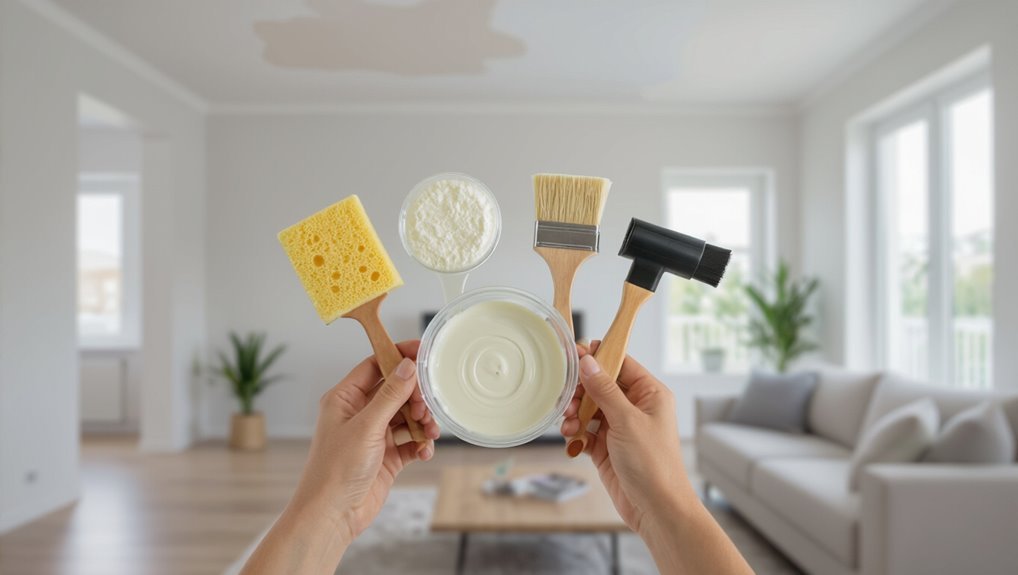
Start by evaluating three things: the ceiling material, the paint type, and the condition underneath.
You’ll match paint removal techniques to those factors—chemical strippers for stubborn coats, scrapers for peeling areas, or sanding for smooth refinishing.
Consider access, ventilation, and safety gear.
Assess access, ensure ventilation, and wear proper safety gear before starting any ceiling work.
Follow ceiling maintenance tips to prevent future damage and choose methods that preserve substrate integrity while minimizing dust and fumes.
What Type of Ceiling Do You Have? (Drywall, Plaster, Popcorn, Wood)
Wondering which ceiling you’re dealing with? Inspect texture and material: drywall types vary from smooth to taped seams; plaster characteristics include age cracks and hardness; popcorn textures are bumpy, grab particles easily; wood finishes show grain, knots, and possible varnish.
You’ll tailor removal tools and care to each—gentler scrapers for plaster and drywall, soft methods for popcorn, and gentle stripping for wood finishes.
Is the Existing Paint Oil‑Based, Latex, or Lead‑Containing?
Now that you know what material your ceiling is made of, the next step is identifying the paint type—oil-based, latex, or lead-containing—because removal method and safety measures depend on it.
You’ll test finish, check age, and watch for chalky or glossy cues. Understand paint types, evaluate lead risks with a kit, then choose appropriate removal methods and follow strict safety protocols.
When to Strip Paint vs. Repaint
If the existing paint is sound, well-adhered, and the surface damage is limited to small cracks or stains, you’ll usually save time and effort by repainting rather than stripping; strip only when paint is peeling, multiple layers have built up, or you’re dealing with oil-based or lead-containing coatings that won’t bond well to a new topcoat. Use Stripping techniques for stubborn layers; apply Repainting strategies for stable surfaces.
| Option | When to use |
|---|---|
| Repaint | Stable, minor flaws |
| Strip | Peeling, layered, hazardous coats |
How Much Peeling or Damage Requires Full Paint Removal?
Having decided whether to repaint or strip, assess how much peeling or damage actually warrants full removal of the ceiling paint.
You’ll perform a peeling assessment and damage evaluation: probe loose flakes, map cracks, and note blistering or water stains.
If defects are widespread, deeper than surface flakes, or compromising adhesion, remove to substrate.
If isolated, spot-strip and prime before repainting.
Safety Gear You Need Before Starting Ceiling Paint Removal
Before you lift a scraper or heat gun, gear up with the right safety equipment: a properly fitted NIOSH-approved respirator or N95 mask for dust and fumes, safety goggles that seal against splashes, disposable coveralls or old clothing, chemical-resistant gloves, and a hat or hood to protect your hair and scalp.
| Gear | Why |
|---|---|
| respirator mask | filters dust |
| safety goggles | splash barrier |
| protective gloves | chemical protection |
| work apron | keeps clothes clean |
| face shield | extra face coverage |
| knee pads | protect joints |
| ear protection | reduces noise |
| coveralls | full-body barrier |
How to Test Paint for Lead Safely at Home?
Before you strip any ceiling paint, you’ll want to test it for lead using a reliable home lead test kit.
Follow the kit instructions closely and collect a small, contained sample while wearing gloves and a respirator to avoid spreading dust.
If the kit indicates lead or you’re unsure about the sample, stop work and call a certified professional for confirmation and safe removal.
Home Lead Test Kits
Want to know if your ceiling paint contains lead? Use EPA-approved home lead testing kits that include swabs or strips and clear instructions.
Follow manufacturer steps, wear gloves, and test multiple spots for reliable results. Positive results mean you’ll prioritize home safety and contact professionals for removal.
Keep kits away from children and store results for reference.
Safe Sample Collection
When you’re testing paint for lead, collect small samples carefully so you don’t spread dust or contaminate the area; wear gloves, a mask, and eye protection.
Use wet scraping and clear containment to limit debris.
Label sample types (chip, dust, or wipe) and follow collection methods from your kit: seal samples in bags, clean the area, and dispose of materials per instructions to avoid cross-contamination.
If Tests Show Lead: When to Call a Pro
If your paint test shows lead, don’t tackle the ceiling yourself—lead-safe removal requires specialized training, containment, and equipment to protect you and your household. Call licensed contractors for professional advice about lead hazards, clearance testing, and timelines. They’ll minimize exposure, handle disposal, and provide documentation.
| Who | What | Why |
|---|---|---|
| You | Call pros | Safety |
| Contractor | Remove | Compliance |
| Tester | Verify | Clearance |
| Waste crew | Dispose | Regulation |
| Inspector | Certify | Proof |
Prepare the Room: Tools for Ceiling Paint Removal
Before you start, make sure you’ve got the right protective gear—respirator, goggles, gloves, and a disposable coverall—to keep dust and paint particles off you.
Lay down drop cloths and tape plastic over furniture and fixtures, and have a ladder, scraper, sanding tools, and a shop vacuum at hand.
Keep everything organized nearby so you can work safely and efficiently.
Protective Gear Essentials
A few key pieces of protective gear will keep you safe and make the job cleaner: a respirator rated for paint and dust, safety goggles, disposable coveralls or old clothes that fully cover your arms and legs, gloves, and a hat or hood to protect your hair.
Wear protective gloves, safety goggles, a respirator mask, knee pads and work boots.
Use drop cloths and ventilation fans; keep a paint scraper nearby.
Necessary Tools Checklist
Now that you’re protected, gather the right tools to make paint removal efficient and safe.
For a clear tools overview, assemble a sturdy ladder, drop cloths, respirator, safety goggles, paint scraper, sanding block or pole sander, chemical stripper (if needed), plastic sheeting, painter’s tape, and a shop vacuum.
These essential supplies let you work faster and reduce mess while protecting finishes.
Prepare the Room: Disposable Supplies and Temporary Protection
Since you’ll be working overhead and creating a lot of mess, start by clearing furniture from the room or moving it to the center and covering it with thick plastic drop cloths.
Then tape seams to prevent dust and drips from slipping underneath.
Lay additional floor protection, label and gather disposable supplies (gloves, masks, rags, scraper blades), and keep trash bins handy for safe, quick cleanup.
Set Up Negative‑Pressure Dust Control
Before you start scraping, create a negative‑pressure work zone so dust and paint chips go out, not into your home.
Seal doorways with plastic and tape, run a HEPA exhaust fan or box fan in a window facing outdoors, and position filters to force air outward.
Maintain negative pressure throughout work for effective dust containment and check seals periodically for leaks.
Protecting Floors and Furniture Under the Ceiling
Before you scrape or sand, cover the entire floor with overlapping drop cloths or plastic sheeting so no paint or dust reaches the surface.
Move small furniture out of the room and either wrap larger pieces in plastic or group and protect them under sealed cloths.
Tape and weight the edges of your drop cloths to keep them from shifting and to seal gaps where debris could escape.
Cover Floors Completely
Start by covering the entire floor area under the ceiling with a continuous layer of protection—use drop cloths, heavy-duty plastic sheeting, or taped-together contractor bags—so paint splatters and drips can’t reach hardwood, tile, or carpet.
Lay seams flat and tape edges to walls. Prioritize floor protection, overlap sections, and plan access paths while minimizing movement near covered areas and covering furniture bases.
Move Or Wrap Furniture
With the floor protected, turn your attention to the furniture beneath the ceiling: move out what you can and wrap or cover the rest to prevent paint splatters and dust from settling.
Prioritize furniture relocation for fragile or valuable pieces; slide lighter items to a safe room.
Use breathable covers, tape seams, and label wrapped items for easy removal—furniture protection prevents costly damage and speeds cleanup.
Secure Drop Cloth Edges
1 simple step you shouldn’t skip is anchoring the drop cloth edges so paint, dust, and tripping hazards stay off your floors and furniture. You’ll tape seams, weigh corners, and use edge sealing for surface protection and clean removal. Check edges frequently and peel tape slowly when done to avoid residue.
| Tool | Purpose | Tip |
|---|---|---|
| Tape | Secure edges | Use painter’s tape |
| Weights | Prevent movement | Sandbags work |
| Clips | Fasten to trim | Gentle pressure |
| Plastic | Protect floors | Overlap seams |
| Razor | Clean removal | Score tape edge |
Protecting Light Fixtures, Fans, and HVAC Vents
Before you cut in or roll, make sure every light fixture, fan, and HVAC vent in the room is fully protected so paint doesn’t drip into wiring, blades, or ductwork.
Use light fixture protection and fan safeguarding: remove bulbs, cover fixtures, or opt for fixture removal if handy.
Create HVAC vent coverage and temporary barriers for dust containment, follow ventilation tips, and maintain workspace organization.
Wet Scraping: When and How to Do It
You’ll want to wet scrape when paint is blistering, peeling, or has multiple thick layers that won’t come off dry.
Gather a scrub sponge, putty knife or drywall taping knife, bucket with warm water mixed with a mild detergent, and drop cloths before you start.
Work in small sections, soak the area, loosen paint with the knife at a low angle, and rinse often to keep the blade clean.
When To Wet Scrape
Wondering whether to wet scrape or dry scrape?
You should wet scrape when paint is peeling, chalky, or on textured ceilings where dry methods create dust. Wet scraping techniques soften layers, reduce airborne particles, and help preserve substrate — key benefits of wet scraping.
Use it for stubborn multiple coats, near occupants, or when minimizing cleanup and surface damage is a priority.
Tools And Materials
Now that you know when wet scraping is the better choice, gather the right tools and materials to work safely and efficiently.
You’ll need a sturdy ladder, plastic sheeting, scrapers and wide putty knives for paint scraping, sponges, buckets, mild detergent, and protective gear (goggles, mask, gloves).
Choose tools suited to different ceiling textures to avoid damage.
Step-By-Step Technique
Wet scraping works best when paint is soft enough to lift but the surface beneath is sound.
You’ll wet a small area, wait until the paint softens, then use a broad scraper at a low angle. Work systematically, keep the ceiling wet, and collect debris.
These paint removal techniques pair with ceiling preparation tips like masking and dust control to protect finishes and health.
Dry Scraping: Low‑Dust Techniques
Start by working in small, manageable sections so you can control dust and spot problem areas quickly.
Use dust control strategies like low‑speed HEPA vacuums and tack cloths.
Hold a sharp scraper at a shallow angle, scoring loose paint first, then peel gently.
Work with steady, even pressure, brush debris into a vacuum nozzle, and pause to check for substrate damage.
Using Chemical Strippers for Ceiling Paint
If dry scraping won’t remove stubborn layers or you spot stubborn enamel, chemical strippers can loosen paint without excessive scrubbing.
You should test small areas, wear PPE, ventilate well, and protect floors.
Follow manufacturer directions for chemical stripper effectiveness and use proper application techniques—brush, gel, or poultice—then scrape gently and neutralize residues.
Dispose of waste per local rules.
Choosing a Low‑Odor, Low‑VOC Stripper for Indoor Use
Because you’ll likely be working in a confined space, pick a low‑odor, low‑VOC stripper designed for indoor use so you can breathe easier and keep occupants comfortable; choose certified eco friendly options and read product comparisons for safety, effectiveness, and cleanup.
| Feature | Benefit | Note |
|---|---|---|
| VOC level | Low inhalation risk | Check label |
| Odor | Minimal | Better for pets |
| Certification | Eco seals | Prefer third‑party |
Apply and Remove Solvent and Caustic Strippers
Pick a stripper formulated for ceilings and the paint type you’re removing, and test it on a small patch first.
Protect floors, fixtures, and vents with plastic and tape, and wear gloves and eye protection while you work.
When you’re done, neutralize any caustic residue per the product instructions and dispose of waste and rags safely.
Choose Appropriate Stripper
When you’re removing paint from a ceiling, choosing the right stripper matters: solvent and caustic products work differently, so match the stripper to the paint type, ceiling material, ventilation limits, and your tolerance for cleanup and odor.
Consider stripper types: caustic for heavy buildup, solvent for modern paints, and eco friendly options for low odor.
Test a small area, follow instructions, and prep ventilation.
Protect Surrounding Surfaces
Before you apply any solvent or caustic stripper, clear and cover everything nearby so splatters, drips, and fumes won’t damage floors, furniture, or fixtures.
Use surface protection techniques and surrounding area precautions to limit exposure.
Do the following:
- Tape plastic sheeting to walls and vents.
- Move furniture out or cover it.
- Protect flooring with drop cloths.
- Seal doors and windows.
Neutralize And Dispose
With the area sealed and protected, it’s time to handle the solvents or caustic strippers you used; proper neutralization and disposal will keep you and your home safe.
Follow product instructions to neutralize residues, soak rags in approved containers, and never pour chemicals down drains.
Choose paint disposal methods that follow local regulations and prioritize eco friendly practices like hazardous-waste drop-offs or certified recycling.
Using a Heat Gun or Infrared Warmer on Ceiling Paint: Tips and Risks
Although heat tools can speed paint removal, you should treat a heat gun or infrared warmer as a precision tool rather than a blunt instrument on ceiling surfaces.
Follow these compact guidelines for heat gun safety and infrared warmer tips:
- Test a small area first.
- Keep 6–12 inches distance.
- Move constantly to avoid scorching.
- Ventilate and wear heat-resistant gloves.
How to Strip Popcorn Texture or Textured Paint Without Ruining Drywall
Before you start, you should protect floors and furniture and score any loose texture so dust stays contained.
Use gentle removal methods like misting with water, soft scrapers, or a low-pressure drywall sander to avoid gouging the paper surface.
Work in small sections and stop if the drywall paper lifts, then switch to gentler means or patching to prevent damage.
Preparing The Surface
Start by evaluating the ceiling’s condition and materials so you know exactly what you’re dealing with; you’ll want to confirm whether the texture contains asbestos, how firmly it’s bonded, and the drywall’s overall integrity before you begin stripping.
Do a thorough ceiling inspection and surface cleaning; then plan protection.
- Cover floor
- Mask walls
- Turn off HVAC
- Prep tools
Gentle Removal Techniques
When you’re ready to remove popcorn or textured paint, work gently and methodically to protect the drywall beneath: use gentle techniques, wetting small areas, soft scrapers, and light sanding. Follow safe methods, test a patch, and proceed slowly to avoid gouging.
| Tool | Action | Tip |
|---|---|---|
| Sprayer | Dampen | Don’t soak |
| Scraper | Lift | Use angle |
| Sander | Feather | Low grit |
Sanding Ceilings: Grit, Tools, and Dust Control Tactics
Sanding a ceiling takes the right grit, tools, and dust controls to give you a smooth, paint-ready surface without turning your home into a fine-powder mess.
You’ll use sanding techniques and grit selection for finish types, focus on surface preparation, and apply dust management and sanding safety to boost sanding efficiency.
Tools matter — here’s a quick comparison:
- Hand blocks
- Sanding sponges
- Powered sanders
- Vacuum attachments
Pole Sander vs. Drywall Sander: Which to Use for Ceilings
You’ll want to weigh a pole sander’s simplicity against a drywall sander’s power and dust collection when choosing a tool.
Think about the finish you need—pole sanders give basic smoothing while drywall sanders produce a more even, professional result.
Also consider ease of use: pole sanders are lighter and cheaper, but drywall sanders save time and effort on large ceilings.
Tool Purpose Comparison
1 clear choice between a pole sander and a drywall sander depends on the job size, surface condition, and how much reach and dust control you need.
You’ll weigh tool effectiveness and tool safety: a pole sander for light spots, a drywall sander for large areas.
- Reach
- Speed
- Dust control
- Surface prep
Surface Finish Results
Choose based on the finish you want: a pole sander gives you more control for light feathering and spot blending, while a drywall sander delivers a smoother, more uniform surface on large ceilings.
You’ll pick a pole sander to preserve texture and tweak edges; choose a drywall sander to optimize surface finish and consistent paint adhesion across broad areas for a professional repaint.
Ease Of Use
When weighing ease of use, think about how much effort you want to put in and how comfortable you need to be while working overhead.
You’ll choose based on comfort, control, and cleanup.
Compare user friendly techniques and efficient methods:
- Pole sander: lighter, steady reach.
- Drywall sander: faster, requires control.
- Fatigue: less with pole.
- Finish: finer with drywall sander.
How to Vacuum and Collect Dust While Sanding Overhead
Set up a dust-capture system before you sand—attaching a vacuum with a HEPA filter to your sanding tool and using drop cloths or plastic sheeting will keep airborne particles and settled dust under control.
Use proper dust collection accessories, work in short passes, and keep the vacuum inlet close to the sanding head.
Wear PPE, seal vents, and empty the vacuum outside to prevent recontamination.
How to Repair Gouges, Holes, and Substrate Damage After Stripping
Inspect the stripped ceiling for gouges, holes, and any soft or flaking substrate so you’ll know what needs repair before you start filling.
Follow these steps for gouge repair, hole patching, and substrate restoration as part of regular ceiling maintenance:
- Clean debris and loose material.
- Apply patch or filler to the defect.
- Smooth and feather edges.
- Sand lightly and prime before repainting.
Choosing the Right Joint Compound or Patching Product for Ceilings
After you’ve cleaned and filled defects, pick a joint compound or patching product that matches the size and type of repair you’ll be doing and the ceiling material underneath. Choose among lightweight, all-purpose, or setting compounds for different joint compound options and ceiling patching needs. Use quick-setting for deep holes; lightweight for skim-friendly touchups.
| Product Type | Best Use |
|---|---|
| Lightweight | Small repairs |
| Setting | Deep holes |
How to Skim Coat a Ceiling for a Smooth Repaintable Surface
Skim coating evens out texture and hides minor imperfections so your ceiling takes paint uniformly; you’ll spread a thin layer of joint compound over the entire surface, then smooth and feather it for a flat, paint-ready finish.
Skim coating smooths and conceals minor flaws so your ceiling accepts paint evenly for a flat, professional finish
Use these skimming techniques during ceiling preparation:
- Clean and sand loose paint.
- Mix compound to creamy consistency.
- Apply thin, overlapping passes.
- Sand lightly between coats.
Priming Stripped Ceilings: Primer Types and When to Use Them
Before you paint, pick a primer that matches the ceiling’s condition and the surface you exposed—latex for clean drywall, oil or an adhesion primer for glossy or problematic surfaces, and a stain-blocking primer for tannin, smoke, or water stains.
Choose primer types based on porosity and finish, follow recommended application techniques—roll for texture, brush cut-ins, thin even coats—and allow proper dry time before topcoat.
How to Seal Previously Stained or Smoke‑Damaged Ceilings
Before you seal a ceiling, identify whether the mark is a water stain, nicotine, or soot so you pick the right treatment.
Once you know the source, clean away residue and let the area fully dry.
Then apply a stain‑blocking primer rated for smoke and tannin stains to lock the discoloration in before repainting.
Identify Stain Type
1 clear step to take when you see discoloration is to identify what caused it—water, nicotine, soot, or something else—because the source determines how you’ll clean and seal the ceiling.
Use paint identification methods and note stain characteristics to choose treatment.
- Inspect color and texture
- Smell for smoke or mildew
- Trace source above
- Photograph findings for reference
Apply Stain‑Blocking Primer
When stains or smoke have discolored your ceiling, apply a stain‑blocking primer to stop tannins, water marks, or nicotine from bleeding through fresh paint. You’ll choose primer by stain types and enjoy primer benefits: sealing, adhesion, odor blocking. Work in ventilation, use even strokes, and let dry fully before repainting.
| Fear | Relief |
|---|---|
| Worry | Confidence |
| Stains | Clean |
| Smoke | Fresh |
Best Paints and Finishes for Ceilings After Removal Work
Choosing the right paint and finish after ceiling paint removal matters because it affects coverage, durability, and how well repairs hide up close.
You’ll want to contemplate ceiling paint types, finish recommendations, texture options, and color choices to camouflage imperfections and resist stains.
- Flat latex
- Eggshell for durability
- Light textures
- Warm white tones
Estimate Materials and Time for Ceiling Paint Removal
Before you start scraping or stripping, figure out the materials, tools, and time you’ll need so you don’t get halfway through the job and have to stop.
Assess surface size, paint type, safety gear, scrapers, chemical stripper or heat tool, drop cloths, and disposal.
Calculate material costs and realistic time estimates per square foot, allowing extra for prep, drying, and cleanup.
Fast Methods for Small Touch‑Ups Versus Full‑Room Removal
After you’ve estimated materials and time, decide whether you’re tackling a small touch‑up or removing paint from an entire room, because the methods and gear differ a lot.
Estimate materials and time, then choose: a small touch‑up or full paint removal — methods and gear differ.
For touch up techniques and quick fixes use gentle sanding, spot primer, and a small brush.
For full removal use scrapers, chemical stripper, and a respirator.
- Sand
- Prime
- Scrape
- Protect
How to Handle Mold or Mildew Found During Paint Removal
If you find mold or mildew while removing paint, stop work and assess the area—mold can be a health risk and needs to be handled differently than paint alone.
You should follow safety precautions: wear an N95, gloves, goggles, and ventilate.
Use appropriate mold treatment and approved removal techniques, contain debris, discard contaminated materials, and address moisture sources for ongoing mildew prevention.
Dealing With Plaster Ceilings: Stripping Without Cracking Plaster
Because plaster is brittle and can hide hairline cracks, you’ll need a gentler approach than you’d use on drywall—work slowly, use the right tools, and keep the surface damp to prevent sudden delamination.
Use these steps for plaster care and surface protection:
- Score paint edges gently.
- Steam or use a low-heat stripper.
- Scrape with a flexible putty knife.
- Patch and prime hairline cracks.
How to Remove Paint From Wood Beam or Tongue‑and‑Groove Ceilings
Start by evaluating the wood’s condition and finish—look for rot, heavy varnish, or hidden nails—so you can choose the gentlest effective removal method.
For wood beam techniques, test a small area with a chemical stripper or heat gun on low, then scrape with a plastic or thin metal scraper.
For tongue and groove methods, work along joints, protect grooves, and sand lightly to finish.
When to Replace Damaged Ceiling Sections Instead of Repairing
Once you’ve tried gentler fixes on beams or tongue‑and‑groove boards and found damage like widespread rot, structural sagging, or mold behind the finish, it’s time to contemplate replacement rather than repair.
If repairs reveal widespread rot, sagging, or hidden mold, opt to replace rather than patch.
You should evaluate ceiling damage against clear replacement criteria:
- Structural instability
- Extensive rot or decay
- Hidden mold infestation
- Repeated failure after repairs
Replace when any criterion applies.
How to Prevent Future Peeling and Ensure Long Paint Adhesion
To prevent future peeling, you should start with thorough surface preparation—clean, sand, and repair any loose or flaky areas so the new coating can grip properly.
Use a high-quality primer appropriate for your ceiling material, then apply a durable paint designed for ceilings or high-humidity rooms.
Taking these steps will maximize adhesion and extend the life of your finish.
Proper Surface Preparation
Before you pull down ladders and scrape paint, take time to prepare the ceiling properly so new paint will stick and won’t peel again.
Follow these steps:
- Inspect for loose flakes and repair cracks.
- Perform thorough surface cleaning to remove dust, grease, and mildew.
- Choose proper tool selection: scrapers, sandpaper grit, and cleaners.
- Prime repaired areas and let them dry completely.
Use Quality Paint And Primer
You’ve prepped the surface correctly, so now pick paint and primer that’ll bond well and resist future peeling. Use high paint quality and match primer types to substrate—stains, drywall, or plaster—to guarantee adhesion and longevity. Apply per manufacturer instructions, allow proper drying, and use thin, even coats to avoid drips and future failures.
| Item | Recommendation |
|---|---|
| Paint quality | High-grade latex |
| Primer types | Stain-blocking |
| Surface | Drywall/plaster |
| Application | Thin even coats |
| Dry time | Follow label |
How to Minimize Fumes and Odors During and After Chemical Stripping
When you’re chemical-stripping paint from a ceiling, controlling fumes and odors is essential for safety and comfort; open windows, run fans, and seal off other rooms to keep vapors from spreading.
You’ll focus on fume reduction and odor control with practical steps:
- Use low-VOC stripper.
- Ventilate continuously.
- Wear a respirator.
- Neutralize odors with baking soda or activated charcoal.
Disposing Paint Chips, Rags, and Stripper Waste Safely
When you finish stripping, handle paint chips and used materials as potential hazardous waste—especially if the paint may contain lead.
Keep contaminated rags and liquids in labeled, sealable containers and separate them from ordinary trash.
Check local lead-safe disposal rules and take segregated hazardous waste to an approved facility.
Lead-Safe Disposal Practices
1 clear rule: treat all paint chips, dust, used rags, and stripper residues as potentially hazardous until you know they’re lead-free.
You must minimize lead exposure, follow safe practices, and choose proper disposal methods to limit environmental impact.
- Seal wastes in heavy plastic.
- Label contents clearly.
- Use licensed disposal services.
- Keep wastes away from living areas.
Hazardous Waste Segregation
Because paint cleanup can release harmful particles, you should segregate chips, rags, and stripper residues immediately and keep them separate from regular trash and recyclables.
Label containers clearly and seal them to prevent leaks. Treat contents as hazardous waste, follow local disposal methods, and consult municipal guidelines or hazardous waste facilities for drop-off.
Don’t mix with household garbage to avoid contamination.
Proper Rags And Containers
Segregating waste is only the first step; you’ll also need the right rags and containers to keep paint chips, soaked cloths, and stripper residues from causing spills or contamination.
Choose rags types and container options that resist solvents and seal tightly.
Steps:
- Use solvent-resistant rags.
- Store in metal cans with lids.
- Label containers clearly.
- Take to hazardous waste facility promptly.
Paint Removal Costs: DIY vs. Professional Estimates and What Affects Price
Deciding whether to remove ceiling paint yourself or hire a pro comes down to cost, time, and the condition of the ceiling. You’ll weigh DIY Budgeting against Professional Quotes; consider Cost Factors like Labor Expenses, Material Costs, Project Scope, Regional Variations, Estimate Accuracy and Hidden Fees. Do a Price Comparison to decide.
| Option | Consideration |
|---|---|
| DIY | Lower materials |
| Pro | Higher labor |
How to Hire and Vet a Contractor for Ceiling Paint Removal
Who should you hire to strip paint from your ceiling, and how do you know they’re the right fit?
You should verify contractor qualifications, insurance verification, and read contractor reviews.
Ask interview questions about project timeline and get detailed cost estimates.
Do a references check and evaluate communication style before hiring.
- Credentials
- Timeline
- Costs
- References
Common Mistakes People Make When Removing Ceiling Paint
While tackling ceiling paint removal, you can easily make mistakes that slow the job or damage your ceiling—skipping proper prep, using the wrong tools or chemicals, and rushing the stripping process are the most common culprits.
You should test small areas, follow safe paint removal techniques, protect floors and fixtures, and avoid aggressive scraping.
Recognize common pitfalls like inadequate ventilation and ignoring surface compatibility.
Quick Troubleshooting: What to Do If Paint Keeps Flaking Back
If paint keeps flaking back after you scrape or strip, don’t assume the surface is salvageable—flaking usually means adhesion problems, lingering contaminants, or incompatible layers beneath.
You should:
- Identify flaking causes with a moisture and adhesion check.
- Remove all loose material to sound substrate.
- Clean contaminants (grease, smoke, mildew).
- Apply appropriate repair techniques: filler, sanding, and a bonding primer before repainting.
How Long to Wait Between Stripping, Priming, and Repainting
After you’ve stripped flaking paint back to a sound surface and cleaned it, plan your timing carefully: primers and topcoats need proper cure and flash times to bond well and avoid new failures.
Wait for any solvent or moisture to fully evaporate—usually 24–48 hours.
Follow stripping techniques and priming tips: allow primer to cure per label (often 24 hours) before applying the finish coat.
Checklist: Step‑By‑Step Timeline to Remove Paint and Prep the Ceiling
Start by putting on your safety gear—respirator, goggles, gloves, and a drop cloth—to protect yourself and the room.
Next, follow a clear surface‑prep order: test for lead, tape off edges, scrape or strip loose paint, sand smooth, and wipe away dust.
Finish with a thorough cleanup of debris and proper disposal so the ceiling’s ready for priming and repainting.
Safety Gear First
Before you touch a ladder or scraper, gather the right safety gear so you protect yourself and your home.
You’ll follow safety precautions and use proper protective equipment. Prepare these items before starting:
- NIOSH-rated respirator
- Safety goggles
- Disposable coveralls
- Non-slip ladder shoes
Wear gloves, ventilate the area, and keep a fire extinguisher nearby.
Surface Preparation Steps
1. You’ll prep the area: remove fixtures, cover furniture, and test Surface cleaning techniques on a small patch. Check Ceiling texture considerations to choose gentle scrapers or soft sanding. Follow this concise checklist:
| Task | Purpose |
|---|---|
| Dust & vacuum | Remove loose debris |
| Patch & sand | Smooth edges |
| Test cleaner | Confirm compatibility |
Post‑Removal Cleanup
Once you’ve stripped the paint, tackle cleanup in ordered stages so the ceiling’s surface stays intact and you’re ready for priming or repainting.
Use proper cleanup techniques and cleanup supplies, working methodically to avoid damage.
- Vacuum dust and debris.
- Wipe with mild detergent solution.
- Rinse with clean water, blot dry.
- Inspect for remaining paint, sand spots as needed.
Frequently Asked Questions
Can I Remove Ceiling Paint While Children or Pets Are at Home?
You can, but you shouldn’t if kids or pets roam nearby; prioritize child safety and pet precautions by keeping them out, sealing the area, using low-VOC products, ventilating well, and supervising so everyone stays away from fumes and wet paint.
Will Removing Paint Affect My Home Insurance or Warranty?
About 30% of home insurance claims involve water damage, so you should check policies—removing paint can affect insurance claims if it exposes or causes damage, and it may void warranty coverage on recent finishes or repairs.
Can I Use a Regular Ladder for Ceiling Work or Need Scaffolding?
You can use a regular ladder for lower ceiling height jobs, but don’t if it’s unstable or high; prioritize ladder safety, use a properly rated, tall ladder, maintain three-point contact, or opt for scaffolding for extended or risky work.
How Do I Avoid Visible Seams After Skim Coating and Repainting?
Think of seams as shy guests—blend them away. You’ll use skimming techniques that feather edges, sand lightly, prime, then do paint blending with thin overlapping passes and matching sheen so shifts vanish and the ceiling looks uniform.
Are There Smells or Stains That Indicate Hidden Insulation Issues?
Yes—musty odors, persistent damp stains, and yellowish-brown blotches can signal hidden insulation issues. You should schedule an insulation inspection and use moisture detection tools; they’ll help pinpoint leaks, mold, or compressed, failing insulation quickly.
Conclusion
You’ve got a plan now, so tackle the ceiling with confidence and care. I once watched a neighbor strip popcorn ceilings room by room—what looked like a small job took three afternoons but cut our repaint time in half—showing patience pays. Remember: test for lead, pick the right method for your surface, protect floors and lungs, and wait the recommended drying times. Do it right once, and you won’t redo it later.
