
Can Paint Dry in the Cold? Temperature Effects Explained
You can get paint to dry in cold weather, but it’ll take much longer and may never fully cure or adhere properly unless conditions improve. Cold slows solvent evaporation and the chemical reactions that harden film, so tack times, blushing, and poor film formation are common below recommended temps (typically ~50°F/10°C for latex, ~40°F/4°C for some oils). Use warm daytime hours, additives, thinner coats, or temporary heat for better results — more tips and fixes follow below.
Can Paint Dry in the Cold? (Short Answer)
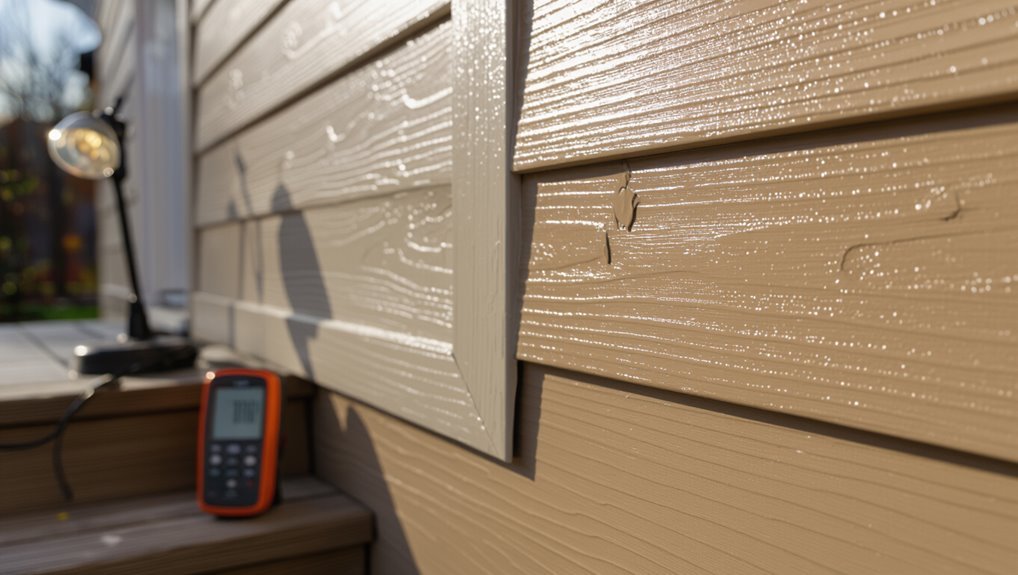
Can paint dry in the cold? You can get drying, but cold conditions slow chemistry and evaporation, so paint performance drops.
Expect longer tack times, weaker film formation, and higher risk of adhesion or finish issues.
You’ll often need adjusted techniques, additives, or wait for warmer periods to guarantee durable results rather than relying on normal cure times in low temperatures.
Practical Temperature Minimums for Outdoor Painting
Although you can sometimes get paint to tack up in chilly weather, you should follow clear minimum temperatures for outdoor painting to avoid poor adhesion, extended cure times, and finish defects.
Aim for manufacturer-recommended minima—typically 50°F (10°C) for latex and 40°F (4°C) for some alkyds—while monitoring outdoor conditions.
Work during warmer daytime hours to guarantee consistent paint performance.
How Temperature and Humidity Affect Drying vs Curing
You need to know that drying and curing are different: drying is surface solvent evaporation, while curing is a chemical hardening that can take days or weeks.
Both processes slow dramatically below certain temperature thresholds, and some coatings won’t cure at all if it’s too cold.
High humidity also slows drying by reducing evaporation and can interfere with curing reactions, so you should watch both temperature and moisture.
Drying Versus Curing
When temperature and humidity shift, drying and curing follow different timelines and respond differently to those changes.
You’ll notice drying processes—evaporation of solvents—speed up with warmth and low humidity, while curing mechanisms—chemical crosslinking—depend on stable temperatures and proper moisture.
You shouldn’t confuse tack-free surface feel with full cure; low temps can leave paint weak even if it seems dry.
Temperature Thresholds
If temperatures fall below a paint’s specified threshold or humidity climbs high, you’ll see both drying and curing slow dramatically.
You should follow the product’s recommended temperature range to guarantee proper film formation. Cooler conditions extend tack time and delay cure strength, while warm, dry ideal conditions speed solvent evaporation and chemical crosslinking.
Monitor weather and heat spaces to meet specs.
Humidity Interaction
Although temperature sets the pace, humidity steers how paint actually dries and cures: high humidity slows solvent evaporation and keeps the film tacky longer, while low humidity speeds surface drying but can trap solvents below the skin, hindering full cure.
You should monitor humidity levels and account for moisture impact: adjust ventilation, heating, or wait for moderate conditions so paint both dries and cures properly.
Cold Limits for Common Paint Types: Latex, Oil, Enamel, Lacquer
Because different paint chemistries react to cold in different ways, you need to pick the right type for low-temperature work:
Latex (water‑based) starts to freeze and won’t film properly near or below freezing.
Oil-based paints tolerate cooler conditions down to roughly 35–40°F (2–4°C) but dry much slower.
Enamels usually handle slightly lower temps than latex but still prefer above-freezing conditions.
Fast‑evaporating lacquers can skin over in the cold without fully curing.
Choose latex paint only above freezing; use oil paint or enamel paint for marginally cool days; avoid lacquer paint unless you control temperature.
Why Paint Takes Longer in the Cold (Evaporation and Chemical Cure)
When temperatures drop, paint takes longer to dry because both solvent evaporation and the chemical reactions that form a solid film slow down.
You’ll notice slower evaporation rates and delayed chemical reactions, so patience matters.
- Frustration: tacky finish longer
- Anxiety: missed deadlines
- Relief: eventual cure — just slower
Adjust timing and expectations accordingly.
Paint Additives and Cold-Weather Formulations That Help
If you’re painting in cold weather, using the right additives and cold‑weather formulations can make the difference between a usable finish and a tacky mess.
You’ll choose paint additives that lower freeze point, improve flow, and speed cure. Opt for branded cold formulations or winter-grade latex/alkyd blends formulated to coalesce and crosslink at lower temperatures, ensuring adhesion and reduced tack without overthinning.
Prep and Application Tips for Cold‑Weather Painting

Although cold weather demands extra care, you can still get a durable finish by prepping surfaces, planning timing, and adjusting your technique.
Use clean, dry surfaces and proper prep techniques. Time coats for warmer daytime hours.
Modify application strategies: thin coats, slow strokes, and extended flash times.
Feel confident knowing small adjustments prevent failures.
- Hope
- Relief
- Pride
When to Move the Project Indoors or Use Heaters for Proper Curing
You’ve prepped carefully and adjusted your technique, but some jobs still won’t cure properly in cold conditions.
So you’ll need to decide whether to move the project indoors or bring in heat.
For indoor painting, guarantee ventilation and dust control.
If using portable heaters, follow heater safety: keep clearances, avoid open flames, use thermostatic control, and monitor humidity to maintain manufacturer‑recommended curing temperatures.
Troubleshooting Cold-Weather Problems: Blushing, Adhesion, Long Tack Time
When paint blushes or feels tacky in cold weather, you’ll want to know what’s causing the moisture and how to fix it quickly.
Check for high humidity, low substrate temperature, or incompatible solvents, and consider warming the area or using a fast-evaporating reducer.
To improve adhesion and speed drying, prep the surface thoroughly, use primers or cold-formulated coatings, and maintain warmer, drier conditions until the film cures.
Blushing Causes And Fixes
If paint has a cloudy, whitish haze after application in cold, damp conditions, that’s blushing—caused when moisture gets trapped in the coating and condenses as tiny droplets, scattering light and disrupting film formation.
To fix it you’ll need to address humidity, temperature, and solvent balance so the finish can dry uniformly.
You can try:
- Improve humidity control.
- Warm the space slightly.
- Use slower solvent blends for blushing prevention.
Improving Adhesion And Drying
Blushing shows how moisture and temperature can sabotage a finish, but adhesion and overall drying present their own cold-weather challenges that demand different fixes.
You’ll improve results by using adhesion techniques like scuffing, primer formulated for low temps, and controlled warming.
Focus on surface preparation—clean, dry, and degloss—then slow cure with proper ventilation or temporary heaters to reduce tack time.
Cold‑Weather Drying and Recoat Timeline
Although colder temperatures slow chemical reactions, you can still get reliable dry times by adjusting expectations and procedures; plan longer wait times, monitor surface—not air—temperature, and keep humidity and ventilation controlled so each coat cures before you recoat.
You’ll face cold weather paint performance drying challenges, so use measured application techniques and this timeline:
- Wait longer—patience.
- Test tack before recoating.
- Protect cures from frost.
Frequently Asked Questions
Can Freezing Temperatures Reverse a Paint Job That’s Already Cured?
No, freezing temps won’t typically reverse a cured paint job, but they can stress the curing process and weaken paint adhesion over time, so you’ll see cracking, flaking, or chalking if repeated freeze-thaw cycles occur.
Do Pigments or Color Fade Faster When Painted in Cold Weather?
Yes — pigments can suffer; cold hinders proper film formation so pigment stability drops and you’ll get reduced color longevity, especially with UV-sensitive or solvent-based paints, unless you follow manufacturer temperature guidelines strictly.
How Does Cold Affect Paint Smell and Indoor Air Quality After Painting?
Cold causes cloying, concentrated chemical coughs: you’ll notice stronger paint odor and slower off-gassing, so you should boost air circulation, open windows when possible, and use fans or filters to clear fumes faster.
Are Spray Finishes More Problematic Than Brush-On in Subfreezing Temps?
Yes — spray finishes are more problematic in subfreezing temps; you’ll face spray application challenges like tip clogging, poor atomization, and overspray drift, so use cold weather techniques: heated space, warmed materials, slower passes, and dehumidification.
Can Cold-Weather Painting Void Manufacturer Warranties?
Yes — you can void it. Imagine frost creeping over fresh paint; manufacturers list warranty limitations and cold effects, and if you paint in substandard temps you’ll likely lose coverage, so follow their temperature guidelines.
Conclusion
You can conquer cold-caused can-kinks by choosing calm conditions, correct coatings, and careful craft. When temperatures tumble, paint may merely muddle, making tack time stretch and surface issues start. Stay patient: prep properly, pick paints rated for chill, and provide gentle heat or shelter so curing completes. With steady steps and sensible safeguards, you’ll salvage sheen, strengthen stick, and secure satisfying, streak-free results even when winter winds whisper.
