
How to Paint Blow Molds for Holiday Decorations
You can refresh blow molds by cleaning them thoroughly, repairing cracks or pinholes with plastic-compatible epoxy, sanding lightly, and using a plastic primer for good adhesion; then apply thin, even spray or brush coats, build midtones and highlights for depth, and finish with a UV-resistant clear coat for weatherproofing. Use anchors and low-heat LEDs for outdoor display, and store in low-humidity conditions between seasons. Keep going to learn step-by-step prep, paint choices, and shortcuts.
How to Repaint Blow Molds: What This Guide Covers
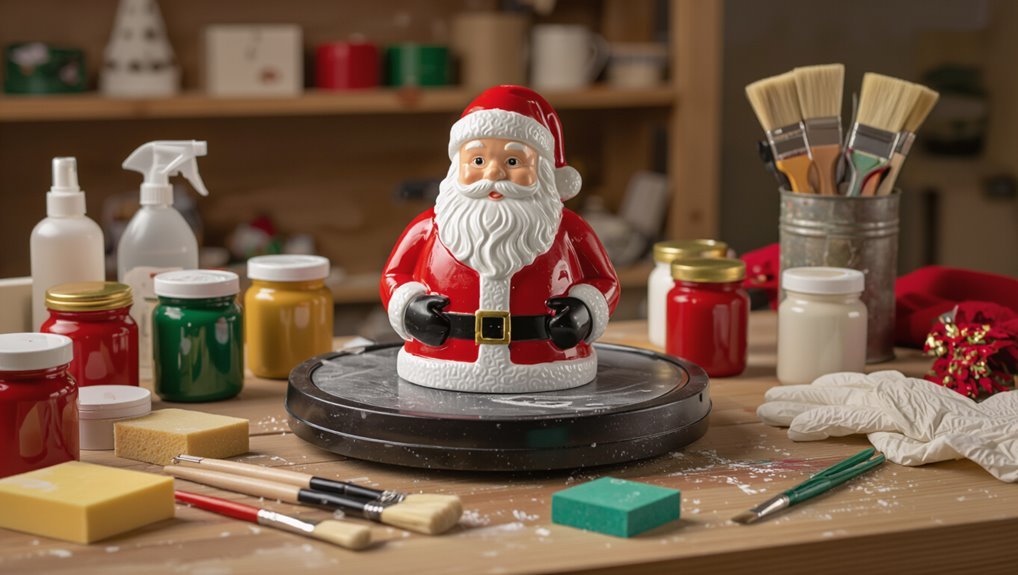
Although repainting blow molds might seem intimidating, this guide breaks the process into clear, manageable steps so you can restore their color and shine without guesswork.
You’ll learn surface prep, paint selection, masking, and finishing techniques.
We’ll touch on blow mold history and current holiday trends to help you choose authentic or modern palettes, tools needed, safety tips, and troubleshooting common issues.
Why Repaint a Blow Mold: Benefits and Limits
Repainting a blow mold can instantly restore its original charm, protect brittle plastic from further sun and moisture damage, and let you customize colors to match your decor or holiday theme.
You’ll enhance curb appeal, preserve historical significance, and extend useful life while exploring creative techniques.
Limits include imperfect fixes for deep cracks, faded decals, or structural warping that repainting alone won’t resolve.
Which Blow Molds Are Worth Restoring
Now that you know what repainting can fix and where it falls short, you’ll want to be selective about which blow molds to restore. Choose pieces with strong structure, iconic vintage designs, or sentimental value. Prioritize those that respond well to common restoration techniques and have salvageable details.
| Worth Restoring | Why |
|---|---|
| Iconic shapes | Collectible value |
| Intact seams | Easier repair |
| Vintage designs | Aesthetic appeal |
| Sentimental pieces | Personal value |
| Severe cracks? | Often not worth it |
Check Plastic Type and Paint Compatibility Before You Start
Before you pick up a can of spray paint, identify the plastic your blow mold is made from and match it to compatible primers and paints.
You’ll check common plastic types, test paint compatibility with a hidden spot, and choose primers that improve surface adhesion.
Confirm recommended topcoats for durability, and plan color choices that suit the mold’s texture and proposed display.
Essential Tools and Paints for Blow-Mold Restoration
With the plastic and primer choices settled, gather the right tools and paints so the job goes smoothly.
You’ll need proper brushes, spray cans, and masks. Choose paint types suitable for plastic and UV exposure, and practice application techniques on scrap.
- Brushes and foam pads
- Spray paint (plastic-formulated)
- Touch-up enamels and clearcoat
Set Up Ventilation, PPE, and a Safe Workspace
Because paint fumes and overspray can accumulate quickly, set up good ventilation and wear appropriate PPE before you start work. You’ll position fans, open windows, and use ventilation methods like exhaust fans or a respirator, and arrange safety equipment nearby. Keep workspace clean, well-lit, and free of tripping hazards; control dust and sparks to protect finishes and yourself.
| Item | Purpose |
|---|---|
| Fan | Airflow |
| Mask | Respirator |
| Lights | Visibility |
| Barrier | Contain overspray |
Inspect for Cracks, Missing Parts, and Plastic Rot
Before you start sanding or painting, inspect the mold for structural cracks that could worsen during prep.
Look for any missing components like light sockets, mounting tabs, or screws that you’ll need to replace.
Also check for plastic rot—soft, chalky, or discolored areas that may not hold paint or glue.
Check For Structural Cracks
Start by examining the mold’s body for any hairline or structural cracks, missing pieces, and signs of plastic rot—these defects will affect paint adhesion and long-term durability.
You should perform crack detection with bright light and magnification, then choose repair methods like plastic welding, epoxy fillers, or reinforcement.
- Locate cracks
- Clean and prep
- Apply repairs and test
Identify Missing Components
While you’re checking for structural cracks, also inspect the mold for missing parts and areas of plastic rot that can hide behind seams, mounting tabs, or paint layers.
Note every missing parts item, document damage, and plan restoration techniques before you start.
That lets you choose proper color selection and prepare surfaces for even paint application, ensuring repairs blend seamlessly with the final finish.
Assess For Plastic Rot
If you find soft, chalky areas or crumbling edges when you press the plastic, you’re likely dealing with plastic rot—an oxidation breakdown that weakens the structure and ruins paint adhesion—so mark those spots, probe seams and mounting tabs for hidden damage, and note any missing fittings that’ll affect repair strategy.
- Identify plastic degradation locations.
- Check cracks, fasteners, fittings.
- Choose restoration techniques.
Clean Blow Molds: Remove Dirt, Grease, and Old Stickers
Before you paint, get the molds spotless: dirt, grease, and old stickers keep paint from sticking and create uneven finishes.
Use gentle cleaning techniques—warm soapy water, soft brushes, and isopropyl alcohol for stubborn grease.
Clean molds gently: warm soapy water, soft brushes, and isopropyl alcohol for stubborn grease.
For sticker removal, soften adhesive with heat or adhesive remover, then scrape gently with a plastic putty knife.
Rinse, dry, and handle molds with clean gloves.
Repair Cracks and Holes in Blow Molds
Start by evaluating the damage so you know whether to patch, bond, or replace sections of the mold; small hairline cracks and pinholes can often be repaired at home, while large splits or warping may need professional attention.
You’ll do crack filling and hole patching with compatible epoxy, reinforce backs when needed, then sand lightly.
- Clean area
- Apply filler
- Cure and test
Smooth Scuffs and Rough Edges Before Painting
One quick pass with sandpaper and a scraper will turn scuffs and rough edges into a uniform surface ready for primer and paint.
You’ll use gentle sanding techniques—start coarse, finish fine—to remove burrs and glossy spots.
Wipe dust away, inspect for high spots, and repeat lightly where needed.
Proper preparation improves paint adhesion and gives a smoother, longer-lasting finish.
Choose the Right Primer for Plastic Blow Molds
Now that you’ve smoothed scuffs and rough edges, you’ll want to prep the surface so primer bonds properly—clean, sand lightly, and remove dust and oils.
Pick a primer formulated for hard plastics or labeled “universal plastics” to guarantee adhesion and flexibility.
Apply thin, even coats and follow the manufacturer’s flash and cure times for best results.
Surface Preparation Steps
Picking the right primer for plastic blow molds makes the difference between a paint job that chips off and one that lasts through seasons of use.
You’ll follow surface cleaning methods, scuff lightly, and use paint adhesion techniques before priming.
Do these steps:
- Wash with mild detergent and rinse.
- Sand or scuff gently with fine grit.
- Wipe with solvent and let dry.
Primer Type Selection
Although primers vary a lot in formulation and purpose, choosing the right one for plastic blow molds is critical to long-lasting adhesion and finish.
You’ll pick primer types rated for plastic or adhesion-promoting primers, like etching or chlorinated solvent primers.
Follow manufacturer application techniques: clean, scuff, apply thin even coats, dry between layers, and test a small area before full coverage to guarantee bond and finish.
Apply Primer for Strong, Durable Adhesion
Before you spray or brush on paint, apply a quality primer so your finish will stick and last; primers create a uniform surface, block stains, and improve paint durability on plastic blow molds.
You’ll focus on primer application and adhesion techniques. Follow these steps to prep and prime efficiently:
- Clean and sand.
- Use thin, even coats.
- Cure fully before painting.
Select Paint Types: Spray, Brush, or Airbrush
One of the key choices you’ll make is the application method—spray, brush, or airbrush—since each delivers different coverage, finish, and control for blow molds.
Choose spray paint for even coats and fast coverage. Use brush techniques for detail and texture, and employ airbrush effects for gradients.
Consider paint finishes, how color combinations read, and how each handles varied surface textures.
Pick Colors and Finishes for Holiday Looks
Now that you’ve picked your application method, think about the holiday mood you want to create and choose colors and finishes that support it.
Pick color combinations and finish options that match theme and setting. Consider durability and light reflection.
- Classic: red, green, satin
- Modern: metallics, neutrals, glossy
- Whimsical: pastels, bright accents, matte
Layer Paint: Base Coat, Midtones, and Highlights
Start with a solid base coat to seal the surface and give you an even foundation for color.
Then add midtones to define form and shift between shades.
Finish with targeted highlights to lift details and create convincing depth.
Build A Solid Base
Before you apply any detail work, lay down a solid base by blocking in a consistent base coat, then adding midtones and highlights to establish form and lighting.
You’ll guarantee base stability across different mold materials, sealing thin spots and sanding light roughness.
Follow these steps:
- Prime evenly.
- Block base color.
- Add subtle midtones.
Add Depth With Highlights
Because highlights define form and catch light, you’ll want to build them deliberately after laying your base and midtones.
Use subtle highlight techniques: thin layers, glazing, and dry-brushing to lift edges and raised details.
Blend shifts with soft strokes, reverse your shading tips to place brightest accents, and step back often.
Final highlights should read natural, reinforcing shape without overpowering midtones.
Paint Faces, Eyes, and Small Details
Focus on small features after the base colors are dry, since faces and eyes make or break your blow mold’s character.
You’ll use face painting and precise detail techniques to add expression. Work with fine brushes, steady hands, and thin layers.
Prioritize contrast, placement, and catchlights.
- Fine brushes
- Thin layers
- Catchlights and contrast
Add Painted Texture and Trim (Faux Fur, Fabric, Metallic Accents)
Texture brings your blow mold to life, so add faux fur, fabric, and metallic trims with deliberate strokes and layered paint. You’ll dab highlights, dry-brush fibers, and glue fabric trims for depth. Metallic accents pick out edges and buttons. Use light layers, test sheen, and seal.
| Area | Technique | Effect |
|---|---|---|
| Fur | Dry-brush | Depth |
| Trim | Glue + paint | Contrast |
| Metal | Leafing | Shine |
Use Stencils and Masking for Crisp Lines
Now that you’ve added texture and trim, sharpen those details with stencils and masking to get crisp, professional lines.
Now that texture and trim are in place, use stencils and masking to achieve sharp, professional edges.
You’ll use stencil techniques and masking tips to prevent bleed and create sharp edges. Follow these steps:
- Secure stencil firmly, dab paint with a stippling motion.
- Mask adjacent areas with low-tack tape.
- Remove stencil slowly after paint skins.
Drying and Curing Times: How Long Before Handling?
After you finish painting, you’ll feel the surface dry to the touch within an hour or two depending on paint type and temperature.
Don’t handle the mold until the paint has reached a full cure—often 24 to 72 hours for typical acrylics, and up to a week for thicker or specialty coatings.
Always check the manufacturer’s cure time and wait the recommended period to avoid smudges, tackiness, or adhesion failures.
Surface Drying Time
How long the paint needs to dry before you can handle a blow mold depends on the paint type, layer thickness, and ambient conditions; typical touch-dry times range from 15 minutes for fast-drying acrylics to several hours for enamels, while full cure can take days to weeks.
- Check surface texture; smooth areas dry faster.
- Feel for tackiness before touching.
- Use gentle drying methods like airflow, not heat.
Full Cure Waiting
Touch-dry times tell you when you can handle a blow mold lightly, but full cure determines when painted pieces can be stacked, stored, or exposed to stress without risking damage.
You’ll follow full cure techniques like longer ambient drying time, controlled humidity, and gentle heat.
Wait the manufacturer’s suggested drying time—often 24–72 hours—to guarantee coatings harden fully before packing or displaying.
Apply Clear Coats for Weather Resistance
Because UV rays and moisture can quickly degrade painted blow molds, you’ll want to seal your work with a clear coat designed for outdoor use.
Choose among clear coat options and follow weather resistance tips to extend life. Apply thin, even coats, allow full drying between layers, and use satin or gloss finishes for easy cleaning.
- Prep surface
- Spray thin coats
- Cure fully
Mount and Stabilize Blow Molds for Outdoor Display
Now that the finish is protected, you’ll want to anchor your blow mold securely for outdoor display to prevent tipping or wind damage.
Use ground anchors or stakes for lawn placement and heavy-duty fasteners or mounting brackets when attaching to decks, porches, or walls.
Check connections periodically and tighten or replace hardware as needed to keep the mount stable and safe.
Anchoring To Ground
Stability matters when you put blow molds outdoors, so plan a secure anchoring method before you set them in place.
You’ll assess ground stability and choose anchor methods that match soil and wind exposure.
- Drive rebar stakes through base for firm soil.
- Use auger anchors for loose or sandy ground.
- Add weight plates or sandbags for temporary displays.
Securing To Surface
Once your anchors are set in the ground, you’ll want to secure the blow mold to a surface so wind or curious passersby can’t tip it over.
Use brackets, straps, or stainless bolts as securing methods, matching fasteners to surface materials like wood, concrete, or pavers.
Seal penetrations with waterproof caulk, tighten hardware evenly, and test stability before leaving the display.
Weatherproof Blow Molds for Long-Term Outdoor Use
If you want your painted blow molds to withstand sun, rain, and temperature swings, you’ll need to use outdoor-grade products and proper prep so coatings won’t peel or crack.
You should choose weatherproof coatings for seasonal durability, prep surfaces, and seal seams.
Follow steps:
- Clean and sand
- Apply primer + weatherproof coatings
- Topcoat and inspect annually
Integrate Lighting Safely With Blow Molds
After weatherproofing your blow molds, you can add lighting to make them stand out at night while keeping them safe and long-lasting.
Use low-heat LEDs, plan wiring routes, and conceal bulbs behind molded edges.
Use low-heat LEDs, map wiring paths, and hide bulbs behind molded edges for safe, subtle illumination.
Test lighting techniques on one piece, secure connections with waterproof connectors, and anchor cords to prevent strain.
Follow manufacturer instructions for safe wiring and outdoor-rated power sources.
Touch Up Chips and Scratches Like a Pro
When you spot chips or scratches in your blow mold’s finish, tackle them promptly to prevent moisture and UV damage from spreading.
Clean, sand, and prime the area, then use careful paint mixing to match sheen. Apply thin coats, feathering edges for seamless blends guided by basic color theory.
- Prep: clean, sand, prime
- Match: mix, test color
- Finish: thin coats, seal
Store Seasonally to Preserve Your Paint Job
Before you stash your blow mold for the season, give it a thorough cleaning to remove dirt and residues that can eat at the paint.
Store it where humidity is low and airflow is steady to prevent moisture damage.
Cover it with a breathable protective cover to block dust while avoiding trapped condensation.
Clean Before Storage
If you plan to store your blow molds for the season, clean them thoroughly so grime and moisture can’t damage the paint while they’re packed away.
You’ll use gentle cleaning techniques, dry completely, and choose proper storage solutions.
Follow this checklist:
- Wash with mild soap and soft cloth.
- Rinse and air-dry fully.
- Pack in breathable containers with padding.
Avoid Humidity Exposure
Because moisture accelerates paint breakdown, store your blow molds in a cool, dry space and only bring them out during the display season to preserve their finish.
You should monitor humidity control with a dehumidifier or silica packs, check molds periodically for damp spots, and rotate items during seasonal storage to prevent long exposure.
This preserves paint adhesion and reduces peeling.
Use Protective Covers
When you store blow molds seasonally, cover them with breathable, fitted protectors to shield the paint from dust, sunlight, and accidental scuffs without trapping moisture.
You’ll extend paint longevity and outdoor durability while supporting mold maintenance and holiday safety.
- Choose covers with UV protection and weather resistance.
- Keep items off damp floors.
- Label and rotate for seasonal storage.
Quick Repaint Options for Last-Minute Refreshes
Got a party tonight or unexpected guests? Use last minute ideas like spray-on touch-up paint, paint pens for detail, and removable metallic rubs to mask chips.
Work in well-ventilated space, wipe surface, and dry between coats. Quick refreshes include alternating light coats and using clips to hold pieces while painting so you’ll finish fast and avoid drips.
Budget-Friendly Alternatives and Time-Saving Shortcuts
You can save money by using affordable paint substitutes like acrylic craft paint or spray paint designed for plastics, and still get good coverage.
Look for repurposed materials—old fabric for masking, leftover primer, or plastic bottles turned into mixing cups—to cut costs and waste.
Use quick-dry techniques such as thin coats, heat lamps, or fast-curing clear coats to speed the process without sacrificing finish.
Affordable Paint Substitutes
Although pro-grade spray paints give the smoothest finish, you can get great results on a tight budget by using craft paints thinned for spraying, aerosol primers from discount brands, or even household enamel touched up with a brush—these options save money and cut prep time while still protecting your blow mold.
- Use budget friendly paints thinned for spray
- Mix a homemade paint for small accents
- Buy value-brand aerosol primer and sealant
Repurposed Materials Tips
1 smart hack is to raid what you already have before buying anything new; repurposing old household items and spare materials can cut costs and speed up your blow mold project. Use repurposed materials, practice creative sourcing, and swap fabric, tape, or jars for palettes.
| Emotion | Item |
|---|---|
| Nostalgia | Ribbon |
| Pride | Painted lid |
| Joy | Old lights |
| Relief | Spare paint |
| Surprise | Tin tray |
Quick-Dry Techniques
When time’s tight, choose quick-dry methods that shave hours off curing without blowing your budget. Simple tricks—like thinning paint slightly for faster evaporation, using a fan or hairdryer on low heat, and working in a warm, low-humidity space—help your blow molds become handleable sooner.
Use quick dry paints and smart drying techniques:
- Thin coats, air flow
- Low heat, brief cycles
- Warm, dry room
Troubleshoot Common Problems and Fixes
If your paint isn’t adhering, bubbling, flaking, or drying unevenly, don’t panic—you can usually fix it with a few targeted checks and simple repairs.
Check surface cleanliness and sand glossy spots to solve paint adhesion issues. Thin coats, proper primer, and curing times prevent bubbling and flaking.
For color fading solutions, use UV-resistant clear coats and store molds away from direct sunlight to prolong finish.
Inspiration Gallery: Color Schemes and Creative Ideas
Looking for fresh color combos to bring your blow molds to life? You’ll find festive themes and current color trends to spark projects.
Try these ideas:
Try these color combos to spark festive, modern, and vintage-inspired blow mold makeovers.
- Classic red, green, gold for vintage holiday warmth.
- Pastel mint, blush, ivory for modern retro charm.
- Metallic silver, navy, teal for sleek, contemporary displays.
Use samples, test sprays, and trust your creative instincts.
Frequently Asked Questions
Can I Use Automotive Paint on Blow Molds?
Yes — you can, but consider automotive paint considerations carefully; you’ll need proper prep, adhesion promoters, and flexible clearcoat to match blow mold materials’ flexibility, and you’ll want ventilation, safety gear, and test spots before full application.
How Do I Remove Yellowed Plastic Without Repainting?
Imagine a neighbor using retrofitted LED lights while restoring a Santa; you can use hydrogen peroxide baths and UV exposure for yellow removal techniques. Those plastic restoration methods reverse oxidation without repainting, and they’re affordable.
Are Blow Molds Food-Safe After Repainting?
No, you shouldn’t assume blow molds are food-safe after repainting. You’ll need to check paint safety and mold materials, use certified food-safe coatings and primers, and avoid contact with food unless explicitly rated safe.
Can I Repair Internal Light Sockets Without Rewiring?
Can you safely fix sockets without full rewiring? You can do basic light socket repair like tightening or replacing sockets to restore blow mold safety, but don’t ignore damaged cords or connections—replace wiring if any insulation’s compromised.
What’s the Best Way to Photograph Painted Blow Molds for Sale?
You’ll photograph painted blow molds best by using soft, even lighting tips—natural window light or diffused strobes—and staging ideas like festive props, neutral backdrops, and multiple angles so buyers see true colors, details, and scale.
Conclusion
You’ve just given those tired blow molds a miracle—they’re practically ready to sing carols and light up your whole neighborhood. Don’t stop now: little touch-ups and the right paint will turn cracked, faded plastic into festive showstoppers that’ll make neighbors gasp and kids insist on selfies. You’ll feel proud, save money, and maybe spark a decorating revolution on your block. Get painting—your holiday magic awaits, bigger and brighter than ever.
