
What Can I Use to Remove Paint? Safe and Effective Methods
You can remove paint using chemical strippers, heat, sanding, or gentle household fixes depending on the surface and paint type. Use citrus or low‑VOC strippers indoors, a heat gun or infrared for delicate wood, sanding or blasting for masonry and metal, and rubbing alcohol or vinegar/baking‑soda mixes for small spots. Always wear gloves, respirator, and eye protection, control dust, and contain chips. Keep going to find surface‑specific steps, safety tips, and disposal guidance.
Which Paint Removal Method Is Best for My Project?
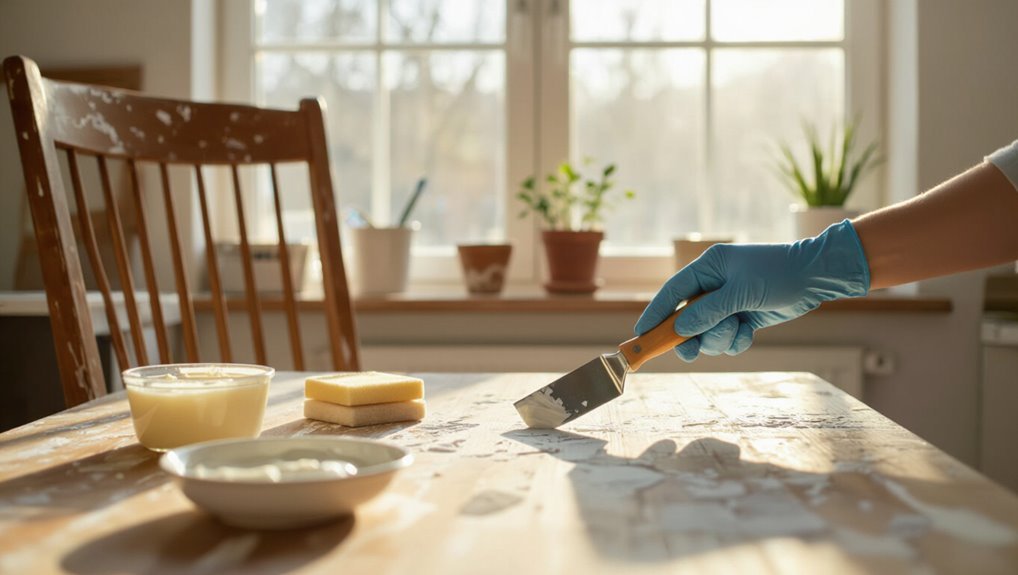
Wondering which paint-removal method will work best for your project? You’ll weigh paint removal techniques against surface compatibility, material condition, and toxicity.
Match gentle methods like heat or chemical strippers to wood or metal, use sanding for durable surfaces, and choose abrasive or soda blasting for masonry.
Consider accessibility, cleanup, and protective gear before you start to guarantee safety and results.
How to Test Paint for Lead Safely?
How can you confirm whether old paint contains lead before you disturb it? Use lead testing kits for a quick check, following instructions and wearing gloves and a mask. For certainty, hire professional inspections. If tests indicate lead, seal area and avoid sanding.
| Method | Speed | Accuracy |
|---|---|---|
| DIY kit | Fast | Moderate |
| Lab test | Slow | High |
| Inspection | Moderate | High |
What Surface Are You Removing Paint From?
Before you start, think about what you’re stripping—wood, metal or automotive panels, glass, tile, or ceramic all need different approaches and tools.
You’ll choose methods and safety gear based on the substrate to avoid damage and health risks.
Next, we’ll go through recommendations for each surface so you can pick the safest, most effective option.
Painted Wood Surfaces
If your project involves painted wood—whether it’s trim, siding, furniture, or a vintage door—you’ll want to assess the wood’s condition, paint type, and surrounding environment before choosing a removal method.
Use paint preservation techniques and wood conditioning tips to decide between gentle sanding, chemical strippers, heat, or scraping.
- Test small area
- Choose gentle method
- Protect surrounding surfaces
- Recondition wood afterward
Metal And Automotive
Moving from wood to metal means adjusting your approach: metal and automotive surfaces respond differently to heat, solvents, and abrasives, and you’ll need to pick methods that protect the substrate and any nearby mechanical parts. You’ll avoid metal corrosion, preserve paint adhesion where needed, and choose appropriate strippers, sanding, or media blasting for panels and parts.
| Method | Best for | Notes |
|---|---|---|
| Chemical stripper | Panels | Use automotive-safe formula |
| Heat gun | Old paint | Avoid wiring, trim |
| Abrasive blasting | Rust/large areas | Control media, protect seams |
| Solvent wipe | Spot prep | Check compatibility |
Glass, Tile, And Ceramic
When you’re working on glass, tile, or ceramic, choose techniques that strip paint without scratching, etching, or fogging the surface—these nonporous materials won’t absorb solvents, so you can often use blades, soft scrapers, or mild chemical removers while protecting grout and sealants.
- Use a razor at low angle for glass cleaning.
- Try plastic scrapers on tile grout.
- Apply mild remover, rinse promptly.
- Seal and maintain ceramic protection.
Quick Method Selector: Paint Removal by Surface
When you’re tackling paint removal, the surface matters—wood, metal, and masonry each need different approaches.
For wood you’ll often sand or use chemical strippers, while metal may need mechanical methods or rust-inhibiting treatments.
Masonry usually calls for pressure washing or abrasive techniques, so pick tools and products that match the material.
Wood Surfaces
Although wood reacts differently depending on its species and finish, you can quickly narrow paint-removal choices by checking for delicate grain, lead-based paint, or existing sealers.
Hand-sanding, heat, and chemical strippers each suit different situations, so pick the least aggressive method that preserves the substrate.
- Hand-sanding for light peeling and delicate grain.
- Heat gun for thick layers on sturdy boards.
- Solvent-based chemical strippers for detailed moldings.
- Use proper paint stripping tools and wood restoration techniques to finish and protect the surface.
Metal And Masonry
Wood and masonry require different care, and metal and masonry surfaces bring their own set of challenges and options.
For metal, use chemical strippers or abrasive blasting to protect metal durability; sand carefully and finish with rust inhibitor.
For masonry, choose poultices, pressure washing at low pressure, or mild acids for stubborn paint, testing first to avoid damaging masonry texture and mortar.
Chemical vs. Mechanical vs. Natural: A Simple Decision Guide
Which method fits your project best depends on factors like surface, paint type, time, and safety; chemical strippers dissolve coatings, mechanical techniques scrape or abrade them, and natural options use heat or biodegradable agents with gentler impact.
Choose the right removal method—chemical, mechanical, or natural—based on surface, coating, time, and safety.
- Consider chemical alternatives for stubborn coatings.
- Use mechanical techniques on durable substrates.
- Try natural solutions for delicate surfaces.
- Prioritize eco friendly options when disposal or ventilation is limited.
Essential Safety Gear for Paint Removal
When you remove paint, you’ll want proper personal protective equipment—gloves, respirator, eye protection, and coveralls—to prevent skin contact and inhalation.
Make sure the work area has good ventilation and use local exhaust or fans to move fumes away from you.
If sanding or scraping, control dust with a vacuum or wet methods to keep particles out of the air.
Personal Protective Equipment
Because paint removal exposes you to dust, fumes, and chemical splashes, wearing the right personal protective equipment is essential to protect your lungs, eyes, skin, and hearing.
You should choose protective gear carefully.
- Safety glasses or goggles for eye protection.
- Respirator mask or dust mask for lung safety.
- Gloves selection for chemical-resistant skin coverage.
- Hearing protection and appropriate clothing choices.
Ventilation And Dust Control
If you’re removing paint, keep air moving and dust contained to protect your lungs and everyone nearby; good ventilation plus dust control cuts exposure to toxic particles and fumes.
Open windows, use fans to create cross-ventilation, and run a HEPA air purifier.
Capture debris with vacuum attachments and wet methods.
Wear a respirator rated for paint particulates and seal off work areas to limit spread.
How to Set Up a Safe, Ventilated Workspace
Start by choosing a well-ventilated area—ideally outdoors or in a garage with the door and windows open—and position your work so exhaust flows away from you; good airflow and keeping fumes out of your breathing zone are the single most important safety steps before you touch any paint-removal chemicals or heat tools.
- Wear respirator rated for solvents to protect air quality.
- Set up fans to create crossflow.
- Keep workspace organization minimal and tools spaced.
- Use barriers to limit dust and vapors.
Protecting Floors, Furniture, and Adjacent Areas
Good ventilation keeps fumes out of your lungs, but you’ll also want to protect the surfaces around your work area from chemicals, heat, and abrasive dust.
Use heavy floor coverings and tape seam edges, remove or wrap furniture for furniture protection, and apply area masking to trim, fixtures, and vents.
Thorough surface preparation prevents spills and makes cleanup easier.
Gentle Household Paint Removers and When to Use Them
When you need to remove small chips, drips, or a single painted knob without harsh chemicals, reach for gentle household options like citrus-based removers, rubbing alcohol, or a paste of baking soda and water; they soften paint, lift stains, and minimize damage to underlying finishes so you can work precisely and safely.
For small paint fixes, use gentle household remedies—citrus gels, rubbing alcohol, or baking soda paste—to lift paint safely and precisely.
- Citrus-based gels — gentle alternatives, pleasant scent.
- Baking soda paste — natural ingredients, nonabrasive.
- Mild dish soap soak — for delicate surfaces.
- Commercial eco removers — plant-based, low VOC.
Using Rubbing Alcohol and Acetone for Small Paint Spots
Reach for rubbing alcohol for fresh, water-based paint spots and acetone for tougher, oil-based drips, but test both on a hidden area first to avoid damage.
Rubbing alcohol dissolves latex and acrylic without overly softening many finishes, while acetone is much more aggressive and can craze plastics, strip varnish, or dull painted surfaces.
Use gentle rubbing alcohol methods with a soft cloth; apply acetone sparingly, ventilate, and rinse.
How Vinegar and Baking Soda Work on Paint
You can use vinegar to soften and break down some water-based paints by loosening the binders that hold pigments to the surface.
Baking soda works as a mild abrasive to scrub away softened paint without heavily scratching many substrates.
If you mix them, the fizzing reaction can help lift debris briefly, but it reduces acidity so it’s best used as a supplemental step rather than a primary remover.
How Vinegar Dissolves Paint
Vinegar works on paint by breaking down certain bonds in the finish—its acetic acid softens and swells water-soluble paints and loosens the adhesion of some latex and chalky coatings, making them easier to scrape or scrub away.
You’ll assess vinegar effectiveness by testing on small areas and matching methods to paint types.
- Test first
- Apply warm vinegar
- Wait, then scrub
- Rinse thoroughly
Baking Soda Abrasive Action
Baking soda works as a mild abrasive and pH modifier that helps lift paint residues. You can sprinkle or make a paste with water to gently scrub flakes and softened edges without harsh chemicals.
For paint removal on delicate surfaces, test a small area first. Rinse thoroughly and repeat as needed; baking soda aids mechanical loosening rather than chemical stripping.
Vinegar And Soda Reaction
1 simple chemical reaction between an acid (vinegar) and a bicarbonate (baking soda) produces carbon dioxide bubbles that help break paint’s adhesion and lift softened particles.
You can apply paste, wait, and scrub; vinegar effectiveness complements the baking soda reaction without harsh solvents.
- Mix paste
- Apply to paint
- Wait 10–20 minutes
- Scrub and rinse
Citrus-Based Paint Removers: Pros and Limits
Though citrus-based paint removers might seem gentler than harsher solvents, they pack active d-limonene compounds that dissolve many oil-based paints and adhesives while being less irritating to skin and lungs.
You’ll find them effective on small projects and delicate substrates, but they work slower and may struggle with thick, multiple coats or lead-based paints.
You’ll appreciate citrus benefits and simple application techniques, but test first.
Commercial Paint Strippers: Solvent vs. Caustic – Which to Pick?
If citrus-based strippers aren’t cutting through heavy buildup, you’ll need a more aggressive commercial option—typically a solvent or a caustic stripper.
Choose based on substrate, paint age, and ventilation. Balance solvent effectiveness against fumes; weigh caustic risks like burns and metal damage.
Use PPE, test a small area, and follow label instructions.
- Assess surface
- Compare dwell time
- Check PPE needs
- Neutralize/clean
Choosing a Low-VOC or Eco-Friendly Commercial Stripper
When you want to remove paint without darkening indoor air or risking harsh chemicals, choose a low‑VOC or eco‑friendly commercial stripper that balances effectiveness with safety.
Look for certified labels, biodegradable formulas, and clear instructions.
Test product effectiveness on a small area, check compatibility with substrate, and wear basic PPE.
Proper ventilation and disposal keep eco friendly options truly green.
Using Gel Strippers on Vertical Surfaces
When you work on vertical surfaces, make sure the gel stripper has good tack so it stays put without running.
Use a brush or applicator to build an even, slightly thick bead and tape off edges to catch any drips.
Keep a drip tray or damp cloth beneath the area and check frequently so you can stop runs before they spread.
Gel Adhesion Tips
Because gel strippers cling differently on vertical surfaces, you’ll need a few technique adjustments to keep the product working and prevent drips.
Use gel adhesion techniques for effective application and cleaner removal.
Try these steps:
- Apply thinner strips to reduce sagging.
- Work top-down in small sections.
- Feather edges with a brush for adhesion.
- Check thickness regularly and reapply as needed.
Drip Control Techniques
Gel strippers cling well, but on vertical surfaces you’ll need to control sag and drips to protect surrounding areas and keep the remover working.
Use drip prevention techniques like thicker gels, shorter application strips, and masking tape barriers.
Place plastic sheeting or trays beneath work and apply paint containment methods—drip guards, foam dams, or disposable catch pans—to collect runoff and prevent damage while you scrape or rinse.
Applying Liquid Strippers for Large Flat Areas
Before you begin, clear the work area and protect surrounding surfaces with drop cloths or plastic sheeting so overspray and drips won’t create extra cleanup.
Before starting, clear the area and cover nearby surfaces with drop cloths or plastic sheeting to prevent overspray and drips.
Use proper PPE and ventilate. For liquid stripper techniques on large area application, work in sections, apply evenly with a roller, wait manufacturer time, then scrape or rinse.
- Section off
- Roll on
- Dwell time
- Remove residue
Soften Paint: Using Heat Guns Safely
Anyone tackling stubborn paint can quickly soften it with a heat gun, but you’ve got to use the tool carefully to avoid burns, fire, or damaging the substrate.
You should control heat application, keep the nozzle moving, maintain distance, wear gloves and eye protection, ventilate, and clear flammables.
Follow safety precautions, test a small area, and scrape softened paint gently to prevent gouging.
When Should You Use Infrared Paint Removal?
If you’re working on delicate trim, historic moldings, or surfaces prone to scorching, reach for an infrared paint remover because it heats paint gently and evenly without blasting the substrate with open flame or hot air.
You’ll prefer infrared technology when avoiding burns, minimizing odors, preserving wood, and working near lead paint.
- Heat application precision
- Fragile substrates
- Indoor projects
- Lead-safe prep
Proper Scraping Techniques to Avoid Surface Damage
After heating and loosening paint with an infrared tool, you’ll need to scrape carefully to protect the underlying surface.
Hold the blade at varied scraper angles—shallow for soft woods, steeper for metal or masonry. Test a small area first to match technique to surface types.
Keep blades sharp, change often, and work with steady, controlled strokes to prevent gouges or sanding later.
Orbital and Detail Sanders: What to Use Where
When you need to remove paint from broad, flat areas, reach for an orbital sander because it covers ground quickly without gouging.
Use a detail sander for corners, edges, and tight spots where the orbital can’t fit.
Match your sandpaper grit to the job—coarse for stripping and finer grits for smoothing between coats.
Orbital Sander Uses
1 tool you’ll reach for on most paint-stripping jobs is the orbital sander; it balances speed and control so you can remove flaking paint, smooth rough edges, and prep surfaces without gouging wood.
Know orbital sander advantages and follow orbital sander maintenance to prolong life.
Use it for:
- Large flat surfaces
- Paint feathering
- Primer removal
- Final smoothing
Detail Sander Tasks
An orbital sander handles broad areas, but you’ll reach for a detail sander when you need precision: tight corners, moldings, window sashes, and any place an orbital pad can’t follow.
You’ll use specific detail sander techniques—gentle, controlled strokes and angled access—to remove paint without gouging.
Pair with proper dust extraction methods and a brush attachment to keep surfaces clean and visibility high.
Sandpaper Grit Choices
Choosing the right sandpaper grit makes the difference between a smooth finish and wasted effort, so match grit to task and sander type.
You’ll pick sandpaper types and grit selection based on paint thickness and tool: orbital for broad removal, detail for edges.
- 40–80: heavy removal (orbital)
- 100–150: paint smoothing
- 180–220: final prep
- 320+: fine polishing
Wet Sanding vs. Dry Sanding: Which to Choose?
Which method works best for your project — wet sanding or dry sanding — depends on the finish you want and the hazards you’re willing to manage.
You’ll choose wet sanding benefits when minimizing dust and achieving ultra-smooth surfaces; use water and fine grit.
Opt for dry sanding techniques for faster material removal and easier setup, but wear protection and control dust to protect health and nearby finishes.
Chemical Stripping Tips for Furniture and Trim
When stripping furniture and trim, you’ll want to pick a stripper formulated for the finish and substrate to avoid damage.
Follow the label for safe application, wear gloves and eye protection, and work in a well-ventilated area.
After the stripper does its job, neutralize and collect residues carefully and dispose of them according to local regulations.
Choosing The Right Stripper
Pick a stripper based on the finish you’re removing, the substrate beneath, and the level of ventilation and protection you can provide.
Consider eco-friendly options and understand stripper types to match paint hardness and wood, metal, or trim.
Choose gel for verticals, paste for thick coatings, solvent for chemical-resistant finishes, and biological for delicate antiques.
- Gel
- Paste
- Solvent
- Biological
Safe Application And Cleanup
Now that you’ve selected a stripper that suits the finish and substrate, prepare a safe workspace and plan your application and cleanup before touching the furniture.
Wear gloves, eye protection, and a respirator if needed. Test a small area, work in ventilated conditions, and contain drips.
Collect waste for safe disposal, reuse absorbents, and consider eco friendly alternatives to reduce hazards and landfill impact.
Paint Removal on Masonry and Brick
Because brick and masonry are porous and brittle, you’ll need methods that strip paint without damaging the substrate.
Choose cleaners and strippers based on masonry types and paint compatibility, test a small area, and work in sections. Use gentle agitation and low-pressure rinsing; avoid sandblasting.
- Chemical paste strippers
- Soda or baking soda blasting
- Heat guns with caution
- Poultices and biodegradable cleaners
Stripping Paint From Metal Without Causing Rust
When you strip paint from metal, work quickly and keep the bare metal dry and protected to prevent rust; choose a method that removes coating without roughening the surface or leaving corrosive residues. Use chemical strippers labeled for metal paint, soft abrasive pads, or gentle media blasting, then immediately apply primer/coating for rust prevention.
| Method | Surface effect | Time to protect |
|---|---|---|
| Chemical | Smooth | Immediate |
| Pads | Mild | <30 min |
| Blasting | Varies | Immediate |
Removing Paint From Wood While Preserving the Grain
When you need to strip paint from wood without harming the grain, choose a gentle chemical stripper or a controlled heat-and-scraper technique.
Test a small area first so you can see how the finish and wood respond.
Work slowly and follow product and safety instructions to protect the wood fibers.
Gentle Chemical Strippers
Although you can strip paint mechanically, gentle chemical strippers let you remove multiple layers from wood while protecting the grain and delicate profile.
You’ll choose gentle strippers or eco friendly alternatives, apply thin coats, wait, then lift softened paint with a plastic scraper.
Follow safety, ventilate, and test a hidden area first.
- Apply
- Wait
- Lift
- Clean
Heat And Scraper Methods
Heat and scraper methods let you remove paint from wood quickly while keeping the grain intact by softening the finish with controlled heat and then lifting it with the right tools.
You’ll focus on Heat application, careful Surface preparation, and proper Tool selection.
Use gentle Scraping techniques with a heat gun or infrared heater, steady pressure, and frequent inspection to avoid scorching or gouging the wood.
How to Strip Paint From Drywall Without Destroying It
If you need to remove paint from drywall without damaging the surface, choose gentle methods and proceed slowly to protect the paper face and underlying gypsum.
You’ll test paint types, use low-impact removers, and prep for drywall repair if needed.
- Score and soften with a mild chemical stripper.
- Scrape gently with a plastic blade.
- Clean residue with damp sponge.
- Sand lightly, spot-prime.
Removing Paint From Glass and Ceramics Safely
After you’ve handled delicate drywall, turn your attention to glass and ceramics, where paint sits on nonporous surfaces and comes off differently.
Use a razor blade at a low angle for glass cleaning, warm soapy water, and alcohol for residue.
For ceramics, test acetone in an inconspicuous spot, use plastic scrapers, and rinse thoroughly.
Wear gloves and ventilate the area.
Dealing With Multiple Paint Layers Effectively
When you’re faced with multiple paint layers, start by evaluating their age, type (latex or oil), and adhesion so you can choose the safest, most efficient removal method.
Older oil-based coats may need stronger strippers or repeated passes with mechanical tools, while newer latex layers often lift with milder chemical strippers or heat-assisted scraping.
- Test small area first.
- Use appropriate PPE.
- Combine chemical and mechanical methods.
- Work in layers for effective techniques.
Removing Spray Paint From Different Surfaces
Although spray paint can bond quickly to many materials, you can usually remove it effectively by matching the method to the surface—porous materials like brick need different treatment than nonporous surfaces such as metal or glass.
You should test cleaners for surface compatibility, use gentle scrubbing and a solvent suited to the substrate, rinse thoroughly, and repeat cautiously until residues vanish without damaging the material.
Neutralize Caustic vs. Solvent Strippers Safely
Knowing how to remove spray paint is only part of the job—you also need to neutralize the chemical strippers you choose.
You’ll balance caustic safety with solvent efficiency: rinse caustics with mild acid or water per label, and evaporate or absorb solvents, ventilating well.
Follow PPE and local disposal rules.
- Neutralize caustics
- Contain solvents
- Ventilate area
- Use PPE
Eco-Friendly Disposal of Paint Chips and Residue
When you finish stripping paint, contain chips and dust immediately in heavy-duty, sealed bags to prevent spread and contamination.
Label and store waste separately so you don’t mix hazardous and nonhazardous materials.
Take sealed waste to a local hazardous waste facility or follow municipal guidelines for responsible paint disposal.
Proper Paint Chip Containment
Contain paint chips and dust at the source to prevent contamination and make disposal easier: set up drop cloths and adhesive barriers, wet-sweep or HEPA-vacuum work areas, and collect debris in sealed, labeled bags or containers so it can’t spread.
You should follow paint chip safety and proven containment methods.
- Seal work zone
- Use disposable liners
- Wet-clean surfaces
- Label and seal bags
Responsible Paint Waste Disposal
Although paint chips and residue can look harmless, you should handle and dispose of them responsibly to protect people and the environment.
Seal chips in labeled, leakproof containers and never sweep them into drains.
Seek local hazardous-waste collection or use eco-friendly alternatives like water-based removers to reduce contamination.
Explore paint recycling methods and follow municipal guidelines to minimize landfill and health risks.
Cleaning Tools and Brushes After Paint Removal
1 essential step after removing paint is cleaning your tools and brushes promptly to prevent dried residue and extend their lifespan.
Use appropriate cleaning methods and solvent alternatives, rinse until clear, reshape bristles, and dry properly to guarantee brush maintenance.
Use proper cleaning methods and solvent alternatives, rinse until clear, reshape bristles, and air-dry for lasting brushes
Follow these steps:
- Wipe excess paint.
- Soak in suitable solvent.
- Rinse and comb bristles.
- Reshape and air-dry.
Repairing Minor Surface Damage After Stripping
Once you’ve stripped the paint, inspect the surface closely for dings, gouges, or raised grain so you can address issues before refinishing; minor damage you catch now is quick to fix and prevents bigger problems later.
Use gentle sanding, wood filler or epoxy for small defects, then sand smooth.
Employ surface restoration techniques and precise touch up painting to blend repairs before your final finish.
When to Prime After Paint Removal (And Why)
After you’ve repaired and smoothed the surface, plan your priming step so the new finish bonds well and looks uniform.
You’ll prime once repairs cure, after thorough surface preparation, and when humidity and temperature are right. Use correct priming techniques for adhesion and stain blocking.
Consider:
- Wait full cure time
- Clean and degloss
- Choose compatible primer
- Follow application conditions
Best Primers and Sealers for Stripped Surfaces
Once you’ve stripped a surface, you’ll want to choose the right primer or sealer to lock in adhesion and block stains.
Oil-based primers offer durable coverage, shellac sealers excel at blocking tannins and odors, and bonding primers help new coatings stick to rough or chalky substrates.
I’ll explain when each option makes the most sense so you can pick the best one for your project.
Oil-Based Primer Options
When you’re working with a stripped surface, oil-based primers give reliable sealing and adhesion that water-based products often can’t match. They penetrate bare wood, metal, or previously painted substrates to block tannin bleed, rust, and stains while creating a strong bond for topcoats.
Use oil based primer benefits and follow proper oil based primer application:
- Alkyd primers for wood
- Zinc-rich for metal
- Rust-inhibiting formulas
- High-build sealing coats
Shellac Sealer Benefits
Alongside oil-based primers, shellac sealers offer unique advantages on stripped surfaces you should consider: they dry fast, block tannin and smoke stains instantly, and adhere to difficult substrates like raw wood, plaster, and glossy paint.
You’ll find shellac advantages in stain blocking, fast recoats, and odor control.
For shellac applications, use sparingly on metal, wood, and primed areas before topcoating.
Bonding Primer Uses
Bonding primers are formulated to stick where ordinary primers won’t, giving you a reliable base on glossy, slick, or previously painted surfaces that have been stripped back to bare or uneven substrates.
You’ll gain bonding primer benefits like adhesion and uniform finish when you follow correct bonding primer application.
- Promote adhesion on slick surfaces
- Seal inconsistent substrates
- Prevent peeling and blistering
- Speed topcoat compatibility
Cost and Time: Comparing Common Paint-Removal Methods
If you’re weighing paint-removal options, cost and time are the two practical factors that usually decide which method you pick. Do a quick cost analysis and judge time efficiency: some methods are cheap but slow, others costly but fast. Pick based on budget, deadline, surface, and disposal needs.
| Method | Cost | Time |
|---|---|---|
| Chemical | Low–Med | Medium |
| Heat | Med–High | Fast |
| Sanding | Low | Slow |
Troubleshooting Stubborn or Uneven Paint Removal
Why won’t that last patch come off? You’ll face stubborn stains and uneven surfaces—try focused fixes:
- Reapply remover, let it sit longer for stubborn stains.
- Use a scraper at shallow angles on uneven surfaces.
- Switch to a soft abrasive pad for tight spots.
- Heat gently with a gun to soften old layers, then scrape carefully.
Preventing Future Peeling and Adhesion Problems
Because proper surface prep and choosing compatible materials matter most, you’ll dramatically reduce peeling and adhesion issues by addressing moisture, contaminants, and product compatibility before you paint.
Inspect for dampness, repair substrate defects, degrease and sand glossy finishes, and use primers suited to both substrate and topcoat.
Apply proven adhesion techniques and follow manufacturers’ cure times to guarantee durable bonds and long-lasting results.
Quick Project Checklists: Furniture, Wall, and Metal
Now that you’ve tackled moisture, contaminants, and compatibility, let’s move from planning to action with short, task-focused checklists for furniture, walls, and metal.
Follow these concise steps to prep by paint types and surface.
- Furniture refinishing: strip, sand, clean, test stain/finish.
- Wall preparation: patch, sand, prime, choose paint types.
- Metal restoration: degrease, remove rust, prime, coat.
- Dispose and label leftovers properly.
Final Safety and Eco Checklist
Before you start stripping or painting, run through a concise final safety and eco checklist to protect yourself, your space, and the environment:
Inspect for hazardous materials and paint toxicity, follow disposal regulations, and assess environmental impact.
Check for hazardous materials, verify paint toxicity and disposal rules, and evaluate environmental impact before starting.
Confirm safety standards, use appropriate protective measures, and adopt eco practices like low-VOC products, spill containment, and proper waste labeling.
Proceed only when all items are cleared.
Frequently Asked Questions
Can Paint Removal Methods Damage Lead-Baring Window Glazing Putties?
Yes — some paint removal methods can damage lead-bearing window glazing putties; you should prioritize lead safety and use gentle techniques so glazing protection remains intact, and always follow proper testing, containment, and disposal procedures.
How to Legally Transport Old Paint Chips With Potential Hazardous Waste?
Like Diogenes searching, you should contact local paint disposal regulations and hazardous waste management authorities, label and contain chips securely, use approved carriers or drop-off sites, and keep manifests or receipts to prove lawful transport and disposal.
Will Insurance Cover Damage From DIY Paint Stripping Accidents?
Usually your home insurance might cover accidental damage from DIY paint stripping, but it depends—you’ll need to file insurance claims and show accident liability wasn’t excluded, caused by negligence, or related to hazardous waste handling.
Can Pets Be Kept at Home During Long-Term Paint Removal Projects?
A neighbor once boarded her cat for weeks; you shouldn’t keep pets at home during long-term paint removal projects. You’ll protect pet safety by removing animals, sealing work areas, and avoiding paint fumes with ventilation and respirators.
How to Choose a Contractor for Professional Paint Removal Services?
You should vet contractor qualifications, check paint removal experience, get written estimates, verify insurance and references, confirm safe methods and timelines, ask about permits and cleanup, and trust your instincts before signing a clear, detailed contract.
Conclusion
You’ve got choices—gentle sanding, chemical strippers, heat, or eco-friendly methods—and each one’ll suit different surfaces and needs. Test for lead first, work outside or ventilate, and wear protection so you don’t take home unwanted “souvenirs.” Match method to material, tackle stubborn spots patiently, and prep/prime afterward to avoid future drama. With careful selection and safety in mind, you’ll retire old paint gracefully and enjoy a fresher, longer-lasting finish.
