
How to Get Decals to Stick to Textured Walls Effectively
You can make decals stick to textured walls by choosing flexible, pressure-sensitive vinyl or fabric decals, cleaning and priming the surface, and smoothing them on with a soft squeegee or roller while applying firm, even pressure. Use heat sparingly to help conform to deeper textures and consider spray adhesive or transfer tape for stubborn areas. Test a small patch first to check adhesion and paint safety, and keep going for detailed prep, materials, and removal tips.
Quick Answer: Can Decals Stick to Textured Walls?
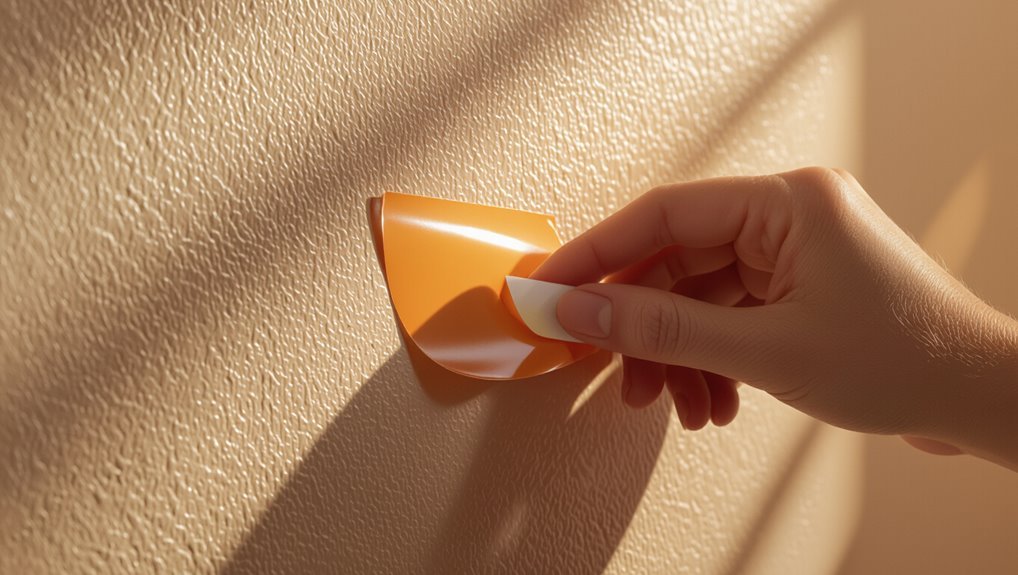
Wondering whether decals will stick to textured walls? You can, but success depends on decal types, surface compatibility, and texture variations.
Assess adhesive options and tailor application techniques after basic wall preparation. Consider material durability against bumps and cleaning.
Know removal methods in advance to avoid damage. Choose flexible, strong-backed decals and match adhesive to texture for best long-term results.
Instant Checklist: Step-by-Step Application
1. Follow this instant checklist for neat application techniques and proper wall preparation:
- Clean surface: wipe, degrease, and dry.
- Smooth high spots: light sanding or filler.
- Test placement: tape guide, align, peel backing slightly.
- Apply with firm squeegee strokes, press edges, heat stubborn areas gently.
You’ll get consistent adhesion and fewer bubbles by following each step precisely.
Who This Guide Helps and What It Answers
Who needs this guide and what’ll it answer?
You’ll get clear help whether you’re a DIYer, renter, or installer facing texture challenges.
Learn which decal types suit your wall, surface compatibility checks, wall preparation steps, adhesive options, practical installation tips, straightforward maintenance strategies, and safe removal techniques so your decals look great and last without damaging paint or surfaces.
How Wall Texture Affects Decal Adhesion
Now that you know which decals and prep steps suit different surfaces, let’s look at how the actual texture of your wall changes adhesion.
You’ll weigh texture types and adhesion factors, adjust decal flexibility and material choices, and apply proper wall preparation considering environmental conditions.
Follow these application techniques to match surface compatibility:
- Smooth
- Light texture
- Deep texture
- Rough
Identify Your Wall Type (Paint, Plaster, Drywall, Stucco)
First figure out whether your wall is painted or raw, since paint seals surfaces and helps decals stick better.
Check plaster by tapping or probing a small, inconspicuous spot to confirm thickness and firmness.
For stucco, assess how coarse the texture is—deep crevices will need different prep than gently textured finishes.
Painted Vs. Raw Surfaces
When you’re preparing to stick decals, the wall’s finish matters more than you might think—painted surfaces usually offer a smoother, more adhesive-friendly base than raw plaster, drywall, or stucco.
- Assess paint finish and texture types.
- Note wall conditions before applying decal materials.
- Use proper surface preparation steps.
- Match adhesion techniques to finish for best results.
Plaster Thickness Check
If your decals aren’t sticking reliably, check the plaster thickness to identify whether you’re dealing with thin skim coats, standard plaster, or a thicker render—and that will tell you how the surface will accept adhesive.
Use a simple depth gauge or probe, perform plaster composition analysis, and note porosity.
Combine findings with a quick texture impact assessment to choose primer, adhesive, or sanding before applying decals.
Stucco Texture Assessment
Because stucco can range from smooth, sand-finished coats to deeply rough aggregates, you’ll need to identify which variant you’re working with before applying decals.
Assess stucco types and texture effects quickly:
- Smooth — good adhesion.
- Sand-finish — light priming helps.
- Rough/pebble — test small decal first.
- Deep aggregate — consider backing or custom mounting for reliable stick.
Measure Texture Depth and Pattern in Minutes
Before you pick up adhesive or decals, size up your wall’s texture so you know what you’re working with: grab a small flashlight and a ruler or depth gauge, shine the light at a low angle to highlight shadows, then measure the highest peaks and deepest valleys in several spots to get an average depth and note whether the pattern is random, stippled, or linear.
Use texture measurement and quick assessment with depth evaluation, pattern recognition, surface analysis, and adhesion factors in mind.
Employ quick tools and simple measurement techniques to classify texture types and gauge texture impact on your decal application.
How Texture Depth Changes Your Approach
Once you’ve measured the texture, you’ll assess its depth to decide whether the surface needs flexible materials or stiffer options.
You’ll pick flexible vinyl or fabric-backed decals for deep textures so the design can conform, and smoother textures can handle thinner materials.
Finally, you’ll adjust adhesive strength—stronger tack or additional adhesive for rough profiles, lighter glues for shallow textures—to guarantee lasting stick.
Assess Texture Depth
When you’re deciding how to apply decals, start by measuring the texture depth on your wall—smooth surfaces need different adhesives than heavy orange-peel or popcorn textures.
You’ll perform texture analysis to identify peaks, valleys, and adhesion factors that affect contact.
Follow these steps:
- Measure depth with a ruler.
- Note pattern size.
- Check paint type.
- Test a small decal patch.
Choose Flexible Materials
Now that you’ve assessed texture depth, pick materials that can conform to peaks and valleys so decals actually stick. You’ll prefer flexible materials that bend into crevices and match Adhesive types compatible with surface irregularities. Test small samples, note wear, and choose stretchable vinyl or fabric-backed options for best contact.
| Material | Benefit |
|---|---|
| Vinyl | Conforms |
| Fabric-backed | Durable |
| Thin PVC | Flexible |
| Paper | Not ideal |
Adjust Adhesive Strength
Because deeper texture reduces the contact area, you’ll need stronger or more forgiving adhesives to keep decals in place; choose adhesives formulated for textured surfaces or use thicker, pressure-sensitive options that can bridge peaks and valleys while still peeling cleanly.
- Match adhesive types to surface conditions.
- Test small patches.
- Apply firm, even pressure.
- Use primer for extreme textures.
Which Decal Materials Work on Textured Walls
Different decal materials grip textured walls with varying success, so pick one that matches your wall’s roughness.
You’ll want materials offering strong decal flexibility to conform to peaks and valleys on textured surfaces. Look for thicker, stretchable adhesives and rubberized backings that hug uneven paint.
Avoid rigid papers or thin films that bridge gaps and peel. Test a small sample before full application.
Vinyl vs. Fabric Decals: Pros and Cons
When choosing between vinyl and fabric decals for textured walls, you’ll want to weigh durability and longevity against ease of application and removal.
Vinyl usually lasts longer and resists moisture, but it can be harder to apply smoothly and may pull paint when removed.
Fabric decals are more forgiving during application and peel off cleaner, though they may fade or fray sooner.
Durability And Longevity
Although both vinyl and fabric decals can look great on textured walls, they differ markedly in how long they’ll last and how well they’ll hold up to wear.
Consider long term performance and simple maintenance tips:
- Vinyl resists moisture and fading.
- Fabric breathes but frays sooner.
- Vinyl tolerates light cleaning.
- Fabric may need gentler care to avoid pilling.
Application And Removal
Start by prepping the surface and gathering the right tools, because vinyl and fabric decals behave very differently during application and removal.
You’ll use different application techniques: vinyl needs firm squeegeeing to contact high points, fabric tolerates gentle pressing.
For removal strategies, heat loosens vinyl adhesive while fabric peels off cleaner but may snag.
Test a small patch and proceed slowly.
Low‑Tack vs High‑Tack Adhesives: When to Use Each
If you want decals to look good and stay put without damaging textured walls, you’ll need to pick the right adhesive strength.
You’ll weigh adhesive properties and wall compatibility: low‑tack peels easily from fragile paint; high‑tack grips rough textures but risks damage on removal.
Choose based on surface durability, planned duration, decal size, and repositioning needs.
- Surface type
- Duration
- Size
- Removability
Specialty Adhesives: Spray, Transfer Tape, Mounting Dots
You’ll weigh spray adhesive’s strong hold against its mess and limited repositioning.
Use transfer tape techniques to keep precise alignment and smooth application on bumpy surfaces.
Save mounting dots for small pieces or temporary placement, placing them where texture won’t push edges up.
Spray Adhesive Pros/Cons
Spray adhesive can rescue decals that won’t cling to textured walls, but it comes with trade-offs you should know.
You’ll weigh grip versus damage, fumes, and cleanup; choose spray adhesive types carefully and master application techniques for best results.
- Strong hold
- Surface risk
- VOCs/ventilation
- Cleanup needs
Transfer Tape Techniques
After evaluating spray adhesive’s strengths and drawbacks, shift focus to transfer tape—a gentler option for applying decals to textured walls. You’ll learn precise transfer tape application techniques: align, press, peel slowly. Use firm squeegee strokes to seat edges and avoid bubbles. Repeat until secure.
| Align | Press | Peel |
|---|---|---|
| Squeegee | Edge | Slow |
| Smooth | Firm | Check |
Mounting Dots Usage Tips
One or two mounting dots can make a big difference when you need a low-profile, damage-free hold on textured walls.
You’ll choose mounting dot types by surface and weight. Test on a small patch to confirm bond on different application surfaces.
Follow this checklist:
- Clean surface
- Match dot strength
- Press firmly
- Wait 24 hours before stressing the decal
Tools to Apply Decals on Textured Walls
You’ll need a handful of reliable tools to get decals to stick on textured walls: a good-quality squeegee or plastic applicator to press decals into crevices, a level or straightedge for alignment, a measuring tape, and a hairdryer or heat gun on low to soften adhesive for better contact. Use proper application techniques and choose adhesive options suited to texture.
| Tool | Purpose | Tip |
|---|---|---|
| Squeegee | Press into crevices | Firm, even strokes |
| Hairdryer | Soften adhesive | Low heat, short bursts |
| Level | Align decal | Check before pressing |
| Tape | Positioning | Temporary anchors |
| Measuring tape | Accurate placement | Measure twice |
How to Clean Textured Walls Without Damaging Paint
Cleaning textured walls without harming the paint starts with gentle methods and the right supplies: a soft-bristle brush or microfiber cloth, mild pH-neutral detergent, and a bucket of warm water.
Use careful cleaning techniques to preserve finish and guarantee wall protection.
- Dust first.
- Test a hidden spot.
- Work top-to-bottom.
- Rinse and pat dry.
Removing Loose Paint and Flaking Texture Safely
Before you apply decals, inspect the wall closely for any loose paint or areas where the texture is flaking.
Gently scrape away the loose material with a putty knife or soft brush, taking care not to gouge the surface.
Patch small spots and sand smooth so the decal will adhere evenly.
Inspect For Loose Paint
If paint is peeling or texture is flaking, take a close look to find any loose material that could prevent decals from sticking. You should perform a careful wall inspection and address loose paint before applying decals.
- Tap surfaces to identify flakes.
- Mark areas needing attention.
- Wear a mask for dust.
- Note underlying damage for repair.
Gently Remove Flaking Texture
Start by loosening only the visibly flaking paint or texture with a putty knife or scraper held at a low angle, working gently so you don’t gouge the wall underneath.
Remove loose material, vacuum debris, and sand edges smooth.
Use appropriate repair techniques—patch with joint compound or spackle, sand once dry, prime the spot, and guarantee a clean, stable surface before applying decals.
When to Prime or Seal Textured Walls
Because textured surfaces soak up primer and sealers unevenly, you’ll want to treat them any time you’re changing the adhesive system, painting, or applying decals that must lay flat.
Priming evens out porosity and sealing creates a uniform surface so adhesives bond predictably.
- Assess texture and choose priming techniques.
- Test sealing options on a small area.
- Let products cure fully.
- Reinspect before applying decals.
Choosing a Bonding Primer or Surface Conditioner
Before you prime, make sure the textured surface is clean, dry, and free of loose paint or dust so the bonding layer can grab properly.
Choose a bonding primer or surface conditioner that’s compatible with both your wall material and the decal adhesive—check product labels for masonry, drywall, or glossy surfaces.
Apply a thin, even coat and let it fully cure to create a uniform base that improves decal adhesion.
Surface Prep Importance
When you’re applying decals to textured walls, choosing a proper bonding primer or surface conditioner makes the difference between long-lasting adhesion and a job that peels off in weeks.
You should follow precise surface prep:
- Assess surface types and texture testing.
- Perform wall cleaning and preparation methods.
- Match decal materials with adhesive options.
- Consider environmental factors and adhesion techniques.
Primer Compatibility
If your textured wall has loose paint or a high-porosity finish, pick a bonding primer or surface conditioner designed to bridge those challenges so your decal actually sticks.
You’ll choose primer types for slick or chalky surfaces, follow manufacturer instructions, and test adhesion.
For primer application, use thin, even coats, allow full cure, then press the decal firmly to guarantee lasting bond.
How to Test Adhesion With a Small Patch
To make sure your decal will hold, start by applying a small test patch in an inconspicuous spot—this lets you check adhesion without risking a full design.
Use adhesion testing and patch evaluation to confirm bond, then wait 24–48 hours and inspect.
Perform these steps:
- Clean surface.
- Apply patch.
- Wait specified time.
- Peel gently and observe.
What to Do If the Test Patch Fails
If your test patch fails, reassess the surface preparation: clean, degrease, and sand any flaky paint or rough spots before trying again.
If the wall is still too textured or the decal won’t grip, consider alternative adhesives like heavier-duty removable tapes, spray adhesives rated for textured surfaces, or mounting strips.
Test any new method on a small area first so you don’t damage the wall or the decal.
Reassess Surface Preparation
Troubleshooting your test patch starts with a clear-eyed look at the wall: note where the decal lifted, any loose paint, and whether dust, oils, or uneven texture caused poor contact.
Reassess surface preparation to improve surface texture for decal longevity:
- Clean with mild detergent.
- Sand high peaks lightly.
- Prime bare or flaky areas.
- Wipe with isopropyl alcohol.
Choose Alternative Adhesives
1 clear option is to swap adhesives when the test patch fails: try pressure-sensitive tapes, spray adhesives, or removable mounting putty designed for textured surfaces.
You can evaluate alternative adhesive types by testing tack, residue, and longevity.
Choose flexible adhesive options that accommodate surface contours and thermal movement.
Apply small amounts, wait full cure, then reassess adhesion before mounting full decals.
Preparing Decals for Textured Application
Start by inspecting and cleaning both the decal and the wall—remove dust, grease, and loose paint so the adhesive can bond.
You’ll handle decals preparation and surface cleaning carefully, then follow simple steps:
- Dry the wall completely.
- Warm the decal slightly for flexibility.
- Test a small patch for adhesion.
- Use a soft squeegee to press out air and guarantee contact.
How to Trim and Shape Decals for Uneven Surfaces
Begin by laying the decal flat over the textured area and tracing where bumps, corners, or seams will interfere so you can plan cuts that follow the surface.
Use precise decal cutting and adhesive trimming to match surface contours.
Employ surface shaping and texture mapping, test decal flexibility, choose material compatibility, and apply controlled application techniques so edges conform without stretching or lifting.
Placement Planning: Mapping and Spacing Tips
Start by measuring the wall surface so you know how much usable space you have and where obstacles sit.
Sketch a visual layout grid on paper or use painter’s tape on the wall to map exact decal positions.
Keep spacing consistent between decals to maintain balance and make installation easier.
Measure Wall Surface
Before you stick anything up, measure the wall surface carefully so your decals land exactly where you want them.
Use texture measurement techniques to note height, depth, and inconsistencies from wall surface variations.
Then follow this checklist:
- Mark edges and centerlines.
- Record texture peaks and valleys.
- Measure vertical spacing between decals.
- Note surrounding obstacles for alignment.
Visual Layout Grid
With your measurements in hand, create a visual layout grid on paper or directly on the wall to map exact decal placement and spacing. You’ll plan for visual appeal while accounting for texture challenges, marking centers and alignment. Use the mini-plan below for quick reference:
| Row | Note |
|---|---|
| 1 | Centerline |
| 2 | Left offset |
| 3 | Right offset |
| 4 | Top guide |
| 5 | Bottom guide |
Maintain Consistent Spacing
Measure twice and mark once: keeping equal gaps between decals makes the whole arrangement read as intentional rather than haphazard.
Use simple spacing techniques to plan and check decal alignment before sticking.
- Tape a grid
- Measure gap with ruler
- Test-peel one decal
- Adjust visually as needed
You’ll place decals confidently and keep consistent, professional spacing.
Using Templates and Guides on Textured Walls
When your wall’s texture threatens to distort a decal’s shape, templates and guides help you place designs accurately and press them down where they’ll stick best.
Use template materials suited to texture analysis and preparation methods, pick guide types that match wall measurements and decal designs, and compare adhesive comparisons.
Follow simple application techniques to align, secure edges, and smooth around bumps for reliable adhesion.
Best Application Method for Shallow Texture
For shallow texture, you’ll want to start by cleaning the surface and lightly sanding any high spots so the decal can make consistent contact.
Use a primer or a light coat of spray adhesive if the paint is glossy or dusty, then let it dry to tackiness.
Apply the decal from one edge with a squeegee, pressing firmly into the texture and smoothing out air pockets as you go.
Surface Preparation Steps
Start by cleaning the wall thoroughly so dust, grease, and loose paint won’t keep the decal from adhering; use a mild detergent solution, rinse with clean water, and let the surface dry completely before proceeding.
You’ll then assess surface types and wall textures to choose adhesive compatibility and follow simple preparation techniques:
- Remove loose paint.
- Degrease area.
- Smooth high spots.
- Final dry inspection.
Adhesive Application Technique
Now that the wall’s clean and any loose paint’s been removed, you’ll focus on applying adhesive that bridges shallow texture without lifting or bunching.
Choose adhesive types rated for textured surfaces and check surface compatibility.
Apply thin, even beads or a light spray, then press decal from center outward with a roller.
Allow proper cure time to guarantee full adhesion and prevent peeling.
Best Application Method for Deep Texture
When dealing with deep texture, you’ll get the best results by preparing the surface and using a flexible, pressure-activated application method that conforms to peaks and valleys.
You should do texture evaluation, pick adhesive choices and material flexibility, and consider surface compatibility before decal positioning.
Use installation tools for adhesion improvement and surface maintenance; consider decal layering for complex areas.
- Clean
- Test
- Press
- Seal
How to Apply Decals Without Air Bubbles
If you want smooth, bubble-free decals, work slowly and use steady pressure as you apply them—peel back a small portion of the backing, align the decal, then press outward with a squeegee or credit card while gradually removing the backing to push air out. Check surface compatibility, clean first, and test small areas to guarantee decals adhesion.
| Step | Action |
|---|---|
| 1 | Clean |
| 2 | Align |
| 3 | Peel |
| 4 | Press |
| 5 | Inspect |
Using Heat Safely to Improve Adhesion
Although heat can make decals more pliable and help adhesive bond to textured surfaces, you should use it carefully to avoid warping paint, shrinking decals, or causing burns.
Use these heat applications as safe adhesion techniques:
- Test on scrap material.
- Keep hair dryer on low.
- Hold 6–8 inches away.
- Move continuously; don’t focus heat.
When and How to Use Rollers and Squeegees
You can follow heat treatment with a roller or squeegee to press adhesive into textured peaks and valleys for a stronger bond.
Use firm, even roller techniques in overlapping passes, working from center outward.
Apply measured squeegee pressure to avoid tearing or lifting edges.
Test a small area first, adjust pressure, and re-roll any missed spots to guarantee full contact and longevity.
Working Around Corners, Trim, and Outlets
When working around corners, trim, and outlets, plan each cut and fold so the decal lies flat without bunching; measure carefully, score where needed, and leave small relief cuts at tight bends to prevent tearing.
- Use corner techniques: miter or overlap for clean edges.
- Apply trim considerations: tuck and trim precisely.
- Fit around outlets with outlet adaptations: remove covers.
- Smooth curved surfaces with heat and gradual stretching.
How to Layer Decals on Textured Walls
Start by planning your layering pattern so each piece fits and overlaps where you want it.
Prep the wall and decals by cleaning the surface and trimming edges for better contact.
When you apply them, smooth seams and press firmly to secure each layer against the texture.
Plan Your Layering Pattern
Map out your layering pattern before you peel a single decal so each piece aligns and presses into the textured surface efficiently.
You’ll plan spacing, overlaps, and sequence using layering techniques and noting design considerations.
Follow this ordered approach:
- Visualize full layout.
- Mark anchor points.
- Start from largest piece.
- Adjust overlaps for texture and adhesion.
Prep Wall And Decals
Prepare the wall and decals by cleaning the surface with a damp cloth and mild detergent, letting it fully dry so dust and oils won’t block adhesion.
For wall preparation, inspect texture and remove loose paint.
During decal selection, pick flexible, high-tack materials sized to bridge grooves.
Cut pieces for overlap, label orientation, and keep edges clean so application goes smooth and accurate.
Smooth And Secure Seams
1 simple trick for getting seams to disappear on textured walls is to overlap and press each decal layer into the grooves rather than trying to force perfectly flush edges.
You’ll use careful surface preparation and targeted adhesion techniques. Follow steps:
- Clean surface.
- Align panels.
- Overlap slightly.
- Press into grooves with a squeegee.
Fixing Edges That Won’t Stick
If the edges of your decal keep peeling on textured walls, don’t panic—you can usually secure them with a few targeted fixes. Use edge sealing and proven adhesion techniques: clean, press, and apply thin bead of clear sealer. Reheat stubborn corners gently and press with a burnisher.
| Action | Purpose |
|---|---|
| Clean | Remove dust |
| Press | Improve contact |
| Seal | Lock edges |
| Heat | Relax adhesive |
How Long to Wait Before Touching Applied Decals
After you press and seal the decal, wait at least 24 hours before touching the edges or applying pressure—this gives the adhesive time to set fully on textured surfaces.
Follow these steps to respect drying time and aid decal curing:
- Avoid brushing or lifting.
- Keep room temperature stable.
- Minimize humidity.
- Don’t hang objects on the decal until cured.
Cleaning Decals on Textured Walls Without Lifting Them
When you need to clean decals on textured walls without lifting them, work gently and use the right tools so you don’t weaken the adhesive or peel edges.
Use a soft microfiber, mild soap diluted in water, and blot—don’t scrub.
Test in a small corner, dry with a soft cloth, and perform regular cleaning techniques as part of decal maintenance to preserve adhesion and appearance.
How to Remove Decals From Textured Walls Safely
Although textured surfaces can make removal trickier, you can take off decals safely without damaging paint or drywall by using patience and the right tools.
With patience and the right tools, textured surfaces won’t stop you from removing decals without harming paint or drywall.
Follow careful removal techniques and consider decal types, texture impacts, adhesive options, and surface considerations.
- Warm adhesive gently.
- Lift slowly along texture.
- Use renter solutions for wall safety.
- Finish with gentle cleaning methods to aid damage prevention and recall application tips.
Repairing Paint or Texture After Decal Removal
If you spot scuffed paint or torn texture where the decal came off, you can fix it without calling a pro by matching the surface, prepping carefully, and using the right products. Small chips need simple touch-ups, while gouges or lifted texture may require patching and light skim-coating.
After decals removal, perform surface cleaning. Choose repair materials, match paint touch ups, consider texture repair and wall resurfacing, and review adhesive selection and removal techniques.
Troubleshooting Checklist for Decal Lifting
If your decal is lifting, start by checking the surface prep—cleanliness, dryness, and any loose texture could be the culprit.
Next, inspect the adhesive: warm it slightly, press firmly, or apply a thin coat of compatible adhesive to restore tack.
Follow these steps in order to pinpoint the problem and decide whether a simple fix or reapplication is needed.
Surface Prep Checks
Before you blame the decal or the adhesive, check the surface—it’s where most lifting problems start.
You should do a quick wall inspection and follow preparation strategies: clean, assess texture, and note environmental factors.
Review adhesive types and product recommendations.
Then apply precise application techniques and decal positioning.
Maintain with simple maintenance tips.
- surface cleaning
- texture considerations
- application techniques
- decal positioning
Adhesive Restoration Steps
Start by evaluating the lift: peel back a corner gently to see how much adhesive remains and whether the decal or the wall surface failed.
Clean residue with isopropyl alcohol, let dry, then test different adhesive types on a small area to confirm surface compatibility.
Reapply with heat or a stronger adhesive if compatible; avoid solvents that damage paint or texture.
Avoiding Common Mistakes on Textured Walls
When you’re applying decals to textured walls, don’t assume the process is the same as on smooth surfaces—texture changes adhesion, alignment, and longevity, so you need to adjust your approach.
Evaluate surface evaluation, prioritize wall preparation and material selection, and consider environmental factors and design aesthetics.
Assess the surface, prep the wall, choose suitable materials, and factor in environment and aesthetics.
- Check texture compatibility
- Use proper application techniques
- Follow installation tips for adhesive longevity
- Plan decal maintenance
Cost‑Effective Alternatives to Decals
If decals won’t stick or fit your budget, you still have plenty of affordable options to personalize textured walls.
Try affordable stickers made for rough surfaces, removable fabric decals, or command-mounted lightweight frames.
Hang framed prints, washi tape designs, or macramé for texture without adhesives.
You can also use peel-and-stick tiles or clip-on displays as simple, budget-friendly wall art alternatives.
When to Hire a Pro for Complicated Textures
Because complex textures—like heavy stucco, popcorn ceilings, or deep knockdown—can trap air, crumble under adhesive, or cause uneven adhesion, you should consider hiring a pro when your wall surface is highly irregular, fragile, or covers a large area.
You’ll want professional consultation for risk assessment and proper decals installation. Consider:
- Surface integrity
- Adhesive compatibility
- Repair needs
- Scale and access
Rentals and Lease Rules: What Renters Should Pick
Check your lease for any specific restrictions on wall treatments before you buy decals.
Pick temporary-friendly adhesives rated for textured surfaces that won’t violate your agreement.
Prioritize options that promise damage-free removal so you won’t lose your security deposit.
Lease Agreement Restrictions
When you’re renting, the lease sets the ground rules for what you can and can’t do with walls.
So it’s important to review any restrictions on adhesives, mounting hardware, and paint alterations before you bring decals home.
Check lease restrictions and know your tenant rights.
- Get written permission
- Note prohibited adhesives
- Use approved hardware
- Document preexisting damage
Temporary-Friendly Adhesives
After you’ve confirmed lease limits and any landlord permissions, pick adhesives that hold decals without harming textured walls or violating rules.
Choose temporary adhesive options like removable mounting squares, low-tack poster putty, or painter’s tape combined with temporary bonding techniques such as small adhesive strips or foam pads to bridge texture.
Test a small hidden spot, follow product instructions, and avoid permanent glues.
Damage-Free Removal Options
Because you’ll likely need to return the walls in their original state, pick removal methods that leave no residue or damage and follow your lease’s requirements.
Use damage free techniques and adhesive alternatives, plus gentle removal tools and surface protection.
Choose:
- Heat and peel
- Fishing line lift
- Low-tack adhesives
- Goo remover and soft cloth
Kid‑ and Pet‑Safe Decal Materials
Always check ingredient lists and product labels so you know your decals won’t expose kids or pets to harmful chemicals; choose vinyls marked phthalate‑free, low‑VOC, or certified non‑toxic, and avoid adhesives that list solvents or strong acids.
Pick eco friendly materials and child friendly designs, pet safe options, hypoallergenic adhesives, removable decals, and durable finishes so you protect loved ones while keeping decals practical and safe.
Weather, Humidity, and Seasonal Timing
When you’re planning to apply decals to textured walls, consider temperature and humidity—both strongly affect adhesive performance and curing time.
You should time installations to minimize weather impact and account for humidity effects. Note seasonal considerations and temperature variations to improve bonding.
- Choose dry, mild days
- Avoid rainy or humid weeks
- Allow longer cure in cold
- Reapply after extreme shifts
Top Decal Brands and Products for Textured Walls
If you want durable results on textured walls, pick decals and adhesives that were designed for uneven surfaces rather than standard vinyl meant for smooth drywall.
Choose top decal brands offering textured wall products and varied adhesive options.
Follow clear application techniques, check surface compatibility and design considerations, use seasonal adhesives when needed, consider rental solutions, prioritize kid safe materials, and plan decal maintenance.
DIY Adhesives to Try : and When to Avoid Them
Because textured walls present uneven surfaces, you’ll want to choose DIY adhesives that can bridge gaps and resist peeling rather than relying on standard craft glues.
Textured walls need flexible, gap-bridging adhesives that resist peeling—avoid standard craft glues.
Try flexible DIY adhesive options and test adhesive application techniques. Consider alternative decal materials for varied bonding surface types.
Note adhesive curing times, adhesive compatibility issues, surface preparation methods, and follow decal maintenance tips.
- Use flexible adhesive
- Avoid solvent glues
- Clean surfaces
- Monitor curing
How to Perform a Peel Test and Interpret Results
Curious how well your adhesive will hold up on a textured wall? Use a simple peel technique: apply a small decal patch, press firmly, wait 24 hours, then peel at a 45° angle.
Note resistance, tearing, or lifting. Record adhesion factors like texture depth, temperature, and surface prep.
Repeat in multiple spots to judge consistency before full application.
Decision Flowchart: Decals or Another Option?
Wondering whether to go ahead with decals or choose another solution? Use this quick flow:
- Assess textured surfaces severity and test adhesion.
- If decals placement holds, proceed with full application.
- If partial hold, consider smoothing or alternative fasteners.
- If failure, pick non-adhesive decor or repaint smooth areas.
You’ll decide based on durability, appearance, and effort.
Quick Reference: Supplies, Wait Times, and Fixes
If you want decals to stick on textured walls, gather the right supplies—cleaner, rubbing alcohol, a soft cloth, a squeegee or credit card, painter’s tape, and a heat gun or hair dryer—and plan for short wait times between cleaning, surface prep, and application so adhesives can set properly.
Use painter’s tape to align decorative options, apply heat to smooth edges, and follow maintenance tips for long-lasting adhesion and quick fixes.
Frequently Asked Questions
Can Decals Be Painted Over to Blend With Wall Texture?
Yes — you can paint decals to match texture, but you’ll check decals material compatibility first and use appropriate wall preparation techniques; you’ll sand lightly, prime if needed, and apply flexible paint in thin layers so decals adhere and blend.
Will Textured Wallpaper Hold Decals Better Than Painted Texture?
Think of textured wallpaper as a handshake: it sometimes grips better than painted texture. You’ll need careful application techniques, test material compatibility, clean and smooth areas, press firmly, and use adhesive promoters if surfaces prove uneven.
Do Decals Release Harmful VOCS on Older Painted Walls?
Generally, no — decals themselves emit minimal VOC emissions, but old painted walls can off-gas; you should do wall preparation like cleaning and sealing if concerned, and test a small area before full application.
Can Decals Be Applied to Textured Ceilings Safely?
Yes, but cautiously: textured ceilings resist adhesion, while careful prep boosts success. You’ll need installation tips for different ceiling materials, clean surface, test small decal, press firmly, and expect shorter lifespan and easy removal.
How Do Sunlight and UV Affect Decal Lifespan on Textured Surfaces?
Sunlight and UV degrade decal material, causing fading, brittleness, and adhesive failure, so you’ll need UV-resistant films and thorough surface preparation; you should avoid prolonged direct sun or add protective clear coatings to extend lifespan.
Conclusion
You’ve got the know-how now, so don’t let bumpy walls bully your decor—treat them with patience and the right prep. Test a small decal, clean and dry the surface, choose the right adhesive, and wait the recommended cure time; these simple steps turn a frustration into a triumph. Like a handshake between surfaces, proper prep seals the deal, so your decals stay put and your walls keep looking intentional, not accidental.
