
Can You Paint Over Finished Wood Without Sanding? Full Guide
Yes — you can paint over finished wood without sanding if you clean, degrease, and degloss properly, then use a high‑bond primer and compatible paint. Assess the finish first; glossy, flaking, or waxed surfaces may still need more prep or repair. Bonding primers and urethane‑modified or acrylic enamel paints give the best adhesion for no‑sand jobs. Expect extra coats and monitor for peeling; follow safety and drying guidance, and keep going to learn specific methods, primers, and timelines.
Quick Answer: Can You Paint Over Finished Wood?
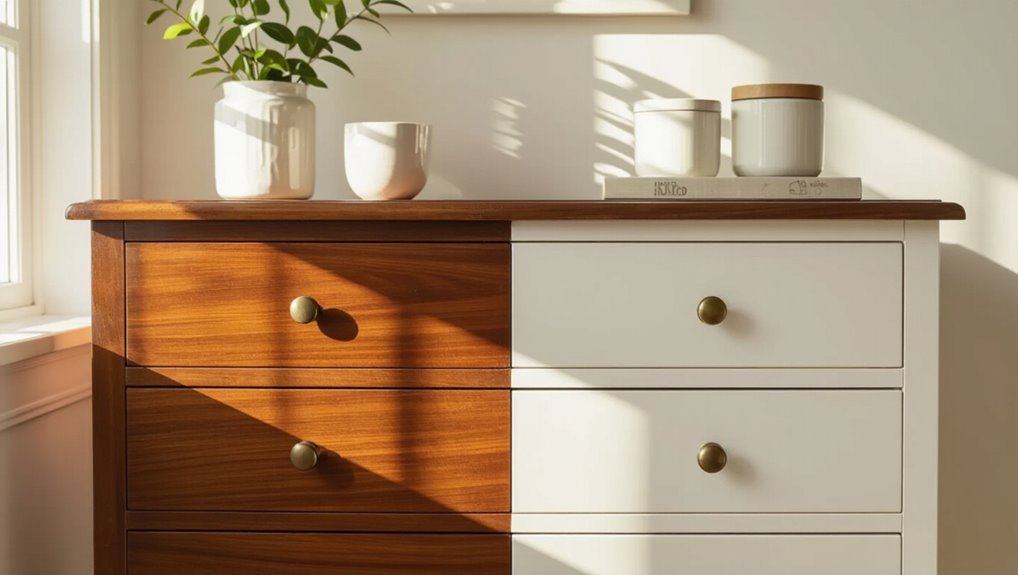
Yes — you can paint over finished wood, but how well it lasts depends on preparation and the finish type.
You’ll get reliable paint adhesion only if you handle surface preparation correctly: clean, degloss, and repair any damage. If you skip steps, paint may peel or chip.
Choose compatible primers and paints, and you’ll avoid premature failure and achieve a durable finish.
Who This Guide Is For And What It Covers
Who needs this guide and what’ll you get from it?
You’re a DIYer, homeowner, or pro weighing whether to skip sanding.
You’ll learn practical painting techniques, how to do a quick surface assessment, prep steps, product choices, and realistic expectations.
Learn quick surface assessment, practical painting techniques, essential prep, smart product choices, and realistic expectations.
This guide focuses on actionable advice so you can decide efficiently and avoid common mistakes before you start.
When Skipping Sanding Is Reasonable
Now that you know who benefits from this guide and what it covers, let’s look at the situations where you can reasonably skip sanding.
You can skip sanding when:
- Finish is glossy but intact — use sanding alternatives like deglossers.
- You’ll apply thin surface treatments or bonding primer only.
- Piece is low-wear, decorative, and you accept possible adhesion risks.
When You Should Sand First
If the finish is glossy, you should sand to remove the shine so paint will stick.
You’ll also want to sand any areas where adhesion looks questionable before priming.
And if the surface has scratches, dents, or gouges, sanding and repairing them first gives you a smooth base for a lasting finish.
Remove Glossy Finish
Start by checking the surface: glossy finishes resist paint adhesion, so you’ll usually need to sand or otherwise scuff them before painting.
Use these steps to remove gloss:
- Try deglosser application for light scuffing and cleaning.
- Sand with fine grit where needed for roughened bite.
- Clean residue and wipe with tack cloth before priming.
Gloss removal techniques reduce failure and improve paint grip.
Check For Adhesion
Because painted or finished wood can hide weak spots, always test adhesion before you skip sanding: press a piece of tape, peel sharply, and inspect for flaking.
If paint lifts, perform an adhesion test across several areas to verify surface compatibility.
Weak adhesion means you should sand first to guarantee new paint bonds.
Don’t assume all finishes accept paint without prepping.
Repair Surface Damage
Spot and fix dings, gouges, and flaking finish before you paint—these defects will telegraph through a new coat and ruin the result.
You should sand in these cases, then apply appropriate repair techniques and surface treatments to guarantee a smooth base.
Steps:
- Fill and level damaged areas.
- Sand feathered repairs smooth.
- Clean, prime, then paint for lasting adhesion.
Types Of Finished Wood Surfaces
When you look at finished wood, you’ll usually encounter one of several common surface types—clear finishes like varnish or lacquer that show the grain, pigmented coatings such as paint or milk paint that hide it, and oil or wax finishes that penetrate and satinize without forming a film.
You’ll learn about varnish types, porous versus sealed surfaces, and quick surface preparation steps before painting.
Common Finishes: Lacquer, Polyurethane, Shellac, Varnish, Wax
Finishes like lacquer, polyurethane, shellac, varnish, and wax each behave differently and demand different prep and application methods, so you’ll want to pick the right one for your project.
You’ll consider Lacquer types (fast-drying), Polyurethane applications (durable topcoats), Shellac benefits (adhesion, sealant), Varnish differences (UV, flexibility), and Wax removal (solvent or heat).
- Test
- Prep
- Prime
How Gloss Level Affects Adhesion
Gloss level matters because high-gloss finishes are slicker and lower-gloss finishes have more tooth for paint to grab.
You’ll usually need more sanding and deglossing on glossy surfaces to guarantee proper adhesion.
Also match your paint type—some primers are formulated for glossy surfaces while others work better on satin or flat.
Gloss Level Basics
A finish’s sheen — from flat to high gloss — changes how paint sticks, so you’ll need to adjust preparation and product choice accordingly.
You’ll recognize gloss levels and sheen effects that alter adhesion and durability.
Consider these quick rules:
- Flat/matte: better tooth, easier bonding.
- Satin/semi-gloss: moderate adhesion, choose bonding primer.
- High gloss: slick surface, needs stronger adhesion strategy.
Surface Preparation Needs
Since sheen affects how paint bonds, you’ll need to tailor your surface prep to the existing gloss. High-gloss needs scuffing; satin or flat may only require thorough cleaning.
Use targeted surface cleaning techniques to remove oils and residue, then assess adhesion.
Choose primer selection tips that match gloss level and substrate; thin, bonding primers often work best to promote reliable paint adhesion.
Paint Type Compatibility
When you’re matching paint to finished wood, consider how the existing sheen and paint chemistry interact—higher-gloss surfaces are less porous and resist new coatings, so they usually need sanding or a strong bonding primer, while satin or flat finishes accept paint more readily with just cleaning.
- Check paint adhesion factors: gloss needs primer.
- Confirm finish compatibility between old and new.
- Test a small area before full application.
How Grease, Wax, And Polish Block Paint
Even if the wood looks clean, grease, wax, and polish create a slick barrier that keeps paint from adhering properly.
So you’ll see peeling or flaking soon after painting. You need targeted grease removal and cleaning methods to eliminate surface contaminants and polish residue.
Understand wax effects as adhesion barriers, use proper prep techniques, and verify paint compatibility so coatings bond rather than lift.
Liquid Deglossers: How They Work
Liquid deglossers are chemical cleaners that etch glossy finishes so new paint can bond without sanding. You’ll get liquid deglossers benefits like faster prep and reduced dust.
Use proper deglosser application methods to avoid streaks and damage.
Steps:
- Clean surface.
- Apply deglosser with a cloth.
- Wipe off residue and let dry before painting.
Chemical Stripping Vs Deglossing
You can choose between a chemical stripper, which softens and removes old finish down to bare wood, and a deglosser, which thins or etches the surface without stripping it completely.
Deglosser products range from solvent-based liquid abrasives to mild acidic conditioners, each suited to different finish types.
Compare the prep each requires—stripping needs more cleanup and repair, while deglossing is quicker but may not remove deep damage.
Chemical Stripper Basics
When restoring finished wood, you’ll face two main methods for removing old finish: chemical stripping and deglossing.
You’ll learn chemical stripper basics: what they remove, how to apply, and safety.
- Choose product by finish type and ventilation.
- Follow chemical safety: gloves, mask, and disposal.
- Consider stripper alternatives like heat or soy-based gels if fumes worry you.
Deglosser Product Types
Although chemical strippers strip finishes down to bare wood, deglossers (also called liquid sanders) dissolve surface sheen so you can repaint without full removal.
You’ll choose deglosser types based on finish, odor tolerance, and drying time—acetone, citrus, or solvent blends.
For deglosser applications, follow label instructions, work in ventilation, and test a small area to guarantee adhesion and avoid finish damage.
Surface Prep Comparison
If you’re deciding between chemical stripping and deglossing, weigh how much finish you need removed versus how fast and messy you want the job to be.
You’ll choose based on surface treatment options and preparation techniques:
- Chemical stripping removes coatings fully but’s messier and needs PPE.
- Deglossing is quicker, less cleanup, best for light coats.
- Consider time, safety, and finish depth.
Cleaning Step‑By‑Step Before Painting (No Sanding)
1 simple, focused cleaning routine will get finished wood ready for paint without sanding: remove surface dust with a microfiber cloth, degrease with a trisodium phosphate (TSP) solution or a dedicated degreaser, rinse with clean water, and dry thoroughly. Use proper cleaning solutions to lift surface dirt and oils before priming.
| Step | Product | Time |
|---|---|---|
| Dust | Microfiber | 2–5 min |
| Degrease | TSP | 5–10 min |
| Rinse/dry | Water/towel | 10–20 min |
How To Test Paint Adhesion First
Before you commit to painting, you should try a small patch test on an inconspicuous area to see how the finish accepts primer and paint.
After the test coat dries, press a strip of strong adhesive tape onto it and pull sharply to check for lifting.
If the paint stays put, you’re good to proceed; if it flakes, you’ll need to sand or strip first.
Small Patch Test
When you’re ready to paint, do a small patch test on an inconspicuous area to confirm the paint will stick and look right; this quick check saves you time and prevents surprises.
- Clean area, apply primer and paint for patch testing.
- Let dry fully, inspect finish and feel for adhesion evaluation.
- Note any lifting or poor coverage; adjust prep or product before proceeding.
Adhesion Tape Check
Want a quick, reliable way to confirm paint will stick? Do an adhesion testing check: apply a small painted patch, let it cure, then perform a tape application.
Press adhesive tape firmly over the painted area, pull sharply at 90 degrees, and inspect. If paint lifts, sand or use primer. If it stays, you can proceed confidently without extensive sanding.
Choosing Primer Versus Bonding Primer
Curious which primer to pick for finished wood? You’ll weigh primer selection against bonding benefits to decide.
Consider surface type, paint topcoat, and time.
Think about the surface, your chosen topcoat, and how much time you have before starting.
- Use standard primer for porous or previously sanded surfaces.
- Choose bonding primer for slick, glossy finishes to improve adhesion.
- Test a small area to confirm grip before painting the whole piece.
Best Primers For Slick Finishes
When you’re dealing with slick finishes like laminate or glossy varnish, choosing a primer that actually sticks is essential.
Look for high-bonding household primers that promise strong adhesion and specialty etching primers that chemically roughen the surface for paint to grip.
I’ll compare their uses, application tips, and when each type is the better choice.
High-Bonding Household Primers
Because slick, glossy surfaces resist paint, you’ll need a high-bonding household primer to get reliable adhesion and prevent peeling, flaking, or excessive sanding.
You’ll appreciate high bonding advantages when prepping finished wood; primer selection matters for durability and coverage.
- Scuff-clean for best adhesion.
- Choose water-based or oil-based high-bond formulas.
- Test adhesion on a small area first.
Specialty Etching Primers
Specialty etching primers chemically bite into slick finishes like laminate, varnish, and factory-cured paints so paint will stick without aggressive sanding.
You’ll appreciate etching benefits when adhesion improves and failures drop.
For primer selection, pick a product labeled for your substrate—metal, laminate, or previously painted wood—and follow cure times and ventilation.
Apply thin, even coats for best results.
How To Apply Primer For Best Adhesion
Start by choosing a high-quality bonding primer formulated for slick or previously finished wood, because that product will give paint something to grip and prevent peeling.
Choose a high-quality bonding primer made for slick or previously finished wood to ensure paint adhesion and prevent peeling.
Use careful primer application techniques and follow adhesion improvement tips:
- Clean and degrease surface thoroughly.
- Apply thin, even coats with a synthetic brush or roller.
- Allow full dry time and lightly scuff between coats before topcoating.
Best Paints For Painting Over Finished Wood
1 good rule: pick a paint that bonds well to slick surfaces and matches the use of the piece — for cabinets and high-traffic trim, use a water-based acrylic enamel or a urethane-modified acrylic for durability and easy cleanup;
for furniture where brush marks matter less, an oil-based alkyd or conversion varnish gives a hard, smooth finish but needs stronger ventilation and longer cure times.
You’ll also consider eco friendly paints and adhesive primers to improve adhesion and reduce VOC exposure.
Oil‑Based Versus Water‑Based Paints Compared
Wondering which to pick for a project? You’ll weigh durability, finish, and cleanup. Consider:
- Oil-based advantages: tougher film, smoother leveling, great for high-traffic pieces.
- Water-based drawbacks: less solvent resistance, can raise grain, but dries faster.
- Your choice depends on odor tolerance, drying time, and desired sheen; test a small area first.
Specialty Bonding Paints And When To Use Them
If you’re working with a slick, glossy finish or a dense hardwood that resists regular primers, specialty bonding paints can save you time and headaches.
You’ll choose them when adhesion is poor or you want fewer prep steps. These specialty paints contain bonding agents that grip slick surfaces, cut through varnish, and let you skip heavy sanding—ideal for cabinets, trim, and factory-finished pieces.
Tools You’ll Need For No‑Sand Projects
Getting the right tools makes no-sand projects faster and gives you a professional result without unnecessary elbow grease.
You’ll need supplies that suit no sand techniques and deglossing methods so paint bonds well.
Essential gear includes:
- Liquid deglosser, tack cloths, and microfiber towels.
- High-adhesion primer and quality brush/foam roller.
- Painter’s tape, drop cloths, and respirator for safety.
Preparing Cabinets To Paint Without Sanding
Before you slap on paint, you’ll want to thoroughly clean and degrease the cabinets so the primer and paint will adhere properly.
After the surfaces are spotless, apply a high-quality bonding primer designed for slick finishes to guarantee long-lasting adhesion.
These two steps let you skip sanding while still getting a durable, professional-looking result.
Clean And Degrease
While you can skip sanding, you can’t skip cleaning — grease, dirt, and residues will keep paint from sticking properly.
You’ll need proper cleaning supplies and a plan to remove surface contaminants before painting cabinets. Follow these steps:
- Degrease with a trisodium phosphate solution or commercial degreaser.
- Rinse thoroughly with clean water.
- Dry completely with lint-free cloths.
Use Bonding Primer
A good bonding primer bridges the gap between slick finished wood and paint, letting your topcoat adhere without sanding; pick a high-quality, shellac- or bonding-formula primer designed for glossy surfaces and apply it evenly with a brush or foam roller. Use bonding benefits smartly: follow primer application steps, dry times, and light sanding between coats.
| Step | Tool | Time |
|---|---|---|
| Prep | Cleaner | 10m |
| Prime | Brush | 30m |
| Topcoat | Roller | 2h |
Preparing Furniture To Paint Without Sanding
If you want to skip sanding, the key is cleaning, deglossing, and repairing so paint will stick and look smooth. Start by removing dust and grime with a TSP substitute. Scrape off loose finish, fix dents or chips with wood filler, then wipe the surface clean and dry.
- Assess furniture types and surface textures.
- Choose paint finishes and bonding primer.
- Test application methods on an inconspicuous area.
Preparing Trim And Doors Without Sanding
When you’re prepping trim and doors without sanding, focus on cleaning, deglossing, and minor repairs so paint will adhere and look smooth.
Start with thorough door cleaning, remove grease and dust, then use a liquid deglosser on trim surfaces.
Fill gaps and loose caulk, tighten hardware, and apply a bonding primer made for glossy finishes.
This trim preparation guarantees durable, even coverage.
Why You Should Usually Sand Floors
Because finished floors hide decades of wear and old coatings, you should usually sand before repainting or refinishing to guarantee adhesion, remove surface contaminants, and reveal a fresh, uniform surface that accepts stain and finish evenly.
You’ll gain sanding benefits and improved floor durability.
Do the following:
- Remove old finish
- Level scratches
- Improve adhesion and longevity
Paint Techniques That Hide Imperfections
You can minimize visible flaws with smart brush stroke techniques that blend seams and mask scratches.
Try directional strokes and varied pressure to smooth shifts, then build depth with layered paint effects like glazes or dry brushing.
These simple methods will make finished wood look intentional rather than imperfect.
Brush Stroke Techniques
A few smart brush stroke techniques can hide dents, scratches, and uneven grain so your painted wood looks smooth and professional.
You’ll use brush stroke techniques and subtle blending colors to mask flaws. Practice steady, overlapping strokes and vary pressure to even texture.
- Long strokes for flat areas
- Short feathering near edges
- Cross-hatching for heavy defects
Layered Paint Effects
When you build up thin, translucent layers of paint, you can blur scratches, soften grain, and create depth that distracts the eye from imperfections. You’ll use layered color and textured finishes to hide flaws: glaze, drybrush, and scumble work well. Pick contrast levels, test tones, and vary tools to control texture and coverage.
| Technique | Effect |
|---|---|
| Glaze | Depth |
| Drybrush | Texture |
| Scumble | Blend |
Drying Times And Recommended Recoat Intervals
Drying times vary widely depending on the finish—oil-based varnishes can feel dry in 6–8 hours but need 24–48 hours before recoating, while water-based lacquers often dry to the touch within 30–60 minutes and allow recoat in 2–4 hours.
Follow these recoat intervals and tips:
- Check manufacturer’s label for specific drying times.
- Allow recommended recoat intervals; longer in cool/humid conditions.
- Test adhesion before full recoating.
How Many Coats To Expect (No‑Sand)
If you’re painting finished wood without sanding, plan on more than one coat—usually two to three for full coverage.
The exact number depends on the paint type, color change, and how glossy the original finish is.
Expect darker colors or high-gloss bases to need extra coats to hide the old surface.
Typical Coat Counts
Expect to apply two to three coats for most no-sand paint jobs on finished wood: a single coat rarely hides the grain and stains, two coats give good coverage, and a third may be needed for deep colors or high-traffic surfaces.
- For typical paint on trim, plan two coats.
- For furniture and cabinets, expect three for uniform finish.
- For low-wear typical surfaces, two often suffices.
Factors Affecting Coats
Several factors determine how many coats you’ll need when painting finished wood without sanding. You should consider coat adhesion, coats thickness, prior finish type, and environmental factors like humidity and temperature. Expect 2–4 coats normally; thinner coats may need more. Choose primer or bonding primer to improve hold and reduce overall coats.
| Factor | Impact | Tip |
|---|---|---|
| Finish type | High | Use primer |
| Coat thickness | Medium | Thin coats |
| Environment | Variable | Control humidity |
| Adhesion | Critical | Test patch |
Common Problems: Peeling, Bubbles, Flaking
Peeling, bubbling, and flaking usually signal adhesion or surface-prep problems that you’ll want to address before repainting finished wood.
Peeling, bubbling, and flaking warn of adhesion or prep failures you must fix before repainting finished wood.
You’ll notice peeling paint, bubbling finish, and flaking edges caused by adhesion issues, surface imperfections, moisture damage, environmental factors, or poor paint quality.
Check for:
- Visible blistering or raised areas
- Cracked or powdery coating
- Localized soft or damp spots
Fixes For Peeling, Bubbling, And Flaking Paint
When you’re dealing with peeling, bubbling, or flaking paint, start by removing all loose material and diagnosing the cause so your repairs will stick.
Scrape and sand edges, clean and degrease, then apply a suitable primer to address bubbling issues.
Fill gaps, feather repairs, and use high-quality paint compatible with the substrate.
Proper surface preparation prevents recurring peeling paint and flaking paint.
Longevity: How Long A No‑Sand Finish Lasts
If you skip sanding and use a no‑sand finish, expect the lifespan to hinge on prep quality, product choice, and how the piece gets used.
You’ll see variable longevity based on durability factors and maintenance strategies. Consider:
- Surface cleaning and primer selection.
- Product wear resistance and UV/moisture exposure.
- Routine upkeep frequency and gentle cleaning methods.
Cost And Time: Sanding Versus No‑Sand
You’ll want to weigh the extra hours sanding takes against the faster no-sand route when planning your project timeline.
Consider upfront costs like sandpaper, tools, or primer versus cheaper no-sand supplies, and how professional labor changes the math.
Also factor in long-term expenses—touch-ups, repainting frequency, and durability—to see which approach is truly cheaper over time.
Time Investment Comparison
Although skipping sanding can save hours up front, the true time cost depends on the condition of the surface and the finish you want; sanding adds prep time but often prevents rework and touch-ups later.
Use time saving techniques to boost project efficiency.
Compare:
- No-sand: fast start, possible rework.
- Light sanding: moderate time, better adhesion.
- Full sanding: longest prep, least retries.
Cost Breakdown Options
1 clear way to weigh sanding against skipping it’s to break costs into materials, labor (your time), and potential rework; sanding raises upfront labor and supply costs but usually cuts the chance you’ll pay again for touch-ups or flaking.
Calculate costs for primer, sandpaper, and sealers versus adhesion primers and extra coats.
Choose budget options for small jobs, prioritize cost efficiency for larger projects.
Long‑Term Expense Impact
If you skip sanding to save time now, expect higher long-term costs from peeling, extra coats, and occasional refinishing.
Sanding adds upfront time and materials but usually reduces future touch-ups and extends the finish’s life.
- Do a cost analysis: compare materials, labor, and likely repairs.
- Factor time: sanding costs hours but cuts maintenance.
- Prioritize long term savings by investing in proper prep.
Safety Gear And Ventilation For Chemicals
When you’re working with paints, solvents, or strippers, wear proper protective gear and guarantee good ventilation to keep chemicals from harming your skin, lungs, or eyes.
Use gloves, goggles, and chemically resistant aprons, and choose respirators rated for organic vapors.
Monitor ventilation importance by creating cross‑drafts or using exhaust fans.
Follow label instructions for chemical safety and dispose of rags safely.
Environmental And Health Considerations
When you paint over finished wood, consider VOCs in primers and paints because they can affect indoor air quality.
You’ll need proper respiratory protection if ventilation can’t keep fumes low.
Also look for low-VOC or water-based, eco-friendly options to reduce health and environmental impact.
Volatile Organic Compounds
Paints and finishes can release volatile organic compounds (VOCs) that affect indoor air quality and your health, so it’s important to know what you’re bringing into a space.
You should check labels for low-VOC formulas and ventilate during application. Consider allergies and long-term health impacts.
- Choose low-VOC or water-based paints.
- Air out rooms thoroughly.
- Limit exposure time.
Respiratory Protection Needs
1 simple rule: don’t assume indoor painting won’t affect your lungs. You’ll face respiratory hazards from fumes, dust, and old finish particles when prepping or stripping.
Wear proper respiratory protection and protective gear—N95 for dust, a respirator with organic vapor cartridges for solvent-based paints.
Guarantee ventilation, take breaks outdoors, and replace filters regularly to keep exposure minimal and safe.
Eco-Friendly Paint Options
Because you’ll likely want to minimize toxins and environmental impact, choose low-VOC or zero-VOC formulas, water-based acrylics, and natural paints made from plant oils, clay, or milk protein.
You’ll also favor eco friendly paints and sustainable materials to protect indoor air and the planet.
- Zero-VOC water-based acrylics
- Natural plant-oil, clay, or casein paints
- Recycled-content primers and low-odor sealers
Low‑VOC And Eco‑Friendly Product Options
While you’ll still get strong coverage and durability, low‑VOC and eco‑friendly paints let you reduce fumes, off‑gassing, and environmental impact—important if you’re working indoors or around kids and pets.
You can choose water‑based primers, acrylic enamel topcoats, and eco friendly paints labeled Green Seal or zero‑VOC.
Compare shear strength, adhesion, and cure times among low VOC options to guarantee lasting finish without heavy sanding.
Case Study: Successful No‑Sand Cabinet Makeover
If you want a dramatic kitchen refresh without the dust and days of sanding, this no‑sand cabinet makeover shows how to get durable, professional results with minimal prep.
You’ll follow a clear plan that delivered lasting paint durability and smart cabinet transformations.
- Clean and degloss
- Prime with bonding primer
- Topcoat with durable enamel
Case Study: When No‑Sand Failed And Why Sanding Helped
When the no‑sand approach failed on this older set of cabinets, it taught you exactly why skipping abrasion isn’t always an option. Paint peeled within weeks; you learned targeted sanding techniques fixed adhesion challenges. After roughing edges and scuffing the faces, new primer and paint bonded. Results: durable finish and lesson learned.
| Problem | Fix |
|---|---|
| Peeling | Scuff sand |
| Glossy finish | Degloss |
| Edges lift | Feather sand |
| Old varnish | Strip/abrade |
| Poor bond | Prime properly |
Decision Checklist: Sand Or Skip Sanding?
Because proper adhesion depends on surface condition, you should run a quick checklist before deciding to sand or skip sanding:
- Inspect finish: glossy or chipped? Glossy needs sanding or deglossing for adhesion.
- Test adhesion: tape pull or small paint patch to judge bonding.
- Consider finish type: oil-based vs water-based and whether Alternative finishes or updated Sanding techniques suit the project.
Quick Project Timelines: Cabinets, Furniture, Trim
After you’ve checked the finish and decided whether to sand, map out a realistic timeline for cabinets, furniture, and trim so you can plan supplies and workspace.
For cabinet refinishing expect 2–4 days per kitchen (prep, primer, two coats). Small furniture restoration can take a day or two.
Trim upgrades are fastest: a few hours to a day each room. Schedule drying and touchups.
Maintenance Tips To Extend A No‑Sand Finish
If you want a no-sand finish to keep looking sharp, commit to a few simple habits:
- Wipe daily with a microfiber cloth and mild cleaner to prevent grit buildup — maintenance checklist item.
- Use coasters and pads to avoid scratches and heat damage.
- Reapply a thin protective topcoat annually to boost surface longevity and resist wear.
When To Hire A Pro For Durable Results
When the project demands flawless adhesion, precise color matching, or a finish that has to withstand heavy use, hire a pro—you’ll save time and avoid costly mistakes.
You should get professional advice when surfaces are damaged, exotic, or historically significant. A pro’s project evaluation identifies hidden issues, estimates lifespan, and recommends coatings or prepping.
Hire them for high-traffic pieces or when warranty and durability matter.
Further Reading And Recommended Products
For deeper guidance and reliable tools, check a few authoritative sources and a shortlist of products that pros use—you’ll save time and get better results.
Use finishing techniques guides and vetted product recommendations to pick primers, deglossers, and paints.
Turn to finishing guides and vetted product picks to choose the right primers, deglossers, and paints.
- Manufacturer finish guides
- Independent how-to articles
- Top-rated primers and enamel kits
Frequently Asked Questions
Can You Paint Over Finished Wood Outdoors Without Sanding?
Yes — you can, but you’ll prep first. You’ll clean, degloss with a liquid sander or primer, then apply outdoor paint designed for adhesion and weather resistance so your finish holds up against moisture, sun, and temperature changes.
Will Paint Yellow or Discolor Over Certain Wood Finishes?
Yes — paint can yellow or discolor over certain finishes. You’ll see yellowing factors like oil-based varnish, ambering resins, and UV exposure; test finish compatibility and use non-yellowing primers and topcoats to prevent issues.
Do Humidity and Temperature During Application Matter for No‑Sand Painting?
Yes — temperature effects and humidity impact drying, adhesion, and finish quality, so you should avoid extreme heat, cold, or high moisture; you’ll get better results painting in moderate, stable conditions and when surfaces are clean and dry.
Can Pets or Children Safely Use Freshly Painted Furniture Sooner Without Sanding?
No — unless you want your dog to stage a tiny paint protest and toddlers to taste-test furniture, you’re better off waiting: follow product cure times and ventilation to protect pet safety and child safety.
Is Painting Veneered or Laminated Furniture Without Sanding Different?
Yes — painting veneered furniture and laminated surfaces without sanding’s different: you’ll need a deglosser or adhesion-promoting primer, clean thoroughly, and choose flexible paint; veneers can be more delicate, while laminates resist adhesion more.
Conclusion
You can — sometimes — paint over finished wood without sanding, but don’t rush it. If the finish is clean, glossy, and well-adhered, a deglosser or primer might save you time; if it’s flaking, stained, or heavily used, sanding’s your safest bet. Think about durability, look, and how much wear the piece will face. Decide now: will you take the shortcut and risk touch-ups, or do the prep for results that last? Choose wisely.
