
How to Fix Cracks in Stucco Before Painting for a Smooth Finish
You’ll start by identifying the crack type, then clean and widen hairlines for better adhesion using a stiff brush and compressed air. Use a paintable flexible filler for hairlines, polymer‑modified cement for wider cracks, or elastomeric sealant where movement’s likely. Smooth with a putty knife, match texture, let patches fully cure, sand lightly, then prime with a masonry primer before painting. Follow drying times and maintenance tips to guarantee a lasting, smooth finish—keep going to learn the exact steps and tools.
Quick Step-by-Step Stucco Crack Repair Overview
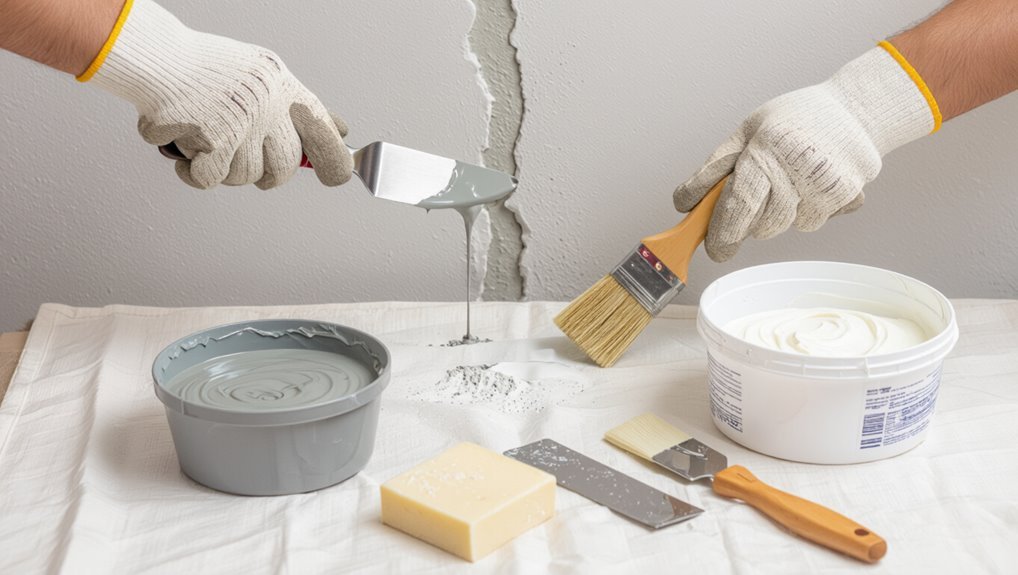
Start by evaluating the crack, then gather tools and materials — a stiff brush, utility knife, masonry repair caulk or patching compound, a putty knife, and a damp sponge — so you’re ready to work.
You’ll perform a quick crack assessment, clean and widen hairlines, apply patching compound or caulk, smooth with a putty knife, let cure, and sand before priming.
Identifying Your Stucco Crack Type
Before you begin repairs, you’ll want to identify the crack type so you can choose the right fix: Use visual inspection and simple tools as crack identification methods to sort common crack types—hairline, settlement, structural, and surface. Compare appearance and width to decide repair materials.
| Crack look | Likely type |
|---|---|
| Hairline | Surface |
| Stair-step | Settlement |
| Wide | Structural |
| Spiderweb | Surface |
When to Call a Pro vs. DIY
Wondering whether you can handle the repair yourself or need a pro? You’ll weigh DIY considerations like Skill assessment, Tools availability, Time commitment and Safety concerns.
For bigger issues, seek a Professional evaluation to judge Project complexity.
Do a Cost analysis comparing hiring pros versus materials and your time.
If risks, height work, or structural signs appear, call a pro.
Why Fix Cracks Before Painting (Peeling & Moisture Risks)
If you decide to tackle the repair yourself or hire someone, address cracks before painting because paint won’t stop ongoing water intrusion and can actually hide or worsen damage.
You should fix cracks to prevent moisture damage that creeps behind surfaces, causing structural issues and mold.
Unrepaired cracks lead to peeling paint, wasted coating, and faster deterioration, so repair first for a lasting finish.
Tools for Stucco Crack Repair
Before you start, make certain you’ve got the right protective gear—gloves, goggles, and a dust mask—to keep yourself safe.
You’ll also need basic hand tools like a putty knife, wire brush, and caulking gun for most repairs.
For tougher jobs, grab specialty materials such as stucco patch, bonding agent, and mesh tape to guarantee a durable fix.
Protective Safety Gear
One set of essential items you should have on hand is protective safety gear—gloves, eye protection, a dust mask or respirator, and knee pads—because stucco repair creates dust, flying debris, and sharp edges you’ll want to guard against.
You should wear safety goggles, a dust mask, work gloves, ear protection, knee pads, and protective clothing to prevent cuts, inhalation, and hearing damage during sanding and chipping.
Essential Hand Tools
When you tackle stucco crack repair, having the right hand tools makes the job faster and neater.
You’ll need a stiff brush, utility knife, pointed chisel, hammer, margin trowel, and caulking gun.
These essential tools let you clean, widen, and prep cracks for patching.
Use them with proper repair techniques to guarantee good adhesion and a smooth, paint-ready surface.
Specialty Repair Materials
You’ve got the hand tools ready; now pick materials that match the crack type and stucco finish.
Choose specialty sealants for hairline gaps, cementitious patch for wider fissures, and bonding agents for delaminated areas.
Match texture with premixed or trowel-applied compounds.
Follow recommended repair techniques, cure times, and safety guidelines so your patched surface blends smoothly and holds up before priming and painting.
Materials for Hairline Stucco Cracks
For hairline stucco cracks you’ll need a few specific materials: a high-quality acrylic caulk or elastomeric sealant rated for stucco, a small cartridge gun, a narrow-diameter nozzle or squeeze-tube tip, a soft-bristle brush or toothbrush for cleaning, and a fine-point putty knife or plastic scraper for smoothing.
You’ll use flexible fillers for hairline crack repair, a primer-rated patching compound, and lint-free rags.
Best Fillers for Wider Stucco Gaps and Joints
When gaps are wider than hairline cracks, you’ll want a stronger, more flexible filler to bridge the space and resist movement.
Polymeric sand-based fillers work well for larger voids that need bulk and quick setting, while elastomeric caulk compounds give long-term flexibility and weatherproofing for joints.
Choose based on gap size and whether the area needs paintability or extra elasticity.
Polymeric Sand-Based Fillers
Although stucco crack repair often calls for sealants or cement-based patches, polymeric sand-based fillers are your best bet for wider gaps and joints that need flexibility and durable binding.
You’ll mix polymeric sand to manufacturer specs, dampen the gap, and perform precise filler application with a trowel. Once cured, it resists washout and offers a stable base before priming and painting.
Elastomeric Caulk Compounds
Polymeric sand works well for wider gaps, but elastomeric caulk compounds give you far more flexibility and long-term weather resistance for joints that move.
You’ll choose elastomeric caulk for expansion joints, trim seams, and hairline-to-1/2″ gaps. Apply with a gun, tool the bead smooth, and allow full cure.
The elastomeric benefits include stretch, paintability, and durable caulk applications in exterior stucco.
Choosing Caulk or Elastomeric Sealant for Stucco
Wondering whether to use caulk or an elastomeric sealant for your stucco cracks? You’ll weigh caulk advantages against flexible sealant types. Consider:
- Use caulk for small, non-moving hairline cracks.
- Choose elastomeric for wider, moving gaps.
- Match product to texture and paint compatibility.
- Prioritize longevity and movement tolerance when selecting materials.
Safety and Protecting the Work Area
Before you start cutting or patching, protect yourself and the surrounding area so the job’s safe and clean.
Wear goggles, gloves, a dust mask, and long sleeves. Cover nearby plants, windows, and furniture with drop cloths and plastic.
Tape off the work area and use warning signs if needed. Follow safe practices for ladders, ventilation, and tool handling to prevent injury and damage.
Cleaning Stucco Cracks for Proper Adhesion
Start by removing loose debris and old patch material so the repair will bond to solid stucco—use a stiff brush, a utility knife, or a small chisel to widen and clean the crack to sound material.
You’ll use proper cleaning techniques to guarantee adhesion improvement.
Follow steps:
- Brush out dust.
- Vacuum debris.
- Rinse with water.
- Allow full drying before patching.
Widening and Undercutting Cracks for Lasting Patches
Widen the crack slightly and undercut its edges so the patch has something to grip—use a cold chisel, masonry saw, or angle grinder with a masonry blade to open the crack to a V- or U-shaped groove about 1/4–1/2 inch deep; taper the sides inward so the repair material can’t pop out, and remove any loosened material before you proceed.
Use widening techniques and undercutting methods to create a clean, stable void for bonding.
Patching Hairline Stucco Cracks (Step-by-Step)
Start by evaluating the crack to make sure it’s truly hairline and not a sign of deeper damage.
Clean the crack thoroughly so the filler bonds well.
Then apply a quality flexible stucco filler, smoothing it flush with the surface.
Assess Crack Size
Before you pick up any patching compound, take a close look at each crack to determine its size and depth; that tells you whether you’re dealing with a hairline fissure or something that needs more extensive repair.
Use simple crack assessment and size determination steps:
- Measure width with caliper or ruler.
- Note depth and length.
- Check surrounding texture.
- Photograph for records.
Clean The Crack
Now that you’ve sized and documented the crack, clean it so any patch will bond properly.
Use a stiff brush and compressed air to remove dust, loose stucco, and debris uncovered during your crack assessment.
For stubborn grime, wash with mild detergent and rinse thoroughly, then let dry completely.
Choose cleaning techniques that preserve surrounding stucco and prevent contamination before patching.
Apply Flexible Filler
Mix and apply a high-quality, paintable flexible filler formulated for masonry or stucco so the repair moves with temperature and settling instead of cracking again.
You’ll use precise flexible applications and proven filler techniques to guarantee adhesion and longevity.
- Cut crack opener
- Remove dust
- Tool filler flush
- Cure before sanding and painting
Filling Wider Stucco Cracks and Voids (Step-by-Step)
Larger stucco cracks and voids need a different approach than hairline fissures—you’ll clean, widen where necessary, and then pack the gap with the right patching material so the repair bonds and resists future movement.
Do a crack assessment, remove loose debris, choose filler types (polymer-modified cement or elastomeric sealant), dampen substrate, press patch firmly, and cure per manufacturer instructions before sanding and priming.
Embedding Mesh or Tape in Large Stucco Repairs
After you’ve packed the void with a suitable patching compound and it’s started to set, you’ll reinforce the repair by embedding mesh or tape to lock the patch into the surrounding stucco.
Follow these steps for proper mesh installation and tape application:
- Cut mesh/tape slightly larger than the void.
- Press into wet compound.
- Smooth seams flat.
- Cover with finish coat and feather edges.
Cure Times for Stucco Patching Materials
Typical patching compounds take from 24 hours to several days to harden and up to 28 days to reach full strength, depending on the product.
You’ll want to take into account temperature, humidity, coat thickness, and the base material, since those factors can speed up or slow down curing.
If you need faster results, you can use rapid-setting mixes, thinner layers, or controlled heat and airflow to accelerate cure times.
Typical Cure Times
When you’re planning a stucco patch, remember cure times vary with the material, weather, and thickness of the repair; cement-based stucco mix usually sets in 24–48 hours but needs 7–28 days to fully cure.
Acrylic or polymer-based patching compounds can dry to the touch in a few hours and reach full strength in 24–72 hours.
- Track cure time considerations.
- Note recommended wait before sanding.
- Verify surface hardness.
- Confirm paint window considering environmental factors.
Factors Affecting Cure
Because cure time depends on several variables, you should consider material type, ambient conditions, and repair thickness before starting a stucco patch.
You’ll also account for curing conditions like humidity and temperature, which affect drying rate and bonding.
Different patch mixes cure at different speeds, and sun exposure, wind, and substrate moisture create environmental impact that alters realistic timelines for painting and recoat.
Accelerating Cure Methods
Having considered how material choice and weather affect cure, you can speed up drying with a few practical methods tailored to your patch mix and site.
- Raise cure temperature safely with heaters or insulated blankets.
- Improve moisture control by shielding patches from rain and humidity.
- Use fast-setting stucco mixes per manufacturer directions.
- Promote airflow with fans and temporary windbreaks to equalize drying.
Texturing Patched Stucco to Match the Original Finish
Although matching the original texture can feel tricky, you’ll get a seamless result by studying the existing pattern, selecting the right tools and material, and practicing the motion before you touch the repair.
Use appropriate texturing techniques—spray, stomp, or trowel—replicating rhythm and depth.
Feather edges into surrounding stucco, work small areas, and compare often for matching finishes before paint application.
Priming Patched Stucco for Even Paint Coverage
Before you prime, make sure the patched area is clean and free of dust or loose particles so the primer bonds properly.
Pick a primer designed for masonry or stucco to seal the patch and equalize porosity with the surrounding wall.
Apply it so the edges are feathered smoothly into the existing finish to prevent a visible halo under the paint.
Surface Cleaning First
1. You must focus on surface preparation before priming patched stucco. Use proper cleaning techniques to guarantee adhesion and even coverage.
Follow these steps:
- Remove loose debris with a stiff brush.
- Wash with mild detergent and rinse.
- Treat mold or efflorescence with appropriate cleaner.
- Let the surface dry completely before priming for best results.
Use Appropriate Primer
When the patched stucco is fully dry, choose and apply a primer designed for masonry or cement-based surfaces so your paint will adhere evenly and resist moisture.
The right primer seals the repair, evens porosity between old and new stucco, and prevents flashing or color variations once you paint.
Pick primer types (acrylic or alkyd/latex block) suited to exterior masonry.
You’ll enjoy clear primer benefits: adhesion, sealing, and uniform finish.
Feather Edges Smoothly
Though the patch may look solid, you’ll get the smoothest, least-visible finish if you feather the edges before priming; gently blend the repair into the surrounding stucco so the primer and paint meet evenly and don’t highlight the repair boundary.
Use these feathering techniques for smooth shifts:
- Sand edges lightly.
- Apply thin skim coat.
- Feather with trowel.
- Spot-prime blended area.
Choosing Paint That Bonds to Repaired Stucco
Why choose a specialty paint for repaired stucco? You’ll guarantee adhesion by using products formulated with bonding agents and checking paint compatibility with masonry patch. Pick breathable, elastomeric or masonry paints to handle movement and moisture.
| Type | Benefit | Use |
|---|---|---|
| Elastomeric | Flexes | Exterior cracks |
| Masonry | Breathable | Stucco walls |
| Primer | Bonds | Pre-paint prep |
Painting Patched Areas So Repairs Blend In
Now that you’ve selected paint that will bond to the patch, focus on making repairs disappear visually: feather the edges of the patched area with a thin coat of primer, match texture before paint, and use identical sheen and color to avoid a noticeable spot.
Use these steps and blending techniques with proper paint types:
- Sand lightly
- Apply texture match
- Prime edges
- Paint feathered coats
Seasonal and Weather Timing for Repairs and Painting
You should plan stucco repairs and painting for temperatures between about 50°F and 85°F so materials cure properly.
Wait for a several-day dry weather window with no rain forecast to avoid washout and adhesion problems.
Also be aware that high humidity can slow drying and low humidity can cause rapid skinning, so choose seasonal timing accordingly.
Ideal Temperature Range
Although stucco repairs and painting can be done year-round in some climates, aim for daytime temperatures between 50°F and 85°F (10°C–29°C) and low humidity for best adhesion and curing; colder conditions slow curing and hotter, direct sun can cause rapid drying and cracking.
- Check ideal weather forecasts.
- Note temperature impact on curing.
- Avoid extremes during application.
- Plan morning or late-afternoon work.
Dry Weather Window
When planning stucco repairs or painting, pick a dry-weather window of several consecutive days so materials can bond and cure without interruption; brief rain or heavy dew can ruin fresh work and force costly redoing. You’ll check forecasts for weather considerations, schedule projects, and continue crack monitoring before paint.
| Task | Timing |
|---|---|
| Prep | 1–2 dry days |
| Repair | 2–3 dry days |
| Cure | 3–7 dry days |
| Paint | After full cure |
Seasonal Humidity Effects
Because humidity alters how stucco sets and bonds, plan repairs and painting around seasonal moisture patterns so materials cure properly and coatings adhere.
You’ll avoid failures by timing work with humidity impact and seasonal fluctuations.
Follow this checklist:
- Pick low-humidity days.
- Avoid rainy forecasts.
- Allow extended cure in high humidity.
- Use breathable primers for variable climates.
Common Repair Mistakes That Cause Cracks to Return
If you skip proper prep or rush through materials, your repair won’t last and cracks will come back.
You must follow correct repair techniques, use compatible patching compounds, and allow full curing. Skipping bonding agents, ignoring substrate movement, or painting too soon invites failure.
Adopt prevention strategies like controlling moisture and addressing structural causes so repairs hold and you avoid repeated patching.
Troubleshooting: Patches Cracking or Falling Out
If patches are cracking or falling out, first check that the surface was clean, solid, and properly keyed so the patch can bond.
Make sure you used the right patch mix — wrong ratios or incompatible materials will weaken the repair.
Finally, don’t rush: allow adequate curing time and proper moisture conditions before finishing.
Check Adhesion Surface
Start by inspecting the surface where your patch was applied—good adhesion depends on a clean, sound base.
Perform an adhesion test and review surface preparation; if patch edges lift, remove loose material.
Then:
- Clean dust, oil, and paint residues.
- Scrape away delaminated stucco.
- Roughen smooth areas for bonding.
- Recheck adhesion before reapplying patch.
Use Proper Patch Mix
Mix the patch to the manufacturer’s directions and you’ll prevent most cracking and loss of adhesion. Use proper patching techniques and follow effective mixing ratios so your patch bonds and matches texture. Work quickly, apply in thin layers, and tool edges smooth.
| Step | Tip |
|---|---|
| Mix | Accurate ratios |
| Apply | Thin layers |
| Finish | Match texture |
Allow Adequate Curing
Let cures set fully before you touch or finish the patch—rushing the process is the most common reason patches crack or pop out. You should control moisture, follow manufacturer curing time, and avoid stress on fresh patches.
Steps:
- Keep area damp as directed.
- Shield from sun and wind.
- Wait full cure before sanding.
- Check firmness and adhesion before painting.
Preventing Future Stucco Cracking With Routine Maintenance
Because routine maintenance stops small problems from becoming large ones, you should inspect and care for stucco regularly to prevent cracking. Use preventive maintenance and routine inspections: seal gaps, clear gutters, trim vegetation. Check after storms and seasonally.
| Task | Frequency |
|---|---|
| Seal joints | Annually |
| Clean gutters | Biannually |
| Trim plants | Quarterly |
Cost: DIY vs. Contractor Stucco Crack Repair
Deciding whether to tackle stucco crack repairs yourself or hire a pro comes down to your budget, skill level, and the scope of the damage.
You’ll weigh cost comparison and repair options, balancing time versus quality.
Consider:
- DIY supplies and patching time
- Small cracks vs. major work
- Contractor labor and warranty
- Long-term value and risk
Annual Inspection Checklist for Repaired Stucco
Whether you repaired the cracks yourself or paid a contractor, you’ll want an annual inspection checklist to keep the work holding up and catch new problems early. Use this brief annual maintenance damage assessment to guide you.
| Item | Action |
|---|---|
| Surface | Check for new cracks |
| Sealant | Inspect adhesion |
| Flashing | Look for leaks |
| Paint | Note peeling |
| Foundation | Monitor settling |
Low‑VOC and Eco-Friendly Options for Stucco Repair & Paint
If you want healthier indoor air and a smaller environmental footprint, choose low‑VOC caulks, stucco patch mixes, and paints formulated for exterior use.
You’ll protect surfaces and use eco friendly materials while following sustainable practices.
- Low‑VOC caulk
- Mineral‑based patch
- Breathable lime or silicate primer
- Certified low‑VOC exterior paint
Quick Checklist: Steps to Fix Stucco Cracks Before Painting
Now that you’ve selected low‑VOC materials, you’re ready to tackle cracks so paint will adhere and last.
Inspect surface, mark cracks, clean debris, and widen hairlines for bonding.
Inspect surfaces, mark cracks, remove debris, and widen hairline gaps to ensure reliable bonding and lasting repairs.
Apply compatible filler with proper repair techniques, smooth and let cure.
Sand gently, prime with breathable primer, and check for moisture.
Paint using recommended methods to guarantee crack prevention and a durable, even finish.
Frequently Asked Questions
Can Stucco Crack Repair Be Done Over Old Lead‑Based Paint?
Yes — you can repair stucco over lead paint, but you shouldn’t disturb it. You’ll encapsulate or stabilize with proper repair techniques, use HEPA cleanup, and follow lead-safe work practices or hire certified pros to avoid hazards.
Will Repaired Stucco Affect My Home’s Insurance Coverage?
Yes — repaired stucco can affect your insurance implications; insurers may adjust premiums or enforce coverage limits if work wasn’t permitted, improperly documented, or causes future damage. You’ll want permits, receipts, and contractor proof to protect coverage.
How Do Repairs Differ for Historic or Lime‑Based Stucco?
A stitch in time saves nine: you’ll use historic techniques and gentler mixes because lime properties demand breathable, flexible repairs; you’ll match textures, avoid hard portland mortars, and test small areas before full restoration.
Can I Use Exterior Spray Texture to Hide Small Patch Seams?
Yes — you can use exterior spray texture to blend patch seams, but you’ll prep and feather the edges, match texture and color, and test on a small area so the repair won’t stand out after painting.
How Long Before Rain Can I Safely Paint Repaired Stucco?
Like waiting for a calm sea, you should wait 24–48 hours of dry weather conditions before painting repaired stucco; depending on paint types and temperature, some acrylics need up to 72 hours to cure safely before rain.
Conclusion
Fixing stucco cracks before you paint keeps surfaces sound, keeps moisture out, and keeps paint from peeling. Inspect for hairline, structural, or corner cracks; patch small gaps with caulk, fill wider ruts with mesh and patching compound, and call a pro for structural movement. Clean, prime, and use compatible paint. Check annually, choose low‑VOC options, and follow a clear checklist—repair correctly, prep thoroughly, and paint confidently for a smooth, lasting finish.
