
How to Antique Furniture With Paint and Stain for a Vintage Look
You can antique furniture by prepping the surface, layering paint and stain, and distressing worn spots to mimic years of use. Clean, sand, and fill damage first, then apply a base coat and let it cure. Add highlights with dry-brushing or a glazed wash, sand edges and high-touch areas, and seal with wax or a clear topcoat for protection. Practice on scraps and test finishes; keep going and you’ll pick up detailed techniques and finishing tips.
How This Step-by-Step Antiquing Guide Works
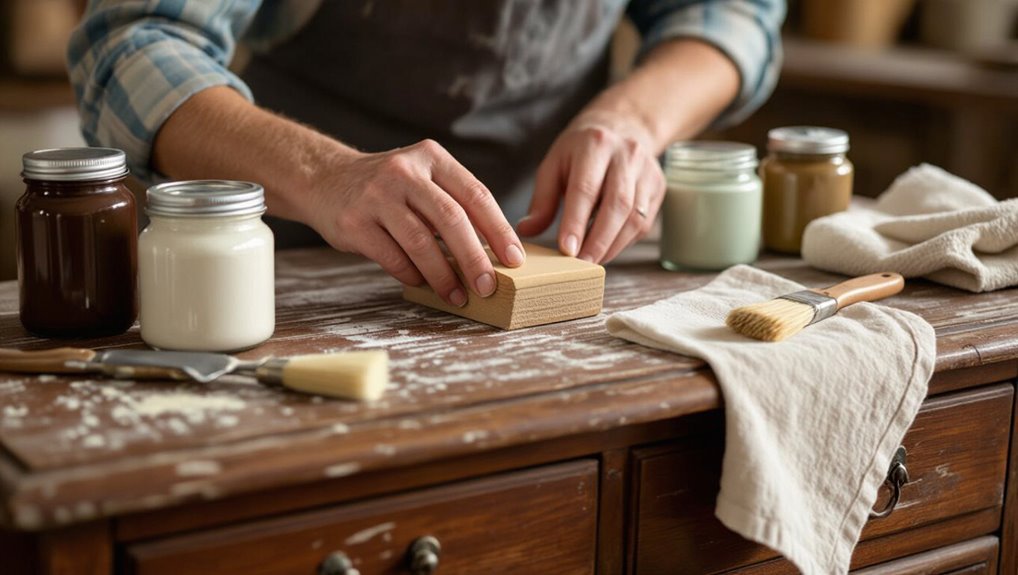
Because antiquing can seem fiddly at first, this step-by-step guide breaks the process into clear, manageable actions you can follow from prep to finish.
You’ll get concise stages: surface prep, paint and stain methods, distressing and sealing.
Each section teaches antique techniques and color layering so you can control wear and replicate vintage aesthetics, ensuring repeatable, predictable results for any piece you tackle.
Decide Your Vintage Look First
What era do you want your piece to whisper—shabby French, mid-century modern, or rustic farmhouse? Decide now so vintage aesthetics guide color, distressing, and hardware choices; use design inspiration from photos and museums to stay cohesive.
| Era | Key Traits |
|---|---|
| Shabby French | Soft pastels, ornate |
| Mid-century | Clean lines, teak |
| Farmhouse | Weathered wood, utilitarian |
| Eclectic | Mixed eras, bold accents |
Choose Pieces for Antiquing Furniture
Start by picking pieces that match your skill level and the look you want—simple shapes like side tables, dressers with removable drawers, and open shelving are easier to antique than intricate carvings or veneered surfaces.
Choose items that take paint and distressing well, consider how each suits your chosen antique styles, and prioritize practical furniture selection so your finished pieces function daily and complement your space.
Best Woods and Construction for Antiquing
Pick solid, stable woods and straightforward joinery when you’re choosing pieces to antique—hardwoods like oak, maple, and walnut hold up to sanding, staining, and distressing, while softwoods like pine take paint and wear beautifully if the grain and knots suit your style. Focus on best wood types and honest furniture construction for lasting charm.
| Wood | Feeling |
|---|---|
| Oak | Sturdy |
| Pine | Warm |
| Walnut | Elegant |
| Maple | Clean |
Gather Essential Tools and Supplies
Before you begin antiquing, gather a compact toolkit so the work goes smoothly and safely: collect sanding blocks, various grit sandpapers, brushes, tack cloths, rags, painter’s tape, stain applicators, gloves, and safety glasses.
Know your tool types and where to buy them—local hardware stores, online retailers, and specialty supply sources.
Keep consumables handy to avoid interruptions.
Set Up a Safe Workspace
Before you start, make sure the room’s well ventilated to avoid fumes from stains and finishes.
Put down drop cloths or cardboard to protect floors and nearby furniture.
Keep tools and supplies organized and within reach so you work safely and efficiently.
Ventilate The Area
Because many aging finishes and solvents release fumes and dust, set up your workspace where air can move freely and you can keep contaminants away from living areas.
Open windows and doors, position fans to create cross-ventilation, and use box or exhaust fans to push air outside.
Consider a respirator during sanding.
Regularly check ventilation methods and maintain steady air circulation for safety.
Protect Floors And Furniture
Start by laying down durable drop cloths or painter’s plastic to catch drips, dust, and stray hardware—secure the edges with painter’s tape so they don’t shift while you work.
Place furniture coverings over nearby pieces and use cardboard or plywood for heavy tools.
Keep walkways clear, designate a trash bin for debris, and check floor protection regularly to prevent stains or scratches.
Organize Tools And Supplies
Once you’ve protected the room, set up a dedicated work zone where tools and supplies are grouped by task so you can move efficiently and safely.
Keep tool organization simple: pegboards for brushes and hand tools, labeled bins for hardware, and a cart for paints.
Use airtight supply storage for solvents and rags, and keep a fireproof container nearby for oily cloths to reduce hazards.
Inspect Finishes: Common Surface Problems
Before you start stripping or refinishing, inspect the surface for common damage types like scratches, water rings, lifting, and missing veneer.
Check whether the existing finish is compatible with the treatment you plan—shellac, lacquer, varnish, and modern polyurethanes behave differently.
Noting both damage and compatibility early will help you choose the right repair method and avoid costly mistakes.
Surface Damage Types
When you inspect a piece, look for the common surface damage types—scratches, dents, water rings, finish checking, and sun-fading—because each tells you what happened and what restoration approach will work best.
Note surface scratches, water stains, heat damage, insect infestations, paint peeling, finish discoloration, wood warping, and structural issues.
Triage problems: clean, stabilize, then decide repair versus aesthetic aging.
Finish Compatibility Issues
Because finishes layer and interact, you need to check compatibility before applying any new product.
Inspect existing finish types—shellac, lacquer, polyurethane, or oil—and test a small area. Some solvents lift older coats; some paints won’t adhere.
Sanding, deglossing, or using a bonding primer often solves paint compatibility issues.
When unsure, strip to bare wood to guarantee reliable adhesion and finish longevity.
Decide: Strip or Paint Over Old Finishes?
Want to keep the original character or give the piece a fresh look? You weigh strip vs. paint, pros cons: stripping reveals original wood and grain; painting hides flaws and modernizes.
Consider time, skill, and desired outcome. Choose stripping for authenticity, painting for color and less prep.
- Preserve grain: strip
- Quick change: paint
- Hybrid: strip surfaces then paint accents
Prep Wood: Clean, Sand, and Fill
Before you begin sanding, give the piece a thorough cleaning to remove grime, wax, and old polish so sanding and fillers will adhere properly.
Next, use gentle wood conditioning to raise the grain, then sand following progressive grits.
Condition the wood gently to raise the grain, then sand gradually through progressively finer grits for a smooth finish
Focus on sanding techniques that preserve edges.
Fill gouges with appropriate filler, sand smooth, and wipe clean so paint or stain will accept evenly.
Pick Paint Types for Antiquing
Choose a paint finish that matches the look you want—matte for a weathered feel or satin for a subtle sheen.
Consider how your chosen finish works with the base coat, since some paints layer or sand back better than others.
Test a small area to confirm compatibility before you paint the whole piece.
Paint Finish Selection
When you’re selecting paint for antiquing, think about the final look and how the finish will wear over time so you can pick a paint that sands, cracks, or layers the way you want.
Use color theory to choose tones and consider finish durability for longevity.
Pick finishes based on desired aging effects:
- Chalk for matte, easy distressing
- Milk for subtle translucence
- Acrylic for tougher topcoats
Base Coat Compatibility
If you want your antiquing effects to sit right and last, start by matching the base coat’s properties to the techniques you’ll use: porous, matte chalk or mineral paints take distressing and glazes easily; milk paints bond into wood for authentic flaking; and acrylic or latex bases give a tougher, smoother surface for layered finishes and heavy topcoats.
Choose base coat types that support paint adhesion, sanding, and topcoat compatibility.
Choose Stains and Glazes for Depth
Although many people focus on paint and distressing, stains and glazes give your piece real dimensionality and warmth; you’ll use stains to deepen the grain and glazes to accent crevices and soften edges.
Stains and glazes add warmth and depth, deepening grain and highlighting crevices for a rich, dimensional finish.
You’ll pick tones that echo antiquing techniques and test color combinations.
Try these approaches:
- Thin glaze for shadowing
- Dark stain on grain
- Layered translucent washes
Select Primer and Topcoat Products
Now that you’ve layered stains and glazes to build depth, you’ll want primer and topcoat choices that protect those finishes and enhance the look.
Consider primer options for material compatibility and surface preparation before applying.
Evaluate topcoat choices by finish types and product durability.
Review application techniques, color selection, brand recommendations, and cost considerations so your antique finish lasts and matches the desired patina.
Layer Paints: Base Coat and Highlights
Now you’ll pick a base coat that gives the aged character you want—choose a warm brown for depth or a muted gray for a weathered look.
Apply it evenly and let it cure before testing highlighting techniques like dry-brushing or light sanding to expose edges.
These highlights will bring out details and make the piece read as naturally worn.
Base Coat Selection
Choose a base coat that complements the aged look you want and lays down a durable foundation for highlights. You’ll pick based on base coat types and color selection to suit wood and wear.
Apply thin, even coats and sand between layers for adhesion.
- Use oil- or water-based primers for adhesion
- Match hue to eventual distressing
- Test small areas first
Highlighting Techniques
If you want the highlights to look natural, layer a lighter paint over your cured base coat and work toward subtle contrast rather than stark stripes. You’ll blend edges, sand selectively, and use glazing for faux aging. Focus on paint layering to build depth; don’t overdo it. Test on scrap wood first.
| Step | Action |
|---|---|
| 1 | Blend edges |
| 2 | Sand selectively |
| 3 | Glaze |
| 4 | Test scrap |
| 5 | Seal |
Distressing Methods: Sanding and Scraping
Start by deciding where natural wear would occur and focus your sanding and scraping there to mimic years of use.
Use varied sanding techniques and gentle scraping tools to expose layers, soften edges, and create subtle imperfections. Work gradually, testing a hidden area first to control results.
- Sand edges and high points
- Scrape paint chips selectively
- Blend shifts smoothly
Create Natural Wear Patterns
Focus on the spots people touch most—armrests, drawer pulls, and tabletop edges—to give the piece believable age.
Use light sanding or rubbing with a cloth to thin finish in high-touch areas, following natural hand paths.
For edges, simulate years of bumping and rubbing by scuffing corners and lightly sanding bevels to reveal underlying wood.
High-Touch Areas Distressing
When people repeatedly touch a piece—think edges, armrests, drawer fronts—you want those spots to show it, so plan your distressing to mimic real wear.
Focus on high touch areas and use targeted distressing techniques so results look authentic. Work lightly, step back, and stop when it feels natural.
- Rub with fine sandpaper
- Sand corners, not flat panels
- Wipe stain into worn spots
Simulated Edge Wear
Wear down the paint or finish along edges and corners to mimic decades of handling and bumps; you’ll want the wear to follow how a piece would naturally rub against hands, clothing, and doorways.
Use sandpaper, a scraping tool, or dry-brushing to reveal underlayers and wood grain, creating distressed edges that read authentic.
Balance removal for subtle vintage aesthetics without overdoing it.
Dry Brushing and Stippling Techniques
Grab a dry brush and a light hand—dry brushing and stippling let you add subtle highlights, worn edges, and textured age without heavy paint.
You’ll control paint application and use stippling techniques for gentle texture enhancement. Work in layers, step back often, and blend until natural.
- Start light, build slowly
- Vary pressure and direction
- Soften with a dry brush between layers
Glazing Step-by-Step: Apply, Wipe, Control
Start by applying glaze evenly with a soft brush or cloth so you get a consistent base.
Wipe excess carefully in the direction of the grain to avoid streaks.
Control stain intensity by removing more glaze for a lighter look or leaving it for deeper aging.
Apply Glaze Evenly
Apply the glaze in thin, even passes so you can control saturation and avoid drips. You’ll check glaze consistency and use steady application techniques to build depth without pooling.
Work with the grain, maintain a wet edge, and pause between sections to assess coverage.
- Use a soft brush for smooth laydown
- Blend seams immediately
- Rotate light to spot uneven areas
Wipe Excess Carefully
Once you’ve laid down an even glaze and blended seams, wipe excess carefully to control tone and reveal the wood beneath.
Use clean, lint-free cloths and test wiping techniques on an inconspicuous spot. Work along the grain with gentle, consistent pressure, removing just enough glaze for the desired patina.
Rotate cloths to prevent buildup and repeat light passes until excess removal looks balanced.
Control Stain Intensity
Control stain intensity by building and backing off in thin layers so you can fine-tune the final look: add glaze for depth, then lift it gradually to expose highlights and grain until the balance feels right.
You’ll control stain application and color mixing by testing, wiping selectively, and repeating until tonal depth suits you.
- Test on scrap wood
- Wipe with measured strokes
- Layer, assess, repeat
Staining Over Paint Without Streaks
Want to add depth without blotches? You’ll prep painted surfaces by sanding lightly and cleaning dust so stain application goes smooth.
Work in small sections, wiping excess immediately with a lint-free cloth, and use blending techniques—soft circular strokes or a brush-to-cloth combo—to merge edges.
Let thin coats dry fully before repeating; patience prevents streaks and yields an even, aged finish.
Faux Oxidation and Verdigris for Hardware
Before you start, clean and sand the hardware so finishes and oils won’t stop the patina from bonding.
Build the verdigris effect in thin layers—base metal tone, oxidizing glaze, and highlighted corrosion—to control color and texture.
Finish with a clear sealer designed for metal to lock the look in and protect it from wear.
Preparing Hardware Surface
Preparing the hardware surface well is essential for a believable faux oxidation or verdigris finish. Clean off grease, old lacquer, and dirt with a degreaser or fine abrasive. Then remove any loose plating or rust to create a uniform base for the patina to adhere.
Use hardware cleaning techniques and surface preparation tips to prep parts before patina.
- Sand lightly for adhesion
- Degrease thoroughly
- Remove loose plating
Applying Patina Layers
Start building the patina in thin, controlled layers so you can judge color and texture as you go.
Use diluted paints, glazes, and gentle sanding to mimic oxidation; apply green-blue washes for verdigris and brown tones for age.
Experiment with patina techniques on scrap metal, wiping back between coats.
Layered finishes create depth—let each layer dry and assess before adding more.
Sealing And Protection
Once you’ve built the faux oxidation and verdigris on hardware, seal it promptly to lock in color and protect the finish from rubbing off or reacting further.
Use proper sealing techniques and thin protective finishes so details stay crisp. Choose durable polyacrylic or matte spray sealers, test first, and apply light coats.
- Test compatibility
- Apply thin layers
- Cure before handling
Age Hidden Spots and Drawer Interiors
While you’re working on visible surfaces, don’t forget to age hidden spots and the insides of drawers, because these areas reveal whether your distressing looks believable.
Lightly sand and stain hidden compartments, rub wax into corners, and scuff drawer linings to mimic years of use.
Use diluted paint washes sparingly, focusing on edges and seams so interiors match the exterior’s patina.
Reattach or Replace Hardware Properly
Gather the original hardware and assess each piece for wear, compatibility, and safety before you decide whether to reattach or replace it.
Gather the original hardware, inspect for wear and compatibility, then decide whether to reattach or replace.
You’ll match hardware types to the piece’s antique styles, tighten loose screws, and swap damaged pulls for period-appropriate reproductions. Consider finishes and mounting holes to avoid new damage.
- Test fit before fastening
- Use original holes when possible
- Keep removed parts labeled
Blend Repairs Into an Antiqued Finish
Blend repairs into the surrounding patina so they read as part of the piece, not as recent fix-ups. Use subtle repair techniques and blending methods: feather paint edges, stain to match tone, and lightly distress to unify texture. Test on a hidden area, work progressively, and step back often to guarantee consistent aging.
| Step | Purpose |
|---|---|
| Match tone | Visual unity |
| Distress | Texture blend |
Antiquing Veneer and Laminate Safely
Before you start, check whether the veneer or laminate will tolerate sanding, stain, or sealers so you don’t strip a thin or printed surface.
Use mild prep — gentle cleaning, light scuffing with fine abrasives, and test patches — rather than aggressive sanding.
Choose products formulated for veneer/laminate and follow manufacturer instructions to guarantee adhesion and avoid damage.
Assess Surface Compatibility
When you’re planning to antique furniture, check whether the piece is solid wood, veneer, or laminate so you know what treatments will stick and what’ll damage the surface.
You’ll assess surface materials and finish types to choose safe products and techniques.
Consider adhesion, sanding tolerance, and solvent resistance before you start.
- Adhesion limits
- Sanding tolerance
- Solvent resistance
Use Gentle Prep Methods
Now that you’ve identified whether a piece is veneer or laminate and noted its sanding and solvent limits, choose prep methods that won’t strip or warp those surfaces. Use gentle sanding with fine grit and mild surface cleaning solutions; test a hidden area first.
| Task | Tool | Tip |
|---|---|---|
| Dust | Microfiber | Light strokes |
| Clean | Mild soap | Rinse well |
| Sand | 220–320 grit | Gentle pressure |
| Test | Hidden spot | Wait to inspect |
Apply Compatible Products
1 clear rule guides product choice for veneered or laminated pieces: use only finishes and antiquing materials that match the substrate’s limits.
You’ll protect thin surfaces by testing adhesives, stains, and sealers first. Prioritize product compatibility to prevent lifting or staining.
- Test in an inconspicuous spot.
- Use water-based sealers if laminate tolerates them.
- Avoid solvent strippers; use gentle antique techniques.
Use Waxes and Sealers for Patina
Because waxes and sealers both protect and enhance, you’ll want to choose them carefully to build a lasting patina that looks natural.
Start with test spots to compare wax application and patina techniques, then apply thin, even coats.
Buff waxes for subtle sheen, use clear sealers for durability, and layer sparingly to maintain texture without obscuring distressing or painted details.
Speed Up Drying Without Harming Finish
You can speed drying without risking the finish by moving air with fans rather than adding heat.
Lowering room humidity and applying thinner, even coats will help each layer cure faster. Those steps let you accelerate the process while keeping your patina intact.
Use Fans, Not Heat
A couple of well-placed fans will cut drying time dramatically without risking the heat damage that comes from hair dryers or ovens.
You’ll rely on fan usage to circulate air; the airflow benefits speed solvent evaporation evenly and protect finish integrity. Position fans for gentle circulation, not blasting.
- Aim fans across surfaces, not directly.
- Use low, steady speeds.
- Rotate pieces occasionally.
Reduce Humidity Levels
If humidity’s high, finishes take forever to cure, so lower the moisture to speed drying without risking heat damage.
You can use a dehumidifier, run HVAC briefly, or open windows when outside air is drier to improve humidity control.
Monitor moisture impact with a hygrometer, work in short sessions, and avoid forced heat sources that can blister or soften the finish.
Thin Coats, Faster Cure
When you apply thinner coats, each layer dries faster and reduces the chance of runs or tackiness.
This allows you to build a smooth, durable finish without resorting to heat or harsh chemicals. Use thin coats for better paint application and faster cure; tweak drying techniques and monitor curing times to preserve finish durability.
- Light, even passes
- Thin, controlled layers
- Gentle airflow, no heat
Fix Blotchy Stain, Streaks, and Tackiness
Because wood soaks stain unevenly, you may see blotches, streaks, or a tacky surface after staining—none of which are permanent if you act correctly.
Because wood soaks up stain unevenly, expect blotches, streaks, or tackiness—but these aren’t permanent if you act promptly.
For fixing blotches, gently sand raised areas, reapply thin stain, and wipe promptly.
For streak removal and tackling tackiness, denatured alcohol or mineral spirits help with stain correction.
Aim for achieving consistency and enhancing finish with light sanding between coats.
Weathered Color Palettes That Read Vintage
Think of weathered palettes as a shortcut to instant age: they mix muted hues, softened contrasts, and subtle undertones so your piece reads vintage without looking artificially painted.
You’ll choose color combinations that echo faded fabrics and sun-worn wood, supporting vintage aesthetics without overworking the finish.
- Soft gray-blue with warm beige
- Olive with chalky cream
- Dusty rose with muted taupe
Combine Stain and Paint for Two-Tone Looks
You can push the vintage look further by pairing painted sections with revealed wood grain—stain highlights natural warmth while paint defines shape and contrast.
Choose color combinations that complement the wood tone, then test small areas.
Use masking to separate zones, apply stain first, then paint, and employ precise layering techniques to sand back edges for wear.
Seal gently for durability.
French Shabby-Chic Finishes With Minimal Tools
Create a lived-in French shabby-chic look without fancy tools by focusing on simple techniques: light sanding, layered paint, and strategic distressing.
Create a gently worn French shabby-chic finish with light sanding, layered washes, and subtle distressing.
You’ll coax French textures through thin washes and subtle color layering, then highlight edges for age.
Use inexpensive brushes, sandpaper, and a rag.
- Thin paint washes
- Targeted sanding
- Soft wax or matte sealant
Make a Polished Patina for Heirlooms
When you want heirloom pieces to show depth and age without looking artificially distressed, aim for a polished patina that rides the line between shine and mellowed surface.
You’ll layer thin glazes, gently burnish raised areas, and tone edges to unify color.
Use subtle patina techniques focused on heirloom preservation, sealing with a satin finish that protects while keeping warmth and character.
Budget-Friendly Materials That Still Look Good
Although high-end supplies have their perks, you don’t need them to achieve a convincing antique look—smart choices and simple techniques get excellent results on a budget.
You can mix affordable elements to mimic depth and age:
- Use budget friendly paints for base coats and distressing.
- Layer vintage inspired stains diluted for subtle aging.
- Repurpose brushes, rags, and waxes for texture and sheen.
When to Call a Pro for Antiquing
Not every piece needs a pro—yet there are clear signs you should call one.
If the piece is valuable, structurally complex, or requires museum-quality antiquing techniques, don’t risk DIY mistakes. You’ll save time and avoid damage by hiring professional services for delicate veneers, intricate carvings, or restoration that must match original finishes.
Get estimates and check portfolios.
Care and Maintenance for Antiqued Finishes
If you hire a pro or finish the antiquing yourself, you’ll want a simple plan to keep the look intact.
Focus on patina preservation with gentle cleaning and selective touch-ups. Use these maintenance tips to prevent wear without over-refinishing:
Focus on preserving patina with gentle cleaning and selective touch-ups to prevent wear without over-refinishing.
- Dust regularly with a soft cloth, avoid harsh chemicals.
- Repair chips gently; match glaze or stain.
- Reapply wax or topcoat sparingly as needed.
Photograph and Style Pieces for Resale
When you’re ready to sell, photograph and style your antiqued pieces to highlight their patina, craftsmanship, and unique flaws that tell a story.
Use natural light, simple backdrops, and careful photograph staging to show texture and scale.
Arrange props sparingly in a cohesive vintage style, capture close-ups of distressing and joinery, and present honest, well-lit images that attract buyers and set accurate expectations.
Quick Practice Projects and a Troubleshooting Checklist
Try three quick practice projects to build confidence: a small picture frame to master distressing, a side table to practice glazing and waxing, and a drawer front to test hardware aging.
Use these to refine technique, note mistakes, and create a troubleshooting checklist you can follow.
- Record tools, products, and timings
- Note repair fixes and color tweaks
- Track finish durability and rework needed
Frequently Asked Questions
Can Antiquing Techniques Harm Antique Value or Original Finishes?
Yes — you can harm value and original finishes if you’re not careful. You’ll risk compromising antique preservation and finish restoration efforts, so consult experts, document originals, and use reversible, minimal methods to protect authenticity and market worth.
How Do I Remove Pet Odor From Wood Before Antiquing?
You can remove pet odor from wood by lightly sanding, cleaning with odor removal techniques like enzyme cleaners and baking soda, rinsing, then using pet safe products and sealing with shellac or urethane to lock odors out.
Are There Eco-Friendly Stains and Glazes That Perform Well?
Yes — you can choose eco-friendly stains and glazes that perform well. You’ll find natural finishes with plant-based binders, low-VOC formulas, and sustainable sourcing; they dry reliably, layer smoothly, and age beautifully without harsh chemicals.
Can I Antique Painted Metal Furniture, Not Just Wood?
Absolutely — you can totally antique metal furniture; you’ll make it look centuries-old. You’ll use antique metal tricks, layering paint techniques, distressing, sanding, patina solutions, and sealers so your painted metal gains authentic vintage charm and durability.
How Long Should Fully Antiqued Pieces Cure Before Using Daily?
You should let fully antiqued pieces cure for at least 7–14 days; ideal cure duration is 21–30 days before regular daily use so finishes harden and resist wear, though light use’s okay after a week.
Conclusion
Like a well-loved book passed down through generations, your newly antiqued piece now holds stories in every brushstroke and nick. You’ve learned to coax age from wood with paint, stain and patience, and you’ll keep tending its patina like a gardener who knows when to prune and when to let things bloom. Trust your eye, embrace happy accidents, and watch your furniture grow into the vintage character you imagined.
