
How Much Does It Cost to Texture a Wall? Full Cost Breakdown
You’ll typically pay $1–$15+ per sq ft to texture a wall, depending on finish, prep and whether you hire a pro or DIY. Simple knockdown or orange-peel runs $1–$3, mid-level techniques $3–$7, and specialty plasters or Venetian finishes reach $8–$15+ per sq ft. Costs rise with surface repair, moisture prep, and labor time; bathrooms and living rooms often cost more than basements. Keep reading for a full breakdown of choices, costs and savings.
What This Guide Helps You Decide
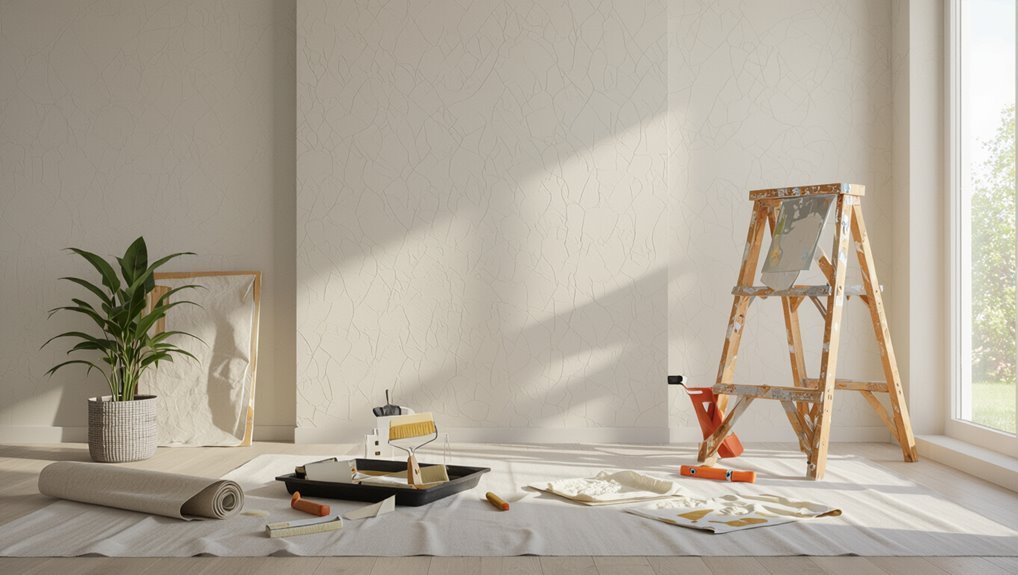
What’ll this guide help you decide? You’ll learn texture benefits—how finishes affect durability, light, and maintenance—and weigh options against current design trends to match style and budget.
You’ll assess DIY versus pro choices, surface prep needs, and long-term upkeep so you can pick the texture, method, and timing that suit your room’s function and aesthetic without overspending.
Quick Answer: Typical Cost Ranges
Now that you know how texture choices affect durability, light, and upkeep, let’s look at what it will cost.
Expect simple treatments like knockdown or orange peel to run $1–$3 per sq ft.
More intricate texturing techniques $3–$7, and specialty plaster or Venetian finishes $8–$15 or more.
Factor labor, prep, and budget considerations when estimating total price.
How Wall Size Affects Cost to Texture a Wall
Because texture cost is almost always calculated by square footage, the total size of the wall directly drives your price—double the area and you roughly double material and labor costs.
You’ll pay more per job as wall area grows, especially with complex texture type choices that need extra material or time.
Get precise measurements to estimate costs and compare quotes accurately.
Room Type: Living Room, Bathroom, Basement Costs
When pricing texture work, the room you’re in matters: You’ll pay more for high-visibility living room walls, mid-range for finished basements, and extra for bathrooms due to moisture prep.
Consider access, ceiling height, and damage repair when estimating.
Typical cost drivers include:
- Visibility and finish
- Moisture and sealing
- Accessibility and ceilings
- Repair and priming
Common Texture Styles and Price Ranges
After you’ve considered room-specific factors like visibility and moisture, you’ll pick a texture style that matches the space and budget.
You’ll weigh common texturing techniques—spray, hand-applied, or skim coat—against cost per square foot. Basic orange peel or smooth skim runs lower; decorative or layered popular finishes cost more.
Get quotes for materials and labor to compare realistic price ranges.
Texture Complexity: Simple Knockdown vs Specialty Finishes
If you’re weighing texture complexity, start by comparing a simple knockdown to specialty finishes: knockdown delivers a modest, low-cost visual interest that’s quick to install and easy to repair, while specialty finishes—Venetian plaster, raised stencils, or multi-coat layered looks—require more skill, time, and prep, so they raise labor and material costs substantially.
- Knockdown technique — affordable, fast.
- Basic texture — minimal tools.
- Specialty finishes — skilled labor.
- High-end effects — higher materials.
Surface Prep Tasks That Increase Price
Because proper adhesion and a smooth finish depend on the base, you’ll pay more if walls need patching, sanding, or moisture remediation before texturing.
You’ll factor surface cleaning, wall repairs, and specific preparation techniques into cost estimates.
Material selection, surface priming, and finish application add expenses, while higher labor intensity and occasional equipment rental further increase total pricing.
Drywall Condition: Repair Cost Before Texturing
Those prep tasks set the stage, but the real cost driver is the drywall’s current condition and how much repair it needs before you can texture.
You’ll do a drywall assessment to spot holes, seams, water damage, or unevenness. Costs hinge on selected repair techniques and labor time; minor patches are cheap, fullboard replacement raises price considerably.
- Patch holes
- Tape seams
- Sand/skim coat
- Replace damaged panels
Tools and Materials Cost Breakdown (DIY)
Before you start texturing, gather the essential tools—trowels, hawk, mud pan, sprayer or roller—and the basic materials like joint compound, primers, and masking tape.
I’ll list typical prices for each item and show where you can substitute cheaper alternatives without sacrificing quality.
That way you can budget accurately and decide which splurges are worth it.
Essential Tools Needed
You’ll need a handful of reliable tools to texture a wall properly—some are one-time buys, others are consumables you’ll replace as you go.
Focus on tools that support texture application techniques and include essential safety gear. Keep items durable and ergonomic to save time.
- Hawk and trowel
- Texture sprayer or roller
- Sanding block and scraper
- Respirator, goggles, gloves
Materials And Supplies
Now that you’ve got the right tools lined up, let’s look at the materials and consumables you’ll need and what they’ll cost for a DIY texture job.
Calculate joint compound, primer, sanding pads, and masking supplies per square foot. Prices vary by texture types and material quality—basic compound is cheap, premium blends cost more.
Factor in replacement blades and drop cloths for accuracy.
Cost-Saving Alternatives
While you can buy top-tier tools and materials, choosing budget-friendly alternatives cuts costs drastically without sacrificing results.
You can save by using DIY alternatives and budget-friendly techniques that match pro finishes.
- Rent texture sprayer instead of buying.
- Use joint compound for knockdown texture.
- Repurpose rollers and knockdown knives.
- Buy economy primers and paint in bulk.
Labor Rates: Per Hour and Per Sq Ft
Labor for wall texturing is typically charged two ways: by the hour or by the square foot, and knowing which method your contractor uses helps you compare bids and control costs.
You’ll see varying hourly rates based on experience and region, or per-square-foot pricing that factors square footage, prep, and finish.
Ask for itemized estimates and clear timelines before hiring.
Cost Comparison: Hire a Pro vs DIY
Knowing how contractors charge helps you compare bids, but you’ll also want to weigh the overall cost of hiring a pro against doing the job yourself.
You’ll consider time, skill, and finish quality. Use pros cons and budgeting tips to decide.
- Time saved vs labor cost
- Tool/material investments
- Finish quality and warranty
- Risk of rework and delays
Hidden and One-Time Costs (Mold, Disposal, Scaffolding)
Don’t forget to factor in hidden one-time costs that can push your textured-wall project over budget.
You may face mold remediation if you uncover water damage, hazardous waste disposal for old materials like lead paint, and scaffolding rental fees for high or exterior walls.
Knowing these potential expenses up front helps you budget more accurately and avoid surprises.
Mold Remediation Costs
Mold can slip into a texture job’s budget as a surprise cost, and you’ll want to plan for inspection, removal, and the safe disposal of contaminated materials.
You should budget for professional mold inspection, containment, and proven remediation techniques to protect your walls and prevent recurrence.
- Inspection fees
- Containment setup
- Remediation labor
- Material replacement
Hazardous Waste Disposal
Once you’ve handled inspection and removal, you’ll also face one-time costs tied to safely disposing contaminated materials and managing other jobsite hazards. You’ll hire certified handlers for hazardous materials, follow disposal regulations, and pay landfill or transport fees. Expect paperwork, testing, and certified disposal receipts to meet code.
| Item | Fee Type | Notes |
|---|---|---|
| Testing | One-time | Lab results |
| Transport | Variable | Licensed hauler |
| Disposal | Per lb | Regulation fees |
Scaffolding Rental Fees
While you focus on remediation and disposal, you’ll also need to budget for scaffolding rental fees that can add a surprising one-time or short-term cost to the job; these fees cover delivery, setup, teardown, and sometimes insurance or permits.
- Choose scaffolding types based on height and access.
- Confirm rental duration to avoid overtime charges.
- Factor delivery and setup costs.
- Check permit and insurance requirements.
How Paint Choice and Finish Change Total Cost
Because the type of paint and the finish you pick affect coverage, durability, and labor, they’ll change how much you pay to texture and paint a wall. You’ll weigh paint types, finish options, texture influence, color impact, sheen levels, durability factors, maintenance needs, and aesthetic choices when budgeting.
| Paint Type | Finish Options | Cost Impact |
|---|---|---|
| Latex | Matte/satin | Low–mid |
| Oil | Semi-gloss/gloss | Mid–high |
Special Surfaces (Plaster, Concrete): Cost Differences
Plaster and concrete walls cost more to texture than standard drywall because they need different prep and application methods, and you’ll often pay higher labor rates for the extra skill and time required.
- You’ll need specialized plaster techniques for adhesion and leveling.
- Concrete finishes demand etching or primers.
- Labor rates rise for experienced crews.
- Material costs vary with sealers and repair compounds.
Access and Room Layout: How They Affect Price
If your ceiling is unusually high, you’ll pay more because workers need scaffolding or tall ladders and extra time.
Furniture, fixtures, and tight access force moving or careful masking, which adds labor costs.
Irregular room shapes and lots of corners increase prep and finish time, so expect a higher price.
Ceiling Height Challenges
When ceilings rise above the standard 8–9 feet, access becomes the main cost driver: you’ll need taller ladders, scaffolding, or lifts, and the crew will spend more time moving equipment and working at awkward heights.
Higher ceiling height affects labor and safety, and certain texturing techniques become harder or slower.
- Longer setup/teardown
- Scaffold or lift rental
- Increased labor hours
- Safety equipment/time
Furniture And Obstructions
Higher ceilings often mean more gear, but inside the room it’s the layout and what’s in it that will drive time and cost.
If you’ve got heavy pieces, you’ll pay for furniture removal or for movers to shift items. Tight pathways, built-ins, or fixtures increase obstruction management time, raising labor charges.
Clear access cuts hours and keeps overall costs lower.
Room Shape Complexity
Because irregular layouts force more measuring, trimming, and careful feathering, complex room shapes tend to raise both labor time and cost.
You’ll pay more when tight corners, bay windows, or angled walls increase design complexity and slow progress.
Maintain texture consistency by planning access and staging.
- Measure precisely
- Plan access routes
- Protect furnishings
- Sequence work for consistency
Permits, Disposal, and Insurance Considerations
Before you hire anyone or start scraping old texture, check whether local permits, disposal rules, and insurance requirements will affect the job.
You’ll need to confirm permit requirements, acceptable disposal methods, and relevant safety regulations.
Ask contractors about insurance types they carry—liability, workers’ comp—and get certificates.
Confirm contractors’ insurance—liability and workers’ comp—and request proof of coverage before work begins.
Verify hazardous-waste protocols for old materials to avoid fines and protect yourself.
Sample Estimate: 12×12 Room (Materials + Labor)
Here’s a straightforward sample estimate for a 12×12 room so you can see typical material and labor costs:
- Materials (joint compound, primer, tools): $40–$80 — choose based on texture techniques.
- Labor (skilled pro, 4–6 hours): $200–$350.
- Painting after texture: $60–$120.
- Contingency and budget considerations (repairs, cleanup): $30–$70.
How to Get Accurate Contractor Bids: What to Ask
Want clear, comparable estimates? Ask about contractor experience, specific scope, timeline, materials, and warranty. Request itemized bids and compare bidding strategies: flat vs. per-square-foot. Verify licenses and references.
| Question | Purpose |
|---|---|
| Experience | Skill verification |
| Scope | Prevent scope creep |
| Timeline | Scheduling |
| Materials | Quality check |
| Warranty | Long-term protection |
Negotiation Tips and When to Accept a Lower Quote
Now that you know what to ask for in bids and how to compare estimates, you can focus on negotiating price and deciding when a lower quote is worth taking.
Use clear bargaining strategies and rigorous quote evaluation to protect quality. Consider:
- Ask for itemized revisions.
- Compare warranties.
- Verify materials and scope.
- Negotiate payment terms.
Project Timeframe and Scheduling Impact on Cost
When you schedule a texture job can change the final price almost as much as the materials you choose; contractors often charge more for rush timelines, evenings, or weekend work, and delays can add labor costs if crews are reshuffled.
You should factor project duration, scheduling flexibility, labor availability, and seasonal pricing into plans so you’ll avoid surprise premiums and align timelines with contractor capacity.
Ways to Save Money Without Sacrificing Quality
You can cut costs by buying materials smartly—look for sales, bulk discounts, and quality off-brands that perform well.
If you don’t need every wall textured, opt for partial texture in focal areas to reduce labor and materials.
Those two choices let you keep a professional look without overspending.
Buy Materials Smartly
Because buying the right materials can shave a lot off your total cost, plan purchases around quality-per-dollar rather than lowest sticker price.
You’ll save by focusing on material quality and smart bulk buying, buying only what you need, and comparing brands.
- Buy in bulk for common supplies.
- Check reviews for material quality.
- Match quantities to room size.
- Use contractor-grade for longevity.
Opt For Partial Texture
Looking to cut costs without compromising appearance? You can choose partial coverage—texturing only focal walls, trims, or problem areas—to get texture benefits while slashing labor and material costs.
You’ll preserve a clean look, highlight architectural features, and reduce prep time.
Discuss targeted plans with your contractor, compare quotes for full versus partial jobs, and prioritize high-impact areas to maximize savings.
Common Mistakes That Increase Cost and How to Avoid Them
Mistakes like skipping proper prep, picking the wrong texture, or using cheap materials can drive your wall-texturing costs way up.
You’ll face costly oversights if you rush—and poor budget planning worsens surprises. Avoid them by planning, hiring pros, and choosing quality materials.
- Assess and prep properly
- Match texture to use
- Budget realistic labor and materials
- Inspect workmanship early
When Textured Walls Are Worth the Investment
After you’ve prevented the common pitfalls—proper prep, the right texture, and realistic budgeting—you’ll want to know when textured walls actually add value.
You’ll see texture investment benefits when hiding imperfections, boosting resale in period homes, or creating striking focal walls.
If buyers or your personal style prioritize tactile surfaces and enhanced aesthetic appeal, textured walls can be worth the cost.
Cost Checklist and Quick Budgeting Worksheet
Start by listing the material costs—drywall compound, primers, texture tools, and any specialty paints—so you know what to buy.
Add estimated labor time per room or per square foot to convert hours into a labor cost.
Use those two figures to build a quick budget checklist that shows total projected expense.
Material Cost Breakdown
A clear materials checklist keeps you from overbuying and lets you set a realistic budget before you touch a trowel.
You’ll list texture materials and get accurate cost estimates for joint compound, primers, finish coats, and tools. Estimate quantities per square foot and add 10% waste.
Prioritize quality where it affects appearance.
- Joint compound
- Primer
- Finish coat
- Tools and extras
Labor Time Estimates
Because labor drives a big part of your total price, you’ll want a clear, realistic time estimate before you finalize the budget.
This checklist and quick worksheet break the job into timed tasks so you can multiply hours by your rate.
Use per-task hours, factor in labor efficiency for prep, application, and drying, and adjust for project staffing levels to total labor cost accurately.
Frequently Asked Questions
Can Textured Walls Affect Indoor Air Quality or Allergens?
Yes — textured walls can affect air quality by trapping dust and allergen sources; your choice of texture materials matters, and regular cleaning plus following maintenance requirements will reduce trapped allergens and improve indoor air quality.
Will Wall Texture Hide Structural Cracks Long-Term?
Texture can hide small surface flaws temporarily, but it won’t fix structural issues long-term; you’ll need crack concealment plus repairs, and you’ll want ongoing maintenance considerations like monitoring, sealing, and professional assessment to prevent recurrence.
Can I Texture Over Wallpaper or Existing Textured Surfaces?
Yes — you can texture over wallpaper or existing textures, but you’ll risk adhesion problems, so you’ll prepare properly, compare texture application techniques, explore wallpaper removal options, and test adhesion first to guarantee a durable, even finish.
Do Textured Walls Impact Home Resale Value or Appraisal?
Yes — textured walls can affect resale and appraisals: market trends and buyer preferences matter, so you’ll either appeal to those liking character or risk deterring buyers who prefer smooth, modern finishes, potentially lowering offers or appraisal value.
Are Specialized Texture Warranties Commonly Offered by Contractors?
Often no — contractors rarely offer specialized texture warranties, but don’t assume that. You’ll want to ask about texture application techniques and warranty coverage options, because knowing specifics can reveal hidden protections or costly exclusions.
Conclusion
You’ll spot the savings and splashes of style lining up like paint drops on a tarp: small rooms often cost less, textured feature walls pick up attention, and DIY effort can cut labor but risk redo expenses. Use the checklist to match texture, budget and room type, and avoid common mistakes so your walls look intentional, not accidental. With the right choices, texture becomes an investment that echoes in curb appeal and daily comfort.
