
How to Hang Mixtiles on Textured Walls Without Damage
You can hang Mixtiles on textured walls without damage by prepping and matching your adhesive to the surface: clean and dry the area, lightly sand high peaks, and test one strip for 24 hours. Use stronger removable strips for orange-peel textures, small anchors or backing panels for heavy knockdown or stucco, and gentle picture hooks for delicate plaster. Press firmly for 30 seconds and let cure 24–48 hours; keep tiles undisturbed and follow these tips to get reliable, removable results and learn more below.
How to Hang Mixtiles on Textured Walls Without Damage
Want a quick answer? Use the strongest adhesive strips designed for textured surfaces and press firmly for the recommended time to guarantee a secure hold.
That method gives you the best chance to hang Mixtiles without damaging your wall.
Quick Answer Best Way to Hang Mixtiles on Textured Walls
If your walls are textured, the best way to hang Mixtiles without damage is to use low-profile adhesive strips designed for uneven surfaces and to prep the surface first.
For how to hang mixtiles on textured walls, clean and dry the area, press firmly for full contact, wait an hour, and stagger weight across multiple strips.
Remove slowly to avoid paint damage.
Understanding Mixtiles and Textured Walls
Mixtiles are lightweight framed prints with a removable adhesive backing that sticks by conforming to most smooth surfaces, but their grip can change on rough or uneven textures.
You’ll want to know how the adhesive behaves so you can match it to common wall finishes like orange peel, knockdown, stucco, or Venetian plaster.
Below we’ll compare those textures and explain what to expect when mounting your Mixtiles.
What Are Mixtiles and How Their Adhesive Works
Think of Mixtiles as lightweight, framed photo tiles that let you stick and restick your photos on walls without nails. They use a removable adhesive pad that bonds to smooth surfaces and peels off without damage when you pull straight.
You’ll press tiles firmly, wait for full contact, and avoid sideways peeling. Adhesive relies on surface area and clean, dry walls for best hold.
Common Types of Wall Texture (Orange Peel, Knockdown, Stucco, Venetian)
When you’re deciding where to hang Mixtiles, knowing the difference between orange peel, knockdown, stucco, and Venetian textures helps you pick the right adhesive approach.
Orange peel is fine, slightly bumpy; knockdown has flattened peaks; stucco is coarse and uneven; Venetian is smooth, polished plaster.
You’ll choose adhesives or prep methods based on texture roughness to guarantee secure, damage-free mounting.
##
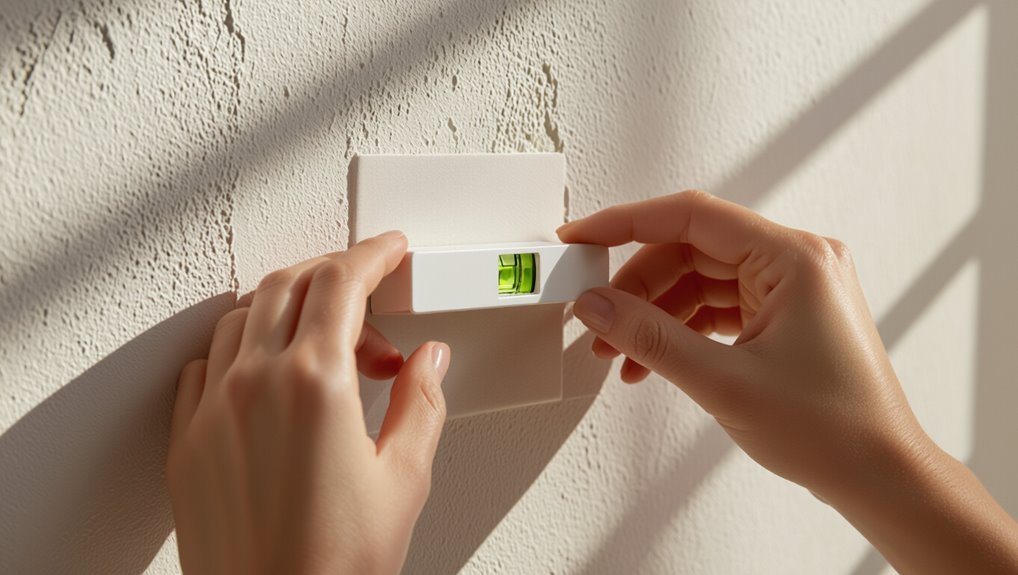
Preparing your wall surface is the single most important step before you stick anything down.
Clean the area with a damp cloth, remove dust, and let it dry fully.
Lightly sand high peaks on textured surfaces to create a flatter contact zone.
Test an inconspicuous spot with a sample adhesive for 24 hours to confirm secure bonding without harming the finish.
Can You Hang Mixtiles on Textured Walls? Pros and Cons
You can often use Mixtiles on mildly textured walls to get a clean, damage-free display that’s easy to reposition.
However, rough or heavily pebbled textures can reduce adhesive contact and increase the chance of tiles falling.
We’ll weigh the advantages of simple installation against the adhesion limits and risks for different texture types.
Advantages of Using Mixtiles on Textured Surfaces
Although textured walls can seem tricky, Mixtiles work surprisingly well on many of those surfaces and offer distinct advantages: they’re lightweight, removable without major damage, and their adhesive panels conform to minor irregularities so your photos stay level and secure.
You’ll enjoy easy repositioning, minimal wall repairs, consistent gallery alignment, and versatile styling options without heavy hardware or professional installation.
Limitations and Risks of Adhesion on Different Textures
Those advantages don’t guarantee flawless results on every textured surface — adhesion depends a lot on the type and severity of the texture.
You’ll find peel-and-stick backs struggle on heavy orange peel, popcorn, or rough stucco; edges may lift, tiles can fall, and paint can strip when removed.
Test a small area, consider adhesive alternatives, and avoid high-moisture or uneven spots.
Preparation: What You Need Before Hanging
Before you start hanging, gather a compact checklist of tools and materials—Mixtile strips, a level, measuring tape, a utility knife, and adhesive remover—plus safety items like gloves, eye protection, and drop cloths to protect the floor.
You’ll also want supplies for a small adhesion test: an extra Mixtile strip or sample tile and a way to mark the test spot.
Finally, test a discreet patch first so you can confirm the bond on your textured surface without risking your whole display.
Tools and Materials Checklist
When you’re ready to hang Mixtiles on textured walls, gather a few specific tools and materials so the job goes smoothly: a level, tape measure, pencil, a stud finder (optional), painter’s tape, cleaning wipes or rubbing alcohol, the adhesive strips that came with your Mixtiles, and a small putty knife or credit card to press the tiles firmly—plus a helper if you’re doing a multi-tile layout.
- Prep: clean surface, mark layout.
- Measure: verify spacing and alignment.
- Apply: press adhesive firmly, check level.
Safety and Surface-Protection Supplies
After you’ve gathered your measuring and adhesive tools, add a few safety and surface-protection items to the pile so you don’t damage walls or fingers while hanging Mixtiles on textured surfaces.
Bring nitrile gloves, safety glasses, and a dust mask for sanding or scraping.
Use painter’s tape to mark placement, a soft cloth to protect tiles, and a small drop cloth to catch debris.
How to Test Adhesion Safely (small patch test procedure)
Because textured walls vary so much, you should always do a small patch test to confirm the Mixtile adhesive will hold without damaging the finish.
Clean a 2×2-inch area, press a corner of the adhesive tab for 30 seconds, mark the spot, then wait 24–48 hours.
Gently peel; check for residue, paint lift, or texture pull.
Record results before proceeding.
Step-by-Step Method to Hang Mixtiles on Textured Walls
Start by cleaning and prepping the wall so adhesives can grip properly.
If small high spots or flaky paint are present, smooth or prime those areas before you proceed.
Then choose the right adhesive modification—pads, strips, or mounting plates—for your texture.
Finally, position and level each Mixtile, press firmly, and follow the recommended curing time for a secure hold.
Step 1 Clean and Prep the Wall Surface
1. You’ll clear the area, remove dust, cobwebs, and grease with a soft cloth and mild detergent diluted in water.
Rinse and let the wall dry completely. Tap the wall lightly to check for loose texture; mark any flaky spots.
Measure and mark mounting locations with a pencil. Keep the surface clean and dry before applying adhesive strips.
Step 2 Smooth or Prime Small Areas (when necessary)
If you found any loose or flaky texture while prepping, you’ll need to smooth or prime those small areas before applying Mixtiles so the adhesive can grip properly.
Gently scrape loose bits, sand edges flush, and wipe dust. For porous spots use a thin primer or sealer; let it dry fully.
Only treat localized defects—don’t over-sand or replaster the whole wall.
Step 3 Apply Adhesive Modifications (pads, strips, mounting plates)
Choose the right adhesive modification for your wall’s texture and the weight of your Mixtiles—foam adhesive pads for shallow peaks, heavy-duty strips for moderate texture, or small mounting plates for deep or uneven surfaces.
Clean and dry the area, then apply your chosen pads, strips, or plates per manufacturer instructions.
Press firmly, allow specified cure time, and test adhesion before mounting frames.
Step 4 Positioning and Leveling Mixtiles
Now that your adhesives have cured, it’s time to place each Mixtile—start with the center tile or a corner, align its top edge with your marked guide, and press it firmly against the wall while checking that it’s level.
Repeat outward, using a small level or a laser line to keep rows straight and consistent spacing between tiles.
Use spacers for uniform gaps and recheck alignment frequently.
Step 5 Pressing and Curing Time Guidelines
With your tiles aligned and leveled, press each Mixtile firmly against the wall so the adhesive makes full contact with the textured surface.
Hold steady for 30 seconds per tile, applying even pressure across corners and center.
Wait at least 1 hour before light movement and 24–48 hours for full bond strength.
Avoid disturbing tiles during curing to guarantee secure adhesion.
##
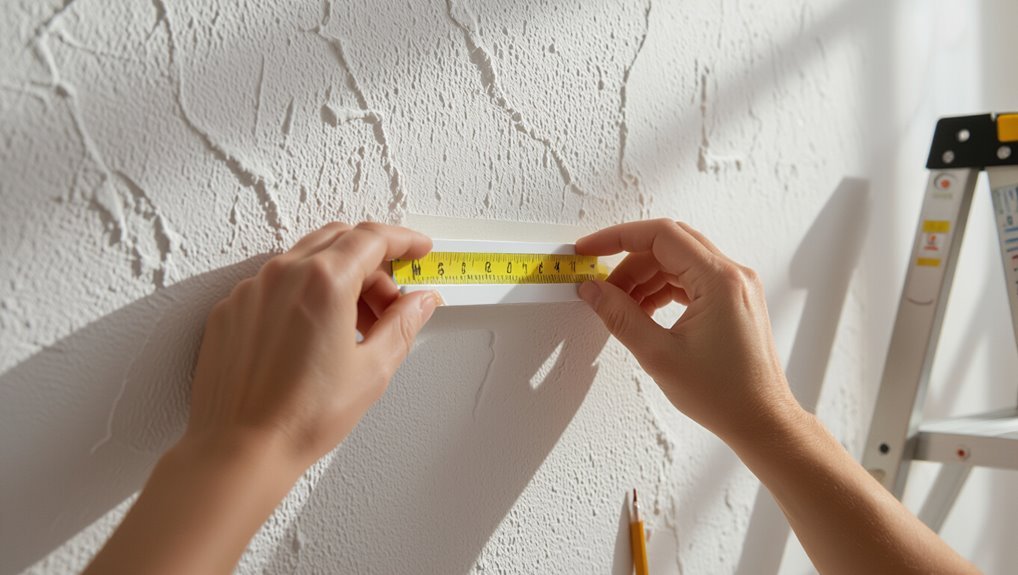
Preparing the surface is the most important step before you hang Mixtiles on textured walls, because even the best adhesive struggles to bond to heavy texture or loose paint.
You should clean with a mild detergent, rinse, and let fully dry. Remove flaking paint, lightly sand glossy spots, and vacuum dust from crevices.
Test a small patch with tape before proceeding.
Alternative Mounting Methods for Challenging Textures
If the Mixtiles adhesive won’t stick, you can use small picture hooks or nails for minimal wall damage.
Compare Command strips and Mixtiles adhesive to decide when removability or permanence matters.
For very rough textures, mount Mixtiles on thin backing panels or boards to create a smooth surface before hanging.
Using Small Picture Hooks or Nails with Minimal Damage
When adhesive strips won’t grip your textured wall, small picture hooks or thin nails can give you a secure, low-damage alternative that’s easy to remove later.
Choose thin, short nails or mini hooks rated for the Mixtile weight, place them between texture peaks, and pilot with a small nail or awl if needed.
Hang frames evenly; fill and touch up tiny holes when removed.
Command Strips vs. Mixtiles Adhesive: When to Choose Which
Small hooks or nails work great on very textured surfaces, but you might prefer an adhesive solution for cleaner walls or rental rules. You’ll choose Command strips for easy removal and lighter textures; Mixtiles adhesive sticks better to low-profile texture and gives a flush look. Compare:
| Feature | Command Strips | Mixtiles Adhesive |
|---|---|---|
| Removal | Easy | Requires care |
| Hold | Moderate | Strong |
| Surface | Slight texture | Low texture |
Using Mounting Boards or Backing Panels to Create a Smooth Mounting Surface
Because textured walls can prevent adhesives from making full contact, mounting boards or backing panels give you a predictable, smooth surface to attach your Mixtiles to.
Choose lightweight MDF, plywood, or foam core sized slightly larger than each tile. Secure boards to the wall with removable picture hangers or command strips, then mount Mixtiles to the boards for a flush, damage-free display you can reposition easily.
How to Remove Mixtiles from Textured Walls Without Damage
When you’re ready to remove Mixtiles from textured walls, follow a safe step-by-step technique to minimize stress on the surface and the tile.
If adhesive residue remains, you’ll want to use gentle solvents and light sanding or patching methods to restore the finish without causing more damage.
If the texture or damage is beyond what you can fix, call a professional to assess and repair the wall.
Safe Removal Techniques Step-by-Step
If you need to remove Mixtiles from a textured wall without causing damage, take it slow and use the right tools so the adhesive releases cleanly; rushing or prying can tear texture or pull paint.
Peel gently from one corner, hold tile flat, and pull slowly at a low angle.
Use dental floss or fishing line to saw adhesive if needed, keeping movements steady and controlled.
Dealing with Residue and Surface Repair
After you’ve removed the Mixtile, you’ll often find adhesive residue, torn texture, or small paint chips that need attention; tackling these issues carefully prevents further damage and restores the wall’s appearance.
Gently scrape residue with a plastic scraper, dissolve stubborn adhesive with isopropyl alcohol, repair small texture tears with lightweight spackle, sand smooth when dry, and touch up paint to blend.
When to Call a Professional
You’ve handled residue and small repairs, but certain situations call for a pro to avoid further damage.
Call a professional if paint peels beyond a few inches, texture crumbles, adhesive won’t lift, or you spot mold or structural cracks.
Pros have tools and patching techniques, can match texture and paint, and prevent costly mistakes—especially in rental or historic spaces.
Common Mistakes and How to Avoid Them
Don’t skip the small adhesion test—it’s the quickest way to know if your textured wall will hold the Mixtiles.
Use the right amount of adhesive: too much can ruin the look and too little won’t support the tile.
Always check your wall material and the weight limits so you don’t overload the surface.
Mistake 1 Skipping the Adhesion Test
Because textured walls vary so much, skipping an adhesion test is the quickest way to end up with crooked or fallen Mixtiles.
You should test a small, inconspicuous area first using the same adhesive and weight. Wait the recommended cure time, then gently pull to check hold.
That simple check prevents damage, saves time, and helps you pick the right spot and method.
Mistake 2 Using Too Much or Too Little Adhesive
When you slather on too much adhesive or skimp on it, your Mixtiles won’t sit flush and can tilt, sag, or fall off over time.
Apply an even, thin bead recommended by the manufacturer, press firmly for the specified time, and avoid excess that oozes out.
Test one tile first so you get consistent coverage and reliable hold across the rest.
Mistake 3 Ignoring Wall Material and Weight Limits
If you ignore what your wall’s made of and the weight limits for Mixtiles, you risk tiles falling, damaging finishes, or stripping paint—so always check the surface type and follow the manufacturer’s load guidance.
Test a small tile spot, confirm textured drywall, plaster, or brick compatibility, and don’t overload adhesive strips.
For heavier arrangements, use anchors or switch to picture-hanging hardware.
Best Practices and Tips for Long-Term Results
Place your Mixtiles where the wall texture, weight, and sunlight won’t stress the adhesive, and consider grouping heavier tiles near studs or using extra anchors.
Remember seasonal humidity and temperature swings can weaken bonds, so avoid hanging during extreme conditions and check attachments after big changes.
For long-term care, clean frames gently, rotate or re-stick tiles if edges lift, and reapply fresh adhesive before you start to see failure.
Optimal Placement and Weight Considerations
Because textured surfaces vary so much, you’ll want to plan placement with weight and contact points in mind to guarantee long-term hold.
Position heavier tiles lower, group smaller tiles so adhesive strips share load, and avoid edges where texture lifts.
Test one tile first, press for full contact, and leave a small gap between frames to reduce shear.
Recheck adhesion after a few days.
Seasonal and Humidity Considerations
When humidity rises or drops with the seasons, your Mixtiles’ adhesive performance can change.
So plan installations during stable, mild conditions and check them after weather swings.
Store tiles and strips indoors at room temperature before mounting.
Avoid installing during high humidity or rapid temperature shifts.
Use breathable wall areas away from showers, windows, or HVAC vents to minimize long-term adhesive stress.
Maintenance and Re-hanging Tips
1 simple routine will keep your Mixtiles looking great: inspect the adhesive and alignment every few months, clean the wall and tile backs as needed, and reapply or replace strips at the first sign of weakening.
When rehanging, press firmly for 30 seconds, use a level, and stagger replacements to avoid full-wall shifts.
Store unused strips dry and cool.
Comparison: Best Solutions by Texture Type
Next, you’ll compare the best hanging methods for common textures so you can pick the right approach.
For orange peel and light knockdown, use strong adhesive strips on cleaned, dry spots; for heavy knockdown and stucco, consider small anchor points or adhesive plus a shim to bridge deep textures.
For plaster and painted surfaces, prioritize gentle adhesives or removable picture-hanger hooks to avoid damage.
This quick comparison will help you match technique to surface for secure, long-lasting results.
Orange Peel and Light Knockdown Recommended Approach
Although orange peel and light knockdown textures have more tooth than a smooth wall, you can still get secure, clean Mixtile hangs by preparing the surface carefully and choosing the right adhesive method. Clean, score high points with light sanding; use foam pads or heavy-duty removable strips. Choose spacing and weight limits wisely.
| Surface prep | Adhesive choice |
|---|---|
| Light sanding | Removable strips |
| Dust removal | Foam pads |
Heavy Knockdown and Stucco Recommended Approach
Because heavy knockdown and stucco have deep peaks and valleys that make full contact difficult, you’ll need a different prep-and-adhesive strategy than for lighter textures. You’ll sand high points, clean debris, and use adhesive pads plus small sacrificial backing strips to bridge gaps. Test one tile, wait 24–48 hours, then proceed if secure.
| Texture feature | Fix |
|---|---|
| Peaks | Sand/light grind |
| Valleys | Clean/debris removal |
| Gaps | Backing strips |
| Adhesive | High-strength pads |
| Test | 24–48h trial |
Plaster and Painted Surfaces Recommended Approach
If heavy knockdown and stucco needed sanding and backing strips, plaster and painted surfaces will usually require a subtler approach: you’ll focus on surface cleanliness, moderate sanding to remove loose paint or gloss, and using low-profile adhesive options that won’t stress the substrate. Test a small area, use 3M Command strips recommended for painted plaster, and avoid excess weight.
| Surface | Prep | Adhesive |
|---|---|---|
| Smooth plaster | Clean, light sand | Low-profile strips |
| Painted wood | Degloss, clean | Foam-backed strips |
| Old paint | Prime edges | Small anchors |
Cost, Time, and Effort Overview
You can expect each Mixtile to take about 5–15 minutes to install, depending on wall texture and prep.
Materials typically include adhesive strips or removable hooks plus any repair or smoothing supplies, and will usually run $0.50–$5 per tile for adhesives and $5–$20 for basic prep tools.
Below we’ll break down typical time and cost per method so you can pick the option that fits your budget and schedule.
Estimated Time Per Tile Installation
On average, plan for about 5–10 minutes per Mixtile when you’re working on textured walls—this includes prepping the surface, aligning the adhesive, and pressing the tile in place.
Expect extra time for tricky textures or pattern layouts; complex arrangements may add 3–7 minutes per tile.
Allow a short curing window before adjusting nearby tiles, and factor brief breaks for measuring and leveling.
Typical Materials Cost Breakdown
Now that you’ve accounted for time per tile, it helps to break down the materials you’ll need and what they’ll cost so you can budget accurately.
You’ll spend on anchors, adhesive strips, and basic tools; costs vary by wall texture and tile count. Expect modest time and effort per tile once you have supplies.
- Anchors/patch kits – $0.50–$2
- Adhesive strips – $1–$3
- Tools (level, tape) – $10–$25
FAQ
Got questions? You’ll find quick answers here on whether Mixtiles can harm painted textured walls, if they’re right for exterior or bathroom use, how many adhesive strips to use, what to do if a tile falls, and whether alternatives exist for textured surfaces.
Read on for practical, short solutions you can try now.
Will Mixtiles damage painted textured walls?
While textured paint can hold onto adhesive more tightly than smooth finishes, Mixtiles are designed to come off cleanly and usually won’t strip paint or leave residue when removed properly.
You should test one tile in an inconspicuous spot first, follow Mixtiles’ removal instructions, pull slowly and evenly, and avoid reapplying adhesive repeatedly to the same textured area.
Can I use Mixtiles on exterior textured surfaces or in bathrooms?
If you’ve confirmed a single tile won’t damage painted textured walls, consider where else you want to hang them: exterior surfaces and bathrooms pose different challenges.
Outdoor exposure (rain, UV, temperature swings) and high humidity or steam indoors can weaken adhesives and warp frames.
Use weather-rated mounts for exteriors, choose moisture-resistant adhesives in bathrooms, and avoid direct water contact to preserve adhesion and finish.
How many adhesive strips or mounts per tile are recommended for textured walls?
For most mildly textured walls, plan on using two adhesive strips or one small mount at the top and one at the bottom of each Mixtile to prevent tilting; heavier textures or uneven grout lines may need three points of contact (two along the top edge and one centered below) to keep the frame flush and stable.
Use high‑quality strips rated for your tile weight, press firmly, and space mounts evenly.
What to do if a tile detaches after installation?
Start by staying calm — a detached Mixtile is usually an easy fix.
Check the tile and wall for damage, cleanse both surfaces, then reapply fresh adhesive strips rated for textured surfaces.
Press firmly for the manufacturer’s recommended time.
If it detaches again, test a different spot or use additional strips.
Contact Mixtiles support for replacement guidance if adhesives fail repeatedly.
Are there Mixtiles alternatives designed specifically for textured walls?
Once you’ve tried reattaching a Mixtile and it still won’t hold, you’ll want to explore alternatives made with textured surfaces in mind.
Look for photo tiles or frames with textured-wall adhesive strips, Velcro systems rated for rough surfaces, or lightweight magnetic mounts paired with small metal plates.
You can also choose peel-and-stick prints with stronger adhesives or clamp-style hangers that avoid relying solely on glue.
