
Can You Paint Over a Polyurethane Finish? Here’s How to Do It Right
Yes—you can paint over cured polyurethane if you prep it properly. Start by evaluating the finish for peeling, tackiness, or heavy gloss; clean thoroughly with soap or TSP, then degloss with light sanding or a liquid deglosser. Use a high-adhesion bonding primer suited to the polyurethane type, apply thin, even coats of paint, and sand lightly between coats. Do this and you’ll get durable coverage; keep going to learn the step-by-step tips and fixes.
Can You Paint Over a Polyurethane Finish? Quick Answer
Yes — you can paint over a cured polyurethane finish, but you’ll need to prep the surface properly for the paint to stick.
It’s a good option when the finish is intact but you want a new color or a refreshed look; skip painting if the polyurethane is peeling, heavily damaged, or a high-gloss factory finish that won’t key up.
In those problem cases, consider stripping, sanding to bare wood, or using specialized primers and paints made for slick surfaces.
Direct short answer for homeowners and DIYers
Wondering if you can paint over a polyurethane finish? Yes — but you’ll need to prep.
Lightly sand gloss, clean thoroughly, and use a good bonding primer before painting. Without sanding and priming, paint may peel or not adhere.
For best results, work in a dust-free area, follow product instructions, and allow proper drying times between coats to guarantee a durable finish.
When painting over polyurethane is a good idea
If your project needs a new color, improved durability, or a refreshed look without replacing the piece, painting over polyurethane makes sense—provided the finish is intact and you’re willing to prep (clean, scuff-sand, and prime) so the paint will bond and last.
Do it when the surface is structurally sound, blemishes are cosmetic, and you want cost‑effective refreshment rather than full restoration.
When you should avoid painting and options instead
Although painting over polyurethane can be a quick fix, you should avoid it when the finish is peeling, flaking, or the surface is structurally compromised—those conditions mean paint won’t adhere well and the underlying problems will keep worsening.
Instead, strip and repair damaged areas, refinish with new polyurethane, or replace compromised pieces.
For minor defects, sand to bare wood and refinish properly before repainting.
Understanding Polyurethane Finishes
Polyurethane is a tough clear film that chemically bonds to wood and other surfaces, so you’ll need to treat that layer before paint will stick.
Oil-based and water-based polyurethanes behave differently — oil-based cures harder and may resist paint more, while water-based sands and accepts primer more easily.
You should also check the finish’s age, sheen, and condition, because older or glossy coatings often need sanding or deglossing before priming and painting.
What polyurethane is and how it bonds to surfaces
Think of polyurethane as a tough, clear—or sometimes pigmented—seal that protects and enhances wood and many other surfaces.
It cures into a hard film by crosslinking polymers, bonding mechanically and chemically to properly prepared substrates. You’ll get strong adhesion where the finish wets and flows into pores or toothy surfaces; contaminants or glossy film reduce bonding, so prep matters before painting.
Types of polyurethane (oil-based vs. water-based) and how they affect paint adhesion
Since the way a finish cures determines how paint will stick, you should know there are two common types of polyurethane—oil-based and water-based—and they behave differently.
Oil-based dries harder, creates a slick, ambered surface that needs stronger deglossing and solvent-based primers for reliable adhesion.
Water-based stays clearer and is less oily, so milder sanding and water-based primers usually work well.
How age, sheen, and condition of the finish change your approach
When a finish has aged, shows high sheen, or is damaged, you’ll need to change your prep and primer choices accordingly; older, glossy, or worn surfaces demand more sanding, stronger deglossing, or a different primer than a fresh, matte, intact coat.
Inspect for yellowing, cracks, or peeling. Sand thoroughly, clean, and use a high-adhesion or bonding primer for reliable paint grip.
Assessing Your Surface Before You Paint
Before you paint, check the finish with simple tools and tests—like a cloth with denatured alcohol or a fingernail scratch—to confirm whether it’s oil- or water-based and how well new paint will stick.
Look for signs the polyurethane is failing or contaminated, such as peeling, tackiness, yellowing, or surface grime that won’t wipe away.
Also make sure you have proper ventilation, respirators, and gloves ready, since sanding and cleaning can release dust and fumes.
Tools and tests to determine finish type and adhesion ()
To make sure your new paint will stick and look right, you’ll need a few simple tools and a couple of quick tests to identify the finish and check adhesion.
Use these:
- Rubbing alcohol on a cotton ball to see if finish softens (nitrocellulose vs. polyurethane).
- Mineral spirits to test oil-based residues.
- A crosshatch tape adhesion test for paint adherence assessment.
Signs that the polyurethane is failing or contaminated
If the existing polyurethane is breaking down or has picked up contaminants, you’ll see clear signs that you need to do more prep before painting: cloudy or sticky spots, peeling or flaking finish, yellowing, or soft, tacky areas.
You might notice mold, dust embedded in the film, or fish-eye craters from silicone. These indicate cleaning, decontamination, or removal before repainting.
Safety considerations and ventilation requirements
Those surface problems also raise safety concerns you’ll want to address before painting: failing polyurethane can release dust, old solvents, or mould spores when sanded, and many paint products give off strong fumes.
Wear an N95 or respirator, eye protection, and gloves. Work with cross-ventilation, use exhaust fans, and avoid smoking or open flames.
Consider containment and HEPA cleanup for contaminated surfaces.
Materials, Tools, and Products You’ll Need
You’ll want the right abrasives, solvents, and a quality primer and paint to get durable results.
For polyurethane surfaces, bonding primers, shellac, or oil-based primers work best, and I’ll explain when to use each.
Also grab proper PPE and set up good ventilation and dust control before you start.
Abrasives, solvents, primers, and paints ()
1 essential lesson before you start: the right abrasives, solvents, primers, and paints make the job possible — and much easier.
- Sandpaper: 120–220 grit for scuffing, plus 320–400 for final smoothing.
- Solvent: denatured alcohol or mineral spirits to clean and degloss.
- Paints and primer: latex or oil paints plus a compatible bonding primer (see next section for specifics).
Recommended primers for polyurethane (bonding primers, shellac, oil-based) ()
Once you’ve scuffed and cleaned the surface, pick a primer that’ll actually stick to polyurethane—bonding primers, shellac-based primers, and oil-based primers are your go-to options. Choose based on adhesion, odor, and dry time so your topcoat behaves. Test first on a hidden spot.
| Primer Type | Best For | Notes |
|---|---|---|
| Bonding | Smooth finishes | Strong adhesion |
| Shellac | Fast sealing | Tacky, solvent smell |
| Oil-based | Durability | Longer cure time |
PPE and workspace setup
Before you start sanding or priming, gear up and set up a safe, well-ventilated workspace—proper PPE and organization cut risks and make the job go smoother.
Wear N95 or respirator, safety goggles, gloves, and hearing protection.
Use drop cloths, tack cloths, and good lighting.
Keep tools, primers, and cleaners organized, and ventilate with fans or open windows to disperse fumes.
Step-by-Step: How to Paint Over Polyurethane (Preparation and Application)
Start by cleaning the polyurethane surface with a degreasing cleaner or TSP substitute so paint will stick.
Lightly degloss with 220–320 grit sandpaper, remove all dust with a tack cloth, and only use chemical strippers or solvents if sanding and cleaning won’t reach old finish.
Finish by choosing a high-adhesion primer, follow its coverage and dry-time instructions, then proceed to paint.
Step 1 Clean surface thoroughly (products and technique)
Because paint won’t stick well to grimy or oily surfaces, you should clean the polyurethane thoroughly before sanding or priming.
Wipe with a mild dish soap and warm water solution, rinse, then dry. For grease use TSP or trisodium replacement following label directions and gloves.
Finish with an acetone or denatured alcohol wipe to remove residues, then let the surface fully air dry before proceeding.
Step 2 Light deglossing and scuff sanding (grit recommendations and method)
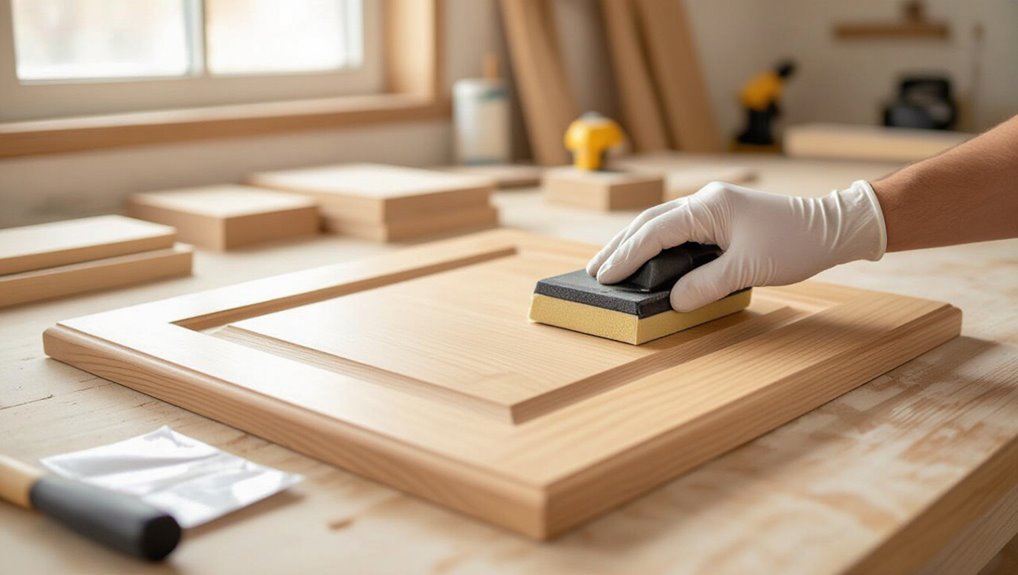
1. Lightly degloss with a liquid deglosser or 400–600 grit sandpaper; you want to dull shine, not cut through finish.
Sand by hand or with a fine foam pad using even, gentle strokes along the grain. Wipe away particles between passes.
For edges and curves, wrap sandpaper around a block for control. Aim for a consistent, slightly matte surface before priming.
Step 3 Tack cloth and dust removal
Now grab a tack cloth and a soft brush or microfiber—you’re going to remove every loose particle left from sanding so the primer bonds evenly.
Work methodically: brush crevices first, then wipe with the tack cloth in overlapping strokes. Replace the cloth when dirty.
Finish with a lint-free wipe and inspect under good light—any dust left will show through paint, so be thorough.
Step 4 When and how to use chemical strippers or solvents
If the finish is glossy, flaking, or you need the paint to adhere perfectly, you’ll want to use a chemical stripper or solvent before priming.
Choose a product rated for polyurethane, work in a ventilated area, and wear gloves and eye protection.
Apply per instructions, scrape gently with a plastic scraper, neutralize residue if required, and wipe clean.
Sand lightly afterward.
Step 5 Choosing and applying the right primer (coverage and dry times)
Because a proper primer bridges slick polyurethane and your new paint, choose one formulated for glossy, nonporous surfaces—typically a bonding or adhesion-promoting primer—and check its coverage and dry times so you can plan recoats and curing.
Apply thin, even coats with a brush or roller recommended by the manufacturer, note recoat windows, and allow full cure before sanding or topcoating to guarantee adhesion.
Step 6 Painting: paint types, application techniques, and number of coats
Once you’ve primed and let it cure, pick a paint formulated for adhesion to slick surfaces—water-based acrylics or alkyds work well—and apply thin, even coats so each layer bonds and dries properly.
Use a high-quality synthetic brush or foam roller for smooth coverage, maintain light cross-hatching strokes, and sand lightly between coats.
Two thin coats usually suffice; add a third for deep colors.
Step 7 Drying, curing, and optional topcoat for durability
Let the paint dry thoroughly before handling the piece, then allow additional curing time so the finish reaches full hardness—this usually means waiting 24 hours between coats and 7–30 days for full cure depending on paint type and conditions.
Monitor humidity and temperature, avoid heavy use during curing, and consider a clear protective topcoat (polyurethane or polycrylic) after recommended cure for added abrasion and moisture resistance.
Alternative Routes: When Not to Paint and What to Do Instead
If painting feels like the wrong choice, you can recoat with polyurethane to refresh the finish and keep the wood’s natural look, though you’ll trade color options for durability.
You could strip the finish back to bare wood and refinish it for a completely new stain or look, but that takes more time and labor.
Or choose tinted or colored polyurethanes to add subtle or bold hues while retaining the protective topcoat.
Recoating with polyurethane vs. painting (pros and cons)
When your surface still has good adhesion and the finish is mostly intact, recoating with polyurethane usually beats painting for durability and ease — you’ll keep the original grain or sheen, add protection, and avoid the prep that paint requires. Recoat to preserve look; paint to change color.
| Option | When to choose |
|---|---|
| Polyurethane | Preserve, minimal prep |
| Paint | Change color, cover flaws |
Stripping to bare wood and refinishing
Strip the old finish down to bare wood and you’ll reveal whether refinishing is a better route than painting.
If the wood’s sound and you want natural grain, sand to clean fibers, repair gouges, then apply stain and multiple polyurethane coats for protection.
This preserves character, avoids layer adhesion issues, and often yields a longer-lasting, easier-to-maintain result than painting.
Using tinted or colored polyurethanes
After sanding back to bare wood and deciding you want to keep the grain instead of painting, consider tinted or colored polyurethanes as an alternative finish.
You can deepen or warm the wood tone while preserving texture. Test stains on scraps, apply thin coats, and wipe excess.
Use water- or oil-based tints to match style, then seal with clear poly for durability.
Common Problems and How to Fix Them
You’ll run into a few common problems when painting over polyurethane—peeling or flaking, bubbles or fish-eyes, and poor adhesion between layers—and each has a straightforward fix.
Start by identifying the cause (bad prep, contamination, or incompatible products), then sand, clean, and use the right primer or adhesion promoter.
If you still get texture issues or delamination, strip to bare wood or recoat following manufacturers’ cure times.
Paint peeling or flaking after application causes and fixes
When paint starts peeling or flaking after you’ve applied it, it’s usually a sign that something went wrong with surface preparation, adhesion, or curing; identifying the root cause lets you pick the right fix and prevents the problem from recurring.
Check for poor sanding, oily or contaminated surfaces, or incompatible primers.
Remove loose paint, sand to feather edges, clean thoroughly, apply appropriate primer, and repaint with compatible paint.
Bubbles, fish-eyes, or uneven texture troubleshooting
If you spot bubbles, fish-eyes, or an uneven texture in your paint, it’s usually a sign of contamination, improper thinning, or application mistakes—but these issues are fixable with the right steps.
Remove dust, grease, or silicone by cleaning with a mild solvent. Thin paint per manufacturer instructions, use proper rollers or spray settings, and apply even, overlapping strokes.
Sand light imperfections and recoat.
Adhesion failure between layers corrective steps
Address adhesion failures promptly to prevent peeling, flaking, or bubbling between coats of paint and polyurethane.
If layers separate, strip loose material, sand to bright substrate or scuff existing finish, then clean thoroughly with degreaser.
Apply a compatible primer or adhesion promoter, allow proper cure times, and recoat with recommended products.
Test a small area before finishing the entire surface.
Best Practices and Pro Tips for Long-Lasting Results
Start by following a prep routine that guarantees adhesion — clean, scuff, and remove any wax or silicone.
Match primer and paint to the type of polyurethane (oil- or water-based) so coatings bond properly.
Finish with simple maintenance tips, like gentle cleaning and periodic touch-ups, to keep the painted surface lasting longer.
Prep routines that guarantee adhesion
When you want paint to stick to polyurethane and last, meticulous prep beats shortcuts every time.
Clean surface with degreaser, rinse, and dry.
Scotch‑brite or 220–320 grit sand lightly to dull gloss, then remove dust with tack cloth or vacuum.
Repair chips with compatible filler, sand smooth, and wipe again.
Let the surface cure fully before priming and painting for reliable adhesion.
Primer and paint pairings for different polyurethanes
Now that you’ve prepped the surface to a clean, dull sheen, match your primer and paint to the type of polyurethane you’re covering for durable results.
Oil-based polyurethane needs a solvent-based or bonding primer; water-based polyurethane pairs best with a high-adhesion acrylic primer.
For satin or gloss finishes, use a deglosser first and choose paint rated for adhesion over slick surfaces to prevent peeling.
Maintenance tips to preserve painted-over finishes
Keep a simple routine to protect painted-over polyurethane: clean gently with a mild detergent and soft cloth, avoid abrasive pads, and address chips or scratches promptly with touch-up paint or a thin topcoat.
Wipe spills immediately, use coasters and pads to prevent wear, and reapply a clear protective coat every few years.
Inspect regularly and fix damage before it spreads.
Cost, Time, and Effort Estimates
You’ll usually spend a few hours to a day prepping (sanding, cleaning), another coat-to-coat day for priming and drying, and a final day for painting and cure time depending on product specs.
DIY material costs typically range from $30–$150 for primers, paints, and supplies, while hiring a pro can push total labor-plus-materials into the $200–$800+ range for small projects.
Use these estimates to weigh whether you’ll tackle the job yourself or hire help.
Typical timeframes for prep, priming, and painting
Expect to spend a few hours to a few days on a polyurethane refinishing project depending on surface size, condition, and the drying times of products you choose.
Small items: sanding, degreasing, priming, and two coats of paint can take one day with quick-dry primer and paint.
Larger pieces or oil-based products need 2–4 days for sanding, priming, multiple coats, and full cure.
Rough material cost ranges for DIY vs. professional job
For a basic DIY polyurethane repaint, plan on spending roughly $30–$150 for supplies—sandpaper, tack cloths, primer, paint, brushes or a small sprayer, and a few rags—whereas hiring a professional generally runs $200–$1,000+ depending on size and labor.
You’ll save on labor but spend time; pros provide speed, expertise, and warranty, which can justify higher costs for larger or intricate jobs.
FAQs
You probably have a few quick questions about painting over polyurethane, like whether you can skip sanding or hide the wood grain.
You’ll also want to know how long to wait after primer, if chalk paint will stick, and how to tell oil- from water-based finish.
Let’s answer those so you can move forward with confidence.
Can I paint over polyurethane without sanding?
Wondering if you can skip sanding and paint directly over polyurethane? You can in limited cases using a high-adhesion primer or liquid deglosser on cured, clean surfaces, but results vary.
For best durability, sanding (or at least scuffing) is recommended to create mechanical grip.
Skip sanding only for low-traffic items and accept higher risk of peeling or poor adhesion.
Will paint hide wood grain under polyurethane?
If you skip sanding and try painting over polyurethane, expect the finish to still show wood grain unless you take extra steps to hide it.
Paint can reduce contrast, but thin coats follow contours, revealing texture.
To mask grain, lightly sand, fill deep pores with wood filler or grain filler, prime with a high-build primer, then apply multiple opaque coats for uniform coverage.
How long should I wait after applying primer before painting?
How long should you wait after the primer dries before laying down paint?
Wait until the primer’s surface feels dry to the touch and the manufacturer’s recommended recoat time has passed—usually 1–4 hours for latex, 24 hours for oil-based primers.
Temperature and humidity can extend cure times.
Lightly sand between coats if recommended, then wipe away dust before painting for best adhesion.
Can I use chalk paint over polyurethane?
Once your primer’s dry and you’ve sanded and wiped the surface, you may be thinking about using chalk paint over existing polyurethane.
Yes—you can. Chalk paint adheres well to properly prepped, primed polyurethane.
Apply thin, even coats, allow adequate drying between layers, then seal with wax or a clear topcoat for durability.
Test a small area first to confirm adhesion and finish.
How do I know if the polyurethane is oil- or water-based?
Wondering whether your polyurethane is oil- or water-based? Check the can label if available—“oil,” “alkyd,” or “solvent” means oil-based; “water,” “water-based,” or “acrylic” means water-based.
If missing, test with denatured alcohol: it softens water-based finish but not oil-based.
Oil-based yellows with age and smells stronger when fresh.
Use these clues to identify the type before painting.
